- 홈

- 유화 복제화
- vincenzo scamozzi
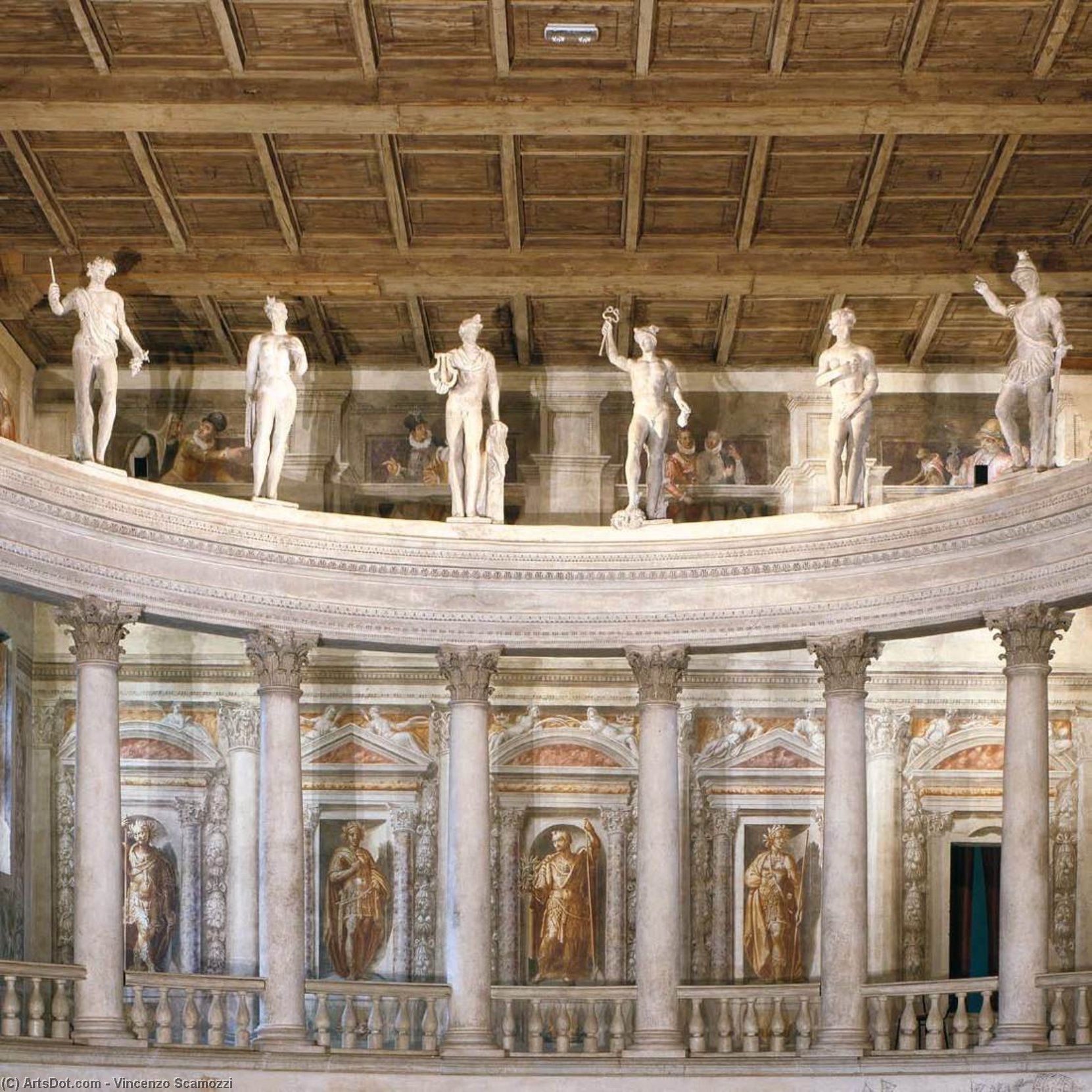
- 내부 디테일
 프린트 구매하기
 공유하기
공유하기 공유하기
공유하기
 상세 정보
상세 정보

 다운로드
다운로드
 유사 작품
유사 작품 X-레이
X-레이 슬라이드 쇼
내부 디테일


 더 보기
더 보기




P118B $10

P118H $10

P118W $10

P438Z $10

P508JH $12

P508YH $12

P805H $10

P805Z $10

P919BZ $10

P919G $10

P919XJ $10

P959ZH $10

P968JZ $12

W106C $8

W218G $10

W218JH $8

W218Y $10

W307PJ $10

W316G $10

W316PJ $8

W316Y $10

W398PJ $8

W4111J $10

W500HY $15

W500JH $15

W692G $12

W849H $8

W940BG $15

W953PJ $8




작품의 원본 비율을 유지하는 미리 설정된 크기 중에서 선택하세요.

특정 프레임이나 공간에 맞도록 직접 크기를 입력할 수 있습니다. 선택하신 크기가 원본 이미지의 비율과 일치하지 않는 경우, 작품을 자르거나 추가적인 손으로 그린 요소를 사용하여 그림을 확장합니다. 제작 시작 전 승인을 위해 디지털 목업을 보내드립니다.
화면 미리 보기는 실제 자르기 또는 확장을 반영하지 않습니다. 최종 구성은 목업을 통해서만 정확하게 확인하실 수 있습니다.
맞춤 크기 제작도 가능하지만, 원본 비율을 유지하기 위해 사전 정의된 목록에서 크기를 선택하시는 것을 권장합니다.
주문 후 OriginalUniqueArt.com 팀에서 상세 안내를 위해 고객님께 이메일을 보내드리며, 미리보기 시안을 제공해 드립니다.


 유리 옵션은 110cm 미만 크기에서만 선택 가능합니다.

내부 디테일
재현 기법
복제본 크기
-


최종 결제 금액
-
작품 상세 설명
바ロック 건축의 정수: Vincenzo Scamozzi의 ‘내부 디테일’ 분석
바록코 건축 양식의 절정을 보여주는 Vincenzo Scamozzi의 작품 “내부 디테일”(Interior (detail), 1588년 제작)은 단순한 건축 사진을 넘어 예술가들의 영혼과 지혜를 담은 이야기입니다. 이 그림은 이탈리아 사비오네타 극장 내부의 정면 조망으로, 고전적인 아름다움과 기술적 혁신이 완벽하게 결합된 작품입니다. 특히 디테일한 관찰을 통해 드러나는 건축 양식의 특징과 예술가의 깊은 통찰력은 미술 애호가와 수집가들에게 감동적인 경험을 선사합니다.작품의 배경과 역사적 의미
이 그림은 16세기 후반 이탈리아 사비오네타 극장 건설 프로젝트의 핵심 요소로 사용된 건축 작품입니다. Vincenzo Scamozzi는 당시 이탈리아 바록코 건축가로서 로마 신플라톤 철학에 영향을 받아 극장의 디자인과 장식에 혁신적인 시도를 했습니다. 사비오네타 극장은 이탈리아 역사상 가장 화려하고 아름다운 극장으로 손꼽히며, 그 건축 양식은 고전적인 기법과 예술적 감각을 반영합니다. 특히 이 작품은 로마 신플라톤 철학의 이상을 구현하고자 하는 건축가의 열정을 보여줍니다.바록코 건축 양식의 특징과 기술적 혁신
Scamozzi는 사비오네타 극장 건설에 참여하면서 바록코 건축 양식의 주요 특징들을 활용했습니다. 그는 거대한 원형 기둥과 화려한 장식을 통해 극장의 규모와 위엄을 강조했으며, 천장에는 복잡하고 아름다운 프레스코 회화가 그려져 극장의 공간감을 극대화했습니다. 또한 Scamozzi는 다양한 재료를 사용하여 극장의 벽과 바닥을 마감하고 건축물의 전체적인 균형과 안정성을 확보했습니다. 이러한 기술적 혁신은 당시 건축가들에게 새로운 영감을 제공했으며, 바록코 건축 양식의 발전에 기여했습니다. 특히 이 작품은 뛰어난 건축 기술과 예술적 감각이 결합된 결과물입니다.그림 속 디테일 분석: 조각상과 프레스코 회화의 상징성
“내부 디테일” 그림은 극장 내부에 설치된 다양한 조각상과 프레스코 회화가 특징입니다. 조각상들은 고전적인 인물들을 표현하며 지혜와 예술을 상징합니다. 특히 중앙 조각상은 극장의 중심 역할을 수행하며 관람객의 시선을 사로잡습니다. 프레스코 회화는 극장 벽면에 그려져 고전적인 장면과 인물을 담고 있으며, 화려한 색채와 섬세한 표현 기법은 극장의 아름다움을 더욱 돋보이게 합니다. 이러한 디테일들은 건축가 Scamozzi가 단순히 기능적인 공간을 만드는 것을 넘어 예술적 감각과 상징성을 결합하여 극장의 의미를 풍부하게 만들고자 노력했음을 보여줍니다.감동적인 경험과 고품질 레플리카 구매 가치
이 그림은 바록코 건축 양식의 아름다움과 기술적 혁신을 잘 보여주는 작품입니다. 또한 이 그림은 고전 문화와 예술에 대한 열정을 불러일으키며 관람객에게 감동적인 경험을 선사합니다. Vincenzo Scamozzi의 “내부 디테일” 레플리카는 고품질 재료와 정교한 기술로 제작되어 원본과 거의 동일한 아름다움을 느낄 수 있도록 합니다. 미술 애호가와 수집가들에게 이 작품은 예술적 영감을 제공하고 공간에 특별한 분위기를 더하는 데 기여할 것입니다. 사비오네타 극장의 역사적인 의미를 되새기며 고품질 레플리카로 집 안을 아름답게 꾸며보세요.작가 약력
Catharina van Hemessen: A Pioneering Voice in the Northern Renaissance
Before Rembrandt, before Rubens, there existed a woman who quietly yet powerfully shaped the artistic landscape of 16th-century Flanders – Catharina van Hemessen. Often overshadowed by her male contemporaries, she stands as a remarkable testament to female creativity and skill during a period when societal constraints severely limited women’s access to formal artistic training and recognition. Her legacy isn't one of grand, monumental works, but rather in the intimate portraits and devotional paintings that reveal a keen eye for detail, a subtle understanding of human emotion, and an early embrace of Renaissance ideals.
Born around 1528 in Antwerp – a vibrant hub of artistic activity during this era – Catharina’s life was inextricably linked to her father, Jan Sanders van Hemessen, a respected Mannerist painter. He served as her initial mentor, nurturing her nascent talent and providing her with the foundational skills necessary for her future endeavors. While details about her early childhood remain scarce, it's believed she received an education that extended beyond the typical domestic sphere for women of the time, likely involving exposure to artistic techniques through her father’s workshop. This privileged access was a rarity, as formal art training was almost exclusively reserved for men.
The prevailing attitudes towards female artists during this period were deeply restrictive. Artistic guilds, which controlled much of the professional landscape, largely excluded women. Furthermore, the accepted methods of artistic instruction – including dissection and study of the nude male form – presented significant obstacles to a woman’s pursuit of painting. Despite these challenges, Catharina persevered, demonstrating an exceptional aptitude for her craft. She skillfully navigated the social barriers, becoming one of the first documented female artists in Flanders to achieve professional recognition.
A Portraitist and Devotional Painter
Catharina's artistic output is characterized by a remarkable versatility, encompassing both portraiture and religious scenes. Her small-scale portraits, often depicting women from wealthy merchant families, are particularly noteworthy for their elegance and psychological depth. These weren’t simply likenesses; she captured the personalities of her subjects with subtle gestures, expressions, and carefully rendered clothing details. The 1548 self-portrait, now housed in the Kunstmuseum Basel, is a pivotal work in understanding her artistic development. It depicts her seated at an easel, engaged in the act of painting – a bold statement for its time and a testament to her confidence as an artist.
Beyond portraiture, Catharina produced a series of devotional paintings, often featuring Mary Magdalene or other female saints. These works demonstrate her ability to translate religious iconography into emotionally resonant images. Her use of color is restrained yet effective, creating a sense of serenity and contemplation. Notable examples can be found in the Rijksmuseum in Amsterdam and the National Gallery in London, showcasing her consistent quality across different commissions.
Influences and Artistic Style
Catharina’s artistic style reflects a synthesis of influences – primarily Mannerism, which was prevalent in Flanders at the time, and elements of early Renaissance humanism. She skillfully employed techniques learned from her father, incorporating his characteristic use of rich colors, dynamic compositions, and attention to detail. However, she also developed a distinct personal voice, evident in her nuanced portrayal of female subjects and her subtle integration of classical motifs.
The work of Jan Sanders van Hemessen undoubtedly shaped Catharina’s early development. She frequently collaborated with him on various projects, absorbing his techniques and artistic sensibilities. However, she quickly surpassed her father's style, demonstrating a greater independence and originality in her own paintings. The influence of Italian Renaissance artists, particularly those working in Florence, is also discernible in her compositions and use of perspective.
A Legacy of Quiet Innovation
Catharina van Hemessen’s impact on the art world may not be immediately apparent, but she played a crucial role in challenging conventional notions about women's roles as artists. As one of the earliest documented female Flemish painters, her existence alone defied societal expectations and paved the way for future generations of women to pursue careers in the arts. Her self-portrait stands as a powerful symbol of artistic ambition and self-expression – a testament to her courage and determination.
Despite the relative obscurity that has surrounded her life and work, Catharina van Hemessen’s legacy endures. Her paintings offer a valuable glimpse into the artistic practices of 16th-century Flanders and serve as a reminder of the often-overlooked contributions of women to the history of art. Further research continues to shed light on this fascinating artist, solidifying her place as a pioneering figure in the Northern Renaissance.

vincenzo scamozzi
1548 - 1616 , Italy
주요 정보
- Artistic Movement Or Style: Northern Renaissance
- Artists Who Influenced This Artist: ['Jan Sanders van Hemessen']
- Date Of Birth: 1528
- Date Of Death: after 1565
- Full Name: Catharina van Hemessen
- Nationality: Flemish
- Notable Artworks:
- Self-Portrait
- Female portraits
- Religious compositions
- Place Of Birth: Antwerp, Belgium
관련 기사 더 보기
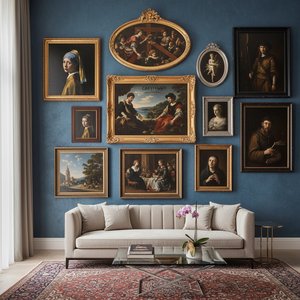
Baroque Painting's Greatest Hits: 10 Masterpieces for Your Home | OriginalUniqueArt
Journey through Baroque painting's glory! Explore 10 masterpieces by Caravaggio, Rembrandt & Vermeer. Discover dramatic lighting, rich colors & timeless stories. Find museum-quality art reproductions for your home at OriginalUniqueArt.com.
건축적 통합의 정교함: 조화로운 인테리어를 위한 맞춤 예술 디자인
건축적 특징과 완벽한 조화를 이루는 맞춤 예술 작품으로 공간의 가치를 높여보세요. OriginalUniqueArt에서 전문가 컨설팅을 통해 이상적인 인테리어를 완성하고, 고품질 그림을 합리적인 가격으로 만나보세요.
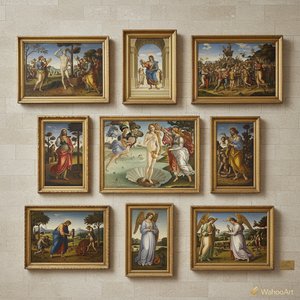
르네상스 걸작 TOP 10: 초기 예술의 지혜와 아름다움을 만나보세요
초기 르네상스 미술의 정수를 담은 명작 10! 보티첼리, 다비드 등 거장의 숨결을 느껴보세요. 예술 작품 탄생 비화와 아름다운 색채를 탐구하고, OriginalUniqueArt.com에서 고품질 아트 프린트 & 인테리어 영감을 얻으세요. 지금 바로 온라인 컬렉션을 만나보세요!
공간의 울림을 담아내는 예술: 건축적 공명과 미학적 프레이밍이 선사하는 특별한 경험 (Gonggan-ui ulrimeul damaneuneun yesul: geonchukjeok gongmyeonggwa mihakjeok peureimingi seonsaneuneun teukbyeolhan gyeogeum)
호텔 디자인의 새로운 지평을 열다! 건축적 공명과 미학적 프레이밍 기법으로 공간의 울림을 창조하는 특별한 경험을 소개합니다. 전문가의 인사이트와 트렌드를 담았습니다.

바로크의 드라마: 현대 인테리어에 풍요로움과 감동을 불어넣기
바로크 예술의 풍요로운 세계를 탐험하고, 현대 인테리어에 감동을 불어넣는 방법을 OriginalUniqueArt에서 만나보세요. 카라바조, 렘브란트 등 거장들의 작품과 키아로스쿠로 기법 활용 노하우를 공개합니다.


