
 공유하기
공유하기 공유하기
공유하기
 상세 정보
상세 정보

 다운로드
다운로드
 유사 작품
유사 작품 슬라이드 쇼
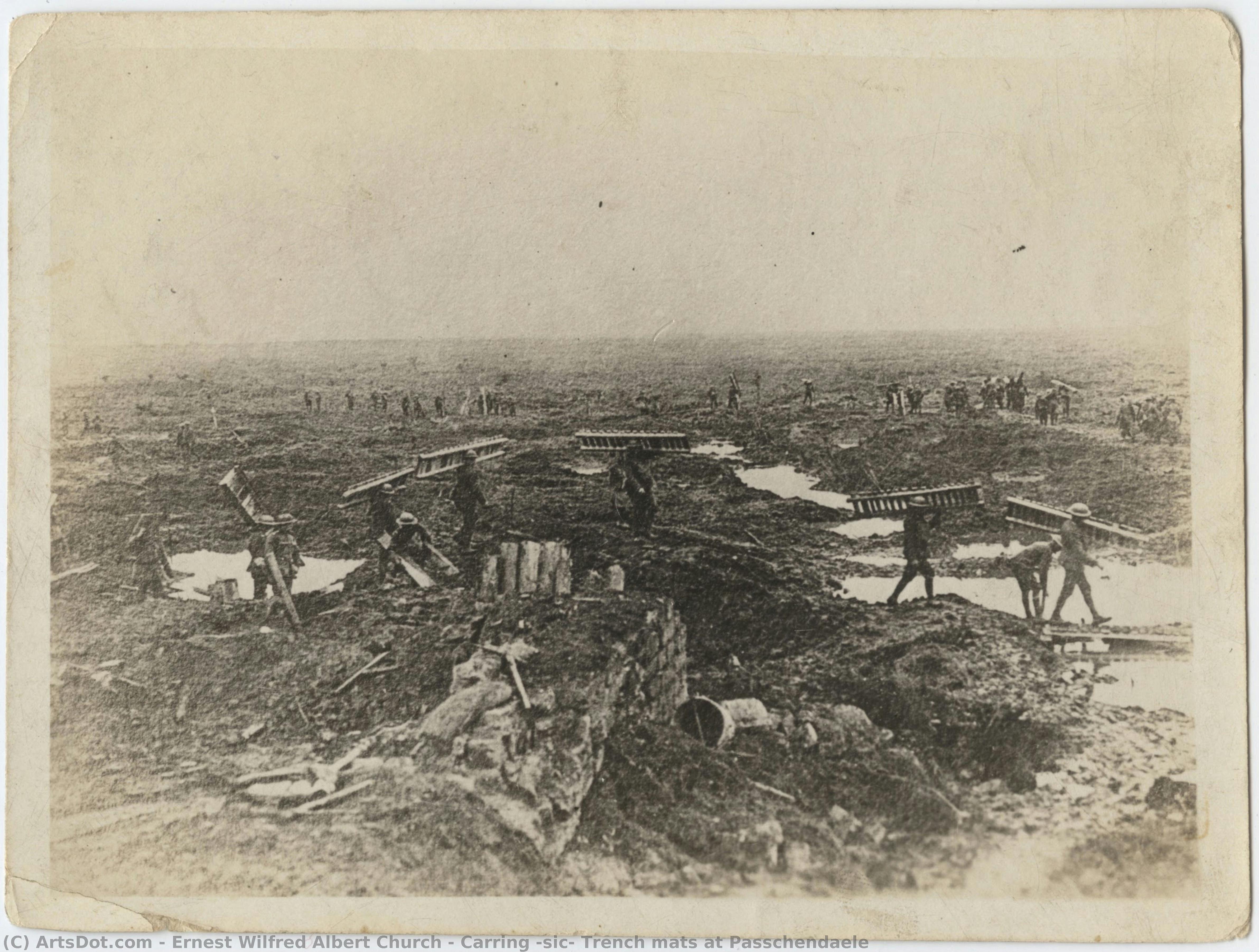
트렌치 매 운반


 더 보기
더 보기
수제 유화 복제품
원하는 크기와 액자로 주문 제작되는, 작가들이 직접 캔버스에 손으로 그린 유화 작품입니다. ( 프린트 주문으로 전환 이미지로 전환)




































작품의 원본 비율을 유지하는 미리 설정된 크기 중에서 선택하세요.

특정 프레임이나 공간에 맞도록 직접 크기를 입력할 수 있습니다. 선택하신 크기가 원본 이미지의 비율과 일치하지 않는 경우, 작품을 자르거나 추가적인 손으로 그린 요소를 사용하여 그림을 확장합니다. 제작 시작 전 승인을 위해 디지털 목업을 보내드립니다.
화면 미리 보기는 실제 자르기 또는 확장을 반영하지 않습니다. 최종 구성은 목업을 통해서만 정확하게 확인하실 수 있습니다.
맞춤 크기 제작도 가능하지만, 원본 비율을 유지하기 위해 사전 정의된 목록에서 크기를 선택하시는 것을 권장합니다.
주문 후 OriginalUniqueArt.com 팀에서 상세 안내를 위해 고객님께 이메일을 보내드리며, 미리보기 시안을 제공해 드립니다.


 유리 옵션은 110cm 미만 크기에서만 선택 가능합니다.

트렌치 매 운반
재현 기법
복제본 크기
-


최종 결제 금액
$ 300
작품 상세 설명
영국 프리라페라이트 화가 에른스트 필립 알베르트 교회의 작품 분석: 패스헤들레 트렌치 매 운반 작업 사진
에른스트 필립 알베르트 교회는 영국 프리라페라이트 화가로, 빅토리아 시대 미술계에 혁명적인 변화를 가져온 인물입니다. 그는 프리라페라이트 브라더후드 창립 멤버로서 자연과 신화 그리고 사회적 비판을 다루는 작품들을 통해 독특한 예술 스타일을 구축했습니다. 교회는 뛰어난 재능과 함께 개인적인 고뇌를 안고 있으며, 그의 삶은 프리라페라이트 운동의 이상에 영감을 받아 미술가로 성장하는 과정에서 중요한 영향을 받았습니다. 특히 그는 패스헤들레 전투 현장에서 촬영된 트렌치 매 운반 작업 사진으로 역사적 의미와 예술적 가치를 인정받는 작품입니다. 패스헤들레 전투는 제1차 세계 대전의 가장 참혹한 전투 중 하나였으며, 교회는 이 전쟁의 실상을 생생하게 기록했습니다. 그의 사진은 군인들의 고된 노동과 협동 정신을 보여주며 전쟁의 비극적인 현실을 효과적으로 전달합니다. 사진 속 남성들은 트렌치 매를 들고 힘겹게 이동하며 전투 환경의 어려움을 극복하기 위해 노력하고 있습니다. 교회는 자연주의적 기법을 사용하여 빛과 색상을 섬세하게 표현했으며, 특히 어두운 배경에 대비되는 밝은 트렌치 매의 색상은 보는 이에게 강렬한 감동감을 선사합니다. 이러한 기술은 프리라페라이트 화가들의 특징적인 스타일을 반영하며, 교회의 작품이 역사적 맥락 속에서 갖는 의미를 더욱 깊게 이해하도록 돕습니다. 사진의 배경은 패스헤들레 전투 지역의 황량하고 비옥한 토양으로 이루어져 있으며, 이는 자연주의적 기법과 함께 프리라페라이트 화가들의 이상을 상징합니다. 교회는 자연 속에서 인간의 고뇌와 희망을 표현하고자 노력했으며, 그의 작품은 전쟁의 참혹함과 동시에 인간의 용기와 연대감을 보여줍니다. 트렌치 매 운반 작업 사진은 단순한 기록 이상의 의미를 지니고 있으며, 이는 역사적 사건이 예술 작품에 의해 어떻게 영원히 기억될 수 있는지 보여주는 사례입니다. 교회는 프리라페라이트 화가로서 자연과 빛을 통해 인간의 내면 심리를 탐구하고 감동적인 작품들을 탄생시켰습니다. 그의 사진은 오늘날에도 많은 이들에게 깊은 감동과 영감을 불어넣고 있습니다.- 교회는 프리라페라이트 브라더후드에 의해 자연주의적 기법이 선호되었습니다.
- 트렌치 매 운반 작업 사진은 패스헤들레 전투의 실상을 생생하게 기록했습니다.
- 교회는 빛과 색상을 섬세하게 표현하여 감동적인 작품을 탄생시켰습니다.
작가 약력
A Witness to the Great War: The Lens of Ernest Wilfred Albert Church
In the harrowing landscape of the First World War, where the earth itself seemed to dissolve into a quagmire of mud and despair, few voices captured the visceral reality of combat as starkly as Ernest Wilfred Albert Church. A Canadian photographer operating amidst the chaos of the Western Front, Church did not merely document events; he froze moments of profound human struggle within the silver halide of his film. His work serves as a haunting, monochromatic window into the Battle of Passchendaele, offering a perspective that transcends mere historical record to become an intimate encounter with the brutality of trench warfare.
The life of Church is inextricably linked to the heavy atmosphere of 1917, a period defined by unprecedented industrial slaughter. While many photographers of the era focused on the grand movements of armies or the heroic portraits of commanders, Church’s eye was drawn to the granular, often overlooked details of survival. His imagery captures the grit and the physical labor required to endure the elements, such as the arduous task of transporting trench mats through the sludge. Through his lens, the viewer is forced to confront the unvarnished truth of the soldier's existence—a life defined by wooden planks, heavy loads, and an ever-present sense of peril.
The Artistry of the Unfiltered Moment
Technically, Church’s contributions to the photographic canon of World War I rely on a raw, documentary aesthetic that eschews romanticism. There is no attempt to beautify the carnage; instead, there is a profound focus on texture and composition that highlights the environmental devastation. His photographs utilize the high contrast of black and white to emphasize the skeletal remains of landscapes and the weary expressions of military personnel. The way light interacts with the wet, churned earth in his shots creates a sense of depth that makes the viewer feel as though they are standing alongside the troops in the trenches.
The significance of his work lies in its ability to bridge the gap between historical fact and emotional resonance. By focusing on subjects like the Carring [sic] Trench mats at Passchendaele, Church highlights the logistical nightmare of the war. These images are not just about combat; they are about the infrastructure of misery. His ability to find a composition within the chaos—capturing the weight of the wooden planks and the struggle of the men carrying them—elevates his work from simple journalism to a poignant form of visual storytelling that speaks to the resilience and the exhaustion of a generation.
Legacy in the Shadows of History
Though his life was cut short by the very era he documented, the legacy of Ernest Wilfred Albert Church remains etched in the historical consciousness. His photographs act as vital artifacts for historians and art enthusiasts alike, providing a somber counterpoint to the propaganda often circulated during wartime. He remains a pivotal figure for anyone seeking to understand the true human cost of the Great War.
The enduring impact of his photographic journey can be summarized through several key elements:
- Historical Authenticity: Providing an unfiltered, unromanticized view of the Passchendaele battlefield.
- Human Connection: Focusing on the individual struggles and physical burdens of the Canadian soldiers.
- Visual Documentation: Preserving the specific textures and environmental conditions of trench warfare for future generations.

ernest wilfred albert church
1896 - 1917 , Canada
주요 정보
- Artistic Movement Or Style: Pre-Raphaelite
- Artists Or Movements Influenced By This Artist:
- William Holman Hunt
- Dante Gabriel Rossetti
- Artists Who Influenced This Artist: ['Sir John Everett Millais']
- Date Of Birth: 8 June 1829
- Date Of Death: 13 August 1896
- Full Name: John Everett Millais
- Nationality: English
- Notable Artworks:
- Ophelia
- Christ in the House of His Parents
- Autumn Leaves
- Place Of Birth: Southampton, England


