

 미리보기
미리보기
 프린트 구매
 공유하기
공유하기 공유하기
공유하기
 상세 정보
상세 정보

 다운로드
다운로드
 유사 작품
유사 작품 X-레이
X-레이 슬라이드 쇼
성당 대리석상
 캔버스에 아크릴 물감
- 월아트
- Baroque Style
 1725
1725 5.0 x 66.0 cm
 바벨 왕립 성
 더 보기
더 보기




P118B $10

P118H $10

P118W $10

P438Z $10

P508JH $12

P508YH $12

P805H $10

P805Z $10

P919BZ $10

P919G $10

P919XJ $10

P959ZH $10

P968JZ $12

W106C $8

W218G $10

W218JH $8

W218Y $10

W307PJ $10

W316G $10

W316PJ $8

W316Y $10

W398PJ $8

W4111J $10

W500HY $15

W500JH $15

W692G $12

W849H $8

W940BG $15

W953PJ $8




작품의 원본 비율을 유지하는 미리 설정된 크기 중에서 선택하세요.

특정 프레임이나 공간에 맞도록 직접 크기를 입력할 수 있습니다. 선택하신 크기가 원본 이미지의 비율과 일치하지 않는 경우, 작품을 자르거나 추가적인 손으로 그린 요소를 사용하여 그림을 확장합니다. 제작 시작 전 승인을 위해 디지털 목업을 보내드립니다.
화면 미리 보기는 실제 자르기 또는 확장을 반영하지 않습니다. 최종 구성은 목업을 통해서만 정확하게 확인하실 수 있습니다.
맞춤 크기 제작도 가능하지만, 원본 비율을 유지하기 위해 사전 정의된 목록에서 크기를 선택하시는 것을 권장합니다.
주문 후 OriginalUniqueArt.com 팀에서 상세 안내를 위해 고객님께 이메일을 보내드리며, 미리보기 시안을 제공해 드립니다.


 유리 옵션은 110cm 미만 크기에서만 선택 가능합니다.

성당 대리석상
재현 기법
복제본 크기
-


최종 결제 금액
$ 300
작품 상세 설명
알트페이스의 정교함과 빛깔: 요한 안드라스 테엘로트 작품 분석
요한 안드라스 테엘로트는 독일 바로크 미술가로, 특히 섬세하고 디테일한 표현술로 명성을 얻은 예술가입니다. 그는 1655년 레겐스부르크에서 태어나 1734년 사망했으며, 그의 작품들은 단순한 장식품 이상의 의미를 담고 있습니다. 이 기사에서는 테엘로트의 대표작인 ‘알트페이스의 정교함과 빛깔’을 심층적으로 분석하고 그 예술적 가치와 역사적 배경을 조명하고자 합니다. ### 작품 소개 및 스타일 분석 테엘로트의 작품은 주로 교회 성당 내부 장식에 사용되는 알트페이스입니다. 이 그림은 중앙부에 위치한 기둥 위에 세워진 스테인드 글라스 창문과 함께 화려하게 빛나는 색채를 자랑합니다. 특히 테엘로트는 뛰어난 섬세함으로 스테인드 글라스의 빛과 그림자를 표현하며 자연스러운 분위기를 연출했습니다. 그의 작품 스타일은 바로크 미술 특유의 극적인 효과와 균형미를 추구하는 특징을 보여줍니다. 그는 이 스타일을 통해 종교적 신앙심과 아름다움을 동시에 표현하고자 했습니다. ### 제작 기법 및 재료 사용 테엘로트는 알트페이스 제작에 다양한 기법들을 활용했습니다. 그는 금빛 프레임과 정교한 조각 장식을 사용하여 작품의 전체적인 화려함을 더했으며, 스테인드 글라스 창문에 복잡한 패턴을 새겨 넣었습니다. 또한 그는 스테인드 글라스 색깔을 섬세하게 조정하여 빛의 효과를 극대화하고 신성한 분위기를 조성했습니다. 테엘로트는 특히 금빛 프레임과 스테인드 글라스 제작에 뛰어난 기술력을 선보이며 바로크 미술의 정수를 보여줍니다. 그는 또한 다양한 재료들을 사용하여 작품의 질감을 표현하고 깊이를 더했습니다. ### 역사적 배경 및 예술적 의미 테엘로트의 작품은 18세기 레겐스부르크 지역 교회 문화의 중심이었던 시기에 제작되었습니다. 당시 레겐스부르크는 독일 북부 지역의 주요 도시였으며, 테엘로트는 이 지역의 종교적 전통과 예술적 감성을 반영했습니다. 그의 작품은 단순한 성당 장식품으로서 기능하는 것뿐만 아니라 신앙심을 고취하고 아름다움을 선사하며 보는 이들에게 깊은 감동을 전달합니다. 테엘로트는 바로크 미술가로서 뛰어난 기술력과 예술적 감각으로 종교적인 주제를 효과적으로 표현했으며, 그의 작품은 역사적인 맥락 속에서 중요한 의미를 지닙니다. ### 감상 및 수집 가치 평가 테엘로트의 ‘알트페이스의 정교함과 빛깔’은 섬세한 디테일과 아름다운 색채가 어우러져 보는 이들에게 깊은 인상을 선사합니다. 특히 스테인드 글라스 창문의 빛과 그림자 표현은 테엘로트의 뛰어난 기법을 보여주며 바로크 미술의 정수를 담고 있습니다. 또한 작품 전체에 사용된 금빛 프레임과 조각 장식은 화려함을 더하며 성당 내부 공간에 아름다움을 불어넣습니다. 따라서 이 작품은 고품질 레플리카로 제작하여 교회 건축가와 예술 애호가들에게 영감을 제공하고 미술 컬렉션에 풍성한 색채를 더할 수 있습니다.작가 약력
Carel de Moor: A Dutch Master of Subtle Detail
Carel de Moor (the Younger), born on February 25, 1655, in Leiden, Netherlands, was a pivotal figure in the development of Dutch Golden Age painting. His life and career unfolded within a vibrant artistic landscape, shaped by the legacy of his father, Carel de Moor (the Elder), an ebony woodworker and art dealer, and influenced by masters like Gerrit Dou and Frans van Mieris. De Moor’s journey wasn't one of dramatic innovation but rather a meticulous refinement of existing techniques, earning him recognition as a master of *fijnschilding* – a style characterized by subtle details, atmospheric effects, and a quiet realism. He stands as a testament to the enduring power of observation and skillful execution within the Dutch artistic tradition.Early Training and Influences
De Moor’s early education was deeply rooted in his family's trade and artistic connections. His father, a skilled craftsman and art dealer, exposed him to the world of art from a young age. Recognizing his son’s innate talent for drawing, he sent Carel to Gerrit Dou (1613–75), a renowned Leiden master known for his atmospheric effects and meticulous rendering of textures. This early mentorship instilled in De Moor a deep appreciation for observation and a commitment to capturing the nuances of light and shadow. Later, seeking a bolder brush handling, he traveled to Amsterdam to study with Abraham van den Tempel (1622/23–72), another influential painter whose work emphasized realism and psychological insight. These formative experiences laid the foundation for De Moor’s distinctive style, blending the lessons of his teachers into a cohesive and personal artistic vision.Style and Technique
De Moor's paintings are distinguished by their remarkable subtlety and restraint. Unlike some of his contemporaries who favored dramatic compositions or bold colors, he cultivated a more understated approach, focusing on capturing fleeting moments and conveying psychological depth through carefully rendered details. His works often feature figures engaged in quiet activities – a woman listening to a scolding, a couple sharing a private moment, or a scholar absorbed in his studies. These scenes are presented with an almost photographic realism, achieved through meticulous attention to texture, light, and shadow. He employed a technique of *sfumato*, blurring outlines and softening edges to create a sense of atmosphere and ambiguity. This careful control of detail, combined with a masterful understanding of color and composition, is what sets De Moor’s work apart.Notable Works and Commissions
De Moor's career spanned several decades, during which he produced a substantial body of work encompassing history paintings, genre scenes, and portraits. He was a prolific member of the Leiden Guild of St. Luke, holding various leadership positions, including headman and dean, demonstrating his influence within the artistic community. Among his most celebrated works are *The Duet* (1674), a captivating depiction of two women engaged in conversation; and his series of paintings illustrating the life of Saint Bruno, commissioned for the Charterhouse Monastery in Paris. These later works showcase De Moor’s evolving style, incorporating elements of both realism and classical influence. His dedication to his craft is evident in the numerous drawings he created, many of which are now housed in museums worldwide.Legacy and Historical Significance
Carel de Moor (the Younger) remains a significant figure in Dutch Golden Age painting, representing a crucial link between the earlier masters and subsequent generations of artists. His commitment to subtlety, realism, and psychological insight established him as a leading exponent of *fijnschilding*. He wasn’t a revolutionary; rather, he perfected existing techniques, contributing significantly to the development of a refined and nuanced style that continues to be admired for its quiet beauty and profound observation of human nature. His influence can be seen in the work of later Dutch painters, solidifying his place as a master of detail and a testament to the enduring legacy of Leiden’s artistic tradition.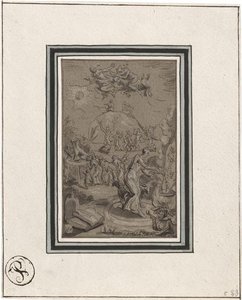
johann andreas thelott
1655 - 1734 , Germany
주요 정보
- Artistic Movement Or Style: Neoclassical
- Artists Or Movements Influenced By This Artist: ["Le Sueur's style influenced later artists."]
- Artists Who Influenced This Artist:
- Vouet
- Poussin
- Date Of Birth: 1616-11-19
- Date Of Death: 1655-04-30
- Full Name: Eustache Le Sueur
- Nationality: French
- Notable Artworks:
- Angel and Hagar
- Tobias and Tobit
- Martyrdom St Lawrence
- Life of St Bruno
- Place Of Birth: Paris, France
관련 기사 더 보기

The Dramatic Flourish: Exploring the Baroque Movement's Enduring Legacy in Art History
Explore the dramatic world of Baroque art! Discover iconic artists like Caravaggio & Rubens, defining techniques, and its lasting impact on art history. Expert insights for collectors & enthusiasts at OriginalUniqueArt.

Baroque Classicism: The Grandeur of Order and Drama in 17th-Century Art History
Explore the profound elegance of Baroque Classicism. Discover how 17th-century masters synthesized dramatic emotion with classical order through the lens of the Counter-Reformation and the works of legends like Carlo Maratta and Andrea Sacchi.

The Visceral Stage: Exploring Dramatic Narratives & Emotional Intensity in Baroque Art
Explore the dramatic world of Baroque art! Discover iconic masters like Caravaggio & Rembrandt, their techniques, and the movement's lasting impact. Expert insights for collectors & enthusiasts at OriginalUniqueArt.

바로크의 드라마: 현대 인테리어에 풍요로움과 감동을 불어넣기
바로크 예술의 풍요로운 세계를 탐험하고, 현대 인테리어에 감동을 불어넣는 방법을 OriginalUniqueArt에서 만나보세요. 카라바조, 렘브란트 등 거장들의 작품과 키아로스쿠로 기법 활용 노하우를 공개합니다.

화려함 속에 감춰진 진실! 바로크 미술을 정의한 10대 걸작 탐구
화려함과 극적인 표현이 압권! 바로크 미술을 대표하는 10대 걸작의 숨겨진 이야기를 만나보세요. 베르니니, 루벤스 등 거장의 작품부터 바로크 색감, 예술적 기법까지 – OriginalUniqueArt.com에서 명품 복제 & 인테리어 영감을 얻으세요! 지금 바로 컬렉션을 탐험해보세요.


