
 미리보기
미리보기
 공유하기
공유하기 공유하기
공유하기
 상세 정보
상세 정보

 다운로드
다운로드
 유사 작품
유사 작품 X-레이
X-레이 슬라이드 쇼
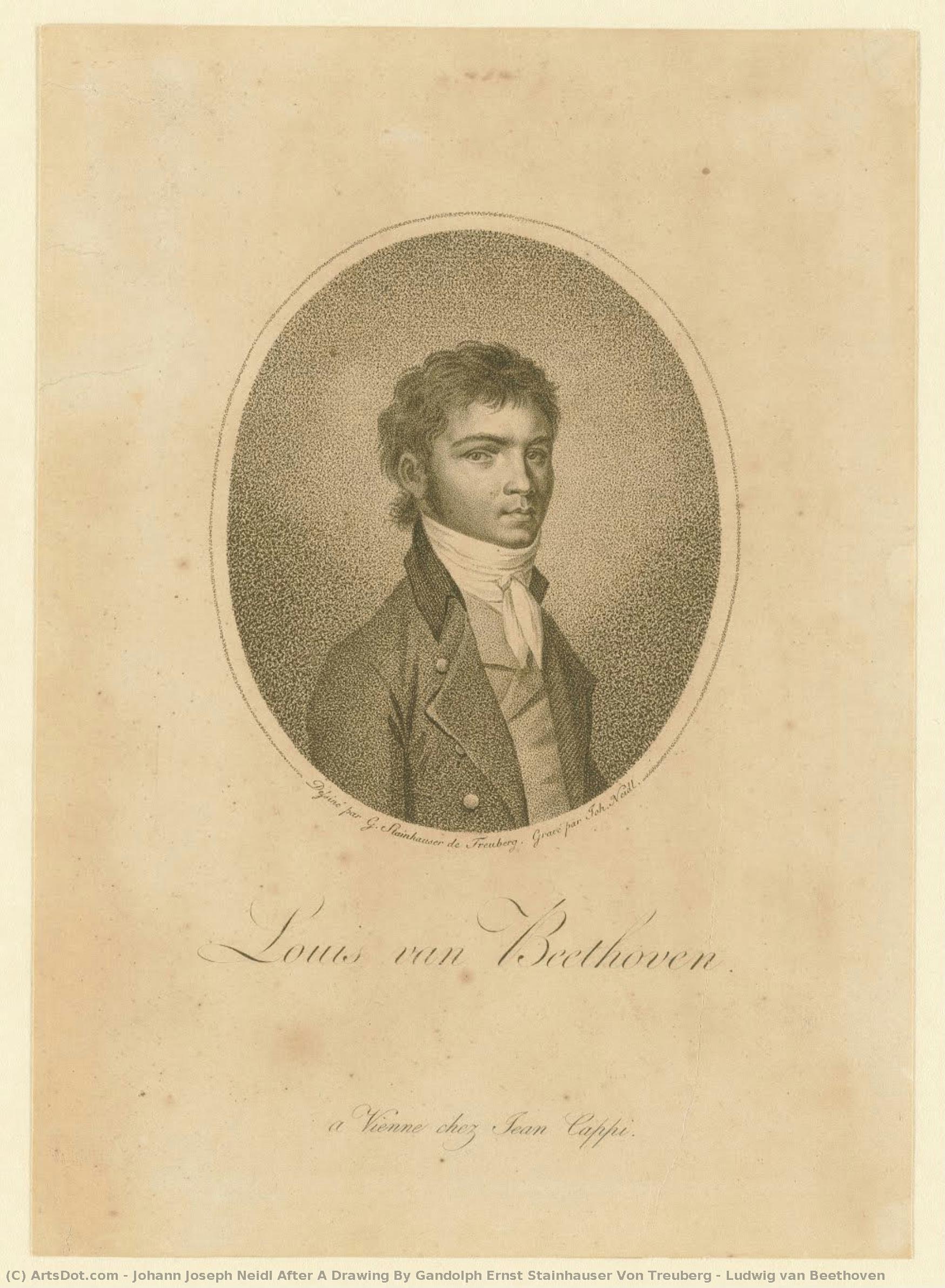
Ludwig van Beethoven
 1801
1801 19.0 x 14.0 cm
 Beethoven-Haus Bonn
 더 보기
더 보기
수제 유화 복제품
원하는 크기와 액자로 주문 제작되는, 작가들이 직접 캔버스에 손으로 그린 유화 작품입니다. ( 프린트 주문으로 전환 이미지로 전환)




































작품의 원본 비율을 유지하는 미리 설정된 크기 중에서 선택하세요.

특정 프레임이나 공간에 맞도록 직접 크기를 입력할 수 있습니다. 선택하신 크기가 원본 이미지의 비율과 일치하지 않는 경우, 작품을 자르거나 추가적인 손으로 그린 요소를 사용하여 그림을 확장합니다. 제작 시작 전 승인을 위해 디지털 목업을 보내드립니다.
화면 미리 보기는 실제 자르기 또는 확장을 반영하지 않습니다. 최종 구성은 목업을 통해서만 정확하게 확인하실 수 있습니다.
맞춤 크기 제작도 가능하지만, 원본 비율을 유지하기 위해 사전 정의된 목록에서 크기를 선택하시는 것을 권장합니다.
주문 후 OriginalUniqueArt.com 팀에서 상세 안내를 위해 고객님께 이메일을 보내드리며, 미리보기 시안을 제공해 드립니다.


 유리 옵션은 110cm 미만 크기에서만 선택 가능합니다.

Ludwig van Beethoven
재현 기법
복제본 크기
-


최종 결제 금액
$ 300
작가 약력
John Constable: A Painter of Light and Feeling
Born in East Bergholt, Suffolk, on June 11th, 1776, John Constable emerged as a pivotal figure in the history of British landscape painting. His life was inextricably linked to the landscapes he so passionately depicted – the rolling hills, shimmering rivers, and verdant valleys of his native Suffolk, and later, the Hampstead Heath area north of London. Unlike many of his contemporaries who sought fame through grand commissions or travel abroad, Constable remained rooted in his home county, forging a deeply personal and profoundly influential artistic vision.
Constable’s early life was shaped by his father, Golding Constable, a prosperous corn merchant and owner of Flatford Mill. While expected to follow in his family's business, John developed an enduring love for art, initially influenced by the Dutch masters – particularly Ruisdael’s atmospheric landscapes – and the works of Gainsborough, another Suffolk native who had established himself as a leading landscape painter. However, Constable quickly transcended mere imitation, developing a distinctive style characterized by a remarkable sensitivity to light, color, and texture. He wasn't interested in creating idealized representations; instead, he sought to capture the fleeting effects of weather, the subtle shifts in atmosphere, and the emotional resonance of nature itself.
Constable’s artistic philosophy was deeply rooted in his belief that painting should be an expression of feeling rather than a slavish copy of reality. As he famously stated, “I should paint my own places best,” prioritizing personal experience and subjective perception over strict adherence to convention. This approach marked a significant departure from the prevailing artistic norms of the 18th century, which emphasized meticulous detail and idealized forms. He rejected what he termed ‘poetic diction,’ advocating for direct observation and an honest portrayal of nature’s complexities. His technique involved working *en plein air* – outdoors – directly before his canvas, allowing him to capture the immediacy of light and atmosphere with unprecedented accuracy. This commitment to direct observation is evident in his “six-footers,” large-scale oil sketches that he considered his most ambitious works.
The Hay Wain and Dedham Vale: Defining Landscapes
Perhaps Constable’s most iconic work, *The Hay Wain* (1820), epitomizes his artistic philosophy. This seemingly simple depiction of a rural scene – a wagon carrying hay across the River Stour – is imbued with a remarkable sense of atmosphere and emotion. The painting captures not just the visual elements but also the feeling of dampness, coolness, and quietude that pervades the landscape. It’s a testament to Constable's ability to translate his personal experience into a universally relatable image of rural England.
Alongside *The Hay Wain*, Constable’s series of paintings depicting Dedham Vale – the valley surrounding his home in Suffolk – constitutes another cornerstone of his artistic legacy. These works, including *Dedham Vale* (1821) and numerous smaller studies, reveal a deep and abiding affection for this particular landscape. He meticulously documented the changing seasons, the shifting light, and the subtle variations in color and texture, creating a comprehensive visual record of his beloved surroundings. These paintings are not merely topographical representations; they are deeply personal expressions of connection to place and time.
Influence and Legacy
Despite facing considerable challenges during his lifetime – including financial difficulties and critical skepticism – Constable’s work gradually gained recognition, particularly in France. His innovative approach to landscape painting profoundly influenced a generation of Romantic artists, including Eugène Delacroix and the members of the Barbizon School, who sought to capture the essence of rural life with similar directness and emotional intensity.
Constable's rejection of academic conventions and his emphasis on personal observation paved the way for subsequent generations of landscape painters. His legacy extends beyond individual works; he fundamentally altered the course of British art by demonstrating that painting could be a vehicle for genuine feeling and authentic experience. Today, Constable’s paintings are celebrated as masterpieces of Romanticism and continue to resonate with viewers who appreciate his profound connection to nature and his ability to capture its beauty in all its complexity.
Technical Innovations
Constable's approach to painting was revolutionary for his time. He moved away from the smooth, polished surfaces favored by earlier landscape painters, embracing a technique characterized by loose brushwork, visible texture, and an emphasis on capturing the fleeting effects of light and atmosphere. This deliberate roughness—often mistaken for carelessness—was, in fact, a conscious effort to convey the dynamism and unpredictability of nature.
His use of *grisaille* – working in monochrome – was particularly significant. He would often create preliminary sketches in shades of gray before applying color, allowing him to establish the tonal structure and composition of his paintings with greater precision. This technique enabled him to accurately render the subtle gradations of light and shadow that are essential to capturing the atmospheric effects of a landscape.
Furthermore, Constable’s practice of working *en plein air* – directly outdoors – was uncommon for artists of his time. It allowed him to observe and record the changing conditions of light and weather with unparalleled immediacy, resulting in paintings that are remarkably vibrant and alive. His dedication to this method contributed significantly to the development of modern landscape painting.
A Lasting Impact
John Constable’s influence extends far beyond the realm of art history. He is remembered as a champion of the English countryside, a devotee of nature, and a pioneer of direct observation in painting. His work continues to inspire artists and viewers alike, reminding us of the beauty and wonder that can be found in the simplest of landscapes.

johann joseph neidl after a drawing by gandolph ernst stainhauser von treuberg
1776 - 1832 , Austria
주요 정보
- Artistic Movement Or Style: Romanticism
- Artists Or Movements Influenced By This Artist:
- Delacroix
- Barbizon School
- Artists Who Influenced This Artist:
- Gainsborough
- Ruisdael
- Date Of Birth: 11 June 1776
- Date Of Death: 31 March 1837
- Full Name: John Constable
- Nationality: English
- Notable Artworks:
- The Hay Wain
- Dedham Vale
- Wivenhoe Park
- Place Of Birth: East Bergholt, Suffolk

