Ashcan School · 1904
Eakers (로버트 헨라이, 1904)
로버트 헨라이 (1865–1929) 작가의 Eakers 1904년에 제작되었습니다. Ashcan School 운동에 속합니다. Oil On Canvas(으)로 제작되었습니다. 캠브리지, 미국에 위치한 하버드 미술관에 소장되어 있습니다.
- 1904
- Oil On Canvas
- 하버드 미술관, 캠브리지

 미리보기

 수작업 유화 작품
 공유하기
 공유하기
 학습용 요약본


 다운로드
 유사 작품 더 보기
 X-레이
 슬라이드 쇼 보기
 질의응답

 통계 정보
Eakers 요약
Eakers은(는) 무엇을 묘사하고 있나요?
Identification of Eakers by Robert Henri
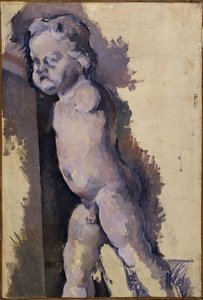
In this 1904 work, titled Eakers, the artist Robert Henri presents us with a quiet, singular presence. The painting focuses entirely on a single male figure, captured in a moment of stillness that feels both heavy and deeply personal. There is a certain gravity to his posture, as he sits with his arms crossed, a stance that suggests a man settled within his own thoughts.
The subject carries a contemplative or somber expression, inviting a closer look at the psychological weight he holds. Henri avoids the superficiality of a casual pose, opting instead to document a sense of introspection. Through this direct engagement, the figure becomes a study of resilience and quietude, presented without the need for external distraction or artifice.
Composition and Visual Elements
The composition is a medium close-up, focusing on the subject from the chest up. By positioning the figure slightly off-center, the artist avoids a static, formal arrangement, opting instead for a sense of immediacy. The perspective is set at eye-level, which establishes an intimate connection between the viewer and the subject's contemplative expression. This directness is heightened by a strictly grayscale color palette, where the absence of color forces a total reliance on tonal shifts to define form and presence.
Light enters the frame from the upper left, creating a dramatic chiaroscuro effect. This directional light casts strong highlights across the forehead, the cheek, and the shoulder, carving the subject out of the darkness. In contrast, the right side of the face and the surrounding background are submerged in deep shadow. These heavy shadows create a sense of depth and tension, emphasizing the contours of the face through light rather than through sharp outlines.
Technique and Artistic Style
The execution of this work suggests a deep engagement with the impasto technique, likely rendered in oil on canvas. There is a palpable sense of immediacy in the application of the medium. Bold, gestural brushwork defines the surface, moving beyond mere representation to emphasize the physical presence of the paint itself. These thick, visible strokes do more than suggest form; they actively construct the texture of the clothing and the contours of the face, lending the piece a sense of movement and raw vitality.
The artist’s approach here is reminiscent of Impressionism or early Expressionism, favoring a directness that avoids the rigidity of academic precision. Rather than relying on sharp outlines, the shapes are loosely defined through a sophisticated interplay of light and shadow. This chiaroscuro effect creates a profound sense of depth and tension, particularly where the light catches the high points of the subject's features and recedes into deep, dark tones. The result is a composition that feels both spontaneous and deeply considered.
Current Collection and Location
This work is held within the collections of the Harvard Art Museums. It is specifically part of the holdings at the Fogg Museum, where it is cataloged under the identification number 1948.85. The piece remains a permanent part of this institutional repository, preserved for study and observation.
The collection is situated in Cambridge, United States of America. Visitors to the museum can find this work within the specialized environment of the Fogg Museum's galleries. It is maintained as part of the modern and contemporary art holdings within the Cambridge campus.
Eakers은(는) 어느 미술관에 소장되어 있나요?
하버드 미술관
캠브리지, 미국
하버드 미술관의 역사 하버드 대학교의 핵심적인 일부로서 존재하는 하버드 미술관은 학문적 깊이와 예술적 유산이 결합된 상징적인 공간입니다. 오늘날 우리가 마주하는 이 미술관의 모습은 1983년, 서로 다른 세 개의 기관이 하나로 통합되며 탄생했습니다. 1895년에 설립된 포그 미술관을 필두로, 1903년에 문을 연 부쉬-라이징어 미술관, 그리고 1985년에 설립된 아서 M.


Eakers의 고해상도 이미지

로버트 헨라이, Eakers (1904), 하버드 미술관. 퍼블릭 도메인
Eakers에 관한 질문과 답변
"Eakers"의 원작은 어느 박물관에 소장되어 있나요?
로버트 헨라이의 "Eakers"은(는) 언제 제작되었나요?
로버트 헨라이의 "Eakers"에는 어떤 기법이 사용되었나요?
로버트 헨라이의 "Eakers"에는 어떤 모습이 담겨 있나요?
"Eakers"은(는) 저작권으로부터 자유로운가요?
로버트 헨라이의 "Eakers"은(는) 어떤 미술 사조에 속하나요?
"Eakers"은(는) Ashcan School 양식의 작품입니다. 이 사조는 해당 작품이 속한 예술적 전통을 나타냅니다.
Eakers은(는) 로버트 헨라이의 예술적 경력 중 어느 시기에 해당하나요?
아티스트 로버트 헨라이 소개

1865–1929, 미국
로버트 헨라이
로버트 헨리의 격동적인 기원: 초기 삶 1865년 오하이오주 신시내티에서 로버트 헨리 코자드로 태어난 로버트 헨리는 그의 삶과 예술을 깊이 형성할 운명적 변혁의 감각을 처음부터 지니고 있었습니다. 그의 어린 시절은 아버지 존 잭슨 코자드—도박꾼이자 부동산 개발가로서 야망과 위험을 추구했던 인물—와 어머니 테레사 게이트우드 코자드의 불안정한 관계에 가려져 평온하지 못했습니다. 이러한 불안정은 1882년 토지 분쟁으로 인한 치명적인 총격 사건으로 절정에 달했고, 가족은 보복을 피해 새로운 신분을 채택하여 도망치는 상황에 처하게 되었습니다. 어린 로버트는 갈등으로 가득 찬 과거와 상징적으로 단절하고 예술가로서 재탄생한 로버트 헨리가 되었습니다.
로버트 헨라이의 다른 작품들
 Betalo Rubino, Dramatic Dancer1916
 The Green Fan (Girl of Toledo, Spain)
 O'Malley Home (Achill Island, County Mayo, Ireland)1913
 Young Woman in Black

Eakers 관련 에세이
 The Weight of Stillness: Examining Melancholy in the Art of Edvard Munch and Hendrick ter BrugghenExplore the profound history of melancholy through Munch and Ter Brugghen. Discover the emotional depth of art today.
 Mastering the Frame: How Detailed Composition and Structural Harmony Bring Artworks to LifeDiscover the profound impact of composition on fine art. Explore how masters use geometry, light, and structural harmony to breathe life in…
 The Art of Prestige: How Fine Reproductions Anchor Elite Gallery CollectionsDiscover how museum-grade fine art reproductions anchor elite collections. Explore the intersection of historical mastery and modern luxury…