Impressionism
Coco (오귀스트 르누아르)
오귀스트 르누아르 (1841–1919) 작가의 Coco Impressionism 운동에 속합니다. Drawing(으)로 제작되었습니다. 디트로이트, 미국에 위치한 디트로이트 미술관에 소장되어 있습니다.
- Drawing
- 디트로이트 미술관

 미리보기

 수작업 유화 작품
 공유하기
 공유하기
 학습용 요약본


 다운로드
 유사 작품 더 보기
 X-레이
 슬라이드 쇼 보기
 질의응답

 통계 정보
Coco 요약
- 제목
- Coco
- 작가
- 오귀스트 르누아르 (1841–1919)
- 작가 출생지
- 리모주, 프랑스
- 매체
- Drawing
- 전시 장소
- 디트로이트 미술관, 디트로이트, 미국
- 제작 시기
- 19th Century
- 주제
- portrait, man, suit, tie, drawing, black and white
Coco은(는) 무엇을 묘사하고 있나요?
A Study in Quiet Contemplation: Renoir’s “Coco”
Pierre-Auguste Renoir's "Coco," a deceptively simple black and white drawing, is far more than a portrait; it’s a window into the artist’s evolving understanding of form, light, and human emotion. Born in Limoges in 1841, Renoir’s early life was steeped in the practicalities of porcelain painting – a skill he honed before dedicating himself fully to his artistic ambitions. This apprenticeship, however, proved invaluable, fostering an acute observation of detail and a deep appreciation for texture, qualities that would later inform his Impressionistic style. The drawing itself, though lacking specific provenance details, embodies this meticulous approach. It captures a man—likely a friend or acquaintance of Renoir’s—in a moment of quiet introspection. His posture is relaxed yet attentive, his gaze downward suggesting an absorption in thought, perhaps examining something held gently within his hand.
The Impressionistic Palette – Light and Shadow
While rendered in monochrome, “Coco” reveals the hallmarks of Renoir’s developing technique. Notice how he doesn't simply outline the figure; instead, he employs subtle gradations of tone to create a sense of volume and depth. The shading is delicate, almost translucent, mimicking the way light would play across skin and fabric. This masterful manipulation of shadow isn’t merely about depicting form; it’s about capturing the *feeling* of light – its warmth, its diffusion, its ability to transform the mundane into something beautiful. Renoir was deeply influenced by his studies at the Louvre, particularly the works of artists like Ingres and Delacroix, who demonstrated a sophisticated understanding of chiaroscuro—the dramatic contrast between light and dark—a technique he skillfully adapted to his own style.
Symbolism and the Portraiture of Modernity
The subject’s attire – a suit and tie – immediately places “Coco” within the context of late 19th-century Parisian society. This was an era of rapid industrialization, social change, and burgeoning urban life. Portraits like this weren't simply representations of individuals; they were statements about status, profession, and belonging. The man’s downward gaze could be interpreted as a reflection on the complexities of modern existence – the pressures of commerce, the anxieties of a rapidly changing world. Renoir frequently depicted figures engaged in everyday activities, elevating these ordinary moments to the level of art. Here, he invites us to contemplate the quiet dignity and introspection within the commonplace.
A Reproduction for Your Space: Bringing Renoir’s Vision Home
- Authentic Detail: OriginalUniqueArt offers meticulously hand-painted reproductions of “Coco,” ensuring that every nuance of Renoir's original technique is faithfully recreated.
- Premium Materials: Our reproductions are created on archival-quality canvas and utilize museum-grade pigments, guaranteeing lasting beauty and color vibrancy for generations to come.
- Versatile Style: The timeless elegance of “Coco” makes it a perfect addition to a variety of interior design styles – from classic and traditional to contemporary and minimalist. It’s particularly well-suited for studies, libraries, or any space where quiet contemplation is valued.
- Investment in Art History: Owning a OriginalUniqueArt reproduction of “Coco” is not just acquiring a beautiful piece of art; it's investing in a significant work by one of the most beloved Impressionist painters.
Explore our collection of Pierre-Auguste Renoir reproductions today and bring the evocative beauty of "Coco" into your home or office. Each reproduction is a testament to the enduring power of art and the artist’s ability to capture the essence of human experience.
Coco은(는) 어느 미술관에 소장되어 있나요?
디트로이트 미술관
디트로이트, 미국
디트로이트 미술관의 기원과 역사 디트로이트 미술관의 뿌리는 1883년, 유럽 회화들을 모아놓은 소박한 컬렉션에서 시작됩니다. 이 컬렉션은 1885년에 이르러 디트로이트 미술관(Detroit Museum of Art)이라는 이름으로 그 기틀을 마련했습니다. 이후 1888년 9월 1일, 제퍼슨 애비뉴에 위치한 건물에서 마침내 대중 앞에 그 모습을 드러냈으며, 이 초기 시절은 성장하는 도시를 위한 문화적 열망의 토대를 구축하는 데 온 힘을 쏟았던 시기였습니다.


Coco의 고해상도 이미지


오귀스트 르누아르, Coco, 디트로이트 미술관. 퍼블릭 도메인
Coco에 관한 질문과 답변
오귀스트 르누아르의 "Coco"의 원화는 어디에서 감상할 수 있나요?
"Coco"은(는) 어떤 내용을 담고 있나요?
오귀스트 르누아르의 "Coco"의 이미지를 자유롭게 복제할 수 있나요?
오귀스트 르누아르의 "Coco"은(는) 어떤 미술 사조에 속하나요?
"Coco"은(는) 오귀스트 르누아르의 예술적 발전 단계 중 어느 시기를 나타냅니까?
"Coco"의 저작권 상태가 왜 이렇게 지정되어 있나요?
아티스트 오귀스트 르누아르 소개
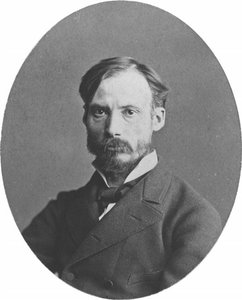
1841–1919, 프랑스
오귀스트 르누아르
피에르 오귀스트 르누아르의 삶 1841년 2월 25일, 프랑스 리무주에서 태어난 피에르 오귀스트 르누아르는 실용적인 장인 정신이 깃든 세상 속에서 첫발을 내디뎠습니다. 그의 아버지 레오나르 르누아르는 재봉사로, 어머니 마르그리트 르누아르는 의상 제작자로 일하며 생계를 꾸려나갔습니다. 섬세한 직물과 정교한 디테일을 다루던 이러한 가정적 배경은 훗날 그의 예술적 감수성에 조용하지만 깊은 영향을 미치게 됩니다. 1845년, 가족은 새로운 기회를 찾아 파리로 이주했습니다.
오귀스트 르누아르의 다른 작품들
 Pierre-Auguste Renoir
A Life Bathed in Light: The World of Pierre-Auguste Renoir
Born in the provincial French city of Limoges in 1841, Pierre-Auguste Renoir’s journey from humble beginnings as a porcelain painter to becoming a celebrated master of Impr1876
 보트 파티의 점심식사1881
 피아노를 치는 소녀들1892
 이렌 카엔 당베르 (어린 이렌으로도 알려짐)1880
Coco 관련 에세이
 Masterpieces of Light: The Top 25 Pierre-Auguste Renoir ArtworksImmerse yourself in the luminous world of Pierre-Auguste Renoir. Explore 25 iconic Impressionist masterpieces, from vibrant portraits to sc…
 Renoir’s Impressionist Masterpieces: A Definitive Guide to Light, Color, and the Art of JoyExplore the luminous world of Pierre-Auguste Renoir. Discover the history, technique, and emotional depth behind his Impressionist masterpi…
 OriginalUniqueArt.com F.A.Q.: How Our Master Artists Hand-Paint Museum-Quality Impressionist ReproductionsDiscover the exquisite craftsmanship behind our museum-quality Impressionist reproductions. From Monet to Renoir, our master artists hand-p…