실제 크기로 보기
 보내기
보내기 공유하기
공유하기
 상세 보기
상세 보기 가이드 보기

 이미지 다운로드
 유사 작품 더 보기
 X-레이
X-레이 슬라이드 쇼 보기
 통계 정보
통계 정보프라데스 마을
 캔버스 위 아크릴 물감
- 벽 장식물
- 입체주의
 1917
1917- 근대 미술
 65.0 x 72.0 cm
 상세 보기
상세 보기
이 페이지에 표시된 작품은 저작권법의 보호를 받으며, 이에 따라 동일한 복제품을 제작하거나 판매하는 것은 법으로 금지되어 있습니다. 이러한 권리 보호는 다음과 같은 국제 협약에 따라 시행됩니다. 베른 협약 또한 다음에서 명시하는 법률을 포함한 국내법에 의해 보호됩니다. 미국 저작권법 제17조.
이 방식은 저작권 보호를 받는 예술 작품을 복제하거나 그대로 재현하는 것이 아니기에 저작권 규정을 완벽히 준수합니다. 대신, 이는 창의적인 재해석의 과정을 거칩니다. 즉, 원작에서 영감을 받되 원작과 동일하지 않은 새로운 회화 작품을 의미합니다.
지클레 / 아트 프린트
빠른 제작과 다양한 마감 옵션을 선택할 수 있는 박물관 수준의 지클레이 및 캔버스 프린트. ( 수작업 채색 복제본 주문하기 디지털 이미지 판매 채널로 전환)




P118B ₩10

P118H ₩10

P118W ₩10

P438Z ₩10

P508JH ₩12

P508YH ₩12

P805H ₩10

P805Z ₩10

P919BZ ₩10

P919G ₩10

P919XJ ₩10

P959ZH ₩10

P968JZ ₩12

W106C ₩8

W218G ₩10

W218JH ₩8

W218Y ₩10

W307PJ ₩10

W316G ₩10

W316PJ ₩8

W316Y ₩10

W398PJ ₩8

W4111J ₩10

W500HY ₩15

W500JH ₩15

W692G ₩12

W849H ₩8

W940BG ₩15

W953PJ ₩8




작품의 원본 비율을 그대로 유지하는 프리셋 사이즈 중에서 선택해 보세요.

액자나 벽면 크기에 맞춰 필요한 가로와 세로 길이를 입력해 주세요. 프린트는 원본 이미지보다 크게 제작할 수 없으며 오직 자르는 것만 가능하므로, 비율이 다른 사이즈를 선택할 경우 이미지의 일부가 잘려 나갈 수 있습니다. 인쇄 작업에 들어가기 전, 최종 확인을 위해 디지털 목업을 보내드립니다. 이 페이지에 표시된 이미지는 실제 잘리는 영역을 나타내지 않으며, 오직 목업을 통해서만 정확한 확인이 가능합니다.


 유리 옵션은 110cm 미만 크기에서만 선택 가능합니다.

프라데스 마을
지클레 / 아트 프린트
복제본 규격
-


총 결제 금액
₩ 109488
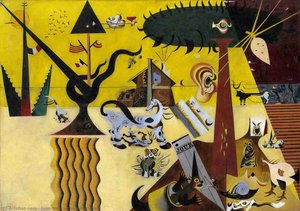
Joan Miró: Prades, The Village – A Synthesis of Cubism and Fauvism
Joan Miró’s “Prades, the Village,” painted in 1917, stands as a cornerstone of early 20th-century art, embodying the burgeoning spirit of Surrealism while firmly rooted in the innovative impulses of Cubism and Fauvism. This oil on canvas masterpiece isn't merely a depiction of a Catalan landscape; it’s an exploration of form, color, and subconscious imagery—elements that would define Miró’s distinctive artistic vision for decades to come.
The Artistic Movement – A Dialogue Between Perspectives
“Prades, the Village” operates within a fascinating dialogue between two influential movements. Cubism, spearheaded by Picasso and Braque, fractured traditional perspective, presenting multiple viewpoints simultaneously through geometric shapes and overlapping planes—a technique evident in the stylized depiction of buildings and the central church tower. Simultaneously, Fauvism’s bold use of non-naturalistic color – vibrant reds, yellows, blues – injects an emotional intensity into the scene, animating the foliage and highlighting the overall atmosphere.
Composition and Color – Rhythm and Emotion
The painting's composition is deliberately asymmetrical yet harmonious. Geometric forms dominate, creating a dynamic rhythm that draws the eye across the canvas. Miró’s masterful manipulation of color isn’t simply decorative; it serves as a conduit for emotion. The audacious hues—particularly the fiery reds and yellows—capture the energy of the village landscape and imbue the artwork with an unforgettable vibrancy.
Artistic Legacy – Echoes in Subsequent Works
“Ciurana, the Path” by Miró, created around the same period, showcases similar explorations of form and structure. Furthermore, “The Waggon Tracks” and “Portrait of V. Nubiola” demonstrate Miró’s singular style—a blend of Cubist fragmentation and Fauvist expressive color—solidifying his position as a pioneer of modern art.
Museum Collection – A Testament to Artistic Significance
"Prades, the Village" resides within the Solomon R. Guggenheim Museum's esteemed collection in New York City, USA. This institution recognizes Miró’s contribution to artistic history and continues to inspire visitors with its impressive array of contemporary artworks.
Relevance to Modern Art – Surrealist Roots
Miró’s oeuvre has been interpreted as Surrealism infused with a deeply personal style—a fascination with the unconscious mind manifested in simplified, childlike imagery. This approach distinguishes Miró from many of his contemporaries and underscores his commitment to liberating art from conventional constraints.
Conclusion – An Enduring Vision
"Prades, the Village" remains a captivating piece that encapsulates the essence of early 20th-century artistic innovation. Its striking color palette and fractured composition elevate it beyond mere representation, establishing it as a landmark achievement in modern art history. For those seeking to delve deeper into Miró’s artistic universe, reproductions of “Prades, the Village” and other significant works are available on OriginalUniqueArt.com.
- Joan Miró's “Prades, the Village” (1917)
- Ciurana, the Path by Joan Miró
- The Waggon Tracks by Joan Miró
- Portrait of V. Nubiola by Joan Miró
For more information on Joan Miró and his works, visit OriginalUniqueArt.
작가 소개
가우디의 도시에서 피어난 꿈: 호안 미로, 상징과 시의 화가
바르셀로나의 활기 넘치는 거리와 가우디 건축물의 독특한 아름다움 속에서 태어난 호안 미로는 20세기 미술사에 지울 수 없는 발자취를 남긴 예술가입니다. 1893년, 금세공사의 아들로 태어난 그는 어린 시절부터 그림에 대한 뜨거운 열정을 불태웠습니다. 그의 작품은 단순한 회화 기법을 넘어, 꿈과 기억, 그리고 카탈루냐의 정체성을 독특하고 시적인 언어로 표현하며 보는 이들을 매혹시킵니다. 미로는 현실 세계를 벗어나 내면의 풍경을 탐험하는 예술가였으며, 그의 그림들은 마치 한 편의 시처럼 섬세하고 아름답습니다.초기 실험과 초현실주의와의 만남
미로는 바르셀로나 미술학교에서 전통적인 기법을 연마했지만, 파리의 아방가르드 미술에 대한 깊은 영감을 받아 새로운 예술 세계를 모색하기 시작했습니다. fauve 회화의 강렬한 색채와 입체주의의 분절된 형태는 그의 작품에 큰 영향을 미쳤고, 그는 점차 자신만의 독특한 스타일을 구축해 나갔습니다. 1920년대 초, 파리로 이주하며 피카소와 같은 거장들과 교류하며 예술적 깊이를 더했습니다. 그리고 1924년, 초현실주의 운동에 참여하면서 그의 작품은 더욱 자유로운 상상력과 무의식의 영역으로 확장되었습니다. 하지만 미로는 초현실주의자들 속에서도 자신만의 개성을 잃지 않았습니다. 그는 충격적인 이미지나 프로이트 심리학적 해석보다는, 유쾌하고 시적인 형태와 색채를 통해 독특한 예술 세계를 구축했습니다.상징의 언어: 주요 작품과 예술적 혁신
미로는 1920년대부터 30년대에 걸쳐 자신만의 시각적 어휘를 발전시켜 갔습니다. 그의 그림 속에는 생명력을 가진 듯한 유기적인 형태, 떠다니는 듯한 이미지, 그리고 다채로운 색채가 조화를 이루고 있습니다. 대표작인 <농장>(1922)은 카탈루냐의 정체성과 자연 세계를 상징적으로 표현하며 그의 예술적 전환점을 보여줍니다. 1926년에는 막스 에른스트와 함께 ‘그라타주’ 기법을 실험하여 표면 질감을 새롭게 창조하는 데 기여했습니다. <네덜란드 풍경>(1928) 연작은 옛 거장들의 작품을 현대적인 시각으로 재해석하며 꿈결 같은 추상화를 선보였습니다. 그리고 <회화>(1933)는 대담한 색채와 단순화된 형태로 무의식의 영역을 탐구하고 기존의 예술적 경계를 허무는 그의 실험 정신을 보여줍니다. 회화뿐만 아니라 조각, 도자기, 판화 등 다양한 매체를 통해 창작 활동을 펼치며 예술적 지평을 넓혔습니다.미로의 유산과 지속적인 영향력
호안 미로는 20세기 미술에 지대한 영향을 미친 예술가입니다. 그는 단순한 화가가 아닌, 상상력의 경계를 허물고 예술 표현의 가능성을 확장시킨 선구자였습니다. 그의 작품은 추상표현주의 운동에 영감을 주었으며, 오늘날에도 다양한 분야의 예술가들에게 끊임없는 영감의 원천이 되고 있습니다. 1975년과 1981년에 바르셀로나와 팔마 데 마요르카에 각각 설립된 호안 미로 재단은 그의 유산을 보존하고 후진 양성을 위한 교육 활동을 지원하며, 그의 예술 세계를 지속적으로 발전시키고 있습니다. 미로는 삶, 꿈, 그리고 카탈루냐 문화의 영원한 정신을 기념하는 작품들을 남겼습니다. 그의 예술은 전 세계 관객들에게 깊은 감동과 영감을 선사하며, 시대를 초월하여 사랑받는 예술가로 기억되고 있습니다.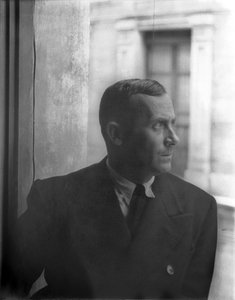
호안 미로
1893 - 1983 , 스페인
작가 정보 요약
- 국적: 스페인 국적
- 대표 작품:
- 농장
- 네덜란드 풍경
- 회화
- 사망일: 1983년 12월 25일
- 영향을 받은 예술 사조:
- 초현실주의
- 추상 표현주의
- 영향을 준 예술가: ['파블로 피카소']
- 예술 사조: 초현실주의, 추상 미술
- 전체 이름: 호안 미로 이 페라
- 출생일: 1893년 4월 20일
- 출생지: 바르셀로나, 스페인
관련 기사
초현실주의를 정의한 10대 걸작: 꿈과 현실의 경계를 넘어서
초현실주의 미술의 정수를 담은 10대 걸작을 만나보세요! 마그리트, 달리 등 거장의 작품 비하인드 스토리와 예술적 의미를 탐구하고, 꿈결 같은 분위기를 당신의 공간에. OriginalUniqueArt.com에서 명품 아트 프린트를 찾아 지금 바로 경험하세요.
Deconstructing Reality: Cubism's Revolutionary Impact on 20th-Century Art
Explore the revolutionary world of Cubism with OriginalUniqueArt. Discover Picasso & Braque's groundbreaking techniques, its philosophical roots, and lasting impact on modern art. Expert insights for collectors.
초현실주의를 정의한 10대 걸작: 예술과 인테리어의 새로운 영감 (OriginalUniqueArt)
초현실주의 미술의 정수를 담은 10대 걸작을 만나보세요. 마그리트, 달리 등 거장의 작품 비하인드 스토리와 예술적 의미를 탐구하고, OriginalUniqueArt에서 고품질 아트 프린트로 공간에 영감을 불어넣으세요! 지금 바로 OriginalUniqueArt.com에서 컬렉션을 둘러보세요.
Surrealist Painting Masterpieces: 10 Artworks That Redefined Reality | OriginalUniqueArt
Journey into the dreamlike world of Surrealism! Explore 10 masterpieces by Dali, Magritte & Miró that redefined art. Discover their stories & find museum-quality reproductions to elevate your home decor on OriginalUniqueArt.com.
호안 미로 최고 걸작 25선: 꿈과 상상의 화가, 공간에 예술을 더하다
호안 미로의 최고 걸작 25선을 만나보세요. 꿈과 상상의 세계를 담은 추상 미술 작품들의 탄생 비화와 예술적 의미를 탐구합니다. OriginalUniqueArt.com에서 고품질 미로 그림을 감상하고, 공간에 특별한 색채를 더해보세요! 지금 바로 컬렉션을 확인하세요.