Impressionistic Sketching
The Orchard (제임스 엔소르)
제임스 엔소르 (1860–1949) 작가의 The Orchard Impressionistic Sketching 운동에 속합니다. Acrylic On Canvas(으)로 제작되었습니다. 캠브리지, 미국에 위치한 하버드 미술관에 소장되어 있습니다.
- Acrylic On Canvas
- 하버드 미술관, 캠브리지

 미리보기

 수작업 유화 작품
 공유하기
 공유하기
 학습용 요약본


 다운로드
 유사 작품 더 보기
 X-레이
 슬라이드 쇼 보기
 질의응답

 통계 정보
The Orchard 요약
- 제목
- The Orchard
- 작가
- 제임스 엔소르 (1860–1949)
- 작가 출생지
- 오스텐더, 벨기에
- 매체
- Acrylic On Canvas
- 전시 장소
- 하버드 미술관, 캠브리지, 미국
- 제작 시기
- Early Medieval
- 주제
- orchard, landscape, sketch, trees, rural, sketching
The Orchard은(는) 무엇을 묘사하고 있나요?
A Silent Orchard’s Echoes: James Ensor's "The Orchard"
James Ensor’s “The Orchard,” painted in 1886, isn’t merely a depiction of a rural landscape; it’s a carefully constructed psychological portrait rendered with the unsettling precision that defined the artist’s unique vision. Born in Ostend, Belgium, amidst a vibrant carnival scene – a world of masks and theatricality – Ensor carried this fascination throughout his career, translating its inherent ambiguity into his art. “The Orchard” embodies this perfectly, presenting a seemingly tranquil vista that immediately hints at something deeper, something subtly unsettling beneath the surface. The painting’s monochrome palette—a carefully orchestrated dance of grays—immediately establishes an atmosphere of quiet contemplation and restrained emotion. It's not a celebration of nature’s beauty in its purest form, but rather a considered observation filtered through Ensor’s intensely personal lens.Composition and Technique: A Sketch from the Soul
The composition is deceptively simple, yet profoundly effective. A modest building—perhaps a farmhouse or a small dwelling—nestles within a cluster of trees that recede into a hazy distance. The arrangement isn’t one of dramatic perspective; instead, it feels like a quick sketch, an impression captured in charcoal or pencil – a deliberate choice by Ensor to convey immediacy and spontaneity. Notice the visible strokes, the delicate layering of lines that build up form and texture. This technique—a hallmark of Ensor's style—is not about meticulous detail but rather about capturing the *feeling* of the scene, the way light falls on bark and shadow plays across leaves. The use of hatching and cross-hatching creates a tactile quality, inviting the viewer to almost reach out and touch the surface of the painting. The artist’s hand is undeniably present, lending an intimate and slightly melancholic quality to the work.Symbolism and the Weight of Memory
While seemingly straightforward, “The Orchard” bristles with symbolic weight. The muted colors, the solitary building, and the dense foliage all contribute to a sense of isolation and introspection. Considering Ensor’s background—his childhood spent amidst the spectacle of carnival masks – it's not surprising that this motif reappears here, albeit subtly. The orchard itself can be interpreted as a metaphor for memory, a place where fragments of the past are preserved and revisited. The building, small and unassuming, suggests a retreat from the world, a space for quiet contemplation—or perhaps, for dwelling on unresolved emotions. The lack of vibrant color further reinforces this sense of melancholy, suggesting that even in a beautiful setting, there’s an underlying sadness.Historical Context & Influences
- Ensor's work is often associated with the Symbolist movement and foreshadows Expressionism, emphasizing emotional intensity over realistic representation.
- His use of masks and theatrical elements reflects a broader interest in exploring the darker aspects of human psychology.
- The painting’s stark monochrome palette aligns with the artistic trends of late 19th-century Europe, where artists sought to move beyond traditional academic styles.
An Emotional Resonance: A Quiet Contemplation
Ultimately, “The Orchard” is a profoundly moving work that transcends its simple subject matter. It’s not a painting about apples or trees; it's a painting about the human condition—about memory, loss, and the quiet beauty of solitude. The subdued colors and expressive brushstrokes evoke a sense of melancholy and introspection, inviting viewers to contemplate their own personal histories and emotional landscapes. Reproductions of this piece offer a remarkable opportunity to bring this evocative atmosphere into any space, providing a focal point for reflection and conversation. It’s a testament to Ensor's genius that a seemingly simple orchard can hold such profound depth and resonance.The Orchard은(는) 어느 미술관에 소장되어 있나요?
하버드 미술관
캠브리지, 미국
하버드 미술관의 역사 하버드 대학교의 핵심적인 일부로서 존재하는 하버드 미술관은 학문적 깊이와 예술적 유산이 결합된 상징적인 공간입니다. 오늘날 우리가 마주하는 이 미술관의 모습은 1983년, 서로 다른 세 개의 기관이 하나로 통합되며 탄생했습니다. 1895년에 설립된 포그 미술관을 필두로, 1903년에 문을 연 부쉬-라이징어 미술관, 그리고 1985년에 설립된 아서 M.


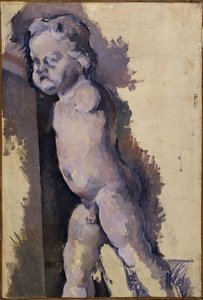
The Orchard의 고해상도 이미지
제임스 엔소르, The Orchard, 하버드 미술관. 퍼블릭 도메인
The Orchard에 관한 질문과 답변
제임스 엔소르의 "The Orchard"의 원화는 어디에서 감상할 수 있나요?
The Orchard의 원작은 하버드 미술관, 캠브리지, 미국에서 만나보실 수 있습니다.
"The Orchard"은 어떤 기법으로 제작되었나요?
"The Orchard"은(는) Acrylic On Canvas 기법으로 제작되었습니다.
"The Orchard"은(는) 어떤 내용을 담고 있나요?
"The Orchard"에 담긴 소재는 orchard, landscape, sketch, trees, rural, sketching, monochrome입니다.
"The Orchard"은(는) 저작권으로부터 자유로운가요?
저작권과 관련하여, "The Orchard"은(는) 퍼블릭 도메인 - 저작권 보호 기간이 만료되었습니다 상태입니다.
"The Orchard"은(는) 어느 작가의 작품인가요?
"The Orchard"의 작가는 제임스 엔소르입니다. 이 작품은 제임스 엔소르의 이름으로 등록되어 있습니다.
"The Orchard"은(는) 어떤 화풍에 속하나요?
제임스 엔소르의 "The Orchard"은(는) Impressionistic Sketching 사조에 속하며, 이 사조는 해당 작품의 양식적 배경을 잘 보여줍니다.
The Orchard은(는) 제임스 엔소르의 예술적 경력 중 어느 시기에 해당하나요?
"The Orchard"은(는) 제임스 엔소르의 예술적 생애 중 Late Period 시기의 작품입니다. 이 분류를 통해 해당 작품을 작가의 예술적 발전 과정과 연결해 볼 수 있습니다.
제임스 엔소르의 "The Orchard"의 저작권 상태는 어떻게 되나요?
제임스 엔소르의 "The Orchard"은(는) 퍼블릭 도메인 - 저작권 보호 기간이 만료되었습니다 상태입니다. 저작권 보호 기간은 작가가 사망한 1949년부터 기산됩니다.
제임스 엔소르의 "The Orchard" 작품은 작가의 본국에 보관되어 있나요?
아니요 - 해당 작품은 해외에 보관되어 있습니다. "The Orchard"은(는) 미국에 소장되어 있는 반면, 제임스 엔소르의 출생지는 벨기에입니다.
아티스트 제임스 엔소르 소개

1860–1949, 벨기에
제임스 엔소르
유년 시절과 가족, 그리고 예술적 훈련 제임스 엔서는 1860년 4월 13일, 벨기에 오스텐드에서 태어났습니다. 그의 정체성은 독특한 문화적 교차점에서 형성되었습니다. 그의 아버지 제임스 프레데릭 엔서는 영국인 부모 사이에서 브뤼셀에서 태어났고, 어머니 마리아 카테리나 헤게만은 벨기에인이었습니다. 이러한 이중적 혈통은 그가 지역적 전통이라는 좁은 틀에서 벗어나 독자적인 시각을 가질 수 있는 토대가 되었습니다.
제임스 엔소르의 다른 작품들
 크리스토스 브뤼셀 입성1888
 마스크를 한 자화상1899
 오스텐드의 목욕탕
 몸을 녹이는 해골들1889
The Orchard 관련 에세이
 19th Century Masterpieces: 10 Paintings That Defined an Era | OriginalUniqueArtJourney through 19th century art with OriginalUniqueArt! Explore 10 iconic paintings – from Monet & Renoir to Courbet – and discover the st…
 The Impressionist’s Sanctuary: Light and Water in Monet’s Giverny GardenExplore Monet's Giverny through expert analysis of his light and water techniques. Step into the master's garden today.
 Emotional Transmutation in Visual Art: A Study of Affective Representation Through Color, Form, and TextureExplore the fascinating intersection of art & emotion! Discover how color, form, and texture convey feelings in masterpieces. Expert analys…