German Expressionism · 1914
Fighting Forms (프란츠 마르크, 1914)
프란츠 마르크 (1880–1916) 작가의 Fighting Forms 1914년에 제작되었습니다. German Expressionism 운동에 속합니다. Oil On Canvas(으)로 제작되었습니다. 뮌헨, 독일에 위치한 바이에른 주립 회화 컬렉션에 소장되어 있습니다. 크기는 91 × 131 cm입니다.
- 1914
- Oil On Canvas
- 91 × 131 cm
- 바이에른 주립 회화 컬렉션, 뮌헨

 미리보기

 수작업 유화 작품
 공유하기
 공유하기
 학습용 요약본


 다운로드
 유사 작품 더 보기
 X-레이
 슬라이드 쇼 보기
 질의응답

 통계 정보
Fighting Forms 요약
- 제목
- Fighting Forms
- 작가
- 프란츠 마르크 (1880–1916)
- 작가 출생지
- 뮌헨, 독일
- 제작 연도
- 1914
- 매체
- Oil On Canvas
- 크기
- 91 × 131 cm
- 전시 장소
- 바이에른 주립 회화 컬렉션, 뮌헨, 독일
- 주제
- expressionism, conflict, red, black, animals, anxiety
Fighting Forms은(는) 무엇을 묘사하고 있나요?
A Symphony of Conflict: Unpacking the Power of Franz Marc’s *Fighting Forms*
Franz Marc's 1914 painting, *Fighting Forms*, isn’t merely a visual representation; it’s an intensely felt experience. Created during a period of escalating anxieties surrounding the impending First World War, this work embodies the core tenets of Expressionism – a movement dedicated to conveying subjective emotions and inner turmoil rather than objective reality. Marc, a founding member of Der Blaue Reiter, sought to capture not just what he saw, but how he *felt*, channeling his spiritual concerns into a language of vibrant color and dynamic form. The painting immediately confronts the viewer with a swirling vortex of red and black, hues that instinctively evoke danger, struggle, and perhaps even death. Yet, within this apparent chaos lies a profound sense of yearning – a desperate plea for understanding amidst the looming darkness.
- The Palette of Emotion: Marc’s masterful use of color is paramount. The dominant reds represent aggression, violence, and the destructive forces threatening to consume humanity. These fiery tones are juxtaposed with the darker blacks and browns, symbolizing the unknown, the unconscious, and the inevitable consequences of conflict.
- Animal as Symbol: As a lifelong devotee of the animal kingdom, Marc frequently employed them as symbolic figures in his work. While not explicitly depicted here, the forms themselves suggest a primal struggle – a dance between predator and prey, life and death. This connection to the natural world provides a grounding element within the painting’s emotional intensity.
Deconstructing Abstract Forms: A Language of Tension
The composition of *Fighting Forms* is deliberately abstract, eschewing realistic representation in favor of conveying raw emotion. The swirling shapes aren't meant to depict specific objects or figures; instead, they embody the very essence of conflict – a chaotic interplay of opposing forces. Marc’s brushwork is loose and gestural, emphasizing movement and energy over precise detail. Notice how the lines seem to vibrate with an almost palpable tension, mirroring the anxieties of the era. The painting feels less like a static image and more like a captured moment of intense emotional upheaval – a visual representation of a battle waged not just on the battlefield, but within the human psyche.
Technique & Materials: Executed in oil on canvas, Marc’s technique is characterized by bold strokes and an expressive application of paint. The layering of colors creates depth and dynamism, while the loose brushwork contributes to the painting's overall sense of movement and urgency.Historical Context: A Precursor to War
To fully appreciate *Fighting Forms*, it’s crucial to understand its creation within the context of 1914. Europe was teetering on the brink of war, and Marc, like many artists of his time, felt a deep sense of foreboding. His work reflects this anxiety – not through explicit depictions of warfare, but through an exploration of the underlying emotions that fueled it: fear, uncertainty, and the potential for destruction. *Fighting Forms* can be seen as a visual meditation on the fragility of peace and the ever-present threat of violence. It’s a poignant reminder of how art can serve as a powerful reflection of its time.
A Legacy of Emotional Resonance
Franz Marc's *Fighting Forms* remains a profoundly moving work of art, continuing to resonate with viewers over a century later. Its abstract forms and emotionally charged colors capture the anxieties of a turbulent era while simultaneously offering a glimpse into the artist’s deeply held spiritual beliefs. Reproductions of this powerful painting offer an opportunity to bring its intensity into any space, prompting contemplation on themes of conflict, spirituality, and the enduring human condition. Consider how the vibrant hues might transform a room – injecting it with a sense of urgency and introspection.
Fighting Forms은(는) 어느 미술관에 소장되어 있나요?
바이에른 주립 회화 컬렉션
뮌헨, 독일
바이에른 주립 회화 컬렉션의 역사 바이에른 주립 회화 컬렉션의 기원은 1799년 Centralgemäldegaleriedirektion의 설립과 함께 시작되었습니다. 독일 뮌헨에 위치한 이 기관은 본래 왕실의 소장품을 관리하기 위한 큐레이션 공간으로 출발했습니다. 이러한 초기 목적은 예술이 오늘날과 같은 공공의 자산으로 전환되기 전, 귀족들의 사적인 영역 안에 머물러 있던 시대상을 반영합니다.


Fighting Forms의 고해상도 이미지

프란츠 마르크, Fighting Forms (1914).
프란츠 마르크 (1880–1916), Fighting Forms, 1914, oil on canvas, 바이에른 주립 회화 컬렉션, 뮌헨, 독일. 퍼블릭 도메인 이미지: OriginalUniqueArt.com
Fighting Forms에 관한 질문과 답변
프란츠 마르크의 "Fighting Forms"의 원화는 어디에서 감상할 수 있나요?
Fighting Forms의 원작은 바이에른 주립 회화 컬렉션, 뮌헨, 독일에서 만나보실 수 있습니다.
"Fighting Forms"은(는) 언제 제작되었나요?
프란츠 마르크의 "Fighting Forms"은(는) 1914년에 제작되었습니다.
"Fighting Forms"은 어떤 기법으로 제작되었나요?
프란츠 마르크의 "Fighting Forms"의 재료는 Oil On Canvas입니다. 복제화는 이 기법 특유의 질감을 그대로 구현하는 것을 목표로 합니다.
원작 프란츠 마르크의 "Fighting Forms"의 크기는 어떻게 되나요?
"Fighting Forms" 원작의 크기는 91 x 131 cm입니다. 원작의 규격은 복제본 사이즈를 선택하실 때 유용한 참고 자료가 됩니다.
프란츠 마르크의 "Fighting Forms"에는 어떤 소재가 등장하나요?
프란츠 마르크의 "Fighting Forms"에 나타난 주제로는 expressionism, conflict, red, black, animals, anxiety, war, forms 등이 있습니다. 이들은 모여 작품의 소재를 요약해 보여줍니다.
프란츠 마르크의 "Fighting Forms"의 이미지를 자유롭게 복제할 수 있나요?
저작권과 관련하여, "Fighting Forms"은(는) 퍼블릭 도메인 - 저작권 보호 기간이 만료되었습니다 상태입니다.
"Fighting Forms"은(는) 어느 작가의 작품인가요?
"Fighting Forms"의 작가는 프란츠 마르크입니다.
프란츠 마르크의 "Fighting Forms"은(는) 어떤 미술 사조에 속하나요?
"Fighting Forms"은(는) German Expressionism 양식의 작품입니다. 이 사조는 해당 작품이 속한 예술적 전통을 나타냅니다.
Fighting Forms은(는) 프란츠 마르크의 예술적 여정 중 어느 시기의 작품인가요?
프란츠 마르크의 작품 세계에서 "Fighting Forms"은(는) Late Period 시기의 작품입니다. 이 시기는 작가의 다른 작품들과 비교해 보는 데 유용한 지표가 됩니다.
아티스트 프란츠 마르크 소개

1880–1916, 독일
프란츠 마르크
유년 시절, 가족 그리고 예술적 훈련 프란츠 마크는 독일 뮌헨의 한 가정에서 태어났으며, 그곳은 이미 풍경화라는 시각적 언어가 깊이 뿌리 내린 환경이었습니다. 그의 아버지 빌헬름 마크는 전문 풍경 화가로 활동하며 아들에게 예술의 메커니즘을 직접, 때로는 아주 자연스럽게 접할 수 있는 기회를 제공했습니다. 이러한 가족적 배경 덕분에 예술적 도구들은 그의 삶에 처음부터 늘 곁에 있었지만, 마크의 예술적 여정이 단순히 가업을 이어받아 캔버스로 향하는 직선적인 과정은 아니었습니다. 그는 화가의 삶에 완전히 헌신하기 전, 신학에 몰두하며 영적인 탐구의 시간을 보냈는데, 이 시기의 정신적 고뇌는 훗날 그의 시각적 작업물에 담긴 강렬한 에너지의 근원이 되었습니다.
프란츠 마르크의 다른 작품들
 청색 말 I1911
 무제 (4325)
 청색의 큰 말들1911
 티롤1914
Fighting Forms 관련 에세이
 The Visceral Language of Emotion: Exploring Representations of Intense Feeling in Art HistoryExplore the profound history of emotional representation in art. Discover how masters like Goya evoked feeling & the impact of affect theor…
 25 Masterpieces by Franz Marc: The Soul of German ExpressionismFranz Marc co-founded the Blue Rider movement in Munich. See 25 works including The Large Blue Horses and Tyrol from the era of Expressioni…
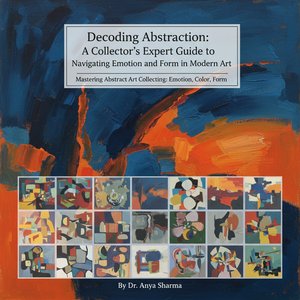 Beyond Representation: Decoding Emotion and Meaning in Modern Abstract ArtExplore the profound world of Abstract Expressionism with OriginalUniqueArt. Discover its history, emotional power & key artists like Pollo…