Aztec Empire
Flute (아즈텍 제국)
아즈텍 제국 (1300–1521) 작가의 Flute Aztec Empire 운동에 속합니다. Acrylic On Canvas(으)로 제작되었습니다. 뉴욕, 미국에 위치한 메트로폴리탄 미술관에 소장되어 있습니다.
- Acrylic On Canvas
- 메트로폴리탄 미술관, 뉴욕

 미리보기

 수작업 유화 작품
 공유하기
 공유하기
 가이드 보기


 다운로드
 유사 작품 더 보기
 X-레이
 슬라이드 쇼 보기
 질의응답

 통계 정보
Flute: 핵심 정보
- 제목
- Flute
- 작가
- 아즈텍 제국 (1300–1521)
- 작가 출생지
- 테노치티틀란, 멕시코
- 매체
- Acrylic On Canvas
- 전시 장소
- 메트로폴리탄 미술관, 뉴욕, 미국
- 운동성
- Aztec Empire
- 주제
- flute, aztec, ancient, culture, symbolism, mesoamerica
Flute은(는) 무엇을 묘사하고 있나요?
The Echoing Voice of Stone: An Exploration of the Aztec Flute
Within the vast tapestry of Aztec artistry lies a deceptively simple instrument – the flute, often referred to as *uilacapitztli* (meaning “flute-head”). More than just a musical device, this clay vessel, meticulously crafted and imbued with symbolic resonance, offers a poignant window into the spiritual beliefs, artistic traditions, and cultural values of one of Mesoamerica’s most sophisticated civilizations. Recovered from archaeological sites across Mexico, these flutes – often adorned with depictions of animals, deities, or geometric patterns – are not merely relics of the past; they are tangible echoes of a vibrant society that flourished for centuries before succumbing to Spanish conquest.
The creation of an *uilacapitztli* was a deliberate and carefully considered process. Typically fashioned from unfired clay, these flutes were meticulously shaped by hand, reflecting a remarkable level of skill and artistry. The most common form is a cylindrical vessel with a distinctive bird-shaped head – the ‘head’ representing the feathered serpent Quetzalcoatl, a central deity associated with music, knowledge, and creation. Smaller versions, often resembling frogs or turtles, were also produced, suggesting their use in children's toys or as ritual objects for specific ceremonies. The intricate carvings that adorn these flutes – stylized representations of jaguars, serpents, birds, and geometric designs – are not merely decorative; they carry profound symbolic meaning, reflecting the Aztec worldview and their connection to the natural world.
A Symphony of Symbolism
The symbolism embedded within each *uilacapitztli* is a rich testament to Aztec cosmology. The bird-shaped head, prominently featured on many instruments, directly references Quetzalcoatl, whose association with music and the wind suggests a connection between sound, spirituality, and communication with the divine. Animal motifs – particularly jaguars and serpents – were frequently linked to powerful deities and represented concepts such as strength, fertility, and transformation. Geometric patterns, often repeating spirals or zigzags, may have symbolized cycles of time, cosmic order, or the interconnectedness of all things. The choice of animal or symbol likely depended on the specific purpose for which the flute was intended – whether for ceremonial use, entertainment, or even as a gift.
Furthermore, the clay itself held significance. Clay was considered a sacred material, representing earth and fertility—a fundamental element in Aztec beliefs. The act of shaping the clay into an instrument was therefore imbued with ritualistic importance, transforming a mundane substance into a conduit for spiritual expression. It’s believed that these flutes were not simply played; they were *sung* – their sounds carefully controlled to evoke specific emotions and connect with the spirit world.
A Legacy in Sound and Form
The *uilacapitztli* stands as a powerful reminder of the Aztec Empire’s artistic sophistication and its deep connection to spirituality. While much remains unknown about the precise melodies produced by these instruments, their enduring presence speaks volumes about the importance of music within Aztec society. These flutes were not merely objects; they were vessels for storytelling, ritual performance, and spiritual communion.
Today, high-quality reproductions of these ancient instruments are available, offering a unique opportunity to experience the beauty and artistry of Aztec craftsmanship. When selecting a reproduction, consider the materials used – authentic clay or durable ceramics that capture the texture and feel of the original. The level of detail in the carvings will also reflect the quality of the piece, ensuring it accurately represents the intricate symbolism of the ancient *uilacapitztli*. Owning such a reproduction is not simply acquiring an artifact; it’s embracing a tangible link to a remarkable civilization and allowing its resonant voice to echo through time.
Flute은(는) 어느 미술관에 소장되어 있나요?
메트로폴리탄 미술관
뉴욕, 미국
메트로폴리탄 미술관의 기원과 역사 메트로폴리탄 미술관은 기업가와 금융가, 그리고 당대를 대표하는 예술가와 사상가들이 공유한 원대한 비전에서 그 뿌리를 찾을 수 있습니다. 1870년 법인으로 설립된 이후, 이 기관은 점차 늘어가는 소장품들을 품어 안을 영구적인 안식처를 찾아 나섰습니다. 현재의 자리에 정착하기 전, 미술관은 웨스트 14번가에 위치한 더글라스 맨션 저택에서 잠시 머물며 그 첫걸음을 뗐습니다.


고해상도 Flute

아즈텍 제국, Flute, 메트로폴리탄 미술관. 퍼블릭 도메인
Flute에 관한 질문
아즈텍 제국의 "Flute"의 방문객 분포는 어떻게 되나요?
아즈텍 제국의 다른 이름이나 별칭에는 무엇이 있나요?
아즈텍 제국은(는) 아즈테카 문명라는 이름으로도 활동하고 있습니다.
아즈텍 제국의 "Flute"이(가) 공간의 분위기를 어떻게 바꿔주나요?
Calm 분위기를 자아내는 "Flute"은(는) Living Room에 추천합니다.
아즈텍 제국의 "Flute" 작품에 권장되는 인쇄 설정은 무엇인가요?
"Flute" 작품의 권장 인쇄 설정은 Medium 크기와 Landscape 방향입니다.
아즈텍 제국의 "Flute"의 저작권 상태는 어떻게 되나요?
아즈텍 제국의 "Flute"의 복제본은 어디에 걸면 좋을까요?
메트로폴리탄 미술관에 소장된 아즈텍 제국의 "Flute"를 법적으로 복제할 수 있습니까?
"Flute"의 원작은 메트로폴리탄 미술관에 소장되어 있으며, 이 작품은 퍼블릭 도메인 - 저작권 보호 기간이 만료되었습니다 상태입니다.
"Flute"에는 어떤 색상들이 사용되었나요?
"Flute"의 색상은 Pastels 팔레트를 이룹니다. 이 분류는 작품을 지배하는 주요 색상군을 나타냅니다.
아티스트 아즈텍 제국 소개

1300–1521, 멕시코
아즈텍 제국
돌의 메아리: 아즈텍 제국의 예술과 유산을 탐험하다 “아즈텍”이라는 이름은 나와틀어 *ātl-ce-tlācati–tlān*에서 유래했으며, 그 의미는 “여러 형태를 가진 사람들”입니다. 이 단어는 수세기 동안 메소아메리카를 지배했던 광대하고 복잡한 제국의 이미지를 불러일으킵니다. 아즈텍인들은 단순한 전사나 정복자를 넘어, 그들의 삶의 모든 측면에 정교한 아름다움을 엮어내는 깊이 예술적인 존재들이었습니다. 기념비적인 건축물부터 섬세한 깃털 공예에 이르기까지, 신성한 의식에서 일상용품에 이르기까지 말입니다.
아즈텍 제국의 다른 작품들
 Mosaic of a Double-headed Serpent1521
 Head from a Figure, Xochipilli Macuilxochitl1521
 Figure1521
 Serpent Labret with Articulated Tongue

Flute 관련 에세이
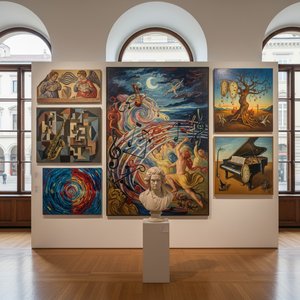 Harmonies on Canvas: Exploring the Visual Representation of Music in Art HistoryExplore the fascinating history of music's visual representation in art! From ancient symbolism to modern abstraction, discover how artists…
 Feathered Visions: A Historical & Artistic Exploration of Birds in PaintingExplore the rich history of birds in painting! Discover symbolism, artistic movements & master artists like Audubon. High-quality reproduct…
 25 Must-See Masterpieces at The Met: A Journey Through Art HistoryExplore 25 iconic treasures from The Met, from Pollock to Rembrandt. Discover museum-quality art on OriginalUniqueArt.com.