Romanticism · 1890
Honeymoon (아르놀트 뵈클린, 1890)
아르놀트 뵈클린 (1827–1901) 작가의 Honeymoon 1890년에 제작되었습니다. Romanticism 운동에 속합니다. Oil On Canvas(으)로 제작되었습니다. 프랑크푸르트, 독일에 위치한 슈테델 미술관에 소장되어 있습니다. 크기는 72 × 52 cm입니다.
- 1890
- Oil On Canvas
- 72 × 52 cm
- 슈테델 미술관, 프랑크푸르트

 미리보기

 수작업 유화 작품
 공유하기
 공유하기
 학습용 요약본


 다운로드
 유사 작품 더 보기
 X-레이
 슬라이드 쇼 보기
 질의응답

 통계 정보
Honeymoon 요약
- 제목
- Honeymoon
- 작가
- 아르놀트 뵈클린 (1827–1901)
- 작가 출생지
- 바젤, 스위스
- 제작 연도
- 1890
- 매체
- Oil On Canvas
- 크기
- 72 × 52 cm
- 전시 장소
- 슈테델 미술관, 프랑크푸르트, 독일
- 운동성
- Romanticism
- 제작 시기
- 19th Century
- 주제
- romantic landscape, mountain view, intimate scene, atmospheric art, detailed texture, ethereal mood
Honeymoon은(는) 무엇을 묘사하고 있나요?
A Moment of Sublime Romance: Arnold Böcklin’s “Honeymoon”
Arnold Böcklin's "Honeymoon," painted in 1890, is more than just a picturesque landscape; it’s a carefully constructed meditation on love, aspiration, and the profound connection between humanity and nature. Measuring 72 x 52 cm, this oil-on-canvas work exemplifies Böcklin's signature style within the Symbolist movement – a style characterized by its evocative mood, symbolic resonance, and meticulous attention to detail. The scene depicts a young couple perched atop a rugged rock formation, overlooking a vast, hazy expanse that speaks of both beauty and mystery. It’s a tableau designed not merely to represent a romantic encounter but to evoke a deeply felt emotion within the viewer.
Romanticism's Embrace: Composition and Technique
- Compositional Strength: The figures, centrally placed yet subtly distanced, draw the eye immediately, establishing a powerful focal point. The horizontal thrust of the rocky outcrop anchors the scene while simultaneously directing the gaze towards the distant landscape. This deliberate arrangement creates a sense of depth and stability, crucial elements within Böcklin’s approach.
- Meticulous Brushwork: Böcklin's technique is immediately apparent in the incredibly detailed brushwork. Layer upon layer of oil paint has been skillfully applied to build up the textures of the stone – rough, weathered, and undeniably ancient – as well as the flowing drapery of the woman’s dress and the delicate strands of her hair. This painstaking process imbues the painting with a remarkable tactile quality.
- Atmospheric Perspective: The use of atmospheric perspective—the subtle blurring of details in the background to suggest distance—further enhances the illusion of depth, transporting the viewer into this serene, almost dreamlike setting.
Symbolic Layers: Interpretation and Meaning
“Honeymoon” is rich with symbolic meaning, reflecting Böcklin’s fascination with themes of mortality, mythology, and the human condition. The elevated position of the figures on the rocky outcrop can be interpreted as a representation of aspiration – a desire to reach for something beyond the mundane. The vast landscape behind them symbolizes the immensity of emotion or experience, suggesting that love is both intensely personal and profoundly connected to the wider world. The muted color palette—browns, ochres, and greens—contributes to the painting’s melancholic yet hopeful mood, reminiscent of Romanticism's exploration of intense feelings and the sublime.
A Masterpiece of the Symbolist Era
Painted in 1890, “Honeymoon” stands as a testament to Arnold Böcklin’s mastery of the Symbolist style. His ability to capture not just visual beauty but also profound emotional and symbolic resonance is evident in every detail. This artwork offers a glimpse into the heart of the Symbolist movement – a movement that sought to express ideas and emotions through evocative imagery, rather than literal representation. A hand-painted reproduction of “Honeymoon” would bring this timeless piece into any interior space, offering a touch of Romantic elegance and contemplative beauty.
Honeymoon은(는) 어느 미술관에 소장되어 있나요?
슈테델 미술관
프랑크푸르트, 독일
슈테델 미술관의 기원과 역사 슈테델 미술관의 뿌리는 프랑크푸르트의 은행가이자 예술 후원자였던 요한 프리드리히 슈테델의 개인 소장품에서 시작됩니다. 1815년 시민 재단으로 설립된 이 기관은 1817년에 이르러 정식으로 문을 열었습니다. 슈테델은 자신이 여행과 사업 활동을 통해 수집한 예술품들을 보존하고, 이를 대중에게 공개하고자 하는 숭고한 의도를 품고 있었습니다.


Honeymoon의 고해상도 이미지

아르놀트 뵈클린, Honeymoon (1890), 슈테델 미술관. 퍼블릭 도메인
Honeymoon에 관한 질문과 답변
현재 아르놀트 뵈클린의 "Honeymoon"은(는) 어디에서 관람할 수 있나요?
아르놀트 뵈클린의 "Honeymoon"에는 어떤 기법이 사용되었나요?
원작 아르놀트 뵈클린의 "Honeymoon"의 크기는 어떻게 되나요?
"Honeymoon"은(는) 어떤 내용을 담고 있나요?
"Honeymoon"에 담긴 소재는 romantic landscape, mountain view, intimate scene, atmospheric art, detailed texture, ethereal mood, symbolism, vintage painting입니다.
아르놀트 뵈클린의 "Honeymoon"은(는) 퍼블릭 도메인인가요?
저작권과 관련하여, "Honeymoon"은(는) 퍼블릭 도메인 - 저작권 보호 기간이 만료되었습니다 상태입니다.
"Honeymoon"은(는) 어떤 화풍에 속하나요?
아티스트 아르놀트 뵈클린 소개
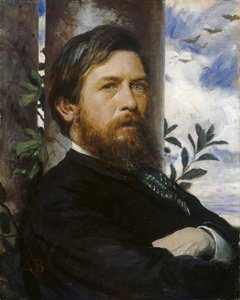
1827–1901, 스위스
아르놀트 뵈클린
섬의 그림자 스위스 바젤은 실재하는 것과 유령 같은 환상 사이의 긴장감으로 정의되는 한 예술가의 삶이 시작된 곳입니다. 1827년 10월 16일, 크리스티안 프리드리히 뵈클린과 우르술라 리페 사이에서 태어난 이 청년은 결국 아버지의 비단 무역을 넘어 뒤셀도르프 아카데미의 엄격한 예술적 규율 속으로 발을 들였습니다. 쉬르머의 지도 아래 그는 풍경의 언어를 흡수하기 시작했고, 이 기술은 훗날 인간 영혼의 지형을 그려내는 도구가 되었습니다. 그는 단순히 풍경을 그린 것이 아니라, 고전과 기괴함이 충돌하는 독자적인 세계를 구축했습니다.
아르놀트 뵈클린의 다른 작품들
 죽음의 섬 (초판)1880
 바이올린을 연주하는 죽음과 함께하는 자화상
 전쟁1896
 죽은 자들의 섬 (버전 5)1886

Honeymoon 관련 에세이
 A Study in Melancholy: Finding Human Sorrow within the Post-Impressionist TraditionExplore the profound expression of grief through Munch, Van Gogh, and Degas. Discover the soul of Post-Impressionism with our expert study.
 The Language of Brushstrokes: Decoding Emotion and Technique in Art HistoryExplore the profound connection between technique and emotion. From the sculptural depth of impasto to classical mastery, decode the langua…
 Nature's Sublime Majesty: The Emotional Resonance and Spiritual Depth of Romantic Landscape PaintingExplore the spiritual depth of German Romanticism and Caspar David Friedrich's sublime landscapes. Discover the power of nature's majesty n…