Baroque Painting · 1601
Rinaldo and Armida (안니발레 카라치, 1601)
안니발레 카라치 (1560–1609) 작가의 Rinaldo and Armida 1601년에 제작되었습니다. Baroque Painting 운동에 속합니다. 나폴리, 이탈리아에 위치한 카포디몬테 국립 박물관에 소장되어 있습니다.

 미리보기

 수작업 유화 작품
 공유하기
 공유하기
 학습용 요약본


 다운로드
 유사 작품 더 보기
 X-레이
 슬라이드 쇼 보기
 질의응답

 통계 정보
Rinaldo and Armida 요약
- 제목
- Rinaldo and Armida
- 작가
- 안니발레 카라치 (1560–1609)
- 작가 출생지
- 볼로냐, 이탈리아
- 제작 연도
- 1601
- 전시 장소
- 카포디몬테 국립 박물관, 나폴리, 이탈리아
- 주제
- rinaldo, armida, love, romance, saracen, tasso
Rinaldo and Armida은(는) 무엇을 묘사하고 있나요?
The Genesis of a Dramatic Narrative
Annibale Carracci’s “Rinaldo and Armida,” painted in 1601, isn't merely a depiction of a legendary tale; it’s a vibrant distillation of the late Renaissance’s fascination with classical mythology interwoven with burgeoning Baroque drama. Commissioned for the Palazzo Farnese in Rome, this monumental canvas embodies a pivotal moment within Tasso’s epic poem “Rinaldo,” a work that captivated audiences with its blend of chivalry, love, and perilous adventure. Carracci, along with his brother Agostino and cousin Ludovico, were tasked with transforming the complex narrative into a series of grand frescoes, aiming to revive the grandeur of High Renaissance ideals while injecting a palpable sense of dynamism – a hallmark of the emerging Baroque style. The painting itself is a testament to this ambition, radiating an energy that pulls the viewer directly into the heart of the scene.
A Symphony of Color and Movement
Carracci’s masterful technique is immediately apparent in the rich, layered application of paint. He employs a sophisticated *sfumato* – a subtle blurring of lines and edges – to create an atmosphere of both immediacy and depth. The figures are not rendered with sharp, precise outlines but rather emerge from a haze of color, lending them a sense of ethereal beauty and vulnerability. Notice the dramatic use of light; it’s not uniformly distributed but strategically employed to highlight key elements—Rinaldo's heroic stance, Armida’s sorrowful gaze, and the swirling vortex of the enchanted garden. The palette is dominated by warm reds, golds, and deep blues, creating a visual feast that mirrors the passionate emotions at play. The artist’s meticulous attention to detail extends to the intricate folds of their garments, the textures of the foliage, and even the subtle reflections in the water – all contributing to an astonishingly realistic effect for its time.
Symbolism Woven into a Romantic Scene
Beyond the immediate narrative, “Rinaldo and Armida” is laden with symbolic meaning. The scene itself—a passionate embrace amidst a fantastical garden—represents the precarious balance between love and duty, desire and obligation. Armida’s enchanted realm, filled with exotic birds and shimmering foliage, symbolizes her seductive power and the allure of escape from the constraints of war and responsibility. Rinaldo's struggle to resist her charms speaks to the internal conflict faced by heroes caught between their romantic passions and their sworn oaths. The presence of the two birds—one perched near the top left corner, the other towards the center-right—adds another layer of interpretation, perhaps representing messengers or omens, subtly guiding the viewer’s eye through the composition. The swords held by Rinaldo and his companions are not merely weapons but symbols of their commitment to Christian ideals and the defense of Jerusalem.
A Bridge Between Eras
“Rinaldo and Armida” stands as a crucial link between the High Renaissance’s emphasis on harmony and balance and the Baroque’s embrace of drama, emotion, and movement. Carracci skillfully synthesizes these influences, creating an artwork that is both formally sophisticated and emotionally resonant. His work profoundly impacted subsequent generations of artists, particularly influencing the development of illusionistic painting in Rome. Studying this masterpiece offers a valuable insight into the artistic currents of its time—a period of intense intellectual and creative ferment that ultimately shaped the course of Western art history. It’s a testament to Carracci's ability to capture not just a story but the very essence of human experience, rendered with breathtaking skill and profound beauty.
Rinaldo and Armida은(는) 어느 미술관에 소장되어 있나요?
카포디몬테 국립 박물관
나폴리, 이탈리아
카포디몬테 국립 박물관의 역사 카포디몬테 국립 박물관의 기원은 18세기 초반으로 거슬러 올라갑니다. 1738년, 나폴리와 시칠리아의 국왕 카를로 7세는 카포디몬테 언덕 위에 소박한 사냥용 별장을 짓도록 명했습니다. 그러나 왕실 거처의 규모가 점차 커짐에 따라 이 공간의 목적 또한 변화하기 시작했습니다.


Rinaldo and Armida의 고해상도 이미지

안니발레 카라치, Rinaldo and Armida (1601), 카포디몬테 국립 박물관. 퍼블릭 도메인
Rinaldo and Armida에 관한 질문과 답변
"Rinaldo and Armida"의 원작은 어느 박물관에 소장되어 있나요?
Rinaldo and Armida의 원작은 카포디몬테 국립 박물관, 나폴리, 이탈리아에서 만나보실 수 있습니다.
안니발레 카라치의 "Rinaldo and Armida"은(는) 언제 제작되었나요?
안니발레 카라치의 "Rinaldo and Armida"은(는) 1601년에 제작되었습니다.
"Rinaldo and Armida"은(는) 어떤 내용을 담고 있나요?
안니발레 카라치의 "Rinaldo and Armida"에 담긴 주제: rinaldo, armida, love, romance, saracen, tasso, italy, 1601
안니발레 카라치의 "Rinaldo and Armida"은(는) 퍼블릭 도메인인가요?
저작권과 관련하여, "Rinaldo and Armida"은(는) 퍼블릭 도메인 - 저작권 보호 기간이 만료되었습니다 상태입니다.
"Rinaldo and Armida"을(를) 만든 작가는 누구인가요?
"Rinaldo and Armida"은(는) 안니발레 카라치의 작품입니다. 이 페이지의 정보는 안니발레 카라치의 원작에 대해 설명합니다.
안니발레 카라치의 "Rinaldo and Armida"은(는) 어떤 미술 사조에 속하나요?
"Rinaldo and Armida"은(는) Baroque Painting 양식의 작품입니다. 이 사조는 해당 작품이 속한 예술적 전통을 나타냅니다.
Rinaldo and Armida은(는) 안니발레 카라치의 예술적 경력 중 어느 시기에 해당하나요?
안니발레 카라치의 작품 세계에서 "Rinaldo and Armida"은(는) Late Renaissance 시기의 작품입니다. 이 시기는 작가의 다른 작품들과 비교해 보는 데 유용한 지표가 됩니다.
1601년에 "Rinaldo and Armida"을(를) 제작할 당시 안니발레 카라치의 나이는 몇 세였나요?
1601년에 "Rinaldo and Armida"이(가) 제작되었을 당시, 1560년에 태어난 안니발레 카라치의 나이는 41세였습니다.
"Rinaldo and Armida"의 저작권 상태가 왜 이렇게 지정되어 있나요?
"Rinaldo and Armida"의 저작권 상태(퍼블릭 도메인 - 저작권 보호 기간이 만료되었습니다)는 작가의 1609년 사망 시점을 기준으로 결정됩니다.
아티스트 안니발레 카라치 소개
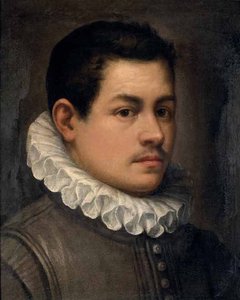
1560–1609, 이탈리아
안니발레 카라치
초기 생애와 볼로냐의 뿌리 1560년 11월 3일 볼로냐에서 태어난 안니발레 카라치는 예술적 전통이 깊게 뿌리내린 가문 출신이었다. 그의 초기 훈련은 가족 공방이라는 포근한 환경 속에서 이루어졌을 가능성이 높으며, 이는 이탈리아 회화의 지형을 근본적으로 바꾸는 경력을 위한 토대를 마련했다. 당시 볼로냐는 지적 및 예술적 발효가 활발한 도시였지만, 로마와 베네치아에서 흘러나오는 주요 흐름과는 다소 거리가 있었다. 이러한 변방적인 느낌은 안니발레를 비롯한 젊은 예술가 그룹에게 새로운 길을 개척하려는 열망을 불러일으켰다.
안니발레 카라치의 다른 작품들
 콩 먹는 사람 태양
 헤라클레스의 선택
 강가 풍경1589
 그리스도를 조롱함1596

Rinaldo and Armida 관련 에세이
 Dutch Baroque Masters: 10 Paintings That Shaped an Era | OriginalUniqueArtJourney through the Golden Age with our guide to the Top 10 Dutch Baroque masterpieces! Explore iconic paintings by Rembrandt, Vermeer & Fr…
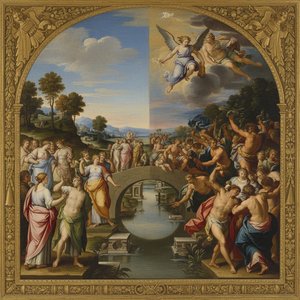 Annibale Carracci: Bridging Renaissance Ideals & Baroque InnovationExplore the life & art of Annibale Carracci, a pivotal figure bridging Renaissance ideals with Baroque innovation. Discover his masterpiece…
 Giorgione: Enigma and Innovation in Early Venetian Renaissance PaintingExplore the enigmatic world of Giorgione, a pivotal figure in the Venetian Renaissance. Discover his innovative techniques, iconic painting…