

 실제 크기로 보기
 보내기
보내기 공유하기
공유하기
 상세 보기
상세 보기 가이드 보기

 이미지 다운로드
 유사 작품 더 보기
 X-레이
X-레이 슬라이드 쇼 보기
 통계 정보
통계 정보흰색


 상세 보기
상세 보기
이 페이지에 표시된 작품은 저작권법의 보호를 받으며, 이에 따라 동일한 복제품을 제작하거나 판매하는 것은 법으로 금지되어 있습니다. 이러한 권리 보호는 다음과 같은 국제 협약에 따라 시행됩니다. 베른 협약 또한 다음에서 명시하는 법률을 포함한 국내법에 의해 보호됩니다. 미국 저작권법 제17조.
저희는 존중을 담은 합법적인 대안으로서, 원작에서 영감을 받은 맞춤형 수제 유화 작품을 제공합니다. 저희의 숙련된 전문 화가들은 원작의 스타일, 분위기, 예술적 정수를 면밀히 연구하여, 그 자체로 독창적인 창작물이면서도 원작과 동일한 감동을 불러일으키는 새로운 작품을 만들어냅니다.
이 방식은 저작권 보호를 받는 예술 작품을 복제하거나 그대로 재현하는 것이 아니기에 저작권 규정을 완벽히 준수합니다. 대신, 이는 창의적인 재해석의 과정을 거칩니다. 즉, 원작에서 영감을 받되 원작과 동일하지 않은 새로운 회화 작품을 의미합니다.
핸드메이드 유화 복제화
작가가 직접 캔버스에 손으로 그린 유화 작품으로, 원하는 크기와 액자로 맞춤 제작해 드립니다. ( 프린트 판매로 전환 디지털 이미지 판매 채널로 전환)




P118B ₩10

P118H ₩10

P118W ₩10

P438Z ₩10

P508JH ₩12

P508YH ₩12

P805H ₩10

P805Z ₩10

P919BZ ₩10

P919G ₩10

P919XJ ₩10

P959ZH ₩10

P968JZ ₩12

W106C ₩8

W218G ₩10

W218JH ₩8

W218Y ₩10

W307PJ ₩10

W316G ₩10

W316PJ ₩8

W316Y ₩10

W398PJ ₩8

W4111J ₩10

W500HY ₩15

W500JH ₩15

W692G ₩12

W849H ₩8

W940BG ₩15

W953PJ ₩8




작품의 원본 비율을 그대로 유지하는 프리셋 사이즈 중에서 선택해 보세요.

액자나 벽면 크기에 맞춰 필요한 가로와 세로 길이를 입력해 주세요. 본 작품은 수작업으로 제작되므로, 요청하신 비율에 따라 작가가 그림의 가장자리를 조금 더 넓게 그리거나 일부를 조정하여 작업할 수 있습니다. 작업 시작 전, 최종 확인을 위해 디지털 목업 이미지를 보내드립니다. 이 페이지에 표시된 이미지는 실제 결과물과 다를 수 있으며, 오직 목업 이미지만이 정확한 결과물을 보여줍니다.
주문 완료 후 OriginalUniqueArt.com 팀에서 상세 안내를 위해 고객님께 이메일을 보내드리며, 미리보기 시안을 함께 제공해 드립니다.


 유리 옵션은 110cm 미만 크기에서만 선택 가능합니다.

흰색
재현 매체
복제본 규격
-


총 결제 금액
₩ 407114
알베르토 부리의 흰색 작품 분석
부리는 이탈리아의 후기 전쟁 예술가로 인정받는 인물입니다. 그는 레오나르도 다 빈치의 기법을 모방하여 초상화와 같은 작품들을 제작하며 명성을 얻었습니다. 그의 작품은 단순한 재현이 아니라 예술가의 영혼과 감정을 담아내는 노력으로 가득 차 있습니다. 특히 부리의 흰색 작품은 이탈리아의 환경과 문화적 맥락 속에서 탄생했으며, 이는 예술가에게 깊은 영감을 불어넣는 요소였습니다. 흰색은 거대한 크기의 추상적인 구성물로 이루어져 있으며, 베이지와 회색 음영이 지배하는 색감입니다. 다양한 형태와 선들이 복잡하고 다층적인 느낌을 자아내며 작품 전체에 깊이를 더합니다. 표면은 여러 레이어를 사용했거나 콜라주 기법을 적용한 듯한 질감을 가지고 있습니다. 명확한 초점 지점을 찾기보다는 시선이 다양한 영역으로 이동하도록 유도하며, 형태는 기하학적인 블록부터 유기적인 형태로 다양하게 나타납니다. 색상은 그림 기법의 기능에서 벗어나 다른 재료와 함께 조화를 이루고 흡수하며 구성물 내부에 포함됩니다. 담배 스틱 조각과 같은 다양한 유기 물질이 사용되었습니다. 이 작품은 부리가 콜라주 기법을 실험하면서 제작한 초기 작품들과는 대조적인 특징을 보여줍니다. 특히 부리의 흰색 작품은 로마 컬렉터 지오르지오 프란체티의 요청으로 제작되었으며, 이 작품은 오일 페인트와 에나멜 페인트 및 콜라주 재료를 사용하여 독특한 예술적 표현을 이루었습니다. 콜라주 기법은 이전 시대의 아방가르드 시도들과는 달리 새로운 재료에 대한 부리의 탐구 정신을 반영합니다. 이러한 재료 사용 방식은 로마 주변의 예술가 공동체 문화와 밀접하게 연관되어 있으며, 그의 친구 피에로 도라시오 또한 이 시기에 모래를 오일 색과 혼합하여 독특한 질감을 표현했습니다. 이러한 선례들과 비교했을 때 흰색 작품은 색상의 기능이 감소하고 다른 재료와 함께 균형을 이루며 구성물 내부에 통합되는 특징을 가지고 있습니다. 이는 부리가 콜라주 기법에 대한 끊임없는 실험 정신과 예술가로서의 열정을 보여주는 대표적인 작품입니다. 흰색은 단순한 색상 조합 이상의 의미를 담고 있습니다. 이 작품은 전쟁 이후의 예술가들에게 새로운 영감을 제공하며, 인간의 감정과 경험을 표현하는 데 중요한 역할을 했습니다. 부리의 흰색 작품은 콜라주 기법의 혁신적인 시도와 함께 로마 환경과 문화적 맥락 속에서 탄생했으며, 이는 예술가에게 깊은 영감을 불어넣는 요소였습니다. 이 작품은 흰색이라는 색상 자체를 통해 인간의 감정과 경험을 표현하고 있으며, 이는 부리의 예술적 재능과 열정을 보여주는 대표적인 작품입니다. 또한 이 작품은 콜라주 기법의 혁신적인 시도와 함께 로마 환경과 문화적 맥락 속에서 탄생했으며, 이는 예술가에게 깊은 영감을 불어넣는 요소였습니다.질의응답
"흰색"은(는) 어떤 색조에 가깝나요?
Alberto Burri의 "흰색"의 주된 색조는 초록에서 보라까지 스펙트럼입니다. 이 색조는 팔레트의 바탕이 되는 톤을 형성합니다.
Alberto Burri의 "흰색"에는 무엇이 묘사되어 있나요?
"흰색"의 소재는 collage, texture, abstraction, material, roman influence, tobacco strands, postwar art입니다.
Alberto Burri의 "흰색"의 색채는 어떤 감정을 불러일으키나요?
Alberto Burri의 "흰색"은(는) 뉴트럴 톤 색조의 팔레트와 성찰적인 분위기가 조화를 이룹니다.
작가 소개
A Life Forged in Matter: The World of Alberto Burri
Alberto Burri, born in the Umbrian town of Città di Castello in 1915, stands as a monumental figure in post-war Italian art. His journey was one dramatically shaped by circumstance – from early inclinations towards artistic expression nurtured amidst Renaissance landscapes to the profound impact of wartime experiences that ultimately redefined his creative path. Initially pursuing medicine at the University of Perugia, graduating in 1940, Burri’s life took an unforeseen turn with the outbreak of World War II. Serving as a combat medic, he endured capture as a prisoner of war in Texas, a period of confinement that paradoxically provided the space and impetus for his artistic awakening. The tragic loss of his brother during the conflict cast a long shadow, infusing his future work with an undercurrent of somber reflection. It was within the stark confines of the prison camp that Burri began to paint seriously, self-taught and driven by an urgent need for expression, laying the foundation for a career that would challenge conventional notions of painting and sculpture.From Figurative Beginnings to Material Innovation
Burri’s early artistic explorations, following his return to Italy, were rooted in figuration, but this phase proved fleeting. He quickly gravitated towards abstraction, driven by a desire to explore the inherent qualities of materials themselves. This marked the beginning of his signature style – a radical departure from traditional techniques and a pioneering embrace of unconventional substances. Between 1948 and 1950, he embarked on a period of intense experimentation, incorporating tar, sand, zinc, pumice, and aluminum dust into his compositions. The *Catrami* (Tars) series emerged during this time, utilizing tar not merely as a collage element but as an integral color within the painting itself, creating monochrome black surfaces imbued with rich textures and subtle variations. This was followed by the *Muffe* (Molds) series, where Burri allowed spontaneous material reactions to dictate the outcome, fostering a sense of organic growth and transformation on the canvas. He then moved onto *Gobbi* (Hunchbacks), pushing the boundaries between two-dimensionality and three-dimensionality by embedding tree branches behind the canvas, creating subtly distorted surfaces. Perhaps his most visceral series, *Combustioni* (Combustions), saw Burri wielding a torch to burn wood veneers, deliberately charring and fracturing the material to create powerfully evocative textures and patterns – a testament to destruction and rebirth.Influences and Artistic Dialogue
Burri’s artistic vision was not formed in isolation. He engaged in a vibrant dialogue with contemporary movements and artists who shared his interest in materiality and unconventional techniques. The influence of Jean Dubuffet's *Art Brut* is evident in Burri’s embrace of raw, unrefined materials and textures, rejecting the polished aesthetic of traditional art. Connections to Lucio Fontana’s spatialism are also apparent, particularly in Burri’s exploration of surface and depth, and his willingness to disrupt the conventional picture plane. Furthermore, Burri fostered a creative exchange with American artists like Robert Rauschenberg and Cy Twombly, contributing to the revival of post-war assembly art and influencing their own explorations of materiality and process. These interactions were crucial in establishing Burri’s international reputation and solidifying his position as a leading figure in the avant-garde. He wasn't simply reacting *against* tradition; he was forging a new path, one that acknowledged the inherent beauty and expressive potential of the materials themselves.Legacy and Lasting Significance
Alberto Burri’s significance lies not only in his innovative use of materials but also in his rejection of traditional artistic conventions. He is widely considered a key figure in *Arte Povera*, an Italian art movement that emphasized simplicity, the use of everyday materials, and a critique of consumer culture. His work profoundly influenced subsequent generations of artists who explored materiality, process, and the relationship between art and life. Beyond his individual series, Burri’s monumental project, the *Grande Cretto* in Gibellina, Sicily – a vast landscape artwork built on the ruins of a town destroyed by an earthquake – stands as a powerful testament to his ambition and vision. This sprawling intervention transforms devastation into a poignant memorial, embodying Burri's belief in art’s capacity for both destruction and regeneration. Grande Cretto is not merely a sculpture; it is a landscape sculpted *by* trauma and transformed *through* artistic intervention. Alberto Burri passed away in 1995, leaving behind a legacy that continues to inspire and challenge artists and viewers alike – a testament to the enduring power of art forged from matter itself.
Alberto Burri
1915 - 1995 , Italy
작가 정보 요약
- Full Name: Alberto Burri
- Nationality: Italian
- Date Of Birth: 1915
- Date Of Death: 1995
- Place Of Birth: Castello, Italy
- Notable Artworks:
- White
- Composition
- Untitled (872)
- Grande cretto
- Artistic Movement Or Style: Arte Povera, Matterism
- Artists Who Influenced This Artist:
- Jean Dubuffet
- Lucio Fontana
- Artists Or Movements Influenced By This Artist:
- Robert Rauschenberg
- Cy Twombly
- Arte Povera
관련 기사

추상표현주의를 정의한 10대 걸작: 예술과 인테리어의 새로운 영감
추상표현주의의 심장을 뛰게 한 10대 걸작을 만나보세요. 폴록, 로스코 등 거장의 작품 비하인드 스토리와 예술적 영감을 OriginalUniqueArt에서! 지금 바로 미술품 컬렉션을 탐험하고, 당신의 공간에 특별한 예술적 감성을 더하세요. OriginalUniqueArt.com
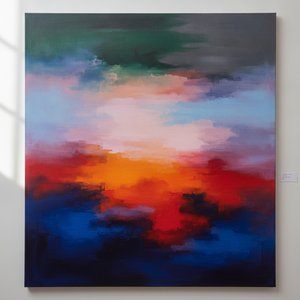
Color Field Painting: The Emotional Power of Pure Abstraction and Chromatic Depth
Explore the profound emotional depth of Color Field painting. Discover the history of mid-century abstraction, from Rothko to Newman, and learn how pure color transforms the viewer's experience through our expert art history guide.
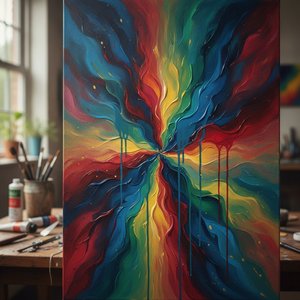
Lyrical Abstraction: The Emotional Power of Color and Form in Modern Art History
Explore the profound emotional depth of Lyrical Abstraction. Discover how masters like Raymond Parker used color and form to bridge Impressionism and Abstract Expressionism. Learn about this pivotal movement through our expert-led art history guide.

기하학적 추상 미술을 정의한 명작 10가지 | OriginalUniqueArt.com
몬드리안, 말레비치 등 거장들의 기하학적 추상 미술 명작 10선을 만나보세요. 각 작품의 예술사적 의미와 색채, 구성을 탐구하고 OriginalUniqueArt.com에서 고품질 아트 프린트를 소장하세요. 지금 바로 온라인 컬렉션을 확인하세요!
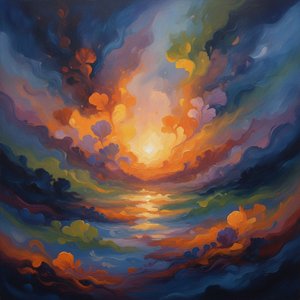
The Soul of Color: A Journey into the Emotional Resonance of Lyrical Abstraction
Embark on a cultural journey through Lyrical Abstraction. Explore how masters like Kandinsky used color and motion to translate emotion into visual poetry. Discover the profound beauty of abstract expressionism and learn to curate emotional resonance in your own art collection.
