1

10월 2026 업데이트 · 인기 점수 기준 순위 (각 작품의 검색, 방문 및 주문 수) · 1점의 Maite Izquierdo 작품 (당사 카탈로그 기준)
요약하자면
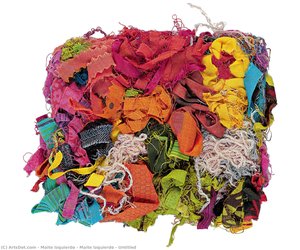
갤러리가 선정한 Maite Izquierdo의 가장 유명한 작품은 Maite Izquierdo - Untitled이며, 원작은 Treviso의 Imago Mundi에 전시되어 있습니다. Maite Izquierdo의 작품 1점 중, 갤러리는 가장 유명한 1점을 아래와 같이 소개합니다. 각 작품은 제작 연도, 소장 미술관 및 작품의 특징을 포함한 독창적인 원작입니다.
이 페이지에 있는 작품을 가장 많이 소장하고 있는 1개의 미술관
| 소장 미술관 | 도시 | Maite Izquierdo의 작품 | 이 목록의 작품들 |
|---|---|---|---|
 Imago Mundi |
Treviso | 1 | Maite Izquierdo - Untitled |
Maite Izquierdo - Untitled
저희 카탈로그에는 Maite Izquierdo의 작품 1점이 있습니다.
대부분 Imago Mundi (Treviso)에 소장되어 있습니다. 위의 박물관 목록에서 전체 목록을 확인하실 수 있습니다.
Maite Izquierdo, a prominent figure in contemporary textile art, is a Chilean artist whose work transcends the boundaries of traditional craft to become deeply evocative explorations of memory, identity, and the ephemeral nature of existence. Born in Santiago in 1978, Izquierdo’s artistic journey began with a profound engagement with discarded materials – remnants of textiles that have already lived a life, carrying within them echoes of past uses and forgotten stories. This initial fascination with salvage and reconstruction forms the cornerstone of her distinctive practice, shaping not just the subject matter but also the very process of creation.
Her early studies at the Catholic University of Chile provided a foundational understanding of visual arts, but it was through a deliberate immersion in textile techniques – sewing, ripping, joining, and tying – that Izquierdo truly discovered her voice. She isn’t simply creating objects; she's actively engaging with the history embedded within each fiber, breathing new life into what might otherwise be considered waste. This approach is deeply rooted in a belief that textiles possess an inherent memory, a tactile record of their previous existence and the hands that have shaped them.
Izquierdo’s work is characterized by a masterful manipulation of color, texture, and form. She doesn't shy away from bold chromatic combinations, often juxtaposing vibrant hues with muted tones to create layers of visual complexity. Her use of color isn’t merely decorative; it operates as a system of ordering, saturation, and enveloping harmony, guiding the viewer through her narratives. The theory of color becomes central to her process, dictating not just aesthetic appeal but also symbolic meaning.
Beyond color, Izquierdo expertly employs texture – from the rough weave of burlap to the delicate drape of silk remnants – to evoke a range of tactile sensations and emotional responses. Her pieces are rarely smooth or uniform; they embrace imperfections, frayed edges, and subtle variations in material, acknowledging the inherent beauty of decay and transformation. This deliberate roughness serves as a reminder of the materials’ past lives and their ongoing journey through her hands.
Furthermore, Izquierdo imbues her textiles with potent symbolism. She draws upon themes of life, death, shelter, anguish, landscapes, and the human body, weaving these concepts into intricate patterns and layered compositions. Her work often feels like a visual meditation on the interconnectedness of all things – the personal, the collective, and the ancestral.
Izquierdo’s artistic trajectory has been marked by a consistent evolution in scale and scope. Initially focused on smaller-scale textile pieces, her work gradually expanded to encompass monumental installations that transform entire spaces. This shift reflects not only an increase in technical skill but also a deepening commitment to collaborative practices.
Her involvement with the women’s artist collective ArsFactus has been particularly influential, fostering a spirit of shared creation and mutual support. Through these collaborations, Izquierdo's work has moved beyond individual expression to become a vehicle for social commentary and community engagement. Projects like “Manto de Reparación” – a large-scale textile exhibition that involved over 170 participants in collaborative workshops – exemplify this commitment to collective action and shared transformation.
Significant achievements include receiving second prize at the WTA International Biennial of Textile Art for her video artwork "Herencia," recognition as the best textile show of the year by the Chilean Art Critics Circle for “Corambre,” and a permanent installation in the Museum of Arts, Universidad de los Andes. These accolades underscore the growing international recognition of Izquierdo’s work and its profound impact on the field of contemporary art.
At the heart of Maite Izquierdo's practice lies a deep reverence for salvaged materials – remnants that have been discarded, forgotten, or deemed unworthy of further use. She doesn’t simply repurpose these objects; she actively seeks to resurrect their stories, transforming them into new forms that honor their past while simultaneously offering glimpses into the present.
Her work is a testament to the beauty of imperfection and the power of transformation. It's an invitation to reconsider our relationship with waste, to recognize the value inherent in discarded objects, and to embrace the narratives embedded within them. Through her innovative textile techniques and deeply symbolic imagery, Maite Izquierdo has created a body of work that is both visually stunning and profoundly meaningful – a testament to the enduring power of memory, material, and human connection.