

1


10월 2026 업데이트 · 인기 점수 기준 순위 (각 작품의 검색, 방문 및 주문 수) · 11점의 Anna Ostroumova-Lebedeva 작품 (당사 카탈로그 기준)
요약하자면
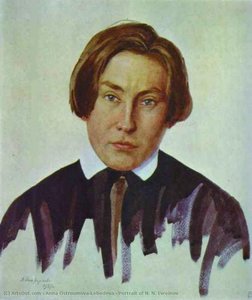
갤러리가 선정한 Anna Ostroumova-Lebedeva의 대표작은 Academy of Arts (1922)입니다. Portrait of N. N. Evreinov (1927)와 The monument to Peter I (1942)가 더해져 누구나 한눈에 알아볼 수 있는 완벽한 트리오를 완성합니다. Anna Ostroumova-Lebedeva의 작품 11점 중, 갤러리는 가장 유명한 11점을 아래와 같이 소개합니다. 각 작품은 제작 연도, 소장 미술관 및 작품의 특징을 포함한 독창적인 원작입니다.


그 시대를 정의하는 오리지널 작품을 만나보려면 연대를 선택하세요.
Academy of Arts (1922). 다음은 Portrait of N. N. Evreinov (1927)와(과) The monument to Peter I (1942)입니다.
51세: Academy of Arts은(는) 1922년 작품이며, Anna Ostroumova-Lebedeva은(는) 1871년에 태어났습니다.
Academy of Arts, Portrait of N. N. Evreinov, The monument to Peter I, Petersburg. New Holland., The Moon, Crimea. Koktebel. Ruins of Kordon., Rostral column, A window, Gear 및 View on the Neva River and the Stock Exchange Building from the Trinity Bridge. 위 순위는 각 작품의 제작 연도와 소장 박물관을 나타냅니다.
저희 카탈로그에는 1900년부터 1942년 사이의 Anna Ostroumova-Lebedeva 작가의 작품 11점이 수록되어 있습니다.
1910s 동안: 이 페이지의 총 11점의 작품 중 3점이 해당 시기에 제작되었으며, 그중 Rostral column점입니다.
이 페이지에서 가장 오래된 작품은 The Moon (1900)이며, 가장 최근 작품은 The monument to Peter I (1942)입니다.
이 페이지의 원작들을 기준으로 볼 때, Art nouveau 및 Post-impressionism
In the misty, atmospheric streets of Saint Petersburg, where the Neva River meets the architectural grandeur of a fading empire, the spirit of Anna Ostroumova-Lebedeva found its eternal muse. Born in 1871, she emerged as a transformative force in Russian art, a woman who navigated the rigid structures of her era to become a pioneer of both watercolor and woodcut. Her life was inextricably linked to the pulse of her home city, and through her delicate brushstrokes and bold graphic lines, she captured not just the physical landscape of Saint Petersburg, but its very soul—a sense of nostalgic beauty, melancholic grace, and enduring strength.
Her artistic journey began within the prestigious halls of the Stieglitz School of Technical Drawing and the Imperial Academy of Arts. The latter held profound significance; as one of the first women admitted to the academy following its landmark decision in 1892, she stood at the vanguard of a cultural shift that allowed female voices to reshape the Russian aesthetic. Under the mentorship of masters like Ilya Repin and Vasily Mate, she absorbed the weight of Realism while simultaneously leaning toward the ethereal possibilities of Impressionism. This foundation was further enriched by her travels to Paris, where she studied at the Académie Colarossi and worked under the influence of the legendary James McNeill Whistler. These European encounters infused her work with a cosmopolitan elegance, blending Russian depth with a sophisticated, modern sensibility.
While many artists of her generation sought fame through grand oil canvases, Ostroumova-Lebedeva found her true calling in the intimate and the graphic. She was a revolutionary figure in the development of the woodcut technique in Russia. In 1901, commissioned by the visionary Sergei Diaghilev, she began a landmark series of woodcuts depicting Saint Petersburg cityscapes. These prints were more than mere illustrations; they were rhythmic, structural explorations of light and shadow that pushed the boundaries of what graphic art could achieve. Her ability to translate the architectural complexity of bridges, cathedrals, and embankments into stark, powerful linework established her as a master of the medium.
Parallel to her graphic prowess was her unparalleled mastery of watercolor. In these works, the rigidity of the woodcut gave way to a fluid, atmospheric lyricism. She possessed a rare ability to use water and pigment to evoke the damp, shimmering light of the Russian North—the way mist clings to the Winter Palace or how sunlight dances upon the ripples of the Neva. Her watercolors often functioned as poetic vignettes, capturing fleeting moments of urban life and quiet architectural solitude with an emotional resonance that felt both deeply personal and universally evocative.
The trajectory of Ostroumova-Lebedeva’s life was marked by the tumultuous shifts of 20th-century Russian history. As a member of the influential Mir iskusstva (World of Art) group and later The Four Arts association, she remained at the heart of the modernist movement, advocating for an aesthetic that valued beauty, craftsmanship, and historical continuity. Even as the world around her transformed through revolution and war, her commitment to the artistic integrity of her subject matter never wavered.
Her resilience was perhaps most profoundly tested during the Siege of Leningrad. Having survived one of the darkest chapters of human history, she continued to contribute to the artistic community as a professor at the Leningrad Institute of Painting, Architecture, and Sculpture. Though her vision eventually faded into blindness in her later years, the visual legacy she left behind remained vibrant and undimmed. Today, we remember Anna Ostroumova-Lebedeva not merely as a chronicler of a city, but as an artist who transformed the ephemeral textures of Saint Petersburg into a permanent, breathtaking testament to the power of the human spirit.
