სიტკბე თანამედროვეობისა: ფორტ-ლოდერდაილის NSU Art Museum-ის აღმოჩენა
ფორტ-ლოდერდაილის ათლანტიკის მოციმციმე სანაპიროზე განლაგებული, NSU Art Museum უფრო მეტია, ვიდრე მხოლოდ მხატვრული საგანძურების საცავი; იგი რეგიონის დინამიკური კულტურული ლანდშაფტის ცოცხალი დასტური და ღრმა შემოქმედებითი გამოხატვის პორტალია. 1986 წელს გაღებული, ცნობილი არქიტექტორის, ედვარდ ლარაბი ბარნსის მიერ შექმნილ შთამბეჭდავად თანამედროვე შენობაში – რომელიც ფორმისა და ფუნქციის სრულყოფილად შერწყმულ არქიტექტურულ საოცრებას წარმოადგენს – მუზეუმმა ათწლეულების განმავლობაში განავითარა თავისი კოლექცია და გავლენა სამხრეთ ფლორიდის სახელოვნებო სცენაზე. დღეს ეს არის ადგილი, სადაც მხატვრული რევოლუციების გამოძახილი თანამედროვე ხმებთან ერთად ჟღერს და სტუმრებს საუკუნეების ვიზუალური თხრობის იმერსიულ მოგზაურობას სთავაზობს.
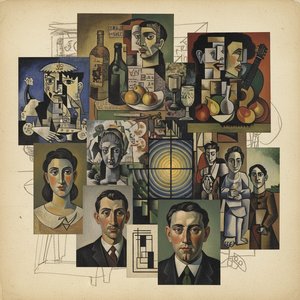
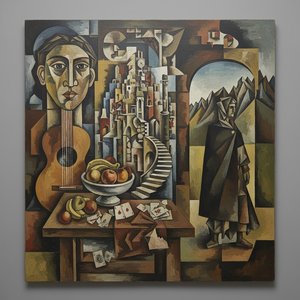
NSU Art Museum-ის გული მის საოცრად მრავალფეროვან კოლექციაში დევს, რომელიც გლობალური გავლენებისა და სამხრეთ ფლორიდის უნიკალური სულისკვეთების პანორამას ასახავს. შესაძლოა, ყველაზე პირდაპირ მოხიბლულს პაბლო პიკასოს კერამიკისა და გრავიურის შეუდარებელ ფლობილობა ხდის. ეს ნამუშევრები საშუალებას გვაძლევს, თვალი შევავლოთ ხელოვანის დაუღალავ ექსპერიმენტებს ფორმაზე, ტექსტურასა და მედიუმზე – რაც მისი მარადიული გენიალურობის დასტურია. პიკასოს გარდა, მუზეუმი ამაყობს ჩრდილოეთ ამერიკის უდიდესი გამოფენით, რომელიც ეძღვნება CoBrA-ს მოძრაობას – მეორე მსოფლიო ომის შემდგომი მხატვრული კოლექტივს, რომელმაც მხარი დაუჭირა სპონტანურობას, პირველად感を და ტრადიციული სახელოვნებო კონვენციების უარყოფას. ეს სექცია თავისთავად საინტერესო ფანჯარას წარმოადგენს თანამედროვე ხელოვნების ისტორიის გადამწყვეტ პერიოდში, სადაც წარმოდგენილია კარელ აპელის და ერნსტ ბუშჯოჰანის მსგავსი ხელოვანების შემოქმედება.
თუმცა, მუზეუმის ნარატივი ამ აღიარებული ღირებულებებით არ შემოიფარგლება. მისი კოლექციის მნიშვნელოვანი ნაწილი ეძღვნება ლათინური ამერიკისა და კუბის მდიდარ სახელოვნებო ტრადიციებს – ეს არის სტენლი და პერლ გუდმანების საჩუქარი, რომელმაც მუზეუმის იდენტობა 125-ზე მეტი ხელოვანით ამკვეთრა. ეს ნამუშევრები გვთავაზობს სასიცოცხლო პერსპექტივას რეგიონულ კულტურულ იდენტობაზე, სადაც იკვლევა სოციალური სამართლიანობის, პოლიტიკური კომენტარებისა და დინამიკური ყოველდღიურობის თემებს. ასევე დამაბრმავებელია აფრიკული და ოკეანისპირა ტომური ხელოვნების მნიშვნელოვანი ფლობილობა – რთული სკულპტურები, ნიღბები და ცერემონიული საგნები, რომლებიც ჩვენ ძველ კულტურებთან და მათ მედდა long-lasting ესთეტიკურ მემკვიდრეობასთან აკავშირებს. თითოეული ნივთი ჩურჩულებს რიტუალების, რწმადებებისა და თაობიდან თადაზე გადაცემული ხელოვნებრივი ოსტატობის შესახებ.
შენობა, როგორც ხელოვნების ნიმუში: არქიტექტურა და სივრცე
მუზეუმის ფიზიკური სივრცე სტუმრის გამოცდილების ისეთივე განუყოფელი ნაწილია, როგორც მისი კოლექცია. 1986 წელს ედვარდ ლარაბი ბარნსის მიერ დაპროექტებული შენობა თავად არის ხელოვნების ნიმუში – დახვეწილი, მოდერნისტული სტრუქტურა, რომელიც ეფლობოდება ბუნებრივ სინათლეს და ქმნის ღიაობისა და ჭვრეტის განცდას. ვრცელი გალერეების სივრცეები, რომლებიც აღჭურვილია მაღალი ჭერებითა და სტრატეგიულად განთავსებული ფანჯრებით, შექმნილიათ დასამკვიდრებელი შთაბეჭდილებებისთვის, რათა სტუმრებმა სრულად შეუერთდნენ ნამუშევრებს. ერთ-ერთი საკვანძო ელემენტია მეორე სართულზე მდებარე სკულპტურული ტერასა, რომელიც გვთავაზობს თვალწარმტელ ხედებს გარშემო არსებულ ლანდშაფტზე და ქმნის ღია სივრცეს სამგანზომილებიანი ხელოვნების დასამკვიდრებლად.
2001 წელს მუზეუმის გაფართოებამ მნიშვნელოვნად გაზარდა მისი მასშტაბები, დაემატა სპეციალიზებული კვლევითი ცენტრი და კიდევ უფრო გაძლიერდა გამოფენებისა და საგანმანათლებლო პროგრამების მასპინძლობის შესაძლებლობა. ამას ასევე მოჰყვა ვილიამ ჯ. გლაკენსის ფლერი, რომელიც თავმოყრილს 50ვადზე მეტ პლატნს ამერიკელი რეალისტი ხელოვანის, ვილიამ გლაკენსის შემოქმედებას – რაც ყველაზე დიდი მსგავსი კოლექციაა აშშ-ის ნებისმიერ მუზეუმში. ეს ფლერი არის მუზეუმის ერთგულების დასტური, რომელიც ორიენტირებულია შედევრთა შემოწმებასა და ჩვენებაზე, ამავდემეულად კი მხარს უჭერს ახალწარმოებულ ხელოვანებს.
თემზე დაფუძნებული ისტორია
NSU Art Museum-ის ისტორია 1958 წელს დაიწყო, როგორც ფორტ-ლოდერდაილის სახელოვნებო ცენტრი – მოკლედ რომ ვთქვათ, ამბიციური წამოწყება, რომელიც ხელოვნებისადმი ადგილობრივმა ვნებამ მართავდა. ათწლეულების განმავლობაში იგი სტაბილურად იზრდებოდა და დღეს იქცა მნიშვნელოვან კულტურულ ინსტიტუციად. გარდამტეხი მომენტი დადგა 2008 წელს ნოვა სამხრეთ-აღმოსავლეთის უნივერსიტეტთან (Nova Southeastern University) პარტნიორობით, რამაც შექმნა ალიანსი, რომელმაც გააძლიერა ორივე ინსტიტუტის ერთგულება განათლებისთვის, კვლევისა და საზოგადოებრივ ჩართულობისადმი. ამ თანამშრომლობამ მუზეუმში შექმნა ცოცხალი ინტელექტუალური ატმოსფერო, რამაც ამდიდრა მისი პროგრამები და გააფართოვა მისი წვდომა.
მუზეუმის ისტორია არ არის მხოლოდ ხელოვნების ნიმუშების დაგროვება; ეს არის ხიდების მშენებლობა ხელოვნებას, მეცნიერებასა და საზოგადოებას შორის. ხელმისაწვდომობისადმი ერთგულება – უფასო შესვლის დღეები, ფასდაკლებები სტუდენტებისა და ვეტერანებისთვის და მონაწილეობა ისეთ პროგრამებში, როგორიცაა „მუზეუმები ყველასთვის“ – კიდევ უფრო უსვამს ხაზს მის მისიას: ხელოვნა ყველასთვის ხელმისაწვდომი გახდეს. ეს თავდადება ასახავს ღრმა გაგებას იმისა, თუ რამდენად მნიშვნელოვანია ხელოვნება, როგორც სოციალური ცვლილებებისა და პერსონალური სულიერი სიმდიდრის კატალიზატორი.
გამორჩეული გამოფენები და თანამედროვე ფოკუსი
თავისი ისტორიის განმავლობაში, NSU Art Museum-მა უმასშლესი გამოფენები უმასპინძლა, რომლებმაც მოხიბლეს აუდიტორია და განამტკიცეს მისი რეპუტაცია, როგორც წამყვანი კულტურული დანიშნულების ადგილისა. 2005 წელს მუზეუმმა 700,000-ზე მეტი სტუმარი მიიღო მოგზაური გამოფენით, რომელიც ტუტანხამონის საფლავიდან ნაპოვნი რელიქვიებს შეიცავდა – რაც მისი ფართო საზოგადოებრივი ინტერესის მოსაზიდადתადობის დასტურია. უფრო ახლახან, მუზეუმი გახდა ქრისტოსა და ჟან-კლოდის „შთ surrounding islands“-ის სახლი, რომელმაც 2025 წლის თებერვალში პირველად წარადგინა გამოფენა, რომელიც ამ საკულტო გარემოსდაცვით ხელოვნებასთან დაკავშირებულ მოსამზადებელ ნახაზებს, ფოტოგრაფიებსა და არქივურ დოკუმენტებს აჩვენებს.
ის, რაც ნამდვილად გამოარჩევს ფორტ-ლოდერდაილის NSU Art Museum-ს, არის მისი განსაკუთრებული ფოკუსი თანამედროვე ხელოვნებაზე სამხრეთ ფლორიდის მრავალფეროვან კულტურულ მემკლედობაში. იგი, მაიამისა და პალმ-ბიჩის მსგავსი უფრო დიდი მუზეუმებისგან განსხვავებით, პრიორიტეტს ანიჭებს ინოვაციურ პროექტებსა და ახალწარმოებულ ხელოვანებს, რაც მას თანამედროვე ხელოვნების მოყვარულთა vital ჰაბად აქცევს. ეს დღევანდელობისადმი ერთგულება, რეგიონულ კოლექციებთან ერთად, ქმნის უნიკალურ სინერგიას, რომელიც ღრმად ეხმიანება როგორც ადგილობრივ თემებს, ისე საერთაშორისო სტუმრებს. მუზეუმის სწრაფვა დიალოგის ხელშეწყობისა და სახელოვნებო ინოვაციების პოპულარიზაციისკენ უზრუნველყოფს მის წამყვან როლს განვითარებად სახელოვნებო ლანდშაფტში.