

ძალაუფლებისა და ხელოვნების რენესანსული ციტადელი
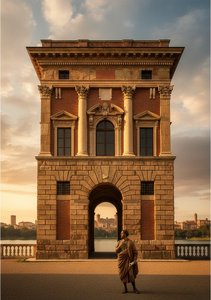
პალაცი ფარნეზე წარმოადგენს მონუმენტურ დასტურს ფარნეზეს დინასტიის ამბიციისა და მხატვრული ხედვის შესახებ; იგი დომინირებს რომის ფარნეზეს მოედანზე თავისი შთამბეჭდავი ფასადითა და მბრძანებლური სულთით, რაც პატივისცემას იწვევს ყველასში, ვინც მას უახლოვდება. ეს არ არის მხოლოდ აგურისა და დუღილის ერთობლიოობა, ეს არქიტექტურული საოცრება ასახავს საუკუნეებისパპული ისტორიას, ღრმა მხატვრულ მეწამეობასა და გარდამტეხ ინოვაციებს. იგი დამკვიდრებულს მოუწოდებს მოგზაურობისკენ მაღალი რენესანსის ეპოქაში, სადაც თითოეული ქვა, თითქოს, იმ ძლევამოსილ ფიგურებზე ჩურჩულებს, რომლებმაც რომის ბედი განსაზმავად შეცვალეს. 1517 წელს ალესანდრო ფარნეზე I-ის, პაპ პავლე III-ის მიერ შეკვეთილი ეს სასახლე იტალიური არქიტექტურის ტიტანების იშვიათ კოლაბორაციულ ძალისხმევას წარმოადგენს. მიუხედავად იმისა, რომ პროექტი ანტონიო და სანგალო უმცროსმა დაიწყო, სწორედ ლეგენდარულმა მიკელანჯო ბუონაროტის მა თავისი ინოვაციური კარნიზით შეცვალა მისი სტრუქტურული პრინციპები — ეს იყო თამამი გადახვევა იმდროინდელი სტილისგან, რაც პაპის დიდებულებისა და არქიტექტურული სისწლის მარადიულ სიმბოლოდ იქცა.
ბაროკოს სენსიტიურობის დაბადება
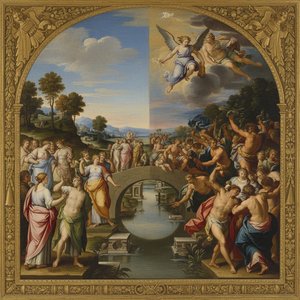
მისი კედლების მიღმა შესვლისას, ადამიანი მყისიერად გადადის იმ სამყაროში, სადაც მითი და რეალობა ერთმანეთს ერწყმის, რაც ყველაზე თვალშისაცემად გამოვლინებულია მოხუცებული და სუნთქავს გალერია კარაჩის ἐνთლევაში. ეს სივრცე სცილდება უბრალო გალერეის განმარტებას; იგი არის იმერსიული გამოცდილება, რომელიც მაყურებელს მიჰყავს მითოლოგიურ ნარატივებში, რომლებიც სავსეა ცოცხალი ფერებით, დინამიკური კომპოზიციითა და ოსტატური ტექნიკით. ფრესკები, რომლებიც 1597-დან 1608 წლამდე შეასრულეს ანიბალე დააგოსტინო კარაჩებმა, ხელოვნების ისტორიაში გარდამტეხ მომენტს აღნიშნავენ და ბაროკოს სენსიტიურობის დაბადებას ატყობინებენ. ეს ნამუშევრები, რომლებიც ასახავს ოვიდეს მეტამორფოზებს , იყენებენ რევოლუციურ ილუზიონისტურ ტექნიკას უსაზღვრო სივრცისა და თეატრალური სანახაობის შექმნისთვის. ფიგურები თითქოს სუნთქავენ, მათი ისტორიები კი მაყურებლის თვალწინ სინათლისა და მოძრაობის კასკადში იშლება, რაც დღემდე აღაფრთოვანებს ხელოვნების მოყვარულებსა და ისტორიკოსებს. ამ ემოციური თხრობის საუკეთესო მაგალითი გვხვდება კიკლო პოლიფემუსის სურათში, სადაც ოსტატური განათება და დრამატული დაძაბულობა ევროპული ფერწერის ახალი ეპოქის აღმოვენდეს წარმოაჩენს.
არქიტექტურული დიდებულება და ანტიკური ექოები
სასახლის არქიტექტურული დიდებულება მის გულამდე აღწევს, სადაც ეზო კლასიკური სვეტებით აღორძინებულია, რაც შეგნებულად მიუთითებს გრეკო-რომაულ იდეალებზე. ფორმისა და ფუნქციისადმი ეს ზედმიწევნითი ყურადღება არქიტექტორთა ღრმა ცოდნას უსვამს ხაზს კლასიკური მემკვიდრეობის შესახებ. ჰერკულესის დარბაზში სტუმრები შეხვდებიან ფარნეზეს ოჯახის მდიდრულ მემკვიდრეობას დიდებული გორგოლაჭებისა და ანტიკური სარკოფაგების მეშვეობით, რაც წარმოადგენს იმ ფუფუნების დასტურით აღვსილი ინტერიერების მატერიალურ მტკიცებულებას, რომლებმაც ოდესღაც ევროპის ყველაზე გავლენიანი პერსონები უმასპინძლეს. რენესანსული დიდებულების მიღმა, ბოლო დროს ჩატარებულმა გათხრებმა სასახლის რომაული წარმოშობის შესახებ საოცარი ინფორმაცია გამოავლინა — აღმოჩენილა მოზაიკური იატაკები ცხოველებისა და აკრობატების გამოსახულებებით, რაც მიგვანიშნებს ამ ადგილზე დამარხულ ისტორიის ღრმა ფენებზე.
დღეს პალაცი ფარნეზე კვლავაც წარმოადგენს მუდმივი კულტურული გაცვლის ცოცხალ სიმბოლოს. მიუხედავად იმისა, რომ იგი ამჟამად იტალიაში საფრანგეთის საელჩოს ფუნქციას ასრულებს — რაც მისი როლის დასტურია საერთაშორისო ურთიერთობებში — ის რჩება აუცილებელ დანიშნულების ადგილად მათთვის, ვინც სურს კავშირი დაამყაროს დასავლური ცივილიზაციის აკვანთან. შემგროვებლებისა და ინტერიერის დიზაინერებისთვის ეს სასახლე ესთეტიკური სრულყოფილების უმაღლეს სტანდარტს წარმოადგენს, სადაც სტრუქტურული სიმტკიცისა და დეკორატიული ელეგანტურობის შერწყმა დაუსრულებელ შთაგონებას გვთავაზობს. იგი დგას არა მხოლოდ წარსულის რელიქვიად, არამედ როგორც შემღ mempertahankanებული შედევრი, რომელიც უზრუნველყოფს რომის მემკვიდრეობის დიდებულების ხელმისაწვდომობას მომავალი თაობებისთვის.