A Living Chronicle of Devonshire Splendor
Nestled within the verdant, rolling embrace of Dartmoor National Park, the National Trust in Newton Abbot serves as far more than a mere repository for the past; it is a breathing, vibrant tapestry of England’s artistic and horticultural evolution. To step into this collection is to embark on a sensory journey through time, where the whispers of history are found not only in the silent halls of manor houses but in the very scent of blooming gardens and the textured strokes of ancient canvases. This institution invites the discerning visitor—be they an art lover, a dedicated collector, or an interior designer seeking inspiration—to immerse themselves in narratives woven from stone, soil, and pigment, offering a profound connection to the heritage of the West Country.
The architectural soul of the Trust is anchored by a portfolio of remarkable residences that act as physical embodiments of shifting aesthetic eras. At Bradley Manor, one encounters the rugged, enduring spirit of the thirteenth century, where Norman craftsmanship meets the refined sensibilities of the Tudor period in a seamless display of medieval structural integrity. In stark contrast, the grandeur of Castle Drogo rises with the deliberate, organic elegance of the Arts and Crafts movement. Conceived by Sir William Morris in 1897, this architectural masterpiece celebrates the marriage of natural forms and intricate detailing, providing a masterclass in how structure can harmonize with its environment. For those captivated by the Edwardian era, Greenway House—the former sanctuary of Agatha Christie—offers an intimate glimpse into a world of opulent domesticity, where exquisite wallpapers and period furnishings create a curated atmosphere of refined comfort.
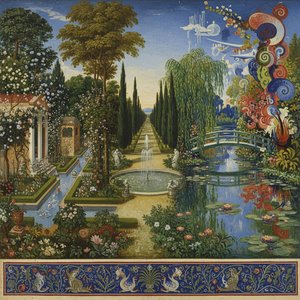
Beyond the threshold of these historic walls, the landscape itself unfolds as a series of living artworks. The gardens maintained by the Trust are meticulously composed compositions, guided by the principles of design, seasonality, and horticultural artistry. At Greenway, the walled garden stands as a testament to Victorian formal gardening, where geometric precision meets the wild, fragrant abundance of herbaceous borders. These landscapes are not merely decorative backdrops but are essential components of the collection, showcasing both the hardy native flora of Devon and exotic specimens gathered from across the globe. For the interior designer, these gardens offer an endless palette of color and texture, illustrating how the boundaries between the built environment and the natural world can be artfully blurred.
The artistic treasures housed within these estates illuminate the breadth of England’s creative legacy, ranging from the delicate precision of medieval illuminated manuscripts to the expressive decorative arts of the twentieth century. One cannot overlook the enchanting "Grottesca" by Carl Laubin, a series of garden buildings that reflect the profound influence of the Arts and Crafts movement on landscape architecture. The collection is further enriched by significant portraiture, such as Peter Douglas Edwards' evocative depiction of Lord Kenyon, which provides a window into the social hierarchies and patronage systems of the Victorian age. It is this unique intersection of fine art, architectural history, and botanical beauty that makes the National Trust in Newton Abbot an unparalleled destination, fostering a continuous dialogue between the legacies of the past and the inspirations of the future.