- მთავარი გვერდი

- მუზეუმები
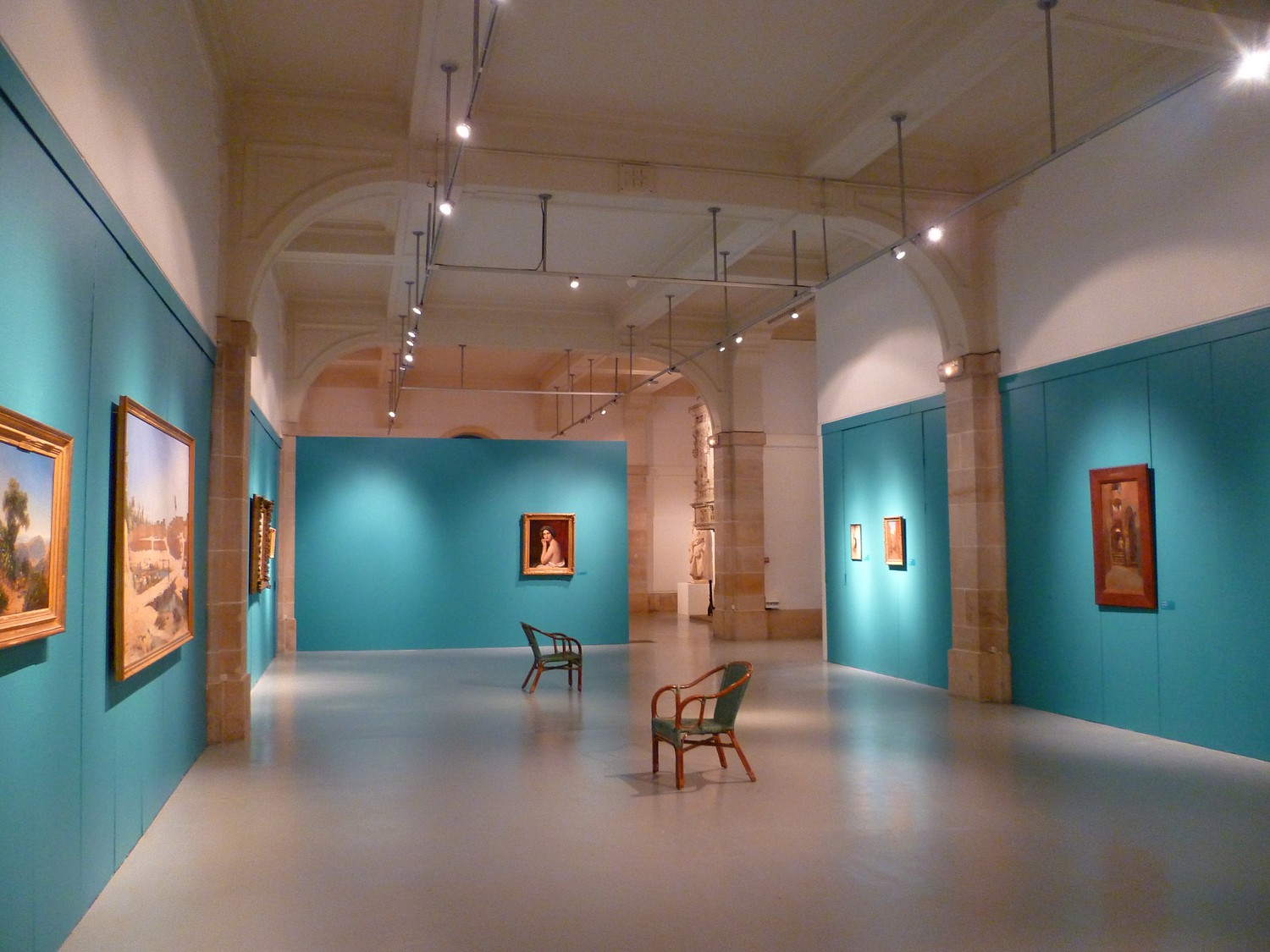
- Musée des Beaux-Arts
სარჩევი
მოკლე ინფორმაცია
- Works on APS: 3
- Movements: romanticism
- Location: Troyes, France
- Featured artists:
- Charles Le Brun
- Bernardo Bellotto
- Jan van Bijlert
ხელოვნების ტესტი
თითოეულ კითხვაზე მხოლოდ ერთი სწორი პასუხია.
კითხვა 1:
What is the Musée des Beaux-Arts de Troyes primarily known for?
კითხვა 2:
The Musée des Beaux-Arts de Troyes is housed within:
კითხვა 3:
Which of these artifacts is prominently featured in the Musée des Beaux-Arts de Troyes' collection?
კითხვა 4:
What distinguishes the Musée des Beaux-Arts de Troyes from other museums in France?
კითხვა 5:
The Musée des Beaux-Arts de Troyes’ collection includes works by artists such as:
ხელოვანები ამ მუზეუმში წარმოდგენილი ნამუშევრებით

შარლ ლე ბრუნი
გაეცანით შარლ ლ ბრუნს (1619-1690), გავლენიან ფრანგულ ბაროკოს მხატვარს და ხელოვნების თეორეტიკოსს! აღმოაჩინეთ მისი სამეფო ნამუშევრები, მემკვიდრეობა და ვერსალზე გავლენა.


ბერნარდო ბელლოტო
აღმოაჩინეთ ბერნარდო ბელლოტო (1721-1780), კანალეტოს ძმისშვილი, რომელიც ცნობილია დრეზდენის, ვენისა და ვარშავის დეტალური ქალაქscapes-ებით. მისი "vedute" ხელოვნების შედევრები შენახულია დახმარებულია ურბანული რეკონსტრუქციისთვის.

Jan van Bijlert
Jan van Bijlert (1598-1671) was a Dutch Golden Age painter & Utrecht Caravaggist, known for dramatic chiaroscuro, realistic genre scenes & religious works. Influenced by Caravaggio, he co-founded the Bentvueghels in Rome and left a legacy of ~200 pai
დაკავშირებული სტატიები
The Enduring Legacy of Architecture in Art: A Historical Survey of Representation & Meaning
Explore the rich history of architecture in art, from Renaissance theory to 19th-century reconstructions. Discover key artists & movements shaping visual representation – a guide for discerning collectors.
The Enduring Legacy of Architecture in Art: A Historical Survey of Representation & Aesthetic Influence
Explore the rich history of architecture's influence on art! Discover Renaissance perspective techniques, symbolism, & iconic masterpieces. Enhance your understanding with our expert analysis.
ნიუ-იორკის მეტროპოლიტენის 25 შედევრი: ხელოვნების ისტორია თქვენს სახლში
გაიცანით ნიუ-იორკის მეტროპოლიტენის 25 უმნიშვნელოვანესი შედევრი! ვან გოგის, მონეს და სხვა ცნობილი მხატვრების ნახატების ისტორია. სახლის დეკორისთვის ხელოვნების რეკონსტრუქცია OriginalUniqueArt.com-ზე. Explore the full collection online!
მოცემული ნაწარმოებების სია
ნამუშევრები ვერ მოიძებნა.


გამოიწერეთ ჩვენი სიახლეები
ყოველთვის პირველი იყავით უახლესი ხელოვნების სიახლეების, ექსკლუზიური შეთავაზებებისა და დეკორაციის იდეების შესახებ ინფორმირებული.
მიიღეთ 3 უფასო ხელოვნების რჩევა
გვიამარტეთ თქვენი პროექტის შესახებ და ჩვენი ხელოვნების ექსპერტები მოგაწვდით 3 პერსონალიზებულ რეკომენდაციას.
Not Sure Where to Start?
Let Us Curate 3 Options Just for You - Free!