მენიუ
უფასო ხელოვნების კონსულტაცია

Holy Spirit Church

მოკლე ინფორმაცია

  • Location: Sopron, Hungary
  • Featured artists: Joseph Ignaz Mildorfer
  • Alternate names:
    • Holy Spirit Church
    • Church of the Holy Spirit
    • Holy Spirit Church Sopron
  • Works on APS: 1

ხელოვნების ტესტი

თითოეულ კითხვაზე მხოლოდ ერთი სწორი პასუხია.

კითხვა 1:
What architectural style is predominantly evident in the Holy Spirit Church's original structure?
კითხვა 2:
Who are the renowned artists responsible for creating the Baroque frescoes adorning the interior of Holy Spirit Church?
კითხვა 3:
The church’s Baroque renovations significantly impacted its aesthetic, resulting in a striking fusion of architectural styles. What is this stylistic blend?
კითხვა 4:
What historical significance does Holy Spirit Church hold in Hungary?
კითხვა 5:
The Holy Spirit Church’s tower and west façade were constructed during which period?

A Sanctuary of Timeless Grace

In the heart of Sopron, where the cobblestone streets whisper tales of centuries past, stands the Holy Spirit Church, a breathtaking testament to the enduring power of sacred architecture. To step within its walls is to leave the temporal world behind and enter a realm where light and stone perform a silent, eternal dance. For the art lover, this is not merely a place of worship but a curated experience of historical depth, where every archway and shadow tells a story of devotion and artistic mastery. The atmosphere is one of profound stillness, inviting visitors to contemplate the intersection of human craftsmanship and spiritual aspiration.

Architectural Echoes and Historical Resonance

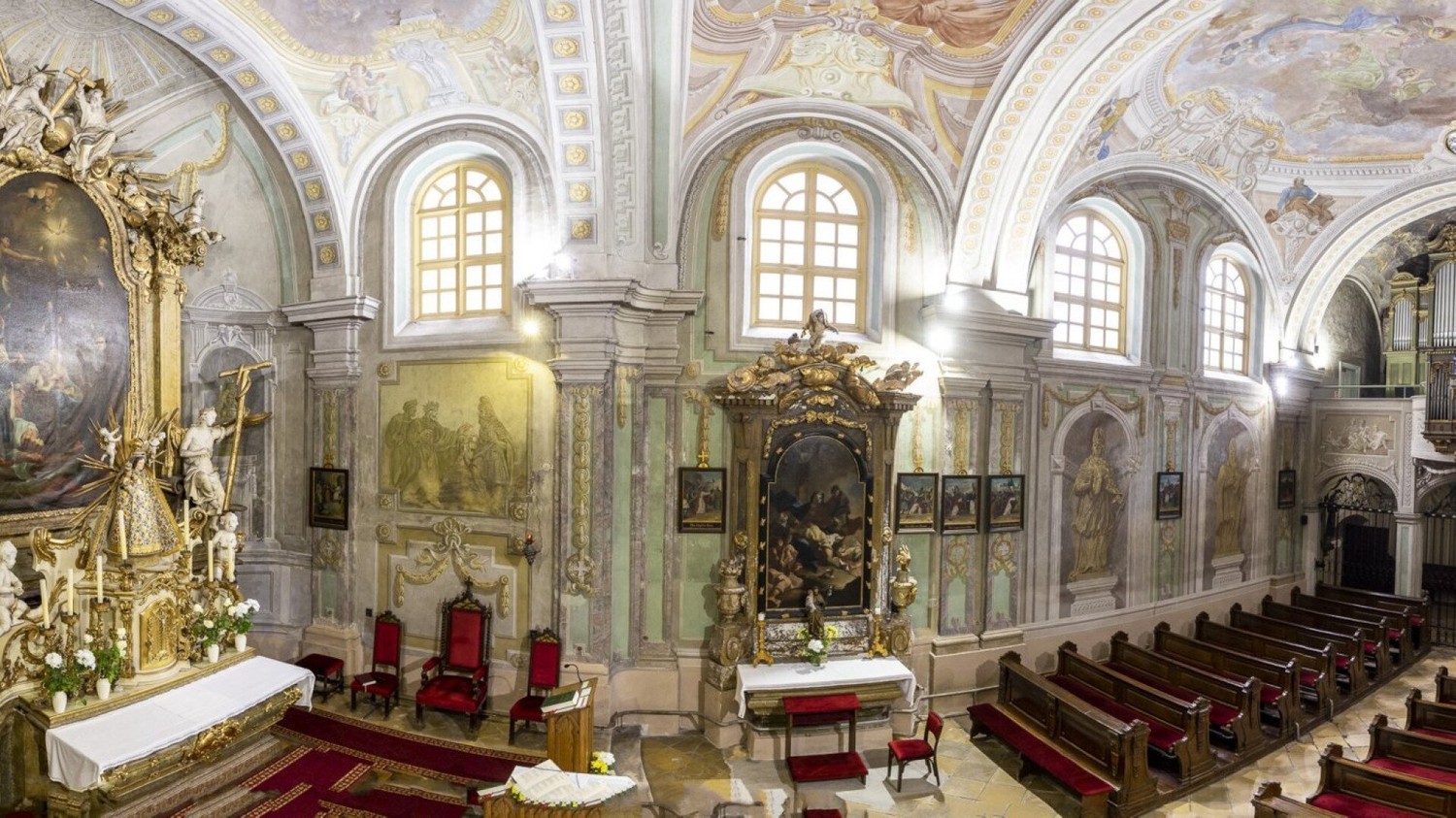
The architecture of the Holy Spirit Church serves as a profound dialogue between different eras of Hungarian heritage. As one wanders through its hallowed spaces, the structural evolution becomes visible, blending the strength of medieval foundations with the ornate elegance that characterizes later periods. The interplay of verticality and weight creates an atmosphere of awe, making it a cornerstone for those who find inspiration in the structural integrity of the past. The church’s significance is deeply intertwined with the history of Sopron itself, acting as a silent witness to the city's resilience through the ages.

For interior designers and collectors of historical aesthetics, the church offers a masterclass in classical composition, specifically regarding:
  • The use of natural light to accentuate textures and sacred forms.
  • The harmony of proportions that creates a sense of divine order.
  • The integration of sculptural elements within the architectural framework.

A Gallery of Devotion

Beyond its structural bones, the interior of the Holy Spirit Church functions as a living gallery of sacred artistry. The altars, adorned with intricate carvings and gilded details, command attention, inviting a closer inspection of the craftsmanship that defines the era. Each element, from the subtle frescoes to the solemnity of the liturgical spaces, is designed to evoke an emotional response, bridging the gap between the human and the divine. It is a space where texture meets transcendence, offering a unique sensory experience for those who appreciate the fine details of religious art. This ability to blend historical gravity with aesthetic beauty makes the church a pilgrimage site for anyone seeking to understand the profound impact of sacred art on the human spirit.

