მენიუ
უფასო ხელოვნების კონსულტაცია

მოკლე ინფორმაცია

  • Location: Massa Maritime, Italy
  • Featured artists: goro di gregorio
  • Works on APS: 3

ხელოვნების ტესტი

თითოეულ კითხვაზე მხოლოდ ერთი სწორი პასუხია.

კითხვა 1:
The Duomo di Massa Marittima is primarily located in which country?
კითხვა 2:
Which architectural style is prominently featured in the Duomo's design, reflecting its historical evolution?
კითხვა 3:
Giovanni Migliara is particularly known for his contributions to the Duomo through:
კითხვა 4:
The Duomo di Massa Marittima is closely associated with which other museum?
კითხვა 5:
What unique aspect of the Duomo's facade is highlighted in its design, reflecting a historical influence?

A Tuscan Jewel: Unveiling the Duomo di Massa Marittima

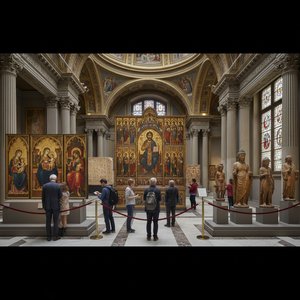
Nestled within the sun-drenched hills of Tuscany, in the charming town of Massa Marittima, lies a cathedral that transcends mere religious significance – it’s a breathtaking testament to centuries of artistic evolution and civic pride. The Duomo di Massa Marittima isn't simply a place of worship; it’s a layered narrative etched in stone, paint, and light, offering visitors an immersive journey through the region’s rich cultural heritage. Its origins are deeply intertwined with the history of Massa Marittima itself, evolving over time to reflect the ambitions and artistic sensibilities of successive rulers and patrons. The cathedral stands as a powerful symbol of the town's resilience and its enduring connection to both Romanesque and Gothic traditions, making it a truly exceptional destination for art enthusiasts and those seeking an authentic taste of Tuscan history.

Giovanni Migliara’s Urban Tapestry

At the heart of the Duomo’s allure lies the extraordinary collection of miniature oil paintings by Giovanni Migliara (1508-1577). These aren't grand, imposing works; rather, they are intimate glimpses into the daily life of Massa Marittima during the 16th century. Migliara meticulously captured scenes of bustling markets, lively street performances, and the quiet moments within the town’s homes – a remarkable feat considering their diminutive scale. What sets these paintings apart is not merely their technical skill—though that is undeniable—but their profound sense of realism and social observation. They offer an unparalleled window into the past, revealing the textures of everyday life, the expressions on people's faces, and the vibrant energy of a thriving medieval town. The collection isn’t just a display of art; it’s a meticulously crafted portrait of a bygone era, offering a uniquely intimate perspective rarely found in grand historical paintings.

Architectural Layers: A Romanesque Foundation

The Duomo's architecture is itself a captivating story, built upon layers of history and stylistic influences. The foundations date back to the 12th century, reflecting the Romanesque style prevalent at the time – evidenced by the robust pillars supporting the nave and the simple, geometric forms that define much of the structure. However, as Massa Marittima rose in prominence, so too did its ambitions, leading to significant additions and modifications throughout the 14th and 15th centuries. The soaring Gothic apse, a dramatic departure from the Romanesque simplicity, speaks to the town’s growing wealth and desire for grandeur. The façade itself is a masterful blend of styles – the lower section echoing Pisan Romanesque with its circular openings and decorative elements, while the upper portion showcases Sienese Gothic influences. This layered approach creates a dynamic visual experience, inviting visitors to trace the cathedral's evolution through time.

Beyond the Walls: A Connected Experience

The Duomo’s significance is further enhanced by its proximity to the Archaeological Museum of Massa Marittima. This pairing offers an unparalleled opportunity for cultural immersion, allowing visitors to explore not only the religious heart of the town but also its ancient roots. The museum houses a remarkable collection of artifacts unearthed from the surrounding area, providing context and depth to the cathedral’s history and the broader narrative of Massa Marittima's development. Walking through both sites is like piecing together a complex puzzle, revealing the layers of civilization that have shaped this captivating Tuscan town. Furthermore, exploring the nearby Piazza del Duomo – now known as Piazza Garibaldi – with its Podestà Palace and the striking Balestro del Girifalco (crossbow competition) provides an additional glimpse into the civic life and traditions of Massa Marittima.

A Legacy in Stone and Color

The Duomo di Massa Marittima is more than just a beautiful building; it’s a living testament to the enduring spirit of Tuscany. It's a place where history, art, and faith converge, offering visitors a profound connection to the past. From Migliara’s intimate depictions of daily life to the soaring Gothic apse and the intricate marble façade, every element of the Duomo tells a story – a story of ambition, artistry, and the enduring legacy of Massa Marittima itself. A visit here is an invitation to step back in time, to marvel at human creativity, and to experience the timeless beauty of Tuscany’s hidden gems.

მოცემული ნაწარმოებების სია

ნამუშევრები ვერ მოიძებნა.