William Linton პორტრეტი

William Linton-ის ნახატები: 45 ყველაზე ცნობილი ნამუშევარი, গალერეის თcraftით

განახლდა ოქტომბერი 2026 · დალაგებულია ჩვენი პოპულარობის ქულების მიხედვით (ძიება, ნახვა და შეკვეთები თითოეული ნამუშწაროსთვის) · 46 ნამუშევარი William Linton ჩვენს კატალოგში

მოკლედ რომ ვთქვათ

გალერეის შეხედულებით, William Linton-ის ყველაზე ცნობილი ნამუშწაროა Self-portrait (1813), რომლის ორიგინალი კანადის ეროვნული გალერეა-ში, ოტავა-ში hangs. Louise-Amélie Panet (1815) და Indian Dance at Amherstburg (1825) ქმნიან იმ ტრიოს, რომელიც ყველამ იცნობს. ჩვენს კატალოგში არსებული William Linton-ის 46 ნამუშწაროდან, გალერეა ქვემოთ წარმოგიდგენთ 45 ყველაზე ცნობილ მათგანს; თითოეული მათგანი არის ორიგინალი, რომლის აღწერა მოიცავს შემოქმედების წელს, მუზეუმს და იმ დეტალებს, რაც მას უნიკალურს ხდის.

1791 – 1876, Liverpool Romanticism ყველაზე მეტი ნამشევრი: კანადის ეროვნული გალერეა

გალერეის William Linton 10 საუკეთესო ნამი에도

1
Self-portrait (1813) ავტორის: William Linton

Self-portrait

1813 · Black and White Photography · კანადის ეროვნული გალერეა, ოტავა

In the work titled Self-portrait by William Linton, a sepia-toned, black and white photograph captures a formal gathering of people. The composition is strictly symmetrical, anchored by a large group posed before a textured building. A light-colored wall rises behind them, featuring a large arched doorway and a niche that holds a standing statue. The subjects, likely a class or an organization, are arranged in a series of precise, tiered…

William Linton-ის ნახატები, რეიტინგით 11-დან 45-მდე

სუბიექტები, რომლებმაც William Linton-ის ყურადღება მიიპყრო

ამ ორიგინალებში ყველაზე ხშირად განმეორებადი არის 네 თემა, რომელთაგან თითოეულს თავისი საუკეთესო ნიმუში წარმოგვიდგება.

მუზეუმები, სადაც William Linton-ის ორიგინალები ინახება

ამ გვერდზე წარმოდგენილი მხატვრობის შედეგების უმეტესობას 5 მუზეუმი ინახავს.

მუზეუმი ქალაქი William Linton შემოქმედებაలు ამ სიიდან მოპოვებული ნახატები
კანადის ეროვნული გალერეა, ოტავაკანადის ეროვნული გალერეა ოტავა 3 Self-portrait, Louise-Amélie Panet, Indian Dance at Amherstburg
Yale Center for British Art, ნიუ-ჰეივენიYale Center for British Art ნიუ-ჰეივენი 1 Cottages By A River
Anglesey AbbeyAnglesey Abbey 1 Windsor Castle From The Road To Virginia Water
Hartwell House, AylesburyHartwell House Aylesbury 1 View Of The Forum With Two Herdsmen And Three Cows
Fitzwilliam MuseumFitzwilliam Museum 1 Mistra

William Linton, ყოველი წლის გამორჩეული ნამუშევრები

William Linton-ის კარიერა ამ გვერდზე მოიცავს 13 წელს, 1813-დან 1825-მდე: თითოეული წელი წარმოდგენილია თავისი ყველაზე ცნობილი ორიგინალი ნამუშევრებით.

ნამუშევრები წლების მიხედვით

შეარჩიეთ წელი ორიგინალების სანახავად.

William Linton-ის ნახატები: გალერეის პასუხები

რომელი William Linton ტილოა ყველაზე ცნობილი?გაამჟღავნეთ პასუხი

Self-portrait (1813), კანადის ეროვნული გალერეა, ოტავა. შემდეგ მოდიან Louise-Amélie Panet (1815) და Indian Dance at Amherstburg (1825).

რამდენage იყო William Linton Self-portrait-ის დასრულებისას?გაამჟღავნეთ პასუხი

22 წლის: Self-portrait შექმნილია 1813 წელს, ხოლო William Linton დაიბადა 1791 წელს.

რომელია William Linton-ის 10 საუკეთესო ნამუშწარო?გაამჟღავნეთ პასუხი

Self-portrait, Louise-Amélie Panet, Indian Dance at Amherstburg, View Of Edinburgh; And View Of Stirling, Bury From Blackford Bridge, An Italianate Landscape, With Peasants And Livestock In The Foreground, A classical landscape, The Bathing Pool, Cottages By A River და Scotch Thistle. ზემოთ მოცემული რეიტინგი ასახავს თითოეულის შემოქმედების წელსა და მუზეუმს.

რამდენიმე ნამუშწარები შექმნა William Linton-მა?გაამჟღავნეთ პასუხი

ჩვენს კატალოგში წარმოდგენილია 46 ნამუშწევრი William Linton-ისგან, დათარიღებული 1813-დან 1825-მდე.

სად hanging William Linton-ის ყველაზე ცნობილი ორიგინალები?გაამჟღავნეთ პასუხი

ძირითადად კანადის ეროვნული გალერეა (ოტავა), Yale Center for British Art (ნიუ-ჰეივენი) და Anglesey Abbey-ში. ზემოთ მოცემულ მუზეუმების ცხრილში ისინი ყველა listed.

რომლებიც William Linton-ის ყველაზე ადრეული და ბოლო ცნობილი ნამუშევრებია?გაამჟღავნეთ პასუხი

ამ გვერდზე ყველაზე ადრეული არის Self-portrait (1813), ხოლო ყველაზე გვიანდელი — Indian Dance at Amherstburg (1825).

რომელ თემებს მიმართავდა William Linton ყველაზე ხშირად?გაამჟღავნეთ პასუხი

Landscape (9), Scenes (7) და Rural landscape (4), ამ გვერდზე წარმოდგენილ 45 ნამუშწარეს შორის.

რომელ მიძღვნასთან არის დაკავშირებული William Linton?გაამჟღავნეთ პასუხი

Romanticism, ამ გვერდზე წარმოდგენილი ორიგინალების მიხედვით.

რომელი William Linton-ის ორიგინალები ინახავს კანადის ეროვნული გალერეა?გაამჟღავნეთ პასუხი

Self-portrait, Louise-Amélie Panet და Indian Dance at Amherstburg: კანადის ეროვნული გალერეა, ოტავა-ში წარმოდგენილია ამ გვერდზე მოცემული ნამუშევრების 3 ცალი.

William Linton: მხატვარი

The Romantic Visionary of Classical Landscape

William Linton, born in the maritime atmosphere of Liverpool in 1791, emerged as a pivotal figure in British landscape painting during the Victorian era—a period defined by a profound fascination with both scientific observation and idealized beauty. His artistic journey began not with the grand gestures of a master, but through the humble and disciplined practice of copying the works of legends like Claude Lorrain and Richard Wilson. These early encounters were transformative, instilling in Linton a deep-seated appreciation for the interplay of natural light and the sweeping grandeur of panoramic compositions. This foundational period shaped his distinctive style, allowing him to weave classical sensibilities into the fabric of 19th-century Romanticism.

Linton’s connection to the natural world was deeply rooted in his formative years spent amidst the picturesque landscapes of Lancaster and Cartmel. His education at Windermere School fostered a lifelong intimacy with the serene, mist-covered vistas of the Yorkshire Dales and the Lake District. While he initially pursued a career in the merchant’s trade—a vocation he found spiritually unfulfilling—his innate talent for visual representation eventually compelled him to dedicate himself fully to the pursuit of art. This transition from commerce to creativity marked the beginning of a prolific career that would see him become a mainstay of the London art scene.

A Journey Through Light and Atmosphere

As his reputation grew, Linton became a regular presence at the Royal Academy and the British Institution, exhibiting his works from 1817 onwards. His subject matter often drew from the rugged beauty of Scotland and Northern England, where he captured scenes imbued with an atmospheric grandeur that reflected the prevailing Romantic sensibility. However, it was his travels through Italy between 1828 and 1829 that perhaps most significantly expanded his artistic vocabulary. During these extensive sketching expeditions, Linton absorbed the sun-drenched textures and classical ruins of the Mediterranean, producing a substantial collection of drawings that would later serve as the blueprint for his monumental oil paintings.

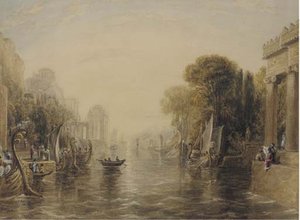
His ability to blend historical reverence with naturalistic detail allowed him to create landscapes that felt both grounded in reality and elevated by fantasy. Whether depicting the dramatic coastal fortresses of Positano or the serene, pastoral charm of an Italianate Landscape populated by peasants and livestock, Linton utilized a masterful command of light to evoke emotion. His works often feature:

  • Classical Grandeur: A focus on architectural elements and ruins that suggest the weight of history.
  • Atmospheric Depth: The use of soft, hazy horizons and dramatic shadows to create a sense of infinite space.
  • Textural Richness: Detailed rendering of geological formations, water, and foliage to ground his idealized scenes in tactile reality.

Legacy and Artistic Leadership

Beyond his individual canvases, Linton was a vital architect of the British art community. His commitment to fostering innovation and collaboration led him to play a crucial role in the establishment of the Society of British Artists in 1823-1824. His leadership qualities were formally recognized when he served as the society's president in 1837, a testament to the respect he commanded among his peers. Through this role, he helped create a platform for emerging artists to navigate the complexities of the Victorian art market.

The historical significance of William Linton lies in his ability to bridge the gap between the classical traditions of the past and the burgeoning Romanticism of his era. He did not merely record landscapes; he reimagined them, infusing the rugged terrain of the English Lakes and the sun-soaked coasts of Italy with a sense of poetic timelessness. Today, his legacy survives in collections such as the Tate, where his works continue to invite viewers into a world of architectural fantasy and sublime natural beauty, reminding us of a time when the canvas was a window into the eternal.