უილიამ მეისონ ბრაუნი პორტრეტი

44 ყველაზე ცნობილი უილიამ მეისონ ბრაუნი-ის ნახატი, თითოეული მათგანი უნიკალური

განახლდა ნოემბერი 2026 · დალაგებულია ჩვენი პოპულარობის ქულების მიხედვით (ძიება, ნახვა და შეკვეთები თითოეული ნამუშწაროსთვის) · 44 ნამუშევარი უილიამ მეისონ ბრაუნი ჩვენს კატალოგში

მოკლედ რომ ვთქვათ

Summer Pastures (1856) არის უილიამ მეისონ ბრაუნი მხატვრის ის ნამუშწარები, რომელიც ყველაზე მეტ ყურადღებას იქცევს. ამის შემდეგ, მზერა გადადის Still Life (also known as Fruit and Art Objects) (1888)-სა და Landscape with Two Indians (1855)-ზე. ჩვენს კატალოგში არსებული უილიამ მეისონ ბრაუნი-ის 44 ნამუშწაროდან ეს 44 ყველაზე ცნობილია; თითოეული მათგანი წარმოადგენს უნიკალურ ორიგინალს, რომელიც წარმოდგენილია წელით, მუზეუმითა და იმ მიზეზით, რის გამოც ის დღემდე ცოცხლობს.

1823 – 1899, ნიუ-იორკი Hudson river school ყველაზე მეტი ნამشევრი: ტოლედოს ხელოვნების მუზეუმი

უილიამ მეისონ ბრაუნი-ის 10 საუკეთესო ნამუშgeryო, გალერეის თcraftით

1
Summer Pastures (1856) ავტორის: უილიამ მეისონ ბრაუნი

Summer Pastures

1856 · Oil On Canvas

The scene unfolds within the quiet expanse of Summer Pastures, a work that captures a specific moment of pastoral peace. Painted in 1856, this piece brings the viewer into a lush, green world where the air feels heavy with the warmth of a midsummer afternoon. The artist, William Brown, also known by his full name William Mason Brown, directs our gaze across a landscape that feels both vast and intimately…

უილიამ მეისონ ბრაუნი-ის ცნობილი ნამუშევრები, 11-დან 44-მდე ნომრებით

უილიამ მეისონ ბრაუნი-ის ცნობილი სურათები, პერიოდების მიხედვით

სუბიექტები, რომლებმაც უილიამ მეისონ ბრაუნი-ის ყურადღება მიიპყრო

ამ ორიგინალებში ყველაზე ხშირად განმეორებადი არის 네 თემა, რომელთაგან თითოეულს თავისი საუკეთესო ნიმუში წარმოგვიდგება.

მუზეუმები, სადაც უილიამ მეისონ ბრაუნი-ის ორიგინალები ინახება

ამ გვერდზე წარმოდგენილი მხატვრობის შედეგების უმეტესობას 7 მუზეუმი ინახავს.

მუზეუმი ქალაქი უილიამ მეისონ ბრაუნი შემოქმედებაలు ამ სიიდან მოპოვებული ნახატები
ტოლედოს ხელოვნების მუზეუმი, ტოლედოტოლედოს ხელოვნების მუზეუმი ტოლედო 1 Landscape with Two Indians
Yale Center for British Art, ნიუ-ჰეივენიYale Center for British Art ნიუ-ჰეივენი 1 Tiptree Hall and Farm, Essex
ამერიკული ხელოვნების კრისტალ ბრიჯესის მუზეუმი, ბენტონვილიამერიკული ხელოვნების კრისტალ ბრიჯესის მუზეუმი ბენტონვილი 1 Raspberries in a Wooded Landscape
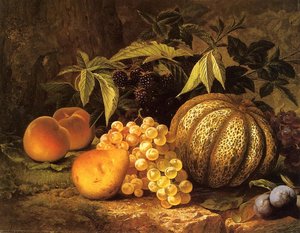
კლივল্যান্ডের ხელოვნების მუზეუმი, კლივლენდიკლივল্যান্ডের ხელოვნების მუზეუმი კლივლენდი 1 Still Life with Cantaloupe
ბირმინგემის სახელოვნებო მუზეუმი, ბირმინგემიბირმინგემის სახელოვნებო მუზეუმი ბირმინგემი 1 Still Life with Cantaloupe
National Gallery of Art, ვაშინგტონიNational Gallery of Art ვაშინგტონი 1 Mound of Cherries
Fries Museum, ლეუვარდენიFries Museum ლეუვარდენი 1 Still Life with Melon, Peach, Fruit-Filled Compote and Glass of Wine on a Marble Table Top

უილიამ მეისონ ბრაუნი ათწლეულების განმავლობაში: თითოეულ დეკადესთვის ერთი უნიკალური ორიგინალი

ნამუშევრები ათწლეულების მიხედვით

შეარჩიეთ ათწლეული, რათა ნახოთ ის ორიგინალი ნამუშევარი, რომელიც მას განსაზღვრავს.

უილიამ მეისონ ბრაუნი-ის ნახატები: კითხვები გალერეისთვის

რა არის უილიამ მეისონ ბრაუნი-ის ყველაზე ცნობილი ნამუშწარებიდან ერთერთი?გაამჟღავნეთ პასუხი

Summer Pastures (1856). შემდეგ მოდიან Still Life (also known as Fruit and Art Objects) (1888) და Landscape with Two Indians (1855).

რა ასაკში შექმნა უილიამ მეისონ ბრაუნი-მა Summer Pastures?გაამჟღავნეთ პასუხი

33 წლის: Summer Pastures შექმნილია 1856 წელს, ხოლო უილიამ მეისონ ბრაუნი დაიბადა 1823 წელს.

უილიამ მეისონ ბრაუნი-ის რომელი 열ათმე ნახატია ყველაზე ცნობილი?გაამჟღავნეთ პასუხი

Summer Pastures, Still Life (also known as Fruit and Art Objects), Landscape with Two Indians, Tiptree Hall and Farm, Essex, Untitled (also known as Landscape with Indians), Three Men in a Landscape, Landscape with Two Indians, Raspberries in a Wooded Landscape, Still Life with Watermelon, Grapes, Peaches, Plums and Cantaloupe და Still Life with Melon, Grapes, Peaches, Pears and Black Raspberries. ზემოთ მოცემული რეიტინგი ასახავს თითოეულის შემოქმედების წელსა და მუზეუმს.

რამდენი ნამუშწარებია ცნობილი უილიამ მეისონ ბრაუნი-ის შემოქმედებიდან?გაამჟღავნეთ პასუხი

ჩვენს კატალოგში წარმოდგენილია 44 ნამუშწევრი უილიამ მეისონ ბრაუნი-ისგან, დათარიღებული 1850-დან 1888-მდე.

სად შეიძლება ყველაზე ცნობილი უილიამ მეისონ ბრაუნი-ის ორიგინალების ნახვა?გაამჟღავნეთ პასუხი

ძირითადად ტოლედოს ხელოვნების მუზეუმი (ტოლედო), Yale Center for British Art (ნიუ-ჰეივენი) და ამერიკული ხელოვნების კრისტალ ბრიჯესის მუზეუმი (ბენტონვილი)-ში. ზემოთ მოცემულ მუზეუმების ცხრილში ისინი ყველა listed.

რა პერიოდში შექმნა უილიამ მეისონ ბრაუნი-მა ყველაზე ცნობილი სურათები?გაამჟღავნეთ პასუხი

1850s-ში: ამ გვერდზე წარმოდგენილი 44 ნამუშწარwerksიდან 7 შეიქმნა მაშინ, მათგან Summer Pastures.

რომელი ცნობილი უილიამ მეისონ ბრაუნი ტილოა ყველაზე ადრეული და რომელი — ყველაზე გვიანდელი?გაამჟღავნეთ პასუხი

ამ გვერდზე ყველაზე ადრეული არის Tiptree Hall and Farm, Essex (1850), ხოლო ყველაზე გვიანდელი — Still Life (also known as Fruit and Art Objects) (1888).

რა თემებს ანიჭებდა უპირატესობას უილიამ მეისონ ბრაუნი?გაამჟღავნეთ პასუხი

Landscape (8), Life (8) და Fruits (6), ამ გვერდზე წარმოდგენილ 44 ნამუშწარეს შორის.

უილიამ მეისონ ბრაუნი-ის შემოქმედება რომელ მიმდინარეობას მიეკუთვნება?გაამჟღავნეთ პასუხი

Hudson river school, ამ გვერდზე წარმოდგენილი ორიგინალების მიხედვით.

უილიამ მეისონ ბრაუნი: მხატვრის პორტრეტი

The Meticulous Vision of William Mason Brown

Born in Troy, New York, William Mason Brown emerged as a distinctive voice within the American art landscape, carving out a legacy defined by an extraordinary devotion to detail. His artistic journey began under the tutelage of Abel Buell Moore, the preeminent portraitist of Troy, which laid the foundation for a career that would traverse several captivating genres. While his early training was rooted in the intimate realm of portraiture, Brown’s creative spirit eventually expanded into the sweeping vistas of the landscape and the hyper-realistic precision of still life painting.

As a prominent member of the second generation of the Hudson River School, Brown’s early work reflected the romantic traditions established by masters such as Thomas Cole. During his time in Newark, New Jersey, starting around 1850, he specialized in landscapes that captured the grandeur and serenity of the natural world. These works often featured a striking balance between vast, atmospheric backgrounds—such as distant mountains and flowing rivers—and an exacting, almost photographic precision in the foreground elements. This duality allowed him to evoke both the sublime scale of nature and a profound sense of tranquility.

A Transition to Hyper-Realistic Still Life

A pivotal shift occurred in 1858 when Brown moved to Brooklyn, New York, a transition that saw him move away from the expansive horizons of landscape painting toward the concentrated intensity of still life. This period marked his emergence as a master of trompe-l'œil, a technique designed to deceive the eye into perceiving three-dimensional reality on a flat canvas. Influenced by the Pre-Raphaelite movement and the teachings of John Ruskin, Brown developed a style characterized by an almost obsessive attention to texture and light.

His still lifes became celebrated for their ability to replicate the tactile essence of the subjects they depicted. He possessed a rare talent for textural duplication, capturing the delicate fuzz on a peach or the intricate rind of a cantaloupe with such clarity that his work was often compared to the precision of French academician Jean-Léon Gérôme. In these compositions, Brown avoided visible brushwork, preferring a smooth, seamless finish that allowed the viewer to lose themselves in the luminous highlights and organic weights of fruit, berries, and flowers.

Legacy and Artistic Significance

Throughout his long career, Brown was a consistent and respected presence in the American art community, exhibiting annually at the National Academy of Design for over three decades. His ability to reach a wide audience through chromolithographic reproductions ensured that his meticulous renderings of nature were admired far beyond the gallery walls. His work remains preserved in prestigious institutions, including:

The historical significance of William Mason Brown lies in his unique ability to bridge the gap between the romanticism of the Hudson River School and the rigorous, scientific observation of the Pre-Raphaelite influence. By mastering both the sweeping emotion of the landscape and the quiet, intense reality of the still life, he left behind a body of work that celebrates the profound beauty found in both the vastness of the earth and the smallest details of its bounty.