უილიამ დე კუნინგი პორტრეტი

100 ყველაზე ცნობილი უილიამ დე კუნინგი-ის ნახატი, თითოეული მათგანი უნიკალური

განახლდა ნოემბერი 2026 · დალაგებულია ჩვენი პოპულარობის ქულების მიხედვით (ძიება, ნახვა და შეკვეთები თითოეული ნამუშწაროსთვის) · 117 ნამუშევარი უილიამ დე კუნინგი ჩვენს კატალოგში

მოკლედ რომ ვთქვათ

ვილემ დე კუნინგი A Life Forged in Abstraction Willem de Kooning, a name synonymous with the raw energy and emotional depth of Abstract Expressionism, was born in Rotterdam, Netherlands, in 1904. His early life was marked by a familial split – his parents (1952) არის უილიამ დე კუნინგი მხატვრის ის ნამუშწარები, რომელიც ყველაზე მეტ ყურადღებას იქცევს. ამის შემდეგ, მზერა გადადის გადასული (1950)-სა და Door to the River (1960)-ზე. ჩვენს კატალოგში არსებული უილიამ დე კუნინგი-ის 117 ნამუშწაროდან ეს 100 ყველაზე ცნობილია; თითოეული მათგანი წარმოადგენს უნიკალურ ორიგინალს, რომელიც წარმოდგენილია წელით, მუზეუმითა და იმ მიზეზით, რის გამოც ის დღემდე ცოცხლობს.

1904 – 1997, როტერდამი Აბსტრაქტული ექსპრესონიზმი ყველაზე მეტი ნამشევრი: ჩიკაგოს ხელოვნების ინსტიტუტი

უილიამ დე კუნინგი-ის 10 საუკეთესო ნამუშgeryო, გალერეის თcraftით

1
ვილემ დე კუნინგი

A Life Forged in Abstraction
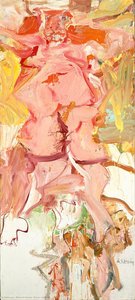
Willem de Kooning, a name synonymous with the raw energy and emotional depth of Abstract Expressionism, was born in Rotterdam, Netherlands, in 1904. His early life was marked by a familial split – his parents (1952) ავტორის: უილიამ დე კუნინგი

ვილემ დე კუნინგი A Life Forged in Abstraction Willem de Kooning, a name synonymous with the raw energy and emotional depth of Abstract Expressionism, was born in Rotterdam, Netherlands, in 1904. His early life was marked by a familial split – his parents

1952 · ზეთი ტილოზე

Willem de Kooning: Женщина и Велосипед – Символ Эмоциональной Готовности в Послевоенном Искусстве Женщина и Велосипед Уильяма де Кунининга является одним из самых ярких произведений абстрактного экспрессионизма, отражающим тревожные настроения после Второй мировой войны через насыщенные цвета, динамичную мазку и фрагментированную форму – краеугольный камень американского искусства 1950-х годов. Этот холст был создан в период расцвета движения де Кунининга и его друзей, таких как Джексон Поллок и Марк Ротко, что…

2
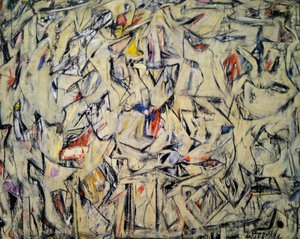
გადასული (1950) ავტორის: უილიამ დე კუნინგი

გადასული

1950 · ზეთი ტილოზე · ჩიკაგოს ხელოვნების ინსტიტუტი, ჩიკაგო

ვილემ დე კუნინგის 1950 წლის შედევრი, *Excavation*, არ არის მხოლოდ ნახატი; ეს არის გათხრების პროცესი – ვისცემით ფორმისა და გრძნობების სიღრმეებს. როგორც ხელოვნების ინსტიტუტის ჩიკაგოში განთავსებული, ეს ნომინალური ნამუშევარი წარმოადგენს მნიშვნელოვან მომენტს Ა abstracted expressionism-ის განვითარებაში, გადამწყვეტ დაშვებას ტრადიციული წარმოდგენიდან და გულშიდა სიღრმეებში ჩაძირვას ხელოვანის შინაგანი სამყაროში. ბევრად უფრო, ვიდრე უბრალო Ა abstracted კომპოზიცია, *Excavation* মনেგამოვახსენებს ძველთაყფეს შექმნის და განადმნილების აქტს ერთად, “გადათხრა” სი conscientiousness-ში, რომელიც ხილული ხდება ფერებ და…

3
Door to the River (1960) ავტორის: უილიამ დე კუნინგი

Door to the River

1960 · აკრილი ტილოზე

For those seeking to experience the power and dynamism of Willem de Kooning’s “Door to the River” firsthand, high-quality reproductions are available through AllPaintingsStore.com and AllPaintingsStore.com. Further exploration of de Kooning’s oeuvre, including his seminal work “Interchange,” can be found on Wikipedia: Wikipedia.

4
Still Life (1945) ავტორის: უილიამ დე კუნინგი

Still Life

1945 · ზეთი ტილოზე

In this 1945 work, titled Still Life, Willem de Kooning moves away from traditional representation to explore the core tenets of abstract expressionism. The painting emerged during the turbulent aftermath of World War II, a period that heavily influenced the artist's approach to form and emotion. It captures a moment of profound experimentation, where the boundaries between the subject and the space around it begin to dissolve.

5
Women Singing II (1966) ავტორის: უილიამ დე კუნინგი

Women Singing II

1966 · Oil On Canvas

In the center of the canvas, three women gather to sing, their voices seemingly caught in a shared, wordless note. This 1966 work by Willem de Kooning captures a moment of harmonious vocalizing, where the figures emerge from a thicket of pigment. The scene feels alive with the energy of a performance, as if the air itself vibrates with the sound of their song. One woman leans toward the left,…

6
ეშვილი (1948) ავტორის: უილიამ დე კუნინგი

ეშვილი

1948 · აკრილი ტილოზე

Two clocks dominate the composition, positioned strategically on either side of the face. These aren’t merely decorative elements; they represent a preoccupation with time – its relentless passage and its inescapable influence on human consciousness. The clocks' stillness juxtaposed against the dynamic brushstrokes underscore the paradoxical nature of reflection: attempting to grasp the elusive present while simultaneously grappling with memories of the past.

7
Marilyn Monroe (1954) ავტორის: უილიამ დე კუნინგი

Marilyn Monroe

1954 · ზეთი ტილოზე

Created in 1954, Willem de Kooning's *Marilyn Monroe* is not a conventional portrait of the iconic actress. Instead, it’s a visceral and emotionally charged interpretation that reflects the artist’s engagement with popular culture and his signature Abstract Expressionist style. This painting offers a fascinating glimpse into De Kooning’s approach to figuration and his ability to convey complex emotions through abstract means.

8
ვიზიტი ტეიტის გალერეაში (1966) ავტორის: უილიამ დე კუნინგი

ვიზიტი ტეიტის გალერეაში

1966 · აკრილი ტილოზე

Willem de Kooning’s *The Visit*, acquired by Tate Gallery in 1969, stands as a cornerstone of Abstract Expressionism—a movement that irrevocably altered the landscape of postwar art. This monumental oil painting transcends mere representation; it embodies a profound exploration of emotion and physicality, capturing a moment frozen in time yet brimming with dynamism.

9
Women singing ii tate gallery (1966) ავტორის: უილიამ დე კუნინგი

Women singing ii tate gallery

1966 · Oil On Paper

Three figures emerge from a thicket of paint, their mouths open in a shared, wordless note. The canvas holds a moment caught from a television broadcast, where pop singers once flickered in the glow of 1966. One woman leans toward the left, her face caught in a sudden expression, while another turns her gaze away, lost in the rhythm. A third figure stands near the edge, part of a crowded,…

10
Zurich (1947) ავტორის: უილიამ დე კუნინგი

Zurich

1947 · Oil On Paper

In the annals of mid-century modernism, few works capture the raw, unbridled energy of the post-war era quite like Willem de Kooning’s “Zurich.” Painted in 1947, this masterpiece serves as a profound testament to the dawn of Abstract Expressionism. Rather than offering a literal window into a Swiss cityscape, the work presents a psychological landscape—a swirling, monochromatic vortex that speaks to the fractured consciousness of a world recovering from global…

უილიამ დე კუნინგი-ის ცნობილი ნამუშევრები, 11-დან 100-მდე ნომრებით

11Abstraction (1950) ავტორის: უილიამ დე კუნინგიAbstraction1950 12The Acrobat (1942) ავტორის: უილიამ დე კუნინგიThe Acrobat1942 · მუნჩის მუზეუმი 13Clam Diggers (1963) ავტორის: უილიამ დე კუნინგიClam Diggers1963 14Seated Woman (1940) ავტორის: უილიამ დე კუნინგიSeated Woman1940 15The Visit (1967) ავტორის: უილიამ დე კუნინგიThe Visit1967 16Woman and Bicycle (1952) ავტორის: უილიამ დე კუნინგიWoman and Bicycle1952 17Gotham News (1955) ავტორის: უილიამ დე კუნინგიGotham News1955 18Suburb in havana (1958) ავტორის: უილიამ დე კუნინგიSuburb in havana1958 19Untitled (10) (1950) ავტორის: უილიამ დე კუნინგიUntitled (10)1950 20Untitled (21) ავტორის: უილიამ დე კუნინგიUntitled (21) 21Seated woman 2,1940, private ავტორის: უილიამ დე კუნინგიSeated woman 2,1940, private 22Saturday Night (1956) ავტორის: უილიამ დე კუნინგიSaturday Night1956 23Woman V, 1952-53 (oil ^ charcoal on canvas) (1953) ავტორის: უილიამ დე კუნინგიWoman V, 1952-53 (oil ^ charcoal on canvas)1953 24Painting (1948) ავტორის: უილიამ დე კუნინგიPainting1948 25ორი ქალი სოფლის გარეთ (1954) ავტორის: უილიამ დე კუნინგიორი ქალი სოფლის გარეთ1954 26Litho 2 (Waves 2) (1960) ავტორის: უილიამ დე კუნინგიLitho 2 (Waves 2)1960 27Composition ავტორის: უილიამ დე კუნინგიComposition 28Sphinx (1964) ავტორის: უილიამ დე კუნინგიSphinx1964 29Seated Man (1939) ავტორის: უილიამ დე კუნინგიSeated Man1939 30Woman with a Green and Beige Background ავტორის: უილიამ დე კუნინგიWoman with a Green and Beige Background 31Untitled (1950) ავტორის: უილიამ დე კუნინგიUntitled1950 · ჩიკაგოს ხელოვნების ინსტიტუტი 32Untitled (1950) ავტორის: უილიამ დე კუნინგიUntitled1950 33Untitled (1949) ავტორის: უილიამ დე კუნინგიUntitled1949 34Zot (1949) ავტორის: უილიამ დე კუნინგიZot1949 35Woman (1950) ავტორის: უილიამ დე კუნინგიWoman1950 36Untitled III (1981) ავტორის: უილიამ დე კუნინგიUntitled III1981 37Woman (1949) ავტორის: უილიამ დე კუნინგიWoman1949 38Two Standing Women (1963) ავტორის: უილიამ დე კუნინგიTwo Standing Women1963 39Legend and Fact (1940) ავტორის: უილიამ დე კუნინგიLegend and Fact1940 40Pink Lady (1965) ავტორის: უილიამ დე კუნინგიPink Lady1965 41Two Standing Men (1938) ავტორის: უილიამ დე კუნინგიTwo Standing Men1938 42Seated figure (male classical) (1939) ავტორის: უილიამ დე კუნინგიSeated figure (male classical)1939 43Night (1948) ავტორის: უილიამ დე კუნინგიNight1948 44Standing Man (1942) ავტორის: უილიამ დე კუნინგიStanding Man1942 45Woman, Sag Harbor (1964) ავტორის: უილიამ დე კუნინგიWoman, Sag Harbor1964 46Untitled (17) (1965) ავტორის: უილიამ დე კუნინგიUntitled (17)1965 47Parc rosenberg,1957, private ავტორის: უილიამ დე კუნინგიParc rosenberg,1957, private 48Asheville (1948) ავტორის: უილიამ დე კუნინგიAsheville1948 · The Phillips Collection 49Woman Verso Untitled (1948) ავტორის: უილიამ დე კუნინგიWoman Verso Untitled1948 50Special Delivery (1946) ავტორის: უილიამ დე კუნინგიSpecial Delivery1946 51Queen of Hearts (1946) ავტორის: უილიამ დე კუნინგიQueen of Hearts1946 52White Nude (1967) ავტორის: უილიამ დე კუნინგიWhite Nude1967 53Untitled (1964) ავტორის: უილიამ დე კუნინგიUntitled1964 54Woman with a Hat (1966) ავტორის: უილიამ დე კუნინგიWoman with a Hat1966 55Special Delivery (1946) ავტორის: უილიამ დე კუნინგიSpecial Delivery1946 56Secretary (1948) ავტორის: უილიამ დე კუნინგიSecretary1948 57A Tree in Naples ავტორის: უილიამ დე კუნინგიA Tree in Naples 58Summer couch (detail) mid (1900) ავტორის: უილიამ დე კუნინგიSummer couch (detail) mid1900 59With Love (1971) ავტორის: უილიამ დე კუნინგიWith Love1971 60Painting,1950, private ავტორის: უილიამ დე კუნინგიPainting,1950, private 61Untitled (11) (1958) ავტორის: უილიამ დე კუნინგიUntitled (11)1958 62Two trees on Mary Street . . . Amen! (1975) ავტორის: უილიამ დე კუნინგიTwo trees on Mary Street . . . Amen!1975 63Brooding Woman (1965) ავტორის: უილიამ დე კუნინგიBrooding Woman1965 64Woman Red Hair, Large Mouth, Large Foot (1965) ავტორის: უილიამ დე კუნინგიWoman Red Hair, Large Mouth, Large Foot1965 65Meg (1955) ავტორის: უილიამ დე კუნინგიMeg1955 · დალასის ხელოვნების მუზეუმი 66Figure and Landscape No. 2 (1951) ავტორის: უილიამ დე კუნინგიFigure and Landscape No. 21951 67Landscape at Stanton Street (1971) ავტორის: უილიამ დე კუნინგიLandscape at Stanton Street1971 68Reclining Man (John F. Kennedy) (1963) ავტორის: უილიამ დე კუნინგიReclining Man (John F. Kennedy)1963 69Fire Island (1946) ავტორის: უილიამ დე კუნინგიFire Island1946 70Untitled (1962) ავტორის: უილიამ დე კუნინგიUntitled1962 71Untitled (23) (1968) ავტორის: უილიამ დე კუნინგიUntitled (23)1968 72Untitled (verso: Untitled) (1959) ავტორის: უილიამ დე კუნინგიUntitled (verso: Untitled)1959 73Woman (1964) ავტორის: უილიამ დე კუნინგიWoman1964 74Excavation,1950, art institute of chicago ავტორის: უილიამ დე კუნინგიExcavation,1950, art institute of chicago 75Woman i (detail),1950-52, moma ny ავტორის: უილიამ დე კუნინგიWoman i (detail),1950-52, moma ny 76The Marshes (1971) ავტორის: უილიამ დე კუნინგიThe Marshes1971 77Untitled (woman) (1971) ავტორის: უილიამ დე კუნინგიUntitled (woman)1971 78Untitled (19) (1967) ავტორის: უილიამ დე კუნინგიUntitled (19)1967 79Untitled -2, from Quatre Lithographies (1986) ავტორის: უილიამ დე კუნინგიUntitled -2, from Quatre Lithographies1986 80Untitled (14) (1964) ავტორის: უილიამ დე კუნინგიUntitled (14)1964 81Merritt Parkway (1959) ავტორის: უილიამ დე კუნინგიMerritt Parkway1959 82Two Figures (1964) ავტორის: უილიამ დე კუნინგიTwo Figures1964 83The Glazier (1940) ავტორის: უილიამ დე კუნინგიThe Glazier1940 84Detour (1958) ავტორის: უილიამ დე კუნინგიDetour1958 · ბავარიის სახელმწიფო ფერწერის კოლექციები 85Queen of Hearts (1943) ავტორის: უილიამ დე კუნინგიQueen of Hearts1943 86Untitled XIII (1985) ავტორის: უილიამ დე კუნინგიUntitled XIII1985 · კლივল্যান্ডের ხელოვნების მუზეუმი 87Two Woman IV (1952) ავტორის: უილიამ დე კუნინგიTwo Woman IV1952 88Devil at the Keyboard (1976) ავტორის: უილიამ დე კუნინგიDevil at the Keyboard1976 89The Wave ავტორის: უილიამ დე კუნინგიThe Wave 90Untitled I (1981) ავტორის: უილიამ დე კუნინგიUntitled I1981 91Untitled XII (1983) ავტორის: უილიამ დე კუნინგიUntitled XII1983 92Whose Name Was Writ in Water (1975) ავტორის: უილიამ დე კუნინგიWhose Name Was Writ in Water1975 93The Wave (1943) ავტორის: უილიამ დე კუნინგიThe Wave1943 · სმიტსონის ამერიკული ხელოვნების მუზეუმი 94Two Standing Men (1938) ავტორის: უილიამ დე კუნინგიTwo Standing Men1938 · მეტროპოლიტენის ხელოვნების მუზეუმი 95Lily Pond (1959) ავტორის: უილიამ დე კუნინგიLily Pond1959 · ტოლედოს ხელოვნების მუზეუმი 96Woman VIII (1961) ავტორის: უილიამ დე კუნინგიWoman VIII1961 · სმიტსონის ამერიკული ხელოვნების მუზეუმი 97Woman (1965) ავტორის: უილიამ დე კუნინგიWoman1965 98Woman in the Pool (1968) ავტორის: უილიამ დე კუნინგიWoman in the Pool1968 · Phoenix Art Museum 99Woman (1964) ავტორის: უილიამ დე კუნინგიWoman1964 100Woman (1964) ავტორის: უილიამ დე კუნინგიWoman1964

უილიამ დე კუნინგი-ის ცნობილი სურათები, პერიოდების მიხედვით

სუბიექტები, რომლებმაც უილიამ დე კუნინგი-ის ყურადღება მიიპყრო

ამ ორიგინალებში ყველაზე ხშირად განმეორებადი არის 네 თემა, რომელთაგან თითოეულს თავისი საუკეთესო ნიმუში წარმოგვიდგება.

მუზეუმები, სადაც უილიამ დე კუნინგი-ის ორიგინალები ინახება

ამ გვერდზე წარმოდგენილი მხატვრობის შედეგების უმეტესობას 8 მუზეუმი ინახავს.

მუზეუმი ქალაქი უილიამ დე კუნინგი შემოქმედებაలు ამ სიიდან მოპოვებული ნახატები
ჩიკაგოს ხელოვნების ინსტიტუტი, ჩიკაგოჩიკაგოს ხელოვნების ინსტიტუტი ჩიკაგო 3 გადასული, Untitled
სმიტსონის ამერიკული ხელოვნების მუზეუმი, ვაშინგტონი, დი.სი.სმიტსონის ამერიკული ხელოვნების მუზეუმი ვაშინგტონი, დი.სი. 2 The Wave, Woman VIII
მუნჩის მუზეუმი, ოსლომუნჩის მუზეუმი ოსლო 1 The Acrobat
The Phillips Collection, ვაშინგტონი, დი-სიThe Phillips Collection ვაშინგტონი, დი-სი 1 Asheville
დალასის ხელოვნების მუზეუმი, დალასიდალასის ხელოვნების მუზეუმი დალასი 1 Meg
ბავარიის სახელმწიფო ფერწერის კოლექციები, მუნხენიბავარიის სახელმწიფო ფერწერის კოლექციები მუნხენი 1 Detour
კლივল্যান্ডের ხელოვნების მუზეუმი, კლივლენდიკლივল্যান্ডের ხელოვნების მუზეუმი კლივლენდი 1 Untitled XIII
მეტროპოლიტენის ხელოვნების მუზეუმი, ნიუ-იორკიმეტროპოლიტენის ხელოვნების მუზეუმი ნიუ-იორკი 1 Two Standing Men

უილიამ დე კუნინგი ათწლეულების განმავლობაში: თითოეულ დეკადესთვის ერთი უნიკალური ორიგინალი

ნამუშევრები ათწლეულების მიხედვით

შეარჩიეთ ათწლეული, რათა ნახოთ ის ორიგინალი ნამუშევარი, რომელიც მას განსაზღვრავს.

უილიამ დე კუნინგი-ის ნახატები: კითხვები გალერეისთვის

რა არის უილიამ დე კუნინგი-ის ყველაზე ცნობილი ნამუშწარებიდან ერთერთი?გაამჟღავნეთ პასუხი

ვილემ დე კუნინგი A Life Forged in Abstraction Willem de Kooning, a name synonymous with the raw energy and emotional depth of Abstract Expressionism, was born in Rotterdam, Netherlands, in 1904. His early life was marked by a familial split – his parents (1952). შემდეგ მოდიან გადასული (1950) და Door to the River (1960).

რა ასაკში შექმნა უილიამ დე კუნინგი-მა ვილემ დე კუნინგი A Life Forged in Abstraction Willem de Kooning, a name synonymous with the raw energy and emotional depth of Abstract Expressionism, was born in Rotterdam, Netherlands, in 1904. His early life was marked by a familial split – his parents?გაამჟღავნეთ პასუხი

48 წლის: ვილემ დე კუნინგი A Life Forged in Abstraction Willem de Kooning, a name synonymous with the raw energy and emotional depth of Abstract Expressionism, was born in Rotterdam, Netherlands, in 1904. His early life was marked by a familial split – his parents შექმნილია 1952 წელს, ხოლო უილიამ დე კუნინგი დაიბადა 1904 წელს.

უილიამ დე კუნინგი-ის რომელი 열ათმე ნახატია ყველაზე ცნობილი?გაამჟღავნეთ პასუხი

ვილემ დე კუნინგი A Life Forged in Abstraction Willem de Kooning, a name synonymous with the raw energy and emotional depth of Abstract Expressionism, was born in Rotterdam, Netherlands, in 1904. His early life was marked by a familial split – his parents, გადასული, Door to the River, Still Life, Women Singing II, ეშვილი, Marilyn Monroe, ვიზიტი ტეიტის გალერეაში, Women singing ii tate gallery და Zurich. ზემოთ მოცემული რეიტინგი ასახავს თითოეულის შემოქმედების წელსა და მუზეუმს.

რამდენი ნამუშწარებია ცნობილი უილიამ დე კუნინგი-ის შემოქმედებიდან?გაამჟღავნეთ პასუხი

ჩვენს კატალოგში წარმოდგენილია 117 ნამუშწევრი უილიამ დე კუნინგი-ისგან, დათარიღებული 1938-დან 1986-მდე.

სად შეიძლება ყველაზე ცნობილი უილიამ დე კუნინგი-ის ორიგინალების ნახვა?გაამჟღავნეთ პასუხი

ძირითადად ჩიკაგოს ხელოვნების ინსტიტუტი (ჩიკაგო), სმიტსონის ამერიკული ხელოვნების მუზეუმი (ვაშინგტონი, დი.სი.) და მუნჩის მუზეუმი (ოსლო)-ში. ზემოთ მოცემულ მუზეუმების ცხრილში ისინი ყველა listed.

რა პერიოდში შექმნა უილიამ დე კუნინგი-მა ყველაზე ცნობილი სურათები?გაამჟღავნეთ პასუხი

1960s-ში: ამ გვერდზე წარმოდგენილი 100 ნამუშწარwerksიდან 29 შეიქმნა მაშინ, მათგან Door to the River.

რომელი ცნობილი უილიამ დე კუნინგი ტილოა ყველაზე ადრეული და რომელი — ყველაზე გვიანდელი?გაამჟღავნეთ პასუხი

ამ გვერდზე ყველაზე ადრეული არის Two Standing Men (1938), ხოლო ყველაზე გვიანდელი — Untitled -2, from Quatre Lithographies (1986).

რა თემებს ანიჭებდა უპირატესობას უილიამ დე კუნინგი?გაამჟღავნეთ პასუხი

Woman (17), Emotional intensity (14) და American art (11), ამ გვერდზე წარმოდგენილ 100 ნამუშწარეს შორის.

რა მასალებით ხატავდა ყველაზე ხშირად უილიამ დე კუნინგი?გაამჟღავნეთ პასუხი

Oil On Canvas, ამ გვერდზე არსებული 100 ნამუშწაროსგან 42 ცალიდან.

უილიამ დე კუნინგი-ის შემოქმედება რომელ მიმდინარეობას მიეკუთვნება?გაამჟღავნეთ პასუხი

Აბსტრაქტული ექსპრესონიზმი, ამ გვერდზე წარმოდგენილი ორიგინალების მიხედვით.

რა უილიამ დე კუნინგი-ის ორიგინალების ნახვა შემიძლია ჩიკაგოს ხელოვნების ინსტიტუტი-ში?გაამჟღავნეთ პასუხი

გადასული და Untitled: ჩიკაგოს ხელოვნების ინსტიტუტი, ჩიკაგო-ში წარმოდგენილია ამ გვერდზე მოცემული ნამუშევრების 2 ცალი.

უილიამ დე კუნინგი: მხატვრის პორტრეტი

The Life of Willem de Kooning

Rotterdam, 1904. The air in the Netherlands carries the weight of a family in transition. Willem de Kooning enters the world on April 24, born to Leendert de Kooning and Cornelia Nobel. His early years are defined by a familial split, a divorce that leaves a sense of restless searching in its wake. This internal displacement follows him across the Atlantic. In 1926, he arrives in America not as a traveler, but as a stowaway on a British freighter, landing at Newport News, Virginia. He is an outsider looking for a foothold in a new landscape.

The grit of New York City becomes his reality. He navigates the urban sprawl through manual labor, working as a house painter and a carpenter to sustain his vision. This period of survival is not a detour; it is the foundation. He absorbs the pulse of the city, moving from the physical toil of construction to the intense, gestural demands of the canvas. His existence becomes a continuous negotiation between the structured world of his training and the chaotic energy of the New York School.

He remains a central figure in the Abstract Expressionist movement, a presence that persists through decades of stylistic evolution. He moves from the depiction of urban scenes toward a more visceral, fragmented language of form. This trajectory continues until his death on March 19, 1997, at the age of 92. He leaves behind a body of work that reflects a lifelong struggle to articulate the human psyche through paint.

Early Life and Artistic Training

Rotterdam, 1916. The classroom is abandoned. At twelve years old, Willem de Kooning leaves formal schooling behind to enter the world of commercial art. He begins an apprenticeship with a firm of commercial artists, learning the technical mechanics of the trade. The focus is on precision and the practical application of pigment. It is a period of disciplined labor, building a foundation of craftsmanship that remains present even as his later work moves toward abstraction.

The evenings belong to the Academie van Beeldende Kunsten en Technische Wetenschappen. From his teenage years until 1924, he attends these classes in Rotterdam, balancing the demands of work with the study of formal art. He is honing his ability to see, to map form, and to understand the structure of the visual world. By the time he leaves the academy, he is no longer just an apprentice. He is a portrait painter, capturing the likenesses of his subjects with a growing sense of technical command. This period of focused training provides the essential tools for the radical shifts that await him across the Atlantic.

Arrival and Life in New York

The Atlantic crossing is a gamble of shadows. In 1926, de Kooning arrives in the United States not as a passenger, but as a stowaway on the British freighter Shelley. The ship docks at Newport News, Virginia, on August 15, 1926. From there, the momentum shifts toward the grit of New York City. The city provides a landscape of labor and survival. He navigates the urban environment by working as a house painter, a carpenter, and a commercial artist. These manual trades keep him tethered to the physical reality of the city while he pursues his vision.

By 1934, the struggle for recognition takes a more organized form. He joins the Artists Union, a move that places him within the collective energy of the New York art scene. The work is demanding. He moves between the precision of commercial art and the heavy, physical labor of his various jobs. This period is defined by a relentless, daily grind in the city that will eventually become his home. He is an outsider working from within the machinery of New York life.

Key Works and Major Series

The early years of the 1930s find him working through the tension between representation and the emerging abstract impulse. Around 1938, he produces Two Standing Men, a work that captures a sense of the figure before the total dismantling of form takes hold. This period of experimentation leads toward a radical shift in the early 1950s. Between 1950 and 1953, he produces the Woman series, a sequence of paintings that confront the viewer with fragmented, visceral depictions of the female form. These works do not seek to idealize; instead, they use aggressive brushwork to explore the complexities of human emotion and sexuality.

Within this intense period, Woman I emerges, created between 1950 and 1952. The canvas is a site of struggle, where the figure is caught in a web of thick impasto and jarring color. This focus on the human figure eventually gives way to a different kind of spatial tension. By 1955, he completes Interchange. This work marks a departure from the figurative intensity of the previous years, moving toward an expansive, abstract urban landscape. The transition is visible in the way he handles space and color, shifting from the carnal focus of the Woman series to the more architectonic, gestural compositions of the mid-century.

Technique and Artistic Style

The canvas becomes an arena of physical struggle. De Kooning attacks the surface with aggressive brushwork, building up layers of thick impasto that create a heavy, tactile topography. He does not merely apply paint; he manipulates it, often employing a wet-on-wet technique aided by the addition of salad oil to the pigment. This method allows for a fluid, unpredictable interaction between colors, where edges blur and new textures emerge from the constant movement of the brush. His marks are rarely controlled or static. Instead, they are gestural, leaving behind calligraphic black images that slash through the composition with sudden, decisive energy.

He refuses the comfort of a single category. While many of his contemporaries move toward pure abstraction, de Kooning maintains a restless tension between the recognizable and the chaotic. He frequently merges abstraction and figuration, pulling elements of the human form into a fractured, non-linear space. A face might emerge from a tangle of strokes only to be dismantled by the next layer of paint. This refusal to settle on a definitive shape creates a sense of constant becoming. The work exists in a state of perpetual revision, where the act of painting is as much about the struggle to find a form as it is about the form itself.

Influences and Artistic Circles

The shift from representation toward abstraction happens in the company of others. In New York, de Kooning finds a mentor in Arshile Gorky. The relationship is profound; Gorky is the master who pushes him toward experimentation and the dismantling of traditional forms. This connection provides the bridge between de Kooning's early urban landscapes and the visceral abstraction that defines his later years. He moves through a landscape of ideas, absorbing the influence of Stuart Davis and John Graham, whose presence helps steer his vocabulary away from literal depiction.

The visual language he develops is a collision of disparate forces. He draws from the structural lessons of Cubism and the psychological depth of Surrealism. The influence of Picasso is felt in his approach to form, while the work of Franz Kline introduces a new dimension to his practice. From Kline, he adopts a more calligraphic approach, utilizing black and white enamel compositions and gestural marks that replace violent brushstrokes. This evolution marks a departure from his earlier, more heavy-handed methods.

He becomes a central figure within the New York School. This group of artists, including figures like Jackson Pollock and Lee Krasner, redefines the creative epicenter of the art world. They reject the sterile formalism of previous movements, opting instead for a space where the canvas becomes an arena for spontaneous, emotional truth. Within this circle, de Kooning’s work oscillates between the figurative and the abstract, never fully settling into one or the other.

Marriage and Personal Life

The year 1943 marks a shift in the domestic landscape of his life when he marries Elaine Fried. Their union is a complex entanglement of mutual artistic support and personal struggle. They share studio spaces, navigating the high-pressure environment of the New York art scene together. The marriage is characterized by an open relationship and a shared commitment to their respective careers, yet it is also shadowed by the heavy presence of alcoholism. This tension defines their years together, a period of intense creative output and private instability.

In 1956, the family structure expands with the birth of his daughter, Lisa de Kooning. However, the internal fractures in the marriage deepen. By 1957, the couple is separated. The distance between them persists for nearly two decades, a long hiatus in their shared history. The separation remains a constant, even as their professional lives continue to intersect within the same artistic circles. The rift eventually closes in 1976 when he and Elaine reunite.

Legacy and Global Impact

The shift in the center of the art world moves from the traditional salons of Paris to the experimental frontiers of America. De Kooning is at the heart of this transition. As a central figure in the Abstract Expressionist movement, he helps establish New York City as a global center for art. His presence in the New York School helps redefine the visual language of the mid-20th century, moving away from the sterile formalism of previous decades toward a more visceral, gestural approach to the canvas.

His influence reaches far beyond the immediate post-war era. He is considered one of the most important American artists of the 20th century, a status cemented by his ability to bridge the gap between abstraction and figuration. His work continues to provoke debate and inspire awe through its refusal to conform to established norms. The tension between chaos and order remains present in his canvases, challenging viewers to confront the raw, untamed essence of his subjects.