ვილჰელმ სონმანსი პორტრეტი

29 ყველაზე ცნობილი ვილჰელმ სონმანსი-ის ნახატი, თითოეული მათგანი უნიკალური

განახლდა ნოემბერი 2026 · დალაგებულია ჩვენი პოპულარობის ქულების მიხედვით (ძიება, ნახვა და შეკვეთები თითოეული ნამუშწაროსთვის) · 29 ნამუშევარი ვილჰელმ სონმანსი ჩვენს კატალოგში

მოკლედ რომ ვთქვათ

Dervorguilla of Galloway (d.1290), Lady of Balliol (1670) არის ვილჰელმ სონმანსი-ის ის ნამუშწარო, რომელიც ყველაზე მეტ ყურადღებას იქცევს; ორიგინალი იმყოფება Bodleian Libraries-ში, ოქსფორდი. ამის შემდეგ, მზერა გადადის John de Balliol (d.1269) (1670)-სა და Richard Wightwick (1547 –1629) (1670)-ზე. ჩვენს კატალოგში არსებული ვილჰელმ სონმანსი-ის 29 ნამუშწაროდან ეს 29 ყველაზე ცნობილია; თითოეული მათგანი წარმოადგენს უნიკალურ ორიგინალს, რომელიც წარმოდგენილია წელით, მუზეუმითა და იმ მიზეზით, რის გამოც ის დღემდე ცოცხლობს.

1650 – 1708, კოლონია Baroque ყველაზე მეტი ნამشევრი: Bodleian Libraries

ვილჰელმ სონმანსი-ის 10 საუკეთესო ნამუშgeryო, გალერეის თcraftით

1
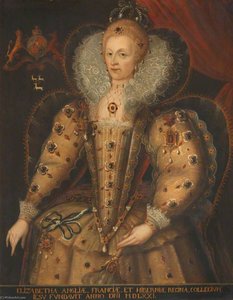
Dervorguilla of Galloway (d.1290), Lady of Balliol (1670) ავტორის: ვილჰელმ სონმანსი

Dervorguilla of Galloway (d.1290), Lady of Balliol

1670 · Oil On Canvas · Bodleian Libraries, ოქსფორდი

The room feels heavy with the weight of centuries as the woman sits, her hands clasped in a quiet, steady gesture of composure. She wears a white veil that catches the light, framing a face that carries the gravity of her station. This is Dervorguilla of Galloway, a figure of substance from a vanished age, captured here in the soft, luminous glazes that define the Baroque style. Around her, the…

2
John de Balliol (d.1269) (1670) ავტორის: ვილჰელმ სონმანსი

John de Balliol (d.1269)

1670 · Oil On Canvas · Bodleian Libraries, ოქსფორდი

The portrait depicts John de Balliol, a man who held the title of King of Scotland from 1292 to 1306. He is positioned in a standing posture, clad in a suit of metal armor. A helmet and a sword are visible as part of his attire. The subject is situated near a structure composed of brick, which resembles a castle wall. Two other figures occupy the periphery of the composition;…

3
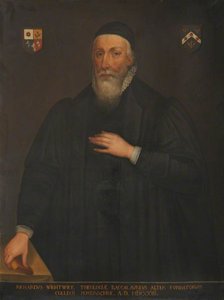
Richard Wightwick (1547 –1629) (1670) ავტორის: ვილჰელმ სონმანსი

Richard Wightwick (1547 –1629)

1670 · Oil On Canvas · Bodleian Libraries, ოქსფორდი

In this portrait, we encounter Richard Wightwick, a man whose life was deeply intertwined with the foundations of Pembroke College, Oxford. He is presented as an elderly figure, his presence defined by a long, white beard that flows over a dark robe. There is a quiet gravity in his gaze, suggesting a life spent in study and religious devotion. He holds a book in his left hand, a gesture that…

4
William of Waynflete (1398–1486) (1670) ავტორის: ვილჰელმ სონმანსი

William of Waynflete (1398–1486)

1670 · Oil On Canvas · Bodleian Libraries, ოქსფორდი

The figure of William of Waynflete commands the space, his presence heavy and dignified within the frame. He sits as a man of immense ecclesiastical weight, his gaze steady and serious, reflecting a life spent navigating the corridors of power and prayer. Light spills from the upper left, washing over the intricate folds of his robes and catching the metallic glint of his insignia. This illumination does more than reveal…

5
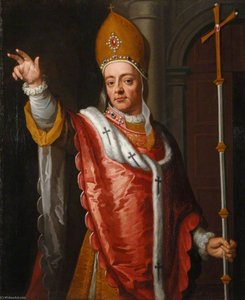
Walter de Stapledon (1261–1326) (1670) ავტორის: ვილჰელმ სონმანსი

Walter de Stapledon (1261–1326)

1670 · Oil On Canvas · Bodleian Libraries, ოქსფორდი

A figure of ecclesiastical power occupies the center of this oil on canvas portrait. Dressed in heavy, layered robes, the subject is presented in a frontal pose that demands immediate recognition of his status. The lighting is directional, carving deep shadows into the folds of the fabric and defining the contours of a face marked by gravity. A prominent mitre sits atop the head, while a crosier is held as…

6
Richard Fleming (d.1431) (1670) ავტორის: ვილჰელმ სონმანსი

Richard Fleming (d.1431)

1670 · Oil On Canvas · Bodleian Libraries, ოქსფორდი

The portrait of Richard Fleming (d.1431) emerges from the canvas as a presence that commands the space it occupies. Created by Wilhelm Sonmans, this oil on canvas work captures the likeness of the subject with a focused intensity. The figure of Richard Fleming (d.1431) remains fixed in a moment of quiet dignity, his presence felt through the careful application of pigment that defines his form. It is a work that…

7
Thomas Tesdale (1547–1610) (1670) ავტორის: ვილჰელმ სონმანსი

Thomas Tesdale (1547–1610)

1670 · Oil · Bodleian Libraries, ოქსფორდი

The portrait depicts a man positioned against a dark, indeterminate background. He wears a white ruffled collar that encircles his neck, contrasting with his dark, black clothing. A wig frames his face, adding volume to his head. His hands are positioned in front of him, with one hand holding a rectangular object, possibly a book or a piece of paper. On either side of the figure, two shields are visible…

8
Nicholas Wadham (1532–1609) (1670) ავტორის: ვილჰელმ სონმანსი

Nicholas Wadham (1532–1609)

1670 · Oil On Canvas · Bodleian Libraries, ოქსფორდი

The painting presents a man positioned in a three-quarter view, looking toward the viewer. He wears a dark, structured suit and a black hat adorned with a single feather. A beard and mustache cover his lower face. In his hand, he holds a skull, a detail rendered with pale, bone-like tones that contrast against the dark fabric of his clothing. Beside him sits a book, its pages and binding rendered…

9
Dorothy Wadham (1534–1618) (1670) ავტორის: ვილჰელმ სონმანსი

Dorothy Wadham (1534–1618)

1670 · Oil · Bodleian Libraries, ოქსფორდი

The portrait depicts a woman positioned as the central subject against a muted, dark background. She is dressed in Renaissance-style attire, characterized by a high, ruffled collar that frames her face and a dark, structured garment. A black hat sits upon her head, adorned with a single feather. Her hands are positioned in her lap, where she holds a book or a rectangular piece of paper. The lighting is directed…

10
Richard Fox (1448 –1528) (1670) ავტორის: ვილჰელმ სონმანსი

Richard Fox (1448 –1528)

1670 · Oil · Bodleian Libraries, ოქსფორდი

A man in ecclesiastical robes stands beside a table draped in red cloth. He holds a staff in one hand and a book in the other, his posture suggesting a life defined by both spiritual and temporal governance. A cross hangs from his neck, marking his station within the church hierarchy. The composition focuses on the intersection of clerical duty and personal scholarship, capturing a figure of significant historical presence.

ვილჰელმ სონმანსი-ის ცნობილი ნამუშევრები, 11-დან 29-მდე ნომრებით

ვილჰელმ სონმანსი-ის ცნობილი სურათები, პერიოდების მიხედვით

სუბიექტები, რომლებმაც ვილჰელმ სონმანსი-ის ყურადღება მიიპყრო

ამ ორიგინალებში ყველაზე ხშირად განმეორებადი არის 네 თემა, რომელთაგან თითოეულს თავისი საუკეთესო ნიმუში წარმოგვიდგება.

მუზეუმები, სადაც ვილჰელმ სონმანსი-ის ორიგინალები ინახება

ამ გვერდზე წარმოდგენილი მხატვრობის შედეგების უმეტესობას 5 მუზეუმი ინახავს.

მუზეუმი ქალაქი ვილჰელმ სონმანსი შემოქმედებაలు ამ სიიდან მოპოვებული ნახატები
Bodleian Libraries, ოქსფორდიBodleian Libraries ოქსფორდი 20 Dervorguilla of Galloway (d.1290), Lady of Balliol, John de Balliol (d.1269), Richard Wightwick (1547 –1629)
Wadham College, OxfordWadham College Oxford 3 Mrs Alice George (1582 –1691), Dorothy Wadham (1534–1618), Nicholas Wadham (1532–1609)
The Library And Museum of Freemasonry, LondonThe Library And Museum of Freemasonry London 1 William Talman (c.1650–1719)
Oriel College, OxfordOriel College Oxford 1 John Hudson, Librarian and Principal of St Mary's Hall
National Trust, იორკიNational Trust იორკი 1 Portrait of an Unknown Virtuoso Holding a Drawing over a Plinth with the Relief of a River God

ვილჰელმ სონმანსი ათწლეულების განმავლობაში: თითოეულ დეკადესთვის ერთი უნიკალური ორიგინალი

ნამუშევრები ათწლეულების მიხედვით

შეარჩიეთ ათწლეული, რათა ნახოთ ის ორიგინალი ნამუშევარი, რომელიც მას განსაზღვრავს.

ვილჰელმ სონმანსი-ის ნახატები: კითხვები გალერეისთვის

რა არის ვილჰელმ სონმანსი-ის ყველაზე ცნობილი ნამუშწარებიდან ერთერთი?გაამჟღავნეთ პასუხი

Dervorguilla of Galloway (d.1290), Lady of Balliol (1670), Bodleian Libraries, ოქსფორდი. შემდეგ მოდიან John de Balliol (d.1269) (1670) და Richard Wightwick (1547 –1629) (1670).

რა ასაკში შექმნა ვილჰელმ სონმანსი-მა Dervorguilla of Galloway (d.1290), Lady of Balliol?გაამჟღავნეთ პასუხი

20 წლის: Dervorguilla of Galloway (d.1290), Lady of Balliol შექმნილია 1670 წელს, ხოლო ვილჰელმ სონმანსი დაიბადა 1650 წელს.

ვილჰელმ სონმანსი-ის რომელი 열ათმე ნახატია ყველაზე ცნობილი?გაამჟღავნეთ პასუხი

Dervorguilla of Galloway (d.1290), Lady of Balliol, John de Balliol (d.1269), Richard Wightwick (1547 –1629), William of Waynflete (1398–1486), Walter de Stapledon (1261–1326), Richard Fleming (d.1431), Thomas Tesdale (1547–1610), Nicholas Wadham (1532–1609), Dorothy Wadham (1534–1618) და Richard Fox (1448 –1528). ზემოთ მოცემული რეიტინგი ასახავს თითოეულის შემოქმედების წელსა და მუზეუმს.

რამდენი ნამუშწარებია ცნობილი ვილჰელმ სონმანსი-ის შემოქმედებიდან?გაამჟღავნეთ პასუხი

ჩვენს კატალოგში წარმოდგენილია 29 ნამუშწევრი ვილჰელმ სონმანსი-ისგან, დათარიღებული 1670-დან 1705-მდე.

სად შეიძლება ყველაზე ცნობილი ვილჰელმ სონმანსი-ის ორიგინალების ნახვა?გაამჟღავნეთ პასუხი

ძირითადად Bodleian Libraries (ოქსფორდი), Wadham College (Oxford) და The Library And Museum of Freemasonry (London)-ში. ზემოთ მოცემულ მუზეუმების ცხრილში ისინი ყველა listed.

რა პერიოდში შექმნა ვილჰელმ სონმანსი-მა ყველაზე ცნობილი სურათები?გაამჟღავნეთ პასუხი

1670s-ში: ამ გვერდზე წარმოდგენილი 29 ნამუშწარwerksიდან 17 შეიქმნა მაშინ, მათგან Dervorguilla of Galloway (d.1290), Lady of Balliol.

რომელი ცნობილი ვილჰელმ სონმანსი ტილოა ყველაზე ადრეული და რომელი — ყველაზე გვიანდელი?გაამჟღავნეთ პასუხი

ამ გვერდზე ყველაზე ადრეული არის Dervorguilla of Galloway (d.1290), Lady of Balliol (1670), ხოლო ყველაზე გვიანდელი — Welbore Ellis (1651–1734), Bishop of Meath (1705).

რა თემებს ანიჭებდა უპირატესობას ვილჰელმ სონმანსი?გაამჟღავნეთ პასუხი

Man (12), Book (6) და Religious figure (5), ამ გვერდზე წარმოდგენილ 29 ნამუშწარეს შორის.

რა მასალებით ხატავდა ყველაზე ხშირად ვილჰელმ სონმანსი?გაამჟღავნეთ პასუხი

Oil On Canvas, ამ გვერდზე არსებული 29 ნამუშწაროსგან 11 ცალიდან.

ვილჰელმ სონმანსი-ის შემოქმედება რომელ მიმდინარეობას მიეკუთვნება?გაამჟღავნეთ პასუხი

Baroque, ამ გვერდზე წარმოდგენილი ორიგინალების მიხედვით.

რა ვილჰელმ სონმანსი-ის ორიგინალების ნახვა შემიძლია Bodleian Libraries-ში?გაამჟღავნეთ პასუხი

Dervorguilla of Galloway (d.1290), Lady of Balliol, John de Balliol (d.1269) და Richard Wightwick (1547 –1629): Bodleian Libraries, ოქსფორდი-ში წარმოდგენილია ამ გვერდზე მოცემული ნამუშევრების 20 ცალი.

ვილჰელმ სონმანსი: მხატვრის პორტრეტი

The Baroque Visionary: The Life and Legacy of Wilhelm Sonmans

In the grand, sweeping tapestry of European art history, certain names flicker with a particular, haunting brilliance, even if they remain tucked within the shadows of more famous contemporaries. Wilhelm Sonmans (1650–1708) is such a figure—a painter whose work serves as a profound window into the spiritual and dramatic essence of the Baroque era. Born in Cologne, Germany, Sonmans emerged from an age defined by movement, light, and intense emotionality. While much of his early life remains shrouded in the mists of time, his artistic journey is anchored by his formative apprenticeship under Johann Baptist Lingwerde, a distinguished painter in Düsseldorf. This period of rigorous training provided the foundation for a career defined by technical mastery and an uncanny ability to breathe life into both the human countenance and the natural landscape.

The stylistic DNA of Sonmans’ work is a sophisticated dialogue between the masters who preceded him. Through his lineage of training, he absorbed the dramatic chiaroscuro—the interplay of deep shadow and brilliant light—that defined the Dutch master Rembrandt, alongside the muscular dynamism and fluid energy characteristic of Rubens. This synthesis allowed Sonmans to develop a technique that was uniquely his own: a method of applying glazes to achieve luminous, skin-like surfaces and an atmospheric depth that seems to pull the viewer into the canvas. His brushwork, while precise enough to capture the intricate textures of ecclesiastical vestments, never lost the rhythmic vitality required to convey the spiritual fervor of the seventeenth century.

Mastery of Portraiture and the Sacred Landscape

Sonmans found his greatest acclaim in the realms of portraiture and religious iconography, where he could utilize his command of symbolism to communicate power and piety. His portraits of the nobility and high-ranking clergy were more than mere likenesses; they were carefully constructed narratives of authority and grace. A preeminent example is his 1705 depiction of Bishop Welbore Ellis. In this work, Sonmans achieves a level of neoclassical realism that borders on the transcendent, using rich textures and symbolic elements to underscore the subject's ecclesiastical importance. The painting stands as a testament to his ability to marry the physical reality of a sitter with the metaphysical weight of their office.

Beyond the structured confines of the portrait studio, Sonmans possessed a deeply contemplative relationship with the natural world. His landscapes, particularly those capturing the serene and mist-laden valleys of the Rhine, reveal an artist seeking the divine within the earthly. These works are characterized by:

  • Atmospheric Depth: A masterful use of light to create a sense of infinite distance and seasonal mood.
  • Spiritual Quietude: Landscapes that function as sites of meditation rather than mere topographical records.
  • Technical Precision: The delicate rendering of foliage, water, and sky through sophisticated glazing techniques.

A Lasting Influence on the Düsseldorf School

The historical significance of Wilhelm Sonmans extends far beyond the frames of his individual masterpieces. He was a pivotal figure in the cultural evolution of Düsseldorf, helping to transform the city into a vital hub for Baroque art production. By establishing a workshop that functioned as a crucible for talent, he ensured that the stylistic innovations of his apprenticeship—the blend of German precision and Flemish energy—would be disseminated to a new generation of artists. His legacy is not merely found in museums across Cologne, Düsseldorf, and Munich, but in the very fabric of the regional artistic identity he helped weave. Through his devotion to capturing the interplay of light, shadow, and soul, Sonmans remains an essential voice for those seeking to understand the profound spiritual landscape of the Baroque period.