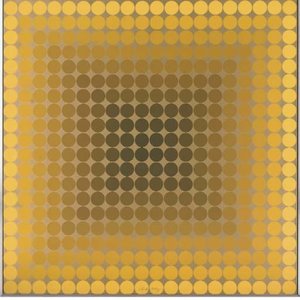
ვიქტორ ვაზარელი პორტრეტი

100 ყველაზე ცნობილი ვიქტორ ვაზარელი-ის ნახატი, გალერეის შერჩეული კოლექცია

განახლდა ნოემბერი 2026 · დალაგებულია ჩვენი პოპულარობის ქულების მიხედვით (ძიება, ნახვა და შეკვეთები თითოეული ნამუშწაროსთვის) · 776 ნამუშევარი ვიქტორ ვაზარელი ჩვენს კატალოგში

მოკლედ რომ ვთქვათ

ვიქტორ ვაზარელი-ის ყველა დატოვებული ორიგინალიდან ყველაზე ცნობილი Bivega არის. მისდაក្រោយ Quadrature და ORION-MC მოდიან. ჩვენს კატალოგში ვიქტორ ვაზარელი-ის 776 ნამუშწარებია; გალერეამ შეინافظა ის 100 ნამუშწარო, რომლებსაც მსოფლიო ყველაზე მეტად აღიარებს, რომელთაგან თითოეული წარმოდგენილია თვის, მუზეუმისა და ისტორიის თანხლებით.

1906 – 1997, პეჩი Optical illusion art ყველაზე მეტი ნამشევრი: Bechtler Museum of Modern Art

ვიქტორ ვაზარელი-ის 10 საუკეთესო ნამუშgeryო: გალერეის არჩევანი

2
Quadrature ავტორის: ვიქტორ ვაზარელი

Quadrature

Acrylic On Canvas

Victor Vasarely's *Quadrature* isn't merely a painting; it’s an invitation – an invitation to question the very nature of visual reality. Created by a visionary who anticipated the digital age, this work embodies the core tenets of Op Art, a movement that sought to manipulate perception through carefully constructed geometric forms and vibrant color fields. Painted in 1960s, *Quadrature* showcases Vasarely’s mastery of optical illusion, transforming two dynamic spheres into…

3
ORION-MC ავტორის: ვიქტორ ვაზარელი

ORION-MC

Acrylic On Canvas

Victor Vasarely's ORION-MC is not merely a painting; it’s an invitation to experience the world through a radically altered lens. This captivating work, rendered in a vibrant palette of red, yellow, green, blue, purple, orange, and black, exemplifies the core tenets of Op Art – Optical Art – pioneered by Vasarely himself. Born Károly Vaszary in 1906 in Pécs, Croatia, his artistic trajectory began with an unexpected detour into medicine…

4
Zebras (white on black) ავტორის: ვიქტორ ვაზარელი

Zebras (white on black)

Oil

The artwork titled Zebras (white on black) was created by the artist Victor Vasarely. This piece features two zebras positioned against a black background. The composition includes smaller figures of animals in the background, such as two birds and three additional zebras, which contribute to the depth of the image. The visual structure utilizes geometric shapes and patterns to form the figures.

5
Вега-ВЭЗ (1968) ავტორის: ვიქტორ ვაზარელი

Вега-ВЭЗ

1968 · ციფრული ფერწერი

კარი და მცირე კრებულები სფეროებში: ვிகტორ ვასარელი პიონერული ნაწილი ოპ არტის და დემოკრატიზება მხატვრობისთვის ვிகტორ ვასარელი ფრანგულ პოპულარიზმის მცდელობა იყო და შემოქმედებით სხედამფინება და ბევრი სხვა კრიტიკოსი მიმდიდრული სტილის მქონე და შემოქმედებით სხედამფინება და ბევრი სხვა კრიტიკოსი მიმდიდრული სტილის მქონე და ბევრი სხვა კრიტიკოსი მიმდიდრული სტილის მქონე და ბევრი სხვა კრიტიკოსი მიმდიდრული სტილის მქონე და ბევრი სხვა კრიტიკოსი მიმდიდრული სტილის მქონე და ბევრი სხვა კრიტიკოსი მიმდიდრული სტილის მქონე და ბევრი…

6
Kaglo II (1986) ავტორის: ვიქტორ ვაზარელი

Kaglo II

1986 · Print · Inter-American Development Bank, ვაშინგტონი, დი.სᱤ.

To stand before Victor Vasarely’s Kaglo II is to enter a realm where the boundaries between the static and the kinetic dissolve into a rhythmic dance of light and color. Created in 1986, this masterful print serves as a profound testament to the enduring power of geometric abstraction. At first glance, the eye is drawn to a central, commanding red sphere, which acts as the sun within a private cosmos.…

7
Vega 1 ავტორის: ვიქტორ ვაზარელი

Vega 1

Acrylic On Canvas

Victor Vasarely’s *Vega 1* isn't merely a painting; it’s an invitation. An invitation to step outside the confines of traditional representation and into a world governed by perception itself. Born in 1906 in Pécs, Croatia – then part of Austria-Hungary – Vasarely’s artistic trajectory was initially rooted in medicine before he decisively embraced the burgeoning field of visual abstraction. This pivotal shift, fueled by his studies at the Podolini-Volkmann Academy…

8
NB 22 Caope ავტორის: ვიქტორ ვაზარელი

NB 22 Caope

Acrylic On Canvas · Bechtler Museum of Modern Art, Charlotte

Victor Vasarely’s “NB 22 Caope” is more than just an abstract painting; it's a meticulously crafted portal into the heart of Op Art, a movement that sought to redefine our perception of reality. This striking work, dominated by a precisely arranged grid of black and white circles, exemplifies Vasarely’s pioneering approach to visual illusion – a technique he developed with mathematical rigor and an almost obsessive attention to detail. The…

9
Yon ავტორის: ვიქტორ ვაზარელი

Yon

Acrylic On Canvas

To stand before a work by Victor Vasarely is not merely to observe paint on canvas; it is to engage in a sophisticated dialogue with perception itself. This piece, characterized by its vibrant, almost pulsating geometric network, draws the viewer into a mesmerizing optical labyrinth. It speaks directly to the intellectual curiosity of the modern collector and the design sensibility of those who appreciate art as an architectural element. The…

10
Harmas (1966) ავტორის: ვიქტორ ვაზარელი

Harmas

1966 · Tapestry

To stand before Harmas is to step directly into the mind of its creator, Victor Vasarely. This piece is not merely an arrangement of color and pattern; it is a vibrant intellectual puzzle, a visual meditation on structure itself. The eye is immediately drawn into the intricate dance between the bold red checks and the myriad small circles that populate the background. It possesses the undeniable energy characteristic of Op…

ვიქტორ ვაზარელი-ის შერჩევა გრძელდება, 11-დან 100-მდე

11Pal-Ket (1974) ავტორის: ვიქტორ ვაზარელიPal-Ket1974 · ბილბას fine arts museum 12Vonal-2 ავტორის: ვიქტორ ვაზარელიVonal-2 13Vega II (1957) ავტორის: ვიქტორ ვაზარელიVega II1957 14Axo 99 ავტორის: ვიქტორ ვაზარელიAxo 99 15Abstract composition 9 ავტორის: ვიქტორ ვაზარელიAbstract composition 9 16Zebras (1938) ავტორის: ვიქტორ ვაზარელიZebras1938 17Kezdi-Ga ავტორის: ვიქტორ ვაზარელიKezdi-Ga 18SIR-RIS ავტორის: ვიქტორ ვაზარელიSIR-RISBechtler Museum of Modern Art 19Torony-Nagy (1969) ავტორის: ვიქტორ ვაზარელიTorony-Nagy1969 20Quasar ავტორის: ვიქტორ ვაზარელიQuasar 21Zett-Ka ავტორის: ვიქტორ ვაზარელიZett-Ka 22Vega-Kontosh-Va ავტორის: ვიქტორ ვაზარელიVega-Kontosh-Va 23Vèga 3 ავტორის: ვიქტორ ვაზარელიVèga 3 24ზოელდი ავტორის: ვიქტორ ვაზარელიზოელდი 25Აბსტრაქტული სურათი №22 ავტორის: ვიქტორ ვაზარელიᲐბსტრაქტული სურათი №22 26სირი სის ბ ავტორის: ვიქტორ ვაზარელისირი სის ბ 27Zebras (full body white on blue-black) ავტორის: ვიქტორ ვაზარელიZebras (full body white on blue-black) 28Kezdi-All ავტორის: ვიქტორ ვაზარელიKezdi-All 29Harmas (1964) ავტორის: ვიქტორ ვაზარელიHarmas1964 30Terek (1951) ავტორის: ვიქტორ ვაზარელიTerek1951 31Boide ავტორის: ვიქტორ ვაზარელიBoide 32Folklore (1963) ავტორის: ვიქტორ ვაზარელიFolklore1963 33OND-II-VA ავტორის: ვიქტორ ვაზარელიOND-II-VA 34CTA 1 ავტორის: ვიქტორ ვაზარელიCTA 1 35F-VERT-BLEU ავტორის: ვიქტორ ვაზარელიF-VERT-BLEU 36ვონალ ლ্যাপ ავტორის: ვიქტორ ვაზარელივონალ ლ্যাপ 37Dia-Tuz-Neg ავტორის: ვიქტორ ვაზარელიDia-Tuz-Neg 38Caopeo ავტორის: ვიქტორ ვაზარელიCaopeo 39Sorata-T ავტორის: ვიქტორ ვაზარელიSorata-T 40Triond ავტორის: ვიქტორ ვაზარელიTriond 41Domb-B ავტორის: ვიქტორ ვაზარელიDomb-B 42VP-115 ავტორის: ვიქტორ ვაზარელიVP-115 43Jong ავტორის: ვიქტორ ვაზარელიJong 44Lain ავტორის: ვიქტორ ვაზარელიLain 45Obor ავტორის: ვიქტორ ვაზარელიObor 46აიონი-დრ (1967) ავტორის: ვიქტორ ვაზარელიაიონი-დრ1967 47Untitled 16 ავტორის: ვიქტორ ვაზარელიUntitled 16 48Tridem K ავტორის: ვიქტორ ვაზარელიTridem KBechtler Museum of Modern Art 49Sikra-Z (1966) ავტორის: ვიქტორ ვაზარელიSikra-Z1966 50მკალოტა- एमसी (1967) ავტორის: ვიქტორ ვაზარელიმკალოტა- एमसी1967 51პაუკ 101 (1968) ავტორის: ვიქტორ ვაზარელიპაუკ 1011968 52kvadrატის "ხ" ავტორის: ვიქტორ ვაზარელიkvadrატის "ხ" 53Untitled 18 ავტორის: ვიქტორ ვაზარელიUntitled 18 54ნობელი ავტორის: ვიქტორ ვაზარელინობელი 55KALOTA T ავტორის: ვიქტორ ვაზარელიKALOTA T 56Sikra (1966) ავტორის: ვიქტორ ვაზარელიSikra1966 57Dia-Or ავტორის: ვიქტორ ვაზარელიDia-Or 58Mahn ავტორის: ვიქტორ ვაზარელიMahn 59ჩეით - ლ ავტორის: ვიქტორ ვაზარელიჩეით - ლ 60Caribe Negatif ავტორის: ვიქტორ ვაზარელიCaribe Negatif 61Tomor ავტორის: ვიქტორ ვაზარელიTomor 62Rhombus-B ავტორის: ვიქტორ ვაზარელიRhombus-B 63Sreeh ავტორის: ვიქტორ ვაზარელიSreeh 64Hetta ავტორის: ვიქტორ ვაზარელიHetta 65Opus 2604 ავტორის: ვიქტორ ვაზარელიOpus 2604 66VY-47-C ავტორის: ვიქტორ ვაზარელიVY-47-C 67ეგ ავტორის: ვიქტორ ვაზარელიეგ 68გუიმენ ავტორის: ვიქტორ ვაზარელიგუიმენ 69Molnar ავტორის: ვიქტორ ვაზარელიMolnar 70Folkokta ავტორის: ვიქტორ ვაზარელიFolkokta 71Лаплаидар ავტორის: ვიქტორ ვაზარელიЛаплаидар 72Zebras (1943) ავტორის: ვიქტორ ვაზარელიZebras1943 73Andromeda ავტორის: ვიქტორ ვაზარელიAndromeda 74მეტრონული ფოლკლორის მონაწილეობა №1 ავტორის: ვიქტორ ვაზარელიმეტრონული ფოლკლორის მონაწილეობა №1 75Versakk ავტორის: ვიქტორ ვაზარელიVersakk 76DVA-DVA ავტორის: ვიქტორ ვაზარელიDVA-DVA 77კრებულები ავტორის: ვიქტორ ვაზარელიკრებულები 78კოსკა კარ ავტორის: ვიქტორ ვაზარელიკოსკა კარ 79ლუიზიანელი 3 ავტორის: ვიქტორ ვაზარელილუიზიანელი 3 80ქეონტოსხ ავტორის: ვიქტორ ვაზარელიქეონტოსხ 81Tridim ავტორის: ვიქტორ ვაზარელიTridim 82კოსკა-პინტი ავტორის: ვიქტორ ვაზარელიკოსკა-პინტი 83Deudell ავტორის: ვიქტორ ვაზარელიDeudell 84მუდმივი სქელი წრფელი დისკის ჩამონათლიანი სქელი წრფელი დისკის ჩამონათლიანი სქელი წრფელი დისკის ჩამონათლიანი სქელი წრფელი დისკის ჩამონათლიანი სქელი წრფელი დისკის ჩამონათლიანი სქელი წრფელი დისკის ჩამონათლიანი სქელი წრფელი დისკის ჩამონათლიანი სქელი წრფელი დის ავტორის: ვიქტორ ვაზარელიმუდმივი სქელი წრფელი დისკის ჩამონათლიანი სქელი წრფელი დისკის ჩამონათლიანი სქელი წრფელი დისკის ჩამონათლიანი სქელი წრფელი დისკის ჩამონათლიანი სქელი წრფელი დისკის ჩამონათლიანი სქელი წრფელი დისკის ჩამონათლიანი სქელი წრფელი დისკის ჩამონათლიანი სქელი წრფელი დის 85ილიკ ავტორის: ვიქტორ ვაზარელიილიკ 86MEH2 ავტორის: ვიქტორ ვაზარელიMEH2 87Vega-Fel ავტორის: ვიქტორ ვაზარელიVega-Fel 88Attam ავტორის: ვიქტორ ვაზარელიAttam 89Sikra ავტორის: ვიქტორ ვაზარელიSikra 90Atelier Arcay ავტორის: ვიქტორ ვაზარელიAtelier Arcay 91სხვა სურათი და დიზაინის კომპოზიცია ავტორის: ვიქტორ ვაზარელისხვა სურათი და დიზაინის კომპოზიცია 92Composition 7 ავტორის: ვიქტორ ვაზარელიComposition 7 93Variációk ავტორის: ვიქტორ ვაზარელიVariációk 94Abstract Composition 13 ავტორის: ვიქტორ ვაზარელიAbstract Composition 13 95Firaxo II ავტორის: ვიქტორ ვაზარელიFiraxo II 96Serigraph in black ავტორის: ვიქტორ ვაზარელიSerigraph in black 97Vonal-Fegn ავტორის: ვიქტორ ვაზარელიVonal-Fegn 98Ouivar ავტორის: ვიქტორ ვაზარელიOuivar 99Abstract Composition 17 ავტორის: ვიქტორ ვაზარელიAbstract Composition 17 100Igen-Nem ავტორის: ვიქტორ ვაზარელიIgen-Nem

ვიქტორ ვაზარელი-ის ცნობილი სურათები, პერიოდების მიხედვით

Op Art Period

1964 · 6 ნამუშწარwerks ამ სიაში

Op Art

1966 · 29 ნამუშწარwerks ამ სიაში

Op-Art Period

3 ნამუშწარwerks ამ სიაში

Modern

3 ნამუშწარwerks ამ სიაში

სუბიექტები, რომლებმაც ვიქტორ ვაზარელი-ის ყურადღება მიიპყრო

ამ ორიგინალებში ყველაზე ხშირად განმეორებადი არის 네 თემა, რომელთაგან თითოეულს თავისი საუკეთესო ნიმუში წარმოგვიდგება.

მუზეუმები, სადაც ვიქტორ ვაზარელი-ის ორიგინალები ინახება

ამ გვერდზე წარმოდგენილი მხატვრობის შედეგების უმეტესობას 3 მუზეუმი ინახავს.

მუზეუმი ქალაქი ვიქტორ ვაზარელი შემოქმედებაలు ამ სიიდან მოპოვებული ნახატები
Bechtler Museum of Modern Art, CharlotteBechtler Museum of Modern Art Charlotte 4 NB 22 Caope, SIR-RIS, Tridem K
Inter-American Development Bank, ვაშინგტონი, დი.სᱤ.Inter-American Development Bank ვაშინგტონი, დი.სᱤ. 2 Kaglo II
ბილბას fine arts museum, ბილბობილბას fine arts museum ბილბო 1 Pal-Ket

ვიქტორ ვაზარელი ათწლეულების მიხედვით: ორიგინალი, რომელიც განსაზღვრავს თითოეულ მათგანს

ნამუშევრები ათწლეულების მიხედვით

შეარჩიეთ ათწლეული, რათა ნახოთ ის ორიგინალი ნამუშევარი, რომელიც მას განსაზღვრავს.

კოლექციონერთა კითხვები ვიქტორ ვაზარელი-ის ნახატებზე

რა ნამუშწარესით არის ყველაზე ცნობილი ვიქტორ ვაზარელი?გაამჟღავნეთ პასუხი

Bivega. შემდეგ მოდიან Quadrature და ORION-MC.

რა არის ვიქტორ ვაზარელი-ის 열 иң ცნობილი 열ი ტილო?გაამჟღავნეთ პასუხი

Bivega, Quadrature, ORION-MC, Zebras (white on black), Вега-ВЭЗ, Kaglo II, Vega 1, NB 22 Caope, Yon და Harmas. ზემოთ მოცემული რეიტინგი ასახავს თითოეულის შემოქმედების წელსა და მუზეუმს.

რამდენი სურათი დატოვა ვიქტორ ვაზარელი-მა?გაამჟღავნეთ პასუხი

ჩვენს კატალოგში წარმოდგენილია 776 ნამუშწევრი ვიქტორ ვაზარელი-ისგან, დათარიღებული 1938-დან 1986-მდე.

რომელ მუზეუმებშია და hangs ვიქტორ ვაზარელი-ის შედევრული ნამუშევრები?გაამჟღავნეთ პასუხი

ძირითადად Bechtler Museum of Modern Art (Charlotte), Inter-American Development Bank (ვაშინგტონი, დი.სᱤ.) და ბილბას fine arts museum (ბილბო)-ში. ზემოთ მოცემულ მუზეუმების ცხრილში ისინი ყველა listed.

მათ რომელ წლებში შექმნა ვიქტორ ვაზარელი-მა ყველაზე ცნობილი ნამუშევრები?გაამჟღავნეთ პასუხი

1960s-ში: ამ გვერდზე წარმოდგენილი 100 ნამუშწარwerksიდან 10 შეიქმნა მაშინ, მათგან Вега-ВЭЗ.

რა არის ვიქტორ ვაზარელი-ის პირველი და ბოლო ცნობილი ორიგინალი?გაამჟღავნეთ პასუხი

ამ გვერდზე ყველაზე ადრეული არის Zebras (1938), ხოლო ყველაზე გვიანდელი — Kaglo II (1986).

რომელ თემებს ირჩევდა ვიქტორ ვაზარელი ყველაზე ხშირად?გაამჟღავნეთ პასუხი

Visual perception (34), Color field (29) და Victor vasarely (28), ამ გვერდზე წარმოდგენილ 100 ნამუშწარეს შორის.

რომელ ტექნიკას იყენებდა ვიქტორ ვაზარელი ყველაზე ხშირად?გაამჟღავნეთ პასუხი

Acrylic On Canvas, ამ გვერდზე არსებული 100 ნამუშწაროსგან 41 ცალიდან.

რა ხელოვნების მიმართულებას მიეკუთვნება ვიქტორ ვაზარელი?გაამჟღავნეთ პასუხი

Optical illusion art, ამ გვერდზე წარმოდგენილი ორიგინალების მიხედვით.

ვიქტორ ვაზარელი-ის რომელ ნამუშევრებს ჰქ나 Bechtler Museum of Modern Art-ში?გაამჟღავნეთ პასუხი

NB 22 Caope, SIR-RIS და Tridem K: Bechtler Museum of Modern Art, Charlotte-ში წარმოდგენილია ამ გვერდზე მოცემული ნამუშევრების 3 ცალი.

ვიქტორ ვაზარელი: ცხოვრება და შემოქმედება

The Early Life and Training of Victor Vasarely

Born Károly Vaszary on 9 April 1906 in Pécs, Hungary, the man who would become known as Victor Vasarely began his path in a different field entirely. In 1925, he moved into the halls of Eötvös Loránd University in Budapest to study medicine. The logic of the human body and science occupied his time for two years, but the pull of visual expression eventually took precedence. By 1927, he left his medical studies behind to pursue the study of traditional academic painting at the Podolini-Volkmann Academy.

His training continued as he moved into Sándor Bortnyik’s műhely. This workshop was a place where the principles of the Bauhaus movement took root, focusing on the intersection of functional design and geometric abstraction. Here, the focus shifted toward the structural and the systematic. The lessons learned in these studios provided the foundation for his later investigations into how shapes and colors interact with the eye.

The Development of a Unique Visual Language

Between 1929 and 1944, Vasarely focused on graphic work. He spent these years experimenting with how light and shadow interact with simple forms. His early graphic period produced pieces like Chess Board (1935) and Girl-power (1934). He also worked on Zebras in 1937. These works show a growing interest in how a viewer perceives a flat surface. He moved away from traditional painting toward a more structured, graphic approach.

From 1944 to 1947, his direction shifted. He moved through several styles, including cubistic, futuristic, expressionistic, symbolistic, and surrealistic approaches. He eventually moved past these experiments, looking for a more precise way to organize space. This search for a new logic led him to publish his Yellow Manifest. His work became less about individual expression and more about the mechanics of sight. This systematic method eventually established him as a leader of the Op art movement.

Technique and the Mastery of Optical Illusion

Vasarely’s approach relies on a systematic use of geometry to trigger a physical response in the viewer. He did not rely on traditional light sources or classical chiaroscuro to create form. Instead, he used a sophisticated interplay of high-contrast pigments to simulate depth and movement. By manipulating color density, he could trick the eye into perceiving recession and protrusion on a flat plane. This method turns a static surface into a space that seems to swell or recede.

His method, which he referred to as visual kinetics or plastique cinétique, involves a precise arrangement of shapes. He utilized textural effects, perspective, shadow, and light to build these illusions. The work often relies on the way the eye interprets rhythmic, internal radiance rather than external illumination. Through the use of grids and mathematical principles, he created sensations of visual vibration and swirling effects. The result is a sense of movement that exists entirely within the viewer's perception.

The precision of his technique is evident in how he handles color and line to create architectural depth. In works like Torony-Nagy, the intersection of crisp white lines with deep blues and emerald greens creates a rhythmic optical vibration. These elements work together to produce a sensation of pulsing light. He used these tools to move beyond simple representation, focusing instead on the mechanics of how we see.

Key Works and Achievements

In 1937, the creation of Zebra marked a shift toward what many consider the earliest examples of Op Art. This work moved away from traditional representation, focusing instead on the way the eye interprets simple forms. By the 1960s, his experiments with rhythm and light reached a peak in the 1969 work Torony-Nagy. This piece uses four stylized towers and a high-contrast palette of blues, greens, and oranges to create a sense of internal radiance. The composition relies on intersecting white lines and color density to make the flat surface appear to pulse and recede.

His interest in movement extended into three-dimensional space and everyday objects. He designed Georges Pompidou, a large kinematic object, which integrated his visual theories into a physical, moving form. This interest in the practical application of his geometry also led to a collaboration with Rosenthal Studio Linie. This partnership resulted in the Suomi tableware series, a 500-piece run that brought his geometric patterns into the domestic sphere.

The Establishment of the Fondation Vasarely

In 1966, Victor Vasarely began the process of establishing the Fondation Vasarely. This project was built upon his specific ideas regarding the concept of "art for all" and his vision for a "city of tomorrow." He wanted to create a space that moved beyond the traditional gallery experience to reflect these principles. The physical construction of the building began in 1973.

The foundation was officially inaugurated on 14 February 1976 in Aix-en-Provence, France. The site was designed to house his works and promote his theories on how art and urban design might interact. The architecture of the space itself was part of this vision, with the building's layout intended to support the way his geometric forms were meant to be experienced by the public.

The Lasting Legacy and Global Recognition

The reach of his visual language extended far beyond the walls of a gallery. His patterns and geometric structures found their way into the textures of everyday life, influencing the lines of fashion, the layouts of interior design, and the logic of graphic design. Even the early development of computer graphics carries the imprint of his systematic approach to form and perception. His ideas were not confined to the canvas; they moved into the functional world of objects and the digital structures that followed.

In 1982, his work traveled into space when serigraphs were included aboard the French-Soviet spacecraft Salyut 7. This moment highlighted a connection between his mathematical precision and the broader human endeavor of exploration. He remained a central figure in modern art history until his death in Paris, France, on 15 March 1997.

Where to See the Works Today

Tracing the physical presence of his work requires traveling across several locations in France and Hungary. In Aix-en-Provence, France, the Fondation Vasarely holds a significant portion of his output. This museum was established by the artist himself to promote his ideas regarding art for all. The space is organized into seven hexagonal cells, each measuring 14 metres across and 11 metres high, designed to house forty-two large-scale works that are 6 by 8 metres in size.

His presence in Hungary is also felt through dedicated spaces. The Vasarely Museum is located in Pécs, the city of his birth. There is also a Vasarely Museum situated in the Zichy Palace in Óbuda, Budapest. These locations allow for a direct encounter with the geometric forms and optical effects that defined his practice. In France, another site for his work is the Vasarely Museum at the Saint-Firmin Palace in Gordes.

Beyond these specific museums, his influence is found in various institutional collections. Some of his pieces are held by the Bilbao Fine Arts Museum, while others are part of the collections at the Inter-American Development Bank in Washington, D.C., and the Bechtler Museum of Modern Art in Charlotte. These scattered locations ensure his visual experiments remain accessible to different audiences.