Portrait of რემბრანდტი

The 100 Most Famous რემბრანდტი Paintings, Each One of a Kind

Updated ოქტომბერი 2026 · ranked by our popularity score (searches, visits and orders for each work) · 1 554 works by რემბრანდტი in our catalogue

In short

მოხევე მცველი (1642) is the რემბრანდტი painting that draws the most eyes; the original belongs to the Rijksmuseum, ამსტერდამი. After it, the eye goes to ქრისტი ზღვაზე უშხელეს დროს (1633) and დოქტორ ნიკოლაეს ტულპის ანატომიური გაკვეთილი (1632). Among the 1,554 works of რემბრანდტი in our catalog, these 100 are the most famous, each a unique original presented with its year, its museum and the reason it endures.

1606 – 1669, ლეიდენი Ბაროკო Most works: ნაციონალური გალერეა

Top 10 paintings by რემბრანდტი, through the gallery's eye

1
მოხევე მცველი (1642) by რემბრანდტი

მოხევე მცველი

1642 · ზეთი ტილოზე · Rijksmuseum, ამსტერდამი

რემბრანტ ვან რეინის "ოქროს საათი" (The Night Watch), რომელიც 1642 წელს შეიქმნა, არა მხოლოდ ჰოლანდიური ხელოვნების 황금 시대-ს ერთ-ერთი უმშვენებ‌ترین ნაწილია, არამედ მსოფლიო კულტურის განუვალი ქონებაც. ამ მასშტაბურ ტილოში, რომელიც ამსტერდამის მუზეუმებში ინახება, რემბრანტმა შექმნა დინამიური და თეატრული სცენა, რომელშიც ასახულია 시민თა სამხედრო ორგანიზაციის წევრების რიგები. ეს ნაწარმოები ჯერ კიდევ დღესაც იწვევს აღფრთოვანებას თავისი კომპოზიციური სიუზმარით, განათების მასტერული გამოყენებით და ისტორიულ მნიშვნელობით.

2
ქრისტი ზღვაზე უშხელეს დროს (1633) by რემბრანდტი

ქრისტი ზღვაზე უშხელეს დროს

1633 · ზეთი ტილოზე · იზაბელა სტიუარტ გარდნერის მუზეუმი, ბოსტონი

რემბრანტ ვან Рейნისა და შექმნილი 1633 წელს, "მზის ამაღლების მცდელობა" (Christ in the Storm on the Sea of Galilee) – არა უბრალოდ ტილო, არამედ ბაროკოს ხელოვნებაში ჩაღრმავების სხი. ეს არის ისტორიული მნიშვნელობის ნიმუში, რომელიც გულწრფელად გამოხატავს ადამიანის đứcებისა და რწმენის ძალას საუკუნო მტრობასთან. ტილო მოგვეხைட் თავისი დინამიკური კომპოზიციითა და სულისძახვით, რაც იმდროინდელი მხატვების მიზანი იყო – არა მხოლოდ გამყარել რელიგიურ ისტორიას, არამედ შეექმნათ ისეთი ნ tác phẩm, რომელიც მოხიდა ხანგრძლივი…

3
დოქტორ ნიკოლაეს ტულპის ანატომიური გაკვეთილი (1632) by რემბრანდტი

დოქტორ ნიკოლაეს ტულპის ანატომიური გაკვეთილი

1632 · ზეთი ტილოზე · Mauritshuis, თე ჰაგი

ჰოლანდიური ოქროს ხანის გულში, ახალგაზრდა რემბრანტ ვან რეინმა იმ მომენტი დააფიქსირა, რომელმაც სამუდამოდ განსაზღვრა ბაროკოს სთორითელინგის ძალა. დოქტორ ნიკოლას ტულპის ანატომიური გაკვეთილი არ არის მხოლოდ სამედიცინო პროცედურის პორტრეტი; ეს არის ღრმა თეატრალური წარმოდლობა, რომელიც ტილოზე ზეთითაა შესრულებული. როგორც მზერა ბნელ ლექციურ დარბაზში შედის, ადამიანს მაშინვე აფორიათ კადრში არსებული ვიწრო, შინაგანი დაძაბულობა. სცენა ფოკუსირებულია დამნაშავის გვამის დისექციაზე, თუმცა რემბრანტი სცილდება მაკაბრულს, რათა გამოიკვლიოს ადამიანური ცნობისმოყვარეობის არსი და სამეცნიერო ჭეშმარიტების ძიება. კომპოზიცია…

4
რემბრანტის პროდალული ძმის დაბრუნება (1662) by რემბრანდტი

რემბრანტის პროდალული ძმის დაბრუნება

1662 · აკრილი ტილოზე · ერმიტაჟის მუზეუმი, სან-პეტერბურგი

რემბრანტ ვან რაინს, ჰოლანდიულ ხელოვნებაში, უდიდეს მსახიობს მიხსნა აქვს, მისი ნ œuvres, განსაკუთრებით "პროົດგენალის დაბრუნება" (The Return of the Prodigal Son), 1662 წელს შექმნილი, არა მხოლოდ მხატვრულ ნიმუშია, არამედ სულის ექსპრესიას სიღრმის და სულის ექსპრესიას ნიმუში. ეს ნახატი, რომელიც მოთავსებულია მუზეუმ Het Rembrandthuis-ში, ამსტერდამში, არის ბაროკოს ხელოვნებაში შეტანილი უნიკალური ნაწილი, სადაც რემბრანტი თავისი უნიკალური ტექნიკის გამოყენებით გადმოღვრავ ადამიანის cảm xúcებს და სულის მდგომარეობას. ნახატი მოქმედებს თავად ბიბლიური ისტორიის ფარგლებში –…

5
დანე by რემბრანდტი

დანე

ზეთი ტილოზე · ერმიტაჟის მუზეუმი, სან-პეტერბურგი

Rembrandt van Rijn’s Danaë stands as an unparalleled testament to Baroque artistry, capturing not merely a mythological narrative but also the profound psychological depth characteristic of the Dutch Golden Age. Completed in 1636, this monumental canvas—measuring eight by ten feet—immediately draws the eye with its dramatic chiaroscuro, Rembrandt's signature technique that masterfully manipulates light and shadow to convey emotion and create an atmosphere of palpable tension.

6
The jewish bride by რემბრანდტი

The jewish bride

ზეთი ტილოზე

"ებრაელი невеST" არის შედევრი, რომელიც ახ captures ღრმა ემოციურ კავშირს ორ ფიგურას შორის, რომლებიც ინტიმურ ჩახუტებაში არიან მოქცეულნი. ეს ნამუშევარი ასხივებს სითბოსა და სინაზეს, რაც მას ნებისმიერი ხელოვნების კოლექციისა თუ ინტერიერის სივრცის მომხიბვლელ დანამატად აქცევს. ყურადღების ცენტრში წყვილის ურთიერთქმედებაა: მამაკაცის მზრუნველი მკლავი ქალს გარს აკრავს, ხოლო მისი ხელი ნაზად restებს მამაკაცის მკერდზე. მათი გამომეტყველება და სხეულის ენა სიყვარულისა და ერთგულების ღრმა განცდას გადმოგვცემს, რაც მაყურებელს მათ პირად მომენტში ეპყრობა.

7
ბელშაზზარის სუფრა (1635) by რემბრანდტი

ბელშაზზარის სუფრა

1635 · ზეთი ტილოზე · ნაციონალური გალერეა, ლონდონი

რემბრანდტ ვან რეინის "ბელშაზზარის სუფრა" არის ჰოლანდიური ოქროს ხანა ხელოვნების ერთ-ერთი უმნიშვნელოვანესი ნაწილი, რომელიც დღეისთვის დიდ ბრიტანეთის ეროვნულ გალერეაში ინახება. ეს ტილო არა მხოლოდ ტექნიკური შესრულების შედევრია, არამედ ისტორიული და რელიგიური სიმბოლურის მდიდარი წყაროცაა. ნაწიერი აღწერს ძველი აღმომწერის წიგნის მოვლენას, სადაც ბაბილონის მეფე ბელშაზარი ღვთივებრივი სასწაულის свидетелем γίνεται – კედლის ზედაპირზე უცნობი ხელი გამოუწერს მესაჯურებას, რომელიც მისი სასلطنتის დასრულებას ემხიარებს. რემბრანდტი ამ სცენას ისე წარმოსადგენლად აღრიცხავს, რომ გთავაზობთ დროში უკან…

8
Sampling Officials of the Guild of the Drapers (1662) by რემბრანდტი

Sampling Officials of the Guild of the Drapers

1662 · Acrylic

Sampling Officials of the Guild of the Drapers: A Window Into Dutch Renaissance Portraiture Rembrandt van Rijn’s “Sampling Officials of the Guild of the Drapers,” painted in 1662, stands as a cornerstone of Dutch Renaissance portraiture—a testament to his unparalleled ability to distill human emotion and psychological complexity onto canvas. Currently residing within the Rijksmuseum's hallowed halls in Amsterdam, this monumental oil on canvas (192 x 279 cm) transcends mere…

9
ბათშება গোურნებაში by რემბრანდტი

ბათშება গোურნებაში

ზეთი ტილოზე

A Moment of Contemplation: Unveiling Rembrandt’s *Bathsheba at Her Bath* Rembrandt van Rijn, a titan of the Dutch Golden Age, masterfully blends biblical narrative and profound human emotion in his 1654 painting, *Bathsheba at Her Bath*. This work is not merely a depiction of a scene from the Old Testament; it’s an intimate exploration of vulnerability, temptation, and the weight of moral consequence. The Narrative & Historical Context The painting…

10
არისტოტელე ჰომეროსის ბასტს უთვალთვალებს by რემბრანდტი

არისტოტელე ჰომეროსის ბასტს უთვალთვალებს

გონებათა შეხვედრა: რემბრანტის „არისტოტელე ჰომეროსის ბასტს უთვალთვალებს“ რემბრანტ ვან რეინის 1653 წლის შედევრს, „არისტოტელე ჰომეროსის ბასტს უთვალთვალებს“, ბევრად მეტი რამតეს წარმოადგენს, ვიდრე უბრალოდ პორტრეტს; ეს არის ღრმა მედიტაცია ხელოვნების, ინტელექტისა და მარადიული მემკვიდრეობის ძალის შესახებ. სიცილიის მესინას დონ ანტონიო რუფოს მიერ შეკვეთილი ეს ტილო ახლនេះ მეტროპოლიტენის ხელოვნების მუზეუმში ინახება, რაც მაყურებელს თავისი დრამატული განათებითა და კომპლექსური სიმბოლიზმით მოხიბლავს. სუბიექტი და ნარატივი წარმოდგენილ ნამუშევარში ვხედავთ სახელოვან ფილოსოფოს არისტოტელეს, რომელიც მდიდრულ ქსოვილში…

რემბრანდტი's famous paintings, numbers 11 to 100

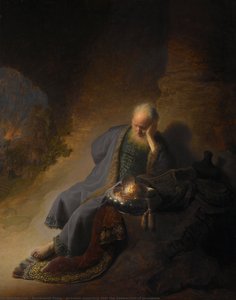
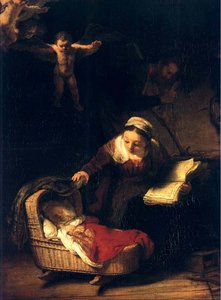
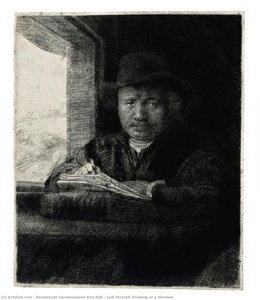
11Moses with the Ten Commandments (1659) by რემბრანდტიMoses with the Ten Commandments1659 · Gemäldegalerie 12The flayed ox by რემბრანდტიThe flayed ox 13The Abduction of Europa by რემბრანდტიThe Abduction of Europaჟან პოლ გეტის მუზეუმი 14სათავშიდო შვედურად: ბატავების ერთგულების ფიცი კლაუდიუს ცივილს მიმართ (1662) by რემბრანდტისათავშიდო შვედურად: ბატავების ერთგულების ფიცი კლაუდიუს ცივილს მიმართ1662 · Nationalmuseum 15The Man with the Golden Helmet - Rembrandt van Rijn (2026) by რემბრანდტიThe Man with the Golden Helmet - Rembrandt van Rijn2026 16სელფპორტრეტი სასკიით ან პროდაგალმა, დრესტენ (1638) by რემბრანდტისელფპორტრეტი სასკიით ან პროდაგალმა, დრესტენ1638 · Staatliche Kunstsammlungen Dresden 17Meditation by რემბრანდტიMeditationLouvre Abu Dhabi 18სამსონის დაბრმავება (1636) by რემბრანდტისამსონის დაბრმავება1636 · შტედელის მუზეუმი 19სწმიელი სტივენის მოკვლევა (1625) by რემბრანდტისწმიელი სტივენის მოკვლევა1625 · Museum of Fine Arts of Lyon 20ისაკის მსხვერპლშეწირვა, ერმიტაჟი (1635) by რემბრანდტიისაკის მსხვერპლშეწირვა, ერმიტაჟი1635 · ერმიტაჟის მუზეუმი 21Pallas Athena (1655) by რემბრანდტიPallas Athena1655 · Calouste Gulbenkian Museum 22Balaam's Ass (1626) by რემბრანდტიBalaam's Ass1626 · Musée Cognacq-Jay 23პოლონელი მხედარი (1655) by რემბრანდტიპოლონელი მხედარი1655 · The Frick Collection 24ფლორა (1634) by რემბრანდტიფლორა1634 · ერმიტაჟის მუზეუმი 25The anatomy lesson of Dr. Joan Deijman (1656) by რემბრანდტიThe anatomy lesson of Dr. Joan Deijman1656 · ამსტერდამის მუზეუმი 26ანდრომედა (1630) by რემბრანდტიანდრომედა1630 · Mauritshuis 27პორტრეტი თავისი თავის გამოსახულებით ორი წრიულის თანაყოლებით (1665) by რემბრანდტიპორტრეტი თავისი თავის გამოსახულებით ორი წრიულის თანაყოლებით1665 28Artemisia (1634) by რემბრანდტიArtemisia1634 · პრადოს მუზეუმი 29Jeremiah mourning over the Destruction of Jerusalem (1630) by რემბრანდტიJeremiah mourning over the Destruction of Jerusalem1630 · Rijksmuseum 30დოქტორ ნიკოლეას ტულპის உடற்கூறியல் გაკვეთல் (1632) by რემბრანდტიდოქტორ ნიკოლეას ტულპის உடற்கூறியல் გაკვეთல்1632 · Mauritshuis 31დაკLostებული შვილის დაბრუნება (1669) by რემბრანდტიდაკLostებული შვილის დაბრუნება1669 · ერმიტაჟის მუზეუმი 32მედიტაციაში მყოფი ფილოსოფოსი (1632) by რემბრანდტიმედიტაციაში მყოფი ფილოსოფოსი1632 · ლუვრი 33Belshazzar's feast by რემბრანდტიBelshazzar's feastნაციონალური გალერეა 34დაკარგული ძ子の დაბრუნება (1660) by რემბრანდტიდაკარგული ძ子の დაბრუნება1660 · ერმიტაჟის მუზეუმი 35ისაკ და რებეკა, ცნობილი როგორც (1669) by რემბრანდტიისაკ და რებეკა, ცნობილი როგორც1669 · Rijksmuseum 36მედიტაციაში მყოფი ფილოსოფოსი (1632) by რემბრანდტიმედიტაციაში მყოფი ფილოსოფოსი1632 · ლუვრი 37ფილოსოფრი, რომელიც კითხულობს (1631) by რემბრანდტიფილოსოფრი, რომელიც კითხულობს1631 · Nationalmuseum 38Two Women Teaching a Child to Walk (1640) by რემბრანდტიTwo Women Teaching a Child to Walk1640 · ბრიტანეთის მუზეუმი 39წმინდა სტეფანეს ტრანსსფორმაცია by რემბრანდტიწმინდა სტეფანეს ტრანსსფორმაცია 40ავტოპორტრეტი წმინდა პავლეს სახით, ამსტერდამი (1661) by რემბრანდტიავტოპორტრეტი წმინდა პავლეს სახით, ამსტერდამი1661 41წმინდა თომასის უნდობლობა (1634) by რემბრანდტიწმინდა თომასის უნდობლობა1634 · პუშკინის სახელმწიფო ხელოვნების მუზეუმი 42ქალი პატარა ბავშვით ქარბადზე (1635) by რემბრანდტიქალი პატარა ბავშვით ქარბადზე1635 · ლუვრი 43ქარხალი (1648) by რემბრანდტიქარხალი1648 · National Gallery of Art 44კაცი მაგიდასთან, რომელიც წიგნებითაა დაფარული (1636) by რემბრანდტიკაცი მაგიდასთან, რომელიც წიგნებითაა დაფარული1636 45წმინდა ოჯახი இரäss, რემბრანტ ვან რეინი (მისი სახელის სახელმძღვანელო), დაახლოებით 1642 - დაახლოებით 1648 (1648) by რემბრანდტიწმინდა ოჯახი இரäss, რემბრანტ ვან რეინი (მისი სახელის სახელმძღვანელო), დაახლოებით 1642 - დაახლოებით 16481648 · Rijksmuseum 46Портрет старца-еврея, Эремитаж (1654) by რემბრანდტიПортрет старца-еврея, Эремитаж1654 47აღმდენი ქრისტე (1661) by რემბრანდტიაღმდენი ქრისტე1661 · ალტერ პინაკოთეკა 48დაჯდარი ქალის პორტრეტი (1633) by რემბრანდტიდაჯდარი ქალის პორტრეტი1633 · მეტროპოლიტენის ხელოვნების მუზეუმი 49Judas Rapportant 30 Deniers, private (1629) by რემბრანდტიJudas Rapportant 30 Deniers, private1629 50Preaching of St John the Baptist (1634) by რემბრანდტიPreaching of St John the Baptist1634 51Portrait De Famille, brunswick (1669) by რემბრანდტიPortrait De Famille, brunswick1669 52მედიტაციაში მყოფი ფილოსოფოსი by რემბრანდტიმედიტაციაში მყოფი ფილოსოფოსი 53ბატავების შეთქმულება (1661) by რემბრანდტიბატავების შეთქმულება1661 · Nationalmuseum 54Crucifixion (1633) by რემბრანდტიCrucifixion1633 · ალტერ პინაკოთეკა 55აღდგენილი ქრისტე (1634) by რემბრანდტიაღდგენილი ქრისტე1634 · პუშკინის სახელმწიფო ხელოვნების მუზეუმი 56იერემია ილოდინებს იერუსალიმის განადგურებაზე (1630) by რემბრანდტიიერემია ილოდინებს იერუსალიმის განადგურებაზე1630 · Rijksmuseum 57რააბი (ძველი) by რემბრანდტირააბი (ძველი)Szépművészeti Múzeum 58მოხუცის პორტრეტი (1645) by რემბრანდტიმოხუცის პორტრეტი1645 · კალუსტე გულბენქიანის ფონდი 59ავტოპორტრეტი (1659) by რემბრანდტიავტოპორტრეტი1659 · National Gallery of Art 60წმინდა იერონის წერა, დიდი ხისპირ სხედან (1648) by რემბრანდტიწმინდა იერონის წერა, დიდი ხისპირ სხედან1648 61მხატვრის პორტრეტი ახალგაზრდა ასაკში (1631) by რემბრანდტიმხატვრის პორტრეტი ახალგაზრდა ასაკში1631 · Walker Art Gallery 62მესტუმრობა (1640) by რემბრანდტიმესტუმრობა1640 · დეტროიტის ხელოვნების ინსტიტუტი 63სახლები მုန်ტავ ქვეშ, დაახლოებით 1635 (1635) by რემბრანდტისახლები მုန်ტავ ქვეშ, დაახლოებით 16351635 · ალბერტინა 64ბათშებას სილამაზის მოწესრიგება (1643) by რემბრანდტიბათშებას სილამაზის მოწესრიგება1643 · მეტროპოლიტენის ხელოვნების მუზეუმი 65ქრისტე და ღალატიანი ლონდონიდან (1644) by რემბრანდტიქრისტე და ღალატიანი ლონდონიდან1644 · ნაციონალური გალერეა 66Agatha Bas (1611-58) (1641) by რემბრანდტიAgatha Bas (1611-58)1641 · Royal Collection 67Self Portrait in Oriental Attire (1631) by რემბრანდტიSelf Portrait in Oriental Attire1631 68The Prophet Jonah before the Walls of Nineveh, c. 1655 (1655) by რემბრანდტიThe Prophet Jonah before the Walls of Nineveh, c. 16551655 · ალბერტინა 69Portrait of a Man, perhaps Rembrandt"s Father, Harmen Gerritsz van Rijn, Rembrandt van Rijn (copy after), after c. 1634 (1634) by რემბრანდტიPortrait of a Man, perhaps Rembrandt"s Father, Harmen Gerritsz van Rijn, Rembrandt van Rijn (copy after), after c. 16341634 70The Virgin Mourning the Death of Jesus (1641) by რემბრანდტიThe Virgin Mourning the Death of Jesus1641 71წარდგენა ტაძარში ბნელი მანერით (1654) by რემბრანდტიწარდგენა ტაძარში ბნელი მანერით1654 72წმიდა ოჯახი ანგელოზებთან ერთად, სან პეტერბურგი (1645) by რემბრანდტიწმიდა ოჯახი ანგელოზებთან ერთად, სან პეტერბურგი1645 73Self Portrait, Frowning (1630) by რემბრანდტიSelf Portrait, Frowning1630 74Simeon with the Christ Child in the Temple by რემბრანდტიSimeon with the Christ Child in the Temple 7563 წლის თვითგადახედავები (1669) by რემბრანდტი63 წლის თვითგადახედავები1669 · ნაციონალური გალერეა 76მოხუცებული კაცი წმინდა პავლეს სახით by რემბრანდტიმოხუცებული კაცი წმინდა პავლეს სახითნაციონალური გალერეა 77რემბრანტის იძუს მორცხვი დაბრუნება ოქსის ცალმხრივ (1629) by რემბრანდტირემბრანტის იძუს მორცხვი დაბრუნება ოქსის ცალმხრივ1629 78სასთუმარი catches ქალი (1644) by რემბრანდტისასთუმარი catches ქალი1644 · ნაციონალური გალერეა 79მწვანე სურათი საუკეთესოს ძმისა (1638) by რემბრანდტიმწვანე სურათი საუკეთესოს ძმისა1638 80Portraits of Jean Pellicorne and his Son Casper (1633) by რემბრანდტიPortraits of Jean Pellicorne and his Son Casper1633 · Wallace Collection 81დოქტორი ნიკოლეას ტულპის ანatomy-ს demonstrაცია by რემბრანდტიდოქტორი ნიკოლეას ტულპის ანatomy-ს demonstrაციაამსტერდამის მუზეუმი 82Christ in the Storm (1633) by რემბრანდტიChrist in the Storm1633 · იზაბელა სტიუარტ გარდნერის მუზეუმი 83Self Portrait Drawing at a Window (1648) by რემბრანდტიSelf Portrait Drawing at a Window1648 84ავტოპორტრეტი (24) (1633) by რემბრანდტიავტოპორტრეტი (24)1633 85დორტრეჩის ვაჭობის იაკობ ტრიპის პორტრეტი (1661) by რემბრანდტიდორტრეჩის ვაჭობის იაკობ ტრიპის პორტრეტი1661 · ნაციონალური გალერეა 86Philosopher in Meditation (1632) by რემბრანდტიPhilosopher in Meditation1632 · ლუვრი 87ისტორიული მხატვრული ტილო (1626) by რემბრანდტიისტორიული მხატვრული ტილო1626 · Museum de Lakenhal 88რემბრანტის ნაოპერფორმული სურათი და სიცნური სცენა: სავარაუდე დედოფლის საძინება და ტობიას ელოდება (1647) by რემბრანდტირემბრანტის ნაოპერფორმული სურათი და სიცნური სცენა: სავარაუდე დედოფლის საძინება და ტობიას ელოდება1647 89Portrait of a Woman holding Gloves (1632) by რემბრანდტიPortrait of a Woman holding Gloves1632 · კუნსტისტორიშეს მუზეუმი 90Le Bon Samaritain, louvre (1633) by რემბრანდტიLe Bon Samaritain, louvre1633 91ოქროს ყელოცვანი კაცი ca Gemäldegal (1650) by რემბრანდტიოქროს ყელოცვანი კაცი ca Gemäldegal1650 92An Old Lady with a Book (1637) by რემბრანდტიAn Old Lady with a Book1637 · National Gallery of Art 93David and uriah eremitaget (1665) by რემბრანდტიDavid and uriah eremitaget1665 94Christ Driving The Money Changers From The Temple (1626) by რემბრანდტიChrist Driving The Money Changers From The Temple1626 95სადილობა ემაუსში (1648) by რემბრანდტისადილობა ემაუსში1648 · ლუვრი 96Portrait of a Woman (1635) by რემბრანდტიPortrait of a Woman1635 · კლივল্যান্ডের ხელოვნების მუზეუმი 97ემმაუსის მოგზაურები, ლუვრი (1648) by რემბრანდტიემმაუსის მოგზაურები, ლუვრი1648 98A Beggar Sitting in an Elbow Chair by რემბრანდტიA Beggar Sitting in an Elbow Chair 99David Et Jonathan, st Petersbourg (1642) by რემბრანდტიDavid Et Jonathan, st Petersbourg1642 100წამკითხავი მოხუცი ქალი (1655) by რემბრანდტიწამკითხავი მოხუცი ქალი1655

რემბრანდტი's famous paintings, period by period

The subjects that held რემბრანდტი's eye

The four subjects that come back most often in these originals, each with its finest example.

The museums that keep რემბრანდტი's originals

The 8 museums that hold the most of the paintings on this page.

Museum City Works by რემბრანდტი Paintings from this list
ნაციონალური გალერეა, ლონდონინაციონალური გალერეა ლონდონი 35 ბელშაზზარის სუფრა, Belshazzar's feast, ქრისტე და ღალატიანი ლონდონიდან
ერმიტაჟის მუზეუმი, სან-პეტერბურგიერმიტაჟის მუზეუმი სან-პეტერბურგი 31 რემბრანტის პროდალული ძმის დაბრუნება, დანე, ისაკის მსხვერპლშეწირვა, ერმიტაჟი
Rijksmuseum, ამსტერდამიRijksmuseum ამსტერდამი 39 მოხევე მცველი, Jeremiah mourning over the Destruction of Jerusalem, ისაკ და რებეკა, ცნობილი როგორც
ლუვრი, პარიზილუვრი პარიზი 21 მედიტაციაში მყოფი ფილოსოფოსი, მედიტაციაში მყოფი ფილოსოფოსი, ქალი პატარა ბავშვით ქარბადზე
მეტროპოლიტენის ხელოვნების მუზეუმი, ნიუ-იორკიმეტროპოლიტენის ხელოვნების მუზეუმი ნიუ-იორკი 43 არისტოტელე ჰომეროსის ბასტს უთვალთვალებს, დაჯდარი ქალის პორტრეტი, ბათშებას სილამაზის მოწესრიგება
Mauritshuis, თე ჰაგიMauritshuis თე ჰაგი 24 დოქტორ ნიკოლაეს ტულპის ანატომიური გაკვეთილი, ანდრომედა, დოქტორ ნიკოლეას ტულპის உடற்கூறியல் გაკვეთல்
National Gallery of Art, ვაშინგტონიNational Gallery of Art ვაშინგტონი 23 ქარხალი, ავტოპორტრეტი, An Old Lady with a Book
Nationalmuseum, სტოქჰოლმიNationalmuseum სტოქჰოლმი 14 სათავშიდო შვედურად: ბატავების ერთგულების ფიცი კლაუდიუს ცივილს მიმართ, ფილოსოფრი, რომელიც კითხულობს, ბატავების შეთქმულება

რემბრანდტი across the decades: one unique original for each

Works per decade

Pick a decade to see the original that defines it.

რემბრანდტი's paintings: questions for the gallery

What is the single most famous work of რემბრანდტი?Reveal the answer

მოხევე მცველი (1642), Rijksmuseum, ამსტერდამი. ქრისტი ზღვაზე უშხელეს დროს (1633) and დოქტორ ნიკოლაეს ტულპის ანატომიური გაკვეთილი (1632) come next.

At what age did რემბრანდტი create მოხევე მცველი?Reveal the answer

36 years old: მოხევე მცველი dates from 1642, and რემბრანდტი was born in 1606.

Which ten paintings by რემბრანდტი are the most famous?Reveal the answer

მოხევე მცველი, ქრისტი ზღვაზე უშხელეს დროს, დოქტორ ნიკოლაეს ტულპის ანატომიური გაკვეთილი, რემბრანტის პროდალული ძმის დაბრუნება, დანე, The jewish bride, ბელშაზზარის სუფრა, Sampling Officials of the Guild of the Drapers, ბათშება গোურნებაში and არისტოტელე ჰომეროსის ბასტს უთვალთვალებს. The ranking above gives each one's year and museum.

How many works by რემბრანდტი are known?Reveal the answer

Our catalog holds 1,554 works by რემბრანდტი, dated from 1625 to 1669.

Where can the most famous რემბრანდტი originals be seen?Reveal the answer

Mostly in ნაციონალური გალერეა (ლონდონი), ერმიტაჟის მუზეუმი (სან-პეტერბურგი) and Rijksmuseum (ამსტერდამი). The museum table above lists them all.

During which period did რემბრანდტი create the best-known paintings?Reveal the answer

In 1630s: 36 of the 100 works on this page were made then, ქრისტი ზღვაზე უშხელეს დროს among them.

Which famous რემბრანდტი painting is the earliest, and which the latest?Reveal the answer

On this page, the earliest is სწმიელი სტივენის მოკვლევა (1625) and the latest დაკLostებული შვილის დაბრუნება (1669).

What subjects did რემბრანდტი favour?Reveal the answer

Რემბრანტი (20), Სინათლე და ჩრდილი (19) and Rembrandt (13), across the 100 works on this page.

What materials did რემბრანდტი paint with most?Reveal the answer

Ზეთი ტილოზე, for 43 of the 100 works on this page.

Which movement does the work of რემბრანდტი belong to?Reveal the answer

Ბაროკო, judging by the originals on this page.

What რემბრანდტი originals can I see at the ნაციონალური გალერეა?Reveal the answer

ბელშაზზარის სუფრა, Belshazzar's feast and ქრისტე და ღალატიანი ლონდონიდან: the ნაციონალური გალერეა, ლონდონი holds 7 of the works on this page.

Where can I order a hand-painted რემბრანდტი reproduction?Reveal the answer

Yes, as a reproduction: the original stays in its museum, but any painting on this page can be painted by hand for you, made to order one at a time, from the painting's own page.

რემბრანდტი: a portrait of the artist

The Life of Rembrandt van Rijn

Born on 15 July 1606 in Leiden, in the Dutch Republic, Rembrandt van Rijn entered a world of modest means. He was the ninth child born to Harmen Gerritszoon van Rijn and Neeltgen Willemsdochter van Zuijtbrouck. His life was one of immense productivity, spanning many decades of creative output. By the time he died on 4 October 1669, he had left behind a vast legacy that includes about 300 paintings, 300 etchings, and several hundred drawings.

As a painter, printmaker, and draughtsman, he became a central figure of the Dutch Golden Age. His work was not limited to a single medium; he moved between the heavy application of paint and the precise, delicate lines of intaglio printmaking. This technical range allowed his visual ideas to reach far beyond the borders of the Netherlands. His ability to capture human emotion and light became a defining characteristic of his many years of practice.

His surviving works offer a window into a life lived through constant creation. Some of his notable pieces include:

Early Life, Family and Training

Born into a family of modest, industrious means, Rembrandt entered a world shaped by the steady rhythms of trade. His father, Harmen Gerritszoon van Rijn, worked as a miller, while his mother, Neeltgen Willemsdochter van Zuijtbrouck, was the daughter of a baker. This stable upbringing in Leiden provided the foundation for a boy who would eventually command the attention of the Dutch Republic. Before he ever picked up a brush, he attended Latin school, an education that likely sharpened the intellectual depth found in his later compositions.

His formal artistic development began in earnest when he was apprenticed to Jacob van Swanenburg. This three-year period of study provided the technical grounding necessary for a professional career. After completing his apprenticeship, he moved toward the center of the Dutch art world, seeking further instruction in Amsterdam. He spent six months under the guidance of the history painter Pieter Lastman, a period that proved essential in shaping his understanding of complex narrative and human emotion.

Establishing a Career in Leiden and Amsterdam

By 1625, the young artist had moved beyond his apprenticeship and opened a studio in Leiden. He did not work alone; he shared this space with his colleague Jan Lievens. During these years, his output focused on religious and allegorical subjects. He often paid close attention to the fine details of costumes and jewelry in these early works. As his reputation grew, he began to attract his own pupils, including Gerrit Dou and Isaac de Jouderville, which helped establish a professional workshop structure.

A significant shift occurred in 1631 when he moved to Amsterdam. This relocation was a strategic step into the commercial heart of the Dutch Republic. Shortly after his arrival, he became involved with the Amsterdam art dealer Hendrik van Uylenburgh. This connection provided the professional stability and access to high-profile clients necessary to solidify his standing. He soon became a member of the city's guild of painters, a formal recognition of his status within the established artistic community. In this bustling urban environment, he transitioned into a leading portraitist, finding success through a growing network of patrons and the support of the city's merchant class.

Patrons, Workshop and Commissions

Success in the Dutch Golden Age required more than talent; it demanded the right connections. By 1628, Rembrandt had already secured his first recorded buyer, Joan Huydecoper. This early recognition was soon bolstered by the discovery of his talent in 1629 by Constantijn Huygens. Such high-level patronage provided the stability necessary to expand his influence. Prince Frederik Hendrik became a consistent supporter, continuing to purchase his paintings and ensuring the artist's presence in the most influential circles of the time.

As his reputation grew, so did the scale of his operations. He began accepting students in 1627, building a workshop that would become a significant center for artistic production. Among those who studied under his guidance were Gerrit Dou and Isaac de Jouderville. This instructional period allowed him to manage a growing number of commissions while refining the specific techniques that would define his career. His studio was a place of constant activity, where the demands of his patrons met the practical needs of a busy professional practice.

Marriage and Family Life

In 1634, Rembrandt’s personal life underwent a significant change when he married Saskia van Uylenburgh on 2 July. Saskia came from a family of standing; her father, Rombertus Uylenburg, held the positions of mayor and justice of the Court of Friesland. Their union brought a sense of stability to his growing life in Amsterdam, and Saskia became a constant presence in his creative world. She appeared frequently as a model in his drawings and etchings, her likeness becoming a recurring element in his visual language.

The couple had a son, Titus van Rijn, who grew up within the busy atmosphere of the artist's studio. Titus was more than a member of the household; he was a frequent subject for his father's studies and eventually took on the responsibility of managing the family's affairs. The bond between father and son was central to the domestic life of the household, particularly as the years passed and the complexities of the artist's professional and financial standing shifted.

Technique and Artistic Style

Rembrandt had a way of making light feel like a physical presence in a room. He became a master of chiaroscuro, using the sharp contrast between deep shadows and bright highlights to create a sense of drama and weight. This was not merely a trick of the light; it was a way to guide the eye and suggest the hidden depths of a person's character. He used these shadows to sculpt faces and objects, making them feel tangible and real even in the dimmest settings.

His skill extended far beyond the canvas and into the intricate world of intaglio printmaking. He was a prolific etcher who understood how to translate the heavy, atmospheric qualities of his paintings onto a copper plate. To achieve this, he relied on a precise set of technical methods. He used biting to etch lines into the metal, combined with fluid lines and delicate cross-hatching to build up texture. Through subtle tonalities, he could replicate the soft transitions of light that he achieved with a brush, allowing his visual ideas to reach a much wider audience through his prints.

Key Works and Masterpieces

Rembrandt’s ability to capture human emotion is perhaps most visible in his large-scale compositions. In 1642, he completed The Night Watch, a work that demonstrates his command over light and shadow to create a sense of movement and drama. This period of his life saw him moving toward more complex, crowded scenes that required a deep understanding of how light falls across a group of people.

As he aged, his focus often turned toward the weight of human experience and spiritual themes. The Return of the Prodigal Son, finished in 1669, reflects the profound psychological depth he sought in his later years. Similarly, Isaac and Rebecca, painted about 1669, shows his interest in the quiet, intimate connections between individuals. Even in his earlier, more vigorous works like The Blinding of Samson, there is a clear sense of the tension and narrative power he could pull from a single moment.

Where to See the Works Today

To encounter the physical presence of Rembrandt's hand, one must travel to several major institutions across Europe and North America. His legacy is spread across many collections, with the National Gallery in London holding sixteen of his works. In Paris, the Louvre maintains thirteen pieces, offering a quiet space to observe his use of light. The Mauritshuis in The Hague is another essential stop, housing twelve works that reflect his development.

The reach of his art extends far beyond the Netherlands. In Munich, the Alte Pinakothek holds eleven paintings, while the Metropolitan Museum of Art in New York contains eleven as well. These collections allow us to see how his style evolved from his early years in Leiden to his later, more introspective period. Seeing these works in person reveals the texture of the paint and the depth of the shadows he created.

All 1554 works by რემბრანდტი →