პეტერ პაულ რუბენსი პორტრეტი

100 ყველაზე ცნობილი პეტერ პაულ რუბენსი-ის ნახატი, თითოეული მათგანი უნიკალური

განახლდა ნოემბერი 2026 · დალაგებულია ჩვენი პოპულარობის ქულების მიხედვით (ძიება, ნახვა და შეკვეთები თითოეული ნამუშწაროსთვის) · 1 641 ნამუშევარი პეტერ პაულ რუბენსი ჩვენს კატალოგში

მოკლედ რომ ვთქვათ

Raising of the Cross (1610) არის პეტერ პაულ რუბენსი-ის ის ნამუშწარო, რომელიც ყველაზე მეტ ყურადღებას იქცევს; ორიგინალი იმყოფება Onze-Lieve Vrouwekathedraal-ში, Antwerp. ამის შემდეგ, მზერა გადადის კასტორსა და პოლუხს ლეუკიპოსის ქორწილის გატაცება-სა და ჯვრიდან დაშვება (1612)-ზე. ჩვენს კატალოგში არსებული პეტერ პაულ რუბენსი-ის 1,641 ნამუშწაროდან ეს 100 ყველაზე ცნობილია; თითოეული მათგანი წარმოადგენს უნიკალურ ორიგინალს, რომელიც წარმოდგენილია წელით, მუზეუმითა და იმ მიზეზით, რის გამოც ის დღემდე ცოცხლობს.

1577 – 1640, სიეიგი Ბაროკო ყველაზე მეტი ნამشევრი: ბავარიის სახელმწიფო ფერწერის კოლექციები

პეტერ პაულ რუბენსი-ის 10 საუკეთესო ნამუშgeryო, გალერეის თcraftით

1
Raising of the Cross (1610) ავტორის: პეტერ პაულ რუბენსი

Raising of the Cross

1610 · ზეთი პანელზე · Onze-Lieve Vrouwekathedraal, Antwerp

In this monumental triptych, we find ourselves at the precise, agonizing instant of the crucifixion. The central panel captures the physical strain of the lifting, as Jesus Christ is hoisted upward by angels. There is a profound sense of gravity here, both literal and spiritual. While the divine figures exert their strength from above, the earthly realm reacts with a chaotic, muscular energy. Horses appear in the background, their forms…

2
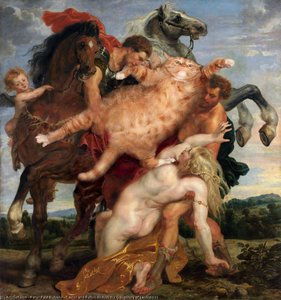
კასტორსა და პოლუხს ლეუკიპოსის ქორწილის გატაცება ავტორის: პეტერ პაულ რუბენსი

კასტორსა და პოლუხს ლეუკიპოსის ქორწილის გატაცება

Castor and Pollux Abduct the Daughters of Leukyppos: A Baroque Triumph The painting Castor and Pollux Abduct the Daughters of Leukyppos stands as a cornerstone of Baroque art—a dramatic distillation of myth into visual splendor executed by Peter Paul Rubens. Created around 1618, this monumental canvas housed at the Staatliche Museen zu Berlin isn’t merely a depiction of legend; it's a masterful demonstration of artistic innovation and emotional resonance that…

3
ჯვრიდან დაშვება (1612) ავტორის: პეტერ პაულ რუბენსი

ჯვრიდან დაშვება

1612 · ზეთი პანელზე · Courtauld Gallery, ლონდონი

A heavy, pale body descends through a diagonal of straining limbs. The skin of Christ catches a sharp, theatrical light, pulling it from a dark, murky background. Muscles pull against the gravity of the moment. Deep shadows pool in the hollows of ribs and arms, creating a sense of immense physical weight. A crimson robe cuts through the earthy tones of ochre and sienna, marking the movement of the figures…

4
სამი გრეცია, პრადო ავტორის: პეტერ პაულ რუბენსი

სამი გრეცია, პრადო

ზეთი ტილოზე · პრადოს მუზეუმი, მადრიდი

In the grand tapestry of the seventeenth century, few images capture the essence of vitality and grace as profoundly as Sir Peter Paul Rubens’ The Three Graces. This monumental masterpiece, executed during the height of his prolific career around 1635-36, serves as a breathtaking window into the heart of the Baroque era. As one gazes upon this canvas, the boundaries between the viewer and the painted world begin to dissolve,…

5
სატურნი (1637) ავტორის: პეტერ პაულ რუბენსი

სატურნი

1637 · ზეთი ტილოზე · პრადოს მუზეუმი, მადრიდი

The composition centers on the massive, muscular figure of Saturn, whose body creates a diagonal movement from the upper left toward the lower right. He is caught in the act of consuming his offspring, a scene drawn from the Greek myth of the Titan Cronus. The flesh of the infant appears pale against the darker, earthy tones of the titan's skin. Deep shadows and dark, stormy grays dominate the background,…

6
დაწყევლილთა დაცემა (1620) ავტორის: პეტერ პაულ რუბენსი

დაწყევლილთა დაცემა

1620 · ზეთი ტილოზე · ალტერ პინაკოთეკა, მუნხენი

სერ პიტერ პაულ რუბენსის მიერ დაახლოებით 1620 წელს შექმნილი ნამუშევარი, „დაწყევლილთა დაცემა“, ბაროკოს ეპოქის ერთ-ერთ ყველაზე გამაღელვებელ და ამბიციურ მიღწევად ითვლება. ეს არ არის მხოლოდ ბიბლიური ნარატივის — ზეციდან ლუციფერისა და მისი ამბოხებული ანგელოზების განდევნის — ასახვა; ეს არის დამთვალინებლისთვის შექმნილი იმერსიული გამოცდილება, რომელიც მაყურებელს ღვთის რისხვის შემზარავ დიდებულებაში გადაჰყავს.

7
სამების და დილიラの მოხდა (1610) ავტორის: პეტერ პაულ რუბენსი

სამების და დილიラの მოხდა

1610 · ზეთი ტილოზე · ნაციონალური გალერეა, ლონდონი

In the quiet, tension-filled shadows of a darkened chamber, Peter Paul Rubens captures one of the most harrowing moments in biblical history. Samson and Delilah is not merely a depiction of a story from the Book of Judges; it is a visceral exploration of vulnerability, deceit, and the heavy cost of misplaced trust. As Samson lies in a deep, unsuspecting slumber, his powerful frame slumped against the lap of Delilah,…

8
თეთრი სქის წარმოშობა (1637) ავტორის: პეტერ პაულ რუბენსი

თეთრი სქის წარმოშობა

1637 · ზეთი ტილოზე · პრადოს მუზეუმი, მადრიდი

The composition centers on a female figure, Hera, seated upon a cloud within a dark, nocturnal sky. Her skin appears pale against the deep blues and blacks of the surrounding atmosphere. She wears a white veil, a pearl necklace, and jeweled bracelets. To her left, an infant, Hercules, reaches toward her breast. A stream of white milk gushes from her left breast, arching across the dark expanse to form the…

9
მედუზას თავი (1617) ავტორის: პეტერ პაულ რუბენსი

მედუზას თავი

1617 · ზეთი პანელზე · კუნსტისტორიშეს მუზეუმი, ვენა

In the 1617 work titled The Head of Medusa, the artist Peter Paul Rubens presents the severed head of the mythological figure. The subject is depicted in the immediate aftermath of her death, positioned as if she has just been slain. The head lies within a pool of blood, which spreads across the surface beneath her. The composition focuses on the physical state of the Gorgon, capturing the specific moment…

10
რუბენსი და ისაბელა ბრანტი კუნდულების ბაღში ავტორის: პეტერ პაულ რუბენსი

რუბენსი და ისაბელა ბრანტი კუნდულების ბაღში

ზეთი ტილოზე

Introduction Peter Paul Rubens (1577-1640) was a renowned Flemish artist, known for his exceptional skills in painting and printmaking. Among his most famous works is the captivating double portrait Rubens and Isabella Brant in the Bower of Honeysuckle, which showcases the couple's love and devotion in a beautifully rendered garden setting. Background and Context Created around 1609-1610, this masterpiece is an oil on canvas painting measuring 178 x 136.5 cm…

პეტერ პაულ რუბენსი-ის ცნობილი ნამუშევრები, 11-დან 100-მდე ნომრებით

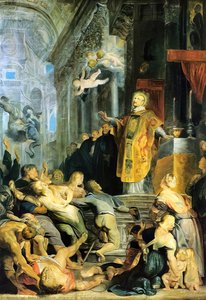
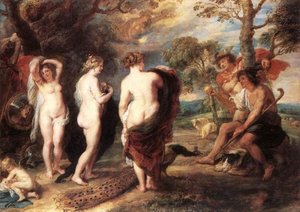
11ომის შედეგები (1638) ავტორის: პეტერ პაულ რუბენსიომის შედეგები1638 · Galleria Palatina 12სიყვარულის ბაღი, დაახლოებით 1630-32, პრადო ავტორის: პეტერ პაულ რუბენსისიყვარულის ბაღი, დაახლოებით 1630-32, პრადოპრადოს მუზეუმი 13დაჯაჭვული პრომეთე (1611) ავტორის: პეტერ პაულ რუბენსიდაჯაჭვული პრომეთე1611 · ფილადელფიის ხელოვნების მუზეუმი 14ფაეტონის पতন ავტორის: პეტერ პაულ რუბენსიფაეტონის पতনNational Gallery of Art 15მშობლის და ბავშვთა მსხვერპლობა (1637) ავტორის: პეტერ პაულ რუბენსიმშობლის და ბავშვთა მსხვერპლობა1637 · ალტერ პინაკოთეკა 16ლომის ლაშქრობა (1621) ავტორის: პეტერ პაულ რუბენსილომის ლაშქრობა1621 · ალტერ პინაკოთეკა 17მწვეული ჰერკულესი (1611) ავტორის: პეტერ პაულ რუბენსიმწვეული ჰერკულესი1611 · Staatliche Kunstsammlungen 18სaint აგუსტინი (1638) ავტორის: პეტერ პაულ რუბენსისaint აგუსტინი1638 · პრაგის ეროვნული გალერეა 19პიტერ პაულ რუბენსი ნაწాగვი (1637) ავტორის: პეტერ პაულ რუბენსიპიტერ პაულ რუბენსი ნაწాగვი1637 · კუნსტისტორიშეს მუზეუმი 20Პიტერ პაულ რუბენსი ფანტაზმა (Miracle of St. Ignatius of Loyola) (1618) ავტორის: პეტერ პაულ რუბენსიᲞიტერ პაულ რუბენსი ფანტაზმა (Miracle of St. Ignatius of Loyola)1618 · კუნსტისტორიშეს მუზეუმი 21მარსელიაში მარი დედოფლის მიზე ზარ])); (1625) ავტორის: პეტერ პაულ რუბენსიმარსელიაში მარი დედოფლის მიზე ზარ]));1625 · ლუვრი 22მერქუří და არგუსი ავტორის: პეტერ პაულ რუბენსიმერქუří და არგუსიპრადოს მუზეუმი 23Პიტერ პაულ რუბენსი - ორი სიტყფარები (ორი სიტყფარები) (1608) ავტორის: პეტერ პაულ რუბენსიᲞიტერ პაულ რუბენსი - ორი სიტყფარები (ორი სიტყფარები)1608 · ალტერ პინაკოთეკა 24Последният Съд (1617) ავტორის: პეტერ პაულ რუბენსიПоследният Съд1617 · ალტერ პინაკოთეკა 25ომის გამარჯობა (Oms gamjaroba) (1618) ავტორის: პეტერ პაულ რუბენსიომის გამარჯობა (Oms gamjaroba)1618 · ალტერ პინაკოთეკა 26ილიფონტოების ტაძარი (1632) ავტორის: პეტერ პაულ რუბენსიილიფონტოების ტაძარი1632 · კუნსტისტორიშეს მუზეუმი 27ძმაური ლანდშ্যাপი (1625) ავტორის: პეტერ პაულ რუბენსიძმაური ლანდშ্যাপი1625 · კუნსტისტორიშეს მუზეუმი 28სუზანა ფურმანტი (1625) ავტორის: პეტერ პაულ რუბენსისუზანა ფურმანტი1625 · ნაციონალური გალერეა 29რომულუსი და რემუსი (1616) ავტორის: პეტერ პაულ რუბენსირომულუსი და რემუსი1616 · კაპიტოლინის მუზეუმები 30დანიელი ლომთა ბეღেში (1615) ავტორის: პეტერ პაულ რუბენსიდანიელი ლომთა ბეღেში1615 · National Gallery of Art 31ლეუქიპოსის ქორწილის გაუპირევა (1618) ავტორის: პეტერ პაულ რუბენსილეუქიპოსის ქორწილის გაუპირევა1618 · ალტერ პინაკოთეკა 32მარი დე' მედიჩის regency-ის ბედნიერება (1625) ავტორის: პეტერ პაულ რუბენსიმარი დე' მედიჩის regency-ის ბედნიერება1625 33მდარის აღბவம் (1626) ავტორის: პეტერ პაულ რუბენსიმდარის აღბவம்1626 · Onze-Lieve Vrouwekathedraal 34განიმედეს გატაცება (1612) ავტორის: პეტერ პაულ რუბენსიგანიმედეს გატაცება1612 35ვენერა მის მოსვლისას (1608) ავტორის: პეტერ პაულ რუბენსივენერა მის მოსვლისას1608 · თისენ-ბორნემიმზას მუზეუმი 36The Judgment of Paris (1636) ავტორის: პეტერ პაულ რუბენსიThe Judgment of Paris1636 · ნაციონალური გალერეა 37ჭეშმუხტეს გამარჯვება (1625) ავტორის: პეტერ პაულ რუბენსიჭეშმუხტეს გამარჯვება1625 · ლუვრი 38ჰიგეია, ჯანმრთელობის ღმერთმა (1615) ავტორის: პეტერ პაულ რუბენსიჰიგეია, ჯანმრთელობის ღმერთმა1615 · National Gallery Prague 39Christ on the Cross (1627) ავტორის: პეტერ პაულ რუბენსიChrist on the Cross1627 40Holy Trinity ავტორის: პეტერ პაულ რუბენსიHoly Trinityანტვერპენის ხელოვნების სამეფო მუზეუმი 41The Four Parts of the World ავტორის: პეტერ პაულ რუბენსიThe Four Parts of the World 42Diana Cazadora (1620) ავტორის: პეტერ პაულ რუბენსიDiana Cazadora1620 · პრადოს მუზეუმი 43The Education of Marie, Louvre (1625) ავტორის: პეტერ პაულ რუბენსიThe Education of Marie, Louvre1625 44The Elevation of the Cross (1610) ავტორის: პეტერ პაულ რუბენსიThe Elevation of the Cross1610 45Gregorio with Mauro and Papia (1608) ავტორის: პეტერ პაულ რუბენსიGregorio with Mauro and Papia1608 · სანტა მარია ინ ვალიჩელა 46Duke of Lerma (1603) ავტორის: პეტერ პაულ რუბენსიDuke of Lerma1603 · ლუვრი 47Portrait of Maria de' Medici (1575-1642), Queen mother of France (1640) ავტორის: პეტერ პაულ რუბენსიPortrait of Maria de' Medici (1575-1642), Queen mother of France1640 48მონგარეთების საბჭო (1624) ავტორის: პეტერ პაულ რუბენსიმონგარეთების საბჭო1624 · ლუვრი 49평화를 축복하는 듯한 전경 NG 런던 (1630) ავტორის: პეტერ პაულ რუბენსი평화를 축복하는 듯한 전경 NG 런던1630 50The Capture of Samson (1609) ავტორის: პეტერ პაულ რუბენსიThe Capture of Samson1609 · ჩიკაგოს ხელოვნების ინსტიტუტი 51Christ on the Sea of Galilee (1611) ავტორის: პეტერ პაულ რუბენსიChrist on the Sea of Galilee1611 · Gemäldegalerie Alte Meister 52Mucius Scaevola before Lars Porsenna (1617) ავტორის: პეტერ პაულ რუბენსიMucius Scaevola before Lars Porsenna1617 · პუშკინის სახელმწიფო ხელოვნების მუზეუმი 53The Rape of Europe (1636) ავტორის: პეტერ პაულ რუბენსიThe Rape of Europe1636 · პრადოს მუზეუმი 54Agrippina and Germanicus (1614) ავტორის: პეტერ პაულ რუბენსიAgrippina and Germanicus1614 55The Judgment of Paris ავტორის: პეტერ პაულ რუბენსიThe Judgment of Paris 56St. George and a Dragon (1610) ავტორის: პეტერ პაულ რუბენსიSt. George and a Dragon1610 57The Coronation of the Hero of Virtue (1613) ავტორის: პეტერ პაულ რუბენსიThe Coronation of the Hero of Virtue1613 · ბავარიის სახელმწიფო ფერწერის კოლექციები 58Venus, Mars and Cupid (1635) ავტორის: პეტერ პაულ რუბენსიVenus, Mars and Cupid1635 · Dulwich Picture Gallery 59The Feast of Acheloüs (1615) ავტორის: პეტერ პაულ რუბენსიThe Feast of Acheloüs1615 · მეტროპოლიტენის ხელოვნების მუზეუმი 60Portrait of Peter Pecquius (1562-1625), chancellor of Brabant (1615) ავტორის: პეტერ პაულ რუბენსიPortrait of Peter Pecquius (1562-1625), chancellor of Brabant1615 · ბელგიის სახვით ხელოვნების სამეფო მუზეუმები 61Portrait of Anne of Austria (1623) ავტორის: პეტერ პაულ რუბენსიPortrait of Anne of Austria1623 · ნორტონ სიმონის მუზეუმი 62The Four Evangelists (1625) ავტორის: პეტერ პაულ რუბენსიThe Four Evangelists1625 · John and Mable Ringling Museum of Art 63Philip IV of Spain (1629) ავტორის: პეტერ პაულ რუბენსიPhilip IV of Spain1629 · Carnegie Museum of Art 64The Triumph of Divine Love (1625) ავტორის: პეტერ პაულ რუბენსიThe Triumph of Divine Love1625 · პრადოს მუზეუმი 65Saint Michael striking down the rebellious angels (1635) ავტორის: პეტერ პაულ რუბენსიSaint Michael striking down the rebellious angels1635 · თისენ-ბორნემიმზას მუზეუმი 66მდამიას აღება ავტორის: პეტერ პაულ რუბენსიმდამიას აღება 67The Assumption of Mary (1622) ავტორის: პეტერ პაულ რუბენსიThe Assumption of Mary1622 68Sermon by St Ignatius of Loyola (1608) ავტორის: პეტერ პაულ რუბენსიSermon by St Ignatius of Loyola1608 · ბავარიის სახელმწიფო ფერწერის კოლექციები 69Coronation of the Virgin Mary (1625) ავტორის: პეტერ პაულ რუბენსიCoronation of the Virgin Mary1625 · ბელგიის სახვით ხელოვნების სამეფო მუზეუმები 70The Reconciliation of Romans and Sabines, before or up to 1620s (1625) ავტორის: პეტერ პაულ რუბენსიThe Reconciliation of Romans and Sabines, before or up to 1620s1625 · ბავარიის სახელმწიფო ფერწერის კოლექციები 71Leda and the Swan (1600) ავტორის: პეტერ პაულ რუბენსიLeda and the Swan1600 72The Assumption of the Virgin (1636) ავტორის: პეტერ პაულ რუბენსიThe Assumption of the Virgin1636 · იეილის უნივერსიტეტის სახელოვნებო გალერეა 73The Miracles of St. Benedict (1630) ავტორის: პეტერ პაულ რუბენსიThe Miracles of St. Benedict1630 · ბელგიის სახვით ხელოვნების სამეფო მუზეუმები 74The Union of Earth and Water (1618) ავტორის: პეტერ პაულ რუბენსიThe Union of Earth and Water1618 · ერმიტაჟის მუზეუმი 75The Judgement of Paris (1606) ავტორის: პეტერ პაულ რუბენსიThe Judgement of Paris1606 · პრადოს მუზეუმი 76Saint Jerome (1615) ავტორის: პეტერ პაულ რუბენსიSaint Jerome1615 · დრეზდენის სახელმწიფო ხელოვნების კოლექციები 77Archduke Ferdinand on a horse (1608) ავტორის: პეტერ პაულ რუბენსიArchduke Ferdinand on a horse1608 · ბავარიის სახელმწიფო ფერწერის კოლექციები 78The Drunken Satyr (1611) ავტორის: პეტერ პაულ რუბენსიThe Drunken Satyr1611 · Academy of Fine Arts Vienna 79The Gathering of the Manna (1625) ავტორის: პეტერ პაულ რუბენსიThe Gathering of the Manna1625 · John and Mable Ringling Museum of Art 80The Rape of the Daughters of Levkippos (1610) ავტორის: პეტერ პაულ რუბენსიThe Rape of the Daughters of Levkippos1610 · ხელოვნების, არქიტექტურისა და დიზაინის ეროვნული მუზეუმი 81Portrait of Elizabeth of Bourbon, Queen of Spain (1628) ავტორის: პეტერ პაულ რუბენსიPortrait of Elizabeth of Bourbon, Queen of Spain1628 · ერმიტაჟის მუზეუმი 82Portrait of Johanna of Austria, mother of Maria de' Medici (1623) ავტორის: პეტერ პაულ რუბენსიPortrait of Johanna of Austria, mother of Maria de' Medici1623 83Christ Triumphant over Sin and Death (1617) ავტორის: პეტერ პაულ რუბენსიChrist Triumphant over Sin and Death1617 · კოლუმბუსის სახელოვნების მუზეუმი 84The Holy Family with Saint Elizabeth and Saint John the Baptist (1620) ავტორის: პეტერ პაულ რუბენსიThe Holy Family with Saint Elizabeth and Saint John the Baptist1620 · Blenheim Palace 85"The Battle of Anghiari  " (The fight for the standard). (1605) ავტორის: პეტერ პაულ რუბენსი"The Battle of Anghiari " (The fight for the standard).1605 · Academy of Fine Arts Vienna 86Infanta Isabella, the ruler of the Netherlands (1625) ავტორის: პეტერ პაულ რუბენსიInfanta Isabella, the ruler of the Netherlands1625 87The Sacrifice of the Old Covenant (1626) ავტორის: პეტერ პაულ რუბენსიThe Sacrifice of the Old Covenant1626 · ბოსტონის fine arts-ის მუზეუმი 88The raising of Lazarus (copy) (1700) ავტორის: პეტერ პაულ რუბენსიThe raising of Lazarus (copy)1700 · Rijksmuseum 89Adoration of the Magi (1620) ავტორის: პეტერ პაულ რუბენსიAdoration of the Magi1620 · Gothenburg Museum of Art 90The Drunken Silenus (1608) ავტორის: პეტერ პაულ რუბენსიThe Drunken Silenus1608 · ბავარიის სახელმწიფო ფერწერის კოლექციები 91Samson and Delilah (1609) ავტორის: პეტერ პაულ რუბენსიSamson and Delilah1609 · Cincinnati Art Museum 92Madonna and Child (copy after left wing of Antwerp triptych) (1608) ავტორის: პეტერ პაულ რუბენსიMadonna and Child (copy after left wing of Antwerp triptych)1608 · ბავარიის სახელმწიფო ფერწერის კოლექციები 93Portrait of John, Duke of Braganza. (1628) ავტორის: პეტერ პაულ რუბენსიPortrait of John, Duke of Braganza.1628 · ვარშავის სამეფო ციხესიმაგრე 94The Martyrdom of Saint Lawrence (1600) ავტორის: პეტერ პაულ რუბენსიThe Martyrdom of Saint Lawrence1600 · სლოვაკეთის ეროვნული გალერეა ბრატისლავაში 95The Israelites Gathering Manna in the Desert (1626) ავტორის: პეტერ პაულ რუბენსიThe Israelites Gathering Manna in the Desert1626 · লস অ্যাნჯელესის ოლეული ოლქის ხელოვნების მუზეუმი 96The Virgin as the Woman of the Apocalypse (1624) ავტორის: პეტერ პაულ რუბენსიThe Virgin as the Woman of the Apocalypse1624 · ჟან პოლ გეტის მუზეუმი 97Rubens with his Family in Garden (1640) ავტორის: პეტერ პაულ რუბენსიRubens with his Family in Garden1640 · მეტროპოლიტენის ხელოვნების მუზეუმი 98Perseus and Andromeda (1608) ავტორის: პეტერ პაულ რუბენსიPerseus and Andromeda1608 · ბავარიის სახელმწიფო ფერწერის კოლექციები 99Portrait of Helena Fourment (1617-1673) (1608) ავტორის: პეტერ პაულ რუბენსიPortrait of Helena Fourment (1617-1673)1608 · ბავარიის სახელმწიფო ფერწერის კოლექციები 100Susanna and the Elders (1637) ავტორის: პეტერ პაულ რუბენსიSusanna and the Elders1637 · ბავარიის სახელმწიფო ფერწერის კოლექციები

პეტერ პაულ რუბენსი-ის ცნობილი სურათები, პერიოდების მიხედვით

სუბიექტები, რომლებმაც პეტერ პაულ რუბენსი-ის ყურადღება მიიპყრო

ამ ორიგინალებში ყველაზე ხშირად განმეორებადი არის 네 თემა, რომელთაგან თითოეულს თავისი საუკეთესო ნიმუში წარმოგვიდგება.

მუზეუმები, სადაც პეტერ პაულ რუბენსი-ის ორიგინალები ინახება

ამ გვერდზე წარმოდგენილი მხატვრობის შედეგების უმეტესობას 8 მუზეუმი ინახავს.

მუზეუმი ქალაქი პეტერ პაულ რუბენსი შემოქმედებაలు ამ სიიდან მოპოვებული ნახატები
ბავარიის სახელმწიფო ფერწერის კოლექციები, მუნხენიბავარიის სახელმწიფო ფერწერის კოლექციები მუნხენი 100 კასტორსა და პოლუხს ლეუკიპოსის ქორწილის გატაცება, The Coronation of the Hero of Virtue, Sermon by St Ignatius of Loyola
პრადოს მუზეუმი, მადრიდიპრადოს მუზეუმი მადრიდი 76 სამი გრეცია, პრადო, სატურნი, თეთრი სქის წარმოშობა
ალტერ პინაკოთეკა, მუნხენიალტერ პინაკოთეკა მუნხენი 21 დაწყევლილთა დაცემა, მშობლის და ბავშვთა მსხვერპლობა, ლომის ლაშქრობა
კუნსტისტორიშეს მუზეუმი, ვენაკუნსტისტორიშეს მუზეუმი ვენა 35 მედუზას თავი, პიტერ პაულ რუბენსი ნაწాగვი, Პიტერ პაულ რუბენსი ფანტაზმა (Miracle of St. Ignatius of Loyola)
ლუვრი, პარიზილუვრი პარიზი 22 მარსელიაში მარი დედოფლის მიზე ზარ]));, ჭეშმუხტეს გამარჯვება, Duke of Lerma
ბელგიის სახვით ხელოვნების სამეფო მუზეუმები, ბრიუსელიბელგიის სახვით ხელოვნების სამეფო მუზეუმები ბრიუსელი 35 Portrait of Peter Pecquius (1562-1625), chancellor of Brabant, Coronation of the Virgin Mary, The Miracles of St. Benedict
ნაციონალური გალერეა, ლონდონინაციონალური გალერეა ლონდონი 26 სამების და დილიラの მოხდა, სუზანა ფურმანტი, The Judgment of Paris
ერმიტაჟის მუზეუმი, სან-პეტერბურგიერმიტაჟის მუზეუმი სან-პეტერბურგი 42 The Union of Earth and Water, Portrait of Elizabeth of Bourbon, Queen of Spain

პეტერ პაულ რუბენსი ათწლეულების განმავლობაში: თითოეულ დეკადესთვის ერთი უნიკალური ორიგინალი

ნამუშევრები ათწლეულების მიხედვით

შეარჩიეთ ათწლეული, რათა ნახოთ ის ორიგინალი ნამუშევარი, რომელიც მას განსაზღვრავს.

პეტერ პაულ რუბენსი-ის ნახატები: კითხვები გალერეისთვის

რა არის პეტერ პაულ რუბენსი-ის ყველაზე ცნობილი ნამუშწარებიდან ერთერთი?გაამჟღავნეთ პასუხი

Raising of the Cross (1610), Onze-Lieve Vrouwekathedraal, Antwerp. შემდეგ მოდიან კასტორსა და პოლუხს ლეუკიპოსის ქორწილის გატაცება და ჯვრიდან დაშვება (1612).

რა ასაკში შექმნა პეტერ პაულ რუბენსი-მა Raising of the Cross?გაამჟღავნეთ პასუხი

33 წლის: Raising of the Cross შექმნილია 1610 წელს, ხოლო პეტერ პაულ რუბენსი დაიბადა 1577 წელს.

პეტერ პაულ რუბენსი-ის რომელი 열ათმე ნახატია ყველაზე ცნობილი?გაამჟღავნეთ პასუხი

Raising of the Cross, კასტორსა და პოლუხს ლეუკიპოსის ქორწილის გატაცება, ჯვრიდან დაშვება, სამი გრეცია, პრადო, სატურნი, დაწყევლილთა დაცემა, სამების და დილიラの მოხდა, თეთრი სქის წარმოშობა, მედუზას თავი და რუბენსი და ისაბელა ბრანტი კუნდულების ბაღში. ზემოთ მოცემული რეიტინგი ასახავს თითოეულის შემოქმედების წელსა და მუზეუმს.

რამდენი ნამუშწარებია ცნობილი პეტერ პაულ რუბენსი-ის შემოქმედებიდან?გაამჟღავნეთ პასუხი

ჩვენს კატალოგში წარმოდგენილია 1,641 ნამუშწევრი პეტერ პაულ რუბენსი-ისგან, დათარიღებული 1600-დან 1640-მდე.

სად შეიძლება ყველაზე ცნობილი პეტერ პაულ რუბენსი-ის ორიგინალების ნახვა?გაამჟღავნეთ პასუხი

ძირითადად ბავარიის სახელმწიფო ფერწერის კოლექციები (მუნხენი), პრადოს მუზეუმი (მადრიდი) და ალტერ პინაკოთეკა (მუნხენი)-ში. ზემოთ მოცემულ მუზეუმების ცხრილში ისინი ყველა listed.

რა პერიოდში შექმნა პეტერ პაულ რუბენსი-მა ყველაზე ცნობილი სურათები?გაამჟღავნეთ პასუხი

1620s-ში: ამ გვერდზე წარმოდგენილი 100 ნამუშწარwerksიდან 29 შეიქმნა მაშინ, მათგან დაწყევლილთა დაცემა.

რომელი ცნობილი პეტერ პაულ რუბენსი ტილოა ყველაზე ადრეული და რომელი — ყველაზე გვიანდელი?გაამჟღავნეთ პასუხი

ამ გვერდზე ყველაზე ადრეული არის Leda and the Swan (1600), ხოლო ყველაზე გვიანდელი — Portrait of Maria de' Medici (1575-1642), Queen mother of France (1640).

რა თემებს ანიჭებდა უპირატესობას პეტერ პაულ რუბენსი?გაამჟღავნეთ პასუხი

Woman (22), Man (20) და Clouds (14), ამ გვერდზე წარმოდგენილ 100 ნამუშწარეს შორის.

რა მასალებით ხატავდა ყველაზე ხშირად პეტერ პაულ რუბენსი?გაამჟღავნეთ პასუხი

Ზეთი ტილოზე, ამ გვერდზე არსებული 100 ნამუშწაროსგან 37 ცალიდან.

პეტერ პაულ რუბენსი-ის შემოქმედება რომელ მიმდინარეობას მიეკუთვნება?გაამჟღავნეთ პასუხი

Ბაროკო, ამ გვერდზე წარმოდგენილი ორიგინალების მიხედვით.

რა პეტერ პაულ რუბენსი-ის ორიგინალების ნახვა შემიძლია ბავარიის სახელმწიფო ფერწერის კოლექციები-ში?გაამჟღავნეთ პასუხი

კასტორსა და პოლუხს ლეუკიპოსის ქორწილის გატაცება, The Coronation of the Hero of Virtue და Sermon by St Ignatius of Loyola: ბავარიის სახელმწიფო ფერწერის კოლექციები, მუნხენი-ში წარმოდგენილია ამ გვერდზე მოცემული ნამუშევრების 10 ცალი.

პეტერ პაულ რუბენსი: მხატვრის პორტრეტი

Sir Peter Paul Rubens: A Baroque Master!

Peter Paul Rubens, a name synonymous with the exuberant grandeur of the Baroque era, stands as one of Flanders’s most celebrated artists and arguably Europe's foremost painter of his time. Born in Siegen, Germany, on June 28th, 1577, Rubens’s early life was marked by upheaval—a formative experience that subtly imbued his artistic vision with an undercurrent of drama and profound emotional depth. His father, Jan Rubens, a lawyer fleeing religious persecution for Calvinist beliefs, forcibly relocated the family from Antwerp, then firmly under Spanish dominion, initiating a journey that would shape his worldview and artistic sensibilities. This initial exile instilled in young Peter Paul a resilience and adaptability—qualities that would prove invaluable throughout his multifaceted career as both artist and diplomat. Following Jan Rubens’s untimely demise in 1587, the family returned to Antwerp, where he received a humanist education before embarking on his formal artistic training around 1590, apprenticing under Tobias Verhaecht and Adam van Noort—acquiring foundational skills in drawing and mastering the techniques of oil painting. However, it was his encounter with Otto van Veen that proved pivotal, exposing him to the monumental legacy of Italian Renaissance art—a world he would soon embrace wholeheartedly, absorbing its principles of classical idealism and masterful composition.

The Italian Awakening: Synthesis of Tradition

In 1600, Rubens undertook a transformative pilgrimage to Italy—a decision that irrevocably altered the trajectory of his artistic development. For eight years, he immersed himself in the masterpieces crafted by Michelangelo, Raphael, and Titian—absorbing their unparalleled command of form, color, and spatial organization. The influence of these Renaissance titans is palpably present in Rubens’s early Italian works, characterized by idealized figures rendered with meticulous anatomical precision and bathed in luminous hues reminiscent of Florentine frescoes. Yet, Rubens didn't merely imitate; he engaged in a daring synthesis—integrating the stylistic innovations of the Renaissance with his own innate talent and expressive sensibilities. He meticulously studied human anatomy, achieving an unprecedented level of realism while simultaneously conveying profound emotion—a hallmark of his Baroque style. This dedication to observation extended beyond mere representation; Rubens sought to capture the essence of human experience, imbuing his figures with dynamism and psychological complexity. The result was a distinctive artistic idiom that defied categorization—one rooted in classical ideals yet infused with Baroque fervor.

Antwerp: A Crucible of Artistic Innovation

Upon returning to Antwerp in 1608, Rubens established himself as the undisputed leader of Flemish art—a position he solidified through shrewd patronage and prolific output. He married Isabella Brandt shortly thereafter, forging a partnership that would endure until her untimely death in 1625—a personal tragedy that profoundly impacted his artistic life. Recognizing the need for respite from grief, Rubens relocated to Brussels, where he oversaw the construction of a magnificent villa designed by Peter Paul Wren—a symbol of his newfound stability and ambition. During this period, Rubens cultivated an expansive studio staffed with numerous assistants—facilitating the production of monumental altarpieces, portraits, landscapes, and history paintings that captivated audiences across Europe. His artistic endeavors were driven not only by creative passion but also by astute business acumen—demonstrating a remarkable blend of talent and entrepreneurial spirit. He skillfully catered to the tastes of aristocratic clients—producing works that celebrated royal grandeur and upheld humanist ideals. Rubens’s workshop became a hub of artistic innovation, fostering collaborations with younger artists who would carry forward his legacy into subsequent generations.

A Diplomatic Voice Amidst Turbulent Times

Rubens's career extended beyond the easel; he served as a diplomat for both Philip IV of Spain and Charles I of England—a dual role that afforded him unparalleled insight into European politics and culture. His diplomatic missions were undertaken with grace and erudition—reflecting his humanist education and unwavering commitment to intellectual pursuits. Rubens’s involvement in negotiations aimed at securing favorable treaties underscored his belief in the power of reasoned discourse and collaborative engagement—qualities that distinguished him from many of his contemporaries. Notably, he was knighted by Charles I—a recognition of his artistic prowess and diplomatic accomplishments—solidifying his position as a prominent figure within the British court. Rubens’s diplomatic endeavors were particularly significant during the tumultuous years leading up to the Thirty Years' War—when he tirelessly championed peace and reconciliation amidst escalating tensions between Catholic Spain and Protestant Europe.

Legacy: An Enduring Influence on Baroque Art

Rubens died in Antwerp on May 30th, 1640—leaving behind an unparalleled artistic corpus that continues to inspire admiration and scholarly scrutiny. His monumental canvases—including *The Descent from the Cross*, *The Raising of the Cross*, *Apollo and Daphne*, and *The Feast of Saint Ursula*—remain among the most iconic achievements of Baroque art—exemplifying his mastery of composition, color, and dramatic storytelling. Rubens’s influence permeated the artistic landscape of Europe—inspiring painters like Anthony van Dyck, Jacob Jordaens, and Eugène Delacroix—who adopted his stylistic innovations and embraced his expressive vision. His legacy transcends mere aesthetic admiration; Rubens's work embodies humanist ideals—celebrating human dignity and portraying biblical narratives with profound emotional depth. He remains a towering figure in the history of art—a testament to the transformative power of creativity and the enduring allure of Baroque splendor—forever enshrined as one of Flanders’s greatest artistic luminaries.