პოლ გოგენი პორტრეტი

100 ყველაზე ცნობილი პოლ გოგენი-ის ნახატი, გალერეის შერჩეული კოლექცია

განახლდა ნოემბერი 2026 · დალაგებულია ჩვენი პოპულარობის ქულების მიხედვით (ძიება, ნახვა და შეკვეთები თითოეული ნამუშწაროსთვის) · 928 ნამუშევარი პოლ გოგენი ჩვენს კატალოგში

მოკლედ რომ ვთქვათ

პოლ გოგენი-ის ყველა დატოვებული ორიგინალიდან ყველაზე ცნობილია ჩვენგან საიდან მოვდივართ, ვინ ვართ, დამდეგი თუ არა? (1897), რომელიც ბოსტონი-ში მდებარე ბოსტონის fine arts-ის მუზეუმი-ის კოლექციაშია. მისდაក្រោយ ქართული სახელი: მზითაჲ ქრისტე (1889) და მანაო ტუპაპაუ (ასევე ცნობილი როგორც მკვდრთა სული, რომელიც აკვირდება) (1892) მოდიან. ჩვენს კატალოგში პოლ გოგენი-ის 928 ნამუშწარებია; გალერეამ შეინافظა ის 100 ნამუშწარო, რომლებსაც მსოფლიო ყველაზე მეტად აღიარებს, რომელთაგან თითოეული წარმოდგენილია თვის, მუზეუმისა და ისტორიის თანხლებით.

1848 – 1903, პარიზი Პოსტიმპრესიონიზმი ყველაზე მეტი ნამشევრი: მეტროპოლიტენის ხელოვნების მუზეუმი

პოლ გოგენი-ის 10 საუკეთესო ნამუშgeryო: გალერეის არჩევანი

1
ჩვენგან საიდან მოვდივართ, ვინ ვართ, დამდეგი თუ არა? (1897) ავტორის: პოლ გოგენი

ჩვენგან საიდან მოვდივართ, ვინ ვართ, დამდეგი თუ არა?

1897 · ზეთი ტილოზე · ბოსტონის fine arts-ის მუზეუმი, ბოსტონი

Paul Gauguin’s monumental painting is more than just an artwork; it's a profound visual poem exploring humanity’s fundamental questions: Where do we come from? What are we? Where are we going?

2
ქართული სახელი: მზითაჲ ქრისტე (1889) ავტორის: პოლ გოგენი

ქართული სახელი: მზითაჲ ქრისტე

1889 · ზეთი ტილოზე · Buffalo AKG Art Museum, ბუფალო

ეს ნამუშევარი, რომელიც 1889 წელს, ბრეტანის პონტ-ავენში პაულ გოგინს შემოქმედებითი აღმავლობის პერიოდში დაიხატა, ქრისტესРасპცესციის თითქმის არაორდინარულ და გამბედავ ინტერპრეტაციას გვთავაზობს. ტრადიციული რელიგიური იკონოგრაფიიდან შორს მდგომი, ეს ტილო სულიერი კითხვის დასმის და ემოციური დისტანციის ძლიერი გამოხატულებაა, რაც პოსტ-იმპრესიონისტულ ფერწერაში მნიშვნელოვან გარდატეხას წარმოადგენს.

3
მანაო ტუპაპაუ (ასევე ცნობილი როგორც მკვდრთა სული, რომელიც აკვირდება) (1892) ავტორის: პოლ გოგენი

მანაო ტუპაპაუ (ასევე ცნობილი როგორც მკვდრთა სული, რომელიც აკვირდება)

1892 · ზეთი ტილოზე · Buffalo AKG Art Museum, ბუფალო

Paul Gauguin’s Manao Tupapau, more commonly known as Spirit of the Dead Watching, is not merely a painting; it's an immersion into a world where the veil between life and death feels remarkably thin. Completed in 1892 during his transformative sojourn to Tahiti, this oil on burlap canvas pulsates with a potent blend of Polynesian mythology, Symbolist introspection, and Gauguin’s signature synthetist style. The painting immediately commands attention – not…

4
Tahitian Women on the Beach, 1891 ავტორის: პოლ გოგენი

Tahitian Women on the Beach, 1891

ზეთი ტილოზე · Grand Palais, პარიზი

A Window Into Paradise Lost: Examining Gauguin’s ‘Tahitian Women on the Beach’ Eugène Henri Paul Gauguin's “Tahitian Women on the Beach,” painted in 1891, transcends mere depiction; it embodies a profound yearning for untamed beauty and spiritual liberation—a sentiment deeply rooted in Gauguin’s own artistic journey. This captivating canvas captures two Tahitian women seated upon the sands of Bora Bora, bathed in the golden light of afternoon sun. Their postures…

5
ქადაგების ხილვა (იაკობი, რომელიც ანგელოზს ებრძვის) (1888) ავტორის: პოლ გოგენი

ქადაგების ხილვა (იაკობი, რომელიც ანგელოზს ებრძვის)

1888 · ზეთი ტილოზე · შოტლანდიის ეროვნული გალერეა, ედინბურგი

Paul Gauguin's "Vision After the Sermon" (also known as "Jacob Wrestling with the Angel"), painted in 1888, isn’t merely a biblical depiction; it’s a profound exploration of faith, vision, and the human condition. This vibrant canvas, currently residing at the Art Gallery of Ontario, immediately commands attention with its audacious use of color and its departure from traditional academic painting. Gauguin, a restless spirit driven by a desire to escape…

6
ია ორანა მარია (ასევე ცნობილი როგორც ჰეილ მერი) (1891) ავტორის: პოლ გოგენი

ია ორანა მარია (ასევე ცნობილი როგორც ჰეილ მერი)

1891 · ზეთი ტილოზე · მეტროპოლიტენის ხელოვნების მუზეუმი, ნიუ-იორკი

A Tahitian Reverie: Decoding Gauguin’s “Ia Orana Maria” პაულ გოგინის 1891 წლის შედევრი, "Ia Orana Maria" (Hail Mary), არის მხოლოდ მხატვლის სიხარბისა და მისი ფსევდო-ორიგინალური არსებობის მოძიების, ასევე მისი ღრმა ურთიერთობის ნიმ vérit პოლინესურ კულტურასთან. ეს ნამუშევარი ი বন্দীებს გოგინის რადიკალურ განხორციელებას ევროპული ხელოვნების ტრადიციებისგან და მის სდურას გარეთ წაადგնել სულის მოძიებას დასავლური ტრადიციის საზღვრებში. Journey to Paradise: Context & Inspiration დაღმிருებული პარიზის საზოგადოებამ, გოგინი ეძებდა თავშესასახლებლად ტაჰიტაზე, რ believing…

7
რა, ეჭვიანობ? (1892) ავტორის: პოლ გოგენი

რა, ეჭვიანობ?

In this oil painting from 1892, two women are positioned in a close embrace within an indoor setting. One figure lies atop the other, their bodies overlapping to form the central focus of the work. The woman on top wears a lei around her neck, a detail that introduces a specific botanical element to the human subjects. To the left, a chair is visible near the edge of the frame,…

8
ორი ტაჰითიელი ქალი მანგოს ყვავილებით ავტორის: პოლ გოგენი

ორი ტაჰითიელი ქალი მანგოს ყვავილებით

The painting, also known as "Two Tahitian Women with Mango Blossoms," depicts two women standing next to each other in front of trees. The woman on the left has her arm around the other woman's waist, creating a sense of closeness between them. Both subjects are wearing necklaces and appear to be enjoying their time together. In the scene, there is also a bowl, which could possibly contain fruit or…

9
ორი ქალი პლაჟზე (1891) ავტორის: პოლ გოგენი

ორი ქალი პლაჟზე

1891 · ზეთი ტილოზე · Musée d'Orsay, პარიზი

პოლ გოგენის "სანაპიროზე ქალები ტაიტში" (Femmes de Tahiti) არის ტილო, რომელიც მკითხველს გადა transporting ტაიტის კუნძულის მშვიდ და მომხიბლავი სანაპიროებზე. 1891 წელს შექმნილი ეს ნაწარმოები გოგენის პოლინეზიური პერიოდის ერთ-ერთი ყველაზე გამორჩეული შედევრია, რომელიც აღნიშნავს მის სტილის მნიშვნელოვან ტრანსფორმაციას და ხელოვნებისადმი ახალგაზრდულ მიდგომას. ტილოში ორი ქალი, ტაიტელი მკვიდრი, მოქცევაშია, რაც სიმშუებულისა და მეგობრობის განწყობას ქმნის.

10
ვნებowość და გაზაფხულის აღძვრა (ასევე ცნობილი როგორც ღალატი) (1891) ავტორის: პოლ გოგენი

ვნებowość და გაზაფხულის აღძვრა (ასევე ცნობილი როგორც ღალატი)

1891 · აკრილი ტილოზე · კრაისლერის ხელოვნების მუზეუმი, ნორფოლკი

შედით იმ სამყაროში, სადაც სიზმარი და რეალობა ერთმანეთს ერწყმის პაულ გოგინის მომხიბვლელ ნამუშევარში — „ვნებowość და გაზაფხულის აღძვრა“ (ასევე ცნობილი როგორც ღალატი). ეს ნამუშევარი, რომელიც 1891 წელს შეიქმნა, წარმოადგენს მხატვრის უნიკალური ხედვისა და პოსტიმპრესიზმში, სიმბოლიზმსა და სინთეტიზმში მისი წამყვანი როლის დასტურს.

პოლ გოგენი-ის შერჩევა გრძელდება, 11-დან 100-მდე

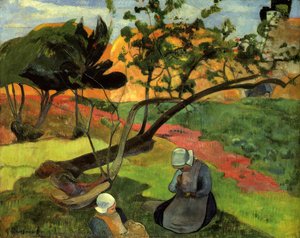
11მაჰანა ნო ატუა (დჲეტი Ⴀ) ავტორის: პოლ გოგენიმაჰანა ნო ატუა (დჲეტი Ⴀ)ჩიკაგოს ხელოვნების ინსტიტუტი 12nafeaffaa ipolpo ავტორის: პოლ გოგენიnafeaffaa ipolpoკუნსტმუზეუ ბაზელი 13D'où venons nous Que sommes-nous Où allons-nous (Where Do We come from. What Are We. where Are We Going) ავტორის: პოლ გოგენიD'où venons nous Que sommes-nous Où allons-nous (Where Do We come from. What Are We. where Are We Going) 14ხედვა sermon-ის შემდეგ (ასევე ცნობილი როგორც იაკობი, რომელიც ანგელოზს ებრძვის) (1888) ავტორის: პოლ გოგენიხედვა sermon-ის შემდეგ (ასევე ცნობილი როგორც იაკობი, რომელიც ანგელოზს ებრძვის)1888 15The Green Christ (1889) ავტორის: პოლ გოგენიThe Green Christ1889 · ბელგიის სახვით ხელოვნების სამეფო მუზეუმები 16Faa Iheihe (დეტალი) (ასევე ცნობილი როგორც ტაჰიტური პასტორალი) (1898) ავტორის: პოლ გოგენიFaa Iheihe (დეტალი) (ასევე ცნობილი როგორც ტაჰიტური პასტორალი)1898 · Tate Gallery 17Little Girls (Landscape with Two Breton Girls) (1889) ავტორის: პოლ გოგენიLittle Girls (Landscape with Two Breton Girls)1889 · Musée d'Orsay 18პორტრეტი კლავდი ალანტ ბრენფორდის გალუგინის ნაოქს სურათი და დეტალი მატერიალური პლასტიკური და ტექსტურული ელემენტები შეადგენს და შეფასებულია როგორც პოსტიმპრესიონისტური სტილის გამორჩეული ნაწილი და კლავდი ალანტ ბრენფორდის პერსონა და სურათის ფონტის დებაგი მატერ (1877) ავტორის: პოლ გოგენიპორტრეტი კლავდი ალანტ ბრენფორდის გალუგინის ნაოქს სურათი და დეტალი მატერიალური პლასტიკური და ტექსტურული ელემენტები შეადგენს და შეფასებულია როგორც პოსტიმპრესიონისტური სტილის გამორჩეული ნაწილი და კლავდი ალანტ ბრენფორდის პერსონა და სურათის ფონტის დებაგი მატერ1877 19ტაჰიტული ქალბადე და ორი ბავშვი (1901) ავტორის: პოლ გოგენიტაჰიტული ქალბადე და ორი ბავშვი1901 · ჩიკაგოს ხელოვნების ინსტიტუტი 20ტაჰიტული ქალები ხურო (1891) ავტორის: პოლ გოგენიტაჰიტული ქალები ხურო1891 · მეტროპოლიტენის ხელოვნების მუზეუმი 21ღამის კაფე არლში (მადამ ჟინუ) (1888) ავტორის: პოლ გოგენიღამის კაფე არლში (მადამ ჟინუ)1888 · პუშკინის სახელმწიფო ხელოვნების მუზეუმი 22D'où venons nous Que sommes-nous Où allons-nous (Where Do We come from. What Are We. where Are We Going) ავტორის: პოლ გოგენიD'où venons nous Que sommes-nous Où allons-nous (Where Do We come from. What Are We. where Are We Going) 23ფერმა ბრტანეთში (1894) ავტორის: პოლ გოგენიფერმა ბრტანეთში1894 · მეტროპოლიტენის ხელოვნების მუზეუმი 24Landscape with black pigs and a crouching Tahitian (1891) ავტორის: პოლ გოგენიLandscape with black pigs and a crouching Tahitian1891 25Offerings of Gratitude (Maruru) ავტორის: პოლ გოგენიOfferings of Gratitude (Maruru) 26თეთრი ცხენი (1898) ავტორის: პოლ გოგენითეთრი ცხენი1898 · Musée d'Orsay 27ფარავ აპი (ასევე ცნობილი როგორც რა ამბავი) (1892) ავტორის: პოლ გოგენიფარავ აპი (ასევე ცნობილი როგორც რა ამბავი)1892 · Staatliche Kunstsammlungen 28Breton Fishermen ავტორის: პოლ გოგენიBreton Fishermen 29Ta Matete (also known as The Market) (1892) ავტორის: პოლ გოგენიTa Matete (also known as The Market)1892 30Manao tupapau (The Spirit of the Dead Keep Watch) ავტორის: პოლ გოგენიManao tupapau (The Spirit of the Dead Keep Watch) 31మూცდა სამი ძაღლის სიცნოება (1888) ავტორის: პოლ გოგენიమూცდა სამი ძაღლის სიცნოება1888 · MOMA - მოდერნ არტის მუზეუმი 32Teuraheimata a Potoru (1891) ავტორის: პოლ გოგენიTeuraheimata a Potoru1891 33Bonjour Monsieur Gauguin (1889) ავტორის: პოლ გოგენიBonjour Monsieur Gauguin1889 · ჰამერის მუზეუმი 34I rara te oviri (also known as Beneath the Pandanus Tree) (1891) ავტორის: პოლ გოგენიI rara te oviri (also known as Beneath the Pandanus Tree)1891 · დალასის ხელოვნების მუზეუმი 35Breton Girl Spinning (1889) ავტორის: პოლ გოგენიBreton Girl Spinning1889 · ვან გოგის მუზეუმი 36D'où venons nous Que sommes-nous Où allons-nous (Where Do We come from. What Are We. where Are We Going) ავტორის: პოლ გოგენიD'où venons nous Que sommes-nous Où allons-nous (Where Do We come from. What Are We. where Are We Going) 37პარუ პარუ ( ასევე ცნობილია როგორც დამხდარა სიტყვები მეორე) (1892) ავტორის: პოლ გოგენიპარუ პარუ ( ასევე ცნობილია როგორც დამხდარა სიტყვები მეორე)1892 · იალეის უნივერსიტეტის ხელოვნების გალერეა 38Still Life with Chinese Peonies and Mandolin (1885) ავტორის: პოლ გოგენიStill Life with Chinese Peonies and Mandolin1885 · Musée d'Orsay 39Faa Iheihe (1898) ავტორის: პოლ გოგენიFaa Iheihe1898 · ნაციონალური გალერეა 40I Raro Te Oviri (Under the Pandanus) (1891) ავტორის: პოლ გოგენიI Raro Te Oviri (Under the Pandanus)1891 · Minneapolis Institute of Art 41Women at the Riverside (1892) ავტორის: პოლ გოგენიWomen at the Riverside1892 42ორი ტაჰიტელი ქალი (1899) ავტორის: პოლ გოგენიორი ტაჰიტელი ქალი1899 · მეტროპოლიტენის ხელოვნების მუზეუმი 43ტყე ტაჰიტაზე (1891) ავტორის: პოლ გოგენიტყე ტაჰიტაზე1891 · ტოლედოს ხელოვნების მუზეუმი 44The Universe Is Created (1893) ავტორის: პოლ გოგენიThe Universe Is Created1893 45Spirit of the dead watching, Alb (1892) ავტორის: პოლ გოგენიSpirit of the dead watching, Alb1892 46The fisherwomen of Tahiti (1891) ავტორის: პოლ გოგენიThe fisherwomen of Tahiti1891 · Alte Nationalgalerie 47Life and Death (1889) ავტორის: პოლ გოგენიLife and Death1889 · Mohamed Mahmoud Khalil Museum 48Gauguin at His Easel (1885) ავტორის: პოლ გოგენიGauguin at His Easel1885 49Barbarian Tales (1892) ავტორის: პოლ გოგენიBarbarian Tales1892 · თელ-ავივის ხელოვნების მუზეუმი 50Escape (1902) ავტორის: პოლ გოგენიEscape1902 · National Gallery Prague 51And the Gold of Their Bodies (Et l'or de leures corps) ავტორის: პოლ გოგენიAnd the Gold of Their Bodies (Et l'or de leures corps) 52The Offering (1902) ავტორის: პოლ გოგენიThe Offering1902 · E.G. Bührle-ს კოლექციის ფონდი 53Tahitian girl (1898) ავტორის: პოლ გოგენიTahitian girl1898 · National Museum of Serbia 54კარიკატურა, თვითპორტრეტი (1889) ავტორის: პოლ გოგენიკარიკატურა, თვითპორტრეტი1889 · National Gallery of Art 55A Tahitian Woman with a Flower in Her Hair ავტორის: პოლ გოგენიA Tahitian Woman with a Flower in Her Hairმეტროპოლიტენის ხელოვნების მუზეუმი 56Black pigs (1891) ავტორის: პოლ გოგენიBlack pigs1891 57The Bathers (1897) ავტორის: პოლ გოგენიThe Bathers1897 58Two Nudes on a Tahitian Beach (1892) ავტორის: პოლ გოგენიTwo Nudes on a Tahitian Beach1892 · Honolulu Museum of Art 59Paradise Lost (?) (1890) ავტორის: პოლ გოგენიParadise Lost (?)1890 · იეილის უნივერსიტეტის სახელოვნებო გალერეა 60Forest Edge (1885) ავტორის: პოლ გოგენიForest Edge1885 61Little Cat (1888) ავტორის: პოლ გოგენიLittle Cat1888 62Torso of a Woman (1895) ავტორის: პოლ გოგენიTorso of a Woman1895 · Nasher Sculpture Center 63A Canoe (Tahitian Family), (1896) ავტორის: პოლ გოგენიA Canoe (Tahitian Family),1896 64Martinique Landscape (also known as Comings and Goings) (1887) ავტორის: პოლ გოგენიMartinique Landscape (also known as Comings and Goings)1887 · თისენ-ბორნემიმზას მუზეუმი 65გა overtakenება (1885) ავტორის: პოლ გოგენიგა overtakenება1885 66Breton Girls by the sea (1889) ავტორის: პოლ გოგენიBreton Girls by the sea1889 · დასავლეთው მხარეს ხელოვნების ეროვნული მუზეუმი 67Still Life (1899) ავტორის: პოლ გოგენიStill Life1899 · ისრაელის მუზეუმი 68Boquet of Peonies on a Musical Score ავტორის: პოლ გოგენიBoquet of Peonies on a Musical Score 69Huts under the Trees (also known as Martinican Scene with Mango Tree) (1887) ავტორის: პოლ გოგენიHuts under the Trees (also known as Martinican Scene with Mango Tree)1887 70Rue Jouvenet, Rouen (1884) ავტორის: პოლ გოგენიRue Jouvenet, Rouen1884 · თისენ-ბორნემიმზას მუზეუმი 71Brittany landscape with women carrying sack (1889) ავტორის: პოლ გოგენიBrittany landscape with women carrying sack1889 72ტე ტიარე ფარანი ( ასევე ცნობილი როგორც მცენილთა კრებული) (1893) ავტორის: პოლ გოგენიტე ტიარე ფარანი ( ასევე ცნობილი როგორც მცენილთა კრებული)1893 · პუშკინის სახელმწიფო ხელოვნების მუზეუმი 73Fire Dance (1891) ავტორის: პოლ გოგენიFire Dance1891 · ისრაელის მუზეუმი 74Portrait of Suzanne Bambridge (1891) ავტორის: პოლ გოგენიPortrait of Suzanne Bambridge1891 · ბელგიის სახვით ხელოვნების სამეფო მუზეუმები 75Landscape with Dog (1903) ავტორის: პოლ გოგენიLandscape with Dog1903 · ისრაელის მუზეუმი 76Aline Gauguin and one of her brothers (1883) ავტორის: პოლ გოგენიAline Gauguin and one of her brothers1883 77ბრიტანეთის სოფელი (1894) ავტორის: პოლ გოგენიბრიტანეთის სოფელი1894 78Head of a Tahitian Woman (1982) ავტორის: პოლ გოგენიHead of a Tahitian Woman1982 79Pond with Ducks (also known as Girl Amusing Herself) (1881) ავტორის: პოლ გოგენიPond with Ducks (also known as Girl Amusing Herself)1881 80Motherhood (Women on the Shore) ავტორის: პოლ გოგენიMotherhood (Women on the Shore) 81Tahitian Scene (1892) ავტორის: პოლ გოგენიTahitian Scene1892 82Flower Piece (1896) ავტორის: პოლ გოგენიFlower Piece1896 · ნაციონალური გალერეა 83Grape Harvest in Arles (also known as Human Misery) (1888) ავტორის: პოლ გოგენიGrape Harvest in Arles (also known as Human Misery)1888 · Ordrupgaard 84Rocks on the breton coast (1888) ავტორის: პოლ გოგენიRocks on the breton coast1888 85Portrait of Aline Gauguin (1890) ავტორის: პოლ გოგენიPortrait of Aline Gauguin1890 · შტატგალერი შტუტგარტი 86The little valley (1891) ავტორის: პოლ გოგენიThe little valley1891 · ბეილერის ფონდი 87ნატურმოწერა ჩაიდანითა და ხილით (1896) ავტორის: პოლ გოგენინატურმოწერა ჩაიდანითა და ხილით1896 · მეტროპოლიტენის ხელოვნების მუზეუმი 88ბარბარის ლეგენდები (ასევე ცნობილი როგორც უგმო ამბები) (1902) ავტორის: პოლ გოგენიბარბარის ლეგენდები (ასევე ცნობილი როგორც უგმო ამბები)1902 · Folkwang-ის მუზეუმი 89Day of the Gods (1894) ავტორის: პოლ გოგენიDay of the Gods1894 90Rocks of Tahiti (1892) ავტორის: პოლ გოგენიRocks of Tahiti1892 · New Orleans Museum of Art 91Barbarous Tales ავტორის: პოლ გოგენიBarbarous Tales 92Норმანდიის ლანდშაფტი: ცხვარი მდელოში (1884) ავტორის: პოლ გოგენიНорმანდიის ლანდშაფტი: ცხვარი მდელოში1884 93ფაატურუმა ( ასევე ცნობილი როგორც მელანქოლია) (1891) ავტორის: პოლ გოგენიფაატურუმა ( ასევე ცნობილი როგორც მელანქოლია)1891 · ნელსონის ატინის მუზეუმი 94Portrait of Mette Gauguin (1877) ავტორის: პოლ გოგენიPortrait of Mette Gauguin1877 · Courtauld Gallery 95Tahitian women under the palms (1892) ავტორის: პოლ გოგენიTahitian women under the palms1892 96მთვარები და მახვილები ლურჯ ჭურჭლში (1876) ავტორის: პოლ გოგენიმთვარები და მახვილები ლურჯ ჭურჭლში1876 97ქალი სცენის კეზანთან პორტრეტი (1890) ავტორის: პოლ გოგენიქალი სცენის კეზანთან პორტრეტი1890 · ჩიკაგოს ხელოვნების ინსტიტუტი 98Women at the River (Auti Te Pape) ავტორის: პოლ გოგენიWomen at the River (Auti Te Pape) 99მთვრალი ქალბადის ტყალში (1884) ავტორის: პოლ გოგენიმთვრალი ქალბადის ტყალში1884 100Self-Portrait (1891) ავტორის: პოლ გოგენიSelf-Portrait1891

პოლ გოგენი-ის ცნობილი სურათები, პერიოდების მიხედვით

სუბიექტები, რომლებმაც პოლ გოგენი-ის ყურადღება მიიპყრო

ამ ორიგინალებში ყველაზე ხშირად განმეორებადი არის 네 თემა, რომელთაგან თითოეულს თავისი საუკეთესო ნიმუში წარმოგვიდგება.

მუზეუმები, სადაც პოლ გოგენი-ის ორიგინალები ინახება

ამ გვერდზე წარმოდგენილი მხატვრობის შედეგების უმეტესობას 8 მუზეუმი ინახავს.

მუზეუმი ქალაქი პოლ გოგენი შემოქმედებაలు ამ სიიდან მოპოვებული ნახატები
მეტროპოლიტენის ხელოვნების მუზეუმი, ნიუ-იორკიმეტროპოლიტენის ხელოვნების მუზეუმი ნიუ-იორკი 12 ია ორანა მარია (ასევე ცნობილი როგორც ჰეილ მერი), ორი ტაჰითიელი ქალი მანგოს ყვავილებით, ტაჰიტული ქალები ხურო
Musée d'Orsay, პარიზიMusée d'Orsay პარიზი 28 ორი ქალი პლაჟზე, Little Girls (Landscape with Two Breton Girls), თეთრი ცხენი
პუშკინის სახელმწიფო ხელოვნების მუზეუმი, მოსკოვიპუშკინის სახელმწიფო ხელოვნების მუზეუმი მოსკოვი 18 რა, ეჭვიანობ?, ღამის კაფე არლში (მადამ ჟინუ), ტე ტიარე ფარანი ( ასევე ცნობილი როგორც მცენილთა კრებული)
ჩიკაგოს ხელოვნების ინსტიტუტი, ჩიკაგოჩიკაგოს ხელოვნების ინსტიტუტი ჩიკაგო 11 მაჰანა ნო ატუა (დჲეტი Ⴀ), ტაჰიტული ქალბადე და ორი ბავშვი, ქალი სცენის კეზანთან პორტრეტი
ისრაელის მუზეუმი, იერუსალიმიისრაელის მუზეუმი იერუსალიმი 5 Still Life, Fire Dance, Landscape with Dog
თისენ-ბორნემიმზას მუზეუმი, მადრიდითისენ-ბორნემიმზას მუზეუმი მადრიდი 10 Martinique Landscape (also known as Comings and Goings), Rue Jouvenet, Rouen
ნაციონალური გალერეა, ლონდონინაციონალური გალერეა ლონდონი 4 Faa Iheihe, Flower Piece
ბელგიის სახვით ხელოვნების სამეფო მუზეუმები, ბრიუსელიბელგიის სახვით ხელოვნების სამეფო მუზეუმები ბრიუსელი 3 The Green Christ, Portrait of Suzanne Bambridge

პოლ გოგენი ათწლეულების მიხედვით: ორიგინალი, რომელიც განსაზღვრავს თითოეულ მათგანს

ნამუშევრები ათწლეულების მიხედვით

შეარჩიეთ ათწლეული, რათა ნახოთ ის ორიგინალი ნამუშევარი, რომელიც მას განსაზღვრავს.

კოლექციონერთა კითხვები პოლ გოგენი-ის ნახატებზე

რა ნამუშწარესით არის ყველაზე ცნობილი პოლ გოგენი?გაამჟღავნეთ პასუხი

ჩვენგან საიდან მოვდივართ, ვინ ვართ, დამდეგი თუ არა? (1897), ბოსტონის fine arts-ის მუზეუმი, ბოსტონი. შემდეგ მოდიან ქართული სახელი: მზითაჲ ქრისტე (1889) და მანაო ტუპაპაუ (ასევე ცნობილი როგორც მკვდრთა სული, რომელიც აკვირდება) (1892).

რამდენage იყო პოლ გოგენი, როდესაც შეიქმნა ჩვენგან საიდან მოვდივართ, ვინ ვართ, დამდეგი თუ არა??გაამჟღავნეთ პასუხი

49 წლის: ჩვენგან საიდან მოვდივართ, ვინ ვართ, დამდეგი თუ არა? შექმნილია 1897 წელს, ხოლო პოლ გოგენი დაიბადა 1848 წელს.

რა არის პოლ გოგენი-ის 열 иң ცნობილი 열ი ტილო?გაამჟღავნეთ პასუხი

ჩვენგან საიდან მოვდივართ, ვინ ვართ, დამდეგი თუ არა?, ქართული სახელი: მზითაჲ ქრისტე, მანაო ტუპაპაუ (ასევე ცნობილი როგორც მკვდრთა სული, რომელიც აკვირდება), Tahitian Women on the Beach, 1891, ქადაგების ხილვა (იაკობი, რომელიც ანგელოზს ებრძვის), ია ორანა მარია (ასევე ცნობილი როგორც ჰეილ მერი), რა, ეჭვიანობ?, ორი ტაჰითიელი ქალი მანგოს ყვავილებით, ორი ქალი პლაჟზე და ვნებowość და გაზაფხულის აღძვრა (ასევე ცნობილი როგორც ღალატი). ზემოთ მოცემული რეიტინგი ასახავს თითოეულის შემოქმედების წელსა და მუზეუმს.

რამდენი სურათი დატოვა პოლ გოგენი-მა?გაამჟღავნეთ პასუხი

ჩვენს კატალოგში წარმოდგენილია 928 ნამუშწევრი პოლ გოგენი-ისგან, დათარიღებული 1876-დან 1903-მდე.

რომელ მუზეუმებშია და hangs პოლ გოგენი-ის შედევრული ნამუშევრები?გაამჟღავნეთ პასუხი

ძირითადად მეტროპოლიტენის ხელოვნების მუზეუმი (ნიუ-იორკი), Musée d'Orsay (პარიზი) და პუშკინის სახელმწიფო ხელოვნების მუზეუმი (მოსკოვი)-ში. ზემოთ მოცემულ მუზეუმების ცხრილში ისინი ყველა listed.

მათ რომელ წლებში შექმნა პოლ გოგენი-მა ყველაზე ცნობილი ნამუშევრები?გაამჟღავნეთ პასუხი

1890s-ში: ამ გვერდზე წარმოდგენილი 100 ნამუშწარwerksიდან 48 შეიქმნა მაშინ, მათგან ჩვენგან საიდან მოვდივართ, ვინ ვართ, დამდეგი თუ არა?.

რა არის პოლ გოგენი-ის პირველი და ბოლო ცნობილი ორიგინალი?გაამჟღავნეთ პასუხი

ამ გვერდზე ყველაზე ადრეული არის მთვარები და მახვილები ლურჯ ჭურჭლში (1876), ხოლო ყველაზე გვიანდელი — Landscape with Dog (1903).

რომელ თემებს ირჩევდა პოლ გოგენი ყველაზე ხშირად?გაამჟღავნეთ პასუხი

Figures (10), Landscape (10) და Სიმბოლიზმი (8), ამ გვერდზე წარმოდგენილ 100 ნამუშწარეს შორის.

რომელ ტექნიკას იყენებდა პოლ გოგენი ყველაზე ხშირად?გაამჟღავნეთ პასუხი

Oil On Canvas, ამ გვერდზე არსებული 100 ნამუშწაროსგან 40 ცალიდან.

რა ხელოვნების მიმართულებას მიეკუთვნება პოლ გოგენი?გაამჟღავნეთ პასუხი

Პოსტიმპრესიონიზმი, ამ გვერდზე წარმოდგენილი ორიგინალების მიხედვით.

პოლ გოგენი-ის რომელ ნამუშევრებს ჰქ나 მეტროპოლიტენის ხელოვნების მუზეუმი-ში?გაამჟღავნეთ პასუხი

ია ორანა მარია (ასევე ცნობილი როგორც ჰეილ მერი), ორი ტაჰითიელი ქალი მანგოს ყვავილებით და ტაჰიტული ქალები ხურო: მეტროპოლიტენის ხელოვნების მუზეუმი, ნიუ-იორკი-ში წარმოდგენილია ამ გვერდზე მოცემული ნამუშევრების 7 ცალი.

პოლ გოგენი: ცხოვრება და შემოქმედება

Early Life and Family Background

Born in Paris in 1848, Eugène Henri Paul Gauguin entered a world of shifting social and political currents. His early years were defined by a sudden departure from the French capital; in 1850, his family relocated to Lima, Peru. This move was driven by his mother’s connections, as she was descended from the Peruvian aristocracy. Such a lineage provided a sense of privilege during his formative years, though the stability of this existence was often precarious.

The boy spent his childhood in Peru until the age of six, a period that left an indelible mark on his memory. He retained vivid recollections of the intense colors and sounds of his South American upbringing, impressions that would persist long after he returned to France. These early experiences in a landscape so distinct from Europe provided a sensory foundation that would later inform his search for authenticity.

Before finding his footing in the art world, Gauguin’s life took a more rugged, maritime turn. He spent six years working as a merchant marine, navigating the seas and experiencing the vastness of the world firsthand. This period of seafaring, characterized by physical labor and global travel, preceded his eventual return to France. He was a man shaped by movement, caught between the structured life of a Parisian professional and the primal, unscripted realities of the distant coasts he encountered.

A Career in Finance and Art

Before the world recognized his brushwork, Gauguin navigated the structured, predictable environment of the Parisian financial sector. He spent his early adulthood working as a stockbroker's clerk, a role that demanded a focus quite removed from the expressive freedom he would later seek. During these years, painting remained a private pursuit, a quiet passion nurtured in the spare moments between the demands of his professional life. It was a period of dual existence, where the meticulous calculations of the market coexisted with a growing, secret devotion to the canvas.

His talent eventually demanded a public presence. Between 1879 and 1886, he was accepted into the Paris Salon, appearing in the prestigious exhibition annually. This period marked his gradual transition from a man of business to a recognized figure within the Parisian art scene. However, the stability of his financial life was not to last. The economic upheaval of the 1882 financial crisis significantly impacted his career in brokerage, creating a fracture in his conventional path. This instability ultimately forced a decisive choice, pushing him to abandon the security of finance to embrace his calling as a professional painter.

Artistic Development in Brittany and Martinique

The years between 1886 and 1891 were marked by a restless search for a visual language that could transcend mere observation. During his time in Brittany, Gauguin began to move away from the immediate concerns of the Impressionists. While he had been influenced by the works of Camille Pissarro and Paul Cézanne, he found himself increasingly drawn toward the more structured and symbolic approaches of the Synthetists and Symbolist groups. This period was less about capturing light and more about distilling the essence of a subject through simplified forms and bold outlines.

In 1887, a shift in scenery brought him to Panama and Martinique alongside Charles Laval. This excursion into the tropics provided a different kind of stimulus, introducing him to the allure of non-European climates and cultures. These travels helped foster an idealized vision of tropical life, a theme that would later define much of his output. He was no longer content with the fleeting effects of nature; he sought a deeper, more spiritual connection to his subjects, often blending the physical landscape with a sense of internal meaning.

The Journey to Tahiti and the South Seas

By 1891, the search for a new and original subject matter led Gauguin to the shores of Papeete, Tahiti. He arrived with a feverish expectancy, seeking to locate or perhaps to imagine the indigenous culture he believed was being eroded by Western presence. The reality of the French colony was not entirely what he had envisioned, yet the landscape provided the raw material for a profound shift in his creative focus. He sought to move beyond the familiar, looking for a way to capture the spiritual essence of the islands through a lens that was both observational and deeply personal.

His connection to the South Pacific deepened significantly during his residence in Tahiti between 1895 and 1901. This period was marked by an attempt to find a sense of liberation through the depiction of Polynesian life, customs, and landscapes. He moved away from the constraints of European society, attempting to find a more authentic way of existence through his subjects. His later years took him further into the archipelago, eventually leading him to settle on Hiva Oa in the Marquesas Islands, where he remained until his death.

Technique and Distinctive Artistic Style

Gauguin’s departure from the Impressionist tradition was marked by a deliberate rejection of naturalism. Rather than attempting to capture the fleeting effects of light on a surface, he sought to translate subjective experience into a visual language. This approach, known as Synthetism, relied on the use of flattened perspectives and bold, rhythmic lines to convey meaning. His compositions often bypassed the complexities of three-dimensional space, opting instead for a simplified, decorative clarity that prioritized emotional resonance over objective accuracy.

His palette was defined by an experimental use of color that frequently defied the constraints of reality. He utilized saturated hues to express spiritual or psychological states, a technique that drew heavily from the influence of Japanese aesthetics and the symbolic imagery of medieval art. This stylistic shift moved his work away from the observational habits of his contemporaries and toward a more primal, symbolic form of expression. Beyond the canvas, he was an influential practitioner of wood engraving and woodcuts, applying his interest in strong outlines and simplified forms to the medium of printmaking.

Notable Masterpieces and Iconic Works

Gauguin’s most profound explorations occurred during his time in the South Pacific, where he sought to capture the spiritual essence of Polynesian life. His work from this period often moved beyond mere depiction, favoring a symbolic language that addressed the human condition. In 1892, he painted Vairumati, a piece that exemplifies his ability to weave human figures into a larger, rhythmic landscape. This work, along with many others from his Tahitian years, helped define his reputation as an artist deeply preoccupied with the intersection of the physical and the divine.

One of his most significant compositions, Where Do we Come From? What Are We? Where Are We Going?, was created between 1897 and 1898. This large-scale work reflects his increasing preoccupation with existential questions and his disillusionment with Western civilization. It remains a central piece of his output, illustrating the heavy, atmospheric tension he often sought to convey through flattened perspectives and non-naturalistic color. Similarly, The Loss of Virginity, also known as The Awakening of Spring, invites viewers into a liminal space where the boundaries between the human soul and the natural world appear to dissolve.

Legacy and Influence on Modern Art

As a leading figure of 19th-century Post-Impressionism, Gauguin altered the trajectory of Western painting by moving away from the mere observation of light. His radical experimentation with color provided a direct foundation for the developments of 20th-century modern art. By prioritizing the expression of internal meaning over the accurate depiction of the external world, he helped shift the focus of the French avant-garde toward a more subjective, symbolic language. This departure from naturalism allowed for a new way of seeing that favored emotion over optical precision.

His aesthetic choices also paved the way for Primitivism and a renewed interest in the pastoral. By seeking out what he perceived as more authentic, non-Western modes of existence, he challenged the perceived sterility of European civilization. This pursuit of a primal essence through flattened forms and bold outlines offered a template for subsequent movements to explore the spiritual and the subconscious. His influence reached through the decades, shaping the visual vocabulary of many artists who sought to break free from academic constraints.

Where to See His Works Today

To encounter the physical reality of his vision, one must travel to several major cultural centers where his canvases remain held in permanent collections. In Paris, the Musée d'Orsay preserves a significant portion of his output, offering a glimpse into the evolution of his color and form. The city also houses works within the Centre Pompidou, ensuring his presence in the French capital remains felt.

His reach extends far beyond Europe, finding a home in the vast collections of the United States. The Metropolitan Museum of Art in New York holds several of his paintings, including works from his time in Tahiti. In Chicago, the Art Institute of Chicago maintains his paintings, providing a space to observe his departure from traditional naturalism. These institutions allow for a direct confrontation with the textures and pigments he used to express his subjective experiences.

The breadth of his influence is further evidenced by his presence in Eastern Europe. The Pushkin State Museum in Moscow contains his works, placing his aesthetic within a global context. Collectors and historians can find his traces in various other repositories, including the Ny Carlsberg Glyptotek in Copenhagen and the Museum of Fine Arts in Boston. These locations preserve the specific, often non-naturalistic palettes that defined his later years.