Portrait of პოლ სეზანი

The 100 Most Famous პოლ სეზანი Paintings, Each One of a Kind

Updated ოქტომბერი 2026 · ranked by our popularity score (searches, visits and orders for each work) · 1 227 works by პოლ სეზანი in our catalogue

In short

პოლ სეზანი რევოლუციური ხედვა: პოლ სეზანის ცხოვრება და ხელოვნება ექს-ან-პროვანსი საფრანგეთი 1839 1893 1906 ნ靜静ი მომენტი ფილოსოფიის შესახებ ხელოვნების ნაწარმოები არის დიდი ზომის ნავთობის ფერწერული ტილო, რომელსაც ასახავს ორი მამაკაცი, რომლებიც სხედან (1893) is the პოლ სეზანი painting that draws the most eyes; the original belongs to the Musée d'Orsay, პარიზი. After it, the eye goes to მონ სთე ვიკტორი და ბიბემუს ქვალიხური (1897) and დიდი ბანერები (ფილடெლფია) (1905). Among the 1,227 works of პოლ სეზანი in our catalog, these 100 are the most famous, each a unique original presented with its year, its museum and the reason it endures.

1839 – 1906, ექს-ან-პროვანსი Პოსტიმპრესიონიზმი Most works: ბარნსის ფონდი

Top 10 paintings by პოლ სეზანი, through the gallery's eye

1
პოლ სეზანი

რევოლუციური ხედვა: პოლ სეზანის ცხოვრება და ხელოვნება

ექს-ან-პროვანსი

საფრანგეთი

1839

1893

1906

ნ靜静ი მომენტი ფილოსოფიის შესახებ

ხელოვნების ნაწარმოები არის დიდი ზომის ნავთობის ფერწერული ტილო, რომელსაც ასახავს ორი მამაკაცი, რომლებიც სხედან (1893) by პოლ სეზანი

პოლ სეზანი რევოლუციური ხედვა: პოლ სეზანის ცხოვრება და ხელოვნება ექს-ან-პროვანსი საფრანგეთი 1839 1893 1906 ნ靜静ი მომენტი ფილოსოფიის შესახებ ხელოვნების ნაწარმოები არის დიდი ზომის ნავთობის ფერწერული ტილო, რომელსაც ასახავს ორი მამაკაცი, რომლებიც სხედან

1893 · ზეთი ტილოზე · Musée d'Orsay, პარიზი

Paul Cézanne’s “The Card Players,” completed in 1893, stands as an emblem of the burgeoning Post-Impressionist movement—a defiant rejection of Impressionism's fleeting impressions and a bold assertion of artistic vision. More than just a depiction of men engaged in a leisurely pastime, this painting delves into profound questions about human connection, social hierarchy, and the very essence of perception.

2
მონ სთე ვიკტორი და ბიბემუს ქვალიხური (1897) by პოლ სეზანი

მონ სთე ვიკტორი და ბიბემუს ქვალიხური

1897 · ზეთი ტილოზე · ბალტიმორის სახელოვნებო მუზეუმი, ბალტიმორ

პოლ სეზანის „მონ სთე ვიკტორი ბიბემუსის ქვაახის ხედით“ პოსტიმპრესიული ხელოვნების შედევრად აღიქმება, რომელიც პროვანსის სოფლის პეიზაჟის არსს დინამიკური ენერგიითა და ღრმა სიღრმით გადმოგვცემს. ეს მომხიბვლელი ნამუშევარი მაყურებელს მოუწოდებს, გამოიკვლიოს ბუნებისა და არქიტექტურის ჰარმონიული თანাবმელობა, რაც შესრულებულია გაბედული ფუნჯის მონასმებითა და მდიდარი, დინამიკური ფერთა პალიტრით.

3
დიდი ბანერები (ფილடெლფია) (1905) by პოლ სეზანი

დიდი ბანერები (ფილடெლფია)

1905 · ზეთი ტილოზე · ფილადელფიის ხელოვნების მუზეუმი, ფილადელფია

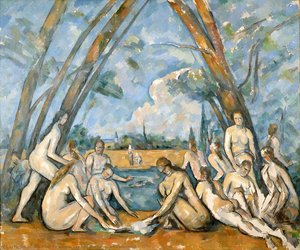
ჰარმონიის მონუმენტური ხედვა პოლ სეზანის დიდი ბანერები (ფილடெლფია) უდავოდ მისი ყველაზე ამბიციური და სრულყოფილი გამოხატულებაა ადამიანის ფიგურისა და ლანდშაფტის ურთიერთქმედების შესახებ – ეს არის გარდამტეხი ნამუშევარი, რომელიც მე-19 საუკუნის იმპრესონიზმს მე-20 საუკუნის მზარდ კუბისტულ მოძრაობასთან აკავშირებს. შვიდი წლის განმავლობაში (1898-1905) დასრულებული ეს მონუმენტური ტილო სცდება უბრალო აღწერილობის ფარგლებს და გვთავაზობს ფორმის, სივრცისა და კაცობრიობასა და ბუნებას შორის არსებული მარადიული კავშირის ღრმა კვლევას. სუბიექტი და კომპოზიციური ინოვაცია წარმოდგენილია თხუთმეტი შიშველი ქალის…

4
აპკების საწოლი (1895) by პოლ სეზანი

აპკების საწოლი

1895 · ზეთი ტილოზე · ჩიკაგოს ხელოვნების ინსტიტუტი, ჩიკაგო

Paul Cézanne’s “Basket of Apples”: A Revolutionary Vision Paul Cézanne ( სეზანე პაულ) stands as a monumental figure bridging the gap between Impressionism and Cubism, reshaping artistic perception and leaving an indelible mark on the 20th century. His journey wasn't one of immediate acclaim; rather, it was a slow burn of artistic exploration, marked by periods of self-doubt and critical dismissal—a testament to his unwavering dedication to capturing the essence…

5
Boy in a Red Vest by პოლ სეზანი

Boy in a Red Vest

Oil On Canvas · Foundation E.G. Bührle Collection, Zurich

Introduction to the Artist and the Painting Paul Cezanne, a French Post-Impressionist artist, is renowned for his contributions to the transition from 19th-century Impressionism to 20th-century Cubism. Among his notable works is the Boy in a Red Vest, painted between 1888 and 1890. This oil-on-canvas masterpiece showcases Cezanne's innovative style, characterized by bold brushstrokes and vibrant colors. The Painting's Significance and Style The Boy in a Red Vest is a…

6
Mardi Gras (1888) by პოლ სეზანი

Mardi Gras

The Painting and Its Context Mardi Gras, a vibrant oil on canvas painting by Paul Cézanne, is a quintessential example of Post-Impressionism. Created in 1888, it is housed in the esteemed E. G. Buhrle Collection in Switzerland. This work showcases Cézanne's unique approach to capturing the essence of festive celebrations. Composition and Symbolism The painting depicts two men in elaborate costumes, one dressed as a clown and the other wearing…

7
მონ სვეიტიორტი ( ბარნესი) (1892) by პოლ სეზანი

მონ სვეიტიორტი ( ბარნესი)

1892 · ზეთប្រეწმი · ბარნსის ფონდი, ფილადელფია

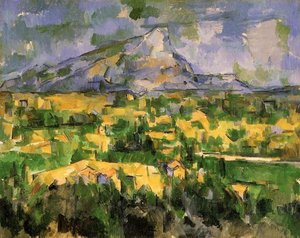
Paul Cézanne’s “Mont Sainte-Victoire” isn't merely a landscape painting; it’s an invitation into the artist’s mind, a meticulously constructed exploration of perception and form. Completed in 1902-04, this iconic work resides within The Barnes Foundation in Philadelphia, a testament to Cézanne’s profound connection with the Provençal mountain that dominated his artistic vision for decades. More than simply depicting a geographical feature, Cézanne sought to capture the *essence* of Mont Sainte-Victoire…

8
Hanged man by პოლ სეზანი

Hanged man

· Musée d'Orsay, პარიზი

Cézanne’s Haunting Still Life: The Weight of Suspension – An Exploration of “The Hanged Man” Paul Cézanne's "The Hanged Man," painted around 1894-95, isn’t a straightforward depiction of execution; it’s a profoundly layered meditation on sacrifice, equilibrium, and the very nature of perception. This work, now housed within the collection at the House of the Hanged Man in Auvers-sur-Oise – a location that undoubtedly fueled its creation – represents a…

9
Apples and Oranges (1900) by პოლ სეზანი

Apples and Oranges

1900 · Acrylic On Canvas · Musée d'Orsay, პარიზი

Paul Cézanne, a pioneering French artist, is renowned for his pivotal role in transitioning from 19th-century Impressionism to 20th-century Cubism. His painting, Apples and Oranges, created in 1900, exemplifies the essence of Post-Impressionism, a movement that sought to break away from the naturalistic depiction of light and color characteristic of Impressionism. The Painting: A Still Life of Fruit Composition: The painting features two bowls filled with apples and oranges on…

10
დიდი მბანაობები (1900) by პოლ სეზანი

დიდი მბანაობები

1900 · ზეთი ტილოზე · ნაციონალური გალერეა, ლონდონი

პოსტიმპრესიონიზმის არსი პაულ სეზანის „დიდი მბანაობები“ (1900) წარმოადგენს მონუმენტურ ნამუშევარს იმპრესონიზმიდან თანამედროვე ხელოვნებისკენ გადასვლის ეპოქაში. ეს შედევრი სრულად ასახავს სეზანის ინოვაციურ მიდგომას, სადაც მკვეთრი ფერები სტრუქტურირებულ კომპოზიციებთან ილევა, რამაც მომავალი თაობის ხელოვანებზე ღრმა გავლენა მოახდინა. მშვიდი შეკრება წარმოდგენილი ტილო ათ ნগ্ন ფიგურას ასახავს მშვიდ გარემოში, სადაც ისინი, სავარაუდოდ, დასვენებით ან গোბინებით დაკავებულნი არიან. სცენა შესრულებულია თამამი ფუნჯის მონელებებითა და ჰარმონიული პალიტრით, რომელშიც დომინირებს ლურჯი, მწვანე და მიწისფერი ტონები. ეს ელემენტები…

პოლ სეზანი's famous paintings, numbers 11 to 100

11სიარულის, ქრიული და ხილის დrapery (1894) by პოლ სეზანისიარულის, ქრიული და ხილის დrapery1894 · უიტნის მუზეუმი 12ლახვი ლ’ესტაკიდან (1886) by პოლ სეზანილახვი ლ’ესტაკიდან1886 · ჩიკაგოს ხელოვნების ინსტიტუტი 13შატო ნოირი (1904) by პოლ სეზანიშატო ნოირი1904 · MOMA - მოდერნ არტის მუზეუმი 14მბანაურები (1894) by პოლ სეზანიმბანაურები1894 · Musée d'Orsay 15მთი Sainte-Victoire (Metropolitan) (1885) by პოლ სეზანიმთი Sainte-Victoire (Metropolitan)1885 · მეტროპოლიტენის ხელოვნების მუზეუმი 16სახლები პროვანსში - ריოსის ხეობა ლესტაკთან ახლოს (1879) by პოლ სეზანისახლები პროვანსში - ריოსის ხეობა ლესტაკთან ახლოს1879 · National Gallery of Art 17Landscape with viaduct: Montagne Sainte-Victoire (1887) by პოლ სეზანიLandscape with viaduct: Montagne Sainte-Victoire1887 18ვიქტორ შოკეს პორტრეტი (1877) by პოლ სეზანივიქტორ შოკეს პორტრეტი1877 · ვირჯინიის fine arts muchive 19კარტთამაშები (ბარნსი) (1892) by პოლ სეზანიკარტთამაშები (ბარნსი)1892 · ბარნსის ფონდი 20კარტიანები (1893) by პოლ სეზანიკარტიანები1893 · Musée d'Orsay 21ლესტაყისა და შატო დ’იფის ხედვა (Les taq'isa da shato d'ifis khdeva) (1885) by პოლ სეზანილესტაყისა და შატო დ’იფის ხედვა (Les taq'isa da shato d'ifis khdeva)1885 22Bouquet of Flowers (1880) by პოლ სეზანიBouquet of Flowers1880 23მამადა სეზანი გამწვანებულ ტერიდაში (1890) by პოლ სეზანიმამადა სეზანი გამწვანებულ ტერიდაში1890 · მეტროპოლიტენის ხელოვნების მუზეუმი 24ჟორდანის სათავესო by პოლ სეზანიჟორდანის სათავესო 25მშობელი სურათი, რუმის ბოთლი (1890) by პოლ სეზანიმშობელი სურათი, რუმის ბოთლი1890 · Pola Museum of Art 26ლესტაკი წითელი სახურავებით (1885) by პოლ სეზანილესტაკი წითელი სახურავებით1885 27Still Life with Apples and Peaches (1905) by პოლ სეზანიStill Life with Apples and Peaches1905 · National Gallery of Art 28მედანის სასახლე (1880) by პოლ სეზანიმედანის სასახლე1880 · Glasgow Art Gallery and Museum 29The Seine at Bercy (1878) by პოლ სეზანიThe Seine at Bercy1878 · Hamburger Kunsthalle 30Still Life with Bottle, Glass, and Lemon (Bouteille, verre et citrons) (1868) by პოლ სეზანიStill Life with Bottle, Glass, and Lemon (Bouteille, verre et citrons)1868 · იეილის უნივერსიტეტის სახელოვნებო გალერეა 31Landscape (1890) by პოლ სეზანიLandscape1890 · Ohara Museum of Art 32სკამი ხიმინჯით (Nature Morte au Crane) - სიცოცხლისა და გარდაცვალების გონება (1901) by პოლ სეზანისკამი ხიმინჯით (Nature Morte au Crane) - სიცოცხლისა და გარდაცვალების გონება1901 33ნატურმორტი ქარით, ფინჯნით და ვაშლებით (1877) by პოლ სეზანინატურმორტი ქარით, ფინჯნით და ვაშლებით1877 · მეტროპოლიტენის ხელოვნების მუზეუმი 34The Judgement of Paris (1864) by პოლ სეზანიThe Judgement of Paris1864 35პოლ სეზანის ‘ტულიპები და ვაშხი’ (1894). პოსტრემენტისტული შედევრი, რომელიც გეომეტრიულ ფორმებსა და მ Estudos-цветების გამოყენებით გამოირჩევა. აღმოჩენილია მისი მნიშვნელობა და ხელოვნებაში გავლენა. (1894) by პოლ სეზანიპოლ სეზანის ‘ტულიპები და ვაშხი’ (1894). პოსტრემენტისტული შედევრი, რომელიც გეომეტრიულ ფორმებსა და მ Estudos-цветების გამოყენებით გამოირჩევა. აღმოჩენილია მისი მნიშვნელობა და ხელოვნებაში გავლენა.1894 36Don Quixote, Seen from the Front (1875) by პოლ სეზანიDon Quixote, Seen from the Front1875 37მონ სანტ-ვიკტორი (1887) by პოლ სეზანიმონ სანტ-ვიკტორი1887 38ბიბემუს ქარხილი (Carrière de Bibémus) (1900) by პოლ სეზანიბიბემუს ქარხილი (Carrière de Bibémus)1900 · ნელსონის ატინის მუზეუმი 39portrait of vallier (1906) by პოლ სეზანიportrait of vallier1906 40ტაფლური ქანები ფონტენბლოში (1890) by პოლ სეზანიტაფლური ქანები ფონტენბლოში1890 · მეტროპოლიტენის ხელოვნების მუზეუმი 41გამოფენილი სიცნული მინის და ვაშღაებით by პოლ სეზანიგამოფენილი სიცნული მინის და ვაშღაებით 42Four Apples (1881) by პოლ სეზანიFour Apples1881 43მდელოები (1905) by პოლ სეზანიმდელოები1905 44Still Life with Pomegranate and Pears (1893) by პოლ სეზანიStill Life with Pomegranate and Pears1893 45Portrait of Madame Cézanne (1885) by პოლ სეზანიPortrait of Madame Cézanne1885 · ფილადელფიის ხელოვნების მუზეუმი 46ცესარის კოშკი (1862) by პოლ სეზანიცესარის კოშკი1862 · Musée d'Orsay 47Self-portrait on a rose background, galerie (1877) by პოლ სეზანიSelf-portrait on a rose background, galerie1877 48... ყავა და ვაშღები კალაშით, 1890-94 წელი, ხელოვნება by პოლ სეზანი... ყავა და ვაშღები კალაშით, 1890-94 წელი, ხელოვნება 49ავტოპორტრეტი ფერვსით (1890) by პოლ სეზანიავტოპორტრეტი ფერვსით1890 · Foundation E.G. Bührle Collection 50The Allée of Chestnut Trees at the Jas de Bouffan (L'allée des marronniers au Jas de Bouffan) (1888) by პოლ სეზანიThe Allée of Chestnut Trees at the Jas de Bouffan (L'allée des marronniers au Jas de Bouffan)1888 · ბარნსის ფონდი 51სამი மண்டავი (1898) by პოლ სეზანისამი மண்டავი1898 · დეტროიტის ხელოვნების ინსტიტუტი 52Picnic on a Riverbank (1873) by პოლ სეზანიPicnic on a Riverbank1873 · იეილის უნივერსიტეტის სახელოვნებო გალერეა 53კრამბოს ხეები და ჟას დე ბუფანის ფერმა (1876) by პოლ სეზანიკრამბოს ხეები და ჟას დე ბუფანის ფერმა1876 54Three Bathers (Trois baigneuses) (1876) by პოლ სეზანიThree Bathers (Trois baigneuses)1876 · ბარნსის ფონდი 55Portrait of Madame Cezanne in a Red Dress (1890) by პოლ სეზანიPortrait of Madame Cezanne in a Red Dress1890 56სან-ვიქტორის მთა (1906) by პოლ სეზანისან-ვიქტორის მთა1906 · ნელსონის ატინის მუზეუმი 57Group of Bathers (Groupe de baigneurs) (1893) by პოლ სეზანიGroup of Bathers (Groupe de baigneurs)1893 · ბარნსის ფონდი 58Plaster Cupid (1894) by პოლ სეზანიPlaster Cupid1894 · ჰარვარდის ხელოვნების მუზეუმები 59ლაკ დ'ანესი (1896) by პოლ სეზანილაკ დ'ანესი1896 · Courtauld Gallery 60ლანდშაფტი, ბუნებიდან კვლევა (ასევე ცნობილი როგორც ლ'ესტაკის ადგილი) (1876) by პოლ სეზანილანდშაფტი, ბუნებიდან კვლევა (ასევე ცნობილი როგორც ლ'ესტაკის ადგილი)1876 · Arp Museum Bahnhof Rolandseck 61ყვავეები ზეგურის მცენარეში (1880) by პოლ სეზანიყვავეები ზეგურის მცენარეში1880 · ფილადელფიის ხელოვნების მუზეუმი 62ყვავილები ლურჯ ჭურჭელში (1875) by პოლ სეზანიყვავილები ლურჯ ჭურჭელში1875 63Still Life with a Chest of Drawers (სათნეზე ნადართან) (1887) by პოლ სეზანიStill Life with a Chest of Drawers (სათნეზე ნადართან)1887 64Portrait of Henri Gasquet (1896) by პოლ სეზანიPortrait of Henri Gasquet1896 · McNay Art Museum 65Still life, pitcher and fruit (1894) by პოლ სეზანიStill life, pitcher and fruit1894 66Mont Sainte-Victoire (1900) by პოლ სეზანიMont Sainte-Victoire1900 · ერმიტაჟის მუზეუმი 67ხუთი მცურვალე (Cinq baigneuses) (1877) by პოლ სეზანიხუთი მცურვალე (Cinq baigneuses)1877 · ბარნსის ფონდი 68თვითპორტრეტი (1885) by პოლ სეზანითვითპორტრეტი1885 69ბზარული კედლებით გამორთლებული სახლი (1892) by პოლ სეზანიბზარული კედლებით გამორთლებული სახლი1892 · მეტროპოლიტენის ხელოვნების მუზეუმი 70Portrait of Madame Cézanne (1885) by პოლ სეზანიPortrait of Madame Cézanne1885 · ფილადელფიის ხელოვნების მუზეუმი 71წმინდა ანტონის ცდუნება (1875) by პოლ სეზანიწმინდა ანტონის ცდუნება1875 · Musée d'Orsay 72Le Déjeuner sur l'herbe (Luncheon on the Grass) (1870) by პოლ სეზანიLe Déjeuner sur l'herbe (Luncheon on the Grass)1870 73უტიტული by პოლ სეზანიუტიტული 74სახლი ხეებს მიღმა თოლონეტისკენ მიმავალ გზაზე (1887) by პოლ სეზანისახლი ხეებს მიღმა თოლონეტისკენ მიმავალ გზაზე1887 · მეტროპოლიტენის ხელოვნების მუზეუმი 75ნატურმოწერა ვაშლით, ბოთლით და რძის ქოთლით (1904) by პოლ სეზანინატურმოწერა ვაშლით, ბოთლით და რძის ქოთლით1904 · Dallas Museum of Art 76სირჩები და კლდეები (ფონტენბლო?) (1897) by პოლ სეზანისირჩები და კლდეები (ფონტენბლო?)1897 · MOMA - მოდერნ არტის მუზეუმი 77Afternoon in Naples (1875) by პოლ სეზანიAfternoon in Naples1875 78Still Life, Bowl and Milk Jug (1877) by პოლ სეზანიStill Life, Bowl and Milk Jug1877 · Artizon Museum 79Ginger Jar (1895) by პოლ სეზანიGinger Jar1895 · ბარნსის ფონდი 80ტალღები ფონტენბლოში (1893) by პოლ სეზანიტალღები ფონტენბლოში1893 · მეტროპოლიტენის ხელოვნების მუზეუმი 81Forest (1890) by პოლ სეზანიForest1890 82Portrait of Mme. Cézanne (1883) by პოლ სეზანიPortrait of Mme. Cézanne1883 · Foundation E.G. Bührle Collection 83ნატურმორტი: პური და ბეწვის ფეხი (1866) by პოლ სეზანინატურმორტი: პური და ბეწვის ფეხი1866 · Kunsthaus Zürich 84எல். Ესტაყე. მწვანეების გავლის ხედვა (1879) by პოლ სეზანიஎல். Ესტაყე. მწვანეების გავლის ხედვა1879 85Harlequin (1889) by პოლ სეზანიHarlequin1889 · Pola Museum of Art 86ხილი და კუჭი მაგიდაზე (1894) by პოლ სეზანიხილი და კუჭი მაგიდაზე1894 · ბოსტონის fine arts-ის მუზეუმი 87ბუფეტი (1877) by პოლ სეზანიბუფეტი1877 · Szépművészeti Múzeum 88The Road (1871) by პოლ სეზანიThe Road1871 89Blue Landscape (1903) by პოლ სეზანიBlue Landscape1903 · ერმიტაჟის მუზეუმი 90Chestnut Tree and Farm (1885) by პოლ სეზანიChestnut Tree and Farm1885 91Mont Sainte-Victoire (1895) by პოლ სეზანიMont Sainte-Victoire1895 92მაღლემენავი (1906) by პოლ სეზანიმაღლემენავი1906 · National Gallery of Art 93ოთხი მცურვალე (Quatre baigneuses) (1876) by პოლ სეზანიოთხი მცურვალე (Quatre baigneuses)1876 · ბარნსის ფონდი 94Cote du Galet, at Pontoise (1880) by პოლ სეზანიCote du Galet, at Pontoise1880 95Fisherman on the Rocks (1862) by პოლ სეზანიFisherman on the Rocks1862 96Still Life - Apples, a Bottle and Chairback (1902) by პოლ სეზანიStill Life - Apples, a Bottle and Chairback1902 97დიდი მომბანა (1885) by პოლ სეზანიდიდი მომბანა1885 · MOMA - მოდერნ არტის მუზეუმი 98Bather and Rocks (1866) by პოლ სეზანიBather and Rocks1866 · კრაისლერის ხელოვნების მუზეუმი 99სურათები კილინებით თავსატეხისთანას (1887) by პოლ სეზანისურათები კილინებით თავსატეხისთანას1887 100Bathers (8) (1905) by პოლ სეზანიBathers (8)1905

პოლ სეზანი's famous paintings, period by period

The subjects that held პოლ სეზანი's eye

The four subjects that come back most often in these originals, each with its finest example.

The museums that keep პოლ სეზანი's originals

The 8 museums that hold the most of the paintings on this page.

Museum City Works by პოლ სეზანი Paintings from this list
ბარნსის ფონდი, ფილადელფიაბარნსის ფონდი ფილადელფია 62 მონ სვეიტიორტი ( ბარნესი), კარტთამაშები (ბარნსი), The Allée of Chestnut Trees at the Jas de Bouffan (L'allée des marronniers au Jas de Bouffan)
Musée d'Orsay, პარიზიMusée d'Orsay პარიზი 62 პოლ სეზანი რევოლუციური ხედვა: პოლ სეზანის ცხოვრება და ხელოვნება ექს-ან-პროვანსი საფრანგეთი 1839 1893 1906 ნ靜静ი მომენტი ფილოსოფიის შესახებ ხელოვნების ნაწარმოები არის დიდი ზომის ნავთობის ფერწერული ტილო, რომელსაც ასახავს ორი მამაკაცი, რომლებიც სხედან, Hanged man, Apples and Oranges
მეტროპოლიტენის ხელოვნების მუზეუმი, ნიუ-იორკიმეტროპოლიტენის ხელოვნების მუზეუმი ნიუ-იორკი 35 მთი Sainte-Victoire (Metropolitan), მამადა სეზანი გამწვანებულ ტერიდაში, ნატურმორტი ქარით, ფინჯნით და ვაშლებით
ფილადელფიის ხელოვნების მუზეუმი, ფილადელფიაფილადელფიის ხელოვნების მუზეუმი ფილადელფია 17 დიდი ბანერები (ფილடெლფია), Portrait of Madame Cézanne, ყვავეები ზეგურის მცენარეში
National Gallery of Art, ვაშინგტონიNational Gallery of Art ვაშინგტონი 33 სახლები პროვანსში - ריოსის ხეობა ლესტაკთან ახლოს, Still Life with Apples and Peaches, მაღლემენავი
MOMA - მოდერნ არტის მუზეუმი, ნიუ-იორკიMOMA - მოდერნ არტის მუზეუმი ნიუ-იორკი 15 შატო ნოირი, სირჩები და კლდეები (ფონტენბლო?), დიდი მომბანა
Foundation E.G. Bührle Collection, ZurichFoundation E.G. Bührle Collection Zurich 9 Boy in a Red Vest, ავტოპორტრეტი ფერვსით, Portrait of Mme. Cézanne
ერმიტაჟის მუზეუმი, სან-პეტერბურგიერმიტაჟის მუზეუმი სან-პეტერბურგი 18 Mont Sainte-Victoire, Blue Landscape

პოლ სეზანი across the decades: one unique original for each

Works per decade

Pick a decade to see the original that defines it.

პოლ სეზანი's paintings: questions for the gallery

What is the single most famous work of პოლ სეზანი?Reveal the answer

პოლ სეზანი რევოლუციური ხედვა: პოლ სეზანის ცხოვრება და ხელოვნება ექს-ან-პროვანსი საფრანგეთი 1839 1893 1906 ნ靜静ი მომენტი ფილოსოფიის შესახებ ხელოვნების ნაწარმოები არის დიდი ზომის ნავთობის ფერწერული ტილო, რომელსაც ასახავს ორი მამაკაცი, რომლებიც სხედან (1893), Musée d'Orsay, პარიზი. მონ სთე ვიკტორი და ბიბემუს ქვალიხური (1897) and დიდი ბანერები (ფილடெლფია) (1905) come next.

At what age did პოლ სეზანი create პოლ სეზანი რევოლუციური ხედვა: პოლ სეზანის ცხოვრება და ხელოვნება ექს-ან-პროვანსი საფრანგეთი 1839 1893 1906 ნ靜静ი მომენტი ფილოსოფიის შესახებ ხელოვნების ნაწარმოები არის დიდი ზომის ნავთობის ფერწერული ტილო, რომელსაც ასახავს ორი მამაკაცი, რომლებიც სხედან?Reveal the answer

54 years old: პოლ სეზანი რევოლუციური ხედვა: პოლ სეზანის ცხოვრება და ხელოვნება ექს-ან-პროვანსი საფრანგეთი 1839 1893 1906 ნ靜静ი მომენტი ფილოსოფიის შესახებ ხელოვნების ნაწარმოები არის დიდი ზომის ნავთობის ფერწერული ტილო, რომელსაც ასახავს ორი მამაკაცი, რომლებიც სხედან dates from 1893, and პოლ სეზანი was born in 1839.

Which ten paintings by პოლ სეზანი are the most famous?Reveal the answer

პოლ სეზანი რევოლუციური ხედვა: პოლ სეზანის ცხოვრება და ხელოვნება ექს-ან-პროვანსი საფრანგეთი 1839 1893 1906 ნ靜静ი მომენტი ფილოსოფიის შესახებ ხელოვნების ნაწარმოები არის დიდი ზომის ნავთობის ფერწერული ტილო, რომელსაც ასახავს ორი მამაკაცი, რომლებიც სხედან, მონ სთე ვიკტორი და ბიბემუს ქვალიხური, დიდი ბანერები (ფილடெლფია), აპკების საწოლი, Boy in a Red Vest, Mardi Gras, მონ სვეიტიორტი ( ბარნესი), Hanged man, Apples and Oranges and დიდი მბანაობები. The ranking above gives each one's year and museum.

How many works by პოლ სეზანი are known?Reveal the answer

Our catalog holds 1,227 works by პოლ სეზანი, dated from 1862 to 1906.

Where can the most famous პოლ სეზანი originals be seen?Reveal the answer

Mostly in ბარნსის ფონდი (ფილადელფია), Musée d'Orsay (პარიზი) and მეტროპოლიტენის ხელოვნების მუზეუმი (ნიუ-იორკი). The museum table above lists them all.

During which period did პოლ სეზანი create the best-known paintings?Reveal the answer

In 1890s: 29 of the 100 works on this page were made then, პოლ სეზანი რევოლუციური ხედვა: პოლ სეზანის ცხოვრება და ხელოვნება ექს-ან-პროვანსი საფრანგეთი 1839 1893 1906 ნ靜静ი მომენტი ფილოსოფიის შესახებ ხელოვნების ნაწარმოები არის დიდი ზომის ნავთობის ფერწერული ტილო, რომელსაც ასახავს ორი მამაკაცი, რომლებიც სხედან among them.

Which famous პოლ სეზანი painting is the earliest, and which the latest?Reveal the answer

On this page, the earliest is ცესარის კოშკი (1862) and the latest portrait of vallier (1906).

What subjects did პოლ სეზანი favour?Reveal the answer

Ლანდშაფტი (16), Geometric forms (14) and Landscape (11), across the 100 works on this page.

What materials did პოლ სეზანი paint with most?Reveal the answer

Ზეთი ტილოზე, for 60 of the 100 works on this page.

Which movement does the work of პოლ სეზანი belong to?Reveal the answer

Პოსტიმპრესიონიზმი, judging by the originals on this page.

What პოლ სეზანი originals can I see at the ბარნსის ფონდი?Reveal the answer

მონ სვეიტიორტი ( ბარნესი), კარტთამაშები (ბარნსი) and The Allée of Chestnut Trees at the Jas de Bouffan (L'allée des marronniers au Jas de Bouffan): the ბარნსის ფონდი, ფილადელფია holds 8 of the works on this page.

Where can I order a hand-painted პოლ სეზანი reproduction?Reveal the answer

Yes, as a reproduction: the original stays in its museum, but any painting on this page can be painted by hand for you, made to order one at a time, from the painting's own page.

პოლ სეზანი: a portrait of the artist

The Early Life of Paul Cézanne

Born on January 19, 1839, at 28 rue de l'Opéra in Aix-en-Provence, Paul Cézanne entered a world of established order. His father, Louis-Auguste Cézanne, was a man of significant local standing, having co-founded the banking firm Banque Cézanne et Cabassol. This financial stability provided a secure backdrop for the family, which included Paul and his two younger sisters, Marie and Rose. The quietude of a provincial upbringing stood in stark contrast to the restless creative impulse that would eventually define his life.

His formal education began at the Saint Joseph school in Aix at the age of ten. He later attended Collège Bourbon, moving through the structured academic paths expected of a young man of his station. By 1859, the weight of family expectation led him to enroll in the law faculty of the University of Aix-en-Provence. He spent two years attempting to master jurisprudence, but the legal texts offered little resonance. In 1860, he made the decisive choice to abandon his law studies, turning his focus entirely toward the pursuit of painting.

Artistic Training and Early Years

The path toward a distinct visual language began in the classrooms of Aix-en-Provence. While his father’s ambitions leaned toward the law, the young artist found his footing under the guidance of Joseph Gibert at the Free Municipal School of Drawing. It was a period of disciplined observation. By 1859, his technical proficiency was evident when he earned second prize in the school's figure studies course. This formal grounding continued at the École de dessin d'Aix-en-Provence, located within the Musée Granet, where he refined his ability to translate three-dimensional forms onto a flat surface.

The move to Paris in 1862 marked a period of both struggle and essential exposure. The rejection from the École des Beaux-Arts was a setback, yet it led him to the Académie Suisse, where he could continue his development away from the rigid constraints of the academy. During these formative years, he found work as a copyist at the Louvre. This position allowed him to study the old masters firsthand, absorbing the weight and structure of classical compositions that would later inform his own approach to the natural world.

Technique and Artistic Style

The early years of his practice were marked by a heavy, expressive brushwork and a preference for dark palettes. During this period, his work leaned toward the dramatic sensibilities of Romanticism and the landscape traditions of the Barbizon school. He moved through these darker, more emotive stages before finding a more disciplined, analytical way of seeing. He sought to uncover the permanent structure hidden within the natural world, looking past the fleeting effects of light to find the underlying geometry of existence. To him, a mountain or a piece of fruit was composed of fundamental shapes: the cone, the sphere, and the cylinder.

This search for structure led to a highly specific, constructive method. He abandoned the traditional use of light and shadow to define volume, opting instead for color modulation. By layering small, repetitive brushstrokes, he built up planes of color that formed complex, tactile fields. This technique allowed him to establish a sense of mass and weight through hue alone. He also moved away from the constraints of classical, single-point perspective. In his compositions, objects often maintain an independent presence within the space, allowing for multiple viewpoints to coexist on a single plane.

The Mont Sainte-Victoire Series

The limestone presence of Mont Sainte-Victoire became a constant in the artist's life, a recurring subject that anchored his evolving vision. He returned to this Provençal landmark throughout his career, producing approximately eighty different paintings and watercolors of the mountain. It was a pursuit of structure, a way to translate the rugged, grey-white mass into a language of color and geometry. He did not merely observe the peak; he sought to understand its internal order.

His perspective shifted as he moved through the landscape, utilizing three primary vantage points to capture the mountain's changing character. He worked from the heights of Bellevue, the depths of the Bibemus quarry, and the hill of Les Lauves. These varied positions allowed him to explore how light and atmosphere altered the mountain's perceived weight and volume. Through these different angles, the mountain became a vessel for his experiments with spatial relationships and the construction of form.

Key Works and Masterpieces

The early years of his career were marked by a preoccupation with dramatic, often violent themes. Between 1867 and 1870, he produced The Murder, a work characterized by a turbulent body of water and a nightmarish atmosphere. This period of exploration into emotional and physical intensity stood in stark contrast to the structural clarity that would define his later years. As his focus shifted toward the permanence of form, his subjects became more grounded in the quietude of daily life and the geometry of the natural world.

By the 1890s, his brushwork had become a tool for building volume through color. In 1893, he painted The Card Players, a composition that emphasized the weight and presence of its subjects. This analytical approach continued into his final period in the early 1890s with Man Smoking a Pipe. During this time, he also turned his attention to the domestic, as seen in Still Life with Apples and a Pot of Primroses from about 1890, where he used color to define shape without traditional shading. His late works often sought a sense of stability, such as in Château Noir, which he completed in 1903-04.

His final years saw a continued effort to reconcile the human figure with the landscape. The Bathers, first exhibited in 1906, remains a significant example of this pursuit. The work, which he worked on for seven years, remains unfinished at the time of his death. It reflects a deliberate departure from fleeting impressions, favoring instead a dense, rhythmic arrangement of forms.

Circle and Artistic Connections

The social landscape of Cézanne’s youth was anchored by a trio of inseparable friends: Émile Zola, Louis Marguery, and Baptistin Baille. Together, they navigated the intellectual currents of their time, debating art and literature in the shared spaces of their upbringing. While his early years were marked by a certain isolation from the mainstream, his artistic path eventually intersected with the most significant shifts in French painting. He found a vital mentor in the Impressionist Camille Pissarro, whose influence helped guide his transition from the dark, heavy palettes of his youth toward a more structured exploration of light and color.

His relationship with the broader art world was often a slow and difficult process of recognition. For many years, he worked in relative obscurity, a period that saw him move alongside contemporaries such as Paul Gauguin and Vincent van Gogh. It was not until 1895 that the art dealer Ambroise Vollard organized his first solo exhibition in Paris, a moment that finally brought his rigorous, analytical approach to a wider audience. This recognition arrived late in a life defined by a stubborn, solitary devotion to the underlying geometry of the natural world.

Legacy and Lasting Influence

The shift Cézanne initiated moved art away from the imitation of reality toward a construction of visual experience based on perception and structure. By emphasizing geometric form, he provided the essential foundation for the Cubist movement. His analytical approach to nature allowed later artists to dismantle the traditional subject. Pablo Picasso and Georges Braque drew heavily from this method, finding in his work a way to organize space through volume rather than mere light.

His influence extended into the realm of color as well. The use of bold, non-naturalistic color left a profound impression on the Fauvists, including Henri Matisse. Both Picasso and Matisse recognized the weight of his contribution, with the former famously referring to him as the father of us all. He did not merely paint the world; he reconstructed it through a rigorous, structural lens that changed how subsequent generations perceived the relationship between object and space.

Where to See His Works Today

The physical presence of his vision remains scattered across several major institutions, allowing the viewer to trace his evolution from the dark, expressive brushwork of his youth to the structured clarity of his later years. In New York, the Metropolitan Museum of Art holds a significant collection of 21 works, providing a substantial look at his development. Nearby, the Museum of Modern Art in New York City contains 6 works, including his 1904 painting, Chateau Noir. These collections offer a way to observe how he moved away from the fleeting light of his contemporaries toward a more permanent, geometric understanding of the natural world.

In Europe, the Musée d'Orsay in Paris maintains 19 of his paintings, offering a deep connection to the French tradition he both embraced and transformed. London’s Courtauld Gallery holds 9 works, while the National Gallery of Art in Washington possesses 11. These institutions house various stages of his career, from his early studies of light and shadow to his final, intense explorations of form. To see his work in these settings is to witness the deliberate, rhythmic layering of color that defined his approach to the landscape and the still life.

All 1227 works by პოლ სეზანი →