პაოლო უჩელო პორტრეტი

100 ყველაზე ცნობილი პაოლო უჩელო-ის ნახატი, გალერეის შერჩეული კოლექცია

განახლდა ნოემბერი 2026 · დალაგებულია ჩვენი პოპულარობის ქულების მიხედვით (ძიება, ნახვა და შეკვეთები თითოეული ნამუშწაროსთვის) · 134 ნამუშევარი პაოლო უჩელო ჩვენს კატალოგში

მოკლედ რომ ვთქვათ

პაოლო უჩელო-ის ყველა დატოვებული ორიგინალიდან ყველაზე ცნობილია სან რომანოს ბრძოლა (1456), რომელიც ფლორენცია-ში მდებარე უფიციების გალერეა-ის კოლექციაშია. მისდაក្រោយ წმ. გიორგისა და დრაკონის სცენა (1456) და სან რომოს ბრძოლა - მიხ-ის phản ứng (1456) მოდიან. ჩვენს კატალოგში პაოლო უჩელო-ის 134 ნამუშწარებია; გალერეამ შეინافظა ის 100 ნამუშწარო, რომლებსაც მსოფლიო ყველაზე მეტად აღიარებს, რომელთაგან თითოეული წარმოდგენილია თვის, მუზეუმისა და ისტორიის თანხლებით.

1397 – 1475, პრატოვეკიო Ადრეული რენესანსი ყველაზე მეტი ნამشევრი: დუომოს მუზეუმი

პაოლო უჩელო-ის 10 საუკეთესო ნამუშgeryო: გალერეის არჩევანი

1
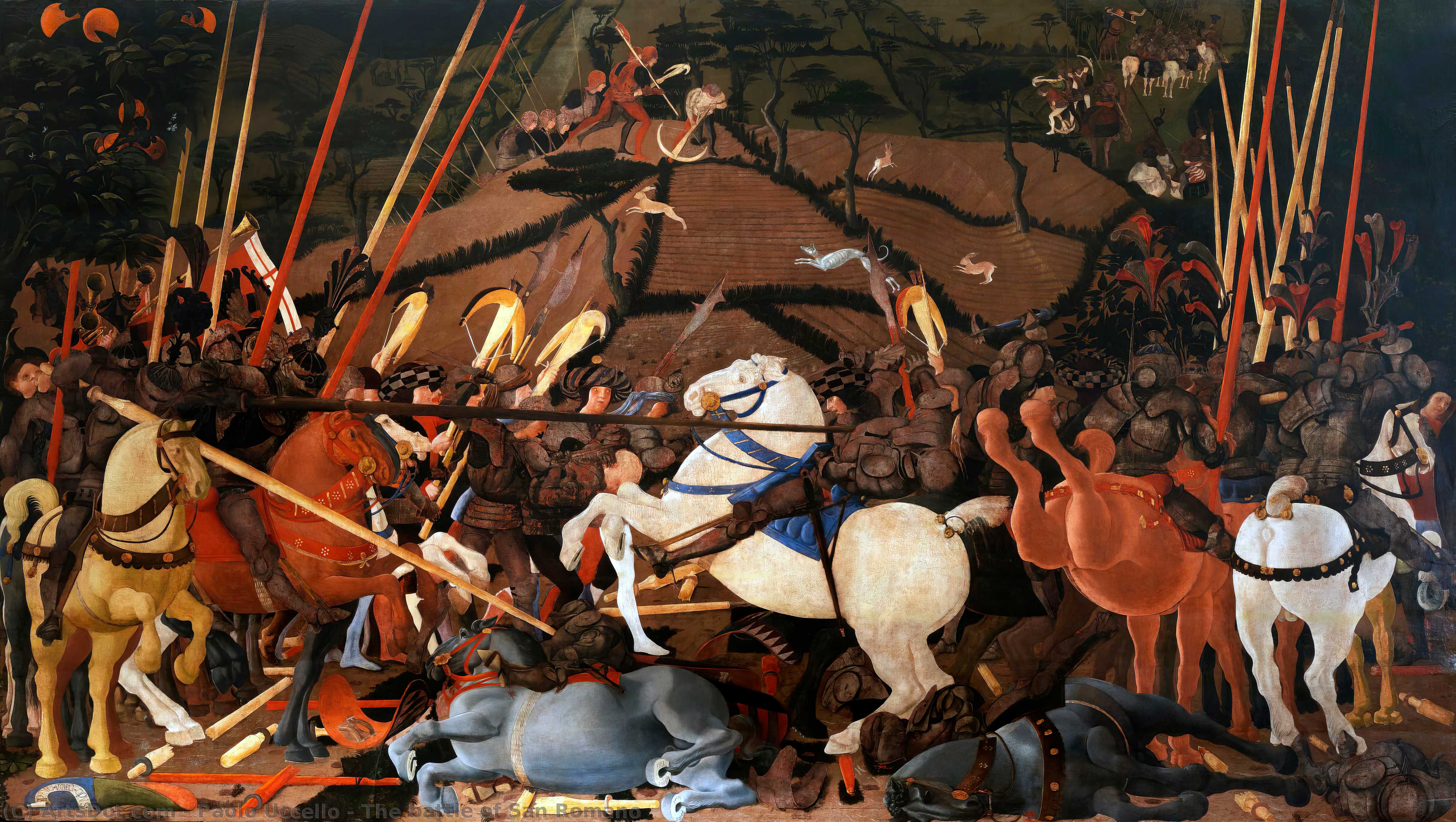
სან რომანოს ბრძოლა (1456) ავტორის: პაოლო უჩელო

სან რომანოს ბრძოლა

1456 · ზეთი პანელზე · უფიციების გალერეა, ფლორენცია

პაოლო უჩელოს "სან რომანოს ბრძოლა" არის გამორჩეული ტილო, რომელიც წარმოადგენს XV საუკუნის ფლორენტული რენესანსის ერთ-ერთ მნიშვნელოვან ნიმუშად. ეს შედევრი, შექმნილი 1456 წელს, აღიწერს 1432 წლის სან რომანოს ბრძოლას, რომელიც ფლორენციელებსა და სიენელებს შორის გაიმართა. უჩელომ გენიალურად გადაცა ამ ომის დრამატიზმი, მოძრაობა და სტიქიური ძალა, რაც მისმა განსაკუთრებული აღქმითი თვალთახედვმა და პერსპექტივის გამოყენებამ განაპირობა. ტილო არა მხოლოდ ისტორიული 사건ის აღწერაა, არამედ მხატვრის ფილოსოფიური აზრების გამოხატულებაც.

2
წმ. გიორგისა და დრაკონის სცენა (1456) ავტორის: პაოლო უჩელო

წმ. გიორგისა და დრაკონის სცენა

1456 · ზეთი პანელზე · ნაციონალური გალერეა, ლონდონი

პაოლო უჩელოს "სწმიმება და დრაკონი" – რენესანსის გულში ამ ნანგრევების მფარველობა ქვეყნდება პატრიციული ფლორენციის ერთ-ერთი უმაღლესი მხატვლის, პაოლო უჩელოს, 1456 წელს შექმნილი "სწმიმება და დრაკონი". ეს ნამუშევარი არა მხოლოდ მოგზაურობს რენესანსის ეპოქაში, არამანც გულში ხვ్రాᆸს მამაცი მოღვაწეობის, đứcებისა და სათნურების ისტორიას. უჩელოს ნამუშევარი არის არა მარტო მხატვრობის ნიმუში, არამედ სიმაგრე, რომელიც გამოხატავს რენესანსის ეპოქის მოტივებს – სიმაღლე, სიღრმე და დინâmica. მხატვრობის ტექნიკა და სტილი უჩელოს ნამუშევარი არის რენესანსის ადრინდელი პერიოდის…

3
სან რომოს ბრძოლა - მიხ-ის phản ứng (1456) ავტორის: პაოლო უჩელო

სან რომოს ბრძოლა - მიხ-ის phản ứng

1456 · ზეთი პანელზე · ლუვრი, პარიზი

პაოლო უჩელოს "სან რომანოს ბრძოლა – მიხელის ප්‍රතිმთხვა" (1456 წწ.) არის არა მხოლოდ მხატვრობის ნიმუში, არამედ ისტორიული მომენტის დამაინათლადად გადაცოფი სურათი. ეს ნაწილი სამი ნაწილობრივი შემოქმედებისგან, რომელიც ასახავს 1432 წელს ფლორენციასა და სიენას შორის მომხந்தრებას. უჩელოს მუშაობს არა მხოლოდ ბრძოლის თავდაჯერებულობის გადასაღები, არამედ რენესანსული სიყვარული სურათის სიღრძისა და დైనამიკასთან მიმართებაში. მისი ნაწილი იმდენად გამორჩეულია, რომ მას ხშირად უწოდებენ "უჩელოს", რაც მისი ცხოვრების ერთ-ერთი მნიშვნელოვანი ასპექტის – ფრინველების შესწავლისთვის ცნობილია. ამ…

4
უჩელო, პაოლო ) (1395) ავტორის: პაოლო უჩელო

უჩელო, პაოლო )

1395 · აკრილი ტილოზე

A Knight’s Valor: Paolo Uccello's Dramatic Battle Scene (c. 1395) This captivating artwork transports viewers to a thrilling moment of medieval conflict – a knight locked in combat with a formidable dragon within the confines of a rocky cave. Painted around 1395, this piece exemplifies Paolo Uccello’s unique artistic vision and mastery of early Renaissance techniques. Subject & Narrative The scene unfolds with dynamic energy. A fully armored knight on…

5
სწაიდე და დრაკონი (1458) ავტორის: პაოლო უჩელო

სწაიდე და დრაკონი

1458 · ზეთი ტილოზე

A Renaissance Vision of Courage: Paolo Uccello’s *St. George and the Dragon* This captivating oil on canvas, measuring 52 x 90 cm and completed in 1458, transports viewers to a world of chivalry, faith, and dramatic confrontation. Paolo Uccello's *St. George and the Dragon* is not merely an illustration of a legendary tale; it’s a masterful display of early Renaissance artistry, blending meticulous detail with innovative perspective. Subject & Narrative…

6
Mary's Presentation in the Temple (1435) ავტორის: პაოლო უჩელო

Mary's Presentation in the Temple

1435 · ფრესკა · დუომოს მუზეუმი, ប្រატო

In the quietude of the Duomo of Prato, Italy, one encounters Mary's Presentation in the Temple. This significant fresco, executed by the artist Paolo Uccello, captures a profound moment of religious narrative through a carefully structured lens. Completed in 1435, the work occupies a substantial space, measuring 335 x 420 cm. It remains a vital part of the cathedral's interior, offering a direct encounter with the Early Renaissance.

7
Creation of Adam (1432) ავტორის: პაოლო უჩელო

Creation of Adam

1432 · Oil On Canvas

Paolo Uccello's *Creation of Adam*, painted in 1432, is more than just a depiction of the biblical narrative; it’s a profound exploration of space, perspective, and the very act of creation itself. Executed as a fresco within the broader context of the Brancacci Chapel frescoes in Florence, this work reveals Uccello's pioneering approach to Renaissance art – a meticulous engagement with mathematical principles applied to the representation of three-dimensional reality…

8
The Vision of Saint Bernard (1485) ავტორის: პაოლო უჩელო

The Vision of Saint Bernard

1485 · აკრილი ტილოზე

A Visionary Encounter: Paolo Uccello’s “The Vision of Saint Bernard” Paolo Uccello's “The Vision of Saint Bernard,” painted around 1485, is not merely a depiction of religious ecstasy; it’s a testament to the artist’s lifelong fascination with perspective, geometry, and the very act of seeing. While several artists tackled this subject – Fra Bartolomeo, Filippino Lippi, and Perugino among them – Uccello's interpretation stands apart for its unique blend of…

9
Bernardino della Ciarda Thrown Off His Horse (1450) ავტორის: პაოლო უჩელო

Bernardino della Ciarda Thrown Off His Horse

1450 · Tempera On Panel · უფიციების გალერეა, ფლორენცია

Bernardino della Ciarda Thrown Off His Horse by Paolo Uccello, dated 1450, captures a decisive moment of conflict during the War of Siena. The work depicts the unhorsing of Bernardino della Ciarda, the leader of the Sienese mercenary troops, amidst a larger battle against Florentine forces. This specific scene functions as a central component of a larger narrative cycle.

10
წინასწარმეტყველის თავი (1443) ავტორის: პაოლო უჩელო

წინასწარმეტყველის თავი

1443 · აკრილი ტილოზე · Duomo, ფლორენცია

რენესანსის დაფიქრების ფანჯარა: პაოლო უჩელოს „წინასწარმეტყველის თავი“ (1443) ეს მომხიბლავი პორტრეტი, შექმნილი 1443 წელს ფლორენტელი დიდოსტატე პაოლო უჩელოს მიერ, გვთავაზობს ღრმად ინტიმურ მინიშნებას ადრეული რენესანსის რელიგიური ხელოვნების სამყაროში. ხშირად იდენტიფიცირებული წმიდა ავგუსტინად, თემა თავისი მშვიდი გამომეტყველებითა და ღირსეული ყოფნით მოიწვიოს წყნარი დაფიქრება – ეს არის უჩელოს უნიკალური მხატვრული ხედვის ნიშანი. სტილი და ტექნიკა: პერსპექტივაში முன்னோდაობა და ნათელი გლაზურება უჩელო ამ პერიოდში პერსპექტივაზე ექსპერიმენტების წინა ხაზზე იყო, და მიუხედავად იმისა, რომ…

პაოლო უჩელო-ის შერჩევა გრძელდება, 11-დან 100-მდე

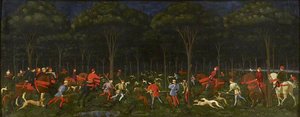
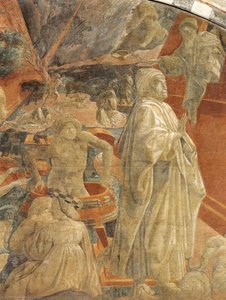
11Პირველ რიგში, პაოლო უჩელოს საფუძمება (1436) ავტორის: პაოლო უჩელოᲞირველ რიგში, პაოლო უჩელოს საფუძمება1436 · Duomo 12მაღარეთა თაყვანისმცემლობა ავტორის: პაოლო უჩელომაღარეთა თაყვანისმცემლობა 13Niccolò Mauruzi da Tolentino at the Battle of San Romano (1438) ავტორის: პაოლო უჩელოNiccolò Mauruzi da Tolentino at the Battle of San Romano1438 14The Hunt in the Forest (1470) ავტორის: პაოლო უჩელოThe Hunt in the Forest1470 · ეშმოლის ხელოვნებისა და არქეოლოგიის მუზეუმი 15Birth Of The Virgin ავტორის: პაოლო უჩელოBirth Of The Virgin 16Equestrian Monument of Sir John Hawkwood (1436) ავტორის: პაოლო უჩელოEquestrian Monument of Sir John Hawkwood1436 17Scene of peace offerings, Noah's drunkenness and shame (1448) ავტორის: პაოლო უჩელოScene of peace offerings, Noah's drunkenness and shame1448 18Battle of San Romano - Bernardino della Ciarda (Detail) ავტორის: პაოლო უჩელოBattle of San Romano - Bernardino della Ciarda (Detail) 19ქალის პორტრეტი (1440) ავტორის: პაოლო უჩელოქალის პორტრეტი1440 · მეტროპოლიტენის ხელოვნების მუზეუმი 20სან ხორჯე ათავისუფლებს პრინცესას ავტორის: პაოლო უჩელოსან ხორჯე ათავისუფლებს პრინცესას 21რწმენა (1435) ავტორის: პაოლო უჩელორწმენა1435 · დუომოს მუზეუმი 22The Adoration of the Magi (1435) ავტორის: პაოლო უჩელოThe Adoration of the Magi1435 23Miracle of the Desecrated Host (Scene 1) (1465) ავტორის: პაოლო უჩელოMiracle of the Desecrated Host (Scene 1)1465 · გალერია ნაციონალე დელე მარკე 24Head of Prophet (1443) ავტორის: პაოლო უჩელოHead of Prophet1443 · Duomo 25Saint George and the Dragon (1470) ავტორის: პაოლო უჩელოSaint George and the Dragon1470 26Miracle of the Desecrated Host (Scene 4) (1465) ავტორის: პაოლო უჩელოMiracle of the Desecrated Host (Scene 4)1465 · გალერია ნაციონალე დელე მარკე 27Perspective Study of Mazzocchio2 ავტორის: პაოლო უჩელოPerspective Study of Mazzocchio2 28The hunt in the forest (left),1468, ashmolean museum ავტორის: პაოლო უჩელოThe hunt in the forest (left),1468, ashmolean museum 29The Hunt in the Forest (1460) ავტორის: პაოლო უჩელოThe Hunt in the Forest1460 · Ashmolean Museum 30Battle of San Romano - Niccolò da Tolentino ავტორის: პაოლო უჩელოBattle of San Romano - Niccolò da Tolentino 31St george and the dragon,1456, nglondon ავტორის: პაოლო უჩელოSt george and the dragon,1456, nglondon 32Ritratto di giovane uomo (1450) ავტორის: პაოლო უჩელოRitratto di giovane uomo1450 33The Adoration of the Child (1463) ავტორის: პაოლო უჩელოThe Adoration of the Child1463 34მრგვალი თავისებურებით (1435) ავტორის: პაოლო უჩელომრგვალი თავისებურებით1435 · დუომოს მუზეუმი 3524 hours clock ავტორის: პაოლო უჩელო24 hours clock 36Head of Prophet (1443) ავტორის: პაოლო უჩელოHead of Prophet1443 · Duomo 37Birth of the Virgin (detail) (1435) ავტორის: პაოლო უჩელოBirth of the Virgin (detail)1435 · დუომოს მუზეუმი 38Saints and two children (1445) ავტორის: პაოლო უჩელოSaints and two children1445 39Procession of re-ordained in a church (1469) ავტორის: პაოლო უჩელოProcession of re-ordained in a church1469 40Triumphal Entry into Rome of Titus and Vespasian (1430) ავტორის: პაოლო უჩელოTriumphal Entry into Rome of Titus and Vespasian1430 · იეილის უნივერსიტეტის სახელოვნებო გალერეა 41Affreschi san miniato al monte 03 ავტორის: პაოლო უჩელოAffreschi san miniato al monte 03 42მიკელეტო და კოტიньоლას ბრძოლაში მონაწილეობა (დეტალი) (1450) ავტორის: პაოლო უჩელომიკელეტო და კოტიньоლას ბრძოლაში მონაწილეობა (დეტალი)1450 · ლუვრი 43Perspective Study of a Chalice ავტორის: პაოლო უჩელოPerspective Study of a Chalice 44Diamond Pointed Sphere ავტორის: პაოლო უჩელოDiamond Pointed Sphere 45Noah's Sacrifice and Noah's Drunkenness (1447) ავტორის: პაოლო უჩელოNoah's Sacrifice and Noah's Drunkenness1447 46Fresco in the cloister of San Miniato al Monte Loggia in Florence (1439) ავტორის: პაოლო უჩელოFresco in the cloister of San Miniato al Monte Loggia in Florence1439 47Adoration of the Child (1437) ავტორის: პაოლო უჩელოAdoration of the Child1437 · Staatliche Kunsthalle Karlsruhe 48Miracle of the Desecrated Host (Scene 3) (1465) ავტორის: პაოლო უჩელოMiracle of the Desecrated Host (Scene 3)1465 · გალერია ნაციონალე დელე მარკე 49Ritratto di donna (1450) ავტორის: პაოლო უჩელოRitratto di donna1450 · მეტროპოლიტენის ხელოვნების მუზეუმი 50Saint Jerome and Saint Dominic (1435) ავტორის: პაოლო უჩელოSaint Jerome and Saint Dominic1435 51The hunt in the forest(right),1468, ashmolean museum ავტორის: პაოლო უჩელოThe hunt in the forest(right),1468, ashmolean museum 52St.Francis (1435) ავტორის: პაოლო უჩელოSt.Francis1435 53Flood and Waters Subsiding (detail) (1447) ავტორის: პაოლო უჩელოFlood and Waters Subsiding (detail)1447 54Birth of Christ (1443) ავტორის: პაოლო უჩელოBirth of Christ1443 · Duomo 55St.Dominic (1435) ავტორის: პაოლო უჩელოSt.Dominic1435 56Scenes of Monastic Life (1440) ავტორის: პაოლო უჩელოScenes of Monastic Life1440 57Madonna (1452) ავტორის: პაოლო უჩელოMadonna1452 58An Angel (detail) (1435) ავტორის: პაოლო უჩელოAn Angel (detail)1435 · San Miniato al Monte 59Two angels and two devils (1469) ავტორის: პაოლო უჩელოTwo angels and two devils1469 60Niccolò da Tolentino Leads the Florentine Troops (detail) (1450) ავტორის: პაოლო უჩელოNiccolò da Tolentino Leads the Florentine Troops (detail)1450 · ნაციონალური გალერეა 61Miracle of the Desecrated Host (Scene 2) (1465) ავტორის: პაოლო უჩელოMiracle of the Desecrated Host (Scene 2)1465 · გალერია ნაციონალე დელე მარკე 62Adoration of the Magi (Quarate predella) (1435) ავტორის: პაოლო უჩელოAdoration of the Magi (Quarate predella)1435 · მუზეო არქივისკოვილე 63Perspective Study (1430) ავტორის: პაოლო უჩელოPerspective Study1430 · უფიციების გალერეა 64Scene of peace offerings, Noah's drunkenness and shame (1448) ავტორის: პაოლო უჩელოScene of peace offerings, Noah's drunkenness and shame1448 65Hope (1435) ავტორის: პაოლო უჩელოHope1435 · დუომოს მუზეუმი 66Perspective Study of Mazzocchio ავტორის: პაოლო უჩელოPerspective Study of Mazzocchio 67The Virgin and Child ავტორის: პაოლო უჩელოThe Virgin and ChildBode Museum 68Scenes of Monastic Life (1440) ავტორის: პაოლო უჩელოScenes of Monastic Life1440 69Episodes of the hermit life (1460) ავტორის: პაოლო უჩელოEpisodes of the hermit life1460 70St John on Patmos (Quarate predella) (1435) ავტორის: პაოლო უჩელოSt John on Patmos (Quarate predella)1435 · მუზეო არქივისკოვილე 71Miracle of the Desecrated Host (Scene 6) (1465) ავტორის: პაოლო უჩელოMiracle of the Desecrated Host (Scene 6)1465 · გალერია ნაციონალე დელე მარკე 72სტეფანის მოკვლევა (1435) ავტორის: პაოლო უჩელოსტეფანის მოკვლევა1435 · დუომოს მუზეუმი 73Sts John and Ansano (Quarate predella) (1435) ავტორის: პაოლო უჩელოSts John and Ansano (Quarate predella)1435 · მუზეო არქივისკოვილე 74Creation of the Animals and Creation of Adam (1432) ავტორის: პაოლო უჩელოCreation of the Animals and Creation of Adam1432 75Crucifixion (1460) ავტორის: პაოლო უჩელოCrucifixion1460 · თისენ-ბორნემიმზას მუზეუმი 76A Young Lady of Fashion (1464) ავტორის: პაოლო უჩელოA Young Lady of Fashion1464 · იზაბელა სტიუარტ გარდნერის მუზეუმი 77St.Paul (1435) ავტორის: პაოლო უჩელოSt.Paul1435 78Creation of Eve and Original Sin (1432) ავტორის: პაოლო უჩელოCreation of Eve and Original Sin1432 79Flood and Waters Subsiding (1447) ავტორის: პაოლო უჩელოFlood and Waters Subsiding1447 80Portrait of man in profile ავტორის: პაოლო უჩელოPortrait of man in profile 81Disputation of St Stephen (1435) ავტორის: პაოლო უჩელოDisputation of St Stephen1435 · დუომოს მუზეუმი 82Scene Temple, Mary (1440) ავტორის: პაოლო უჩელოScene Temple, Mary1440 83Portrait de jeune homme ავტორის: პაოლო უჩელოPortrait de jeune homme 84Birth of the Virgin (1435) ავტორის: პაოლო უჩელოBirth of the Virgin1435 · დუომოს მუზეუმი 85Portrait of a man (1450) ავტორის: პაოლო უჩელოPortrait of a man1450 86Flood and Waters Subsiding (detail) (1447) ავტორის: პაოლო უჩელოFlood and Waters Subsiding (detail)1447 87Perspective Study of Mazzocchio ავტორის: პაოლო უჩელოPerspective Study of Mazzocchio 88Fortitude (1435) ავტორის: პაოლო უჩელოFortitude1435 · დუომოს მუზეუმი 89Bernardino della Ciarda Thrown Off His Horse (detail) (1450) ავტორის: პაოლო უჩელოBernardino della Ciarda Thrown Off His Horse (detail)1450 · უფიციების გალერეა 90Madonna (1452) ავტორის: პაოლო უჩელოMadonna1452 91Miracle of the Desecrated Host (Scene 5) (1465) ავტორის: პაოლო უჩელოMiracle of the Desecrated Host (Scene 5)1465 · გალერია ნაციონალე დელე მარკე 92Five famous men (detail)2 ავტორის: პაოლო უჩელოFive famous men (detail)2 93Adorazione del bambino ავტორის: პაოლო უჩელოAdorazione del bambino 94Bernardino della Ciarda Thrown Off His Horse (detail) (1450) ავტორის: პაოლო უჩელოBernardino della Ciarda Thrown Off His Horse (detail)1450 · უფიციების გალერეა 95Sts Paul, Francis and Jerome (1435) ავტორის: პაოლო უჩელოSts Paul, Francis and Jerome1435 · დუომოს მუზეუმი 96Roundel with Head (1435) ავტორის: პაოლო უჩელოRoundel with Head1435 · Museo dell'Opera del Duomo 97Battle On The Banks Of A River, Probably The Battle Of The Metaurus ავტორის: პაოლო უჩელოBattle On The Banks Of A River, Probably The Battle Of The Metaurus 98Tobias and the Angel ავტორის: პაოლო უჩელოTobias and the Angel 99Funerary monument for giovanni acuto,1436, duomo,fir ავტორის: პაოლო უჩელოFunerary monument for giovanni acuto,1436, duomo,fir 100La bataille de San Romano la contre - Attaque de Micheletto da Cotignola ავტორის: პაოლო უჩელოLa bataille de San Romano la contre - Attaque de Micheletto da Cotignola

პაოლო უჩელო-ის ცნობილი სურათები, პერიოდების მიხედვით

სუბიექტები, რომლებმაც პაოლო უჩელო-ის ყურადღება მიიპყრო

ამ ორიგინალებში ყველაზე ხშირად განმეორებადი არის 네 თემა, რომელთაგან თითოეულს თავისი საუკეთესო ნიმუში წარმოგვიდგება.

მუზეუმები, სადაც პაოლო უჩელო-ის ორიგინალები ინახება

ამ გვერდზე წარმოდგენილი მხატვრობის შედეგების უმეტესობას 8 მუზეუმი ინახავს.

მუზეუმი ქალაქი პაოლო უჩელო შემოქმედებაలు ამ სიიდან მოპოვებული ნახატები
დუომოს მუზეუმი, ប្រატოდუომოს მუზეუმი ប្រატო 10 Mary's Presentation in the Temple, რწმენა, მრგვალი თავისებურებით
გალერია ნაციონალე დელე მარკე, ურბინოგალერია ნაციონალე დელე მარკე ურბინო 7 Miracle of the Desecrated Host (Scene 1), Miracle of the Desecrated Host (Scene 4), Miracle of the Desecrated Host (Scene 3)
Duomo, ფლორენციაDuomo ფლორენცია 7 წინასწარმეტყველის თავი, Პირველ რიგში, პაოლო უჩელოს საფუძمება, Head of Prophet
უფიციების გალერეა, ფლორენციაუფიციების გალერეა ფლორენცია 5 სან რომანოს ბრძოლა, Bernardino della Ciarda Thrown Off His Horse, Perspective Study
მუზეო არქივისკოვილე, ფლორენციამუზეო არქივისკოვილე ფლორენცია 3 Adoration of the Magi (Quarate predella), St John on Patmos (Quarate predella), Sts John and Ansano (Quarate predella)
ნაციონალური გალერეა, ლონდონინაციონალური გალერეა ლონდონი 3 წმ. გიორგისა და დრაკონის სცენა, Niccolò da Tolentino Leads the Florentine Troops (detail)
მეტროპოლიტენის ხელოვნების მუზეუმი, ნიუ-იორკიმეტროპოლიტენის ხელოვნების მუზეუმი ნიუ-იორკი 3 ქალის პორტრეტი, Ritratto di donna
ლუვრი, პარიზილუვრი პარიზი 2 სან რომოს ბრძოლა - მიხ-ის phản ứng, მიკელეტო და კოტიньоლას ბრძოლაში მონაწილეობა (დეტალი)

პაოლო უჩელო ათწლეულების მიხედვით: ორიგინალი, რომელიც განსაზღვრავს თითოეულ მათგანს

ნამუშევრები ათწლეულების მიხედვით

შეარჩიეთ ათწლეული, რათა ნახოთ ის ორიგინალი ნამუშევარი, რომელიც მას განსაზღვრავს.

კოლექციონერთა კითხვები პაოლო უჩელო-ის ნახატებზე

რა ნამუშწარესით არის ყველაზე ცნობილი პაოლო უჩელო?გაამჟღავნეთ პასუხი

სან რომანოს ბრძოლა (1456), უფიციების გალერეა, ფლორენცია. შემდეგ მოდიან წმ. გიორგისა და დრაკონის სცენა (1456) და სან რომოს ბრძოლა - მიხ-ის phản ứng (1456).

რამდენage იყო პაოლო უჩელო, როდესაც შეიქმნა სან რომანოს ბრძოლა?გაამჟღავნეთ პასუხი

59 წლის: სან რომანოს ბრძოლა შექმნილია 1456 წელს, ხოლო პაოლო უჩელო დაიბადა 1397 წელს.

რა არის პაოლო უჩელო-ის 열 иң ცნობილი 열ი ტილო?გაამჟღავნეთ პასუხი

სან რომანოს ბრძოლა, წმ. გიორგისა და დრაკონის სცენა, სან რომოს ბრძოლა - მიხ-ის phản ứng, უჩელო, პაოლო ), სწაიდე და დრაკონი, Mary's Presentation in the Temple, Creation of Adam, The Vision of Saint Bernard, Bernardino della Ciarda Thrown Off His Horse და წინასწარმეტყველის თავი. ზემოთ მოცემული რეიტინგი ასახავს თითოეულის შემოქმედების წელსა და მუზეუმს.

რამდენი სურათი დატოვა პაოლო უჩელო-მა?გაამჟღავნეთ პასუხი

ჩვენს კატალოგში წარმოდგენილია 134 ნამუშწევრი პაოლო უჩელო-ისგან, დათარიღებული 1430-დან 1470-მდე.

რომელ მუზეუმებშია და hangs პაოლო უჩელო-ის შედევრული ნამუშევრები?გაამჟღავნეთ პასუხი

ძირითადად დუომოს მუზეუმი (ប្រატო), გალერია ნაციონალე დელე მარკე (ურბინო) და Duomo (ფლორენცია)-ში. ზემოთ მოცემულ მუზეუმების ცხრილში ისინი ყველა listed.

მათ რომელ წლებში შექმნა პაოლო უჩელო-მა ყველაზე ცნობილი ნამუშევრები?გაამჟღავნეთ პასუხი

1430s-ში: ამ გვერდზე წარმოდგენილი 100 ნამუშწარwerksიდან 30 შეიქმნა მაშინ, მათგან Mary's Presentation in the Temple.

რა არის პაოლო უჩელო-ის პირველი და ბოლო ცნობილი ორიგინალი?გაამჟღავნეთ პასუხი

ამ გვერდზე ყველაზე ადრეული არის Triumphal Entry into Rome of Titus and Vespasian (1430), ხოლო ყველაზე გვიანდელი — The Hunt in the Forest (1470).

რომელ თემებს ირჩევდა პაოლო უჩელო ყველაზე ხშირად?გაამჟღავნეთ პასუხი

Renaissance (36), Renaissance art (22) და Florence (16), ამ გვერდზე წარმოდგენილ 100 ნამუშწარეს შორის.

რომელ ტექნიკას იყენებდა პაოლო უჩელო ყველაზე ხშირად?გაამჟღავნეთ პასუხი

Acrylic On Canvas, ამ გვერდზე არსებული 100 ნამუშწაროსგან 23 ცალიდან.

რა ხელოვნების მიმართულებას მიეკუთვნება პაოლო უჩელო?გაამჟღავნეთ პასუხი

Ადრეული რენესანსი, ამ გვერდზე წარმოდგენილი ორიგინალების მიხედვით.

პაოლო უჩელო-ის რომელ ნამუშევრებს ჰქ나 დუომოს მუზეუმი-ში?გაამჟღავნეთ პასუხი

Mary's Presentation in the Temple, რწმენა და მრგვალი თავისებურებით: დუომოს მუზეუმი, ប្រატო-ში წარმოდგენილია ამ გვერდზე მოცემული ნამუშევრების 10 ცალი.

პაოლო უჩელო: ცხოვრება და შემოქმედება

Early Life, Family and Training

Born Paolo di Dono in 1397, Paolo Uccello emerged from a background that blended practical skill with social standing. His upbringing in Pratovecchio, Italy, was shaped by the diverse influences of his parents. His father, Dono di Paolo, worked as a barber-surgeon, a profession requiring steady hands and a precise understanding of the human form. In contrast, his mother, Antonia, brought the refinement of a Florentine noble family to his household. This intersection of the medicinal and the aristocratic provided a unique foundation for a man who would eventually seek to map the very geometry of sight.

His formal artistic education began in earnest between 1412 and 1416, when he served as an apprentice to Lorenzo Ghiberti. Working within Ghiberti's workshop, he was exposed to the high standards of Florentine craftsmanship and the intricate narrative traditions of the era. This period of training was essential in transitioning his innate curiosity into a disciplined technical practice. By 1414, his professional standing was formalized when he was admitted to the painters' guild, Compagnia di San Luca. A year later, in 1415, he joined the Arte dei Medici e degli Speziali, further cementing his place within the professional structures of Florence.

By the time he was earning his own living as a painter around 1424, the foundations of his idiosyncratic style were already set. His early years were less about finding a voice and more about mastering the tools of his trade, moving from the workshop of a master to the official guilds of a growing Renaissance city.

Technique and Mathematical Style

Uccello was as much a mathematician as he was a painter. His work moved away from the flat, decorative traditions of his predecessors, seeking instead to master the mechanics of sight. By applying a scientific method to the canvas, he attempted to translate the complexities of three-dimensional space into a two-dimensional plane. This was not a pursuit of mere decoration, but a rigorous investigation into how objects occupy volume and distance. He used perspective to construct a sense of depth, creating an illusion of space that felt tangible to the viewer.

This obsession with spatial logic was often all-consuming. He was known to stay awake through the night, lost in the quiet intensity of his studies, attempting to grasp the exact placement of a vanishing point. Such dedication to the mathematical underpinnings of perception gave his work an idiosyncratic quality. He did not follow a standard school of thought; instead, he forged a path that blended the decorative elegance of the late Gothic style with a modern, almost clinical, interest in geometry. His compositions often felt structured by an invisible, mathematical order, where every line served the purpose of defining space.

Key Works and Masterpieces

The most recognized of his contributions is the series of three panels representing the Battle of San Romano. These works capture a sense of movement through fragmented armor and foreshortened lances, all organized by his rigorous mathematical approach to space. His ability to structure complex narratives within a calculated perspective is evident in these depictions of conflict. He applied similar spatial logic to religious subjects, such as the Birth of the Virgin, where he sought to create a convincing illusion of depth within a shallow setting.

His interest in the intersection of art and science is perhaps most clearly seen in the Clock with Heads of Prophets. This monumental fresco in the Duomo in Florence functions as a celestial map, using a dark sphere to represent the cosmos and encircling it with Roman numerals and astrological signs. It reflects a mind preoccupied with the ordered universe and the precision of time. This intellectual rigor extended to his more somber religious compositions, including the Crucifixion and the Resurrection of Christ. In these works, the tension between decorative tradition and the new pursuit of three-dimensional reality remains a constant presence.

Legacy and Influence on Art

Uccello’s impact on the trajectory of Western art is found in his rigorous investigation of spatial logic. By treating the canvas as a mathematical problem, he provided a blueprint for the next generation of thinkers. His experiments with the illusion of depth and the mechanics of sight offered a new vocabulary to luminaries such as Piero della Francesca, Leonardo da Vinci, and Albrecht Dürer. These artists would continue to refine the very principles of perspective that Uccello pursued with such singular intensity.

His influence was not a matter of establishing a formal school or a group of disciples. He remained an idiosyncratic figure, a man whose specific blend of Gothic elegance and mathematical obsession did not spawn a direct lineage of imitators. Instead, his contribution was more structural. He helped shift the focus of painting from decorative storytelling toward a systematic understanding of how objects occupy three-dimensional space. This shift helped secure his position as a central figure in the development of Renaissance visual language.

Even as the centuries passed, his preoccupation with form and geometry continued to resonate. His work found unexpected echoes in the twentieth century, proving that his interest in the underlying geometry of reality possessed a lasting relevance. He remains a figure of transition, bridging the gap between the ornamental traditions of the past and the scientific precision of the modern era.

Where to See His Works Today

To encounter the physical remnants of Uccello’s spatial experiments, one must travel across the major cultural centers of Europe and beyond. In Florence, his presence remains deeply integrated into the city's architecture. The Clock with Heads of Prophets remains fixed within the Duomo, a celestial arrangement of geometry and symbolism. Nearby, the Galleria degli Uffizi holds the Battle of San Romano, a work that captures the frantic energy of conflict through a lens of calculated depth.

His reach extends into the great collections of the United Kingdom and the Americas. The National Gallery in London preserves Saint George and the Dragon, while the Ashmolean Museum in Oxford houses The Hunt in the Forest. In the United States, the Metropolitan Museum of Art in New York maintains a Portrait of a Woman, offering a glimpse into the more intimate, human side of his practice. Meanwhile, the Thyssen-Bornemisza Museum in Madrid holds the Crocifissione, a piece that reflects his ability to navigate the transition between late Gothic traditions and the emerging Renaissance style.