ნიკოლა პუსენი პორტრეტი

ნიკოლა პუსენი-ის ნახატები: 100 ყველაზე ცნობილი ნამუშევარი, গალერეის თcraftით

განახლდა ოქტომბერი 2026 · დალაგებულია ჩვენი პოპულარობის ქულების მიხედვით (ძიება, ნახვა და შეკვეთები თითოეული ნამუშწაროსთვის) · 412 ნამუშევარი ნიკოლა პუსენი ჩვენს კატალოგში

მოკლედ რომ ვთქვათ

გალერეის შეხედულებით, ნიკოლა პუსენი-ის ყველაზე ცნობილი ნამუშწაროა Et in Arcadia Ego (1637), რომლის ორიგინალი ლუვრი-ში, პარიზი-ში hangs. The Slaughter of the Innocents და ცეკვა დროის მუსიკაზე (1638) ქმნიან იმ ტრიოს, რომელიც ყველამ იცნობს. ჩვენს კატალოგში არსებული ნიკოლა პუსენი-ის 412 ნამუშწაროდან, გალერეა ქვემოთ წარმოგიდგენთ 100 ყველაზე ცნობილ მათგანს; თითოეული მათგანი არის ორიგინალი, რომლის აღწერა მოიცავს შემოქმედების წელს, მუზეუმს და იმ დეტალებს, რაც მას უნიკალურს ხდის.

1594 – 1665, ლევრე Ბაროკო ყველაზე მეტი ნამشევრი: ლუვრი

გალერეის ნიკოლა პუსენი 10 საუკეთესო ნამი에도

1
Et in Arcadia Ego (1637) ავტორის: ნიკოლა პუსენი

Et in Arcadia Ego

1637 · ზეთი ტილოზე · ლუვრი, პარიზი

Et in Arcadia Ego: A Baroque Meditation on Mortality and Beauty Nicolas Poussin’s “Et in Arcadia Ego” – Latin for “Even in Arcadia, there am I” – is not merely a painting; it's an invitation to contemplate the profound intersection of beauty, mortality, and the enduring human spirit. Completed in 1637 during his intensely personal late period, this masterpiece housed within the hallowed halls of the Musée du Louvre in…

2
The Slaughter of the Innocents ავტორის: ნიკოლა პუსენი

The Slaughter of the Innocents

Acrylic On Canvas · გრანდ პალასი, Paris

Nicolas Poussin’s *The Slaughter of the Innocents*, completed around 1628–1629, stands as a cornerstone of French Baroque painting and a profound exploration of biblical narrative rendered with unparalleled clarity and intellectual rigor. Commissioned by Vincenzo Giustiniani for his opulent palazzo in Rome—a testament to the burgeoning patronage of classical ideals amidst the turbulent religious fervor of the era—the canvas transcends mere depiction; it embodies a carefully constructed visual argument rooted…

3
ცეკვა დროის მუსიკაზე (1638) ავტორის: ნიკოლა პუსენი

ცეკვა დროის მუსიკაზე

1638 · ზეთი ტილოზე · Wallace Collection, ლონდონი

A Dance Through Time: Poussin’s Masterpiece Unveiled Nicolas Poussin's "Dance to the Music of Time," painted in 1638, isn’t merely a depiction of a festive gathering; it’s an intricate allegory woven with threads of classical philosophy, Renaissance ideals, and a profound meditation on the human condition. Initially commissioned by Cardinal Giulio Rospigliosi – later Pope Clement IX – the painting quickly transcended its initial purpose to become one of the…

4
საბინელთა გატაცება (1637) ავტორის: ნიკოლა პუსენი

საბინელთა გატაცება

1637 · ზეთი ტილოზე · ლუვრი, პარიზი

ნიკოლა პუსანის "საბინელე ქალების გატაცება" (1637 წელი) არის ძლიერი და გამაოგნებელი აღწერა რომაისტორიის ერთ-ერთი ყველაზე ტრაგიკული მოვლენისა. ეს ტილო ასახავს მომენტს, როდესაც რომულუსმა, რომისმაგუმ, მოაწყო საბინელე ქალების აბdukცია, რათა უზრუნველყო მისი ქალაქის გადარჩენა და განვითარება. ეს ლეგენდარულ 사건ი, რომელიც სავსეა ისტორიული სიმშვიდობით და მითოლოგიური ელფებით, პოპულარული თემა იყო რენესანსისა და ბაროკოს მხატვრებისთვის, რაც სიმბოლოა ახალი საზოგადოების მშენებლელობაში არსებული როგორც სასტიკებისა, ისე აუცილებლობის. პუსანის ეს ნაწილი არა მხოლოდ ისტორიული მოვლენის აღწერაა,…

5
რომის გზა (1648) ავტორის: ნიკოლა პუსენი

რომის გზა

1648 · ზეთი ტილოზე · Dulwich Picture Gallery, ლონდონი

უზებღამიანი პასტორალური ხედი ნიკოლა პუსინის „რომის გზა“ არის შედევრული პეიზაჟური ტილო, რომელიც საუკუნის მე-17 სოფლის ცხოვრების მშვიდობიან სილამაზეს ასახავს. ეს დახვეწილი ნამუშევარი მაყურებელს მშვიდ სამყაროში ეპატიჟება, სადაც ბუნება და ადამიანური საქმიანობა ჰარმონიულად თანაარსებობს. დახვეწილი გზა, ხეები, შენობები და ყოველდღიური საქმეებით დაკავებული ფიგურები ქმნიან სიმშვიდისა და მარადიულობის განცდას, რაც ამ ნამუშევარს ნებისმიერი ხელოვნების კოლექციისა თუ ინტერიერისთვის მომხიბვლელ და ძვირფას დანამატს ხდის. კლასიკური ბაროკოს ელეგანტურობა პუსინის კლასიკური ბაროკოს სტილი აშკარა არის ტილოს…

6
მოეტის საოცრება (1630) ავტორის: ნიკოლა პუსენი

მოეტის საოცრება

1630 · ზეთი ტილოზე · ლუვრი, პარიზი

The Poet’s Inspiration – A Symphony of Light and Myth Nicolas Poussin's *The Poet’s Inspiration* (182 x 213 cm), painted in 1630, stands as a cornerstone of Classical Baroque art—a testament to Nicolas Poussin’s unwavering devotion to the ideals of antiquity while simultaneously embracing the dramatic expressive power characteristic of his era. More than merely visually arresting, this monumental canvas delves into profound themes of creativity, divine influence, and the…

7
ოქროს მსხვერპლისათვის თაყვანისმცემლობა (1634) ავტორის: ნიკოლა პუსენი

ოქროს მსხვერპლისათვის თაყვანისმცემლობა

1634 · ზეთი ტილოზე · ნაციონალური გალერეა, ლონდონი

Captivating Subject and Rich Symbolism This powerful masterpiece vividly depicts the biblical scene of the worship of the Golden Calf, a moment of societal chaos and spiritual deviation from the Book of Exodus. Central to the composition is the majestic golden calf, elevated on a pedestal, surrounded by a bustling crowd engaged in fervent adoration and ritualistic dance. The scene captures a moment of collective devotion intertwined with societal distraction,…

8
ექო და ნარცისი (1628) ავტორის: ნიკოლა პუსენი

ექო და ნარცისი

1628 · ზეთი ტილოზე · ლუვრი, პარიზი

ნიკოლა პუსენის ექო და ნარცისი, რომელიც დასრულდა 1627-1628 წლებში, კლასიკური ფრანგული ბაროკოს მოდელურად stands as a cornerstone — ის წარმოადგენს ფრანგული კლასიკური ბაროკოს ქვაკუთხედს და მისი შემოქმედების დასტუდარს, რაც მოწმობს მხატვრის ურყევ ერთგულებას იდეალიზებული სილამაზისადმი და მითოლოგიური ნარატივების ღრმა გააზრებისადმი. ეს ტილო მხოლოდ ბერძნული მითოლოგიის ცნობილი ამბის აღწერა არ არის; იგი ასახავს ისეთ რთულ თემებს, როგორიცაა სურვილი, უარყოფა, მოგონება და, საბოლოო ჯამში, მწუხარება.

9
შემოდგომა (დაპირებული ქვეყნის আঙვებით მოსული ჯაშუშები) (1664) ავტორის: ნიკოლა პუსენი

შემოდგომა (დაპირებული ქვეყნის আঙვებით მოსული ჯაშუშები)

1664 · ზეთი ტილოზე

A Pastoral Vision of Discovery: Nicolas Poussin’s *Autumn (The Spies with the Grapes of the Promised Land)* Nicolas Poussin's *Autumn (The Spies with the Grapes of the Promised Land)*, completed in 1664, is a cornerstone of his celebrated series, The Four Seasons, commissioned by the Duc de Richelieu. This oil on canvas masterpiece (118 x 160 cm) resides within the esteemed collection of the Louvre Museum in Paris and exemplifies…

10
წმინდა სესილია (1627) ავტორის: ნიკოლა პუსენი

წმინდა სესილია

1627 · აკრილი ტილოზე · პრადოს მუზეუმი, მადრიდი

ნიკოლა პუსენის წმინდა სესილია მომხიბლავი ტილოა, რომელიც მხატვრის ოსტატობას წარმოაჩენს კლასიკური თემების არსის ელეგანტურობითა და სიმშვიდით გადმოცემის ხელოვნებაში. ეს ნამუშევარი, შექმნილი 1627 წელს, მსოფლიოს ერთ-ერთ ყველაზე პრესტიჟულ მუზეუმს — ესპანეთში, მადრიდში მდებარე პრადოს მუზეუმს ეკუთვნის.

ნიკოლა პუსენი-ის ნახატები, რეიტინგით 11-დან 100-მდე

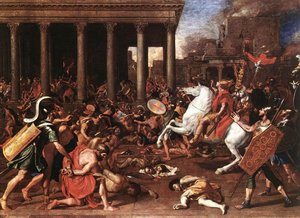
11ესაი ნიკეთში ბრმა ადამიანების განკურნება ავტორის: ნიკოლა პუსენიესაი ნიკეთში ბრმა ადამიანების განკურნება 12შემოდგომა (1660) ავტორის: ნიკოლა პუსენიშემოდგომა1660 · ლუვრი 13საბინელ ქალთა გაუპირავება (1634) ავტორის: ნიკოლა პუსენისაბინელ ქალთა გაუპირავება1634 · მეტროპოლიტენის ხელოვნების მუზეუმი 14Marriage (1638) ავტორის: ნიკოლა პუსენიMarriage1638 · შოტლანდიის ეროვნული გალერეა 15ბაქხუსის გამარჯობა (1636) ავტორის: ნიკოლა პუსენიბაქხუსის გამარჯობა1636 · Nelson-Atkins Museum of Art 16ქალწულის აღება ცაში (1650) ავტორის: ნიკოლა პუსენიქალწულის აღება ცაში1650 · ლუვრი 17სატირების მიერ გაღვიძებული მძინარე ვენერა (1625) ავტორის: ნიკოლა პუსენისატირების მიერ გაღვიძებული მძინარე ვენერა1625 · Kunsthaus Zürich 18Venus, Mother of Aeneas, presenting him with Arms forged by Vulcan" (1637) ავტორის: ნიკოლა პუსენიVenus, Mother of Aeneas, presenting him with Arms forged by Vulcan"1637 · Art Gallery of Ontario 19მანას შეგროვება (1637) ავტორის: ნიკოლა პუსენიმანას შეგროვება1637 · ლუვრი 20არკადიელი პასტორები (Et in Arcadia Ego) - (1638) ავტორის: ნიკოლა პუსენიარკადიელი პასტორები (Et in Arcadia Ego) -1638 21The Funeral of Phocion, National Museum of Wal (1648) ავტორის: ნიკოლა პუსენიThe Funeral of Phocion, National Museum of Wal1648 22სკიპიონის კეთილმსახურება (1640) ავტორის: ნიკოლა პუსენისკიპიონის კეთილმსახურება1640 · პუშკინის სახელმწიფო ხელოვნების მუზეუმი 23Landscape with the Gathering of the Ashes of Phocion by his Widow (1648) ავტორის: ნიკოლა პუსენიLandscape with the Gathering of the Ashes of Phocion by his Widow1648 · Walker Art Gallery 24Venus Presenting Arms to Aeneas (1639) ავტორის: ნიკოლა პუსენიVenus Presenting Arms to Aeneas1639 · რუანის ხელოვნების მუზეუმი 25Rape of the Sabine Women (1638) ავტორის: ნიკოლა პუსენიRape of the Sabine Women1638 26ბაქუსის লালყოფა (1630) ავტორის: ნიკოლა პუსენიბაქუსის লালყოფა1630 · კონდეს მუზეუმი 27წმინდა პავლეს ექსტაზი (1643) ავტორის: ნიკოლა პუსენიწმინდა პავლეს ექსტაზი1643 · John and Mable Ringling Museum of Art 28გედეონის ბრძოლა მიდიანელების წინააღმდეგ (1626) ავტორის: ნიკოლა პუსენიგედეონის ბრძოლა მიდიანელების წინააღმდეგ1626 29ბაქოს გამოკვება (დეტალი) (1630) ავტორის: ნიკოლა პუსენიბაქოს გამოკვება (დეტალი)1630 · ლუვრი 30პეიზაჟი დიოგენესით (1647) ავტორის: ნიკოლა პუსენიპეიზაჟი დიოგენესით1647 · ლუვრი 31The Inspiration of the Poet, Musée du Louvr (1638) ავტორის: ნიკოლა პუსენიThe Inspiration of the Poet, Musée du Louvr1638 32Confirmation (1645) ავტორის: ნიკოლა პუსენიConfirmation1645 33The Holy Family with St. Elizabeth and John the Baptist (1655) ავტორის: ნიკოლა პუსენიThe Holy Family with St. Elizabeth and John the Baptist1655 · ერმიტაჟის მუზეუმი 34Death of the Virgin (1623) ავტორის: ნიკოლა პუსენიDeath of the Virgin1623 35Venus and Adonis (1628) ავტორის: ნიკოლა პუსენიVenus and Adonis1628 · Rhode Island School of Design Museum of Art 36Apollo and Daphne (1625) ავტორის: ნიკოლა პუსენიApollo and Daphne1625 37მთვრი (მტვრი) (1664) ავტორის: ნიკოლა პუსენიმთვრი (მტვრი)1664 38შვიდი საიდუმლო, ევქარისტი ავტორის: ნიკოლა პუსენიშვიდი საიდუმლო, ევქარისტიშოტლანდიის ეროვნული გალერეა 39წმინდა პავლეს ექსტაზი (1643) ავტორის: ნიკოლა პუსენიწმინდა პავლეს ექსტაზი1643 · ლუვრი 40The Agony in the Garden (1626) ავტორის: ნიკოლა პუსენიThe Agony in the Garden1626 · მეტროპოლიტენის ხელოვნების მუზეუმი 41Stormy Landscape with Pyramus and Thisbe (1651) ავტორის: ნიკოლა პუსენიStormy Landscape with Pyramus and Thisbe1651 · შტადელის ხელოვნების ინსტიტუტი და ქალაქის გალერეა 42Choice of Hercules (1636) ავტორის: ნიკოლა პუსენიChoice of Hercules1636 43Sleeping Venus, surprised by Satyr (1626) ავტორის: ნიკოლა პუსენიSleeping Venus, surprised by Satyr1626 · Kunsthaus Zürich 44The Seven Sacraments, Marriage ავტორის: ნიკოლა პუსენიThe Seven Sacraments, Marriage 45Bacchanal before a Statue of Pan (1633) ავტორის: ნიკოლა პუსენიBacchanal before a Statue of Pan1633 46And in Arcadia I am (1640) ავტორის: ნიკოლა პუსენიAnd in Arcadia I am1640 47ბაკხოს გამოკვება (1626) ავტორის: ნიკოლა პუსენიბაკხოს გამოკვება1626 · ნაციონალური გალერეა 48ხედი გეოგრაფიული პეიზაჟით, სადაც კაცი გველისგან შეშინებულია (1633) ავტორის: ნიკოლა პუსენიხედი გეოგრაფიული პეიზაჟით, სადაც კაცი გველისგან შეშინებულია1633 · მონრეალის fine arts მუზეუმი 49Apollo and Daphne (1626) ავტორის: ნიკოლა პუსენიApollo and Daphne1626 50ნეპტუნის ტრიუმფი (დეტალი) (1634) ავტორის: ნიკოლა პუსენინეპტუნის ტრიუმფი (დეტალი)1634 · ფილადელფიის ხელოვნების მუზეუმი 51The Infant Jupiter Nurtured by the Goat Amalthea (1638) ავტორის: ნიკოლა პუსენიThe Infant Jupiter Nurtured by the Goat Amalthea1638 · ბერლინის შტატული მუზეუმები 52Triumph of Neptune and Amphitrite (1634) ავტორის: ნიკოლა პუსენიTriumph of Neptune and Amphitrite1634 · ფილადელფიის ხელოვნების მუზეუმი 53Helios and Phaeton with Saturn and the Four Seasons (1635) ავტორის: ნიკოლა პუსენიHelios and Phaeton with Saturn and the Four Seasons1635 · Gemäldegalerie 54Landscape with a Calm (Un Tem[p]s calme et serein) (1651) ავტორის: ნიკოლა პუსენიLandscape with a Calm (Un Tem[p]s calme et serein)1651 · ჟან პოლ გეტის მუზეუმი 55წმინდა ოჯახი წმინდა იოანესთან ერთად (1627) ავტორის: ნიკოლა პუსენიწმინდა ოჯახი წმინდა იოანესთან ერთად1627 · ტოლედოს ხელოვნების მუზეუმი 56იოსების გამარჯვება ამორაელებზე (1625) ავტორის: ნიკოლა პუსენიიოსების გამარჯვება ამორაელებზე1625 · პუშკინის სახელმწიფო ხელოვნების მუზეუმი 57მოშე და ცეცხლიანი ბუჩხი (1641) ავტორის: ნიკოლა პუსენიმოშე და ცეცხლიანი ბუჩხი1641 · Statens Museum For Kunst 58Shepherds of Arcadia (1627) ავტორის: ნიკოლა პუსენიShepherds of Arcadia1627 59Venus Weeping over Adonis (1625) ავტორის: ნიკოლა პუსენიVenus Weeping over Adonis1625 60წმინდა ოჯახი საფეხურებზე (1648) ავტორის: ნიკოლა პუსენიწმინდა ოჯახი საფეხურებზე1648 · National Gallery of Art 61იბგესადგმელთა თაყვანისცემა (1633) ავტორის: ნიკოლა პუსენიიბგესადგმელთა თაყვანისცემა1633 · Gemäldegalerie 62The Holy Family (1641) ავტორის: ნიკოლა პუსენიThe Holy Family1641 · დეტროიტის ხელოვნების ინსტიტუტი 63Strormy Landscape with Pyramus and Thisbe (1651) ავტორის: ნიკოლა პუსენიStrormy Landscape with Pyramus and Thisbe1651 · შტადელის ხელოვნების ინსტიტუტი და ქალაქის გალერეა 64ფლორას იმპერია (1631) ავტორის: ნიკოლა პუსენიფლორას იმპერია1631 · Gemäldegalerie 65სელენე და ენდიმიონი (1630) ავტორის: ნიკოლა პუსენისელენე და ენდიმიონი1630 · დეტროიტის ხელოვნების ინსტიტუტი 66მწყემსის თაყვანისცემა (1653) ავტორის: ნიკოლა პუსენიმწყემსის თაყვანისცემა1653 · იეილის უნივერსიტეტის სახელოვნებო გალერეა 67ფარაონის ქალი პატარა მოსეს პოულობს (1638) ავტორის: ნიკოლა პუსენიფარაონის ქალი პატარა მოსეს პოულობს1638 · ლუვრი 68დამარცხებული დავითი (1627) ავტორის: ნიკოლა პუსენიდამარცხებული დავითი1627 · Dulwich Picture Gallery 69Andrians or The Great Bacchanal with Woman Playing a Lute ავტორის: ნიკოლა პუსენიAndrians or The Great Bacchanal with Woman Playing a Lute 70Hagar and the Angel (1660) ავტორის: ნიკოლა პუსენიHagar and the Angel1660 · Galleria Nazional d Art Antica 71ფლორას ტრიუმფი (1631) ავტორის: ნიკოლა პუსენიფლორას ტრიუმფი1631 · ლუვრი 72მარსი და ვენერა (1634) ავტორის: ნიკოლა პუსენიმარსი და ვენერა1634 · ტოლედოს ხელოვნების მუზეუმი 73ჯვრიდან ჩამოსხმა (1630) ავტორის: ნიკოლა პუსენიჯვრიდან ჩამოსხმა1630 · ერმიტაჟის მუზეუმი 74The Destruction of the Temple at Jerusalem (1637) ავტორის: ნიკოლა პუსენიThe Destruction of the Temple at Jerusalem1637 · კუნსტისტორიშეს მუზეუმი 75ეოდამიდასის აღსარება (1653) ავტორის: ნიკოლა პუსენიეოდამიდასის აღსარება1653 · Statens Museum For Kunst 76ავტოპორტრეტი1 ავტორის: ნიკოლა პუსენიავტოპორტრეტი1 77The Confirmation (1649) ავტორის: ნიკოლა პუსენიThe Confirmation1649 78ასდოდის ჭირი - დეტალი ავტორის: ნიკოლა პუსენიასდოდის ჭირი - დეტალილუვრი 79ბაქოს გამოკვება (1635) ავტორის: ნიკოლა პუსენიბაქოს გამოკვება1635 · ლუვრი 80Rinaldo and armida dulwich gallery london (1629) ავტორის: ნიკოლა პუსენიRinaldo and armida dulwich gallery london1629 81ქალწულის აღლევა (1630) ავტორის: ნიკოლა პუსენიქალწულის აღლევა1630 · National Gallery of Art 82Hagar and the Angel (1650) ავტორის: ნიკოლა პუსენიHagar and the Angel1650 83Blind Orion Searching for the Rising Sun (1658) ავტორის: ნიკოლა პუსენიBlind Orion Searching for the Rising Sun1658 84The Flight into Egypt (1657) ავტორის: ნიკოლა პუსენიThe Flight into Egypt1657 · Museum of Fine Arts of Lyon 85Acis and Galatea (1630) ავტორის: ნიკოლა პუსენიAcis and Galatea1630 · National Gallery of Ireland 86The Baptism of Christ. (1645) ავტორის: ნიკოლა პუსენიThe Baptism of Christ.1645 87The Judgement of Solomon (1648) ავტორის: ნიკოლა პუსენიThe Judgement of Solomon1648 88Landscape with orpheus and eurydice ავტორის: ნიკოლა პუსენიLandscape with orpheus and eurydice 89ბાળშვილი იუპიტერი, რომელსაც თხა ამალთეა კვებავს (1638) ავტორის: ნიკოლა პუსენიბાળშვილი იუპიტერი, რომელსაც თხა ამალთეა კვებავს1638 · Dulwich Picture Gallery 90პეიზაჟი წმინდა მათესა და ანგელოზით (1645) ავტორის: ნიკოლა პუსენიპეიზაჟი წმინდა მათესა და ანგელოზით1645 · ბერლინის შტატული მუზეუმები 91უდანაშாவლოების მკვლელობა ავტორის: ნიკოლა პუსენიუდანაშாவლოების მკვლელობაპატარა პალატა 92The Sacrament of Ordination (Christ Presenting the Keys to Saint Peter) (1636) ავტორის: ნიკოლა პუსენიThe Sacrament of Ordination (Christ Presenting the Keys to Saint Peter)1636 · კიმბელის ხელოვნების მუზეუმი 93Spring (The Earthly Paradise) (1664) ავტორის: ნიკოლა პუსენიSpring (The Earthly Paradise)1664 94The Ashes of Phocion collected by his Widow (1648) ავტორის: ნიკოლა პუსენიThe Ashes of Phocion collected by his Widow1648 95წმინდა პავლეს ხილვა (1650) ავტორის: ნიკოლა პუსენიწმინდა პავლეს ხილვა1650 96საფირას სიკვდილი (1656) ავტორის: ნიკოლა პუსენისაფირას სიკვდილი1656 97The Virgin of the Pillar Appearing to St. James the Greater (1628) ავტორის: ნიკოლა პუსენიThe Virgin of the Pillar Appearing to St. James the Greater1628 · ლუვრი 98The Holy Family with Saint John the Baptist (1627) ავტორის: ნიკოლა პუსენიThe Holy Family with Saint John the Baptist1627 · მეტროპოლიტენის ხელოვნების მუზეუმი 99The Death of Germanicus, Minneapolis Institute (1627) ავტორის: ნიკოლა პუსენიThe Death of Germanicus, Minneapolis Institute1627 100Sleeping Venus and Cupid (1630) ავტორის: ნიკოლა პუსენიSleeping Venus and Cupid1630

ნიკოლა პუსენი-ის ცნობილი სურათები, პერიოდების მიხედვით

სუბიექტები, რომლებმაც ნიკოლა პუსენი-ის ყურადღება მიიპყრო

ამ ორიგინალებში ყველაზე ხშირად განმეორებადი არის 네 თემა, რომელთაგან თითოეულს თავისი საუკეთესო ნიმუში წარმოგვიდგება.

მუზეუმები, სადაც ნიკოლა პუსენი-ის ორიგინალები ინახება

ამ გვერდზე წარმოდგენილი მხატვრობის შედეგების უმეტესობას 8 მუზეუმი ინახავს.

მუზეუმი ქალაქი ნიკოლა პუსენი შემოქმედებაలు ამ სიიდან მოპოვებული ნახატები
ლუვრი, პარიზილუვრი პარიზი 30 Et in Arcadia Ego, საბინელთა გატაცება, მოეტის საოცრება
Dulwich Picture Gallery, ლონდონიDulwich Picture Gallery ლონდონი 9 რომის გზა, დამარცხებული დავითი, ბાળშვილი იუპიტერი, რომელსაც თხა ამალთეა კვებავს
მეტროპოლიტენის ხელოვნების მუზეუმი, ნიუ-იორკიმეტროპოლიტენის ხელოვნების მუზეუმი ნიუ-იორკი 8 საბინელ ქალთა გაუპირავება, The Agony in the Garden, The Holy Family with Saint John the Baptist
ნაციონალური გალერეა, ლონდონინაციონალური გალერეა ლონდონი 14 ოქროს მსხვერპლისათვის თაყვანისმცემლობა, ბაკხოს გამოკვება
ერმიტაჟის მუზეუმი, სან-პეტერბურგიერმიტაჟის მუზეუმი სან-პეტერბურგი 12 The Holy Family with St. Elizabeth and John the Baptist, ჯვრიდან ჩამოსხმა
შოტლანდიის ეროვნული გალერეა, ედინბურგიშოტლანდიის ეროვნული გალერეა ედინბურგი 9 Marriage, შვიდი საიდუმლო, ევქარისტი
პუშკინის სახელმწიფო ხელოვნების მუზეუმი, მოსკოვიპუშკინის სახელმწიფო ხელოვნების მუზეუმი მოსკოვი 6 სკიპიონის კეთილმსახურება, იოსების გამარჯვება ამორაელებზე
ფილადელფიის ხელოვნების მუზეუმი, ფილადელფიაფილადელფიის ხელოვნების მუზეუმი ფილადელფია 6 ნეპტუნის ტრიუმფი (დეტალი), Triumph of Neptune and Amphitrite

ნიკოლა პუსენი, ერთი ავთენტური ნამუშწარები ათწლეულში

ნამუშევრები ათწლეულების მიხედვით

შეარჩიეთ ათწლეული, რათა ნახოთ ის ორიგინალი ნამუშევარი, რომელიც მას განსაზღვრავს.

ნიკოლა პუსენი-ის ნახატები: გალერეის პასუხები

რომელი ნიკოლა პუსენი ტილოა ყველაზე ცნობილი?გაამჟღავნეთ პასუხი

Et in Arcadia Ego (1637), ლუვრი, პარიზი. შემდეგ მოდიან The Slaughter of the Innocents და ცეკვა დროის მუსიკაზე (1638).

რამდენage იყო ნიკოლა პუსენი Et in Arcadia Ego-ის დასრულებისას?გაამჟღავნეთ პასუხი

43 წლის: Et in Arcadia Ego შექმნილია 1637 წელს, ხოლო ნიკოლა პუსენი დაიბადა 1594 წელს.

რომელია ნიკოლა პუსენი-ის 10 საუკეთესო ნამუშწარო?გაამჟღავნეთ პასუხი

Et in Arcadia Ego, The Slaughter of the Innocents, ცეკვა დროის მუსიკაზე, საბინელთა გატაცება, რომის გზა, მოეტის საოცრება, ოქროს მსხვერპლისათვის თაყვანისმცემლობა, ექო და ნარცისი, შემოდგომა (დაპირებული ქვეყნის আঙვებით მოსული ჯაშუშები) და წმინდა სესილია. ზემოთ მოცემული რეიტინგი ასახავს თითოეულის შემოქმედების წელსა და მუზეუმს.

რამდენიმე ნამუშწარები შექმნა ნიკოლა პუსენი-მა?გაამჟღავნეთ პასუხი

ჩვენს კატალოგში წარმოდგენილია 412 ნამუშწევრი ნიკოლა პუსენი-ისგან, დათარიღებული 1623-დან 1664-მდე.

სად hanging ნიკოლა პუსენი-ის ყველაზე ცნობილი ორიგინალები?გაამჟღავნეთ პასუხი

ძირითადად ლუვრი (პარიზი), Dulwich Picture Gallery (ლონდონი) და მეტროპოლიტენის ხელოვნების მუზეუმი (ნიუ-იორკი)-ში. ზემოთ მოცემულ მუზეუმების ცხრილში ისინი ყველა listed.

როდის შექმნა ნიკოლა პუსენი-მა ყველაზე ცნობილი სურათები?გაამჟღავნეთ პასუხი

1630s-ში: ამ გვერდზე წარმოდგენილი 100 ნამუშწარwerksიდან 37 შეიქმნა მაშინ, მათგან Et in Arcadia Ego.

რომლებიც ნიკოლა პუსენი-ის ყველაზე ადრეული და ბოლო ცნობილი ნამუშევრებია?გაამჟღავნეთ პასუხი

ამ გვერდზე ყველაზე ადრეული არის Death of the Virgin (1623), ხოლო ყველაზე გვიანდელი — შემოდგომა (დაპირებული ქვეყნის আঙვებით მოსული ჯაშუშები) (1664).

რომელ თემებს მიმართავდა ნიკოლა პუსენი ყველაზე ხშირად?გაამჟღავნეთ პასუხი

Მითოლოგია (17), Mythology (16) და Landscape (15), ამ გვერდზე წარმოდგენილ 100 ნამუშწარეს შორის.

რა ტექნიკით მუშაობდა ნიკოლა პუსენი ყველაზე ხშირად?გაამჟღავნეთ პასუხი

Ზეთი ტილოზე, ამ გვერდზე არსებული 100 ნამუშწაროსგან 49 ცალიდან.

რომელ მიძღვნასთან არის დაკავშირებული ნიკოლა პუსენი?გაამჟღავნეთ პასუხი

Ბაროკო, ამ გვერდზე წარმოდგენილი ორიგინალების მიხედვით.

რომელი ნიკოლა პუსენი-ის ორიგინალები ინახავს ლუვრი?გაამჟღავნეთ პასუხი

Et in Arcadia Ego, საბინელთა გატაცება და მოეტის საოცრება: ლუვრი, პარიზი-ში წარმოდგენილია ამ გვერდზე მოცემული ნამუშევრების 15 ცალი.

შესაძლებელია თუ არა ნიკოლა პუსენი-ის ნახატის ხელით ასლვა?გაამჟღავნეთ პასუხი

დიახ, როგორც რეპროდუქცია: ორიგინალი რჩება თავის მუზეუმში, თუმცა ამ გვერდზე წარმოდგენილი ნებისმიერი სურათი შეგიძლიათ შეუკვეთოთ ხელნაკეთად, ინდივიდუალურად, სურათის საკუთარი გვერდიდან.

ნიკოლა პუსენი: მხატვარი

Early Life, Family and Training

To understand the rigid discipline of Nicolas Poussin, one must look to his origins in Les Andelys, Normandy. Born in June 1594, his early development was not a product of sudden inspiration but of structured, methodical training. He began his technical education in Rouen, a start that provided the foundational mechanics necessary for his later, more complex compositions. This early period established a pattern of rigorous preparation that would define his entire career.

By 1612, Nicolas Poussin had moved to Paris, where he remained until 1623. This decade in the French capital was a period of significant growth, moving him beyond the initial instruction of his youth. His education was not limited to the visual; he received instruction in Latin, a fact that provided the linguistic tools required to engage directly with the classical texts he would later translate into imagery. This literacy in ancient language and structure ensured his work was built on a foundation of logic rather than mere visual sensation.

The Roman Years and Artistic Development

Poussin arrived in Rome in 1624, having traveled via Venice. At this stage, he was an unformed painter, lacking the definitive direction that would later define his career. He did not stay in France to find his voice; instead, he spent most of his working life in Rome, a city that provided the necessary intellectual and physical landscape for his evolution. This was not a period of mere residence, but a fundamental shift in his artistic trajectory. He moved away from the sensuous, Venetian-influenced style of his youth toward a more disciplined, structured approach. This transition was driven by a deep engagement with the classical ruins and the scholarly circles of the Eternal City.

His development in Rome was marked by a rejection of the flamboyant, theatrical Baroque tastes prevalent in his time. Instead of prioritizing immediate sensory impact or dramatic gesture, he sought a sense of order and logic. He studied antique remains and the works of Raphael to build a visual language rooted in clarity and balance. This period saw him move from the experimental, almost unformed works of his arrival to a highly controlled method of composition. He eventually established a style that favored line over color, focusing on the intellectual weight of his subjects rather than superficial spectacle. He remained in Rome until his death in 1665, having transformed from an unformed immigrant into a central figure of the classical tradition.

Patrons, Workshop and Commissions

Poussin’s career was defined by a selective, intellectual circle of patrons rather than the broad, theatrical demands of the Counter-Reformation. In Rome, his primary connection was Cassiano dal Pozzo, a scholar and archaeologist whose influence anchored Poussin within a specific, high-minded social stratum. This relationship secured Poussin his only papal commission in 1628. Such work required a departure from the flamboyant, emotive style popular in the city at the time, favoring instead the structured clarity that his patrons demanded. His ability to satisfy these discerning collectors established his reputation as a painter of substance.

His professional standing eventually reached the highest levels of the French state. During his brief return to Paris, he was appointed First Painter to the King under Louis XIII and Cardinal Richelieu. This position carried significant weight, yet the administrative and courtly pressures proved incompatible with his working methods. He held the title of First Painter of the King, but the demands of the court led him to abandon the position and return to Rome. His preference for the company of scholars over the intrigues of the palace highlights the disciplined, almost reclusive nature of his professional life.

  • The Martyrdom of Saint Erasmus (1628)

Technique and Style

Poussin’s approach to composition was a disciplined exercise in geometry and logic. He rejected the chaotic, emotional spontaneity of the Baroque in favor of clarity and order. To achieve this, he functioned more like an architect than a mere painter. He utilized a specialized box lit through openings in its walls to plan his canvases, allowing him to study light and shadow before a single brushstroke was applied to the final surface. This methodical preparation ensured that every figure and landscape element occupied a precise, rational space.

His process involved a physical, almost theatrical staging of his subjects. He used small stages with wax figures and arranged draperies to work out complex arrangements. This tactile method allowed him to master the interplay of light and form. He employed chiaroscuro to sculpt his figures, using light and shadow to provide depth and emotional weight without relying on the superficial drama of his contemporaries. His preference for line over color defined his aesthetic; he prioritized the structural integrity of a scene, ensuring that the underlying logic of the composition remained the primary focus for the viewer.

Key Works and Themes

Poussin’s output was defined by a rigorous commitment to structure, often using historical and mythological narratives to explore human morality. He frequently depicted scenes from ancient history, treating the canvas as a stage for stoic dignity. This intellectual approach is evident in his religious works, such as the Martyrdom of Saint Erasmus, which he painted for the Church of Saint Peter. Even in his earlier, more sensuous period, works like The Nurture of Bacchus show a transition from Venetian-inspired color toward the disciplined linearity that would define his mature style.

His thematic range extended into deep philosophical territory, most notably in Et in Arcadia Ego. This work uses a landscape setting to prompt contemplation on mortality. In the late 1630s, he turned his attention to the sacred through the Seven Sacraments series. These paintings demonstrate his ability to maintain classical restraint even when handling heavy theological subjects. He did not rely on emotional excess; instead, he used clear, logical arrangements to convey spiritual meaning.

Legacy and Influence

Poussin’s impact on French art was structural rather than merely stylistic. By establishing a standard for order and clarity, he became a cornerstone of French Classicism. His presence in the Académie Royale de Peinture et de Sculpture solidified a rigorous approach to composition that defined the era. He did not merely paint; he provided a framework for how history and myth should be organized on a canvas. This discipline ensured his influence persisted long after his death in Rome.

The reach of his method extended into the next century, shaping the direction of major movements. Artists such as Jacques-Louis David and Paul Cézanne acknowledged their debt to his intellectual depth and his preference for line over color. While David applied these principles to Neoclassicism, Cézanne found a different resonance in Poussin's structured landscapes. His ability to impose logic onto a scene remains a primary reference point for anyone studying the evolution of Western composition.

ყველა 412 ნამუშევარი, რომელიც შემოქმედებითად ეკუთვნის ნიკოლა პუსენი →