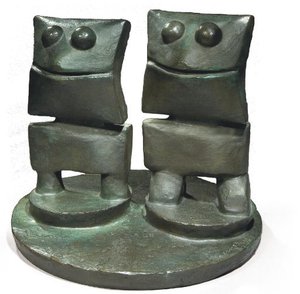
მაქს ერნსტი პორტრეტი

მაქს ერნსტი-ის ნახატები: 100 ყველაზე ცნობილი ნამუშევარი, গალერეის თcraftით

განახლდა ოქტომბერი 2026 · დალაგებულია ჩვენი პოპულარობის ქულების მიხედვით (ძიება, ნახვა და შეკვეთები თითოეული ნამუშწაროსთვის) · 573 ნამუშევარი მაქს ერნსტი ჩვენს კატალოგში

მოკლედ რომ ვთქვათ

გალერეის შეხედულებით, მაქს ერნსტი-ის ყველაზე ცნობილი ნამუშწაროა Célèbes or Elephant Célèbes (1921), რომლის ორიგინალი Penrose Collection-ში, London-ში hangs. ელიფანტის სელესები (1921) და ევროპა წვიმის შემდეგ II (1942) ქმნიან იმ ტრიოს, რომელიც ყველამ იცნობს. ჩვენს კატალოგში არსებული მაქს ერნსტი-ის 573 ნამუშწაროდან, გალერეა ქვემოთ წარმოგიდგენთ 100 ყველაზე ცნობილ მათგანს; თითოეული მათგანი არის ორიგინალი, რომლის აღწერა მოიცავს შემოქმედების წელს, მუზეუმს და იმ დეტალებს, რაც მას უნიკალურს ხდის.

1891 – 1976, ბრიული Სურრეალიზმი ყველაზე მეტი ნამشევრი: ბავარიის სახელმწიფო ფერწერის კოლექციები

გალერეის მაქს ერნსტი 10 საუკეთესო ნამი에도

1
Célèbes or Elephant Célèbes (1921) ავტორის: მაქს ერნსტი

Célèbes or Elephant Célèbes

1921 · ზეთი ტილოზე · Penrose Collection, London

სურეალიზმისა და სიმბოლიზმის კვლევა შეიძღვენით მაქს ეურნსტის ამ არაჩვეულებრივი შედევრის სამყაროში, სადაც წარმოსახვა და რეალობა ერთმანეთს ებმის. ეს ნამუშევარი, შექმნილი 1921 წელს, ეერნსტის პიონერული მიდგომის ნიმუშია სურეალიზმისა და დადაიზმისადმი, რაც სიზმრისმსგავს გამოსახულებებს სიმბოლურ სიღრმესთან აერთიანებს. კომპოზიცია მაყურებელს ფანტასტიკურ სამყაროში ეპატიჟებს, რომელიც სავსეა ჰიბრიდული არსებებით, აბსტრაქტული ფორმებითა და მრავალშრიანი ტექსტურებით; იგი გამოწვევას უსვამს აღქმულობას და ღრმა ემოციურ გამოხმაურებას იწვევს. მისი ენიგმატური შინაარსი ხელს უწყობს ტრანსფორმაციის, იდენტობისა და სოციალური კრიტიკის დაფიქრებას, რაც…

2
ელიფანტის სელესები (1921) ავტორის: მაქს ერნსტი

ელიფანტის სელესები

1921 · ზეთი ტილოზე

Max Ernst’s “The Elephant Celebes,” painted in Cologne in 1921, stands as an undeniable cornerstone of Surrealist art and a profound reflection on the anxieties of its time. More than just a visually arresting image—a disconcerting juxtaposition of organic forms against geometric abstraction—it embodies Ernst's unwavering commitment to exploring the subconscious mind through innovative artistic methods.

3
ევროპა წვიმის შემდეგ II (1942) ავტორის: მაქს ერნსტი

ევროპა წვიმის შემდეგ II

1942 · ზეთი ტილოზე · Wadsworth Atheneum, ჰარტფორდი

ვიზიონერული ლანდშაფტი მაქს ეურნსტის „ევროპა წვიმის შემდეგ II“ მაყურებელს სურეალისტულ და ფანტასტიკურ სამყაროში ეპატიჟებს, სადაც ბუნება და არქიტექტურა ფერისა და ფორმის სუნთქმადამკრელ ცეკვაში ერწყმის ერთმანეთს. ეს პანორამული შედევრი, რომელიც 1ან1942 წელს შეიქმნა, ეურნსტის, როგორც სურეალისტური მოძრაობის პიონერის, წვლილის დასტურია და გვაძლევს საშუალებას, ვიხილოთ სამყარო, რომელიც ერთდროულად სიზმრისებურიცაა და ღრმად ემოციურიც. ფერების სიმფონია ნამუშევრის ცოცხალი პალიტრაზე დომინირებს თბილი ტონები: ღრმა წითელი, მდიდარი ოქროსფერი და მიწისფერი ყავისფერი, რაც კონტრასტშია ცივ ლურჯსა და…

4
ამისი შესახებ მამაკაცებს არ ეცოდებათ (1923) ავტორის: მაქს ერნსტი

ამისი შესახებ მამაკაცებს არ ეცოდებათ

1923 · ზეთი ტილოზე · Tate Gallery, ლონდონი

მაქს ერნსტის "ამაზე ადამიანებს არაფერი უნდა სცოდნოდა" (Les Hommes nen sauront rien), რომელიც 1923 წელს შეიქმნა, არის ნამდვილი საიდუმოება, რომელიც გვეძახება სიზმრებისა და ქვეცნობიერსკენ. ეს ტილო, რომელშიც ზეთის ფერებითაა შესრულებული კომპოზიცია холсте-ზე, ტეიტ ლივერპულში ინახებოდა და დღესდღემით ხელმისაწვდომია რეპროდუქციის სახით, წარმოადგენს ერნსტის შემოქმედების ერთ-ერთ ყველაზე მნიშვნელოვან ნიმუშს და სრულიად ახალი აღქმათა სამყაროს გვახვევს.

5
მთელი ქალაქი (1936) ავტორის: მაქს ერნსტი

მთელი ქალაქი

1936 · ზეთი ტილოზე · კუნსტჰაუზი ზიურხში, ციურიხი

მაქს ერნსტის შედევრი, "ქალაქის მთლიანობა" (La Ville entière), 1936 წლის ნაწარმოები, დამთკეცილს ხვდება ძველთაგანის დიდებასა და ოცნებების სურეალისტურ სამყაროსთან. ეს გამორჩეული ტილო მოუწოდებს მნახველს ჩაყვეს დროსა და რეალობას გასულმომავლისკენ, სადაც არქიტექტურული ნაგებობები ხვდება ფანტასტიკური ლანდშაფტებში. იქნება თქვენ ხელოვნების მოყვარული, კოლექციონერი თუ ინტერიერის დიზაინერი, ეს ტილო უნიკალური ვიზუალური გამოცდილებას გპირებთ, რომელიც ნებისმიერ სივრცეს მისტერიისა და აღფრთოვანების სადგომად აქცევს.

6
ნაპოლეონი უდაბნოში (1941) ავტორის: მაქს ერნსტი

ნაპოლეონი უდაბნოში

1941 · ზეთი ტილოზე

სურეალიზმისა და მითოლოგიის კვლევა ეს მომხიბვლელი ნამუშევარი მაყურებელს სურეალისტურ, ფანტასტიკურ სამყაროში ათავსებს, სადაც მითი, ბუნება და ადამიანური წარმოსახვა ერთმანეთს ებმის. 1941 წელს შემოქმედებული სახელovნილმა მხატვარმა მაქს ეურნსმა, ეს ნამუშევარი სურეალიზმის ინოვაციური სულისკვეთების მაგალითად წარმოაჩინა, რაც მაყურებელს ქვეცნობიერ თემებსა და სიმბოლურ ნარატივებზე ფიქრისკენ მოუწოდებს. სცენის სიზმრისეული ხასიათი იწვევს საიდუმლოებისა და განცუჭების გრძნობას, რაც ხელს უწყობს ღრმა ემოციურ კავშირსა და რეალობისა და ფანტაზიის საზღვრების რეფლექსიას. არტისტული სტილი და ტექნიკა მაქს ეურნსის ზედმიწევნითი…

7
ქორწილის გამოღება (1940) ავტორის: მაქს ერნსტი

ქორწილის გამოღება

1940 · ზეთი ტილოზე · სოლომონ რ. გუგენჰაიმის მუზეუმი, ნიუ-იორკი

სუბიექტი და კომპოზიცია ეს მომხიბვლელი სურეალისტური შედევრი წარმოგვიდგენს მრავალშრიან ტაბლო, რომელიც სავსეა სიმბოლური და ფანტასტიკური ელემენტებით. მისი გულში ორი შიშველი ქალი ინტიმურ, თუმცა კონფრონტაციულ ურთიერთქმედებაში არიან ჩართულნი; მათი ურთიერთგამომცდავი გარეგნობა ხაზს უსვამს იდენტობის, ტრანსფორმაციისა და სოციალური როლების თემებს. ერთი ქალის მკვეთრი, ტექსტურირებული იისფერი თმა ბჟკუნს ჰგავს ვულკანის ამოს exploding ან მოფენილ ღრუბლებს, მაშინ როცა მეორეს ფერმკრთალი, ბუნებრივი კანის ტონი მკვეთრ კონტრასტს ქმნის. სცენაში დომინირებს მბრძანებელი ფიგურა, რომელიც მოპარწესებული წითელი სამოსით…

8
ბრიდის ჩაცხურობა (1940) ავტორის: მაქს ერნსტი

ბრიდის ჩაცხურობა

1940 · ზეთი ტილოზე

1940 წელს შექმნილი ნამუშევარი, მაქს ეურნსტის “The Robing of the Bride”, არის სურეალისტული ხელოვნების đỉnhสุด ხვედრი, რომელიც მოგზაურობას ჩვენს ქვეცნობიერში და thách thứcებს რეალობის შემოடக்கბულ წარმოდგენას. ეს ნამუშევარი – არა მხოლოდ ფანტაზია, არამედ მრავლის camadas-ისგან შეკრებული ისტორია, რომელიც მოგზაურობს ტრანსცენდენტურ სურათებში, სადაც ადამიანური და ბუნებრივი ფორმები ერთმანეთში გადადის. ეურნსი, თავისი რთული და მრავალფეროვანი შემოქმედებითი მენტალიტეტის მქონությամբ, შეძლო არა მარტო სურათების შექმნა, არამედ სულის გადმობა მათში – სულის, რომელიც სხეულის გარდაუვალია.

9
წმინდა ანტონის প্রბედა ავტორის: მაქს ერნსტი

წმინდა ანტონის প্রბედა

ზეთი ტილოზე

დაშვება ლაბირინთულ ქვეცნობიერში მაქს ეურნსტის წმინდა ანტონის প্রბედა ბევრად მეტია, ვიდრე უბრალოდ ბიბლიური ეპიზოდის გამოსახულება; ეს არის ვიცერალური ჩაფლართვა ადამიანის ფსიქიკის სიღრმეებში. როგორც კი მაყურებლის მზერა ტილოს ეხება, მას მაშინვე შეხვდება შემაშფოთებელი სიმშვიდე, რომელიც ფანტასტიკური ელემენტების მზადმდგარ ქარიშხალს მალავს. მარტოხელა ფიგურა წითელ საბნისპირზე წევს, რაც გამოხატავს მოწყვლადობისა და დანებების ღრმა გრძნობას იმ ლანდშაფტში, სადაც რეალობისა და სიზმრის საზღვრები სრულიად ილევა. ფრინველები ზემოთ დაფრინავენ და არასტაბილურად ჯდებიან ტოტებზე, მაშინ როცა პერიფერიაზე…

10
The Virgin Spanking the Christ Child before Three Witnesses ავტორის: მაქს ერნსტი

The Virgin Spanking the Christ Child before Three Witnesses

Oil On Canvas

A Subversive Encounter with the Divine Max Ernst’s 1926 masterpiece, The Virgin Spanking the Christ Child before Three Witnesses, stands as a jarring and unforgettable emblem of Dadaist and Surrealist rebellion. In an era defined by the fragmentation of tradition following the Great War, Ernst utilizes the canvas to stage a shocking confrontation with religious sanctity. Instead of the tender, nurturing Madonna found in classical Renaissance works, we are met…

მაქს ერნსტი-ის ნახატები, რეიტინგით 11-დან 100-მდე

11Oedipus Rex (1922) ავტორის: მაქს ერნსტიOedipus Rex1922 12L'Ange du foyer ou Le Triomphe du surréalisme ავტორის: მაქს ერნსტიL'Ange du foyer ou Le Triomphe du surréalisme 13დუმილის თვალი (1943) ავტორის: მაქს ერნსტიდუმილის თვალი1943 14აფეთქება ტაძარში ავტორის: მაქს ერნსტიაფეთქება ტაძარში 15სურრეალიზმი და ფერწერა (1942) ავტორის: მაქს ერნსტისურრეალიზმი და ფერწერა1942 16ბნელი ღმერთები (Les dieux obscurs) ავტორის: მაქს ერნსტიბნელი ღმერთები (Les dieux obscurs)Folkwang-ის მუზეუმი 17The Angel of the home or the Triumph of Surrealism (1937) ავტორის: მაქს ერნსტიThe Angel of the home or the Triumph of Surrealism1937 18შ 層ებული ქანები, ბუნების საჩუქარი გნეისის ლავა ისლანდიური მუხა… (1920) ავტორის: მაქს ერნსტიშ 層ებული ქანები, ბუნების საჩუქარი გნეისის ლავა ისლანდიური მუხა…1920 · MOMA - მოდერნ არტის მუზეუმი 19მთელი ქალაქი (1936) ავტორის: მაქს ერნსტიმთელი ქალაქი1936 20კოცნა (1927) ავტორის: მაქს ერნსტიკოცნა1927 21The large forest (1925) ავტორის: მაქს ერნსტიThe large forest1925 22Paysage avec lac et chimères ავტორის: მაქს ერნსტიPaysage avec lac et chimères 23Loplop Introduces Loplop (1930) ავტორის: მაქს ერნსტიLoplop Introduces Loplop1930 24ჩვენს შემდეგ დედობა (1927) ავტორის: მაქს ერნსტიჩვენს შემდეგ დედობა1927 25Two Children are Threatened by a Nightingale ავტორის: მაქს ერნსტიTwo Children are Threatened by a Nightingale 26Temptation of St. Anthony (1945) ავტორის: მაქს ერნსტიTemptation of St. Anthony1945 27Aquis submersus (1919) ავტორის: მაქს ერნსტიAquis submersus1919 28The Whole City ავტორის: მაქს ერნსტიThe Whole City 29The Garden of France ავტორის: მაქს ერნსტიThe Garden of France 30Les dieux obscurs ავტორის: მაქს ერნსტიLes dieux obscurs 31The master's bedroom, it's worth spending a night there ავტორის: მაქს ერნსტიThe master's bedroom, it's worth spending a night there 32Europe after the Rain I (1933) ავტორის: მაქს ერნსტიEurope after the Rain I1933 33Europe After the Rain I (1933) ავტორის: მაქს ერნსტიEurope After the Rain I1933 · Staatliche Kunsthalle Karlsruhe 34Ubu Imperator (1923) ავტორის: მაქს ერნსტიUbu Imperator1923 35The Embalmed Forest (1933) ავტორის: მაქს ერნსტიThe Embalmed Forest1933 36The Garden of France (1962) ავტორის: მაქს ერნსტიThe Garden of France1962 37The Forest (1927) ავტორის: მაქს ერნსტიThe Forest1927 · Staatliche Kunsthalle Karlsruhe 38Punching Ball ან ბუონარროტის უკვდავყოფა (1920) ავტორის: მაქს ერნსტიPunching Ball ან ბუონარროტის უკვდავყოფა1920 39La génie de la Bastille ავტორის: მაქს ერნსტიLa génie de la Bastille 40The Entire City ავტორის: მაქს ერნსტიThe Entire City 41Human Form (1931) ავტორის: მაქს ერნსტიHuman Form1931 42Composition (1943) ავტორის: მაქს ერნსტიComposition1943 43Landscape with Wheatgerm (1936) ავტორის: მაქს ერნსტიLandscape with Wheatgerm1936 44Nature at Dawn ავტორის: მაქს ერნსტიNature at Dawn 45Bride of the Wind (1927) ავტორის: მაქს ერნსტიBride of the Wind1927 · ისრაელის მუზეუმი 46Everyone Here Speaks Latin (1943) ავტორის: მაქს ერნსტიEveryone Here Speaks Latin1943 47ორი სქესგარეშე ფიგურა. ქიმერები (1933) ავტორის: მაქს ერნსტიორი სქესგარეშე ფიგურა. ქიმერები1933 · Statens Museum For Kunst 48Approaching Puberty or The Pleiads ავტორის: მაქს ერნსტიApproaching Puberty or The Pleiads 49The postman Cheval (1932) ავტორის: მაქს ერნსტიThe postman Cheval1932 50Barbarians Marching to the West (1937) ავტორის: მაქს ერნსტიBarbarians Marching to the West1937 51untitled (4320) ავტორის: მაქს ერნსტიuntitled (4320) 52Saint Cecilia (Invisible piano) (1923) ავტორის: მაქს ერნსტიSaint Cecilia (Invisible piano)1923 53At the First Limpid Word (1923) ავტორის: მაქს ერნსტიAt the First Limpid Word1923 · Kunstsammlung Nordrhein-Westfalen 54Deux assistants ავტორის: მაქს ერნსტიDeux assistants 55Bird, Sun and Forest  (Vogel, Sonne und Wald) (1927) ავტორის: მაქს ერნსტიBird, Sun and Forest (Vogel, Sonne und Wald)1927 · ბავარიის სახელმწიფო ფერწერის კოლექციები 56Illustration to "A Week of Kindness" (1934) ავტორის: მაქს ერნსტიIllustration to "A Week of Kindness"1934 · შტატგალერი შტუტგარტი 57Jardin gobe avions 2 ავტორის: მაქს ერნსტიJardin gobe avions 2 58Forest and Dove (1927) ავტორის: მაქს ერნსტიForest and Dove1927 59ფლორ-კონჩა ავტორის: მაქს ერნსტიფლორ-კონჩა 60Two Children are Threatened by a Nightingale (1924) ავტორის: მაქს ერნსტიTwo Children are Threatened by a Nightingale1924 61la foret petrifiee (1929) ავტორის: მაქს ერნსტიla foret petrifiee1929 62Scène ავტორის: მაქს ერნსტიScène 63Léda et le cygne ავტორის: მაქს ერნსტიLéda et le cygne 64El sombrero hace al hombre ავტორის: მაქს ერნსტიEl sombrero hace al hombre 65Bride of the Wind II (1927) ავტორის: მაქს ერნსტიBride of the Wind II1927 · ბავარიის სახელმწიფო ფერწერის კოლექციები 66თევზის ხვრჩოების ტყე (1927) ავტორის: მაქს ერნსტითევზის ხვრჩოების ტყე1927 · შტედელის მუზეუმი 67Day and Night (1941) ავტორის: მაქს ერნსტიDay and Night1941 68untitled (7055) ავტორის: მაქს ერნსტიuntitled (7055) 69The Song of the Flesh ავტორის: მაქს ერნსტიThe Song of the Flesh 70მედუზას კოლორადო, მედუზას ფერადი ნ rafts (1953) ავტორის: მაქს ერნსტიმედუზას კოლორადო, მედუზას ფერადი ნ rafts1953 71untitled (4709) ავტორის: მაქს ერნსტიuntitled (4709) 72The song of the flesh (1920) ავტორის: მაქს ერნსტიThe song of the flesh1920 73Birth of Zoomorph Couple (1933) ავტორის: მაქს ერნსტიBirth of Zoomorph Couple1933 74ბაღით თხილისთესლით (1936) ავტორის: მაქს ერნსტიბაღით თხილისთესლით1936 · Kunstsammlung Nordrhein-Westfalen 75A Moment of Calm (1939) ავტორის: მაქს ერნსტიA Moment of Calm1939 76untitled (6819) ავტორის: მაქს ერნსტიuntitled (6819) 77Aquis submersus ავტორის: მაქს ერნსტიAquis submersus 78The Return of the Beautiful Gardener (Homage to women) (1967) ავტორის: მაქს ერნსტიThe Return of the Beautiful Gardener (Homage to women)1967 79The Entire City (1935) ავტორის: მაქს ერნსტიThe Entire City1935 80The Angel of Hearth and Home ავტორის: მაქს ერნსტიThe Angel of Hearth and Home 81Savonarola ავტორის: მაქს ერნსტიSavonarola 82სუფთাবანდობის სფეროები ავტორის: მაქს ერნსტისუფთাবანდობის სფეროები 83Kachina, le chien de Peggy Guggenheim ავტორის: მაქს ერნსტიKachina, le chien de Peggy Guggenheim 84Lone Tree and United Trees (1940) ავტორის: მაქს ერნსტიLone Tree and United Trees1940 85Child, Horse, Flower and Snake (1927) ავტორის: მაქს ერნსტიChild, Horse, Flower and Snake1927 86Birds also Birds, Fish Snake and Scarecrow (1921) ავტორის: მაქს ერნსტიBirds also Birds, Fish Snake and Scarecrow1921 87Garden Airplane Trap (1936) ავტორის: მაქს ერნსტიGarden Airplane Trap1936 88Snow Flowers (1929) ავტორის: მაქს ერნსტიSnow Flowers1929 89The Hundred-headless Woman Opens her August Sleeve (1929) ავტორის: მაქს ერნსტიThe Hundred-headless Woman Opens her August Sleeve1929 90Max Ernst Showing a Young Girl the Head of his Father (1927) ავტორის: მაქს ერნსტიMax Ernst Showing a Young Girl the Head of his Father1927 91The Inner Vision: The Egg (1929) ავტორის: მაქს ერნსტიThe Inner Vision: The Egg1929 92untitled (6030) ავტორის: მაქს ერნსტიuntitled (6030) 93Landscape with Sun (1909) ავტორის: მაქს ერნსტიLandscape with Sun1909 94Untitled (1920) ავტორის: მაქს ერნსტიUntitled1920 95Woman, Old Man and Flower Femme (1923) ავტორის: მაქს ერნსტიWoman, Old Man and Flower Femme1923 96A Night of Love (1927) ავტორის: მაქს ერნსტიA Night of Love1927 97Castor and Pollution (1923) ავტორის: მაქს ერნსტიCastor and Pollution1923 98Fishbone Forest (1927) ავტორის: მაქს ერნსტიFishbone Forest1927 99Untitled (13) ავტორის: მაქს ერნსტიUntitled (13) 100untitled (3016) ავტორის: მაქს ერნსტიuntitled (3016)

მაქს ერნსტი-ის ცნობილი სურათები, პერიოდების მიხედვით

Surrealist Phase

1920 – 1927 · 3 ნამუშწარwerks ამ სიაში

სუბიექტები, რომლებმაც მაქს ერნსტი-ის ყურადღება მიიპყრო

ამ ორიგინალებში ყველაზე ხშირად განმეორებადი არის 네 თემა, რომელთაგან თითოეულს თავისი საუკეთესო ნიმუში წარმოგვიდგება.

მუზეუმები, სადაც მაქს ერნსტი-ის ორიგინალები ინახება

ამ გვერდზე წარმოდგენილი მხატვრობის შედეგების უმეტესობას 8 მუზეუმი ინახავს.

მუზეუმი ქალაქი მაქს ერნსტი შემოქმედებაలు ამ სიიდან მოპოვებული ნახატები
ბავარიის სახელმწიფო ფერწერის კოლექციები, მუნხენიბავარიის სახელმწიფო ფერწერის კოლექციები მუნხენი 8 Bird, Sun and Forest (Vogel, Sonne und Wald), Bride of the Wind II
Staatliche Kunsthalle Karlsruhe, კარლსრუეStaatliche Kunsthalle Karlsruhe კარლსრუე 3 Europe After the Rain I, The Forest
Kunstsammlung Nordrhein-Westfalen, DuesseldorfKunstsammlung Nordrhein-Westfalen Duesseldorf 3 At the First Limpid Word, ბაღით თხილისთესლით
შტატგალერი შტუტგარტი, შტუტგარტიშტატგალერი შტუტგარტი შტუტგარტი 7 Illustration to "A Week of Kindness"
ისრაელის მუზეუმი, იერუსალიმიისრაელის მუზეუმი იერუსალიმი 3 Bride of the Wind
Folkwang-ის მუზეუმი, ესენიFolkwang-ის მუზეუმი ესენი 2 ბნელი ღმერთები (Les dieux obscurs)
Penrose Collection, LondonPenrose Collection London 1 Célèbes or Elephant Célèbes
Wadsworth Atheneum, ჰარტფორდიWadsworth Atheneum ჰარტფორდი 1 ევროპა წვიმის შემდეგ II

მაქს ერნსტი, ერთი ავთენტური ნამუშწარები ათწლეულში

ნამუშევრები ათწლეულების მიხედვით

შეარჩიეთ ათწლეული, რათა ნახოთ ის ორიგინალი ნამუშევარი, რომელიც მას განსაზღვრავს.

მაქს ერნსტი-ის ნახატები: გალერეის პასუხები

რომელი მაქს ერნსტი ტილოა ყველაზე ცნობილი?გაამჟღავნეთ პასუხი

Célèbes or Elephant Célèbes (1921), Penrose Collection, London. შემდეგ მოდიან ელიფანტის სელესები (1921) და ევროპა წვიმის შემდეგ II (1942).

რამდენage იყო მაქს ერნსტი Célèbes or Elephant Célèbes-ის დასრულებისას?გაამჟღავნეთ პასუხი

30 წლის: Célèbes or Elephant Célèbes შექმნილია 1921 წელს, ხოლო მაქს ერნსტი დაიბადა 1891 წელს.

რომელია მაქს ერნსტი-ის 10 საუკეთესო ნამუშწარო?გაამჟღავნეთ პასუხი

Célèbes or Elephant Célèbes, ელიფანტის სელესები, ევროპა წვიმის შემდეგ II, ამისი შესახებ მამაკაცებს არ ეცოდებათ, მთელი ქალაქი, ნაპოლეონი უდაბნოში, ქორწილის გამოღება, ბრიდის ჩაცხურობა, წმინდა ანტონის প্রბედა და The Virgin Spanking the Christ Child before Three Witnesses. ზემოთ მოცემული რეიტინგი ასახავს თითოეულის შემოქმედების წელსა და მუზეუმს.

რამდენიმე ნამუშწარები შექმნა მაქს ერნსტი-მა?გაამჟღავნეთ პასუხი

ჩვენს კატალოგში წარმოდგენილია 573 ნამუშწევრი მაქს ერნსტი-ისგან, დათარიღებული 1909-დან 1967-მდე.

სად hanging მაქს ერნსტი-ის ყველაზე ცნობილი ორიგინალები?გაამჟღავნეთ პასუხი

ძირითადად ბავარიის სახელმწიფო ფერწერის კოლექციები (მუნხენი), Staatliche Kunsthalle Karlsruhe (კარლსრუე) და Kunstsammlung Nordrhein-Westfalen (Duesseldorf)-ში. ზემოთ მოცემულ მუზეუმების ცხრილში ისინი ყველა listed.

როდის შექმნა მაქს ერნსტი-მა ყველაზე ცნობილი სურათები?გაამჟღავნეთ პასუხი

1920s-ში: ამ გვერდზე წარმოდგენილი 100 ნამუშწარwerksიდან 32 შეიქმნა მაშინ, მათგან Célèbes or Elephant Célèbes.

რომლებიც მაქს ერნსტი-ის ყველაზე ადრეული და ბოლო ცნობილი ნამუშევრებია?გაამჟღავნეთ პასუხი

ამ გვერდზე ყველაზე ადრეული არის Landscape with Sun (1909), ხოლო ყველაზე გვიანდელი — The Return of the Beautiful Gardener (Homage to women) (1967).

რომელ თემებს მიმართავდა მაქს ერნსტი ყველაზე ხშირად?გაამჟღავნეთ პასუხი

Landscape (17), Dreamscape (16) და Birds (11), ამ გვერდზე წარმოდგენილ 100 ნამუშწარეს შორის.

რა ტექნიკით მუშაობდა მაქს ერნსტი ყველაზე ხშირად?გაამჟღავნეთ პასუხი

Oil On Canvas, ამ გვერდზე არსებული 100 ნამუშწაროსგან 31 ცალიდან.

რომელ მიძღვნასთან არის დაკავშირებული მაქს ერნსტი?გაამჟღავნეთ პასუხი

Სურრეალიზმი, ამ გვერდზე წარმოდგენილი ორიგინალების მიხედვით.

რომელი მაქს ერნსტი-ის ორიგინალები ინახავს ბავარიის სახელმწიფო ფერწერის კოლექციები?გაამჟღავნეთ პასუხი

Bird, Sun and Forest (Vogel, Sonne und Wald) და Bride of the Wind II: ბავარიის სახელმწიფო ფერწერის კოლექციები, მუნხენი-ში წარმოდგენილია ამ გვერდზე მოცემული ნამუშევრების 2 ცალი.

მაქს ერნსტი: მხატვარი

The Life and Origins of Max Ernst

Max Ernst entered the world on April 2, 1891, in Brühl, Germany. He grew up in a middle-class Catholic family as the third of nine children. His upbringing was shaped by the quiet, disciplined atmosphere of his home, where his father, Philipp, worked as a teacher of the deaf. Philipp was also an amateur painter, and it was through him that the boy first encountered the tools and the practice of making art.

By 1909, while he was a student at the University of Bonn, Max Ernst began to paint. This early period of his life was marked by a growing interest in the visual world, though his path would eventually expand far beyond the canvas. He became a man of many mediums, working as a painter, sculptor, printmaker, graphic artist, and poet. His early years were less about finding a single direction and more about a restless curiosity regarding how one might represent the world and the mind.

Academic Pursuits and Early Artistic Influences

Ernst’s path toward art was shaped by a deep curiosity about the human mind and the structures of thought. While at the University of Bonn, he did not focus solely on the brush and canvas. Instead, he spent his time studying philosophy, art history, literature, psychology, and psychiatry. These subjects provided him with a framework for understanding the world that went far beyond simple aesthetics. He was interested in the underlying reasons for existence, seeking to understand the mechanics of the psyche and the history of human expression. This intellectual foundation would later allow him to move past traditional representation and explore the more hidden, irrational layers of experience.

His early years were marked by a growing connection to the artistic community in Germany. In 1911, he became part of the Die Rheinischen Expressionisten group. This period of his life was defined by a search for a new visual language. A significant turning point occurred in 1912 when he visited the Sonderbund exhibition in Cologne. Seeing the works of Pablo Picasso, Vincent van Gogh, and Paul Gauguin changed his perspective. These artists offered him a way to break away from established norms. He found himself drawn to their approaches, which helped set him on a course toward the radical experimentation that would define his career.

The Impact of World War I

The outbreak of the Great War fundamentally fractured the trajectory of Ernst's life. He was drafted into service, spending four years as a soldier on the front lines. Serving as an artillerist, he faced the brutal realities of both the Eastern and Western Fronts. The experience was more than a mere interruption of his studies; it was a profound psychological shock. The chaos and destruction he witnessed left him deeply shaken, fostering a lasting skepticism toward the modern world and its established orders.

The trauma of the conflict was so absolute that it seemed to erase his former self. In his own autobiography, he wrote of this internal death with startling clarity, stating that Max Ernst died on the 1st of August, 1914. This sense of loss and the disillusionment that followed would eventually drive him toward the radical, anti-rationalist expressions of the movements that followed.

Dadaism and the Cologne Group

The chaos of the Great War left Ernst with a deep skepticism toward the structures of the modern world. By 1919, this disillusionment found a voice in Cologne, where he joined forces with Hans Arp and Johannes Theodor Baargeld to found the Cologne Dada group. This was a period of intense, restless creation. Alongside his new companions, he helped launch short-lived magazines like Der Strom and die Schammade, using the printed word to push against the boundaries of what art was allowed to be. It was a time of radical shifts, both in his creative output and his private life, as he married Luise Straus, an art history student, in 1919.

During these years, Ernst began to move away from traditional painting, finding a new language in the art of assembly. He produced his first collages in 1919, working with pieces of imagery to create something entirely different from the original parts. One notable early example from this period is Fiat modes, a portfolio of lithographs that demonstrated his growing interest in these fragmented compositions. These experiments were not merely stylistic choices; they were a way to navigate a world that no longer felt coherent or rational.

The Surrealist Movement in Paris

By 1922, the restless energy that had fueled his Dadaist years found a new home when Ernst moved to France. He settled into the intellectual circles of Paris, finding a sense of belonging among the Surrealists. He became part of a close-knit group led by André Breton, a circle that sought to map the strange, unmapped territories of the human mind. This was a time of intense collaboration and shared purpose, where the boundaries of what art could represent were being pushed into the realm of dreams and the unconscious.

His presence in this circle was marked by a deep engagement with the written word and the visual image. He collaborated with Paul Éluard on the magazine Littérature, a project that helped define the movement's reach. These years were characterized by a constant search for new ways to visualize the irrational. In 1924, his curiosity took him far beyond the streets of Paris when he traveled to Indo-China, an experience that added further layers to his expanding worldview.

Innovative Techniques and Artistic Methods

Ernst was a restless experimenter who sought to bypass the control of the conscious mind. He often looked to the accidental to find his imagery. This led him to develop frottage, a method where he placed paper over textured surfaces and rubbed them with pencil or charcoal. This simple act of rubbing allowed unexpected shapes to emerge from the grain of wood or the ridges of a leaf. He expanded on this idea with grattage, a process where he scraped paint across the canvas to reveal the textures of objects placed underneath. These methods allowed him to create landscapes that felt both organic and strange.

His interest in the irrational also led him to decalcomania. By pressing paint from one surface to another, he achieved dreamlike distortions and layered effects that felt as though they had surfaced from a dream. He was also a master of collage, carefully assembling disparate elements—such as scientific illustrations or magazine clippings—into compositions that challenged how we perceive reality. He did not merely paint a scene; he built it from fragments of the world around him.

The Symbolism of Birds and Loplop

A strange, personal fixation with birds followed Ernst throughout his life. This was not a mere interest in nature, but a deep-seated preoccupation that emerged from a childhood memory. He recalled a moment when his favorite pet bird died at the exact time his younger sister was born. This coincidence seemed to fuse the idea of life and death within his mind, turning birds into symbols that carried both omen and mystery. He often viewed them as creatures that could bridge the gap between the human experience and the supernatural.

This fascination eventually took a physical, almost psychological form through a bird-like Freudian alter ego he called Loplop. This character was more than a recurring motif; it was a guide through the landscapes of his mind. Loplop first made a formal appearance in his 1929 collage novel, La Femme 100 Têtes. In that work, the bird acted as a narrator, leading the reader through a series of assembled images and fragmented realities. Through Loplop, Ernst found a way to personify the irrational impulses of the subconscious, giving a face—or a beak—to the parts of himself that defied logic.

  • Forest and Dove

Exile and Life in the United States

The shadows of the Second World War eventually reached even the artist's sanctuary in France. In 1938, the political climate turned sharply against him, and he was interned in Camp des Milles near Aix-en-Provence. This period of confinement was a heavy weight, especially as the Nazi regime designated him an undesirable foreigner. The uncertainty of his situation grew as the war intensified, forcing a decision to leave the life he had built in Europe behind.

A path to safety opened through the help of Peggy Guggenheim. In 1941, he fled to New York, arriving in a city that was becoming a refuge for many of his contemporaries. This move was more than a change of scenery; it was a total displacement. He and Guggenheim married in 1942, finding a sense of stability in each other amidst the chaos of the era. While in the United States, he continued to experiment with his methods, finding new ways to translate the textures of the subconscious onto canvas.

Later Years and Final Works

After years of living in the United States, Ernst returned to Paris in 1953. This homecoming marked a period of significant recognition for his lifelong experimentation. In 1954, he was awarded the Grand Prize for Painting at the 27th Venice Biennale. His presence in the art world remained steady as he continued to explore the boundaries of his medium well into his later years.

His curiosity often led him toward materials that felt both fragile and permanent. In 1966, he created a glass chess game named Immortel. This work reflected his ability to find magic in the physical properties of objects, much like the textures he had spent decades uncovering through rubbing and scraping. He remained active in his creative pursuits until his death in Paris on April 1, 1976.

Where to See His Works Today

Finding the traces of Max Ernst's restless imagination requires a trip through several major cultural hubs. In Venice, the Peggy Guggenheim Collection holds pieces that reflect his deep connection to the Surrealist circle. His presence is also felt in the halls of the Metropolitan Museum of Art, where his experiments with texture and form are preserved for those studying the shifts of the early twentieth century.

Travelers can also encounter his work in Edinburgh at the National Galleries of Scotland. The collection there offers a chance to see his vision up close. Other significant holdings can be found in the Staatsgalerie Stuttgart and the Tel Aviv Museum of Art, ensuring his influence remains accessible across different continents. These institutions keep his physical legacy alive, allowing us to see the actual surfaces he scraped and rubbed to find his imagery.

ყველა 573 ნამუშევარი, რომელიც შემოქმედებითად ეკუთვნის მაქს ერნსტი →