Portrait of მასაჩიო

The 97 Most Famous მასაჩიო Paintings, Each One of a Kind

Updated ოქტომბერი 2026 · ranked by our popularity score (searches, visits and orders for each work) · 97 works by მასაჩიო in our catalogue

In short

წმინდა სამება (1428) is the მასაჩიო painting that draws the most eyes. After it, the eye goes to სულდი გადასახადი (1425) and ედემის ბაღიდან განდევნა (1426). Among the 97 works of მასაჩიო in our catalog, these 97 are the most famous, each a unique original presented with its year, its museum and the reason it endures.

1401 – 1428, სან-ჯოვანი-ვალდარნო Ადრეული რენესანსი Most works: სანტა მარია დელ კარმინე

Top 10 paintings by მასაჩიო, through the gallery's eye

1
წმინდა სამება (1428) by მასაჩიო

წმინდა სამება

1428 · ფრესკა

The Trinity by Masaccio is a fresco painting that marked the beginning of the Renaissance in Italy. Created in 1425, it is considered one of the most important works of the early Renaissance period. The painting is housed in the Santa Maria Novella church in Florence, Italy. Artistic Innovations The Trinity by Masaccio was a groundbreaking work that introduced several artistic innovations. It is one of the first monumental Renaissance…

2
სულდი გადასახადი (1425) by მასაჩიო

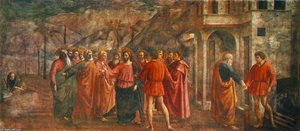
სულდი გადასახადი

1425 · ფრესკა

The scene unfolds within the Brancacci Chapel of the basilica of Santa Maria del Carmine in Florence. Here, the fresco titled The Tribute Money by Masaccio brings a biblical narrative to life upon the chapel walls. Commissioned by Felice Brancacci, this work forms a significant part of a larger cycle dedicated to the life of Saint Peter. The air in the chapel seems to hold the weight of this sacred…

3
ედემის ბაღიდან განდევნა (1426) by მასაჩიო

ედემის ბაღიდან განდევნა

1426 · ფრესკა

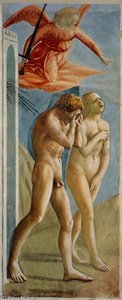
The heavy silence of the Brancacci Chapel in the church of Santa Maria del Carmine in Florence, Italy, holds the weight of a profound tragedy. Here, the walls breathe with the story of The Expulsion from the Garden of Eden, a fresco painted by Masaccio around 1425. The air seems to thicken around the figures as they face their sudden, irreversible departure from paradise. This scene marks the beginning of…

4
ტრიბᅲტის თანხის დეტალი by მასაჩიო

ტრიბᅲტის თანხის დეტალი

ფრესკა

Imagine stepping into the Brancacci Chapel in Florence, a space that birthed an artistic revolution. Within its walls resides “The Tribute Money,” a fresco by the tragically short-lived genius, Masaccio, executed around 1426. While the entire scene is breathtaking, it’s a meticulously rendered detail – the handshake between Christ and the tax collector – that continues to captivate viewers centuries later. This isn't merely a depiction of a biblical story;…

5
Predella panel from the Pisa Altar (1426) by მასაჩიო

Predella panel from the Pisa Altar

To stand before this Predella panel from the Pisa Altar is to encounter a moment frozen in time, yet vibrating with raw, undeniable human drama. Dating to 1426, this work captures Masaccio at the zenith of his revolutionary power. It is not merely a depiction of the Crucifixion; it is a profound meditation on sacrifice, community, and the weight of divine narrative rendered with startling immediacy. The composition draws the…

6
The Madonna of Humility (1424) by მასაჩიო

The Madonna of Humility

1424 · Tempera On Panel

In the quiet, profound stillness of Masaccio’s The Madonna of Humility, we encounter one of the most moving snapshots of the Early Italian Renaissance. Created around 1424, this masterpiece transcends mere religious iconography to offer a window into a moment of raw, maternal intimacy. The scene is set not upon a celestial throne, but on the earth itself, where the Virgin Mary sits upon a blue patterned cushion. This choice…

7
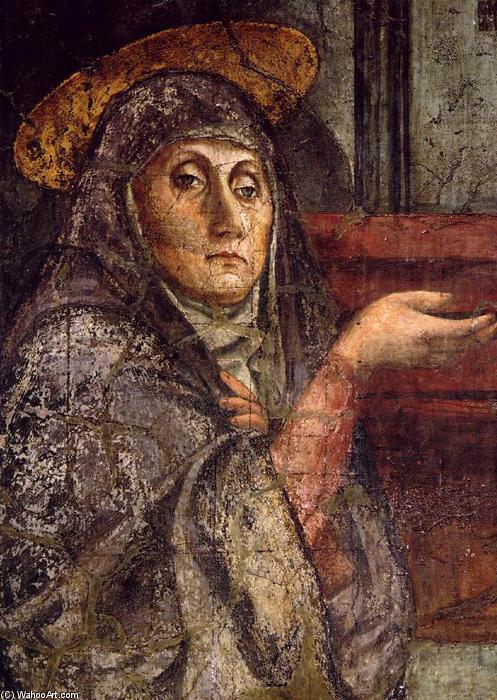
Trinity (detail) (1425) by მასაჩიო

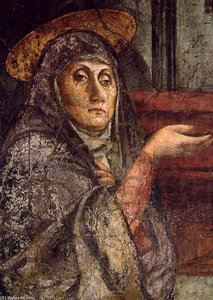
Trinity (detail)

1425 · Fresco · სანტა მარია ნოველა, ფლორენცია

The image presents a detail from a fresco painting created in 1425 by Masaccio. Within this specific view, a figure is depicted that appears to be Mary Magdalene, identified by the traditional iconography of her long hair and a head covering. She possesses a contemplative expression, directing her gaze slightly downwards toward an object held in her right hand, which may be interpreted as a symbol of faith or devotion.

8
Two panels from the Pisa Altarpiece (1426) by მასაჩიო

Two panels from the Pisa Altarpiece

1426 · Tempera On Panel · ბერლინის შტატული მუზეუმები, ბერლინი

In the quiet, hallowed halls of art history, few works capture the dawn of a new era as poignantly as Masaccio’s Two Panels from the Pisa Altarpiece. Completed in 1426, these panels are far more than mere fragments of a lost polyptych; they are windows into a transformative moment when the rigid conventions of the Gothic period began to dissolve, giving way to the profound humanism of the Early Italian…

9
Trinity (1425) by მასაჩიო

Trinity

1425 · Fresco · სანტა მარია ნოველა, ფლორენცია

To step before Masaccio’s Holy Trinity is to witness the exact moment when the flattened, symbolic world of the Middle Ages dissolved into the profound, breathing reality of the Renaissance. Painted between 1425 and 1427 within the hallowed walls of Santa Maria Novella in Florence, this fresco does not merely depict a religious scene; it carves a hole in the very wall of the chapel, inviting the viewer to step…

10
Trinity (detail) (1425) by მასაჩიო

Trinity (detail)

1425 · Acrylic On Canvas · სანტა მარია ნოველა, ფლორენცია

Masaccio’s “Trinity (detail),” housed within the magnificent Santa Maria Novella in Florence, isn't merely a fresco; it’s a pivotal moment in art history – a visual manifesto declaring the arrival of the High Renaissance. Painted between 1425 and 1427, this intimate section captures the essence of Masaccio’s revolutionary approach to depicting reality, a departure from the stylized elegance of the preceding Gothic era and a profound influence on generations of…

მასაჩიო's famous paintings, numbers 11 to 97

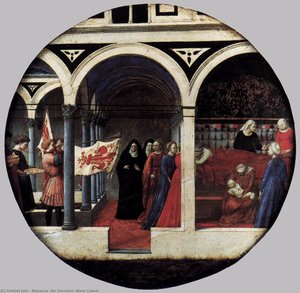
11View of the Cappella Brancacci (before restoration) (1426) by მასაჩიოView of the Cappella Brancacci (before restoration)1426 · სანტა მარია დელ კარმინე 12Trinity (scheme of the perspective) (1425) by მასაჩიოTrinity (scheme of the perspective)1425 · სანტა მარია ნოველა 13Raising of the Son of Theophilus and St Peter Enthroned (detail) (1426) by მასაჩიოRaising of the Son of Theophilus and St Peter Enthroned (detail)1426 14St Peter Healing the Sick with his Shadow (detail) (1426) by მასაჩიოSt Peter Healing the Sick with his Shadow (detail)1426 15Frescoes in the Cappella Brancacci (right view) (1426) by მასაჩიოFrescoes in the Cappella Brancacci (right view)1426 · სანტა მარია დელ კარმინე 16Madonna Casini (1426) by მასაჩიოMadonna Casini1426 17Adam and Eve banished from Paradise (1427) by მასაჩიოAdam and Eve banished from Paradise1427 18The Distribution of Alms and the Death of Ananias (detail) (1426) by მასაჩიოThe Distribution of Alms and the Death of Ananias (detail)1426 19Frescoes in the Cappella Brancacci (left view) (1426) by მასაჩიოFrescoes in the Cappella Brancacci (left view)1426 · სანტა მარია დელ კარმინე 20Baptism of the Neophytes (1427) by მასაჩიოBaptism of the Neophytes1427 21Christ in the Garden of Gethsemane (detail) (1424) by მასაჩიოChrist in the Garden of Gethsemane (detail)1424 · Lindenau-Museum 22Crucifixion (1426) by მასაჩიოCrucifixion1426 · კაპოდიმონტის მუზეუმი 23Tribute Money (detail) (1426) by მასაჩიოTribute Money (detail)1426 24The Agony in the Garden (1426) by მასაჩიოThe Agony in the Garden1426 25St Peter Healing the Sick with his Shadow (detail) (1426) by მასაჩიოSt Peter Healing the Sick with his Shadow (detail)1426 26St. Juvenal Triptych (1422) by მასაჩიოSt. Juvenal Triptych1422 27Maria and Child (1426) by მასაჩიოMaria and Child1426 28Tribute Money (detail) (1426) by მასაჩიოTribute Money (detail)1426 29The Expulsion from the Garden of Eden (detail) (1426) by მასაჩიოThe Expulsion from the Garden of Eden (detail)1426 30Birth tray (1428) by მასაჩიოBirth tray1428 31The Baptism of the Neophytes (1426) by მასაჩიოThe Baptism of the Neophytes1426 32Raising of the Son of Theophilus and St Peter Enthroned (1426) by მასაჩიოRaising of the Son of Theophilus and St Peter Enthroned1426 33The Distribution of Alms and the Death of Ananias (detail) (1426) by მასაჩიოThe Distribution of Alms and the Death of Ananias (detail)1426 34Adoration of the Knigs (1428) by მასაჩიოAdoration of the Knigs1428 35Tribute Money (detail) (1426) by მასაჩიოTribute Money (detail)1426 36Tribute Money (1426) by მასაჩიოTribute Money1426 37The Expulsion from the Garden of Eden (1426) by მასაჩიოThe Expulsion from the Garden of Eden1426 38Tribute Money (detail) (1426) by მასაჩიოTribute Money (detail)1426 39Raising of the Son of Theophilus and St Peter Enthroned (detail) (9) (1426) by მასაჩიოRaising of the Son of Theophilus and St Peter Enthroned (detail) (9)1426 40San Giovenale Triptych. Right panel. (1422) by მასაჩიოSan Giovenale Triptych. Right panel.1422 41Crucifixion (1426) by მასაჩიოCrucifixion1426 42Raising of the Son of Theophilus and St Peter Enthroned (detail) (1426) by მასაჩიოRaising of the Son of Theophilus and St Peter Enthroned (detail)1426 43Raising of the Son of Theophilus and St Peter Enthroned (detail) (1426) by მასაჩიოRaising of the Son of Theophilus and St Peter Enthroned (detail)1426 44The Raising of the Son of Theophilus and St Peter Enthroned (detail) (1426) by მასაჩიოThe Raising of the Son of Theophilus and St Peter Enthroned (detail)1426 45Raising of the Son of Theophilus and St Peter Enthroned (detail) (1426) by მასაჩიოRaising of the Son of Theophilus and St Peter Enthroned (detail)1426 46Christ in the Garden of Gethsemane (detail) (1424) by მასაჩიოChrist in the Garden of Gethsemane (detail)1424 · Lindenau-Museum 47San Giovenale Triptych. Central panel (1423) by მასაჩიოSan Giovenale Triptych. Central panel1423 48Distribution of Alms and Death of Ananias (1425) by მასაჩიოDistribution of Alms and Death of Ananias1425 49Profile Portrait of a Young Man by მასაჩიოProfile Portrait of a Young Man 50Profile Portrait of a Young Man (1425) by მასაჩიოProfile Portrait of a Young Man1425 · National Gallery of Art 51Rendering of the Tribute Money by მასაჩიოRendering of the Tribute Money 52Distribution of the Goods of the Community and the Death of Ananias (detail) by მასაჩიოDistribution of the Goods of the Community and the Death of Ananias (detail) 53St. Giovenale Triptych by მასაჩიოSt. Giovenale Triptych 54The Expulsion from Paradise by მასაჩიოThe Expulsion from Paradise 55The Adoration of the Magi by მასაჩიოThe Adoration of the Magi 56St. Peter Baptizing the Neophytes by მასაჩიოSt. Peter Baptizing the Neophytes 57Birth Salver by მასაჩიოBirth Salver 58Medallion by მასაჩიოMedallion 59Madonna and Child by მასაჩიოMadonna and Child 60Madonna Enthroned by მასაჩიოMadonna Enthroned 61St Jerome and St John the Baptist by მასაჩიოSt Jerome and St John the Baptist 62Christ in the Garden of Gethsemane (1424) by მასაჩიოChrist in the Garden of Gethsemane1424 · Lindenau-Museum 63San Giovenale Triptych. Left panel (1422) by მასაჩიოSan Giovenale Triptych. Left panel1422 64Portrait of a Young Woman (1425) by მასაჩიოPortrait of a Young Woman1425 65Distribution of the Goods of the Community and the Death of Ananias by მასაჩიოDistribution of the Goods of the Community and the Death of Ananias 66The Holy Trinity with the Virgin, St. John and Two Donors by მასაჩიოThe Holy Trinity with the Virgin, St. John and Two Donors 67The Cricifixion of St. Peter. The Beheading of St. John the Baptist by მასაჩიოThe Cricifixion of St. Peter. The Beheading of St. John the Baptist 68La Consagración by მასაჩიოLa Consagración 69Crucifixion by მასაჩიოCrucifixion 70St Jerome and St John the Baptist 1 by მასაჩიოSt Jerome and St John the Baptist 1 71The Madonna and Child with Saint Anne by მასაჩიოThe Madonna and Child with Saint Anne 72Two panels from the Pisa Altarpiece by მასაჩიოTwo panels from the Pisa Altarpiece 73Portrait of a young man by მასაჩიოPortrait of a young manიზაბელა სტიუარტ გარდნერის მუზეუმი 74View of the Cappella Brancacci (after restoration) by მასაჩიოView of the Cappella Brancacci (after restoration) 75Putto and a Small Dog (back side of the Berlin Tondo) by მასაჩიოPutto and a Small Dog (back side of the Berlin Tondo) 76The Madonna and Child with st.Anna. (1424) by მასაჩიოThe Madonna and Child with st.Anna.1424 77Plate of Nativity (Berlin Tondo) (1427) by მასაჩიოPlate of Nativity (Berlin Tondo)1427 · ბერლინის შტატული მუზეუმები 78Madonna with Child and Angels (1426) by მასაჩიოMadonna with Child and Angels1426 · ნაციონალური გალერეა 79The Distribution of Alms and the Death of Ananias (1426) by მასაჩიოThe Distribution of Alms and the Death of Ananias1426 · სანტა მარია დელ კარმინე 80St Peter Healing the Sick with his Shadow (1426) by მასაჩიოSt Peter Healing the Sick with his Shadow1426 · სანტა მარია დელ კარმინე 81San Giovenale Triptych (1422) by მასაჩიოSan Giovenale Triptych1422 82Raising of the Son of Teophilus and St.Peter Enthroned (1427) by მასაჩიოRaising of the Son of Teophilus and St.Peter Enthroned1427 · სანტა მარია დელ კარმინე 83St Paul (1426) by მასაჩიოSt Paul1426 · Museo Nazionale di San Matteo 84Carnesecchi Triptych (1423) by მასაჩიოCarnesecchi Triptych1423 85Adoration of the Magi (1426) by მასაჩიოAdoration of the Magi1426 · ბერლინის შტატული მუზეუმები 86Martyrdom of San Giovanni Battista (1426) by მასაჩიოMartyrdom of San Giovanni Battista1426 · Gemäldegalerie 87Predella panel from the Pisa Altar (1426) by მასაჩიოPredella panel from the Pisa Altar1426 · ბერლინის შტატული მუზეუმები 88A Bearded Carmelite Saint (1426) by მასაჩიოA Bearded Carmelite Saint1426 · Gemäldegalerie 89Madonna Casini (1426) by მასაჩიოMadonna Casini1426 90Madonna of Humility (1420) by მასაჩიოMadonna of Humility1420 · National Gallery of Art 91Repentance of Saint Peter (1425) by მასაჩიოRepentance of Saint Peter1425 · სანტა მარია დელ კარმინე 92San Agustín by მასაჩიოSan AgustínGemäldegalerie 93St. Andrew (1426) by მასაჩიოSt. Andrew1426 · ჟან პოლ გეტის მუზეუმი 94Carmelita by მასაჩიოCarmelitaGemäldegalerie 95St. Jerome by მასაჩიოSt. JeromeGemäldegalerie 96St.Girolamo end Giovanni Battista (1428) by მასაჩიოSt.Girolamo end Giovanni Battista1428 · ნაციონალური გალერეა 97Crucifixion of St Peter (1426) by მასაჩიოCrucifixion of St Peter1426 · ბერლინის შტატული მუზეუმები

მასაჩიო's famous paintings, period by period

The subjects that held მასაჩიო's eye

The four subjects that come back most often in these originals, each with its finest example.

The museums that keep მასაჩიო's originals

The 8 museums that hold the most of the paintings on this page.

Museum City Works by მასაჩიო Paintings from this list
სანტა მარია დელ კარმინე, ფლორენციასანტა მარია დელ კარმინე ფლორენცია 7 View of the Cappella Brancacci (before restoration), Frescoes in the Cappella Brancacci (right view), Frescoes in the Cappella Brancacci (left view)
ბერლინის შტატული მუზეუმები, ბერლინიბერლინის შტატული მუზეუმები ბერლინი 6 Predella panel from the Pisa Altar, Two panels from the Pisa Altarpiece, Plate of Nativity (Berlin Tondo)
Gemäldegalerie, ბერლინიGemäldegalerie ბერლინი 5 Martyrdom of San Giovanni Battista, A Bearded Carmelite Saint, San Agustín
სანტა მარია ნოველა, ფლორენციასანტა მარია ნოველა ფლორენცია 4 Trinity (detail), Trinity, Trinity (detail)
Lindenau-Museum, ალტენგაუLindenau-Museum ალტენგაუ 3 Christ in the Garden of Gethsemane (detail), Christ in the Garden of Gethsemane (detail), Christ in the Garden of Gethsemane
National Gallery of Art, ვაშინგტონიNational Gallery of Art ვაშინგტონი 2 Profile Portrait of a Young Man, Madonna of Humility
ნაციონალური გალერეა, ლონდონინაციონალური გალერეა ლონდონი 2 Madonna with Child and Angels, St.Girolamo end Giovanni Battista
კაპოდიმონტის მუზეუმი, ნეპოლიკაპოდიმონტის მუზეუმი ნეპოლი 1 Crucifixion

მასაჩიო across the years: the unique originals of each

მასაჩიო's dated originals shown here fit into about ten years, 1420 to 1428: the eye follows them year by year.

Works per year

Pick a year to see its originals.

მასაჩიო's paintings: questions for the gallery

What is the single most famous work of მასაჩიო?Reveal the answer

წმინდა სამება (1428). სულდი გადასახადი (1425) and ედემის ბაღიდან განდევნა (1426) come next.

At what age did მასაჩიო create წმინდა სამება?Reveal the answer

27 years old: წმინდა სამება dates from 1428, and მასაჩიო was born in 1401.

Which ten paintings by მასაჩიო are the most famous?Reveal the answer

წმინდა სამება, სულდი გადასახადი, ედემის ბაღიდან განდევნა, ტრიბᅲტის თანხის დეტალი, Predella panel from the Pisa Altar, The Madonna of Humility, Trinity (detail), Two panels from the Pisa Altarpiece, Trinity and Trinity (detail). The ranking above gives each one's year and museum.

How many works by მასაჩიო are known?Reveal the answer

Our catalog holds 97 works by მასაჩიო, dated from 1420 to 1428.

Where can the most famous მასაჩიო originals be seen?Reveal the answer

Mostly in სანტა მარია დელ კარმინე (ფლორენცია), ბერლინის შტატული მუზეუმები (ბერლინი) and Gemäldegalerie (ბერლინი). The museum table above lists them all.

During which period did მასაჩიო create the best-known paintings?Reveal the answer

In 1426: 41 of the 97 works on this page were made then, ედემის ბაღიდან განდევნა among them.

Which famous მასაჩიო painting is the earliest, and which the latest?Reveal the answer

On this page, the earliest is Madonna of Humility (1420) and the latest წმინდა სამება (1428).

What subjects did მასაჩიო favour?Reveal the answer

Saints (30), Religious (25) and Renaissance (14), across the 97 works on this page.

What materials did მასაჩიო paint with most?Reveal the answer

Acrylic On Canvas, for 9 of the 97 works on this page.

Which movement does the work of მასაჩიო belong to?Reveal the answer

Ადრეული რენესანსი, judging by the originals on this page.

What მასაჩიო originals can I see at the სანტა მარია დელ კარმინე?Reveal the answer

View of the Cappella Brancacci (before restoration), Frescoes in the Cappella Brancacci (right view) and Frescoes in the Cappella Brancacci (left view): the სანტა მარია დელ კარმინე, ფლორენცია holds 7 of the works on this page.

Where can I order a hand-painted მასაჩიო reproduction?Reveal the answer

Yes, as a reproduction: the original stays in its museum, but any painting on this page can be painted by hand for you, made to order one at a time, from the painting's own page.

მასაჩიო: a portrait of the artist

მასაჩიო (1401-1428): რენესანსის რეალიზმის განთიადი

ტომაზო დი სერ ჯოვანი დი სიმონე, უფრო ცნობილი როგორც მასაჩიო (რაც ნიშნავს „უხერხემ ტომს“), ადრეული იტალიური რენესანსის საკვანთი ფიგურა იყო. იგი 1401 წლის 21 დეკემბერს, იტალიაში, სან ჯოვანი ვალდარნოში დაიბადა და 1428 წელს ტრაგიკულად, ახალგაზრდა ასაკში გარდაიცვალა. მიუხედავად მისი მოკლე კარიერის, მასაჩიომ რევოლუცია მოახდინა ფერწერაში რადაგონებული რეალიზმით, პერსპექტივითა და ქიაროსკუროთი (სინათლისა და სიმკაცრის მკვეთრი კონტრასტის გამოყენება). მისი მოკლე ცხოვრების მიუხედავად, მასაჩიოს გავლენა მომდევნო თაობებზე მხატვრებზე იყო ღრმა; მან დაადგინა ნატურალიზმის ახალი სტანდარტი და სამუდამოდ შეცვალა დასავლური ხელოვნების მიმართულება.

ადრეული ცხოვრება და სწავლება

  • წარმოშობა: იგი დაიბადა ნოტარიუს ჯოვანი დი სიმონე კასაისა და ჯაკოპა დი მარტინოცოს შვილა. მისი გვარი, კასაი, მომდინარეობდა მამამისის ბაბუის პროფესიიდან — ავეჯის დამამზადებლისგან.
  • ადრეული წლები: ხუთი წლის ასაკში, მამამისის გარდაცვალების შემდეგ, იგი იტყუოდა; მას ჰყავდა ძმა, ჯოვანი (ლო შეჯია), რომელიც მოგვიანებით თავადაც მხატვარი გახდა.
  • სწავლება: მასაჩიოს მხატვრული მომზადების დეტალები მეტწილად უცნობია, რაც არაჩვეულებრივია რენესანსის ხელოვანებისთვის. მიიჩნევა, რომ იგი სავარაუდოდ 12 წლის ასაკში დაიწყო სწავლა, თუმცა მისი კონკრეტული მასწავლებელი დადგენილი არ არის. დოკუმენტირებული სწავლების არარსებობა კიდევ უფრო ამატებს მის იდუმალი განვითარებისა და ინოვაციური ტექნიკის საიდუმლოს.
  • გილდიის წევრობა: 1422 წლის 7 იანვარს იგი ფლორენციაში შეუერთდა მხატვართა გილდიას (Arte de’ Medici e Speziali), რაც მისი, როგორც დამოუკიდებელი ოსტატ-მხატვრის აღმოჩენის ნიშანი იყო.

მხატვრული განვითარება და ძირითადი ნამუშევრები

  • ადრეული გავლენა: თავდაპირველად მასზე გავლენას ახდენდა ჯიოტო დი ბონდონე, ნატურალიზმით ცნობილი წინამორბედი, თუმცა მასაჩიომ მალევე გადააჭარბა მას პერსპექტივისა და ანატომიის გაგებაში. იგი ასევე შთაგონებას იღებდა ფილიპო ბრუნელესკის არქიტექტურული ინოვაციებიდან, განსაკუთრებით კი ბრუნელესკის მიერ წრფივი პერსპექტივის ხელახალი აღმოჩენიდან.
  • მთავარი ინოვაციები: მასაჩიომ რამდენიმე რევოლუციური ტექნიკა დანერგა:
    • წრფივი პერს एग्जामपुरა: იგი იყენებდა გაქრობის წერტილებსა და მათემატიკურ სიზუსტეს, რათა ორგანზომილებიან ზედაპირზე სიღრმის დამაჯერებელი ილუზია შეექმნა.
    • ქიაროსკურო: ოსტატურად იყენებდა სინათლესა და ჩრდილს ფორმების მოსამოდელირებლად, რაც ქმნიდა მოცულობისა და რეალიზმის შეგრძნებას, რომელიც მანამდე ფერწერაში უნახავი იყო.
    • ნატურალიზმი: იგი გამოსახავდა ფიგურებს ანატომიური სიზუსტითა და ემოციური გამომხატველობით, რაც დისტანცირებას ნიშნავდა ადრეული პერიოდების სტილიზებული გამოსახულებებისგან.
  • მნიშვნელოვანი ნამუშევრები:
    • სან ჯოვენალეს ტრიპტიკი (დაახლ. 1422): ადრეული ნამუშევარი, რომელიც წარმოაჩენს მის მზარდ უნარს პერსპექტივასა და ნატურალისტურ რეპრეზენტაციაში.
    • მადონა და ბავშვი წმინდა ანასთან ერთად (დაახლ. 1423-1425): მასოლინოსთან ერთობლიობა, სადაც მასაჩიოს დამკვიდრებული რეალიზმი მასოლინოს უფრო ტრადიციულ სტილს უხამებოდა.
    • ბრანკაჩის კაპელას ფრესკები (დაახლ. 1425-1428): მისი ყველაზე აღიარებული და გავლენიანი ნამუშევრები, რომლებიც ფლორენცაში, სანტა მარია დელ კარმინეს ეკლესიაში მდებარეობს. ეს ფრესკები, მათ შორის „სულდს,“, „განდევნა სამოთხიდან“ და „წმინდა პეტრე ნეოფიტების მონათლევისას“, ადრეული რენთესანსის ხელოვნების შედევრად ითვლება.

ისტორიული მნიშვნელობა და მემკვიდრეობა

მასაჩიოს გავლენა დასავლური ხელოვნების მიმართულებაზე შეუფასებელია, მიუხედავად მისი ტრაგიკულად მოკლე კარიერისა. მისმა ინოვაციებმა პერსპექტივაში, ქიაროსკუროსა და ნატურალიზმში ფუნდამენტურად შეცვალა ის, თუ როგორ ასახავდნენ ხელოვანები სამყაროს. მან ეფექტურად გადაბამა შუა საუკუნეების მხატვრული ტრადიციები რენესანსის აღმოჩენილ იდეალებთან.

  • გავლენა მომდევნო ხელოვანებზე: მასაჩიოს შემოქმედება ღრმად მოახდინა გავლენა მხატვართა თაობებზე, მათ შორის დონატელოზე, ლეონარდო და ვინჩיზე, მიკელანჯელოსა და რაფაელზე. ისინი დაჟინებით სწავლობდნენ მის ფრესკებს და მასის ტექნიკას საკუთარ სტილში ადაპტურობდნენ.
  • მაღალი რენესანსის საფუძველი: მისმა აქცენტმა რეალიზმსა და ადამიანურ ემოციებზე საფუძველი ჩაუყარა მაღალი რენესანსის მხატვრულ მიღწევებს.
  • ვასარის თხრობა: ბიოგრაფმა ჯორჯო ვასარიმ აღიარა მასაჩიოს გენიალურობა, მას „თავისი თაობის საუკეთესო მხატვარი“ უწოდა და ხაზგასმით აღნიშნა ბუნების უპრესედენტო სიზუსტით მიბაძვის უნარი.
  • ტრაგიკული დანაკარგი: მისი გარდაცვალება 26 წლის ასაკში თანამედროვეთათვის, მათ შორის ფილიპო ბრუნელესკესთვის, დიდი ტრაგედია იყო.

დასკვნა

მასაჩიოს მემკვიდრეობა ისტორიაში ერთ-ერთ ყველაზე მნიშვნელოვან და გავლენიან ხელოვანად რჩება. იგი შუა საუკუნეებისა და რენესანსის ხელოვნების გარდამავალ ეტაპზე საკვანთო ფიგურად დგას, რამაც სამუდამოდ შეცვალა ჩვენი აღქმა და წარდგენა სამყაროს შესახებ ფერწერის მეშვეობით. მისი მოკლე, მაგრამ ბრწყინვალე კარიერა ინოვაციის ძალისა და მხატვრული გენიის მარადიული გავლენის დასტურია.

All 97 works by მასაჩიო →