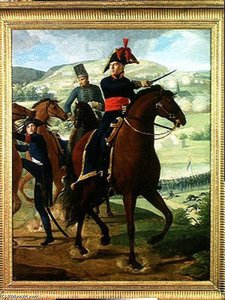
მოკლედ რომ ვთქვათ
ლუიერსენტი-ის ყველა დატოვებული ორიგინალიდან ყველაზე ცნობილია Sophie Crouzet (1801), რომელიც კლივლენდი-ში მდებარე კლივল্যান্ডের ხელოვნების მუზეუმი-ის კოლექციაშია. მისდაក្រោយ Henri-Charles-Ferdinand of Artois Duke of Bordeaux and his Sister Louise-Marie-Therese of (1820) და Portrait of Madame Le Doyen (1825) მოდიან. ჩვენს კატალოგში ლუიერსენტი-ის 37 ნამუშწარებია; გალერეამ შეინافظა ის 37 ნამუშწარო, რომლებსაც მსოფლიო ყველაზე მეტად აღიარებს, რომელთაგან თითოეული წარმოდგენილია თვის, მუზეუმისა და ისტორიის თანხლებით.
ლუიერსენტი-ის 10 საუკეთესო ნამუშgeryო: გალერეის არჩევანი
ლუიერსენტი-ის შერჩევა გრძელდება, 11-დან 37-მდე
სუბიექტები, რომლებმაც ლუიერსენტი-ის ყურადღება მიიპყრო
ამ ორიგინალებში ყველაზე ხშირად განმეორებადი არის 네 თემა, რომელთაგან თითოეულს თავისი საუკეთესო ნიმუში წარმოგვიდგება.
Portraiture 4 ნამუშევარი
Royalty 3 ნამუშევარი
Neoclassical style 2 ნამუშევარი
Portraits 2 ნამუშევარი
მუზეუმები, სადაც ლუიერსენტი-ის ორიგინალები ინახება
ამ გვერდზე წარმოდგენილი მხატვრობის შედეგების უმეტესობას 8 მუზეუმი ინახავს.
| მუზეუმი | ქალაქი | ლუიერსენტი შემოქმედებაలు | ამ სიიდან მოპოვებული ნახატები |
|---|---|---|---|
| პარისი | 3 | Portrait of Madame Arachequesne, Portrait of Romain de Bourge, General Louis Marie Turreau De Garambouville At The Gravieres Affair | |
| Versailles | 3 | Louise-Adélaïde Desnos, Queen Maria Amalia Of The French, Delphine De Girardin | |
| კლივლენდი | 1 | Sophie Crouzet | |
| Paris | 1 | Portrait of Madame Le Doyen | |
| ვერსალი | 1 | Portrait of Sophie Gay | |
| Vizille | 1 | The Battle Of Landschut, 21st April | |
| შანტილი | 1 | Marie-amelie De Bourbon - | |
| სტოქჰოლმი | 1 | Fénélon Returns A Stolen Cow To A Peasant |
ლუიერსენტი ათწლეულების მიხედვით: ორიგინალი, რომელიც განსაზღვრავს თითოეულ მათგანს
ნამუშევრები ათწლეულების მიხედვით
შეარჩიეთ ათწლეული, რათა ნახოთ ის ორიგინალი ნამუშევარი, რომელიც მას განსაზღვრავს.
Henri-Charles-Ferdinand of Artois Duke of Bordeaux and his Sister Louise-Marie-Therese of
კოლექციონერთა კითხვები ლუიერსენტი-ის ნახატებზე
რა ნამუშწარესით არის ყველაზე ცნობილი ლუიერსენტი?გაამჟღავნეთ პასუხი
Sophie Crouzet (1801), კლივল্যান্ডের ხელოვნების მუზეუმი, კლივლენდი. შემდეგ მოდიან Henri-Charles-Ferdinand of Artois Duke of Bordeaux and his Sister Louise-Marie-Therese of (1820) და Portrait of Madame Le Doyen (1825).
რამდენage იყო ლუიერსენტი, როდესაც შეიქმნა Sophie Crouzet?გაამჟღავნეთ პასუხი
24 წლის: Sophie Crouzet შექმნილია 1801 წელს, ხოლო ლუიერსენტი დაიბადა 1777 წელს.
რა არის ლუიერსენტი-ის 열 иң ცნობილი 열ი ტილო?გაამჟღავნეთ პასუხი
Sophie Crouzet, Henri-Charles-Ferdinand of Artois Duke of Bordeaux and his Sister Louise-Marie-Therese of, Portrait of Madame Le Doyen, Portrait of Madame Arachequesne, Portrait of Sophie Gay, Portrait of Madame Demetz in a red sofa, Religieux de l'hospice du mont Saint Gothard, Portrait of Sophie Legrand, comtesse Walsh de Serrant, and her children, Self-portrait და Louise-Adélaïde Desnos. ზემოთ მოცემული რეიტინგი ასახავს თითოეულის შემოქმედების წელსა და მუზეუმს.
რამდენი სურათი დატოვა ლუიერსენტი-მა?გაამჟღავნეთ პასუხი
ჩვენს კატალოგში წარმოდგენილია 37 ნამუშწევრი ლუიერსენტი-ისგან, დათარიღებული 1801-დან 1854-მდე.
რომელ მუზეუმებშია და hangs ლუიერსენტი-ის შედევრული ნამუშევრები?გაამჟღავნეთ პასუხი
ძირითადად Carnavalet Museum (პარისი), Opera House (Versailles) და კლივল্যান্ডের ხელოვნების მუზეუმი (კლივლენდი)-ში. ზემოთ მოცემულ მუზეუმების ცხრილში ისინი ყველა listed.
მათ რომელ წლებში შექმნა ლუიერსენტი-მა ყველაზე ცნობილი ნამუშევრები?გაამჟღავნეთ პასუხი
1820s-ში: ამ გვერდზე წარმოდგენილი 37 ნამუშწარwerksიდან 5 შეიქმნა მაშინ, მათგან Henri-Charles-Ferdinand of Artois Duke of Bordeaux and his Sister Louise-Marie-Therese of.
რა არის ლუიერსენტი-ის პირველი და ბოლო ცნობილი ორიგინალი?გაამჟღავნეთ პასუხი
ამ გვერდზე ყველაზე ადრეული არის Sophie Crouzet (1801), ხოლო ყველაზე გვიანდელი — Self-portrait (1854).
რომელ თემებს ირჩევდა ლუიერსენტი ყველაზე ხშირად?გაამჟღავნეთ პასუხი
Portraiture (4), Royalty (3) და Neoclassical style (2), ამ გვერდზე წარმოდგენილ 37 ნამუშწარეს შორის.
რა ხელოვნების მიმართულებას მიეკუთვნება ლუიერსენტი?გაამჟღავნეთ პასუხი
Neoclassicism, ამ გვერდზე წარმოდგენილი ორიგინალების მიხედვით.
ლუიერსენტი-ის რომელ ნამუშევრებს ჰქ나 Carnavalet Museum-ში?გაამჟღავნეთ პასუხი
Portrait of Madame Arachequesne, Portrait of Romain de Bourge და General Louis Marie Turreau De Garambouville At The Gravieres Affair: Carnavalet Museum, პარისი-ში წარმოდგენილია ამ გვერდზე მოცემული ნამუშევრების 3 ცალი.
ლუიერსენტი: ცხოვრება და შემოქმედება
A Legacy in Portraiture: The Life and Art of Louis Hersent
Louis Hersent, a name resonating with the elegance of the French Restoration era, was more than just a painter; he was a chronicler of his time. Born in Paris in 1777, Hersent’s artistic journey unfolded against a backdrop of revolutionary upheaval and imperial grandeur, ultimately solidifying his place as a master of Neoclassical portraiture and historical painting. His canvases offer not merely likenesses but insightful glimpses into the personalities and societal currents of early 19th-century France. From an early age, Hersent demonstrated a keen aptitude for art, leading him to the studio of Jacques-Louis David – a pivotal moment that would indelibly shape his aesthetic sensibilities. David, the preeminent Neoclassical painter and official artist of Napoleon Bonaparte, instilled in Hersent a rigorous approach to draftsmanship, composition, and form. This foundational training emphasized clarity, balance, and a restrained palette—hallmarks that would define Hersent’s mature style. Winning the prestigious Prix de Rome in 1797 further cemented his commitment to classical ideals, providing him with invaluable exposure to the artistic heritage of Italy.The Embrace of Neoclassicism and Artistic Development
Hersent's work embodies the core tenets of Neoclassicism: a reverence for antiquity, an emphasis on order and reason, and a commitment to technical precision. However, while deeply rooted in this tradition, Hersent wasn’t merely imitative. He infused his paintings with a subtle psychological depth, capturing not just the outward appearance but also the inner character of his subjects. His portraits are characterized by dignified poses, meticulous attention to detail—particularly in fabrics and textures—and a restrained emotionality that speaks volumes. He excelled at portraying members of the French aristocracy and military leaders, figures who sought to project an image of stability and authority in the wake of revolutionary turmoil. Paintings like The Duc D'Orléans, Duke Of Chartres And Nemours, exemplify this approach, presenting a commanding figure radiating both power and refinement. Hersent’s historical paintings, such as Peter I Of Russia And Louis XV Of France, similarly demonstrate his ability to depict grand narratives with clarity and dramatic impact. He consistently exhibited at the Paris Salon, earning first-class medals in 1817 and 1819—testaments to his growing reputation and artistic prowess.Beyond Portraits: Historical Scenes and Artistic Recognition
While Hersent is perhaps best known for his portraits, his historical paintings reveal a broader range of interests and skills. These works often depicted scenes of heroism, sacrifice, or political significance, reflecting the prevailing nationalistic sentiments of post-revolutionary France. Marshal André Masséna, Duke of Rivoli, stands as a powerful example—a commanding portrayal of a celebrated military figure that captures both his physical presence and his strategic brilliance. His ability to translate historical events into compelling visual narratives earned him considerable acclaim and further solidified his position within the artistic establishment. The recognition Hersent received wasn’t limited to Salon accolades; his paintings were sought after by prominent collectors, including members of the royal family. Louis XVI relieving the Afflicted, now housed at Versailles, exemplifies this patronage and underscores the artist's ability to create works that resonated with the values and aspirations of the restored monarchy.A Family of Artists and Enduring Legacy
Hersent’s personal life was also intertwined with the world of art. In 1821, he married Louise Marie Jeanne Hersent-Mauduit, a talented painter in her own right. Louise specialized in portraits and history painting, demonstrating a remarkable artistic sensibility. She even took on female pupils, including the porcelain painter Marie Virginie Boquet, furthering the legacy of artistic education within their family. The couple’s shared passion for art created a stimulating environment that undoubtedly influenced both their creative endeavors. Louis Hersent passed away in 1860, leaving behind a substantial body of work that continues to captivate and inspire. While perhaps not as widely celebrated today as some of his contemporaries like David or Ingres, Hersent’s contribution to French art remains significant. His paintings offer valuable insights into the appearance, status, and values of 19th-century French society, serving as a visual record of a pivotal period in European history. His meticulous technique, refined aesthetic sensibility, and ability to capture both physical likeness and psychological depth ensure that his work will continue to be admired for generations to come.Hersent’s Place in Art History
- A Bridge Between Eras: Hersent's art represents a transition between the strict Neoclassicism of David and the emerging Romanticism of the 19th century, blending classical principles with a more nuanced emotionality.
- Documenting an Elite: His portraits provide invaluable documentation of the French aristocracy and political figures during a period of significant social and political change.
- Technical Mastery: Hersent’s skill in draftsmanship, composition, and color demonstrates a profound understanding of artistic technique and a commitment to excellence.
- Influence on Subsequent Generations: As a teacher and mentor, Hersent helped shape the careers of numerous artists, passing on his knowledge and aesthetic values to future generations.