კამილ პისარო პორტრეტი

კამილ პისარო-ის ნახატები: 100 ყველაზე ცნობილი ნამუშევარი, গალერეის თcraftით

განახლდა ნოემბერი 2026 · დალაგებულია ჩვენი პოპულარობის ქულების მიხედვით (ძიება, ნახვა და შეკვეთები თითოეული ნამუშწაროსთვის) · 1 559 ნამუშევარი კამილ პისარო ჩვენს კატალოგში

მოკლედ რომ ვთქვათ

გალერეის შეხედულებით, კამილ პისარო-ის ყველაზე ცნობილი ნამუშწაროა ბულევარი მონმარტრ და ღამე (1897), რომლის ორიგინალი ნაციონალური გალერეა-ში, ლონდონი-ში hangs. ზამთრის სურათი, ტიტები (1893) და წითელი სახურავები, სოფლის კუთხე, ზამთარი (1877) ქმნიან იმ ტრიოს, რომელიც ყველამ იცნობს. ჩვენს კატალოგში არსებული კამილ პისარო-ის 1,559 ნამუშწაროდან, გალერეა ქვემოთ წარმოგიდგენთ 100 ყველაზე ცნობილ მათგანს; თითოეული მათგანი არის ორიგინალი, რომლის აღწერა მოიცავს შემოქმედების წელს, მუზეუმს და იმ დეტალებს, რაც მას უნიკალურს ხდის.

1830 – 1903, შარლოტა-ამალია Impressionist landscape ყველაზე მეტი ნამشევრი: Musée d'Orsay

გალერეის კამილ პისარო 10 საუკეთესო ნამი에도

1
ბულევარი მონმარტრ და ღამე (1897) ავტორის: კამილ პისარო

ბულევარი მონმარტრ და ღამე

1897 · ზეთი ტილოზე · ნაციონალური გალერეა, ლონდონი

კამილ პისაროს "ბულევარდ მონმარტრ და ღამე" – ეს არის არა მხოლოდ ტილო, არამდგრა ისტორიის ნაწილი, სადაც ქალაქის სული იცოცხლებს. 1897 წელს შექმნილი ეს შედევრი გვაქცევს პარიზის ღამის ცურასში, სადაც აირხაზების ნათება და ხელოვნური შუქი ქმნის მომხიბვლელ და დინამიკურ სცენას. ტილო არის იმპრესიონისტული მხატვრობის განუყოფელი ნაწილი, რომელიც ხასიათდება კონცენტრირებაზე ფωςზე, ფერზე და მოძრაობაზე.

2
ზამთრის სურათი, ტიტები (1893) ავტორის: კამილ პისარო

ზამთრის სურათი, ტიტები

1893 · ზეთი ტილოზე · Denver Art Museum, Denver

კამილ პისაროს ნაწარმოები „ზამთრის სურათი, ტიტები“ შემოდგომის არსს მშვიდ ლანდშაფტში ასახავს, რომელიც სავსეა ფერადი ფოთლებითა და ამაღლებული ტიტებით. ეს შედევრული ნამუშევარი მაყურებელს მშვიდად ტყის სცენაში ეპატიჟება, სადაც შემოდგომის თბილი ელფერი ჰარმონიისა და ბუნებრივი სილამაზის განცდას ქმნის.

3
წითელი სახურავები, სოფლის კუთხე, ზამთარი (1877) ავტორის: კამილ პისარო

წითელი სახურავები, სოფლის კუთხე, ზამთარი

1877 · ზეთი ტილოზე · Musée d'Orsay, პარიზი

სატყვასავლო სოფლის მომხიბვლელი სურათი კამილ პისაროს „წითელი სახურავები, სოფლის კუთხე, ზამთარი“ მკითხველს მშვიდ სოფლის პეიზაჟში ეპატიჟებს, რომელიც თბილი, შემოდგომის ფერებით არის გაჯერებული. ეს მომხიბვლელი სცენა ასახავს შიშველი ხეების გარემოცვაში ჩაკተትებული სოფლის წყნარ სილამაზეს, რაც სიმშვიდისა და ნოსტალგიის განცდას იწვევს. ეს ნამუშევარი პისაროს უნარის დასტურია, შეዋერთოს ბუნებრივი ელემენტები ადამიანურ საცხოვრებელთან, რითაც ქმნის ჰარმონიულ კომპოზიციას, რომელიც ერთდროულად რეალისტურიც არის და სიზმრისეულიც. პოსტ-იმპრესიონისტული ოსტატობა როგორც იმპრესონიზმის პიონერი და პოსტ-იმპრესიონიზმის საკვანძო ფიგურა, პისარო იყენებს…

4
ბადაქოს სათესავი ერაგნი-სურ-ეპტზე (1888) ავტორის: კამილ პისარო

ბადაქოს სათესავი ერაგნი-სურ-ეპტზე

1888 · ზეთი ტილოზე · დალასის ხელოვნების მუზეუმი, დალასი

კამილ პისაროს „ბადაქოს სათესავი ერაგნი-სურ-ეპტზე“ არის მომხიბვლელი პოსტ-იმპრესიონისტული ნამუშევარი, რომელიც მაყურებელს მშვიდ სოფლის სცენაში ეპატიჟებს. ეს ხელოვნების ნიმუში ულამაზესად ასახავს ადამიანისა და ბუნების ჰარმონიას, რაც მას იდეალურ დანამატს ხდის ნებისმიერი ხელოვნების კოლექციისა თუ იმ ინტერიერისათვის, რომელიც ეძებს პასტორალური ელეგანტურობის ნክრებს.

5
მონსიუ მუსის სახლი, მარლის გზატკეცილზე, ლუვესიენ (1872) ავტორის: კამილ პისარო

მონსიუ მუსის სახლი, მარლის გზატკეცილზე, ლუვესიენ

1872 · ზეთი ტილოზე

კამილ პისაროს "მონსიე მუსის სახლი, მარლის გზაზე, ლუვეციენში" არის მომხიბლავი ხედი საფრანგეთის სოფლის სიმშვიდესთან. ეს ტილო, რომელიც 1872 წელს შეიქმნა, გვ带领ს ფერადი სამყაროში, სადაც დრომ გააჩერა და ბუნების მშვენება სრულფასოვნად წარმოისახება. კომპოზიცია მოიცავს ქალაქიდან გზას, რომელიც მკითხველის თვალს მიაცილებს უდარձოდ, მარჯვნივ კი მდიდრედ აშენებულ სახლს ხედავთ წითელ კროფოსტან. წინასწარმეტყველებაში ცხენებით გადაყვინთილი სურათი და რამდენიმე ფიგურა ამართებენ სიმშვიდის განცდილებას.

6
Charlotte Amalie

France

1830

1903

Camille Pissarro

1898

The Enchanting Harbor at Dusk

54 x 65 cm

Sunset, Rouen

სეტყვალი, რუანი (1898) ავტორის: კამილ პისარო

Charlotte Amalie France 1830 1903 Camille Pissarro 1898 The Enchanting Harbor at Dusk 54 x 65 cm Sunset, Rouen სეტყვალი, რუანი

1898 · ზეთი ტილოზე

Jacob Abraham Camille Pissarro ( პისსარო), born July 10, 1830, in Charlotte Amalie, St. Thomas – then part of the Danish West Indies – stands as a monumental figure within the history of art, specifically the genesis and evolution of Impressionism. His artistic journey mirrored the shifting landscapes he passionately captured on canvas, reflecting not only his personal observations but also a profound understanding of the burgeoning artistic movement that…

7
Corner of the Garden in Eragny (1897) ავტორის: კამილ პისარო

Corner of the Garden in Eragny

1897 · Oil On Canvas · Ordrupgaard, გენტოფტი

Camille Pissarro’s “Corner of the Garden in Eragny,” painted in 1897, is a captivating example of Impressionism that transports viewers to a tranquil garden scene. This oil on canvas masterpiece, currently residing within the esteemed Ordrupgaard Collection in Denmark, exemplifies Pissarro's skill in capturing fleeting moments and the beauty of everyday life through light and color.

8
Boulevard Montmartre, morning, cloudy weather (1897) ავტორის: კამილ პისარო

Boulevard Montmartre, morning, cloudy weather

1897 · Oil On Canvas · National Gallery of Victoria, მელბურნი

The morning light filters through a heavy, overcast sky in Boulevard Montmartre, morning, cloudy weather. This 1897 oil on canvas captures a specific, fleeting moment in the heart of Paris. Camille Pissarro, the hand behind this vision, observes the city from a high vantage point, translating the movement of the streets into a rhythmic dance of color and light. The scene feels alive, as if the viewer is peering through…

9
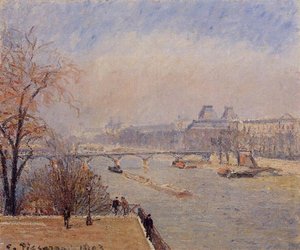
სენა და ლუვრი, პარიზი (1903) ავტორის: კამილ პისარო

სენა და ლუვრი, პარიზი

1903 · ზეთი ტილოზე · Musée d'Orsay, პარიზი

კამილ პისაროს „სენა და ლუვრი“, რომელიც 1903 წელს დაიხატა, არ არის მხოლოდ პარიზის აღწერა; ეს იმპრესიონიზმის ფუნდამენტური ფილოსოფიის განსახიერებაა – სილამაზისა და ემოციის წარმავალი მომენტების დაჭერა სინათლისა და ფერის მეშვეობით. ქალაქის პეიზაჟის უბრალო დაკვირვებაზე მეტი, პისარო ცდილობდა გადმოეტანა თავისი ეპოქის სული, რაც ასახავდა მე-20 საუკუნის დასაწყისის საფრანგეთის მზარდ ოპტიმიზმსა და დინამიკას.

10
Setting Sun, Autumn in Eragny (1900) ავტორის: კამილ პისარო

Setting Sun, Autumn in Eragny

1900 · Oil On Canvas

Setting Sun, Autumn in Eragny is an oil on canvas painting created in 1900. The scene depicts a sunny day in the countryside featuring trees and grass. Several individuals are visible in the landscape, with some positioned in the foreground and others further away, appearing to walk and enjoy the outdoors. A dog is also present in the composition, located near the center of the scene.

კამილ პისარო-ის ნახატები, რეიტინგით 11-დან 100-მდე

11ყვავილებში გაშლილი ბაღი, ლუვესიენ (1872) ავტორის: კამილ პისაროყვავილებში გაშლილი ბაღი, ლუვესიენ1872 · National Gallery of Art 12როდო პისსაროსПортрет კითხვის დროს (1900) ავტორის: კამილ პისაროროდო პისსაროსПортрет კითხვის დროს1900 13Gleaners (1887) ავტორის: კამილ პისაროGleaners1887 · კუნსტმუზეუ ბაზელი 14The Quarry, Pontoise (1875) ავტორის: კამილ პისაროThe Quarry, Pontoise1875 · კუნსტმუზეუ ბაზელი 15Outer harbour of Le Havre (1903) ავტორის: კამილ პისაროOuter harbour of Le Havre1903 16The Chou Quarries, Pontoise (1882) ავტორის: კამილ პისაროThe Chou Quarries, Pontoise1882 17Landscape with Factory (1867) ავტორის: კამილ პისაროLandscape with Factory1867 18მებაღვაეული სავარდო (1880) ავტორის: კამილ პისარომებაღვაეული სავარდო1880 19Ბლისტოს სეზონის კრებული (1885) ავტორის: კამილ პისაროᲑლისტოს სეზონის კრებული1885 20Self-Portrait, Musée d'Orsay, Paris. (1873) ავტორის: კამილ პისაროSelf-Portrait, Musée d'Orsay, Paris.1873 21A Path Across the Fields (1879) ავტორის: კამილ პისაროA Path Across the Fields1879 · Musée d'Orsay 22Women Tending the Laundry (study) (1887) ავტორის: კამილ პისაროWomen Tending the Laundry (study)1887 23The Chemin des Mathurins Climbing through Fields, Pontoise (1879) ავტორის: კამილ პისაროThe Chemin des Mathurins Climbing through Fields, Pontoise1879 · Musée d'Orsay 24მწვანე მზესახველი მთაზე (1872) ავტორის: კამილ პისარომწვანე მზესახველი მთაზე1872 25Boulevard Montmartre Foggy Morning (1897) ავტორის: კამილ პისაროBoulevard Montmartre Foggy Morning1897 26დილა, მზის სინათლის ეფექტი, ზამთარი (1895) ავტორის: კამილ პისაროდილა, მზის სინათლის ეფექტი, ზამთარი1895 · ბოსტონის fine arts-ის მუზეუმი 27The Laundry Woman (also known as Laundry) (1879) ავტორის: კამილ პისაროThe Laundry Woman (also known as Laundry)1879 28Bouquet of Flowers (Bouquet de Fleurs) (1898) ავტორის: კამილ პისაროBouquet of Flowers (Bouquet de Fleurs)1898 · სან-ფრანცისკოს fine arts მუზეუმები 29ხეტილი ჰერმიტაჟისთან (1876) ავტორის: კამილ პისაროხეტილი ჰერმიტაჟისთან1876 · Courtauld Gallery 30სამხარე დიპლომატის ხედვა სტემფორდის ბროკის გავრცელებაზე (1897) ავტორის: კამილ პისაროსამხარე დიპლომატის ხედვა სტემფორდის ბროკის გავრცელებაზე1897 31The Outer Boulevards, Snow Effect (1879) ავტორის: კამილ პისაროThe Outer Boulevards, Snow Effect1879 · Musée Marmottan Monet 32self portrait. (1873) ავტორის: კამილ პისაროself portrait.1873 33მთაწმინდის გაზაფხრა და ცეცხლისფერი ამინდი (1895) ავტორის: კამილ პისარომთაწმინდის გაზაფხრა და ცეცხლისფერი ამინდი1895 34The Tuileries Gardens: Winter Afternoon (1899) ავტორის: კამილ პისაროThe Tuileries Gardens: Winter Afternoon1899 · მეტროპოლიტენის ხელოვნების მუზეუმი 35Bather in the Woods (1895) ავტორის: კამილ პისაროBather in the Woods1895 36სოფლის კუთხე (1863) ავტორის: კამილ პისაროსოფლის კუთხე1863 37ვიოსნეს ნაპირები ოსნისში ნაცრისფერ ამინდში, ზამთარი (1883) ავტორის: კამილ პისაროვიოსნეს ნაპირები ოსნისში ნაცრისფერ ამინდში, ზამთარი1883 · National Gallery of Victoria 38The Oise at Pontoise in Bad Weather (1876) ავტორის: კამილ პისაროThe Oise at Pontoise in Bad Weather1876 · Museum Boijmans Van Beuningen 39დიეპი, დუნკესნის აუზი, დაბალი დონე, მზე, დილა (1902) ავტორის: კამილ პისაროდიეპი, დუნკესნის აუზი, დაბალი დონე, მზე, დილა1902 · Musée d'Orsay 40Côte des Grouettes, near Pontoise (1878) ავტორის: კამილ პისაროCôte des Grouettes, near Pontoise1878 · მეტროპოლიტენის ხელოვნების მუზეუმი 41მზეს მწყრალი ოის პონტოიზში (1870) ავტორის: კამილ პისარომზეს მწყრალი ოის პონტოიზში1870 42The Seine and Louvre (1903) ავტორის: კამილ პისაროThe Seine and Louvre1903 · Musée d'Orsay 43The Garden of the Tuileries on a Winter Afternoon (1899) ავტორის: კამილ პისაროThe Garden of the Tuileries on a Winter Afternoon1899 · მეტროპოლიტენის ხელოვნების მუზეუმი 44Walnut and Apple Trees in Bloom, Eragny ავტორის: კამილ პისაროWalnut and Apple Trees in Bloom, Eragny 45მთაში დასვენება (1878) ავტორის: კამილ პისარომთაში დასვენება1878 · Hamburger Kunsthalle 46Setting Sun and Fog, Eragny (1891) ავტორის: კამილ პისაროSetting Sun and Fog, Eragny1891 47Landscape at Valhermeil (1878) ავტორის: კამილ პისაროLandscape at Valhermeil1878 48აწეული გზა, პონტუაზი (1875) ავტორის: კამილ პისაროაწეული გზა, პონტუაზი1875 · ბრუკლინის მუზეუმი 49The Pont-Neuf: Snow (1902) ავტორის: კამილ პისაროThe Pont-Neuf: Snow1902 · უელსის ეროვნული გალერეა 50მ penetrated the Forest of Marly (Snow Effect) (1869) ავტორის: კამილ პისარომ penetrated the Forest of Marly (Snow Effect)1869 51Hyde Park, London (1890) ავტორის: კამილ პისაროHyde Park, London1890 52The Crossroads, Pontoise (also known as Place du Vieus Cimitiere) (1872) ავტორის: კამილ პისაროThe Crossroads, Pontoise (also known as Place du Vieus Cimitiere)1872 · Carnegie Museum of Art 53პონტოიზის ლანდშაფტი სავარდზე მატება და სხედამფ რაული სად სხედამფ რაული სავარდზე მატება და სხედამფ რაული სავარდზე მატება და სხედამფ რაული სავარდზე მატება და სხედამფ რაული სავარდზე მატება და სხედამფ რაული სავარდზე მატება და სხედამფ რაული სავარდზე მატება და (1879) ავტორის: კამილ პისაროპონტოიზის ლანდშაფტი სავარდზე მატება და სხედამფ რაული სად სხედამფ რაული სავარდზე მატება და სხედამფ რაული სავარდზე მატება და სხედამფ რაული სავარდზე მატება და სხედამფ რაული სავარდზე მატება და სხედამფ რაული სავარდზე მატება და სხედამფ რაული სავარდზე მატება და1879 54მწვანე ბაღი და ყვავილე მღვიძარება სექტემბერში (1877) ავტორის: კამილ პისარომწვანე ბაღი და ყვავილე მღვიძარება სექტემბერში1877 · Musée d'Orsay 55Le Boulevard Montmartre, temps de pluie, apres-midi ავტორის: კამილ პისაროLe Boulevard Montmartre, temps de pluie, apres-midi 56Mardi Gras on the Boulevards (1897) ავტორის: კამილ პისაროMardi Gras on the Boulevards1897 · Fogg Art Museum 57Julie Pissarro in the Garden (1874) ავტორის: კამილ პისაროJulie Pissarro in the Garden1874 · პატარა პალატა 58Le Boulevard Montmartre, apres-midi, soleil, (1897) ავტორის: კამილ პისაროLe Boulevard Montmartre, apres-midi, soleil,1897 59ლე Havre პორტის სურათი (1903) ავტორის: კამილ პისაროლე Havre პორტის სურათი1903 60პონტ კორნელიე და რუან დილა სూర్yyati სხიება (1896) ავტორის: კამილ პისაროპონტ კორნელიე და რუან დილა სూర్yyati სხიება1896 61गुલાピンク პეონები (1873) ავტორის: კამილ პისაროगुલાピンク პეონები1873 · Ashmolean Museum 62მწვანე დგომა მამაკაცთან და კლდეზე მძიმე მუშაობის სურათი (1877) ავტორის: კამილ პისარომწვანე დგომა მამაკაცთან და კლდეზე მძიმე მუშაობის სურათი1877 63მწვანე დგმათა კლდეები და ეპტე მზის სხივთათვის (1884) ავტორის: კამილ პისარომწვანე დგმათა კლდეები და ეპტე მზის სხივთათვის1884 64Gardens At Kew, Sunset (1892) ავტორის: კამილ პისაროGardens At Kew, Sunset1892 65The Cote des Boeurs at l'Hermitage, near Pontoise (1877) ავტორის: კამილ პისაროThe Cote des Boeurs at l'Hermitage, near Pontoise1877 · ნაციონალური გალერეა 66პონტ ნუე (1901) ავტორის: კამილ პისაროპონტ ნუე1901 67მზღვის დიკი და საღამური როວນის პორტის სურათი (1898) ავტორის: კამილ პისარომზღვის დიკი და საღამური როວນის პორტის სურათი1898 · კუნსტმუზეუმ ბერნი 68ლუვᅦცინესის მახვილი გზა და ნოტი (1869) ავტორის: კამილ პისაროლუვᅦცინესის მახვილი გზა და ნოტი1869 · Walters Art Museum 69L_Hermitage at Pontoise. (1867) ავტორის: კამილ პისაროL_Hermitage at Pontoise.1867 70კევი ბაღი: ტბა და კალმის სახლის მიღმა გზა (1892) ავტორის: კამილ პისაროკევი ბაღი: ტბა და კალმის სახლის მიღმა გზა1892 71Cowherds, Bazincourt (1890) ავტორის: კამილ პისაროCowherds, Bazincourt1890 72მწვანე სოფლის სახლი (1872) ავტორის: კამილ პისარომწვანე სოფლის სახლი1872 73ფავილიონი დო ფონტ როயალი (1902) ავტორის: კამილ პისაროფავილიონი დო ფონტ როயალი1902 74Landscape near Pontoise, the Auvers Road (1881) ავტორის: კამილ პისაროLandscape near Pontoise, the Auvers Road1881 · ისრაელის მუზეუმი 75მთაში მებაღეები ავტორის: კამილ პისარომთაში მებაღეები 76Avenue de l'Opera Morning Sunshine (1898) ავტორის: კამილ პისაროAvenue de l'Opera Morning Sunshine1898 · ფილადელფიის ხელოვნების მუზეუმი 77Goose Girl (1890) ავტორის: კამილ პისაროGoose Girl1890 78როვნე (1898) ავტორის: კამილ პისაროროვნე1898 79Les chataigniers a Osny (1873) ავტორის: კამილ პისაროLes chataigniers a Osny1873 80The Roofs of Old Rouen (The Cathedral) ავტორის: კამილ პისაროThe Roofs of Old Rouen (The Cathedral) 81მელიბაზარი პონტოში (1882) ავტორის: კამილ პისარომელიბაზარი პონტოში1882 · ნორტონ სიმონის მუზეუმი 82Mirbeau's Garden, the Terrace (1892) ავტორის: კამილ პისაროMirbeau's Garden, the Terrace1892 83The House of Monsieur Musy, Louveciennes (1870) ავტორის: კამილ პისაროThe House of Monsieur Musy, Louveciennes1870 84Self_Portrait with Palette (1896) ავტორის: კამილ პისაროSelf_Portrait with Palette1896 · დალასის ხელოვნების მუზეუმი 85ՕԻՍԵ գետը պոնտոյի մոտ՝ կամիլ բիսարրո (1873) ავტორის: კამილ პისაროՕԻՍԵ գետը պոնտոյի մոտ՝ կամիլ բիսարրո1873 86ფარმაცის სວນ და მებაღეობა მებაღეობის სახლში პონტოიზში (1877) ავტორის: კამილ პისაროფარმაცის სວນ და მებაღეობა მებაღეობის სახლში პონტოიზში1877 87The Bassin des Tuileries. Afternoon, Sun ავტორის: კამილ პისაროThe Bassin des Tuileries. Afternoon, Sun 88ლურჯის მწვანე სავაჭრო სახლი (1879) ავტორის: კამილ პისაროლურჯის მწვანე სავაჭრო სახლი1879 89The Bather (1895) ავტორის: კამილ პისაროThe Bather1895 · National Gallery of Art 90Hoarfrost (1890) ავტორის: კამილ პისაროHoarfrost1890 91Le Boulevard Montmartre, effet de nuit, - (53.5x) (1897) ავტორის: კამილ პისაროLe Boulevard Montmartre, effet de nuit, - (53.5x)1897 92ხავრის შავი ნავსადგელი და გარემო სხახლური (1903) ავტორის: კამილ პისაროხავრის შავი ნავსადგელი და გარემო სხახლური1903 93Peasant Woman Carrying Two Bundles of Hay (1883) ავტორის: კამილ პისაროPeasant Woman Carrying Two Bundles of Hay1883 · დალასის ხელოვნების მუზეუმი 94Após დამშვიდებელი წვიმის შემდეგ სექტემბერი, არაგნე (1901) ავტორის: კამილ პისაროApós დამშვიდებელი წვიმის შემდეგ სექტემბერი, არაგნე1901 95Spring Morning, Cloudy, Eragny (1900) ავტორის: კამილ პისაროSpring Morning, Cloudy, Eragny1900 · Tokyo Fuji Art Museum 96ლუვრი, მარტის ნისლი (1903) ავტორის: კამილ პისაროლუვრი, მარტის ნისლი1903 · ნიუ კარლსბერგ გლიპტეკი 97პონ დუ კარ루სელი საღამวัน (1903) ავტორის: კამილ პისაროპონ დუ კარ루სელი საღამวัน1903 98პონტოის ბაზარი (1882) ავტორის: კამილ პისაროპონტოის ბაზარი1882 99Chrysanthemums In a Chinese Vase (1873) ავტორის: კამილ პისაროChrysanthemums In a Chinese Vase1873 · National Gallery of Ireland 100რომანის ბოილდიუ ბრჯიდა (1896) ავტორის: კამილ პისარორომანის ბოილდიუ ბრჯიდა1896

კამილ პისარო-ის ცნობილი სურათები, პერიოდების მიხედვით

სუბიექტები, რომლებმაც კამილ პისარო-ის ყურადღება მიიპყრო

ამ ორიგინალებში ყველაზე ხშირად განმეორებადი არის 네 თემა, რომელთაგან თითოეულს თავისი საუკეთესო ნიმუში წარმოგვიდგება.

მუზეუმები, სადაც კამილ პისარო-ის ორიგინალები ინახება

ამ გვერდზე წარმოდგენილი მხატვრობის შედეგების უმეტესობას 8 მუზეუმი ინახავს.

მუზეუმი ქალაქი კამილ პისარო შემოქმედებაలు ამ სიიდან მოპოვებული ნახატები
Musée d'Orsay, პარიზიMusée d'Orsay პარიზი 55 წითელი სახურავები, სოფლის კუთხე, ზამთარი, სენა და ლუვრი, პარიზი, A Path Across the Fields
მეტროპოლიტენის ხელოვნების მუზეუმი, ნიუ-იორკიმეტროპოლიტენის ხელოვნების მუზეუმი ნიუ-იორკი 28 The Tuileries Gardens: Winter Afternoon, Côte des Grouettes, near Pontoise, The Garden of the Tuileries on a Winter Afternoon
დალასის ხელოვნების მუზეუმი, დალასიდალასის ხელოვნების მუზეუმი დალასი 9 ბადაქოს სათესავი ერაგნი-სურ-ეპტზე, Self_Portrait with Palette, Peasant Woman Carrying Two Bundles of Hay
National Gallery of Art, ვაშინგტონიNational Gallery of Art ვაშინგტონი 21 ყვავილებში გაშლილი ბაღი, ლუვესიენ, The Bather
ნაციონალური გალერეა, ლონდონინაციონალური გალერეა ლონდონი 12 ბულევარი მონმარტრ და ღამე, The Cote des Boeurs at l'Hermitage, near Pontoise
კუნსტმუზეუ ბაზელი, ბაზელიკუნსტმუზეუ ბაზელი ბაზელი 9 Gleaners, The Quarry, Pontoise
National Gallery of Victoria, მელბურნიNational Gallery of Victoria მელბურნი 2 Boulevard Montmartre, morning, cloudy weather, ვიოსნეს ნაპირები ოსნისში ნაცრისფერ ამინდში, ზამთარი
Ashmolean Museum, ოქსფორდიAshmolean Museum ოქსფორდი 15 गुલાピンク პეონები

კამილ პისარო, ერთი ავთენტური ნამუშწარები ათწლეულში

ნამუშევრები ათწლეულების მიხედვით

შეარჩიეთ ათწლეული, რათა ნახოთ ის ორიგინალი ნამუშევარი, რომელიც მას განსაზღვრავს.

კამილ პისარო-ის ნახატები: გალერეის პასუხები

რომელი კამილ პისარო ტილოა ყველაზე ცნობილი?გაამჟღავნეთ პასუხი

ბულევარი მონმარტრ და ღამე (1897), ნაციონალური გალერეა, ლონდონი. შემდეგ მოდიან ზამთრის სურათი, ტიტები (1893) და წითელი სახურავები, სოფლის კუთხე, ზამთარი (1877).

რამდენage იყო კამილ პისარო ბულევარი მონმარტრ და ღამე-ის დასრულებისას?გაამჟღავნეთ პასუხი

67 წლის: ბულევარი მონმარტრ და ღამე შექმნილია 1897 წელს, ხოლო კამილ პისარო დაიბადა 1830 წელს.

რომელია კამილ პისარო-ის 10 საუკეთესო ნამუშწარო?გაამჟღავნეთ პასუხი

ბულევარი მონმარტრ და ღამე, ზამთრის სურათი, ტიტები, წითელი სახურავები, სოფლის კუთხე, ზამთარი, ბადაქოს სათესავი ერაგნი-სურ-ეპტზე, მონსიუ მუსის სახლი, მარლის გზატკეცილზე, ლუვესიენ, Charlotte Amalie France 1830 1903 Camille Pissarro 1898 The Enchanting Harbor at Dusk 54 x 65 cm Sunset, Rouen სეტყვალი, რუანი, Corner of the Garden in Eragny, Boulevard Montmartre, morning, cloudy weather, სენა და ლუვრი, პარიზი და Setting Sun, Autumn in Eragny. ზემოთ მოცემული რეიტინგი ასახავს თითოეულის შემოქმედების წელსა და მუზეუმს.

რამდენიმე ნამუშწარები შექმნა კამილ პისარო-მა?გაამჟღავნეთ პასუხი

ჩვენს კატალოგში წარმოდგენილია 1,559 ნამუშწევრი კამილ პისარო-ისგან, დათარიღებული 1863-დან 1903-მდე.

სად hanging კამილ პისარო-ის ყველაზე ცნობილი ორიგინალები?გაამჟღავნეთ პასუხი

ძირითადად Musée d'Orsay (პარიზი), მეტროპოლიტენის ხელოვნების მუზეუმი (ნიუ-იორკი) და დალასის ხელოვნების მუზეუმი (დალასი)-ში. ზემოთ მოცემულ მუზეუმების ცხრილში ისინი ყველა listed.

როდის შექმნა კამილ პისარო-მა ყველაზე ცნობილი სურათები?გაამჟღავნეთ პასუხი

1870s-ში: ამ გვერდზე წარმოდგენილი 100 ნამუშწარwerksიდან 32 შეიქმნა მაშინ, მათგან წითელი სახურავები, სოფლის კუთხე, ზამთარი.

რომლებიც კამილ პისარო-ის ყველაზე ადრეული და ბოლო ცნობილი ნამუშევრებია?გაამჟღავნეთ პასუხი

ამ გვერდზე ყველაზე ადრეული არის სოფლის კუთხე (1863), ხოლო ყველაზე გვიანდელი — სენა და ლუვრი, პარიზი (1903).

რომელ თემებს მიმართავდა კამილ პისარო ყველაზე ხშირად?გაამჟღავნეთ პასუხი

Trees (11), Rural scene (10) და Cityscape (8), ამ გვერდზე წარმოდგენილ 100 ნამუშწარეს შორის.

რა ტექნიკით მუშაობდა კამილ პისარო ყველაზე ხშირად?გაამჟღავნეთ პასუხი

Ზეთი ტილოზე, ამ გვერდზე არსებული 100 ნამუშწაროსგან 46 ცალიდან.

რომელ მიძღვნასთან არის დაკავშირებული კამილ პისარო?გაამჟღავნეთ პასუხი

Impressionist landscape, ამ გვერდზე წარმოდგენილი ორიგინალების მიხედვით.

რომელი კამილ პისარო-ის ორიგინალები ინახავს Musée d'Orsay?გაამჟღავნეთ პასუხი

წითელი სახურავები, სოფლის კუთხე, ზამთარი, სენა და ლუვრი, პარიზი და A Path Across the Fields: Musée d'Orsay, პარიზი-ში წარმოდგენილია ამ გვერდზე მოცემული ნამუშევრების 7 ცალი.

კამილ პისარო: მხატვარი

Early Life, Family and Training

Camille Pissarro enters the world on July 10, 1830, in Charlotte Amalie, Saint Thomas. His origins are a convergence of identities. His father, Frederick Abraham Gabriel Pissarro, is a man of Portuguese Jewish descent holding French nationality. His mother, Rachel Manzano-Pomié, brings a French-Jewish lineage with Provençal roots to the household. This diverse background shapes a childhood far from the French mainland, set against the backdrop of the Danish West Indies.

The pull toward Paris eventually dictates his path. After early training at the Savary Academy in Passy, near Paris, the focus shifts toward formal academic rigor. He moves through the halls of the École des Beaux-Arts and the Académie Suisse. The training is not merely theoretical; it is a direct encounter with the giants of the era. He studies under Gustave Courbet and Jean-Baptiste-Camille Corot, absorbing the foundations of realism and the burgeoning interest in the natural world. By 1861, he is a registered copyist in the Musée du Louvre, working among the shadows of the masters he seeks to emulate.

Artistic Development and Style

The transition from academic tradition to the open air marks a fundamental shift in his approach. He moves away from the stifling constraints of formal training to embrace plein air painting, working directly from nature to capture the immediate sensations of the landscape. This commitment to the outdoors necessitates a new technical language. He begins applying oil on canvas with visible, textured strokes, abandoning the smooth finish of the academies. His palette brightens, utilizing separate patches of unmixed pigments to build up color. By the first half of the 1870s, his compositions appear firmly controlled, maintaining a structural integrity even as his brushwork becomes more expressive.

The search for new ways to render light leads to radical experimentation. He moves beyond the traditional application of paint to explore the delicate possibilities of pastel, layering thin washes of pigment onto paper to achieve subtle gradations of tone. This curiosity extends into his later years when he engages with Neo-Impressionism. Influenced by the methods of Georges Seurat and Paul Signac, he adopts pointillist techniques, utilizing regulated, comma-like brushstrokes to build his surfaces. This period demonstrates a willingness to abandon his established methods in favor of scientific precision and new optical effects.

The Impressionist Circle and Mentorship

The Impressionist movement is often viewed as a collection of fractured, competing egos, but Pissarro provides the glue. Between 1874 and 1886, he exhibits at all eight Paris Impressionist exhibitions, maintaining a steady presence while others drifted or clashed. He is the stabilizing force in a circle defined by internal disagreements. While the group navigates the friction of radical new ideas, Pissarro remains a constant, providing a sense of camaraderie that keeps the movement from splintering entirely.

His influence extends into the studios of the next generation. He acts as a mentor to Paul Cézanne, Vincent van Gogh, and Paul Gauguin, offering the technical and philosophical guidance they require to find their own paths. The connection with Cézanne is particularly intense; the two artists often work side by side, sometimes painting the exact same subjects to test the limits of space and color. They experiment together, regulating their brushstrokes and restricting their palettes in a shared search for a new visual language.

Personal stability also anchors his life away from the Parisian ferment. In 1871, he marries Julie Vellay, a vine-grower's daughter from Burgundy, in London. This connection to the land and the working class informs the quiet, rhythmic pulse of his social outlook. He does not merely observe the landscape; he builds a community of artists around the act of seeing.

Key Works and Subjects

Pissarro moves between the quietude of the countryside and the shifting energy of the city. He captures the rhythm of everyday life, often focusing on the labor of peasants working in open fields. In 1867, he produced The Jallais Hills, Pontoise, a work that looks toward the landscapes of his frequent subjects. By 1872, his gaze turned to the architecture of the outskirts in The House of Monsieur Musy, Route de Marly, Louveciennes.

The artist also turns his attention to the intimate and the individual. In 1874, he painted a Portrait of Paul Cezanne. His experimentation with medium is evident in the 1876 Portrait of Eugenie Estruc, a pastel on paper measuring 31 x 21 cm. This work utilizes thin washes of pigment to achieve a soft, diffused light across the subject's features. Later, in 1882, he documented the social pulse of a local market in The Poultry Market at Pontoise.

Legacy and Influence

The revolution of modern art finds its structural core in Pissarro’s insistence on the plein air method. By moving the easel from the controlled studio to the unpredictable outdoors, he fundamentally altered how landscape art is perceived. This commitment to capturing the immediate, fleeting effects of light and atmosphere changed the trajectory of painting. He did not merely observe the landscape; he sought to record the very sensations of the natural world through a textured, rhythmic application of pigment.

His influence operates through a direct lineage of mentorship. He provided the philosophical and technical framework that allowed younger, more volatile talents to find their footing. Without his stabilizing presence and willingness to experiment—even venturing into the pointillist techniques of Neo-Impressionism—the development of Post-Impressionism might have taken a different shape. He bridged the gap between the structured realism of the past and the radical, subjective expressions of the future.

Today, his presence is felt in the permanent collections of major museums across the globe. His canvases remain essential for understanding the shift toward modernism. His works are held in:

Where to See the Works Today

The weight of Pissarro's influence is felt most heavily in Paris. The Musée d'Orsay holds the largest concentration of his output, with 23 works preserved within its walls. Here, the evolution of his brushwork remains visible, from the structured compositions of his early years to the more liberated, textured surfaces of his later period. Visitors can find his depictions of the French countryside and the shifting light of the Seine, including works like Red Roofs, Corner of a Village, Winter from about 1877.

Across the Atlantic, the Metropolitan Museum of Art in New York maintains a significant presence of his vision, housing 14 works. This collection allows for a direct comparison of his stylistic shifts, such as the transition from his more traditional landscapes to the experimental textures of his Neo-Impressionist phase. In the United States, the National Gallery of Art in Washington holds 6 works, while the Art Institute of Chicago preserves 5. These pieces often focus on the quiet dignity of rural labor and the atmospheric qualities of the French landscape.

The reach of his canvases extends into the United Kingdom and beyond. The Ashmolean Museum in Oxford contains 6 of his paintings, offering a window into the specific light and color he sought to capture through plein air observation. His presence in these global institutions ensures that his commitment to the ephemeral qualities of nature remains accessible to those studying the development of modern painting.