ჯონ კონსტებლი პორტრეტი

100 ყველაზე ცნობილი ჯონ კონსტებლი-ის ნახატი, თითოეული მათგანი უნიკალური

განახლდა ოქტომბერი 2026 · დალაგებულია ჩვენი პოპულარობის ქულების მიხედვით (ძიება, ნახვა და შეკვეთები თითოეული ნამუშწაროსთვის) · 497 ნამუშევარი ჯონ კონსტებლი ჩვენს კატალოგში

მოკლედ რომ ვთქვათ

ჭარბი (1821) არის ჯონ კონსტებლი-ის ის ნამუშწარო, რომელიც ყველაზე მეტ ყურადღებას იქცევს; ორიგინალი იმყოფება ნაციონალური გალერეა-ში, ლონდონი. ამის შემდეგ, მზერა გადადის View of Salisbury Cathedral from the Bishop's Grounds (1823)-სა და სალისბურის ტაძარი-ზე. ჩვენს კატალოგში არსებული ჯონ კონსტებლი-ის 497 ნამუშწაროდან ეს 100 ყველაზე ცნობილია; თითოეული მათგანი წარმოადგენს უნიკალურ ორიგინალს, რომელიც წარმოდგენილია წელით, მუზეუმითა და იმ მიზეზით, რის გამოც ის დღემდე ცოცხლობს.

1776 – 1837, აღმოსავლეთ ბერგჰოლტი Რომანტიზმი ყველაზე მეტი ნამشევრი: Yale Center for British Art

ჯონ კონსტებლი-ის 10 საუკეთესო ნამუშgeryო, გალერეის თcraftით

1
ჭარბი (1821) ავტორის: ჯონ კონსტებლი

ჭარბი

1821 · ზეთი ტილოზე · ნაციონალური გალერეა, ლონდონი

Ջոն კონსტებლის "Հացահարման տեսարան" (The Hay Wain), որը ստեղծվել է 1821 թվականին, ոչ միայն անգլական գեղանկարչության հայտնի шедеври է, այլև դարձել է բնապատկերի կատարման նորաստեղծ ձևավորման խորհրդանիշ։ Այս վառ և հուզող կտավը ներկայացնում է Սթուր գետի ափին գտնվող գյուղային տեսարան, որտեղ հացահարման մեքենա ջրով լեցված ճամփեով անցնում է։ კონსტებլը մանրակրկատորեն պատկերել է բնության բոլոր դետալները՝ ստեղծելով իրական և հուզիչ վայր։

2
View of Salisbury Cathedral from the Bishop's Grounds (1823) ავტორის: ჯონ კონსტებლი

View of Salisbury Cathedral from the Bishop's Grounds

1823 · Acrylic On Canvas · ვიქტორია და ალბერტის მუზეუმი, ლონდონი

John Constable, one of the most renowned English landscape painters, created a breathtaking piece titled View of Salisbury Cathedral from the Bishop's Grounds. This oil on canvas painting, measuring 88 x 112 cm, is a quintessential example of Romanticism and showcases Constable's unique ability to capture the essence of nature. The Painting's Composition The painting depicts Salisbury Cathedral in all its grandeur, set against a serene backdrop of trees and…

3
სალისბურის ტაძარი ავტორის: ჯონ კონსტებლი

სალისბურის ტაძარი

გრაფიტის ფანქარი

Subject and Composition This exquisite monochromatic sketch captures the majestic presence of Salisbury Cathedral, a masterpiece of medieval architecture and spiritual significance. The detailed rendering highlights the cathedral’s soaring spires and intricate Gothic features, set amidst a tranquil natural landscape. The composition balances the grandeur of the structure with organic elements, inviting viewers to contemplate the harmony between human craftsmanship and nature’s serenity. Artistic Style and Technique Executed in a…

4
კალმუკი (დეტალი) (1821) ავტორის: ჯონ კონსტებლი

კალმუკი (დეტალი)

1821 · აკრილი ტილოზე · ნაციონალური გალერეა, ლონდონი

ჯონ კონსტებლის „ფარવાનો ტრიალა“, რომელიც 1821 წელს დასრულდა, ბევრად მეტია, ვიდრე უბრალოდ ინგლისურជនბეთეში პეიზაჟის გამოსახულება; ეს არის ემოციური მოწმობა სიყვარულით და დეტალურად დაკვირვებული ლანდშაფტის შესახებ. ეს ხატოვანი картина, რომელიც ახლა ლონდონის ნაციონალურ გალერეაშია განთავსებული, აღემატება თავის თემას – მარტივ სასოფლო-სამეურნეო ცხოვრების სცენას – და იქცევა ეროვნული იდენტობისა და მხატვრულ ინოვაციების ძლიერ სიმბოლოდ. დეტალები, რომელიც გამოფენილია AllPaintingsStore.com-ის მსგავს პლატფორმებზე ხელმისაწვდომი რეპროდაქციებში, მაყურებელს საშუალებას აძლევს დააფასოს ის ნიუანსები, რამაც ეს ნამუშევარი უბრალო…

5
Flatford Mill (Scene on a Navigable River) (1817) ავტორის: ჯონ კონსტებლი

Flatford Mill (Scene on a Navigable River)

1817 · Oil On Canvas

In the quiet corners of the English countryside, where the River Stour winds through the verdant heart of Suffolk, lies a scene captured forever in John Constable’s 1817 masterpiece, Flatford Mill (Scene on a Navigable River). This is not merely a depiction of a watermill; it is an evocative window into the Romantic soul. To gaze upon this canvas is to step into a world where the boundaries between nature…

6
მხტარი (1825) ავტორის: ჯონ კონსტებლი

მხტარი

1825 · ზეთი ტილოზე · Roy Miles gallery, ლონდონი

John Constable's "The Leaping Horse," painted in 1825, isn’t merely a depiction of a riverside scene; it’s a vibrant distillation of the English countryside and a profound exploration of light, movement, and human interaction with nature. This iconic work, now residing within the Royal Academy’s collection, captures a fleeting moment along the River Stour in Suffolk – a region deeply ingrained in Constable's artistic sensibility and personal history. The painting…

7
... სენოტაფ პრინს ჯოშუა რெய்ნოლდს მემორიალისადმი ავტორის: ჯონ კონსტებლი

... სენოტაფ პრინს ჯოშუა რெய்ნოლდს მემორიალისადმი

ზეთი ტილოზე

Cenotaph to the Memory of Sir Joshua Reynolds – A Landscape Reverie John Constable’s *Cenotaph to the Memory of Sir Joshua Reynolds*, completed in 1836, stands as a testament to Romantic idealism and the enduring fascination with capturing the sublime beauty of the English countryside. More than just a depiction of a memorial garden, it embodies Constable's profound connection to nature—a bond that would define his artistic legacy and influence…

8
ხედი სტაურზე დედჰემის მახლობლად (1822) ავტორის: ჯონ კონსტებლი

ხედი სტაურზე დედჰემის მახლობლად

1822 · ზეთი

Introduction to the Painting A View On The Stour Near Dedham, painted by John Constable in 1822, is a quintessential representation of the English countryside during the early 19th century. This oil on canvas painting measures 129 x 188 cm and is a prime example of Romanticism in art. The Scene The painting depicts a serene scene along the Stour River, with several boats floating gently on the water. At…

9
ფლატფორდის საკეტი (1811) ავტორის: ჯონ კონსტებლი

ფლატფორდის საკეტი

1811 · ზეთប្រეწმი · Yale Center for British Art, ნიუ-ჰეივენი

დედჰემ ვეილის სიმშვიდეში, სადაც მდინარე სტური სუფოლკის გულს შორის მოგზაურობს, ჯონ კონსტებელმა უფრო მეტი დააფიქსირა, ვიდრე უბრალოდ პეიზაჟი; მან თავად შემოინახა ስሜტი. Flatford Lock, რომელიც 1811 წელს დაიხატა, წარმო stands როგორც ღრმა მედიტაცია სილამაზეზე, მარტოობასა და სოფლის ცხოვრების მარადიულ რიტმზე. ეს შედევრული ნამუშევარი არ არის მხოლოდ მოქმედი ქარખા lifted-ის ტოპოგრაფიული ჩანაწერী; იგი რომანტიზმის იდეალიზმის განსახიერებაა. თავისი ფუნჯით, მხატვარმა მოკრძალებული ხის ხიდი და მშვიდი წყლები დაკარგული პასტორალური სერენიტეტის სიმბოლოებად აქცია, რაც…

10
სოლტბერის ტაძარი ეპისკოპოსის მესამედან (1825) ავტორის: ჯონ კონსტებლი

სოლტბერის ტაძარი ეპისკოპოსის მესამედან

1825 · ზეთი ტილოზე · მეტროპოლიტენის ხელოვნების მუზეუმი, ნიუ-იორკი

პასტორალური ხედვა: კონსტებლის „სოლტბერის ტაძარი ეპისკოპოსის მესამედან“ აღმოჩენა ჯონ კონსტებლის „სოლტბერის ტაძარი ეპისკოპოსის მესამედან“ (1825) უფრო მეტია, ვიდრე უბრალოდ არქიტექტურული საოცნების გამოსახულება; ეს არის მისი ღრმა კავშირის ინგლისური სოფლის პეიზაჟისადმი მძაფრი გამოხატულება და რომანტიზმის სტილის პეიზაჟური ფერწერის დახვეწილი ნიმუში. ეს საკულტო ნამუშევარი, რომელიც ამჟამად ნიუ-იორკის მეტროპოლიტენის ხელოვნების მუზეუმში ინახება, მაყურებელს მშვიდ სამყაროში ეპატიჟებს, სადაც რწმენა, ბუნება და ადამიანური ცხოვრება ჰარმონიულად თანაარსებობენ. სუბიექტი და კომპოზიცია წარმოდგენილი ტილო სოლტბერის ტაძრის მომხიბვლელ ხედს…

ჯონ კონსტებლი-ის ცნობილი ნამუშევრები, 11-დან 100-მდე ნომრებით

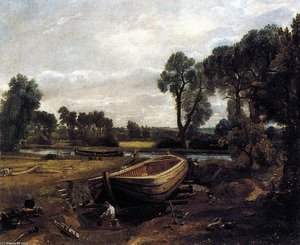
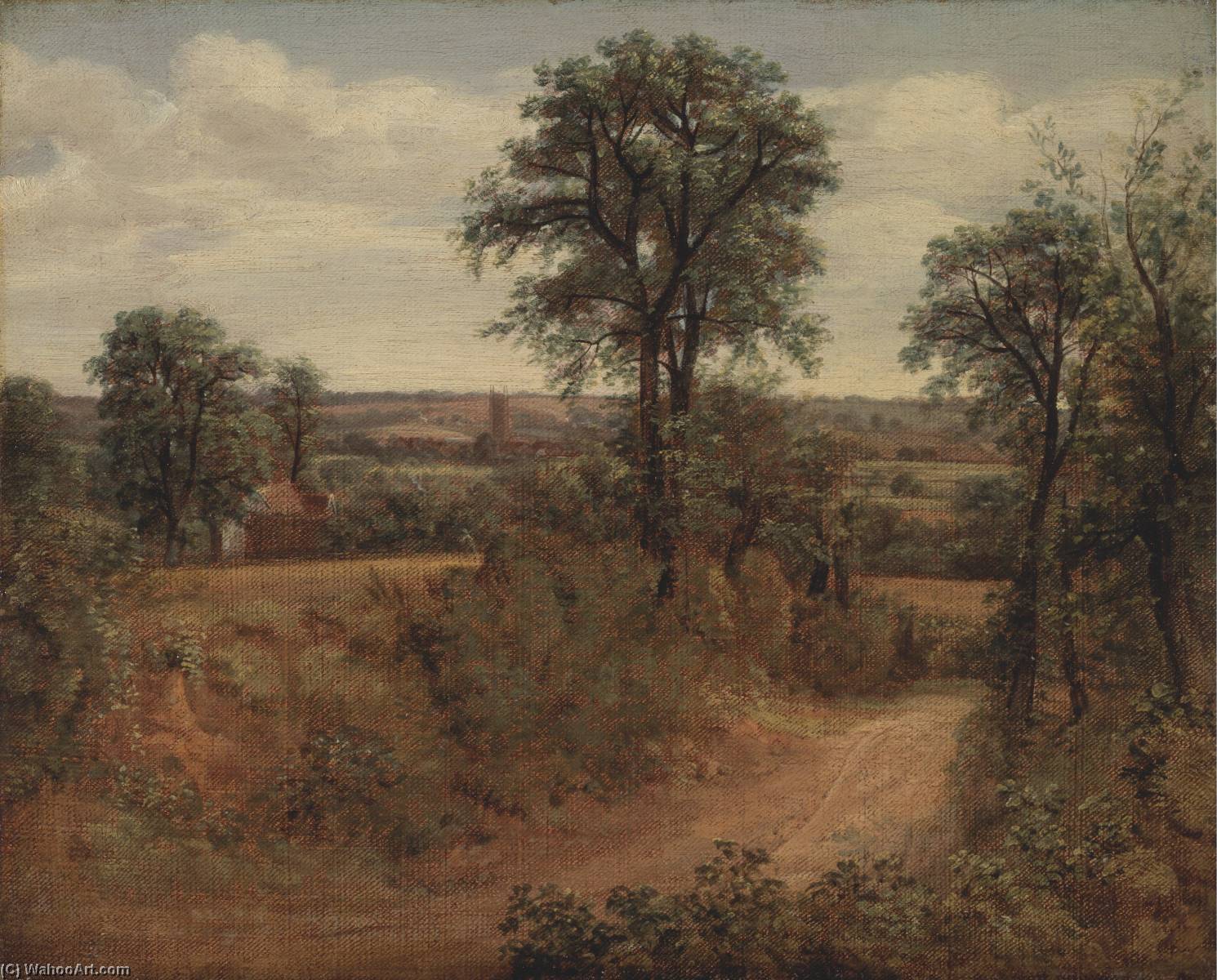
11Helmingham Dell ავტორის: ჯონ კონსტებლიHelmingham Dellლუვრი 12The Hay-Wain (1821) ავტორის: ჯონ კონსტებლიThe Hay-Wain1821 · ნაციონალური გალერეა 13Wivenhoe Park, Essex ავტორის: ჯონ კონსტებლიWivenhoe Park, Essex 14ღრუბლების ეთუდი, ჰემპსტედი, ხე მარჯვენით (1821) ავტორის: ჯონ კონსტებლიღრუბლების ეთუდი, ჰემპსტედი, ხე მარჯვენით1821 15საღამოს პეიზაჟი წვიმის შემდეგ (1821) ავტორის: ჯონ კონსტებლისაღამოს პეიზაჟი წვიმის შემდეგ1821 · Yale Center for British Art 16დედამთან ახლოს მდგარი გზა (1802) ავტორის: ჯონ კონსტებლიდედამთან ახლოს მდგარი გზა1802 · Yale Center for British Art 17The Old Mill (1820) ავტორის: ჯონ კონსტებლიThe Old Mill1820 · Walters Art Museum 18გზა ფლატფორდის მახლობლად (1810) ავტორის: ჯონ კონსტებლიგზა ფლატფორდის მახლობლად1810 · Tate Gallery 19ვილი ლოს სახლი (1810) ავტორის: ჯონ კონსტებლივილი ლოს სახლი1810 · ვიქტორია და ალბერტის მუზეუმი 20Old Sarum (1834) ავტორის: ჯონ კონსტებლიOld Sarum1834 · ვიქტორია და ალბერტის მუზეუმი 21East Bergholt Rectory (1810) ავტორის: ჯონ კონსტებლიEast Bergholt Rectory1810 · ფილადელფიის ხელოვნების მუზეუმი 22Boat-building near Flatford Mill (1815) ავტორის: ჯონ კონსტებლიBoat-building near Flatford Mill1815 · ვიქტორია და ალბერტის მუზეუმი 23ფლატფორდის ქარხანა (დეტალი) (1817) ავტორის: ჯონ კონსტებლიფლატფორდის ქარხანა (დეტალი)1817 · Tate Gallery 24სიმინდის ველი (1826) ავტორის: ჯონ კონსტებლისიმინდის ველი1826 · ნაციონალური გალერეა 25სოლტბერის ტაძარი მდელოებიდან (1831) ავტორის: ჯონ კონსტებლისოლტბერის ტაძარი მდელოებიდან1831 · ნაციონალური გალერეა 26wivenhoe park (1816) ავტორის: ჯონ კონსტებლიwivenhoe park1816 27Study of the Trunk of an Elm Tree (1821) ავტორის: ჯონ კონსტებლიStudy of the Trunk of an Elm Tree1821 · ბირმინგემის მუზეუმი და სახელოვნებო გალერეა 28კრაზანების ნატურმორტი (1826) ავტორის: ჯონ კონსტებლიკრაზანების ნატურმორტი1826 · Yale Center for British Art 29Dedham Vale, with a view to Langham church from the fields just east of Vale Farm, East Bergholt (1815) ავტორის: ჯონ კონსტებლიDedham Vale, with a view to Langham church from the fields just east of Vale Farm, East Bergholt1815 30სტური ავტორის: ჯონ კონსტებლისტურიფილადელფიის ხელოვნების მუზეუმი 31Harwich The Low Lighthouse and Beacon Hill (1820) ავტორის: ჯონ კონსტებლიHarwich The Low Lighthouse and Beacon Hill1820 · Yale Center for British Art 32Hadleigh Castle (sketch) (1828) ავტორის: ჯონ კონსტებლიHadleigh Castle (sketch)1828 33Stratford Mill (1820) ავტორის: ჯონ კონსტებლიStratford Mill1820 34Study of a Cloudy Sky (1825) ავტორის: ჯონ კონსტებლიStudy of a Cloudy Sky1825 · Yale Center for British Art 35ჰარნემის cổng, ოსბᅥრი ავტორის: ჯონ კონსტებლიჰარნემის cổng, ოსბᅥრი 36The cathedral of Salisbury Sun ავტორის: ჯონ კონსტებლიThe cathedral of Salisbury Sun 37მარია ბიქნელი (ჯონ კონსტებლის ქვრივი) (1816) ავტორის: ჯონ კონსტებლიმარია ბიქნელი (ჯონ კონსტებლის ქვრივი)1816 38The Glebe Farm (1830) ავტორის: ჯონ კონსტებლიThe Glebe Farm1830 39Salisbury Cathedral from the Bishop's Garden (1821) ავტორის: ჯონ კონსტებლიSalisbury Cathedral from the Bishop's Garden1821 · Μουσείο Τέχνης Σαο Παυλοῦ Άσσις Χατεάουμπριάνδ 40ბრენჩ ჰილ პონდ ჰემპსტედი (1819) ავტორის: ჯონ კონსტებლიბრენჩ ჰილ პონდ ჰემპსტედი1819 41Stoke-by-Nayland (1810) ავტორის: ჯონ კონსტებლიStoke-by-Nayland1810 42ნავი სარქველთან (სკეჩი) ავტორის: ჯონ კონსტებლინავი სარქველთან (სკეჩი)National Gallery of Victoria 43Salisbury (1829) ავტორის: ჯონ კონსტებლიSalisbury1829 · Fitzwilliam Museum 44Somerset House Terrace and the Thames A View from the North End of Waterloo Bridge with St. Paul's Cathedral in the distance ავტორის: ჯონ კონსტებლიSomerset House Terrace and the Thames A View from the North End of Waterloo Bridge with St. Paul's Cathedral in the distance 45Captain Richard Gubbins (1805) ავტორის: ჯონ კონსტებლიCaptain Richard Gubbins1805 · Yale Center for British Art 46Dedham Lock and Mill (1817) ავტორის: ჯონ კონსტებლიDedham Lock and Mill1817 47Lock on the River Stour at Flatford Mill (Suffolk) (1812) ავტორის: ჯონ კონსტებლიLock on the River Stour at Flatford Mill (Suffolk)1812 48ხედი სახლით (1809) ავტორის: ჯონ კონსტებლიხედი სახლით1809 · ჩიკაგოს ხელოვნების ინსტიტუტი 49View on the River Severn at Worcester (1835) ავტორის: ჯონ კონსტებლიView on the River Severn at Worcester1835 · შოტლანდიის ეროვნული გალერეა 50wivenhoe park, essex - oil on canvas - (1816) ავტორის: ჯონ კონსტებლიwivenhoe park, essex - oil on canvas -1816 51Distant View of Salisbury Cathedral (1821) ავტორის: ჯონ კონსტებლიDistant View of Salisbury Cathedral1821 52Dedham Vale (1802) ავტორის: ჯონ კონსტებლიDedham Vale1802 · Yale Center for British Art 53Rainstorm over the Sea (1828) ავტორის: ჯონ კონსტებლიRainstorm over the Sea1828 · Royal Academy of Arts 54Hilly Landscape (1808) ავტორის: ჯონ კონსტებლიHilly Landscape1808 · Nationalmuseum 55The White Horse (1818) ავტორის: ჯონ კონსტებლიThe White Horse1818 · National Gallery of Art 56Dedham Vale (1810) ავტორის: ჯონ კონსტებლიDedham Vale1810 · Dayton Art Institute 57Portrait of a Child with a Dog ავტორის: ჯონ კონსტებლიPortrait of a Child with a DogNational Gallery of Ireland 58Yarmouth Jetty (1822) ავტორის: ჯონ კონსტებლიYarmouth Jetty1822 · National Gallery of Art 59a water mill ავტორის: ჯონ კონსტებლიa water mill 60ჰადლის ციხე (1828) ავტორის: ჯონ კონსტებლიჰადლის ციხე1828 · Yale Center for British Art 61Marine Parade and Old Chain Pier (1827) ავტორის: ჯონ კონსტებლიMarine Parade and Old Chain Pier1827 62The Opening of Waterloo Bridge ავტორის: ჯონ კონსტებლიThe Opening of Waterloo BridgeYale Center for British Art 63ბაღი ან অ্যাডმირალის სახლი (1822) ავტორის: ჯონ კონსტებლიბაღი ან অ্যাডმირალის სახლი1822 · Alte Nationalgalerie 64Flatford Mill from the Lock (1811) ავტორის: ჯონ კონსტებლიFlatford Mill from the Lock1811 · Henry E. Huntington Library 65Dedham Vale from the Road to East Bergholt, Sunset (1810) ავტორის: ჯონ კონსტებლიDedham Vale from the Road to East Bergholt, Sunset1810 66Flatford Mill (1817) ავტორის: ჯონ კონსტებლიFlatford Mill1817 67Stonehenge at Sunset (1836) ავტორის: ჯონ კონსტებლიStonehenge at Sunset1836 · Yale Center for British Art 68A Cornfield (1817) ავტორის: ჯონ კონსტებლიA Cornfield1817 69Willy Lott's Cottage (1820) ავტორის: ჯონ კონსტებლიWilly Lott's Cottage1820 70Sketch for "The Haywain" (1820) ავტორის: ჯონ კონსტებლიSketch for "The Haywain"1820 · Yale Center for British Art 71Waterloo Bridge Seen from Whitehall Stairs (1829) ავტორის: ჯონ კონსტებლიWaterloo Bridge Seen from Whitehall Stairs1829 72The Mill Stream (1815) ავტორის: ჯონ კონსტებლიThe Mill Stream1815 73Willy Lott's House (1802) ავტორის: ჯონ კონსტებლიWilly Lott's House1802 74Coal Brigs on Brighton Beach ავტორის: ჯონ კონსტებლიCoal Brigs on Brighton Beach 75View of Dedham Vale from East Bergholt (1815) ავტორის: ჯონ კონსტებლიView of Dedham Vale from East Bergholt1815 · ბავარიის სახელმწიფო ფერწერის კოლექციები 76Flatford Mill from the Lock (1810) ავტორის: ჯონ კონსტებლიFlatford Mill from the Lock1810 77Branch Hill Pond, Hampstead Heath, with a Cart and Carters (1825) ავტორის: ჯონ კონსტებლიBranch Hill Pond, Hampstead Heath, with a Cart and Carters1825 78Weymouth Bay with Approaching Storm ავტორის: ჯონ კონსტებლიWeymouth Bay with Approaching Storm 79Malvern Hall from the South West (1809) ავტორის: ჯონ კონსტებლიMalvern Hall from the South West1809 · ბრისტლის მუზეუმი და სახელოვნებო გალერეა 80East Bergholt Church (1809) ავტორის: ჯონ კონსტებლიEast Bergholt Church1809 · Yale Center for British Art 81View of Dedham Vale (1800) ავტორის: ჯონ კონსტებლიView of Dedham Vale1800 82Flatford Mill (1810) ავტორის: ჯონ კონსტებლიFlatford Mill1810 · Yale Center for British Art 83Hampstead Heath with Bathers (1822) ავტორის: ჯონ კონსტებლიHampstead Heath with Bathers1822 84The Coast at Brighton - Stormy Evening ავტორის: ჯონ კონსტებლიThe Coast at Brighton - Stormy Evening 85Harwich The Low Lighthouse and Beacon Hill (1820) ავტორის: ჯონ კონსტებლიHarwich The Low Lighthouse and Beacon Hill1820 · Yale Center for British Art 86Summer evening with storm clouds ავტორის: ჯონ კონსტებლიSummer evening with storm clouds 87Dedham Vale: Morning (1811) ავტორის: ჯონ კონსტებლიDedham Vale: Morning1811 88ტყის ბილიკი ავტორის: ჯონ კონსტებლიტყის ბილიკი 89The Glebe Farm (1830) ავტორის: ჯონ კონსტებლიThe Glebe Farm1830 90Landscape with Cottages (1810) ავტორის: ჯონ კონსტებლიLandscape with Cottages1810 91Branch Hill Pond, Hampstead Heath, with a Boy Sitting on a Bank (1825) ავტორის: ჯონ კონსტებლიBranch Hill Pond, Hampstead Heath, with a Boy Sitting on a Bank1825 92View of Salisbury (1820) ავტორის: ჯონ კონსტებლიView of Salisbury1820 · ლუვრი 93სოლსბერის კათედრალი ეპისკოპოსის ნაკვეთებიდან (1823) ავტორის: ჯონ კონსტებლისოლსბერის კათედრალი ეპისკოპოსის ნაკვეთებიდან1823 · ვიქტორია და ალბერტის მუზეუმი 94weymouth bay ავტორის: ჯონ კონსტებლიweymouth bay 95A Shepherd in a Landscape looking across Dedham Vale towards Langham (1811) ავტორის: ჯონ კონსტებლიA Shepherd in a Landscape looking across Dedham Vale towards Langham1811 · Yale Center for British Art 96View on the Stour ავტორის: ჯონ კონსტებლიView on the Stour 97Salisbury Cathedral from the Meadows ავტორის: ჯონ კონსტებლიSalisbury Cathedral from the Meadows 98SelfPortrait ავტორის: ჯონ კონსტებლიSelfPortrait 99Osmington Bay ავტორის: ჯონ კონსტებლიOsmington Bayფილადელფიის ხელოვნების მუზეუმი 100ჰელმინგჰემ პარკის ველী (ფილადელფია) ავტორის: ჯონ კონსტებლიჰელმინგჰემ პარკის ველী (ფილადელფია)ფილადელფიის ხელოვნების მუზეუმი

ჯონ კონსტებლი-ის ცნობილი სურათები, პერიოდების მიხედვით

სუბიექტები, რომლებმაც ჯონ კონსტებლი-ის ყურადღება მიიპყრო

ამ ორიგინალებში ყველაზე ხშირად განმეორებადი არის 네 თემა, რომელთაგან თითოეულს თავისი საუკეთესო ნიმუში წარმოგვიდგება.

მუზეუმები, სადაც ჯონ კონსტებლი-ის ორიგინალები ინახება

ამ გვერდზე წარმოდგენილი მხატვრობის შედეგების უმეტესობას 8 მუზეუმი ინახავს.

მუზეუმი ქალაქი ჯონ კონსტებლი შემოქმედებაలు ამ სიიდან მოპოვებული ნახატები
Yale Center for British Art, ნიუ-ჰეივენიYale Center for British Art ნიუ-ჰეივენი 66 ფლატფორდის საკეტი, საღამოს პეიზაჟი წვიმის შემდეგ, დედამთან ახლოს მდგარი გზა
ვიქტორია და ალბერტის მუზეუმი, ლონდონივიქტორია და ალბერტის მუზეუმი ლონდონი 11 View of Salisbury Cathedral from the Bishop's Grounds, ვილი ლოს სახლი, Old Sarum
ნაციონალური გალერეა, ლონდონინაციონალური გალერეა ლონდონი 9 ჭარბი, კალმუკი (დეტალი), The Hay-Wain
ფილადელფიის ხელოვნების მუზეუმი, ფილადელფიაფილადელფიის ხელოვნების მუზეუმი ფილადელფია 24 East Bergholt Rectory, სტური, Osmington Bay
National Gallery of Art, ვაშინგტონიNational Gallery of Art ვაშინგტონი 5 The White Horse, Yarmouth Jetty
Tate Gallery, ლონდონიTate Gallery ლონდონი 4 გზა ფლატფორდის მახლობლად, ფლატფორდის ქარხანა (დეტალი)
ლუვრი, პარიზილუვრი პარიზი 2 Helmingham Dell, View of Salisbury
Fitzwilliam MuseumFitzwilliam Museum 12 Salisbury

ჯონ კონსტებლი ათწლეულების განმავლობაში: თითოეულ დეკადესთვის ერთი უნიკალური ორიგინალი

ნამუშევრები ათწლეულების მიხედვით

შეარჩიეთ ათწლეული, რათა ნახოთ ის ორიგინალი ნამუშევარი, რომელიც მას განსაზღვრავს.

ჯონ კონსტებლი-ის ნახატები: კითხვები გალერეისთვის

რა არის ჯონ კონსტებლი-ის ყველაზე ცნობილი ნამუშწარებიდან ერთერთი?გაამჟღავნეთ პასუხი

ჭარბი (1821), ნაციონალური გალერეა, ლონდონი. შემდეგ მოდიან View of Salisbury Cathedral from the Bishop's Grounds (1823) და სალისბურის ტაძარი.

რა ასაკში შექმნა ჯონ კონსტებლი-მა ჭარბი?გაამჟღავნეთ პასუხი

45 წლის: ჭარბი შექმნილია 1821 წელს, ხოლო ჯონ კონსტებლი დაიბადა 1776 წელს.

ჯონ კონსტებლი-ის რომელი 열ათმე ნახატია ყველაზე ცნობილი?გაამჟღავნეთ პასუხი

ჭარბი, View of Salisbury Cathedral from the Bishop's Grounds, სალისბურის ტაძარი, კალმუკი (დეტალი), Flatford Mill (Scene on a Navigable River), მხტარი, ... სენოტაფ პრინს ჯოშუა რெய்ნოლდს მემორიალისადმი, ხედი სტაურზე დედჰემის მახლობლად, ფლატფორდის საკეტი და სოლტბერის ტაძარი ეპისკოპოსის მესამედან. ზემოთ მოცემული რეიტინგი ასახავს თითოეულის შემოქმედების წელსა და მუზეუმს.

რამდენი ნამუშწარებია ცნობილი ჯონ კონსტებლი-ის შემოქმედებიდან?გაამჟღავნეთ პასუხი

ჩვენს კატალოგში წარმოდგენილია 497 ნამუშწევრი ჯონ კონსტებლი-ისგან, დათარიღებული 1800-დან 1836-მდე.

სად შეიძლება ყველაზე ცნობილი ჯონ კონსტებლი-ის ორიგინალების ნახვა?გაამჟღავნეთ პასუხი

ძირითადად Yale Center for British Art (ნიუ-ჰეივენი), ვიქტორია და ალბერტის მუზეუმი (ლონდონი) და ნაციონალური გალერეა (ლონდონი)-ში. ზემოთ მოცემულ მუზეუმების ცხრილში ისინი ყველა listed.

რა პერიოდში შექმნა ჯონ კონსტებლი-მა ყველაზე ცნობილი სურათები?გაამჟღავნეთ პასუხი

1820s-ში: ამ გვერდზე წარმოდგენილი 100 ნამუშწარwerksიდან 34 შეიქმნა მაშინ, მათგან ჭარბი.

რომელი ცნობილი ჯონ კონსტებლი ტილოა ყველაზე ადრეული და რომელი — ყველაზე გვიანდელი?გაამჟღავნეთ პასუხი

ამ გვერდზე ყველაზე ადრეული არის View of Dedham Vale (1800), ხოლო ყველაზე გვიანდელი — Stonehenge at Sunset (1836).

რა თემებს ანიჭებდა უპირატესობას ჯონ კონსტებლი?გაამჟღავნეთ პასუხი

Landscape (27), Trees (27) და Clouds (22), ამ გვერდზე წარმოდგენილ 100 ნამუშწარეს შორის.

რა მასალებით ხატავდა ყველაზე ხშირად ჯონ კონსტებლი?გაამჟღავნეთ პასუხი

Oil On Canvas, ამ გვერდზე არსებული 100 ნამუშწაროსგან 46 ცალიდან.

ჯონ კონსტებლი-ის შემოქმედება რომელ მიმდინარეობას მიეკუთვნება?გაამჟღავნეთ პასუხი

Რომანტიზმი, ამ გვერდზე წარმოდგენილი ორიგინალების მიხედვით.

რა ჯონ კონსტებლი-ის ორიგინალების ნახვა შემიძლია Yale Center for British Art-ში?გაამჟღავნეთ პასუხი

ფლატფორდის საკეტი, საღამოს პეიზაჟი წვიმის შემდეგ და დედამთან ახლოს მდგარი გზა: Yale Center for British Art, ნიუ-ჰეივენი-ში წარმოდგენილია ამ გვერდზე მოცემული ნამუშევრების 16 ცალი.

სად შემიძლია შევუკვეთო ჯონ კონსტებლი-ის ხელით ნაKEREDINEB-ის რეპროდუქცია?გაამჟღავნეთ პასუხი

დიახ, როგორც რეპროდუქცია: ორიგინალი რჩება თავის მუზეუმში, თუმცა ამ გვერდზე წარმოდგენილი ნებისმიერი სურათი შეგიძლიათ შეუკვეთოთ ხელნაკეთად, ინდივიდუალურად, სურათის საკუთარი გვერდიდან.

ჯონ კონსტებლი: მხატვრის პორტრეტი

Early Life, Family and Training

John Constable was born in 1776 in the village of East Bergholt, Suffolk. He was the second son of Golding and Ann (Watts) Constable. His father was a prosperous corn and coal merchant who owned Flatford Mill. This connection to the river and the local trade meant that the rhythms of the water and the movement of goods were part of the household's daily life. About 1792, he began working in the family business, learning the practicalities of the corn trade before his path shifted toward the canvas.

His training began in earnest when he entered the Royal Academy Schools as a probationer in 1799. He spent his early years studying anatomy and copying the works of old masters to understand the structure of the world. This formal education provided a foundation for his later observations of the landscape. He moved between the quiet life of a merchant's son and the disciplined study of drawing and painting, eventually finding his way to London to pursue art as a vocation.

A Life Rooted in the Stour Valley

The landscape of his childhood remained a constant presence. Born in East Bergholt, United Kingdom, he grew up where the river shaped the daily rhythm. His father, a corn merchant, held the tenancy of mills along the River Stour and owned land within Dedham Vale. This connection to the water and the soil was not merely a matter of business; it was a lifelong attachment. He held a deep nostalgia for the Suffolk villages of East Bergholt, Dedham, Stratford St Mary, and Langham. Even when he moved away, the sight of a specific meadow or the way light hit a particular bank of the Stour stayed with him.

Life eventually pulled him toward the city. He lived in Bloomsbury, London, moving to Keppel Street in 1817 and later to Charlotte Street in 1822. These urban streets were a far cry from the riverbanks. He also spent time in Staffordshire, Derbyshire, the Lake District, and Brighton. Despite these travels, the familiar contours of the Stour Valley remained his primary reference. He looked at the world through the lens of the places he knew best, finding a sense of belonging in the damp earth and the shifting clouds of his home region.

Patrons, Workshop and Commissions

The path toward a professional career often relies on the right introductions. For Constable, this came through George Beaumont, a collector who opened doors to a different way of seeing. Through Beaumont, he was introduced to the works of Claude Lorrain, whose influence helped shape his understanding of landscape. These early connections provided a foundation as he moved from the family corn business toward the formal study of art. In 1805, he took on a specific commission to paint an altarpiece for the church at Brantham.

His standing within the academic community grew steadily over the decades. He was elected an Associate of the Royal Academy in 1819, a step that marked his increasing recognition among his peers. By 1829, at the age of 52, he reached the rank of Royal Academician. This progression reflected a career built on a persistent, quiet observation of the world around him, moving from local commissions to a recognized place within the institutional structure of British art.

Technique and Artistic Style

He did not rely on the theatricality of bravura to make a point. Instead, he sought a truthful representation of the natural world. This required a slow, methodical process of observation. He often worked outdoors, using plein air sketching to catch the way light interacts with the landscape. To build his larger compositions, he relied on a foundation of oil sketches, graphite drawings, and watercolour studies. These preliminary layers allowed him to work out the complexities of a scene before committing to a final canvas.

His brushwork carries a physical weight. He used thick impasto to build up texture, a method that gives the surface a sense of movement and life. This tactile approach helped him capture the specific way light and atmosphere shift across a field or a river. He referred to this study of light and shadow as the 'chiaroscuro of nature.' It was a way to record the actual, changing conditions of the sky and the water rather than an idealized version of them.

Key Works and Masterpieces

The river and the sky occupy much of his focus. In 1821, he produced The Hay Wain, a scene of the River Stour that has become his most recognized work. He often worked with large-scale formats to capture the movement of the air and water. This led to a series of six-foot canvases, such as The Leaping Horse (1825), where he used full-size preparatory oil sketches to coordinate the light and the composition. These large works allowed him to work out the details of the landscape before the final application of paint.

His interest in the local landscape extended to the estates and the structures within them. In 1816, he painted Wivenhoe Park, capturing the rural harmony of the Essex countryside. He also turned his attention to the interplay of light and architecture, as seen in Salisbury Cathedral from the Bishop's Grounds, painted in 1823. His ability to translate the atmosphere of a specific place was often reflected in the way he handled the weight of the clouds and the texture of the earth.

Some of his paintings achieved significant value long after they were finished. The Lock (1824) was sold at Christie's in 2012 for £22,441,250. His output included various other studies and finished works:

Circle, Rivals and Influences

The brushwork of the Stour Valley was shaped by the quiet presence of several masters. The works of Claude Lorrain and Jacob van Ruisdael offered a way of seeing that moved away from the theatrical. He also looked toward the compositions of Thomas Gainsborough and the textures of Peter Paul Rubens. These influences helped him move past the rigid, academic rules of the Royal Academy. He sought a truth found in the dampness of the air and the way light hits a river, rather than in the grand, mythological scenes favored by his contemporaries.

His path often ran alongside JMW Turner. The two were contemporaries, and their rivalry flared during the exhibitions at the Royal Academy. While one looked toward the dramatic and the sublime, the other remained tethered to the familiar, local landscapes of his youth. This focus on the direct observation of nature eventually reached across the channel. His approach to light and atmosphere left a mark on the Barbizon School in France, where painters sought a similar connection to the natural world.

Personal connections also guided his movements. He was close with John Fisher, the nephew of the Bishop of Salisbury, who invited him to stay in the area. These friendships provided more than just social ties; they offered access to the specific landscapes that he would study and paint for years. Through these people and these places, his work became a record of a specific, lived reality.

Later Years and Death

The years following his marriage to Maria Bicknell in 1816 were marked by a shifting sense of place. While his work remained tied to the river and the fields of his youth, his life moved toward the city. By 1827, he had settled permanently in Hampstead, London. This period was shadowed by Maria’s declining health. She died of tuberculosis in 1828, an event that left a heavy mark on his life. He continued to paint, often finding solace in the changing light of the landscapes he had studied for decades.

His final years were spent in Bloomsbury, London. He remained dedicated to his practice, working through the complexities of his personal life and the physical demands of his medium. On March 31, 1837, he died in Bloomsbury. He was buried in the churchyard of St John's, Hampstead, a place that had become his home in his later years.

Legacy and Influence

By turning his gaze toward the commonalities of the English countryside, he changed how the landscape was perceived. He moved away from the theatrical, idealized scenes favored by the academies, choosing instead to find weight in the ordinary. A hay wain or a simple farm building became subjects worthy of careful study. This shift helped move the focus of painting from grand mythological narratives toward a truthful representation of the natural world. He showed that a landscape could carry a deep sense of personal feeling, turning a view of a river or a meadow into a way to express internal moods.

His habit of working outdoors to capture the way light hits the clouds and the moisture in the air left a mark on those who followed. This commitment to direct observation and the study of atmospheric effects anticipated many of the concerns held by later Impressionist painters. His influence crossed the channel to France, where his approach resonated with the Barbizon School. These artists shared his interest in painting from life and observing the immediate, changing qualities of nature. His work remains a link to a way of seeing that prioritizes the actual texture of the earth and the shifting light of the sky.

Where to See the Works Today

Tracing his presence across different collections reveals how his views of the English countryside have been gathered over time. The Yale Center for British Art in New Haven holds 25 of his works, including a study of a landscape near Dedham from about 1802. In London, his presence is felt across several institutions. The Victoria and Albert Museum keeps 6 works, such as a scene of boat-building near Flatford Mill. The National Gallery holds 5 works, including the large canvas of The Hay Wain from 1821. The Tate Gallery maintains 4 works, including a detail of Flatford Mill from 1817.

His reach extends beyond the British Isles to the continent. The Louvre in Paris holds 2 works, including a depiction of Helmingham Dell. These pieces show the different ways he captured light and atmosphere, from the heavy clouds over the Stour to the quiet corners of a village. Seeing them in these various settings allows for a closer look at how he used thick layers of paint to build up texture on the canvas.

ყველა 497 ნამუშევარი, რომელიც შემოქმედებითად ეკუთვნის ჯონ კონსტებლი →