ჯონ ეტკინსონ გრიმშოუ პორტრეტი

ჯონ ეტკინსონ გრიმშოუ-ის ნახატები: 100 ყველაზე ცნობილი ნამუშევარი, গალერეის თcraftით

განახლდა ოქტომბერი 2026 · დალაგებულია ჩვენი პოპულარობის ქულების მიხედვით (ძიება, ნახვა და შეკვეთები თითოეული ნამუშწაროსთვის) · 260 ნამუშევარი ჯონ ეტკინსონ გრიმშოუ ჩვენს კატალოგში

მოკლედ რომ ვთქვათ

გალერეის შეხედულებით, ჯონ ეტკინსონ გრიმშოუ-ის ყველაზე ცნობილი ნამუშწაროა ლივერპული ვაპინგდან (1875), რომლის ორიგინალი ფილადელფიის ხელოვნების მუზეუმი-ში, ფილადელფია-ში hangs. მთაში ბოლომდე დანგრევა (1879) და გამოუცდეთ გლასიგოს (Canny Glasgow) (1887) ქმნიან იმ ტრიოს, რომელიც ყველამ იცნობს. ჩვენს კატალოგში არსებული ჯონ ეტკინსონ გრიმშოუ-ის 260 ნამუშწაროდან, გალერეა ქვემოთ წარმოგიდგენთ 100 ყველაზე ცნობილ მათგანს; თითოეული მათგანი არის ორიგინალი, რომლის აღწერა მოიცავს შემოქმედების წელს, მუზეუმს და იმ დეტალებს, რაც მას უნიკალურს ხდის.

1836 – 1893, ლიდზი Romanticism ყველაზე მეტი ნამشევრი: Yale Center for British Art

გალერეის ჯონ ეტკინსონ გრიმშოუ 10 საუკეთესო ნამი에도

1
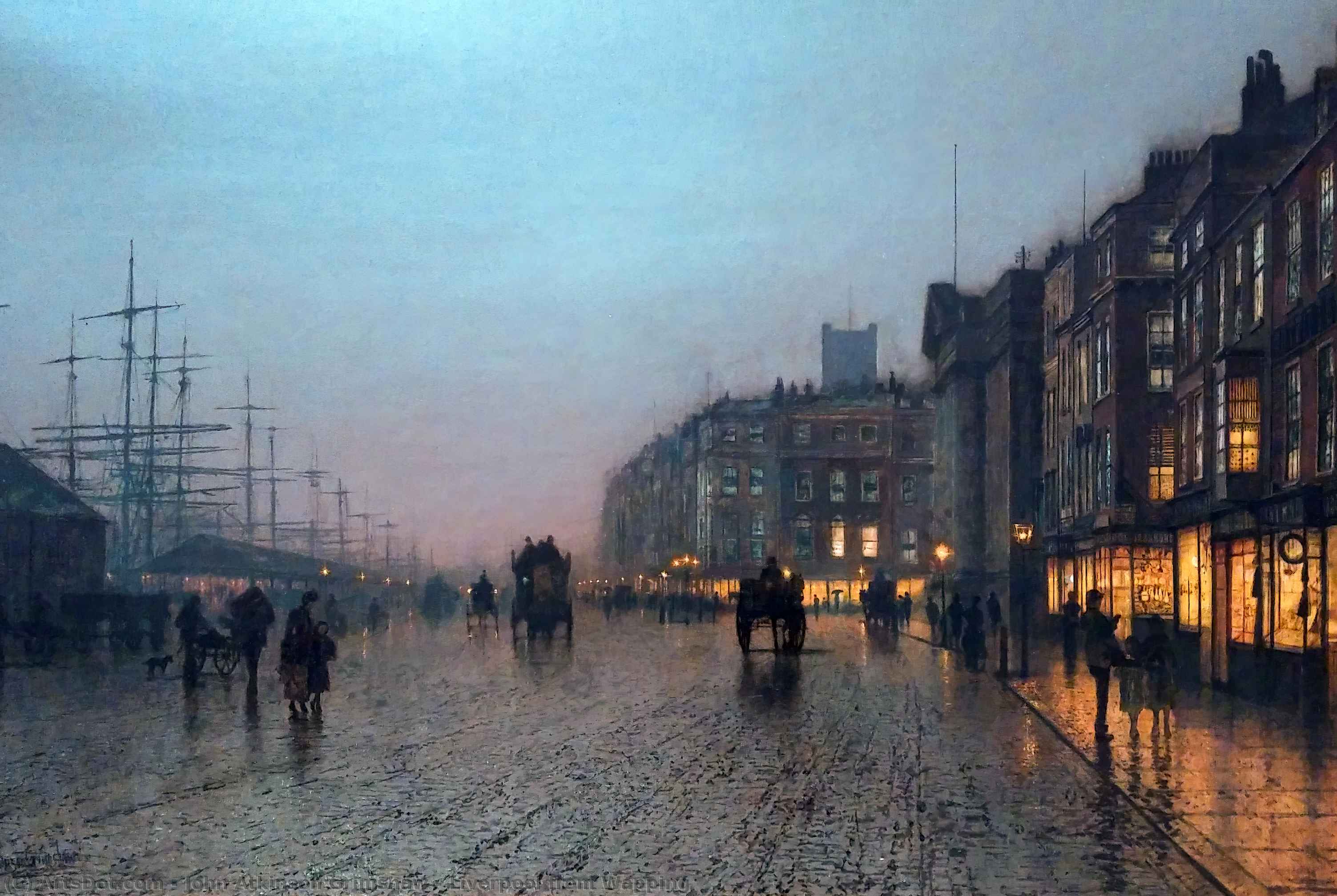
ლივერპული ვაპინგდან (1875) ავტორის: ჯონ ეტკინსონ გრიმშოუ

ლივერპული ვაპინგდან

1875 · ზეთი ტილოზე · ფილადელფიის ხელოვნების მუზეუმი, ფილადელფია

ჯონ 애ტკინსონ გრიმშოს "ლივერპული ვაპინგისგან" (1875) არის არა უბრალო ქალაქის გამოსახულება, არამედ სათხოვნი პოემა ფერებში, რომელიც ტელევიზორის მსგავსად მოქმედებს და საშუალებას აძლევს მაყურეს, განიცდიდეს 19-ე საუკუნის ინგლისტის განწყობა და ენერგია. ეს ტილო ვიქტორიანული ეპოქის ერთ-ერთი გამორჩეული ნაწარმოებია, რომელიც ატკრევს დროსთან დაკავშირებულ მელანქოლიასა და იმედს.

2
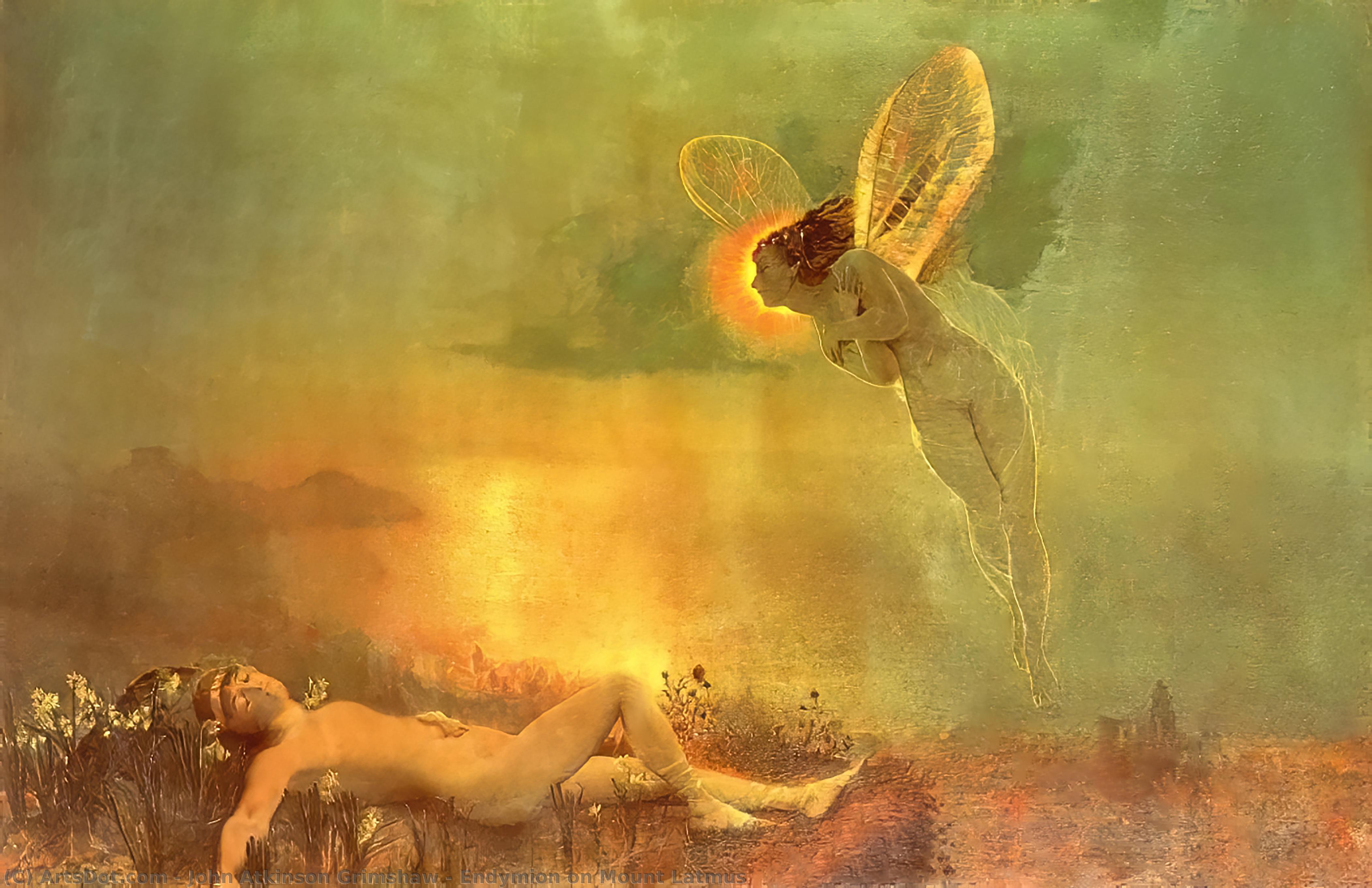
მთაში ბოლომდე დანგრევა (1879) ავტორის: ჯონ ეტკინსონ გრიმშოუ

მთაში ბოლომდე დანგრევა

1879 · ზეთი ტილოზე

გაივლეთ სიზმრებისა და ფანტაზიის სამყაროში „ენდიმიონი ლატმუსის მთაზე“ წარმოდგენილთან ერთად, რომელიც 1879 წელს შეიქმნა. ეს მომხიბლავი ნამუშევარი მაყურებელს მოუწოდებს, გამოიკვლიოს მისი მდიდარი დეტალები, სადაც ფანტაზისა და სურrealიზმის ელემენტები ერთიანდება მშვიდი და ამქვეყნიურიდან დაშორებული ატმოსფეროს შესაქმნელად.

3
გამოუცდეთ გლასიგოს (Canny Glasgow) (1887) ავტორის: ჯონ ეტკინსონ გრიმშოუ

გამოუცდეთ გლასიგოს (Canny Glasgow)

1887 · ზეთი ტილოზე · თისენ-ბორნემიმზას მუზეუმი, მადრიდი

A Symphony of Shadows: Grimshaw’s ‘Canny Glasgow’ The year is 1887. A veil of rain descends upon Glasgow, transforming the city's harbor into a realm of muted beauty and profound contemplation. John Atkinson Grimshaw, with his singular vision, has captured this very moment – a scene rendered not merely as a depiction of a waterfront, but as an embodiment of mood, memory, and the enduring spirit of maritime England. ‘Canny…

4
London, Pall Mall, and Saint James Street (1880) ავტორის: ჯონ ეტკინსონ გრიმშოუ

London, Pall Mall, and Saint James Street

1880 · Oil On Canvas

Created in 1880, London, Pall Mall, and Saint James Street by John Atkinson Grimshaw captures a nocturnal urban landscape in oil on canvas. The scene portrays a bustling London street at night, populated by numerous individuals scattered throughout the cityscape. Pedestrians move along the sidewalks and cross the thoroughfare, contributing to the lively atmosphere of the city after dark.

6
Reflections on the Thames, Westminster (1880) ავტორის: ჯონ ეტკინსონ გრიმშოუ

Reflections on the Thames, Westminster

1880 · Oil On Canvas

In the quietude of 1880, John Atkinson Grimshaw captures a nocturnal moment along the banks of the Thames. Reflections on the Thames, Westminster presents a view from the Embankment, where the city of London stretches out under a heavy, dark sky. The river flows through the center of the scene, acting as a mirror for the scattered lights that define the urban landscape. It is a world of deep shadows…

7
An Idyll of Old Chelsea (1893) ავტორის: ჯონ ეტკინსონ გრიმშოუ

An Idyll of Old Chelsea

1893 · Oil

In this 1893 work, we find ourselves standing on a damp street in London's bohemian quarter. The scene is set in the evening, looking westwards along Lordship Place toward the tower of Chelsea Old Church. There is a certain stillness here, a moment of solitude captured as the light begins to fade. A man walks alone along the wet pavement, his figure a quiet presence amidst the architecture of the…

8
Lovers in a wood (1873) ავტორის: ჯონ ეტკინსონ გრიმშოუ

Lovers in a wood

1873 · Oil

Lovers in a Wood is an oil painting that depicts a serene woodland path. The scene features two figures, presumably lovers, strolling along a trail. They are surrounded by trees with intertwining branches that create a sense of depth and texture. The composition includes additional figures, such as one person standing near the left edge and another person positioned closer to the right side of the image.

9
Tree Shadows on the Park Wall, Roundhay Park, Leeds ავტორის: ჯონ ეტკინსონ გრიმშოუ

Tree Shadows on the Park Wall, Roundhay Park, Leeds

Oil

The air feels heavy with the scent of damp earth and lush greenery as a man and a woman wander along a narrow, winding path. They move through a dense, scenic forest where the trees rise tall and thick, their branches interlacing to create a canopy of deep shadows and filtered light. This is a moment of profound stillness, a pause in time where the only sound is the soft…

10
Lights in the Harbour, Scarborough (1879) ავტორის: ჯონ ეტკინსონ გრიმშოუ

Lights in the Harbour, Scarborough

1879 · Oil

There is a specific stillness that settles over a harbor once the day's industry has retreated. In this 1879 work, we find ourselves observing the Scarborough coast during those liminal hours when the moonlight begins to claim the landscape. The scene is composed of several vessels adrift upon calm, dark waters, their forms silhouetted against a sky heavy with clouds. A large boat rests toward the right, while smaller vessels…

ჯონ ეტკინსონ გრიმშოუ-ის ნახატები, რეიტინგით 11-დან 100-მდე

11London, Piccadilly at NIght (1885) ავტორის: ჯონ ეტკინსონ გრიმშოუLondon, Piccadilly at NIght1885 12Sand, Sea and Sky: A Summer Fantasy (1892) ავტორის: ჯონ ეტკინსონ გრიმშოუSand, Sea and Sky: A Summer Fantasy1892 13Briggate, Leeds (1891) ავტორის: ჯონ ეტკინსონ გრიმშოუBriggate, Leeds1891 14Moonlight After Rain ავტორის: ჯონ ეტკინსონ გრიმშოუMoonlight After Rain 15Old Chelsea ავტორის: ჯონ ეტკინსონ გრიმშოუOld Chelsea 16November Moonlight ავტორის: ჯონ ეტკინსონ გრიმშოუNovember Moonlight 17Saint Cecilia (1862) ავტორის: ჯონ ეტკინსონ გრიმშოუSaint Cecilia1862 18Leeds Bridge (1880) ავტორის: ჯონ ეტკინსონ გრიმშოუLeeds Bridge1880 19Moonlight (1882) ავტორის: ჯონ ეტკინსონ გრიმშოუMoonlight1882 20Scarborough by Moonlight (1876) ავტორის: ჯონ ეტკინსონ გრიმშოუScarborough by Moonlight1876 21October Gold (1889) ავტორის: ჯონ ეტკინსონ გრიმშოუOctober Gold1889 22A Golden Beam ავტორის: ჯონ ეტკინსონ გრიმშოუA Golden Beam 23Moonlight on Lake ავტორის: ჯონ ეტკინსონ გრიმშოუMoonlight on Lake 24Humber Docks, Hull (1884) ავტორის: ჯონ ეტკინსონ გრიმშოუHumber Docks, Hull1884 25Battersea Bridge (1885) ავტორის: ჯონ ეტკინსონ გრიმშოუBattersea Bridge1885 26Snow and Mist: Caprice in Yellow Minor (1892) ავტორის: ჯონ ეტკინსონ გრიმშოუSnow and Mist: Caprice in Yellow Minor1892 27Dame Autumn hath a mournful face (1871) ავტორის: ჯონ ეტკინსონ გრიმშოუDame Autumn hath a mournful face1871 28On the Tees, near Barnard Castle (1868) ავტორის: ჯონ ეტკინსონ გრიმშოუOn the Tees, near Barnard Castle1868 29Stapleton Park near Pontefract Sun (1877) ავტორის: ჯონ ეტკინსონ გრიმშოუStapleton Park near Pontefract Sun1877 30Park Row, Leeds (1882) ავტორის: ჯონ ეტკინსონ გრიმშოუPark Row, Leeds1882 31Scarborough Lights (1877) ავტორის: ჯონ ეტკინსონ გრიმშოუScarborough Lights1877 32A moonlit lane (1874) ავტორის: ჯონ ეტკინსონ გრიმშოუA moonlit lane1874 33Sic transit gloria mundi (The Burning of the Spa Saloon) (1876) ავტორის: ჯონ ეტკინსონ გრიმშოუSic transit gloria mundi (The Burning of the Spa Saloon)1876 34Snowbound (1883) ავტორის: ჯონ ეტკინსონ გრიმშოუSnowbound1883 35The Lighthouse at Scarborough ავტორის: ჯონ ეტკინსონ გრიმშოუThe Lighthouse at Scarborough 36a mountain road flood time honister ავტორის: ჯონ ეტკინსონ გრიმშოუa mountain road flood time honister 37Golden Autumn ავტორის: ჯონ ეტკინსონ გრიმშოუGolden Autumn 38Autumn Gold ავტორის: ჯონ ეტკინსონ გრიმშოუAutumn Gold 39Yew Court, Scalby, near Scarborough (1875) ავტორის: ჯონ ეტკინსონ გრიმშოუYew Court, Scalby, near Scarborough1875 40Iris (1886) ავტორის: ჯონ ეტკინსონ გრიმშოუIris1886 41Whitby (1878) ავტორის: ჯონ ეტკინსონ გრიმშოუWhitby1878 · Yale Center for British Art 42A Lane In Headingley, Leeds (1881) ავტორის: ჯონ ეტკინსონ გრიმშოუA Lane In Headingley, Leeds1881 43View of Southwark Bridge at Night (1882) ავტორის: ჯონ ეტკინსონ გრიმშოუView of Southwark Bridge at Night1882 · ეშმოლის ხელოვნებისა და არქეოლოგიის მუზეუმი 44Barden Tower ავტორის: ჯონ ეტკინსონ გრიმშოუBarden Tower 45untitled (3394) ავტორის: ჯონ ეტკინსონ გრიმშოუuntitled (3394) 46Roundhay Lake, Leeds ავტორის: ჯონ ეტკინსონ გრიმშოუRoundhay Lake, Leeds 47Spirit of the Night AMK ავტორის: ჯონ ეტკინსონ გრიმშოუSpirit of the Night AMK 48The Seven Arches Adel Woods ავტორის: ჯონ ეტკინსონ გრიმშოუThe Seven Arches Adel Woods 49The Old Hall Under Moonlight ავტორის: ჯონ ეტკინსონ გრიმშოუThe Old Hall Under Moonlight 50autumn morning ავტორის: ჯონ ეტკინსონ გრიმშოუautumn morning 51A Manor House in Autumn ავტორის: ჯონ ეტკინსონ გრიმშოუA Manor House in Autumn 52Luxury ავტორის: ჯონ ეტკინსონ გრიმშოუLuxury 53In the Golden Gloaming (1881) ავტორის: ჯონ ეტკინსონ გრიმშოუIn the Golden Gloaming1881 54Two Thousand Years Ago (1878) ავტორის: ჯონ ეტკინსონ გრიმშოუTwo Thousand Years Ago1878 55Spirit of the Night ავტორის: ჯონ ეტკინსონ გრიმშოუSpirit of the Night 56Twilight, The Vegetable Garden (1869) ავტორის: ჯონ ეტკინსონ გრიმშოუTwilight, The Vegetable Garden1869 57On the Esk, Whitby ავტორის: ჯონ ეტკინსონ გრიმშოუOn the Esk, Whitby 58Landscape in the Lake District ავტორის: ჯონ ეტკინსონ გრიმშოუLandscape in the Lake District 59Gloucester Docks (1890) ავტორის: ჯონ ეტკინსონ გრიმშოუGloucester Docks1890 · Museum of Gloucester 60Windermere (1863) ავტორის: ჯონ ეტკინსონ გრიმშოუWindermere1863 · იეილის უნივერსიტეტის სახელოვნებო გალერეა 61Portrait of the artist's wife, Theodosia, as Ophelia (1863) ავტორის: ჯონ ეტკინსონ გრიმშოუPortrait of the artist's wife, Theodosia, as Ophelia1863 62A Dead Linnet (1862) ავტორის: ჯონ ეტკინსონ გრიმშოუA Dead Linnet1862 63Newlay Wood, Horsforth, Leeds (1861) ავტორის: ჯონ ეტკინსონ გრიმშოუNewlay Wood, Horsforth, Leeds1861 64A House in a Clearing (1870) ავტორის: ჯონ ეტკინსონ გრიმშოუA House in a Clearing1870 · Minneapolis Institute of Art 65Knostrop Old Hall at Dusk (1870) ავტორის: ჯონ ეტკინსონ გრიმშოუKnostrop Old Hall at Dusk1870 66'The Ironbound Shore' (1869) ავტორის: ჯონ ეტკინსონ გრიმშოუ'The Ironbound Shore'1869 67Bowder Stone, Borrowdale (1870) ავტორის: ჯონ ეტკინსონ გრიმშოუBowder Stone, Borrowdale1870 68Ghyll Beck, Barden, Yorkshire (1867) ავტორის: ჯონ ეტკინსონ გრიმშოუGhyll Beck, Barden, Yorkshire1867 69Colwith Force (1869) ავტორის: ჯონ ეტკინსონ გრიმშოუColwith Force1869 70Poachers (1871) ავტორის: ჯონ ეტკინსონ გრიმშოუPoachers1871 71The Seal of the Covenant (1868) ავტორის: ჯონ ეტკინსონ გრიმშოუThe Seal of the Covenant1868 72Evening, Knostrop Old Hall (1870) ავტორის: ჯონ ეტკინსონ გრიმშოუEvening, Knostrop Old Hall1870 73Nab Scar, The Lake District (1864) ავტორის: ჯონ ეტკინსონ გრიმშოუNab Scar, The Lake District1864 74Landscape with a winding river (1868) ავტორის: ჯონ ეტკინსონ გრიმშოუLandscape with a winding river1868 75Whitby Harbor (1874) ავტორის: ჯონ ეტკინსონ გრიმშოუWhitby Harbor1874 · Yale Center for British Art 76Home Again (1877) ავტორის: ჯონ ეტკინსონ გრიმშოუHome Again1877 77The Heron's Haunt (1874) ავტორის: ჯონ ეტკინსონ გრიმშოუThe Heron's Haunt1874 78Arriving in the hall (1878) ავტორის: ჯონ ეტკინსონ გრიმშოუArriving in the hall1878 79Whitby Docks (1876) ავტორის: ჯონ ეტკინსონ გრიმშოუWhitby Docks1876 80Figure Overlooking Waterloo Lake, Rounday Park, Leeds (1872) ავტორის: ჯონ ეტკინსონ გრიმშოუFigure Overlooking Waterloo Lake, Rounday Park, Leeds1872 81Under The Harvest Moon (1872) ავტორის: ჯონ ეტკინსონ გრიმშოუUnder The Harvest Moon1872 82Full Moon behind Cirrus Cloud from the Rounday Park Castle Battlements (1872) ავტორის: ჯონ ეტკინსონ გრიმშოუFull Moon behind Cirrus Cloud from the Rounday Park Castle Battlements1872 83The Chorale (1878) ავტორის: ჯონ ეტკინსონ გრიმშოუThe Chorale1878 84Elaine (1877) ავტორის: ჯონ ეტკინსონ გრიმშოუElaine1877 85The Lady of Shalott (1875) ავტორის: ჯონ ეტკინსონ გრიმშოუThe Lady of Shalott1875 86The lotus gatherers (1874) ავტორის: ჯონ ეტკინსონ გრიმშოუThe lotus gatherers1874 87'Burning Off', a Fishing Boat at Scarborough (1877) ავტორის: ჯონ ეტკინსონ გრიმშოუ'Burning Off', a Fishing Boat at Scarborough1877 88Evening Glow (1884) ავტორის: ჯონ ეტკინსონ გრიმშოუEvening Glow1884 · Yale Center for British Art 89A Moonlit Evening (1880) ავტორის: ჯონ ეტკინსონ გრიმშოუA Moonlit Evening1880 · თისენ-ბორნემიმზას მუზეუმი 90Spirit of the Night (1879) ავტორის: ჯონ ეტკინსონ გრიმშოუSpirit of the Night1879 91Fiametta (1883) ავტორის: ჯონ ეტკინსონ გრიმშოუFiametta1883 92An Autumn Idyll (1885) ავტორის: ჯონ ეტკინსონ გრიმშოუAn Autumn Idyll1885 93Liverpool from Wapping (1885) ავტორის: ჯონ ეტკინსონ გრიმშოუLiverpool from Wapping1885 94A Vestal (1885) ავტორის: ჯონ ეტკინსონ გრიმშოუA Vestal1885 95In Peril (1879) ავტორის: ჯონ ეტკინსონ გრიმშოუIn Peril1879 96Silver Moonlight (1880) ავტორის: ჯონ ეტკინსონ გრიმშოუSilver Moonlight1880 97Reflections on the Thames (1880) ავტორის: ჯონ ეტკინსონ გრიმშოუReflections on the Thames1880 · Leeds Art Gallery 98Ye Ladye Bountifulle (1883) ავტორის: ჯონ ეტკინსონ გრიმშოუYe Ladye Bountifulle1883 99Spirit of the night (1879) ავტორის: ჯონ ეტკინსონ გრიმშოუSpirit of the night1879 100Westminster Bridge by Moonlight (1880) ავტორის: ჯონ ეტკინსონ გრიმშოუWestminster Bridge by Moonlight1880

ჯონ ეტკინსონ გრიმშოუ-ის ცნობილი სურათები, პერიოდების მიხედვით

Early Period

1862 – 1869 · 3 ნამუშწარwerks ამ სიაში

Late Period

1892 – 1893 · 3 ნამუშწარwerks ამ სიაში

სუბიექტები, რომლებმაც ჯონ ეტკინსონ გრიმშოუ-ის ყურადღება მიიპყრო

ამ ორიგინალებში ყველაზე ხშირად განმეორებადი არის 네 თემა, რომელთაგან თითოეულს თავისი საუკეთესო ნიმუში წარმოგვიდგება.

მუზეუმები, სადაც ჯონ ეტკინსონ გრიმშოუ-ის ორიგინალები ინახება

ამ გვერდზე წარმოდგენილი მხატვრობის შედეგების უმეტესობას 8 მუზეუმი ინახავს.

მუზეუმი ქალაქი ჯონ ეტკინსონ გრიმშოუ შემოქმედებაలు ამ სიიდან მოპოვებული ნახატები
Yale Center for British Art, ნიუ-ჰეივენიYale Center for British Art ნიუ-ჰეივენი 4 Whitby, Whitby Harbor, Evening Glow
თისენ-ბორნემიმზას მუზეუმი, მადრიდითისენ-ბორნემიმზას მუზეუმი მადრიდი 3 გამოუცდეთ გლასიგოს (Canny Glasgow), A Moonlit Evening
Walker Art Gallery, ლივერპულიWalker Art Gallery ლივერპული 4 The Custom House, Liverpool, Looking North
Museum of Gloucester, GloucesterMuseum of Gloucester Gloucester 2 Gloucester Docks
Leeds Art Gallery, LeedsLeeds Art Gallery Leeds 2 Reflections on the Thames
ფილადელფიის ხელოვნების მუზეუმი, ფილადელფიაფილადელფიის ხელოვნების მუზეუმი ფილადელფია 1 ლივერპული ვაპინგდან
ეშმოლის ხელოვნებისა და არქეოლოგიის მუზეუმი, ოქსფორდიეშმოლის ხელოვნებისა და არქეოლოგიის მუზეუმი ოქსფორდი 1 View of Southwark Bridge at Night
იეილის უნივერსიტეტის სახელოვნებო გალერეა, ნიუ ჰეივენიიეილის უნივერსიტეტის სახელოვნებო გალერეა ნიუ ჰეივენი 1 Windermere

ჯონ ეტკინსონ გრიმშოუ, ერთი ავთენტური ნამუშწარები ათწლეულში

ნამუშევრები ათწლეულების მიხედვით

შეარჩიეთ ათწლეული, რათა ნახოთ ის ორიგინალი ნამუშევარი, რომელიც მას განსაზღვრავს.

ჯონ ეტკინსონ გრიმშოუ-ის ნახატები: გალერეის პასუხები

რომელი ჯონ ეტკინსონ გრიმშოუ ტილოა ყველაზე ცნობილი?გაამჟღავნეთ პასუხი

ლივერპული ვაპინგდან (1875), ფილადელფიის ხელოვნების მუზეუმი, ფილადელფია. შემდეგ მოდიან მთაში ბოლომდე დანგრევა (1879) და გამოუცდეთ გლასიგოს (Canny Glasgow) (1887).

რამდენage იყო ჯონ ეტკინსონ გრიმშოუ ლივერპული ვაპინგდან-ის დასრულებისას?გაამჟღავნეთ პასუხი

39 წლის: ლივერპული ვაპინგდან შექმნილია 1875 წელს, ხოლო ჯონ ეტკინსონ გრიმშოუ დაიბადა 1836 წელს.

რომელია ჯონ ეტკინსონ გრიმშოუ-ის 10 საუკეთესო ნამუშწარო?გაამჟღავნეთ პასუხი

ლივერპული ვაპინგდან, მთაში ბოლომდე დანგრევა, გამოუცდეთ გლასიგოს (Canny Glasgow), London, Pall Mall, and Saint James Street, The Custom House, Liverpool, Looking North, Reflections on the Thames, Westminster, An Idyll of Old Chelsea, Lovers in a wood, Tree Shadows on the Park Wall, Roundhay Park, Leeds და Lights in the Harbour, Scarborough. ზემოთ მოცემული რეიტინგი ასახავს თითოეულის შემოქმედების წელსა და მუზეუმს.

რამდენიმე ნამუშწარები შექმნა ჯონ ეტკინსონ გრიმშოუ-მა?გაამჟღავნეთ პასუხი

ჩვენს კატალოგში წარმოდგენილია 260 ნამუშწევრი ჯონ ეტკინსონ გრიმშოუ-ისგან, დათარიღებული 1861-დან 1893-მდე.

სად hanging ჯონ ეტკინსონ გრიმშოუ-ის ყველაზე ცნობილი ორიგინალები?გაამჟღავნეთ პასუხი

ძირითადად Yale Center for British Art (ნიუ-ჰეივენი), თისენ-ბორნემიმზას მუზეუმი (მადრიდი) და Walker Art Gallery (ლივერპული)-ში. ზემოთ მოცემულ მუზეუმების ცხრილში ისინი ყველა listed.

როდის შექმნა ჯონ ეტკინსონ გრიმშოუ-მა ყველაზე ცნობილი სურათები?გაამჟღავნეთ პასუხი

1870s-ში: ამ გვერდზე წარმოდგენილი 100 ნამუშწარwerksიდან 34 შეიქმნა მაშინ, მათგან ლივერპული ვაპინგდან.

რომლებიც ჯონ ეტკინსონ გრიმშოუ-ის ყველაზე ადრეული და ბოლო ცნობილი ნამუშევრებია?გაამჟღავნეთ პასუხი

ამ გვერდზე ყველაზე ადრეული არის Newlay Wood, Horsforth, Leeds (1861), ხოლო ყველაზე გვიანდელი — An Idyll of Old Chelsea (1893).

რომელ თემებს მიმართავდა ჯონ ეტკინსონ გრიმშოუ ყველაზე ხშირად?გაამჟღავნეთ პასუხი

Buildings (11), Roads (11) და Night (10), ამ გვერდზე წარმოდგენილ 100 ნამუშწარეს შორის.

რა ტექნიკით მუშაობდა ჯონ ეტკინსონ გრიმშოუ ყველაზე ხშირად?გაამჟღავნეთ პასუხი

Oil, ამ გვერდზე არსებული 100 ნამუშწაროსგან 12 ცალიდან.

რომელ მიძღვნასთან არის დაკავშირებული ჯონ ეტკინსონ გრიმშოუ?გაამჟღავნეთ პასუხი

Romanticism, ამ გვერდზე წარმოდგენილი ორიგინალების მიხედვით.

რომელი ჯონ ეტკინსონ გრიმშოუ-ის ორიგინალები ინახავს Yale Center for British Art?გაამჟღავნეთ პასუხი

Whitby, Whitby Harbor და Evening Glow: Yale Center for British Art, ნიუ-ჰეივენი-ში წარმოდგენილია ამ გვერდზე მოცემული ნამუშევრების 3 ცალი.

შესაძლებელია თუ არა ჯონ ეტკინსონ გრიმშოუ-ის ნახატის ხელით ასლვა?გაამჟღავნეთ პასუხი

დიახ, როგორც რეპროდუქცია: ორიგინალი რჩება თავის მუზეუმში, თუმცა ამ გვერდზე წარმოდგენილი ნებისმიერი სურათი შეგიძლიათ შეუკვეთოთ ხელნაკეთად, ინდივიდუალურად, სურათის საკუთარი გვერდიდან.

ჯონ ეტკინსონ გრიმშოუ: მხატვარი

The Life of John Atkinson Grimshaw

John Atkinson Grimshaw entered the world on 6 September 1836, born into a back-to-back house on Park Street in Leeds. He was the eldest of six children born to Mary and David Grimshaw. His upbringing was shaped by a strict Baptist household, where his parents provided a religious foundation for the family. Life in Leeds was industrious, and his early years were defined by the steady, predictable rhythms of a working-class northern city.

He did not follow the path of formal art education. Instead, he was a self-taught artist who relied on his own observations and a natural sense of light. Before he found his way into painting, he worked as a clerk for the Great Northern Railway. In 1856, he married his cousin, Frances Theodosia Hubbard. This period of his life was marked by the quiet tension between the stability of his clerical job and the pull of his creative interests.

His path was not an easy one. He eventually left his position at the railway to pursue his art, a decision that caused concern for his family. Despite the lack of professional training, he developed a way of seeing the world that would eventually define his reputation. He moved between Leeds and Scarborough as his life changed, eventually finding a home at Knostrop Old Hall.

Early Life and Family Background

Born in West Yorkshire, England, John Atkinson Grimshaw grew up in a household shaped by steady, practical labor. His father, David, spent his working life in service to the community, serving as a policeman and working for Pickfords. This was a life of routine and duty, far removed from the quiet, moonlit scenes that would later define his name. The family lived in a back-to-back house on Park Street in Leeds, a setting that provided a grounded beginning for a boy who would eventually seek to capture the shifting light of the night.

Life moved quickly for him. He left school at the age of sixteen, entering the workforce as a clerk for the Great Northern Railway. It was a stable, predictable existence, yet his interests were already pulling him toward something else. In 1856, he married his cousin, Frances Theodosia Hubbard, known to many as Fanny. Their union marked a significant chapter in his personal life as he navigated the responsibilities of adulthood while his true inclinations began to take root.

Career Transition and Early Success

Life in Leeds was steady but predictable for a young man working as a clerk for the Great Northern Railway. It was a stable existence, yet the pull of a different calling proved too strong to ignore. At the age of twenty-four, Grimshaw made the difficult choice to leave his office job behind. He walked away from the security of his clerical position to devote himself entirely to the life of a painter, a decision that likely caused much concern for his family.

His entry into the professional art world began in 1862. Under the patronage of the Leeds Philosophical and Literary Society, he held his first exhibitions. These early works were quite different from the moonlit cityscapes that would later define his name. Instead, he focused on the quiet, small details of the natural world. He spent his time painting modest still lifes, capturing the delicate forms of birds, fruit, and blossoms.

These early years were a period of finding his footing. He was a self-taught artist, building his skills through observation rather than formal training. While his initial subjects were simple, they provided the foundation for the technical precision he would later apply to much larger, more complex scenes. He was establishing himself, one small, carefully rendered object at a time.

Technique and Artistic Style

Grimshaw’s approach to the canvas was a careful balance of precision and atmosphere. He was particularly drawn to the way light behaves in the dark, focusing his efforts on nocturnal scenes of urban landscapes. To achieve a level of accuracy that felt almost photographic, he famously employed a camera obscura. By using a projector or lens to cast scenes onto his canvas, he could capture the exact perspective and intricate details of a street or a dockyard. This method allowed him to map out the complex interplay of light and shadow with a clarity that many of his contemporaries found striking.

His method for handling color was equally deliberate. He often used a scumbling technique, a process where he would drag yellow paint over a dark underpainting. This created a soft, diffused glow that mimicked the appearance of gaslight or moonlight hitting a damp surface. This technique was essential for his ability to render the specific textures of his subjects, from the wet cobblestones of a city lane to the misty air of a harbor. His work relied on this meticulous attention to detail to build a sense of mood without relying on heavy-handed strokes.

The Mastery of Nocturnal Landscapes

Grimshaw found his true calling in the quiet hours of the night. He became so associated with these dark, moonlit scenes that he was often called the "inventor of nocturnes." While many painters of his era focused on the bright clarity of daylight, he turned his attention to the shifting shadows of the evening. He had a particular knack for portraying urban scenes bathed in moonlight, finding a sense of stillness in the way light hit the streets of a city after dark.

There was a physical presence to his nightscapes. He did not simply paint a dark sky; he captured the very moisture in the air, making the mist and dampness feel tangible to anyone looking at his canvas. In his maritime works, he often rendered the spiky outlines of ships' masts rearing up against a darkening sky. This attention to the atmosphere allowed him to move beyond simple representation, capturing the heavy, humid feeling of a harbor at twilight or the cool, damp air of a coastal town.

Key Works and Notable Paintings

Grimshaw’s ability to capture the quiet pulse of a city is perhaps most visible in Liverpool from Wapping, completed in 1875. This work looks out over the industrial energy of the port, using a blend of realism and impressionistic brushwork to show the constant motion of the docks. He managed to paint not just the physical structures of the buildings, but the very atmosphere of the water and the bustling activity of the era. It is a scene that feels lived-in and heavy with the damp air of the Mersey.

His interest in the way light interacts with interior spaces led to works like Dulce Domum, painted in 1885. In this piece, he invites a sense of quiet intimacy, drawing the viewer into a richly decorated room where light and shadow define the mood. He was equally skilled at capturing the transition of light in the open air. On Hampstead Hill is often regarded as one of his finest works, specifically for how it handles the shifting light as twilight fades into night. He had a way of making the passing of time feel visible on the canvas.

In 1887, he produced Canny Glasgow, a painting that finds a certain serenity within the shadows of a maritime street. The work focuses on the interplay between the dark, overcast sky and the warm, amber glow of gas lamps reflecting off wet cobblestones. It captures a specific, quiet moment of solitude in a busy urban setting. His later years also saw him experimenting with different subjects, including scenes of fairies and more varied landscapes.

Later Years and Death

By 1870, Grimshaw had moved his life and work to Knostrop Old Hall. This move marked a significant chapter in his later years, as he established himself within this rambling, baronial setting. While his career had seen much success, the final years of his life were marked by personal hardship. He faced financial struggles around 1880, a period that added a layer of difficulty to his existence as a professional artist.

The end came in October 1893. He died at Knostrop Old Hall from cancer, which was recorded at the time as an abscess. His passing left a void for his family, who were left to manage the affairs of his estate. To provide for them, his house and his studio were sold. He was laid to rest in Woodhouse Cemetery in Leeds.

Legacy and Historical Influence

The impact of his work was felt even by those who considered themselves masters of the night. One prominent painter once admitted that he believed himself the inventor of nocturnes until he encountered the moonlit scenes produced by this Leeds-born artist. This recognition speaks to a skill in capturing the specific, fleeting quality of light that few others could replicate. His ability to render the damp, dark atmosphere of a city street or the quiet of a harbor has led many to consider him one of the most accomplished nightscape artists of all time.

While his fame fluctuated after his death, a significant revival of interest occurred during the latter half of the twentieth century. This resurgence brought his quiet, moody landscapes back into the public eye, allowing a new generation to appreciate his technical precision. His approach to light and shadow influenced later artists who sought to move beyond mere physical representation to capture a specific mood or emotion within a scene.

His influence remains visible in the way artists handle the interplay between artificial light and natural moonlight. By using tools like the camera obscura to achieve such sharp focus, he helped bridge the gap between traditional painting and the emerging photographic eye. His work continues to offer a window into the textures of the Victorian era, from the wet cobblestones of a London lane to the silhouetted masts of ships in a dockyard.

Where to See His Works Today

Finding his paintings in person allows for a closer look at the way he handled light on wet cobblestones and the subtle textures of a moonlit sky. Many of his works remain in the care of significant institutions across the United Kingdom and abroad. In Liverpool, the Walker Art Gallery holds several pieces, including his depiction of the docks. His presence in the art world is also felt in the United States, where the Philadelphia Museum of Art keeps one of his works.

For those traveling through Europe, his influence can be found in Madrid at the Thyssen-Bornemisza Museum. His ability to capture the atmosphere of a city at night is also preserved at the Ashmolean Museum of Art and Archaeology in Oxford. These collections ensure that his specific way of seeing the world remains accessible to those who wish to study his technique and the quiet moods he sought to record.

ყველა 260 ნამუშევარი, რომელიც შემოქმედებითად ეკუთვნის ჯონ ეტკინსონ გრიმშოუ →