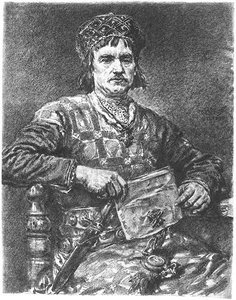
იან მატეიკო პორტრეტი

100 ყველაზე ცნობილი იან მატეიკო-ის ნახატი, გალერეის შერჩეული კოლექცია

განახლდა ოქტომბერი 2026 · დალაგებულია ჩვენი პოპულარობის ქულების მიხედვით (ძიება, ნახვა და შეკვეთები თითოეული ნამუშწაროსთვის) · 256 ნამუშევარი იან მატეიკო ჩვენს კატალოგში

მოკლედ რომ ვთქვათ

იან მატეიკო-ის ყველა დატოვებული ორიგინალიდან ყველაზე ცნობილია გრუნვალდის ბრძოლა [ტანენბერგი], რომელიც ვარშავა-ში მდებარე ვარშავის ეროვნული მუზეუმი-ის კოლექციაშია. მისდაក្រោយ პოლონეთის पতন (1866) და 1791 წლის 3 მაისის კონსტიტუცია (1891) მოდიან. ჩვენს კატალოგში იან მატეიკო-ის 256 ნამუშწარებია; გალერეამ შეინافظა ის 100 ნამუშწარო, რომლებსაც მსოფლიო ყველაზე მეტად აღიარებს, რომელთაგან თითოეული წარმოდგენილია თვის, მუზეუმისა და ისტორიის თანხლებით.

1838 – 1893, თავისუფალი ქალაქი კრაკოვი Romantic nationalism ყველაზე მეტი ნამشევრი: ვარშავის ეროვნული მუზეუმი

იან მატეიკო-ის 10 საუკეთესო ნამუშgeryო: გალერეის არჩევანი

1
გრუნვალდის ბრძოლა [ტანენბერგი] ავტორის: იან მატეიკო

გრუნვალდის ბრძოლა [ტანენბერგი]

ზეთი ტილოზე · ვარშავის ეროვნული მუზეუმი, ვარშავა

In the grand tapestry of European history painting, few canvases command the room with as much visceral authority as Jan Matejko’s The Battle of Grunwald. This monumental masterpiece, stretching an incredible 987 by 426 centimeters, is far more than a mere depiction of medieval warfare; it is a profound psychological landscape of national resilience. Painted in the late 19th century, the work captures the climactic moment of the 1410 conflict…

2
პოლონეთის पতন (1866) ავტორის: იან მატეიკო

პოლონეთის पতন

1866 · ზეთი ტილოზე · ვარშავის სამეფო ციხესიმაგრე, ვარშავა

The oil on canvas depicts a crowded, ornate room, likely a royal courtroom, where a significant historical event unfolds. The composition is dense with figures dressed in 18th-century attire, including men in coats and ties. In the lower right, a man is positioned in a dramatic, physical protest, his body language contrasting with the more composed or complicit figures surrounding him. The room is characterized by heavy red curtains and…

3
1791 წლის 3 მაისის კონსტიტუცია (1891) ავტორის: იან მატეიკო

1791 წლის 3 მაისის კონსტიტუცია

1891 · ზეთი ტილოზე · ვარშავის სამეფო ციხესიმაგრე, ვარშავა

The Constitution of the 3rd May 1791 is an oil painting by Jan Matejko. This large-scale work was executed on canvas during a specific period in 1891. The artist began the process of painting the scene in January and continued the work through October of that year. The final completion of the piece occurred on 10 October 1891.

4
პრუსიის ჰომაჟი (1882) ავტორის: იან მატეიკო

პრუსიის ჰომაჟი

1882 · ზეთი ტილოზე · National Museum in Kraków, კრაკოვი

The Prussian Homage is an oil on canvas painting by the artist Jan Matejko. The work was completed in 1882. This large-scale composition depicts the Prussian Homage, a significant political event from the Renaissance in Poland. The scene captures the moment when Albert, Duke in Prussia, paid tribute and swore allegiance to King Sigismund I the Old. This historical occurrence took place on 10 April 1525 within the market square…

5
კოპერნიკი ფრომბორკის კოშკში, ან საუბარი ღმერთთან (1872) ავტორის: იან მატეიკო

კოპერნიკი ფრომბორკის კოშკში, ან საუბარი ღმერთთან

1872 · ზეთი ტილოზე · იაგელონის უნივერსიტეტი, კრაკოვი

Jan Matejko's "Copernicus in the Tower at Frombork, or Conversations with God" isn’t merely a painting; it’s a potent distillation of intellectual fervor and spiritual contemplation. Completed in 1873, this monumental oil on canvas transports us to the heart of Renaissance Poland, capturing a pivotal moment not just in astronomical history but also in the nation's burgeoning sense of self-awareness. The scene unfolds within the austere yet majestic confines of…

6
Skarga`s Sermon (1864) ავტორის: იან მატეიკო

Skarga`s Sermon

1864 · Oil On Canvas · ვარშავის ეროვნული მუზეუმი, ვარშავა

In the grand tapestry of Polish Romanticism, few works command the room with as much gravity and historical weight as Jan Matejko’s masterpiece, Skarga's Sermon. Created in 1864, this monumental oil on canvas serves as a window into a pivotal moment of spiritual and political tension. The scene captures a gathering of souls within a dimly lit room, where the air seems thick with the weight of impending change. At…

7
ბატორი პსკოვში (1872) ავტორის: იან მატეიკო

ბატორი პსკოვში

1872 · ზეთი ტილოზე · Nicolaus Copernicus Museum, Frombork

იან მატეიკოს შედევრი, "ბათორი ფსკოვში" (1872), არის მონუმენტალური ზეთის საღებავით შესრულებული ტილო, რომელიც ცოცხლად წარმოგვიდგენს ლივონიის კამპანიის გადამწყვეტ მომენტს. ეს μεγαλებულ-ისტორიული ნაწარმოები, რომლის ზომებიც 322 x 512 სმ-ია, აღწერს რუსი ელჩების ფიქციურ სცენას, რომლებიც პოლეთის მეფის სტეფან ბათორის წინაშე ირკალებენ ფსკოვში მშვიდობიანი მოლაპარაკებების დროს. ეს ტილო არის რთული ეროვნული რომანტიზმის ძლიერი გამოხატვა, რომელიც აღნიშნავს პოლონურ მემკვიდრეობასა და გამძლეობას.

8
გრუნვალდის ბრძოლის დეტალი (10) (1878) ავტორის: იან მატეიკო

გრუნვალდის ბრძოლის დეტალი (10)

1878 · ზეთი ტილოზე · ვარშავის ეროვნული მუზეუმი, ვარშავა

იან მატეიკოს "გრუნვალდის ბრძოლის დეტალი (10)" არის მომხიბლავი გამოსახულება პოლონურ-ლიტვურ ისტორიაში გადამწყვეტი მომენტიდან. ეს შედევრი, შექმნილი 1878 წელს, ასახავს ისტორიული ბრძოლის ინტენსივობასა და ქაოტს, რომელიც 1410 წლის ივლისის თვეში გაიმართა, სადაც პოლონეთისა და ლიტვის გაერთიანებული ძალებმა გადამწყვეტიმარცხი განიცადა ტევტონიკურმა ორდენმა. ტილო მატეიკოს უნარის 증거ა ისტორიული მოვლენების გამხიარებას მკაფიო დეტალებითა და ემოციური სიღრმით.

9
Stańczyk (1862) ავტორის: იან მატეიკო

Stańczyk

1862 · Oil On Canvas · Muzeum Narodowe, ვარシャვა

In the quiet, heavy atmosphere of Jan Matejko’s 1862 masterpiece, Stańczyk, one does not merely encounter a portrait, but a profound psychological landscape. The painting presents us with the legendary court jester, not in the midst of a comedic performance or a moment of levity, but captured in a state of deep, melancholic introspection. Seated alone amidst the opulence of a grand interior, his hands are tightly clasped, and his…

10
Battle of Grunwald, Jan Zizka(detail) ავტორის: იან მატეიკო

Battle of Grunwald, Jan Zizka(detail)

Oil On Canvas

The artwork is titled Battle of Grunwald, Jan Zizka(detail), a work executed by the artist Jan Matejko. Dated 1878, this oil on canvas piece focuses on a specific segment of a larger historical scene. The subject matter concerns the Battle of Grunwald, a conflict that occurred in 1410. This particular detail captures the death of the Grand Master of the Teutonic Order, Ulrich von Jungingen.

იან მატეიკო-ის შერჩევა გრძელდება, 11-დან 100-მდე

11The Hanging of the Sigismund bell at the Cathedral Tower in 1521 in Kraków (1874) ავტორის: იან მატეიკოThe Hanging of the Sigismund bell at the Cathedral Tower in 1521 in Kraków1874 · ვარშავის ეროვნული მუზეუმი 12Portrait of Piotr Moszyński (1874) ავტორის: იან მატეიკოPortrait of Piotr Moszyński1874 · National Museum in Kraków 13Portrait of Fryderyk Czartoryski ავტორის: იან მატეიკოPortrait of Fryderyk Czartoryskiერმიტაჟის მუზეუმი 14Portrait of Tadeusz Oksza-Orzechowski. (1873) ავტორის: იან მატეიკოPortrait of Tadeusz Oksza-Orzechowski.1873 · ვარშავის ეროვნული მუზეუმი 15Portrait of Potocki and Poninski (1850) ავტორის: იან მატეიკოPortrait of Potocki and Poninski1850 · ერმიტაჟის მუზეუმი 16Portrait of Franciszek Potocki (1850) ავტორის: იან მატეიკოPortrait of Franciszek Potocki1850 · ერმიტაჟის მუზეუმი 17Gamrat and Stanczyk (1878) ავტორის: იან მატეიკოGamrat and Stanczyk1878 18Bishop Lubrański establishes the Ecclesiastical Academy in Poznań, sketch (1886) ავტორის: იან მატეიკოBishop Lubrański establishes the Ecclesiastical Academy in Poznań, sketch1886 · ვარშავის ეროვნული მუზეუმი 19Portrait of Leonard Serafiński (1870) ავტორის: იან მატეიკოPortrait of Leonard Serafiński1870 · National Museum in Kraków 20Portrait of Mikołaj Zyblikiewicz (1887) ავტორის: იან მატეიკოPortrait of Mikołaj Zyblikiewicz1887 · National Museum in Kraków 21Nicolaus Copernicus. Sketch to the Painting "Astronomer Copernicus, or Conversation with God" (1871) ავტორის: იან მატეიკოNicolaus Copernicus. Sketch to the Painting "Astronomer Copernicus, or Conversation with God"1871 · National Museum in Kraków 22Semi-nude man (1859) ავტორის: იან მატეიკოSemi-nude man1859 · ვარშავის ეროვნული მუზეუმი 23Wladyslaw White in Dijon (1867) ავტორის: იან მატეიკოWladyslaw White in Dijon1867 24Portrait of Szymon Darowski (1858) ავტორის: იან მატეიკოPortrait of Szymon Darowski1858 · National Museum in Kraków 25Portrait of a Little Boy (1855) ავტორის: იან მატეიკოPortrait of a Little Boy1855 · National Museum in Kraków 26Battle of Grunwald (1878) ავტორის: იან მატეიკოBattle of Grunwald1878 27Christianization of Lithuania A D 1387 (1889) ავტორის: იან მატეიკოChristianization of Lithuania A D 13871889 · ვარშავის ეროვნული მუზეუმი 28Sketch for the painting “Wernyhora” (1875) ავტორის: იან მატეიკოSketch for the painting “Wernyhora”1875 · ვარშავის ეროვნული მუზეუმი 29Sketch for “Stańczyk” (1861) ავტორის: იან მატეიკოSketch for “Stańczyk”1861 · ვარშავის ეროვნული მუზეუმი 30Sketch for “Skarga's Sermon” (1861) ავტორის: იან მატეიკოSketch for “Skarga's Sermon”1861 · ვარშავის ეროვნული მუზეუმი 31The Babin Republic, sketch (1870) ავტორის: იან მატეიკოThe Babin Republic, sketch1870 · ვარშავის ეროვნული მუზეუმი 32Alchemist Sendivogius and Sigismund III, sketch (1867) ავტორის: იან მატეიკოAlchemist Sendivogius and Sigismund III, sketch1867 · ვარშავის ეროვნული მუზეუმი 33Maćko Borkowic, sketch (1873) ავტორის: იან მატეიკოMaćko Borkowic, sketch1873 · ვარშავის ეროვნული მუზეუმი 34Portrait of Ludwika Groppler (1872) ავტორის: იან მატეიკოPortrait of Ludwika Groppler1872 · ვარშავის ეროვნული მუზეუმი 35Portrait of Maria Levittoux (1872) ავტორის: იან მატეიკოPortrait of Maria Levittoux1872 · ვარშავის ეროვნული მუზეუმი 36Kościuszko at Racławice, sketch (1885) ავტორის: იან მატეიკოKościuszko at Racławice, sketch1885 · ვარშავის ეროვნული მუზეუმი 37Portrait study of a woman (1881) ავტორის: იან მატეიკოPortrait study of a woman1881 · ვარშავის ეროვნული მუზეუმი 38Jan Zamoyski at Byczyna, sketch (1884) ავტორის: იან მატეიკოJan Zamoyski at Byczyna, sketch1884 · ვარშავის ეროვნული მუზეუმი 39Karton do polichromii Kościoła Mariackiego - Popiersie diabła z rozwartą paszczą (1890) ავტორის: იან მატეიკოKarton do polichromii Kościoła Mariackiego - Popiersie diabła z rozwartą paszczą1890 · National Museum in Kraków 40Karton do polichromii Kościoła Mariackiego - Godło łuczników (1889) ავტორის: იან მატეიკოKarton do polichromii Kościoła Mariackiego - Godło łuczników1889 · National Museum in Kraków 41Karton do polichromii Kościoła Mariackiego - Główka aniołka (portret córki Heleny) (1889) ავტორის: იან მატეიკოKarton do polichromii Kościoła Mariackiego - Główka aniołka (portret córki Heleny)1889 · National Museum in Kraków 42Karton do polichromii Kościoła Mariackiego - Postać anioła grającego na flecie (1889) ავტორის: იან მატეიკოKarton do polichromii Kościoła Mariackiego - Postać anioła grającego na flecie1889 · National Museum in Kraków 43Carton for the polychrome from St Mary's Church - bust of an angel (1889) ავტორის: იან მატეიკოCarton for the polychrome from St Mary's Church - bust of an angel1889 · National Museum in Kraków 44Defeat at Legnica, from the series “History of Civilization in Poland” (1888) ავტორის: იან მატეიკოDefeat at Legnica, from the series “History of Civilization in Poland”1888 · ვარშავის ეროვნული მუზეუმი 45Influence of the university on the country, from the series “History of Civilization in Poland” (1888) ავტორის: იან მატეიკოInfluence of the university on the country, from the series “History of Civilization in Poland”1888 · ვარშავის ეროვნული მუზეუმი 46The Golden Age in Literature in the 16th c., from the series “History of Civilization in Poland” (1888) ავტორის: იან მატეიკოThe Golden Age in Literature in the 16th c., from the series “History of Civilization in Poland”1888 · ვარშავის ეროვნული მუზეუმი 47Sobieski Sending Message of Victory to the Pope ავტორის: იან მატეიკოSobieski Sending Message of Victory to the Pope 48Portrait of Henryk Krajewski (1892) ავტორის: იან მატეიკოPortrait of Henryk Krajewski1892 · ვარშავის ეროვნული მუზეუმი 49Jagiello with Witold ავტორის: იან მატეიკოJagiello with Witoldვარშავის ეროვნული მუზეუმი 50Maćko Borkowic (1877) ავტორის: იან მატეიკოMaćko Borkowic1877 · ვარშავის ეროვნული მუზეუმი 51Study of horse’s head for “The Maid of Orléans” (1886) ავტორის: იან მატეიკოStudy of horse’s head for “The Maid of Orléans”1886 · ვარშავის ეროვნული მუზეუმი 52Study of a horse's head for “Battle of Grunwald” (1875) ავტორის: იან მატეიკოStudy of a horse's head for “Battle of Grunwald”1875 · ვარშავის ეროვნული მუზეუმი 53Sobieski sending Message of Victory to the Pope, after the Battle of Vienna ავტორის: იან მატეიკოSobieski sending Message of Victory to the Pope, after the Battle of Viennaვატიკანის მუზეუმები 54Jan Kochanowski over the dead body of his daughter (1862) ავტორის: იან მატეიკოJan Kochanowski over the dead body of his daughter1862 55Armor of Stefan Batory (1872) ავტორის: იან მატეიკოArmor of Stefan Batory1872 56The death of Leszek the White (1880) ავტორის: იან მატეიკოThe death of Leszek the White1880 57Portrait of Alfred Potocki (1879) ავტორის: იან მატეიკოPortrait of Alfred Potocki1879 · National Museum in Kraków 58Sketch for the painting “Constitution of the 3 May” (1890) ავტორის: იან მატეიკოSketch for the painting “Constitution of the 3 May”1890 · ვარშავის ეროვნული მუზეუმი 59The Constitution of May (1889) ავტორის: იან მატეიკოThe Constitution of May1889 · ვარშავის ეროვნული მუზეუმი 60Coronation of the first king A.D. 1001 (1889) ავტორის: იან მატეიკოCoronation of the first king A.D. 10011889 61Coronation Scene ავტორის: იან მატეიკოCoronation Scene 62John II Casimir ავტორის: იან მატეიკოJohn II Casimir 63Brave in Kiev ავტორის: იან მატეიკოBrave in Kiev 64Richensa of Lotharingia ავტორის: იან მატეიკოRichensa of Lotharingia 65Jan Olbracht ავტორის: იან მატეიკოJan Olbracht 66Anna Jagiellon ავტორის: იან მატეიკოAnna Jagiellon 67Sigismund III Vasa ავტორის: იან მატეიკოSigismund III Vasa 68Mieszko III Stary ავტორის: იან მატეიკოMieszko III Stary 69Louis the Hungarian ავტორის: იან მატეიკოLouis the Hungarian 70Leszek I the White ავტორის: იან მატეიკოLeszek I the White 71Stanislaw Leszczynski ავტორის: იან მატეიკოStanislaw Leszczynski 72Matejko Jadwiga ავტორის: იან მატეიკოMatejko Jadwiga 73Boleslaw V the Chaste ავტორის: იან მატეიკოBoleslaw V the Chaste 74Augustus II the Strong ავტორის: იან მატეიკოAugustus II the Strong 75King Stefan Batory ავტორის: იან მატეიკოKing Stefan Batory 76Kazimierz III Wielki ავტორის: იან მატეიკოKazimierz III Wielki 77Boleslaw the Bold ავტორის: იან მატეიკოBoleslaw the Bold 78Augustus III ავტორის: იან მატეიკოAugustus III 79Orthodox Woloska ავტორის: იან მატეიკოOrthodox Woloska 80Boleslaus I ავტორის: იან მატეიკოBoleslaus I 81Dobrawa ავტორის: იან მატეიკოDobrawa 82Boleslaw III of Poland (Boleslaw the Wry mouthed) ავტორის: იან მატეიკოBoleslaw III of Poland (Boleslaw the Wry mouthed) 83Leszek the Black ავტორის: იან მატეიკოLeszek the Black 84Jan Sobieski, portraited in a parade scale armour ავტორის: იან მატეიკოJan Sobieski, portraited in a parade scale armour 85Wladyslaw Jagiello ავტორის: იან მატეიკოWladyslaw Jagiello 86Kazimierz II Sprawiedliwy ავტორის: იან მატეიკოKazimierz II Sprawiedliwy 87Konrad I of Masovia ავტორის: იან მატეიკოKonrad I of Masovia 88Stoup ავტორის: იან მატეიკოStoup 89Aleksander Jagiellonczyk ავტორის: იან მატეიკოAleksander Jagiellonczyk 90Krakow morgue ავტორის: იან მატეიკოKrakow morgue 91Sigismund I the Old ავტორის: იან მატეიკოSigismund I the Old 92Wladyslaw the Short ავტორის: იან მატეიკოWladyslaw the Short 93Wladyslaw of Varna ავტორის: იან მატეიკოWladyslaw of Varna 94Feast Wierzynek ავტორის: იან მატეიკოFeast Wierzynek 95Kazimierz Jagiellonczyk ავტორის: იან მატეიკოKazimierz Jagiellonczyk 96Sigismund II August ავტორის: იან მატეიკოSigismund II August 97Wladyslaw II the Exile ავტორის: იან მატეიკოWladyslaw II the Exile 98Drowned in Bosphorus ავტორის: იან მატეიკოDrowned in Bosphorus 99Battle of Grunwald (detail) ავტორის: იან მატეიკოBattle of Grunwald (detail)National Museum in Kraków 100Jadwiga ავტორის: იან მატეიკოJadwiga

იან მატეიკო-ის ცნობილი სურათები, პერიოდების მიხედვით

სუბიექტები, რომლებმაც იან მატეიკო-ის ყურადღება მიიპყრო

ამ ორიგინალებში ყველაზე ხშირად განმეორებადი არის 네 თემა, რომელთაგან თითოეულს თავისი საუკეთესო ნიმუში წარმოგვიდგება.

მუზეუმები, სადაც იან მატეიკო-ის ორიგინალები ინახება

ამ გვერდზე წარმოდგენილი მხატვრობის შედეგების უმეტესობას 8 მუზეუმი ინახავს.

მუზეუმი ქალაქი იან მატეიკო შემოქმედებაలు ამ სიიდან მოპოვებული ნახატები
ვარშავის ეროვნული მუზეუმი, ვარშავავარშავის ეროვნული მუზეუმი ვარშავა 57 Skarga`s Sermon, The Hanging of the Sigismund bell at the Cathedral Tower in 1521 in Kraków, Portrait of Tadeusz Oksza-Orzechowski.
National Museum in Kraków, კრაკოვიNational Museum in Kraków კრაკოვი 27 პრუსიის ჰომაჟი, Portrait of Piotr Moszyński, Portrait of Leonard Serafiński
ერმიტაჟის მუზეუმი, სან-პეტერბურგიერმიტაჟის მუზეუმი სან-პეტერბურგი 3 Portrait of Fryderyk Czartoryski, Portrait of Potocki and Poninski, Portrait of Franciszek Potocki
ვარშავის ეროვნული მუზეუმი, ვარშავავარშავის ეროვნული მუზეუმი ვარშავა 2 გრუნვალდის ბრძოლა [ტანენბერგი], გრუნვალდის ბრძოლის დეტალი (10)
ვარშავის სამეფო ციხესიმაგრე, ვარშავავარშავის სამეფო ციხესიმაგრე ვარშავა 2 პოლონეთის पতন, 1791 წლის 3 მაისის კონსტიტუცია
იაგელონის უნივერსიტეტი, კრაკოვიიაგელონის უნივერსიტეტი კრაკოვი 1 კოპერნიკი ფრომბორკის კოშკში, ან საუბარი ღმერთთან
Nicolaus Copernicus Museum, FromborkNicolaus Copernicus Museum Frombork 1 ბატორი პსკოვში
Muzeum Narodowe, ვარシャვაMuzeum Narodowe ვარシャვა 1 Stańczyk

იან მატეიკო ათწლეულების მიხედვით: ორიგინალი, რომელიც განსაზღვრავს თითოეულ მათგანს

ნამუშევრები ათწლეულების მიხედვით

შეარჩიეთ ათწლეული, რათა ნახოთ ის ორიგინალი ნამუშევარი, რომელიც მას განსაზღვრავს.

კოლექციონერთა კითხვები იან მატეიკო-ის ნახატებზე

რა ნამუშწარესით არის ყველაზე ცნობილი იან მატეიკო?გაამჟღავნეთ პასუხი

გრუნვალდის ბრძოლა [ტანენბერგი], ვარშავის ეროვნული მუზეუმი, ვარშავა. შემდეგ მოდიან პოლონეთის पতন (1866) და 1791 წლის 3 მაისის კონსტიტუცია (1891).

რა არის იან მატეიკო-ის 열 иң ცნობილი 열ი ტილო?გაამჟღავნეთ პასუხი

გრუნვალდის ბრძოლა [ტანენბერგი], პოლონეთის पতন, 1791 წლის 3 მაისის კონსტიტუცია, პრუსიის ჰომაჟი, კოპერნიკი ფრომბორკის კოშკში, ან საუბარი ღმერთთან, Skarga`s Sermon, ბატორი პსკოვში, გრუნვალდის ბრძოლის დეტალი (10), Stańczyk და Battle of Grunwald, Jan Zizka(detail). ზემოთ მოცემული რეიტინგი ასახავს თითოეულის შემოქმედების წელსა და მუზეუმს.

რამდენი სურათი დატოვა იან მატეიკო-მა?გაამჟღავნეთ პასუხი

ჩვენს კატალოგში წარმოდგენილია 256 ნამუშწევრი იან მატეიკო-ისგან, დათარიღებული 1850-დან 1892-მდე.

რომელ მუზეუმებშია და hangs იან მატეიკო-ის შედევრული ნამუშევრები?გაამჟღავნეთ პასუხი

ძირითადად ვარშავის ეროვნული მუზეუმი (ვარშავა), National Museum in Kraków (კრაკოვი) და ერმიტაჟის მუზეუმი (სან-პეტერბურგი)-ში. ზემოთ მოცემულ მუზეუმების ცხრილში ისინი ყველა listed.

მათ რომელ წლებში შექმნა იან მატეიკო-მა ყველაზე ცნობილი ნამუშევრები?გაამჟღავნეთ პასუხი

1870s-ში: ამ გვერდზე წარმოდგენილი 100 ნამუშწარwerksიდან 19 შეიქმნა მაშინ, მათგან კოპერნიკი ფრომბორკის კოშკში, ან საუბარი ღმერთთან.

რა არის იან მატეიკო-ის პირველი და ბოლო ცნობილი ორიგინალი?გაამჟღავნეთ პასუხი

ამ გვერდზე ყველაზე ადრეული არის Portrait of Potocki and Poninski (1850), ხოლო ყველაზე გვიანდელი — Portrait of Henryk Krajewski (1892).

რომელ თემებს ირჩევდა იან მატეიკო ყველაზე ხშირად?გაამჟღავნეთ პასუხი

Famous people (31), Men (28) და Man (11), ამ გვერდზე წარმოდგენილ 100 ნამუშწარეს შორის.

რომელ ტექნიკას იყენებდა იან მატეიკო ყველაზე ხშირად?გაამჟღავნეთ პასუხი

Oil On Canvas, ამ გვერდზე არსებული 100 ნამუშწაროსგან 13 ცალიდან.

რა ხელოვნების მიმართულებას მიეკუთვნება იან მატეიკო?გაამჟღავნეთ პასუხი

Romantic nationalism, ამ გვერდზე წარმოდგენილი ორიგინალების მიხედვით.

იან მატეიკო-ის რომელ ნამუშევრებს ჰქ나 ვარშავის ეროვნული მუზეუმი-ში?გაამჟღავნეთ პასუხი

Skarga`s Sermon, The Hanging of the Sigismund bell at the Cathedral Tower in 1521 in Kraków და Portrait of Tadeusz Oksza-Orzechowski.: ვარშავის ეროვნული მუზეუმი, ვარშავა-ში წარმოდგენილია ამ გვერდზე მოცემული ნამუშევრების 27 ცალი.

იან მატეიკო: ცხოვრება და შემოქმედება

Early Life, Family and Artistic Training

In the city of Kraków, Poland, the child Jan Matejko entered a world shaped by the quiet rhythms of music and the heavy weight of history. He was born on June 24, 1838, into a household where learning was a constant presence. His father, Franciszek Ksawery Matejko, was a tutor and a music teacher who had traveled from the Czech lands. This early environment, filled with the sounds of instruction and the intellectual pursuits of a scholar, provided the foundation upon which the young boy would eventually build his vision of the past.

The path of a scholar did not come easily to him. Though he attended St. Ann's High School, the rigors of formal schooling proved difficult, and he left the institution in 1851 after struggling with his grades. Yet, where the classroom failed him, the brush offered a different kind of language. His talent was evident from a young age, a natural inclination that drew him away from traditional studies and toward the visual arts. By 1852, he had found his way to the school of fine arts in Kraków, a place where his raw potential could be shaped by disciplined hands.

For six years, from 1852 to 1858, he labored under the guidance of masters. He sought the wisdom of Wojciech Korneli Stattler and Władysław Łuszczkiewicz, men who helped him find his footing in the demanding realm of historical painting. It was during these formative years that he began to develop the specific focus that would define his life's work, learning to look at the past not merely as a series of dates, but as a collection of dramatic, human moments. Under their tutelage, he moved from a student of simple form to a painter of complex, historical narratives.

The Development of a National Painter

As his talent matured, Matejko began to turn his gaze toward the heavy weight of the past. His first major work, Tsars Shuyski before Zygmunt III, was completed in 1853, signaling a profound shift toward the historical narratives that would define his life. By 1855, he had begun exhibiting these large-scale historical paintings at the Kraków Society of Friends of Fine Arts. These early efforts were more than mere exercises in composition; they were the first steps of a man seeking to give a face to a nation that was struggling to maintain its own identity.

During the years when Poland was partitioned and lacked political autonomy, Matejko’s brush became a tool for preservation. He sought to promote Polish history and national identity through his canvases, ensuring that the memory of the state remained alive in the minds of the people. His commitment to his country was not confined to the studio. He felt the urgency of the times deeply, contributing both financially and materially to the January Uprising of 1863. His life and his art were bound together by this sense of duty to a land that was often carved up by foreign powers.

Technique and Artistic Style

Matejko possessed a manner of painting that sought to pull the viewer directly into the heart of a crisis. His compositions were never static; instead, they relied upon a dynamic arrangement of figures that suggested movement and sudden, heavy emotion. He utilized a dramatic interplay of light and shadow to heighten this sense of tension, casting deep darkness across the scenes to make the illuminated faces of his subjects appear more urgent. This approach allowed him to render the textures of heavy fabrics and the hard surfaces of armor with a meticulous, almost obsessive attention to detail. Such realism in his figures and the objects surrounding them gave his historical scenes a tangible, physical presence.

This method of working was often described as antiquarian realism. He did not merely paint history; he reconstructed it through a lens of intense psychological weight. Because his work was so deeply rooted in the specificities of the Polish past, it often faced a peculiar struggle when it traveled beyond his homeland. When his canvases were displayed abroad, the nuanced historical significance that a local viewer would immediately grasp was frequently lost on foreign audiences, who lacked the necessary context to understand the deeper allegories hidden within the brushwork. To the uninitiated, the paintings might appear as mere theatrical spectacles, yet for those who knew the history, every gesture and shadow carried the weight of a nation's memory.

Iconic and Major Historical Works

The artist’s brush began to shape the soul of a nation through his canvases, moving from simple depictions toward profound allegories. In 1862, he presented Stańczyk, a work that would forever change how his countrymen viewed their own history. Rather than a scene of courtly merriment, he chose to depict the royal jester alone and burdened by thought amidst a lavish ball, reflecting the heavy anxiety of a nation facing the loss of Smolensk. This ability to infuse historical moments with deep emotional weight became his signature, as he sought to translate the weight of the past into a visual language for a people seeking identity.

As his reputation grew, his compositions became increasingly grand and dramatic. He captured the tension of political upheaval in 1866 with Rejtan, and later, in 1869, he turned his attention to the Union of Lublin. These works were not merely records of dates, but intense studies of human character and political consequence. His skill in rendering textures and the movement of figures allowed him to build scenes of immense scale, such as the 1878 depiction of the Battle of Grunwald, where the chaos of conflict was rendered with meticulous detail and a sense of urgent, dynamic energy.

Later Years and Death

The final years of Jan Matejko were marked by the heavy weight of his responsibilities and the physical toll of his devotion to his craft. As he guided the next generation of painters at the academy in Kraków, his own health began to falter. He suffered from a peptic ulcer, a quiet and persistent struggle that shadowed his later days. Despite the internal pain, his presence remained a central force in the artistic life of the city he called home.

The end came on November 1, 1893, in Kraków. His passing was a moment of profound significance that resonated far beyond the borders of Poland. The news of his death traveled quickly, finding its way into at least thirty-two European newspapers, signaling the loss of a man whose brush had helped define a nation's visual memory. He was laid to rest in Kraków's Rakowicki Cemetery, leaving behind a void in the cultural landscape of the region.

Legacy and National Significance

The name Jan Matejko became synonymous with the very soul of a nation that, during his lifetime, struggled to maintain its own political autonomy. He was remembered as Poland's most famous painter, a man who earned the title of "national painter" by turning the heavy weight of history into something the people could see and feel. By creating the Polish school of historic paintings, he provided a visual language for a country carved up by foreign powers. His canvases did more than record dates; they acted as mirrors for a people seeking to remember their own identity through the shadows of their past.

This influence spread far beyond the walls of the studios in Kraków. Through thousands of reproductions, his images traveled into the homes of many, becoming the standard illustrations for the most significant moments of the Polish story. When people thought of their history, they saw it through his eyes. His ability to transform monumental events into emotional narratives meant that his work became a shared memory for an entire culture. He did not merely paint scenes; he helped build a visual memory that survived even when the state itself was suppressed.

Where to See His Works Today

To follow the traces of his brush is to travel through the great halls of Europe, where his visions of the past remain held in trust. In Warsaw, the National Museum preserves three of his works, keeping his presence felt within the heart of Poland. The reach of his hand extends far beyond these borders, finding a home in the Hermitage Museum in Saint Petersburg, where he captured the likeness of Fryderyk Czartoryski in a monumental oil on canvas.

The spirit of his historical narratives can also be found in the quiet dignity of academic and religious spaces. At the Jagiellonian University in Kraków, one may encounter Copernicus in the tower at Frombork, or Conversations with God, a work that reflects his deep engagement with the intellectual giants of history. Meanwhile, the Nicolaus Copernicus Museum in Frombork holds Bathory at Pskov, a piece that brings the diplomatic tensions of a bygone era into the present through its detailed composition.