ჟაკ-ლუი დავიდი პორტრეტი

100 ყველაზე ცნობილი ჟაკ-ლუი დავიდი-ის ნახატი, თითოეული მათგანი უნიკალური

განახლდა ნოემბერი 2026 · დალაგებულია ჩვენი პოპულარობის ქულების მიხედვით (ძიება, ნახვა და შეკვეთები თითოეული ნამუშწაროსთვის) · 277 ნამუშევარი ჟაკ-ლუი დავიდი ჩვენს კატალოგში

მოკლედ რომ ვთქვათ

მარატის სიკვდილი (1793) არის ჟაკ-ლუი დავიდი-ის ის ნამუშწარო, რომელიც ყველაზე მეტ ყურადღებას იქცევს; ორიგინალი იმყოფება Musées Royaux des Beaux-Arts-ში, ბრიუსელი. ამის შემდეგ, მზერა გადადის სოკრატეს სიკვდილი, მეტროპოლიტენი, ნიუ-იორკი (1787)-სა და იმპერატორ ნაპოლეონ I-ის კანონიერება და იმპერატრიცა ჟოზეფისរ კორონაცია (1805)-ზე. ჩვენს კატალოგში არსებული ჟაკ-ლუი დავიდი-ის 277 ნამუშწაროდან ეს 100 ყველაზე ცნობილია; თითოეული მათგანი წარმოადგენს უნიკალურ ორიგინალს, რომელიც წარმოდგენილია წელით, მუზეუმითა და იმ მიზეზით, რის გამოც ის დღემდე ცოცხლობს.

1748 – 1825, პარიზი Ნეოკლასიციზმი ყველაზე მეტი ნამشევრი: ლუვრი

ჟაკ-ლუი დავიდი-ის 10 საუკეთესო ნამუშgeryო, გალერეის თcraftით

1
მარატის სიკვდილი (1793) ავტორის: ჟაკ-ლუი დავიდი

მარატის სიკვდილი

1793 · ზეთი ტილოზე · Musées Royaux des Beaux-Arts, ბრიუსელი

A Monument to Grief: Examining Jacques Louis David’s “The Death of Marat” David's "The Death of Marat," completed in 1793, stands as one of the most iconic images of the French Revolution. More than just a depiction of death—though undeniably visceral—it’s a carefully constructed tableau designed to galvanize public opinion and solidify Jean-Paul Marat’s legacy as a martyr for liberty. The painting captures Marat's final moments, slumped on his bed…

2
სოკრატეს სიკვდილი, მეტროპოლიტენი, ნიუ-იორკი (1787) ავტორის: ჟაკ-ლუი დავიდი

სოკრატეს სიკვდილი, მეტროპოლიტენი, ნიუ-იორკი

1787 · ზეთი ტილოზე · მეტროპოლიტენის ხელოვნების მუზეუმი, ნიუ-იორკი

ჟაკ-ლუი დავიდის „სოკრატეს სიკვდილი“, რომელიც მეტროპოლიტენის ხელოვნების მუზეუმის თვალსაჩინო ექსპონატებშია წარმოდგენილი, ნეოკლასიციზმის საფუძვლად გვევლინება — ეს არის ნამუშევარი, რომელიც სცდება მხოლოდ ვიზუალურ რეპრეზენტაციას და მასში ღრმა ფილოსოფიური და მორალური აზრი დგას. 1787 წელს, საფრანგეთის რევოლუციის აფეთქებამდე, შემოქმედებითად დასრულებული ეს ტილო უფრო მეტია, ვიდრე უბრალოდ ისტორიული მოვლენის ასახვა; იგი განათლების ეპოქის იდეალებს ძლიერ ემოციურ ტაბლოში გარდასახავს.

3
იმპერატორ ნაპოლეონ I-ის კანონიერება და იმპერატრიცა ჟოზეფისរ კორონაცია (1805) ავტორის: ჟაკ-ლუი დავიდი

იმპერატორ ნაპოლეონ I-ის კანონიერება და იმპერატრიცა ჟოზეფისរ კორონაცია

1805 · ზეთი ტილოზე · ლუვრი, პარიზი

A Grand Spectacle of Imperial Glory The sheer scale of Jacques-Louis David’s Consecration of the Emperor Napoleon I and Coronation of the Empress Josephine is enough to overwhelm the senses, yet it is the profound narrative within that truly commands attention. Measuring a monumental 629 x 979 cm, this colossal canvas serves as much more than a mere historical record; it is a carefully orchestrated vision of legitimacy and divine…

4
Napoleon at the St. Bernard Pass (1801) ავტორის: ჟაკ-ლუი დავიდი

Napoleon at the St. Bernard Pass

1801 · ზეთი ტილოზე · ავსტრიული გალერეა ბელვედერი, ვენა

A Monument to Ambition: Jacques-Louis David’s *Napoleon at the St. Bernard Pass* This iconic painting by Jacques-Louis David isn't merely a portrait of Napoleon Bonaparte; it’s a carefully constructed myth, an enduring symbol of power, leadership, and audacious ambition. Completed in 1801, this work immortalizes Napoleon’s daring crossing of the Great St. Bernard Pass in May 1800 during his Italian campaign – a pivotal moment that solidified his rise to…

5
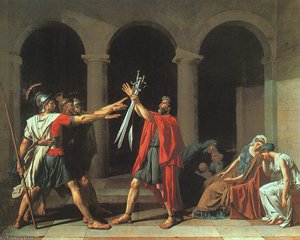
ჰორათიელთა ფიცი (1784) ავტორის: ჟაკ-ლუი დავიდი

ჰორათიელთა ფიცი

1784 · ზეთი ტილოზე · ლუვრი, პარიზი

In the grand tapestry of art history, few canvases command the room with such unyielding authority as Jacques-Louis David’s The Oath of the Horatii. Completed in 1784, this masterpiece stands as a definitive cornerstone of the Neoclassical movement, marking a decisive departure from the playful, swirling frivolity of the Rococo era. At its heart, the painting captures a moment of profound tension and moral gravity, drawing from the legendary conflict…

6
საბინეების ქალები (1799) ავტორის: ჟაკ-ლუი დავიდი

საბინეების ქალები

1799 · ზეთი ტილოზე

ჟაკ-ლუი დავიდი (1748–1825) ფრანგი მხატვარი იყო, რომელმაც თავისი დროის ისტორიაში განსაკუთრებული ადგილი მიიღო და შემდგომ სხეპს დატოვა მმართველობის მქონე კლასიკური ხელოვნების ერთნი და ყველაზე მნიშვნელოვანი წარმომადგენელი იყო. მისი ნაწარმოებები დღემდე შთிரაგანიერებს მაყურებლებს თავიანთი სიმძლავრითა და ისტორიული მნიშვნელობით და შემდგომ სხეპს დატოვა მმართველობის მქონე კლასიკური ხელოვნების ერთნი და ყველაზე მნიშვნელოვანი წარმომადგენელი იყო. დავიდი დაიბადა პარიზში ხელოვანი ოჯახში და ადრეულ სიკვდილმა დედამისი ბიძების ზრუნვის საპროცესზე მიაღმა და მალევე გადაინتقلდა ჟოზეფ-მარტენ ვიანის სახელოსნოში…

7
ნაპოლეონი თავის კაბინეტში (1812) ავტორის: ჟაკ-ლუი დავიდი

ნაპოლეონი თავის კაბინეტში

1812 · ზეთი ტილოზე · National Gallery of Art, ვაშინგტონი

Jacques-Louis David’s “Napoleon in His Study at the Tuileries” transcends mere depiction; it embodies the spirit of a pivotal moment in European history—the consolidation of Napoleon Bonaparte's reign following the tumultuous upheaval of the French Revolution. Completed in 1812, this monumental canvas captures Napoleon not as a warrior conquering territories but as a contemplative ruler wrestling with the weighty responsibilities of leadership within the confines of his private sanctuary.

8
ლიქტორები ბრუტუსს მის ვაჟთა ცხლებით უბრუნდებიან (1789) ავტორის: ჟაკ-ლუი დავიდი

ლიქტორები ბრუტუსს მის ვაჟთა ცხლებით უბრუნდებიან

1789 · ზეთი ტილოზე · ლუვრი, პარიზი

Subject and Narrative Significance This powerful masterpiece captures the poignant moment of Roman history when Lucius Junius Brutus, the legendary founder of the Roman Republic, mourns the loss of his sons. Confronted with the tragic necessity of executing his own family for conspiring to restore the monarchy, Brutus embodies unwavering civic virtue and moral resolve. The scene is a dramatic tableau of sacrifice, duty, and patriotism, inviting viewers to reflect…

9
ማდამ რეკამიერი (1800) ავტორის: ჟაკ-ლუი დავიდი

ማდამ რეკამიერი

1800 · ზეთი ტილოზე · ლუვრი, პარიზი

Jacques-Louis David captured the likeness of Juliette Récamier in this oil on canvas. Completed in 1800, the work presents the Parisian socialite in a moment of repose. She sits upon a bed, her figure emerging from the shadows of the room. The portrait remains a cornerstone of the Neoclassical movement.

10
ლეონიდე თერმოპილში (1814) ავტორის: ჟაკ-ლუი დავიდი

ლეონიდე თერმოპილში

1814 · ზეთი ტილოზე · ლუვრი, პარიზი

The air thickens with the weight of impending conflict in Jacques-Louis David’s Leonidas at Thermopylae. Completed in 1814, this colossal oil on canvas captures a moment of profound stillness before the storm of war. We find ourselves at the edge of history, witnessing the Spartan king Leonidas as he prepares to face the Persian tide. The scene freezes the very instant the king addresses his soldiers, his presence a steady…

ჟაკ-ლუი დავიდი-ის ცნობილი ნამუშევრები, 11-დან 100-მდე ნომრებით

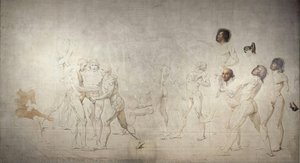
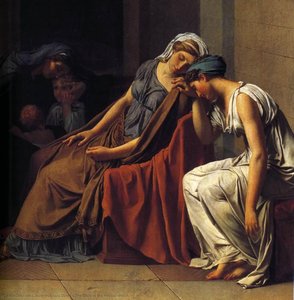
11ჟუ დე პომის ფიცი (1792) ავტორის: ჟაკ-ლუი დავიდიჟუ დე პომის ფიცი1792 · ვერსლისის სასახლე 12მარსი, ვენერასა და სამ ქალიბს მიერ დაუarmებული (1824) ავტორის: ჟაკ-ლუი დავიდიმარსი, ვენერასა და სამ ქალიბს მიერ დაუarmებული1824 · Musées Royaux des Beaux-Arts 13ბელისარიუსი, რომელიც წყალს იღებს ავტორის: ჟაკ-ლუი დავიდიბელისარიუსი, რომელიც წყალს იღებსლილის fine arts-ის მ્યુზეუმი 14ახილეს რോഷხილი (1819) ავტორის: ჟაკ-ლუი დავიდიახილეს რോഷხილი1819 · კიმბელის ხელოვნების მუზეუმი 15სენეკეს სიკვდილი (1773) ავტორის: ჟაკ-ლუი დავიდისენეკეს სიკვდილი1773 · პატარა პალატა 16ანდრომაკე ჰექტორის გლოვებით (1783) ავტორის: ჟაკ-ლუი დავიდიანდრომაკე ჰექტორის გლოვებით1783 · ლუვრი 17მარატის გარდაცვალება ავტორის: ჟაკ-ლუი დავიდიმარატის გარდაცვალება 18ჰორატიების საპირისპიროება (დეტალი) (1784) ავტორის: ჟაკ-ლუი დავიდიჰორატიების საპირისპიროება (დეტალი)1784 · ლუვრი 19იმპერატორისა და იმპერატრის კორონაცია (1822) ავტორის: ჟაკ-ლუი დავიდიიმპერატორისა და იმპერატრის კორონაცია1822 · ვერსლისის სასახლე 20მამაკაცის შიშველი ფიგურა, ცნობილი როგორც პატროკლო ავტორის: ჟაკ-ლუი დავიდიმამაკაცის შიშველი ფიგურა, ცნობილი როგორც პატროკლო 21პარისა და ჰელენის სიყვარული (1788) ავტორის: ჟაკ-ლუი დავიდიპარისა და ჰელენის სიყვარული1788 · ლუვრი 22აჰილესის გველი (1819) ავტორის: ჟაკ-ლუი დავიდიაჰილესის გველი1819 23ჰორატიელთა ფიც (1786) ავტორის: ჟაკ-ლუი დავიდიჰორატიელთა ფიც1786 · ტოლედოს ხელოვნების მუზეუმი 24წმინდა როხი, რომელიც მწარმისეული ჭირის მსხვერპლთა განკურნებას ღმერთმშველი მარიამს სთხოვს ავტორის: ჟაკ-ლუი დავიდიწმინდა როხი, რომელიც მწარმისეული ჭირის მსხვერპლთა განკურნებას ღმერთმშველი მარიამს სთხოვს 25The Oath in the Tennis Court (1791) ავტორის: ჟაკ-ლუი დავიდიThe Oath in the Tennis Court1791 · ვერსლისის სასახლე 26ანტუან ლორენ ლუვუაზი (1743–1794) და მარი ან ლუვუაზი (მარი ან პიერეტ პოულზი, 1758–1836) (1788) ავტორის: ჟაკ-ლუი დავიდიანტუან ლორენ ლუვუაზი (1743–1794) და მარი ან ლუვუაზი (მარი ან პიერეტ პოულზი, 1758–1836)1788 · მეტროპოლიტენის ხელოვნების მუზეუმი 27კუპიდი და ფსიქე (1817) ავტორის: ჟაკ-ლუი დავიდიკუპიდი და ფსიქე1817 · კლივল্যান্ডের ხელოვნების მუზეუმი 28ლეონიდე თერმოპილში (დეტალი) (1814) ავტორის: ჟაკ-ლუი დავიდილეონიდე თერმოპილში (დეტალი)1814 · ლუვრი 29The Death of Socrates (1786) ავტორის: ჟაკ-ლუი დავიდიThe Death of Socrates1786 · მეტროპოლიტენის ხელოვნების მუზეუმი 30ნაპოლეონი ჟოზეფის გვირგვინს ატრიალებს (1805) ავტორის: ჟაკ-ლუი დავიდინაპოლეონი ჟოზეფის გვირგვინს ატრიალებს1805 · ლუვრი 31საბინელ ქალთა ჩარევა (დეტალი) (1799) ავტორის: ჟაკ-ლუი დავიდისაბინელ ქალთა ჩარევა (დეტალი)1799 · ლუვრი 32Napoleon Bonaparte in his Study at the Tuileries (1812) ავტორის: ჟაკ-ლუი დავიდიNapoleon Bonaparte in his Study at the Tuileries1812 33Mars Disarmed by Venus and the Three Graces (detail) (1824) ავტორის: ჟაკ-ლუი დავიდიMars Disarmed by Venus and the Three Graces (detail)1824 · Musées Royaux des Beaux-Arts 34Napoleon in His Study (1812) ავტორის: ჟაკ-ლუი დავიდიNapoleon in His Study1812 35Nude study of Pope Pius VII (1805) ავტორის: ჟაკ-ლუი დავიდიNude study of Pope Pius VII1805 · ლუვრი 36Portrait of Gaspar Mayer (1795) ავტორის: ჟაკ-ლუი დავიდიPortrait of Gaspar Mayer1795 · ლუვრი 37Hector (1778) ავტორის: ჟაკ-ლუი დავიდიHector1778 · მუსეი ფაბრე 38Portrait of Antoine-Laurent and Marie-Anne Lavoisier (detail) (1788) ავტორის: ჟაკ-ლუი დავიდიPortrait of Antoine-Laurent and Marie-Anne Lavoisier (detail)1788 · მეტროპოლიტენის ხელოვნების მუზეუმი 39ანტიოქუსი და სტრატონიკა (1774) ავტორის: ჟაკ-ლუი დავიდიანტიოქუსი და სტრატონიკა1774 · École Nationale Supérieure des Beaux-Arts 40საფო და ფაონი ავტორის: ჟაკ-ლუი დავიდისაფო და ფაონი 41The Intervention of the Sabine Women (detail) (1799) ავტორის: ჟაკ-ლუი დავიდიThe Intervention of the Sabine Women (detail)1799 · ლუვრი 42Consecration of the Emperor Napoleon I (detail) (1805) ავტორის: ჟაკ-ლუი დავიდიConsecration of the Emperor Napoleon I (detail)1805 · ლუვრი 43იმპერატორ ნაპოლეონ I-ის კრუნგება (დეტალი) (1805) ავტორის: ჟაკ-ლუი დავიდიიმპერატორ ნაპოლეონ I-ის კრუნგება (დეტალი)1805 · ლუვრი 44ანდრომაკე ჰექტორის გლოვით ავტორის: ჟაკ-ლუი დავიდიანდრომაკე ჰექტორის გლოვითGrand Palais 45The Death of Seneca (1773) ავტორის: ჟაკ-ლუი დავიდიThe Death of Seneca1773 · Musée du Petit Palais 46The Oath of the Horatii (detail) (1784) ავტორის: ჟაკ-ლუი დავიდიThe Oath of the Horatii (detail)1784 · ლუვრი 47Bonaparte Crossing the Grand Saint-Bernard Pass (1802) ავტორის: ჟაკ-ლუი დავიდიBonaparte Crossing the Grand Saint-Bernard Pass1802 48The Empress Josephine Kneeling with Mme de la Rochefoucauld and Mme de la Valette (1806) ავტორის: ჟაკ-ლუი დავიდიThe Empress Josephine Kneeling with Mme de la Rochefoucauld and Mme de la Valette1806 · ლუვრი 49ინგრესის პორტრეტი (1800) ავტორის: ჟაკ-ლუი დავიდიინგრესის პორტრეტი1800 · პუშკინის სახელმწიფო ხელოვნების მუზეუმი 50Madame Recamier, Louvre (1800) ავტორის: ჟაკ-ლუი დავიდიMadame Recamier, Louvre1800 51არმია დებს ფიცს იმპერატორის წინაშე არწივების გაცემის შემდეგ (1810) ავტორის: ჟაკ-ლუი დავიდიარმია დებს ფიცს იმპერატორის წინაშე არწივების გაცემის შემდეგ1810 · ვერსლისის სასახლე 52Juliette Recamier (1800) ავტორის: ჟაკ-ლუი დავიდიJuliette Recamier1800 · ლუვრი 53ორვილიერის მარკიზეს პორტრეტი (1790) ავტორის: ჟაკ-ლუი დავიდიორვილიერის მარკიზეს პორტრეტი1790 · ლუვრი 54Self-Portrait (1790) ავტორის: ჟაკ-ლუი დავიდიSelf-Portrait1790 · პუშკინის სახელმწიფო ხელოვნების მუზეუმი 55Death of Marat, Musees Royaux des Beaux-Ar (1793) ავტორის: ჟაკ-ლუი დავიდიDeath of Marat, Musees Royaux des Beaux-Ar1793 56Portrait of Antoine-Laurent and Marie-Anne Lavoisier (1788) ავტორის: ჟაკ-ლუი დავიდიPortrait of Antoine-Laurent and Marie-Anne Lavoisier1788 · მეტროპოლიტენის ხელოვნების მუზეუმი 57the death of marat ავტორის: ჟაკ-ლუი დავიდიthe death of marat 58madame recamier ავტორის: ჟაკ-ლუი დავიდიmadame recamier 59Bonaparte (1798) ავტორის: ჟაკ-ლუი დავიდიBonaparte1798 60Christ on the Cross (1782) ავტორის: ჟაკ-ლუი დავიდიChrist on the Cross1782 · წმინდა ვენსანტის ეკლესია 61Jacobus Blauw (1795) ავტორის: ჟაკ-ლუი დავიდიJacobus Blauw1795 · ნაციონალური გალერეა 62გამოსახულების შესწავლა ბრიჭის სტანდარტების გადანაწილებისათვის (1808) ავტორის: ჟაკ-ლუი დავიდიგამოსახულების შესწავლა ბრიჭის სტანდარტების გადანაწილებისათვის1808 · ლუვრი 63The Intervention of the Sabine Women (1799) ავტორის: ჟაკ-ლუი დავიდიThe Intervention of the Sabine Women1799 64Portrait of Madame Emilie Seriziat and her Son ავტორის: ჟაკ-ლუი დავიდიPortrait of Madame Emilie Seriziat and her Son 65Portrait of Madame Charles-Louis Trudaine (1792) ავტორის: ჟაკ-ლუი დავიდიPortrait of Madame Charles-Louis Trudaine1792 66The Death of Marat (detail) (1793) ავტორის: ჟაკ-ლუი დავიდიThe Death of Marat (detail)1793 · Musées Royaux des Beaux-Arts 67The Arrival at the Hôtel de Ville (1805) ავტორის: ჟაკ-ლუი დავიდიThe Arrival at the Hôtel de Ville1805 · ლუვრი 68ჟანბონ სან-アンドრეს პორტრეტი (1795) ავტორის: ჟაკ-ლუი დავიდიჟანბონ სან-アンドრეს პორტრეტი1795 · ჩიკაგოს ხელოვნების ინსტიტუტი 69The Oath of the Tennis Court (1791) ავტორის: ჟაკ-ლუი დავიდიThe Oath of the Tennis Court1791 · ვერსლისის სასახლე 70Jacques Louis David In his workshop ავტორის: ჟაკ-ლუი დავიდიJacques Louis David In his workshop 71The Combat of Mars and Minerva (1771) ავტორის: ჟაკ-ლუი დავიდიThe Combat of Mars and Minerva1771 · ლუვრი 72The Tennis Court Oath, 20th June 1789 (1791) ავტორის: ჟაკ-ლუი დავიდიThe Tennis Court Oath, 20th June 17891791 73Portrait of Alphonse Leroy (1783) ავტორის: ჟაკ-ლუი დავიდიPortrait of Alphonse Leroy1783 74Pope Pius VII with the Cardinal Caprara (1805) ავტორის: ჟაკ-ლუი დავიდიPope Pius VII with the Cardinal Caprara1805 · ფილადელფიის ხელოვნების მუზეუმი 75ბარა სიკვდილი (1794) ავტორის: ჟაკ-ლუი დავიდიბარა სიკვდილი1794 · Musée Calvet 76Louis XVI Showing the Constitution to his Son, the Dauphin (1792) ავტორის: ჟაკ-ლუი დავიდიLouis XVI Showing the Constitution to his Son, the Dauphin1792 · ლუვრი 77untitled (3326) ავტორის: ჟაკ-ლუი დავიდიuntitled (3326) 78Deputies swearing oaths (1791) ავტორის: ჟაკ-ლუი დავიდიDeputies swearing oaths1791 · ვერსლისის სასახლე 79sappho and phaon ავტორის: ჟაკ-ლუი დავიდიsappho and phaon 80untitled (1714) ავტორის: ჟაკ-ლუი დავიდიuntitled (1714) 81Farewell to Socrates by his wife Xanthippe ავტორის: ჟაკ-ლუი დავიდიFarewell to Socrates by his wife XanthippeFondazione Cariplo 82The Grief of Andromache (1782) ავტორის: ჟაკ-ლუი დავიდიThe Grief of Andromache1782 · Musée du Petit Palais 83View of the Luxembourg Gardens in Paris (1794) ავტორის: ჟაკ-ლუი დავიდიView of the Luxembourg Gardens in Paris1794 84Portrait of Monsieur Lavoisier and His Wife ავტორის: ჟაკ-ლუი დავიდიPortrait of Monsieur Lavoisier and His Wife 85Marie Antoinette on the Way to the Guillotine ავტორის: ჟაკ-ლუი დავიდიMarie Antoinette on the Way to the Guillotine 86Portrait of Marguerite-Charlotte David (1813) ავტორის: ჟაკ-ლუი დავიდიPortrait of Marguerite-Charlotte David1813 · National Gallery of Art 87The Oath of the Horatii ავტორის: ჟაკ-ლუი დავიდიThe Oath of the Horatii 88View of the Tiber and Castel St Angelo (1776) ავტორის: ჟაკ-ლუი დავიდიView of the Tiber and Castel St Angelo1776 · ლუვრი 89Minerva (1776) ავტორის: ჟაკ-ლუი დავიდიMinerva1776 · ლუვრი 90The Funeral of Patroclus (1778) ავტორის: ჟაკ-ლუი დავიდიThe Funeral of Patroclus1778 · National Gallery of Ireland 91Head of the Dead Marat ავტორის: ჟაკ-ლუი დავიდიHead of the Dead Marat 92Consecration of the Emperor Napoleon I (detail) (10) (1805) ავტორის: ჟაკ-ლუი დავიდიConsecration of the Emperor Napoleon I (detail) (10)1805 · ლუვრი 93Consecration of the Emperor Napoleon I (detail) (1805) ავტორის: ჟაკ-ლუი დავიდიConsecration of the Emperor Napoleon I (detail)1805 · ლუვრი 94Portrait of a Young Woman in White (1798) ავტორის: ჟაკ-ლუი დავიდიPortrait of a Young Woman in White1798 95The Death Of Marat (Study) ავტორის: ჟაკ-ლუი დავიდიThe Death Of Marat (Study) 96Alexander Ordering The Books Of Homer To Be Preserved ავტორის: ჟაკ-ლუი დავიდიAlexander Ordering The Books Of Homer To Be Preserved 97The Oath of the Horatii - Jacques-Louis David (2026) ავტორის: ჟაკ-ლუი დავიდიThe Oath of the Horatii - Jacques-Louis David2026 98Portrait of the Sisters Zénaïde and Charlotte Bonaparte (1821) ავტორის: ჟაკ-ლუი დავიდიPortrait of the Sisters Zénaïde and Charlotte Bonaparte1821 99Caricature of the English Government (1793) ავტორის: ჟაკ-ლუი დავიდიCaricature of the English Government1793 100A Young Woman of Frascati (1775) ავტორის: ჟაკ-ლუი დავიდიA Young Woman of Frascati1775 · მეტროპოლიტენის ხელოვნების მუზეუმი

ჟაკ-ლუი დავიდი-ის ცნობილი სურათები, პერიოდების მიხედვით

სუბიექტები, რომლებმაც ჟაკ-ლუი დავიდი-ის ყურადღება მიიპყრო

ამ ორიგინალებში ყველაზე ხშირად განმეორებადი არის 네 თემა, რომელთაგან თითოეულს თავისი საუკეთესო ნიმუში წარმოგვიდგება.

მუზეუმები, სადაც ჟაკ-ლუი დავიდი-ის ორიგინალები ინახება

ამ გვერდზე წარმოდგენილი მხატვრობის შედეგების უმეტესობას 8 მუზეუმი ინახავს.

მუზეუმი ქალაქი ჟაკ-ლუი დავიდი შემოქმედებაలు ამ სიიდან მოპოვებული ნახატები
ლუვრი, პარიზილუვრი პარიზი 35 იმპერატორ ნაპოლეონ I-ის კანონიერება და იმპერატრიცა ჟოზეფისរ კორონაცია, ჰორათიელთა ფიცი, ლიქტორები ბრუტუსს მის ვაჟთა ცხლებით უბრუნდებიან
მეტროპოლიტენის ხელოვნების მუზეუმი, ნიუ-იორკიმეტროპოლიტენის ხელოვნების მუზეუმი ნიუ-იორკი 8 სოკრატეს სიკვდილი, მეტროპოლიტენი, ნიუ-იორკი, ანტუან ლორენ ლუვუაზი (1743–1794) და მარი ან ლუვუაზი (მარი ან პიერეტ პოულზი, 1758–1836), The Death of Socrates
ვერსლისის სასახლე, ვერსალივერსლისის სასახლე ვერსალი 7 ჟუ დე პომის ფიცი, იმპერატორისა და იმპერატრის კორონაცია, The Oath in the Tennis Court
Musées Royaux des Beaux-Arts, ბრიუსელიMusées Royaux des Beaux-Arts ბრიუსელი 4 მარატის სიკვდილი, მარსი, ვენერასა და სამ ქალიბს მიერ დაუarmებული, Mars Disarmed by Venus and the Three Graces (detail)
National Gallery of Art, ვაშინგტონიNational Gallery of Art ვაშინგტონი 3 ნაპოლეონი თავის კაბინეტში, Portrait of Marguerite-Charlotte David
Musée du Petit Palais, პარიზიMusée du Petit Palais პარიზი 2 The Death of Seneca, The Grief of Andromache
პუშკინის სახელმწიფო ხელოვნების მუზეუმი, მოსკოვიპუშკინის სახელმწიფო ხელოვნების მუზეუმი მოსკოვი 2 ინგრესის პორტრეტი, Self-Portrait
მუსეი ფაბრე, მონპელიემუსეი ფაბრე მონპელიე 5 Hector

ჟაკ-ლუი დავიდი ათწლეულების განმავლობაში: თითოეულ დეკადესთვის ერთი უნიკალური ორიგინალი

ნამუშევრები ათწლეულების მიხედვით

შეარჩიეთ ათწლეული, რათა ნახოთ ის ორიგინალი ნამუშევარი, რომელიც მას განსაზღვრავს.

ჟაკ-ლუი დავიდი-ის ნახატები: კითხვები გალერეისთვის

რა არის ჟაკ-ლუი დავიდი-ის ყველაზე ცნობილი ნამუშწარებიდან ერთერთი?გაამჟღავნეთ პასუხი

მარატის სიკვდილი (1793), Musées Royaux des Beaux-Arts, ბრიუსელი. შემდეგ მოდიან სოკრატეს სიკვდილი, მეტროპოლიტენი, ნიუ-იორკი (1787) და იმპერატორ ნაპოლეონ I-ის კანონიერება და იმპერატრიცა ჟოზეფისរ კორონაცია (1805).

რა ასაკში შექმნა ჟაკ-ლუი დავიდი-მა მარატის სიკვდილი?გაამჟღავნეთ პასუხი

45 წლის: მარატის სიკვდილი შექმნილია 1793 წელს, ხოლო ჟაკ-ლუი დავიდი დაიბადა 1748 წელს.

ჟაკ-ლუი დავიდი-ის რომელი 열ათმე ნახატია ყველაზე ცნობილი?გაამჟღავნეთ პასუხი

მარატის სიკვდილი, სოკრატეს სიკვდილი, მეტროპოლიტენი, ნიუ-იორკი, იმპერატორ ნაპოლეონ I-ის კანონიერება და იმპერატრიცა ჟოზეფისរ კორონაცია, Napoleon at the St. Bernard Pass, ჰორათიელთა ფიცი, საბინეების ქალები, ნაპოლეონი თავის კაბინეტში, ლიქტორები ბრუტუსს მის ვაჟთა ცხლებით უბრუნდებიან, ማდამ რეკამიერი და ლეონიდე თერმოპილში. ზემოთ მოცემული რეიტინგი ასახავს თითოეულის შემოქმედების წელსა და მუზეუმს.

რამდენი ნამუშწარებია ცნობილი ჟაკ-ლუი დავიდი-ის შემოქმედებიდან?გაამჟღავნეთ პასუხი

ჩვენს კატალოგში წარმოდგენილია 277 ნამუშწევრი ჟაკ-ლუი დავიდი-ისგან, დათარიღებული 1771-დან 1824-მდე.

სად შეიძლება ყველაზე ცნობილი ჟაკ-ლუი დავიდი-ის ორიგინალების ნახვა?გაამჟღავნეთ პასუხი

ძირითადად ლუვრი (პარიზი), მეტროპოლიტენის ხელოვნების მუზეუმი (ნიუ-იორკი) და ვერსლისის სასახლე (ვერსალი)-ში. ზემოთ მოცემულ მუზეუმების ცხრილში ისინი ყველა listed.

რა პერიოდში შექმნა ჟაკ-ლუი დავიდი-მა ყველაზე ცნობილი სურათები?გაამჟღავნეთ პასუხი

1790s-ში: ამ გვერდზე წარმოდგენილი 100 ნამუშწარwerksიდან 24 შეიქმნა მაშინ, მათგან მარატის სიკვდილი.

რომელი ცნობილი ჟაკ-ლუი დავიდი ტილოა ყველაზე ადრეული და რომელი — ყველაზე გვიანდელი?გაამჟღავნეთ პასუხი

ამ გვერდზე ყველაზე ადრეული არის The Combat of Mars and Minerva (1771), ხოლო ყველაზე გვიანდელი — მარსი, ვენერასა და სამ ქალიბს მიერ დაუarmებული (1824).

რა თემებს ანიჭებდა უპირატესობას ჟაკ-ლუი დავიდი?გაამჟღავნეთ პასუხი

Classical art (20), Კლასიკური ხელოვნება (13) და Portraiture (11), ამ გვერდზე წარმოდგენილ 100 ნამუშწარეს შორის.

რა მასალებით ხატავდა ყველაზე ხშირად ჟაკ-ლუი დავიდი?გაამჟღავნეთ პასუხი

Oil On Canvas, ამ გვერდზე არსებული 100 ნამუშწაროსგან 39 ცალიდან.

ჟაკ-ლუი დავიდი-ის შემოქმედება რომელ მიმდინარეობას მიეკუთვნება?გაამჟღავნეთ პასუხი

Ნეოკლასიციზმი, ამ გვერდზე წარმოდგენილი ორიგინალების მიხედვით.

რა ჟაკ-ლუი დავიდი-ის ორიგინალების ნახვა შემიძლია ლუვრი-ში?გაამჟღავნეთ პასუხი

იმპერატორ ნაპოლეონ I-ის კანონიერება და იმპერატრიცა ჟოზეფისរ კორონაცია, ჰორათიელთა ფიცი და ლიქტორები ბრუტუსს მის ვაჟთა ცხლებით უბრუნდებიან: ლუვრი, პარიზი-ში წარმოდგენილია ამ გვერდზე მოცემული ნამუშევრების 28 ცალი.

ჟაკ-ლუი დავიდი: მხატვრის პორტრეტი

The Life and Art of Jacques-Louis David

Born in Paris, France, on August 30, 1748, Jacques-Louis David emerged during a period of profound political and aesthetic transformation. He became the principal exponent of the late 18th-century Neoclassical style, a movement that sought to replace the decorative whimsy of the Rococo with a sense of order and moral clarity. His career was defined by an ability to navigate the most turbulent shifts in French history, moving from the structured hierarchies of the Ancien Régime to the radicalism of the Revolution and the imperial grandeur of the Napoleonic era.

As the preeminent painter of his era, David did more than capture the likenesses of his subjects; he provided a visual language for the changing ideals of his nation. His work often focused on historical and classical themes, utilizing rigorous contours and a disciplined approach to composition. This commitment to clarity helped establish Neoclassicism as the dominant artistic force in France. His canvases were frequently large in scale, designed to command attention and convey the gravity of the scenes they depicted.

His output was vast and varied, ranging from intense historical dramas to formal portraiture. Some of his notable subjects include:

Early Life, Family and Training

Born into the merchant-and-artisan middle class of Paris, Jacques-Louis David’s early years were marked by a sudden, sharp disruption. When he was nine, his father was killed in a duel, leaving the young boy to be raised by well-off architect uncles. During his formal schooling, he proved to be an indifferent student, his mind frequently wandering from his lessons toward the act of drawing. This early preference for the pencil and charcoal suggested a temperament better suited to the studio than the classroom.

His path toward professional mastery began under the guidance of François Boucher, a painter of the Rococo style. While Boucher provided his initial apprenticeship, David eventually sought a different direction, moving toward the instruction of Joseph-Marie Vien. As a professor at the Royal Academy of Painting and Sculpture, Vien offered a more classical approach that would eventually define David's aesthetic. This period of study was not a swift ascent; it was a process of trial and error. He faced the frustration of three failed attempts to secure the prestigious Prix de Rome, a setback that tested his resolve. He finally achieved the prize in 1774, a victory that would fundamentally alter the course of his career.

The Rise of Neoclassicism and Italian Study

The trajectory of David’s development shifted decisively in 1775 when he traveled to Italy alongside his teacher, Joseph Vien. This period of study provided the necessary distance from the decorative tendencies of the French court, allowing him to confront the weight of antiquity directly. In the shadow of Rome, he turned his attention toward the 17th-century masters, absorbing the structured compositions of Poussin and the dramatic lighting of Caravaggio. He also studied the works of the Carracci, finding in their approach a balance of form and naturalism that would inform his own developing hand.

During these years, David was introduced to Raphael Mengs, a figure who advocated for a rigorous, disciplined study of classical sources. This intellectual encounter helped steer the young painter away from the lingering whimsy of the Rococo. His focus moved toward a more austere and morally driven neoclassicism, a style that favored clarity and order over ornamentation. The experience in Italy did not merely refine his technique; it provided the philosophical foundation for a career dedicated to the pursuit of civic virtue and historical gravity.

Artistic Role During the French Revolution

The political upheaval of 1789 found David deeply embedded in the shifting currents of French society. He was an active supporter of the revolution, moving beyond the quietude of the studio to engage directly with the radical forces reshaping the nation. As a member of the Jacobin group, his commitment to the cause was both ideological and personal. He maintained a close friendship with Maximilien Robespierre, a connection that placed him at the very center of the era's most intense political machinations.

His influence extended into the administrative heart of the new republic, where he served as the artistic director. In this capacity, he helped shape the visual language of a movement that sought to replace old hierarchies with new, civic-minded ideals. His work during these years often functioned as a mirror to the fervor of the streets, capturing the gravity of martyrdom and the weight of republican duty. He did not merely paint the revolution; he helped direct its public image.

Patronage and Service to Napoleon

The political tides that had once fueled David’s revolutionary fervor eventually settled into the structured grandeur of the Empire. As Napoleon Bonaparte rose to power, the artist transitioned from a partisan of the Republic to the official court painter of the new regime. This shift was formalized in 1804, when he was appointed First Painter to the Emperor. His role was to provide a visual language for Napoleon’s authority, translating military triumphs and imperial dignity into a grand, public scale.

This period of service brought about a subtle evolution in his aesthetic. The austere, sometimes severe clarity of his earlier Neoclassical works softened, giving way to an Empire style. His palette grew more complex, incorporating warm Venetian colors that lent a sense of richness to his compositions. He moved away from the starkness of his revolutionary years, instead embracing a more opulent visual vocabulary that suited the ceremonial needs of the imperial court.

  • Napoleon Crossing the Alps (1801-1805)
  • The Coronation of Napoleon (1807)

Technique and Neoclassical Style

David’s brushwork rejected the swirling, decorative excesses of the Rococo in favor of a disciplined, structural clarity. His compositions relied upon rigorous contours and sculpted forms that gave his figures a sense of permanence, as if they were carved from marble rather than rendered in oil. This precision was matched by a preference for polished surfaces, where the hand of the artist often vanished behind a seamless, finished appearance. He sought to capture the essence of antiquity through a visual language of order and restraint.

Light and shadow functioned as primary tools of drama in his studio. He employed a stark, dramatic use of tenebrism, a technique that utilized heavy contrasts to pull subjects out of the darkness. This approach, combined with a Caravaggesque realism, allowed him to ground his historical and mythological scenes in a palpable, physical reality. Rather than relying on a riot of color, he often utilized a restrained palette dominated by earthy tones, which focused the viewer's attention on the moral weight of the scene rather than mere ornamentation.

Key Works and Masterpieces

The trajectory of David's career is marked by a capacity to translate the political and moral currents of France into rigid, sculptural forms. In 1784, he completed The Oath of the Horatii, a work that signaled a departure from the decorative whimsy of the previous era. By replacing soft curves with sharp, linear precision, he provided a visual language for civic duty. This sense of moral gravity continued in 1787 with The Death of Socrates, where he rendered the philosopher's final moments with a calm, disciplined clarity that emphasized intellectual conviction over chaotic emotion.

As the Revolution turned violent, David’s brush became a tool for documenting the immediate and the tragic. His 1793 depiction of The Death of Marat transformed a political assassination into a scene of profound, quiet stillness. The pale, slumped body of the journalist, resting against a makeshift desk, stripped away the noise of the Terror to focus on a singular, haunting reality. This ability to capture the weight of a moment defined his role as the era's visual chronicler.

The shift from revolutionary fervor to imperial grandeur saw David turning his attention to the man who would reshape Europe. Between 1801 and 1805, he painted Napoleon Crossing the Alps, presenting the leader as a figure of mythic strength. This was followed by the immense 1807 canvas, The Coronation of Napoleon, which documented the opulence of the imperial ceremony. Even in his more intimate portraiture, such as the 1800 depiction of Madame Récamier, his commitment to structured composition and formal dignity remained constant.

Circle, Pupils and Artistic Influence

The studio of Jacques-Louis David functioned as a vital center for the transmission of Neoclassical principles, attracting a diverse group of students who would go on to shape the nineteenth century. Among his most prominent pupils was Jean-Auguste-Dominique Ingres, who would eventually emerge as a formidable force in his own right. The lineage of David’s instruction also included Antoine-Jean Gros and François Gérard, both of whom navigated the shifting tastes of the era while carrying the weight of his rigorous training. Even Jérôme-Martin Langlois found his way into this disciplined environment, absorbing the technical precision required by the prevailing aesthetic.

This pedagogical reach extended far beyond the immediate classroom. The formal structures and expressive distortions David employed in his compositions left a mark that resonated through subsequent generations. His influence reached into the radical shifts of the modern era, finding unexpected echoes in the work of Henri Matisse and Pablo Picasso. While his direct pupils often sought to refine or even rebel against his strict adherence to classical order, the fundamental emphasis on draftsmanship and structural clarity remained a constant thread in the evolution of French art.

Exile and Death in Brussels

The political tides that once carried him to the heights of imperial favor eventually turned against him. Following the fall of Napoleon, the shifting landscape of France left little room for the former court painter. In 1816, David was sent into exile in Brussels, a move that signaled the end of his direct influence over the French state. He did not retreat into silence, however. In this Belgian city, he maintained his professional rigor, continuing to paint and instruct students until his final days.

His presence in Brussels remained a constant through the final decade of his life. He lived through the transition of European power, a witness to the very history he had once helped to document on canvas. On December 29, 1825, his life reached its conclusion. He died in Brussels, far from the Parisian salons and the imperial courts that had defined his most active years.

A monument marks the site of his rest. In the Brussels Cemetery, an obelisk stands as a memorial to the man who had once been the visual architect of an era. This stone marker serves as a quiet conclusion to a career that spanned the most turbulent transformations of the French state.

Where to See the Works Today

The physical presence of David’s oeuvre is scattered across the major repositories of European and international art. The Louvre Museum in Paris remains the primary guardian of his output, housing a significant portion of his most influential canvases. In New York, the Metropolitan Museum of Art maintains several of his pieces, allowing for a study of his precision far from the streets of France. His reach extends into the East as well, with the Pushkin State Museum in Moscow holding a portrait of Ingres, a work that reflects the complex connections between David and his most famous pupil.

In the south of France, the Musée Fabre in Montpellier offers a different perspective on his development. Within its walls, one can find Hector, a work from 1778 that captures a more formative, dramatic naturalism. This piece provides a window into the artist's earlier stylistic tendencies before his full embrace of the austere clarity that would define his later years. To see his work in these various settings is to trace the geographic spread of a style that once dictated the visual language of an entire era.