ისაკ ლევიტანი პორტრეტი

ისაკ ლევიტანი-ის ნახატები: 100 ყველაზე ცნობილი ნამუშევარი, গალერეის თcraftით

განახლდა ოქტომბერი 2026 · დალაგებულია ჩვენი პოპულარობის ქულების მიხედვით (ძიება, ნახვა და შეკვეთები თითოეული ნამუშწაროსთვის) · 566 ნამუშევარი ისაკ ლევიტანი ჩვენს კატალოგში

მოკლედ რომ ვთქვათ

გალერეის შეხედულებით, ისაკ ლევიტანი-ის ყველაზე ცნობილი ნამუშწაროა ოქროსფერი შემოდგომა (1895), რომლის ორიგინალი ტრესტიაკოვის სახელმწიფო გალერეა-ში, მოსკოვი-ში hangs. მარადიულ სიმშვიდეზე და Haystacking (1900) ქმნიან იმ ტრიოს, რომელიც ყველამ იცნობს. ჩვენს კატალოგში არსებული ისაკ ლევიტანი-ის 566 ნამუშწაროდან, გალერეა ქვემოთ წარმოგიდგენთ 100 ყველაზე ცნობილ მათგანს; თითოეული მათგანი არის ორიგინალი, რომლის აღწერა მოიცავს შემოქმედების წელს, მუზეუმს და იმ დეტალებს, რაც მას უნიკალურს ხდის.

1860 – 1900, კიბარტი Realism ყველაზე მეტი ნამشევრი: ტრესტიაკოვის სახელმწიფო გალერეა

გალერეის ისაკ ლევიტანი 10 საუკეთესო ნამი에도

1
ოქროსფერი შემოდგომა (1895) ავტორის: ისაკ ლევიტანი

ოქროსფერი შემოდგომა

1895 · ზეთი ტილოზე · ტრესტიაკოვის სახელმწიფო გალერეა, მოსკოვი

In the quiet transition between summer's warmth and winter's slumber, there exists a fleeting moment of unparalleled brilliance, a period where the earth seems to glow from within. Isaak Ilyich Levitan, the master poet of the Russian landscape, captures this ephemeral magic in his breathtaking masterpiece, Golden Autumn. This painting is not merely a depiction of a riverbank; it is an invitation into a world of profound serenity and contemplative…

2
მარადიულ სიმშვიდეზე ავტორის: ისაკ ლევიტანი

მარადიულ სიმშვიდეზე

Above the Eternal Peace is an oil on canvas by Isaac Levitan. This work is a quintessential Russian landscape, capturing a specific atmospheric quality through its depiction of the natural world. The artist, Isaac Levitan, was born in Kybartai, Lithuania.

3
Haystacking (1900) ავტორის: ისაკ ლევიტანი

Haystacking

In the vast tapestry of Russian landscape painting, few works capture the ephemeral intersection of human toil and natural majesty as poignantly as Isaak Ilyich Levitan’s “Haystacking.” Painted in 1900, this oil on panel masterpiece serves as a profound meditation on the rhythms of rural existence. The scene unfolds across a sun-drenched field, where golden haystacks punctuate the landscape like silent monuments to the harvest. Yet, beneath this surface of…

4
Golden autumn (1895) ავტორის: ისაკ ლევიტანი

Golden autumn

In the hallowed halls of the Tretyakov Gallery in Moscow, there exists a canvas that does more than merely depict a season; it captures the very soul of the Russian landscape. Isaak Ilyich Levitan’s Golden Autumn, painted in 1895, is a monumental achievement that transcends simple representation to become a profound meditation on beauty and transition. As the eye wanders across the 82 x 126 cm expanse, one is immediately…

5
The lake, Russian soil (1899) ავტორის: ისაკ ლევიტანი

The lake, Russian soil

1899 · Oil On Canvas

To gaze upon Isaak Ilyich Levitan's "The Lake, Russian Soil" is not merely to observe a painting; it is to be gently ushered into a state of profound tranquility. This masterpiece, born in 1899, captures the very soul of the Russian countryside—a place where nature and human life coexist in a hushed, almost dreamlike harmony. The scene unfolds around a placid lake, its surface mirroring the vast, atmospheric expanse above.…

6
Summer Evening (1899) ავტორის: ისაკ ლევიტანი

Summer Evening

To gaze upon Isaak Ilyich Levitan's "Summer Evening" is to step across the threshold of time and into a moment suspended in amber light. This painting, executed in 1899, is not merely a depiction of a country road; it is an elegy to pastoral tranquility, a visual poem whispered by the setting sun over the rolling landscape of rural Russia. Levitan, the master poet of the Russian soul rendered in…

7
Moonlit Night (1899) ავტორის: ისაკ ლევიტანი

Moonlit Night

A Symphony of Sorrow: Exploring Isaak Levitan’s “Moonlit Night” Isaak Ilyich Levitan (1860-1900), a titan amongst Russian landscape painters, didn't merely depict scenery; he wrestled with the very essence of melancholy and imbued his canvases with an unparalleled sensitivity to the human condition. His oeuvre is defined by a profound communion with nature—not one of triumphant grandeur but rather of quiet contemplation tinged with poignant longing—a characteristic that solidified his…

8
Cloud (1878) ავტორის: ისაკ ლევიტანი

Cloud

1878 · Oil On Canvas

The sky dominates the canvas, a vast expanse where light and air collide. Large, white clouds drift through the scene, some appearing heavy and puffy while others stretch into thin, wispy filaments. There is a profound sense of openness here, a feeling of looking upward into an infinite, breathing space. Two small figures occupy the landscape, one on the left and one toward the right, their tiny forms providing a…

9
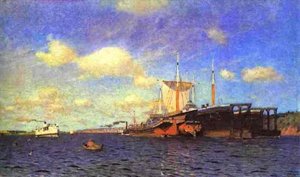
Evening on the Volga (1887) ავტორის: ისაკ ლევიტანი

Evening on the Volga

The Evening on the Volga is a breathtaking oil on canvas painting created by Isaak Ilyich Levitan in 1887. This beautiful piece is housed at the renowned Tretyakov Gallery in Moscow, Russia. The painting measures 50 x 81 cm and is a testament to the artist's skill in capturing the essence of the natural world. The Painting's Composition The scene depicts a serene evening on the Volga River, with boats…

10
Alps. Snow. (1897) ავტორის: ისაკ ლევიტანი

Alps. Snow.

1897 · Oil On Canvas · Yekaterinburg Museum of Fine Arts, Yekaterinburg

There is a particular kind of stillness that only comes with heavy snow. In this 1897 oil on canvas, we find ourselves looking upon a landscape where the mountains do not merely exist, but seem to hold their breath. The composition is anchored by a large glacier in the foreground, its surface a complex interplay of light and shadow that suggests a profound, frozen depth. Beyond this icy expanse, the…

ისაკ ლევიტანი-ის ნახატები, რეიტინგით 11-დან 100-მდე

11At twilight. River Istra. (1885) ავტორის: ისაკ ლევიტანიAt twilight. River Istra.1885 12At the birch grove (1885) ავტორის: ისაკ ლევიტანიAt the birch grove1885 13Parkway. Ostankino. (1885) ავტორის: ისაკ ლევიტანიParkway. Ostankino.1885 14Autumn (1891) ავტორის: ისაკ ლევიტანიAutumn1891 15Coast of the lagoon (1896) ავტორის: ისაკ ლევიტანიCoast of the lagoon1896 16A day in June (1895) ავტორის: ისაკ ლევიტანიA day in June1895 17Footpath in a Forest. Ferns. (1895) ავტორის: ისაკ ლევიტანიFootpath in a Forest. Ferns.1895 18Golden autumn (1896) ავტორის: ისაკ ლევიტანიGolden autumn1896 19At the summer house in twilight (1895) ავტორის: ისაკ ლევიტანიAt the summer house in twilight1895 20Fires (1885) ავტორის: ისაკ ლევიტანიFires1885 21By the whirlpool (1891) ავტორის: ისაკ ლევიტანიBy the whirlpool1891 22Footbridge. Savvinskaya village. (1884) ავტორის: ისაკ ლევიტანიFootbridge. Savvinskaya village.1884 23Fresh Wind. Volga (1895) ავტორის: ისაკ ლევიტანიFresh Wind. Volga1895 · ტრესტიაკოვის სახელმწიფო გალერეა 24The First Green. May. (1888) ავტორის: ისაკ ლევიტანიThe First Green. May.1888 25Tombstone in the Jewish Graveyard (1881) ავტორის: ისაკ ლევიტანიTombstone in the Jewish Graveyard1881 · ისრაელის მუზეუმი 26In the forest (1885) ავტორის: ისაკ ლევიტანიIn the forest1885 27The trunk of an old tree (1883) ავტორის: ისაკ ლევიტანიThe trunk of an old tree1883 28Moonlit night at park (1885) ავტორის: ისაკ ლევიტანიMoonlit night at park1885 29Remains of the Past. Twilight. Finland (1897) ავტორის: ისაკ ლევიტანიRemains of the Past. Twilight. Finland1897 · ტრესტიაკოვის სახელმწიფო გალერეა 30Krivoozersky Monastery. Monks following fish. (1890) ავტორის: ისაკ ლევიტანიKrivoozersky Monastery. Monks following fish.1890 31Blessing of the waters (1893) ავტორის: ისაკ ლევიტანიBlessing of the waters1893 32Summer evening. River. (1894) ავტორის: ისაკ ლევიტანიSummer evening. River.1894 33Haystacks. Twilight (1899) ავტორის: ისაკ ლევიტანიHaystacks. Twilight1899 · ტრესტიაკოვის სახელმწიფო გალერეა 34Footpath in a Forest, Ferns (1895) ავტორის: ისაკ ლევიტანიFootpath in a Forest, Ferns1895 35The Istra River. Study (1885) ავტორის: ისაკ ლევიტანიThe Istra River. Study1885 · ტრესტიაკოვის სახელმწიფო გალერეა 36Spring in the Forest (1882) ავტორის: ისაკ ლევიტანიSpring in the Forest1882 37House with Broom-Trees. Study (1885) ავტორის: ისაკ ლევიტანიHouse with Broom-Trees. Study1885 38Valley of a River. Study (1890) ავტორის: ისაკ ლევიტანიValley of a River. Study1890 · ტრესტიაკოვის სახელმწიფო გალერეა 39Springtime. The Last Snow. (1895) ავტორის: ისაკ ლევიტანიSpringtime. The Last Snow.1895 40Birch Grove (1885) ავტორის: ისაკ ლევიტანიBirch Grove1885 41Portrait of Sofia Petrovna Kuvshinnikov (1894) ავტორის: ისაკ ლევიტანიPortrait of Sofia Petrovna Kuvshinnikov1894 42Entrance to the village (1898) ავტორის: ისაკ ლევიტანიEntrance to the village1898 43Spring Flood (1897) ავტორის: ისაკ ლევიტანიSpring Flood1897 · ტრესტიაკოვის სახელმწიფო გალერეა 44In the Mountains in the Crimea (1886) ავტორის: ისაკ ლევიტანიIn the Mountains in the Crimea1886 · ტრესტიაკოვის სახელმწიფო გალერეა 45Field after Harvest. (1897) ავტორის: ისაკ ლევიტანიField after Harvest.1897 · National Gallery of Armenia 46Footbridge. Savvina Sloboda. Study (1884) ავტორის: ისაკ ლევიტანიFootbridge. Savvina Sloboda. Study1884 · ტრესტიაკოვის სახელმწიფო გალერეა 47In the Vicinity of Bordiguera, in the North of Italy (1890) ავტორის: ისაკ ლევიტანიIn the Vicinity of Bordiguera, in the North of Italy1890 · ტრესტიაკოვის სახელმწიფო გალერეა 48Evening in the Field (1883) ავტორის: ისაკ ლევიტანიEvening in the Field1883 · ტრესტიაკოვის სახელმწიფო გალერეა 49Quiet cloister (1890) ავტორის: ისაკ ლევიტანიQuiet cloister1890 50Springtime in Italy (1890) ავტორის: ისაკ ლევიტანიSpringtime in Italy1890 · ტრესტიაკოვის სახელმწიფო გალერეა 51Oak (1880) ავტორის: ისაკ ლევიტანიOak1880 · ტრესტიაკოვის სახელმწიფო გალერეა 52The First Green. May. Study (1883) ავტორის: ისაკ ლევიტანიThe First Green. May. Study1883 · ტრესტიაკოვის სახელმწიფო გალერეა 53Early spring. The last snow. ავტორის: ისაკ ლევიტანიEarly spring. The last snow. 54Evening Bells ავტორის: ისაკ ლევიტანიEvening Bells 55Road in a Wood (1881) ავტორის: ისაკ ლევიტანიRoad in a Wood1881 · ტრესტიაკოვის სახელმწიფო გალერეა 56Springtime in the Crimea (1900) ავტორის: ისაკ ლევიტანიSpringtime in the Crimea1900 · ტრესტიაკოვის სახელმწიფო გალერეა 57Huts after sunset (1899) ავტორის: ისაკ ლევიტანიHuts after sunset1899 58Stormy day (1897) ავტორის: ისაკ ლევიტანიStormy day1897 · ტრესტიაკოვის სახელმწიფო გალერეა 59In the North (1896) ავტორის: ისაკ ლევიტანიIn the North1896 · ტრესტიაკოვის სახელმწიფო გალერეა 60March (1895) ავტორის: ისაკ ლევიტანიMarch1895 · ტრესტიაკოვის სახელმწიფო გალერეა 61Twilight (1900) ავტორის: ისაკ ლევიტანიTwilight1900 · ტრესტიაკოვის სახელმწიფო გალერეა 62Evening (1877) ავტორის: ისაკ ლევიტანიEvening1877 63Village. Windmill. (1875) ავტორის: ისაკ ლევიტანიVillage. Windmill.1875 64Village in Winter (1877) ავტორის: ისაკ ლევიტანიVillage in Winter1877 65At Moscow-river (1877) ავტორის: ისაკ ლევიტანიAt Moscow-river1877 66Landscape on Volga. Boats by the Riverbank. (1878) ავტორის: ისაკ ლევიტანიLandscape on Volga. Boats by the Riverbank.1878 67Birch grove (1878) ავტორის: ისაკ ლევიტანიBirch grove1878 68The Last Snow. Savvina Sloboda. Study (1884) ავტორის: ისაკ ლევიტანიThe Last Snow. Savvina Sloboda. Study1884 · ტრესტიაკოვის სახელმწიფო გალერეა 69Russian Village (1880) ავტორის: ისაკ ლევიტანიRussian Village1880 · ისრაელის მუზეუმი 70The Last Snow (1884) ავტორის: ისაკ ლევიტანიThe Last Snow1884 · ისრაელის მუზეუმი 71A creek (1885) ავტორის: ისაკ ლევიტანიA creek1885 72Autumn (1885) ავტორის: ისაკ ლევიტანიAutumn1885 73Village Savvinskaya near Zvenigorod (1884) ავტორის: ისაკ ლევიტანიVillage Savvinskaya near Zvenigorod1884 74Winter landscape. Cemetery. (1885) ავტორის: ისაკ ლევიტანიWinter landscape. Cemetery.1885 75Field (1885) ავტორის: ისაკ ლევიტანიField1885 76Platform. The approaching train. (1879) ავტორის: ისაკ ლევიტანიPlatform. The approaching train.1879 77At Volga (1885) ავტორის: ისაკ ლევიტანიAt Volga1885 78High waters (1885) ავტორის: ისაკ ლევიტანიHigh waters1885 79Forest edge (1885) ავტორის: ისაკ ლევიტანიForest edge1885 80A hovel (1885) ავტორის: ისაკ ლევიტანიA hovel1885 81Gray day. River. (1885) ავტორის: ისაკ ლევიტანიGray day. River.1885 82Path in the forest (1884) ავტორის: ისაკ ლევიტანიPath in the forest1884 83Village (1884) ავტორის: ისაკ ლევიტანიVillage1884 84Autumn (1885) ავტორის: ისაკ ლევიტანიAutumn1885 85High waters (1885) ავტორის: ისაკ ლევიტანიHigh waters1885 86Village at the edge of forest (1885) ავტორის: ისაკ ლევიტანიVillage at the edge of forest1885 87Landscape with forest river (1885) ავტორის: ისაკ ლევიტანიLandscape with forest river1885 88Spring. Cranes flying. (1885) ავტორის: ისაკ ლევიტანიSpring. Cranes flying.1885 89Evening. Path. (1882) ავტორის: ისაკ ლევიტანიEvening. Path.1882 90Monastery gate and wall (1885) ავტორის: ისაკ ლევიტანიMonastery gate and wall1885 91Landscape with moon (1885) ავტორის: ისაკ ლევიტანიLandscape with moon1885 92High Waters (1885) ავტორის: ისაკ ლევიტანიHigh Waters1885 93Little forest (1885) ავტორის: ისაკ ლევიტანიLittle forest1885 94Village Savvinskaya near Zvenigorod (1884) ავტორის: ისაკ ლევიტანიVillage Savvinskaya near Zvenigorod1884 95Winter landscape with mill (1884) ავტორის: ისაკ ლევიტანიWinter landscape with mill1884 96Small village under the snow (1885) ავტორის: ისაკ ლევიტანიSmall village under the snow1885 97Bridge. Village Savvinskaya. (1885) ავტორის: ისაკ ლევიტანიBridge. Village Savvinskaya.1885 98Edge of forest (1882) ავტორის: ისაკ ლევიტანიEdge of forest1882 99Forest in the winter (1885) ავტორის: ისაკ ლევიტანიForest in the winter1885 100Evening in the field (1883) ავტორის: ისაკ ლევიტანიEvening in the field1883

ისაკ ლევიტანი-ის ცნობილი სურათები, პერიოდების მიხედვით

19th Century

1883 – 1885 · 3 ნამუშწარwerks ამ სიაში

სუბიექტები, რომლებმაც ისაკ ლევიტანი-ის ყურადღება მიიპყრო

ამ ორიგინალებში ყველაზე ხშირად განმეორებადი არის 네 თემა, რომელთაგან თითოეულს თავისი საუკეთესო ნიმუში წარმოგვიდგება.

მუზეუმები, სადაც ისაკ ლევიტანი-ის ორიგინალები ინახება

ამ გვერდზე წარმოდგენილი მხატვრობის შედეგების უმეტესობას 4 მუზეუმი ინახავს.

მუზეუმი ქალაქი ისაკ ლევიტანი შემოქმედებაలు ამ სიიდან მოპოვებული ნახატები
ტრესტიაკოვის სახელმწიფო გალერეა, მოსკოვიტრესტიაკოვის სახელმწიფო გალერეა მოსკოვი 49 ოქროსფერი შემოდგომა, მარადიულ სიმშვიდეზე, Haystacking
ისრაელის მუზეუმი, იერუსალიმიისრაელის მუზეუმი იერუსალიმი 3 Tombstone in the Jewish Graveyard, Russian Village, The Last Snow
Yekaterinburg Museum of Fine Arts, YekaterinburgYekaterinburg Museum of Fine Arts Yekaterinburg 2 Alps. Snow.
National Gallery of Armenia, YerevanNational Gallery of Armenia Yerevan 1 Field after Harvest.

ისაკ ლევიტანი, ერთი ავთენტური ნამუშწარები ათწლეულში

ნამუშევრები ათწლეულების მიხედვით

შეარჩიეთ ათწლეული, რათა ნახოთ ის ორიგინალი ნამუშევარი, რომელიც მას განსაზღვრავს.

ისაკ ლევიტანი-ის ნახატები: გალერეის პასუხები

რომელი ისაკ ლევიტანი ტილოა ყველაზე ცნობილი?გაამჟღავნეთ პასუხი

ოქროსფერი შემოდგომა (1895), ტრესტიაკოვის სახელმწიფო გალერეა, მოსკოვი. შემდეგ მოდიან მარადიულ სიმშვიდეზე და Haystacking (1900).

რამდენage იყო ისაკ ლევიტანი ოქროსფერი შემოდგომა-ის დასრულებისას?გაამჟღავნეთ პასუხი

35 წლის: ოქროსფერი შემოდგომა შექმნილია 1895 წელს, ხოლო ისაკ ლევიტანი დაიბადა 1860 წელს.

რომელია ისაკ ლევიტანი-ის 10 საუკეთესო ნამუშწარო?გაამჟღავნეთ პასუხი

ოქროსფერი შემოდგომა, მარადიულ სიმშვიდეზე, Haystacking, Golden autumn, The lake, Russian soil, Summer Evening, Moonlit Night, Cloud, Evening on the Volga და Alps. Snow.. ზემოთ მოცემული რეიტინგი ასახავს თითოეულის შემოქმედების წელსა და მუზეუმს.

რამდენიმე ნამუშწარები შექმნა ისაკ ლევიტანი-მა?გაამჟღავნეთ პასუხი

ჩვენს კატალოგში წარმოდგენილია 566 ნამუშწევრი ისაკ ლევიტანი-ისგან, დათარიღებული 1875-დან 1900-მდე.

სად hanging ისაკ ლევიტანი-ის ყველაზე ცნობილი ორიგინალები?გაამჟღავნეთ პასუხი

ძირითადად ტრესტიაკოვის სახელმწიფო გალერეა (მოსკოვი), ისრაელის მუზეუმი (იერუსალიმი) და Yekaterinburg Museum of Fine Arts (Yekaterinburg)-ში. ზემოთ მოცემულ მუზეუმების ცხრილში ისინი ყველა listed.

როდის შექმნა ისაკ ლევიტანი-მა ყველაზე ცნობილი სურათები?გაამჟღავნეთ პასუხი

1880s-ში: ამ გვერდზე წარმოდგენილი 100 ნამუშწარwerksიდან 53 შეიქმნა მაშინ, მათგან Evening on the Volga.

რომლებიც ისაკ ლევიტანი-ის ყველაზე ადრეული და ბოლო ცნობილი ნამუშევრებია?გაამჟღავნეთ პასუხი

ამ გვერდზე ყველაზე ადრეული არის Village. Windmill. (1875), ხოლო ყველაზე გვიანდელი — Haystacking (1900).

რომელ თემებს მიმართავდა ისაკ ლევიტანი ყველაზე ხშირად?გაამჟღავნეთ პასუხი

Landscape (30), Trees (21) და Russian landscape (16), ამ გვერდზე წარმოდგენილ 100 ნამუშწარეს შორის.

რა ტექნიკით მუშაობდა ისაკ ლევიტანი ყველაზე ხშირად?გაამჟღავნეთ პასუხი

Oil On Canvas, ამ გვერდზე არსებული 100 ნამუშწაროსგან 34 ცალიდან.

რომელ მიძღვნასთან არის დაკავშირებული ისაკ ლევიტანი?გაამჟღავნეთ პასუხი

Realism, ამ გვერდზე წარმოდგენილი ორიგინალების მიხედვით.

რომელი ისაკ ლევიტანი-ის ორიგინალები ინახავს ტრესტიაკოვის სახელმწიფო გალერეა?გაამჟღავნეთ პასუხი

ოქროსფერი შემოდგომა, მარადიულ სიმშვიდეზე და Haystacking: ტრესტიაკოვის სახელმწიფო გალერეა, მოსკოვი-ში წარმოდგენილია ამ გვერდზე მოცემული ნამუშევრების 27 ცალი.

ისაკ ლევიტანი: მხატვარი

Early Life, Family and Training

Isaak Ilyich Levitan was born on August 30, 1860, in a shtetl called Kibarty, located in the Augustów Governorate of Congress Poland, which was then part of the Russian Empire. He grew up in a family that was poor in means but held a deep respect for education. His father, Elyashiv Levitan, had been the son of a rabbi and had completed his studies at a Yeshiva. This background provided a foundation of literacy and thought even as the family faced the daily struggles of their economic reality.

In 1873, the young artist entered the Moscow School of Painting, Sculpture and Architecture. His early years there were spent in a copying class, where he learned the fundamentals of form and imitation. After a year of this disciplined study, he transferred into a naturalistic class to begin developing his own way of seeing the world. During this formative period, he came under the guidance of several significant teachers, including Alexei Savrasov, Vasily Perov, and Vasily Polenov. These mentors helped shape the technical skills that would define his later work.

Technique and Artistic Style

Levitan moved beyond simple landscape depiction to develop what became known as the "mood landscape." He did not merely aim to record the physical features of the Russian countryside; instead, he used the natural world to express the internal state of the human soul. His approach relied heavily on the careful application of light and color to stir specific emotions in the viewer. This resulted in scenes that often feel heavy with quiet contemplation or a sense of poignant longing, capturing a fleeting moment of solitude within the vastness of nature.

His technical process was rooted in meticulous Realism, yet he infused his oil on canvas works with a distinct, expressive energy. He often worked with loose, textured brushstrokes that were layered upon one another to build a sense of atmosphere. To achieve a profound sense of depth and to capture the subtle, ethereal quality of light, he employed glazing techniques. By layering thin washes of color over his underpaintings, he could create the soft, glowing transitions seen in his depictions of twilight or the shimmering surface of a river.

Circle, Rivals and Pupils

Levitan’s life was woven into a tight-knit fabric of creative minds. He found kinship in the company of Konstantin Korovin, Mikhail Nesterov, and the architect Fyodor Shekhtel. These friendships were more than mere social connections; they were part of a shared language of form and feeling. His bond with Nikolai Chekhov, the brother of the famous playwright, was particularly close, offering him a steady presence amidst the complexities of his professional life. Through these men, Levitan was part of a wider movement of thinkers and creators who sought to redefine the Russian aesthetic.

His professional affiliations reflected a deep commitment to the evolving art scene. In 1891, he became a member of the Peredvizhniki partnership, a group that had been active since 1870. This association placed him among a significant collective of artists dedicated to bringing art to the people. He was also a member of the World of Art group, further cementing his place within the intellectual currents of the time. These affiliations were not merely titles but represented his active participation in the shifting landscape of Russian culture.

By 1898, his influence moved from the studio to the classroom. He was appointed head of the landscape studio at the Moscow School of Painting, Sculpture and Architecture. In this role, he helped shape the direction of the next generation, passing on the technical and emotional insights he had gathered throughout his career. He taught with the same quiet intensity that characterized his own approach to the natural world.

Key Works and Masterpieces

Levitan’s ability to translate the quietude of the Russian countryside into a sense of feeling is perhaps most visible in his 1890 work, Silent cloister. This painting captures a secluded monastery tucked away in a tranquil forest, using a river and a wooden bridge to draw the eye toward a church spire. It is a study in solitude. Similarly, his 1895 painting Golden autumn reflects the changing seasons through a careful balance of light and color. In 1897, he produced Spring Flood, a work that remains a significant part of the Tretyakov Gallery's collection and a clear example of his connection to the natural landscape.

As his style evolved, his approach to subject matter became more complex. The Vladimirka, or The Vladimir Highway, offers a more somber view of the land, depicting the route used by those sent to the penal colonies in Siberia. This work carries a weight that goes beyond simple scenery. Even his later pieces showed a shift in how he handled form; Stormy Day moves away from strictly realist depictions, leaning instead toward a more abstract and emotive expression. By the time he completed Moonlit Night in 1899, he was using light and shadow to create a profound sense of presence on the canvas.

Legacy and Influence

Levitan changed the direction of Russian landscape painting by moving away from simple scenery toward something much more personal. He became a central figure in the development of the "mood landscape," a style that used the natural world to express the internal state of the human soul. His canvases often feel psychological or philosophical, as if the trees and rivers are reflecting a quiet, unspoken thought. Instead of focusing on the grand or the dramatic, he found depth in the subtle shifts of light and the stillness of a forest clearing.

His presence in the art world was deeply felt through his teaching and his connection to the Peredvizhniki. By leading the landscape studio at the Moscow School of Painting, Sculpture and Architecture, he helped shape how future generations would perceive the Russian countryside. His work remains a cornerstone of Russian artistic heritage, capturing a specific sense of national identity through the depiction of the plains and woodlands. Even in his later years, his approach to color and light continued to influence how artists translated the atmosphere of a place onto canvas.