ილია რეპინი პორტრეტი

100 ყველაზე ცნობილი ილია რეპინი-ის ნახატი, თითოეული მათგანი უნიკალური

განახლდა ოქტომბერი 2026 · დალაგებულია ჩვენი პოპულარობის ქულების მიხედვით (ძიება, ნახვა და შეკვეთები თითოეული ნამუშწაროსთვის) · 672 ნამუშევარი ილია რეპინი ჩვენს კატალოგში

მოკლედ რომ ვთქვათ

ისააკი მრისხანე და მისი ვაჟი ივანე 1885 წლის 16 ნოემბერს (1885) არის ილია რეპინი-ის ის ნამუშწარო, რომელიც ყველაზე მეტ ყურადღებას იქცევს; ორიგინალი იმყოფება ტრესტიაკოვის სახელმწიფო გალერეა-ში, მოსკოვი. ამის შემდეგ, მზერა გადადის ზაპოროჟელი ყაზაკების პასუხი სულთანი महमედ IV-ს (1878)-სა და ბარჟების მგზავრები ვოლგაზე (1873)-ზე. ჩვენს კატალოგში არსებული ილია რეპინი-ის 672 ნამუშწაროდან ეს 100 ყველაზე ცნობილია; თითოეული მათგანი წარმოადგენს უნიკალურ ორიგინალს, რომელიც წარმოდგენილია წელით, მუზეუმითა და იმ მიზეზით, რის გამოც ის დღემდე ცოცხლობს.

1844 – 1930, ჩუგუევი Realist expressionism ყველაზე მეტი ნამشევრი: ტრესტიაკოვის სახელმწიფო გალერეა

ილია რეპინი-ის 10 საუკეთესო ნამუშgeryო, გალერეის თcraftით

1
ისააკი მრისხანე და მისი ვაჟი ივანე 1885 წლის 16 ნოემბერს (1885) ავტორის: ილია რეპინი

ისააკი მრისხანე და მისი ვაჟი ივანე 1885 წლის 16 ნოემბერს

1885 · ზეთი ტილოზე · ტრესტიაკოვის სახელმწიფო გალერეა, მოსკოვი

The oil-on-canvas work titled Ivan the Terrible and His Son Ivan on November 16, 1885, was executed by the Russian realist artist Ilya Repin. This painting was created between 1883 and 1885. The composition focuses on a specific historical moment involving the Russian tsar Ivan the Terrible and his son, the Tsarevich Ivan Ivanovich. The scene depicts the tsar cradling his dying son following a fatal blow to the head…

2
ზაპოროჟელი ყაზაკების პასუხი სულთანი महमედ IV-ს (1878) ავტორის: ილია რეპინი

ზაპოროჟელი ყაზაკების პასუხი სულთანი महमედ IV-ს

1878 · ზეთი ტილოზე · სახელმწიფო რუსეთის მუზეუმი, St. Petersburg

ილია რეპინის "ზაპოროჟელთა პასუხი თურქეთის სულთანს", რომელიც 1878-1891 წლებში შეიქმნა, რუსული რეალიზმის ერთ-ერთი უმნიშვნელოვანესი ნაწარმოებია და უკრაინული ისტორიის სიმბოლო. ეს ტილო არა მხოლოდ ისტორიული მოვლენის აღწერაა, არამედ ხალხის дух-ის, თავისუფლებისკენ სწრაფვისა და გაუცხოებასთან ბრძოლის გამაოგნებელი გამოხატვაცაა. რეპინი გვეცვლება ზაპოროჟელთა ცხოვრების ნაწყვეტი, სადაც ისინი სულთნის მოითხოვს პასუხს აწერენ, რომელიც სრულიად უგაგებიათ და გაღიზიანებულებმა უარყოფენ.

3
ბარჟების მგზავრები ვოლგაზე (1873) ავტორის: ილია რეპინი

ბარჟების მგზავრები ვოლგაზე

1873 · ზეთი ტილოზე · სახელმწიფო რუსეთის მუზეუმი, St. Petersburg

In the vast landscape of nineteenth-century Russian Realism, few canvases command the viewer's attention with such raw, unyielding power as Ilya Yefimovich Repin’s Barge Haulers on the Volga. Painted between 1870 and 1873, this monumental work is far more than a mere depiction of manual labor; it is a profound psychological study of the human spirit under the weight of systemic hardship. As one gazes upon the scene, the heavy…

4
მოულოდნელი დაბრუნება (1884) ავტორის: ილია რეპინი

მოულოდნელი დაბრუნება

1884 · ზეთი ტილოზე · ტრესტიაკოვის სახელმწიფო გალერეა, მოსკოვი

In the vast tapestry of Russian Realism, few works capture the profound tension between private intimacy and public upheaval as poignantly as Ilya Yefimovich Repin’s Unexpected Return. Painted in 1884, this masterpiece is far more than a mere domestic tableau; it is a psychological study of a moment frozen in time, where the boundaries of a family's sanctuary are suddenly breached by the weight of history. The scene depicts the…

5
Sadko (1876) ავტორის: ილია რეპინი

Sadko

Ilya Repin’s “Sadko,” completed in 1876, is not merely a depiction of a fantastical tale; it’s an immersion into a world where myth and reality intertwine. This monumental canvas, measuring 323 x 230 cm, captures the essence of Russian folklore – the legend of the Volga boatman Sadko, who traded his riches for three beautiful daughters with the Sea King. The scene unfolds as a vibrant, almost overwhelming, tableau of…

6
Krestny Khod (Religious Procession) in Kursk Gubernia (1883) ავტორის: ილია რეპინი

Krestny Khod (Religious Procession) in Kursk Gubernia

A Social Commentary Through Art "CITE>Ilya Yefimovich Repin:CITE>" is renowned for his captivating and thought-provoking paintings, and "CITE>Krestny Khod (Religious Procession) in Kursk Gubernia:CITE>" stands out as a testament to his skillful storytelling through art. This oil on canvas masterpiece, measuring 175 x 280 cm, was created in 1883 and is now housed at the Tretyakov Gallery in Moscow. The Painting's Significance When first exhibited, "Krestny Khod (Religious Procession) in…

8
Portrait of Chuguev resident S.L. Lyubitskaya (1877) ავტორის: ილია რეპინი

Portrait of Chuguev resident S.L. Lyubitskaya

1877 · Oil On Canvas

To stand before Ilya Yefimovich Repin's Portrait of Chuguev resident S.L. Lyubitskaya is to encounter a moment suspended in time, a quiet dialogue between the subject and the viewer. Painted in 1877, this oil on canvas transcends a mere likeness; it is a profound study in human introspection. Repin, the master chronicler of Russian life, captures here not just the features of S.L. Lyubitskaya, but the very essence of her…

10
The Vice-President of the Academy of Arts, I.I. Tolstoy (1899) ავტორის: ილია რეპინი

The Vice-President of the Academy of Arts, I.I. Tolstoy

To gaze upon Ilya Yefimovich Repin's depiction of The Vice-President of the Academy of Arts, I.I. Tolstoy, is to step into a moment suspended in time—a sanctuary of quiet thought amidst the grandeur of late 19th-century Russian intellectual life. This portrait transcends a mere likeness; it captures the very essence of contemplation. The subject, seated with an air of distinguished gravity, holds a book as if it were both a…

ილია რეპინი-ის ცნობილი ნამუშევრები, 11-დან 100-მდე ნომრებით

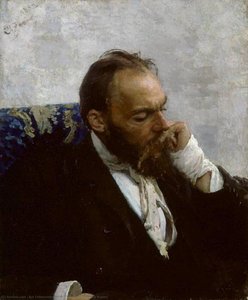
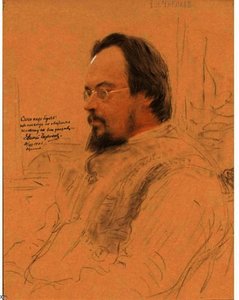
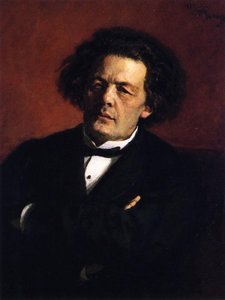
11Portrait of the Composer Mikhail Glinka (1887) ავტორის: ილია რეპინიPortrait of the Composer Mikhail Glinka1887 · ტრესტიაკოვის სახელმწიფო გალერეა 12Portrait of Dmitry Mendeleev (1885) ავტორის: ილია რეპინიPortrait of Dmitry Mendeleev1885 13Portrait of Pavel Tretyakov, Founder of the Tretyakov Gallery. (1883) ავტორის: ილია რეპინიPortrait of Pavel Tretyakov, Founder of the Tretyakov Gallery.1883 · ტრესტიაკოვის სახელმწიფო გალერეა 14Self-Portrait. (1887) ავტორის: ილია რეპინიSelf-Portrait.1887 · ტრესტიაკოვის სახელმწიფო გალერეა 15The Surgeon E. Pavlov in the Operating Theater. (1888) ავტორის: ილია რეპინიThe Surgeon E. Pavlov in the Operating Theater.1888 · ტრესტიაკოვის სახელმწიფო გალერეა 16Portrait of Emperor Nicholas II (1895) ავტორის: ილია რეპინიPortrait of Emperor Nicholas II1895 · ერმიტაჟის მუზეუმი 17Portrait of the Actress Pelageya Strepetova (1882) ავტორის: ილია რეპინიPortrait of the Actress Pelageya Strepetova1882 · ტრესტიაკოვის სახელმწიფო გალერეა 18Portrait of the Composer Modest Musorgsky. (1881) ავტორის: ილია რეპინიPortrait of the Composer Modest Musorgsky.1881 · ტრესტიაკოვის სახელმწიფო გალერეა 19Portrait of Professor Ivanov (1882) ავტორის: ილია რეპინიPortrait of Professor Ivanov1882 · Finnish National Gallery 20Sadko in the Underwater Kingdom (1875) ავტორის: ილია რეპინიSadko in the Underwater Kingdom1875 · ტრესტიაკოვის სახელმწიფო გალერეა 21Portrait of the Lawyer Vladimir Spasovitch. (1891) ავტორის: ილია რეპინიPortrait of the Lawyer Vladimir Spasovitch.1891 22Portrait of Composer Cesar Antonovich Cui (1890) ავტორის: ილია რეპინიPortrait of Composer Cesar Antonovich Cui1890 23სურათი ნიკolai რემიზოვის შესახებ (1917) ავტორის: ილია რეპინისურათი ნიკolai რემიზოვის შესახებ1917 24Portrait of Bella Gorskaya (1910) ავტორის: ილია რეპინიPortrait of Bella Gorskaya1910 · The State Museum of Fine Arts of Tatarstan Republic 25Portrait of writer Yevgeny Nikolayevich Chirikov (1906) ავტორის: ილია რეპინიPortrait of writer Yevgeny Nikolayevich Chirikov1906 26Portrait of the Surgeon Nikolay Pirogov (1881) ავტორის: ილია რეპინიPortrait of the Surgeon Nikolay Pirogov1881 27Portrait of actor and dramatist Grigory Grigorievich Ghe (1895) ავტორის: ილია რეპინიPortrait of actor and dramatist Grigory Grigorievich Ghe1895 · Nizhniy Tagil State Museum of Fine Arts 28Portrait of the Lawyer Vladimir Spasovitch (1891) ავტორის: ილია რეპინიPortrait of the Lawyer Vladimir Spasovitch1891 29Portrait of actress Eleonora Duse (1891) ავტორის: ილია რეპინიPortrait of actress Eleonora Duse1891 30Portrait of K.B. Boleslavova (1913) ავტორის: ილია რეპინიPortrait of K.B. Boleslavova1913 31Boris Godunov with Ivan the Terrible (1890) ავტორის: ილია რეპინიBoris Godunov with Ivan the Terrible1890 · Art Gallery of Tver 32Portrait of the Author Leonid Andreev. (1904) ავტორის: ილია რეპინიPortrait of the Author Leonid Andreev.1904 33Portrait of the physiologist Ivan Petrovich Pavlov. (1924) ავტორის: ილია რეპინიPortrait of the physiologist Ivan Petrovich Pavlov.1924 · ტრესტიაკოვის სახელმწიფო გალერეა 34Portrait of Nadya Repina (1881) ავტორის: ილია რეპინიPortrait of Nadya Repina1881 35Portrait of the Art Critic Vladimir Stasov (1889) ავტორის: ილია რეპინიPortrait of the Art Critic Vladimir Stasov1889 36Young ladys walk among herd of cow ავტორის: ილია რეპინიYoung ladys walk among herd of cowTereshchenko Museum 37Golgotha ავტორის: ილია რეპინიGolgotha 38Portrait of painter and sculptor Mikhail Osipovich Mikeshin. (1888) ავტორის: ილია რეპინიPortrait of painter and sculptor Mikhail Osipovich Mikeshin.1888 · ტრესტიაკოვის სახელმწიფო გალერეა 39Interior (etude). (1883) ავტორის: ილია რეპინიInterior (etude).1883 · ტრესტიაკოვის სახელმწიფო გალერეა 40Ivan the Terrible and His Son Ivan on November 16, 1581. (1885) ავტორის: ილია რეპინიIvan the Terrible and His Son Ivan on November 16, 1581.1885 · ტრესტიაკოვის სახელმწიფო გალერეა 41On a Turf Bench. (1876) ავტორის: ილია რეპინიOn a Turf Bench.1876 42Unexpected Visitors (1888) ავტორის: ილია რეპინიUnexpected Visitors1888 43Haulers on the Volga. (1870) ავტორის: ილია რეპინიHaulers on the Volga.1870 44On a Bridge in Abramtsevo. (1879) ავტორის: ილია რეპინიOn a Bridge in Abramtsevo.1879 · პუშკინის სახელმწიფო ხელოვნების მუზეუმი 45პოეტიური მმართველობა (ვლადიმირ ვლადიმიროვიჩ მაიაკოვსკის პორტრეტი) ავტორის: ილია რეპინიპოეტიური მმართველობა (ვლადიმირ ვლადიმიროვიჩ მაიაკოვსკის პორტრეტი) 46Rest. Portrait of Vera Repina, Artist's Wife. (1882) ავტორის: ილია რეპინიRest. Portrait of Vera Repina, Artist's Wife.1882 · ტრესტიაკოვის სახელმწიფო გალერეა 47Portrait of Yuria Repina, the Artist's son. (1882) ავტორის: ილია რეპინიPortrait of Yuria Repina, the Artist's son.1882 · ტრესტიაკოვის სახელმწიფო გალერეა 48Portrait of the Composer Mikhail Glinka. (1887) ავტორის: ილია რეპინიPortrait of the Composer Mikhail Glinka.1887 · ტრესტიაკოვის სახელმწიფო გალერეა 49Portrait of Tatyana Repina, the Artist's Mother. (1867) ავტორის: ილია რეპინიPortrait of Tatyana Repina, the Artist's Mother.1867 · პრაგის ეროვნული გალერეა 50Portrait of the Composer Anton Rubinstein. (1881) ავტორის: ილია რეპინიPortrait of the Composer Anton Rubinstein.1881 · ტრესტიაკოვის სახელმწიფო გალერეა 51სერგეი ვიტისПорტრეტი (1903) ავტორის: ილია რეპინისერგეი ვიტისПорტრეტი1903 52Portrait of Nadezhda Repina, the Artist's Daughter. (1900) ავტორის: ილია რეპინიPortrait of Nadezhda Repina, the Artist's Daughter.1900 · ტრესტიაკოვის სახელმწიფო გალერეა 53Judas (1885) ავტორის: ილია რეპინიJudas1885 54Dragon-Fly. Portrait of Vera Repina, the Artist's Daughter. (1884) ავტორის: ილია რეპინიDragon-Fly. Portrait of Vera Repina, the Artist's Daughter.1884 · ტრესტიაკოვის სახელმწიფო გალერეა 55Portrait of the Art Critic Vladimir Stasov. (1889) ავტორის: ილია რეპინიPortrait of the Art Critic Vladimir Stasov.1889 · ტრესტიაკოვის სახელმწიფო გალერეა 56Portrait of the artist daughter Nadezhda (1898) ავტორის: ილია რეპინიPortrait of the artist daughter Nadezhda1898 57Portrait of the Artist Ilya Repin by Valentin Serov. (1901) ავტორის: ილია რეპინიPortrait of the Artist Ilya Repin by Valentin Serov.1901 · ტრესტიაკოვის სახელმწიფო გალერეა 58Portrait of the Author Vladimir Korolemko. (1912) ავტორის: ილია რეპინიPortrait of the Author Vladimir Korolemko.1912 · ტრესტიაკოვის სახელმწიფო გალერეა 59Portrait of S.F. Mamontova (1879) ავტორის: ილია რეპინიPortrait of S.F. Mamontova1879 60Zaporozhets ავტორის: ილია რეპინიZaporozhetsვიტესკის თანამედროვე ხელოვნების მუზეუმი 61The road from Montmartre in Paris (1876) ავტორის: ილია რეპინიThe road from Montmartre in Paris1876 62The Procurator (1912) ავტორის: ილია რეპინიThe Procurator1912 · Finnish National Gallery 63A Shy Peasant (1877) ავტორის: ილია რეპინიA Shy Peasant1877 64Cry of prophet Jeremiah on the Ruins of Jerusalem (on a Bible subject) (1870) ავტორის: ილია რეპინიCry of prophet Jeremiah on the Ruins of Jerusalem (on a Bible subject)1870 · ტრესტიაკოვის სახელმწიფო გალერეა 65Religious Procession (1877) ავტორის: ილია რეპინიReligious Procession1877 · სახელმწიფო რუსეთის მუზეუმი 66Old Man and Raven (1885) ავტორის: ილია რეპინიOld Man and Raven1885 · Alte Nationalgalerie 67Tramps. Homeless. (1894) ავტორის: ილია რეპინიTramps. Homeless.1894 68Portrait of Vladimir Aleksandrovich (1910) ავტორის: ილია რეპინიPortrait of Vladimir Aleksandrovich1910 69A woman in a cap ავტორის: ილია რეპინიA woman in a capვიტესკის თანამედროვე ხელოვნების მუზეუმი 70Portrait of the Art Critic Vladimir Stasov (1873) ავტორის: ილია რეპინიPortrait of the Art Critic Vladimir Stasov1873 71A Parisian Cafe (1875) ავტორის: ილია რეპინიA Parisian Cafe1875 72The Surgeon E. Pavlov in the Operating Theater (1888) ავტორის: ილია რეპინიThe Surgeon E. Pavlov in the Operating Theater1888 · ტრესტიაკოვის სახელმწიფო გალერეა 73Portrait of Leo Tolstoy as a Ploughman on a Field (1887) ავტორის: ილია რეპინიPortrait of Leo Tolstoy as a Ploughman on a Field1887 · ტრესტიაკოვის სახელმწიფო გალერეა 74Portrait of the Chello-Player Alexander Verzhbilovich. (1895) ავტორის: ილია რეპინიPortrait of the Chello-Player Alexander Verzhbilovich.1895 75Portrait of Polixena Stasova. (1879) ავტორის: ილია რეპინიPortrait of Polixena Stasova.1879 76The Self immolation of Gogol (1909) ავტორის: ილია რეპინიThe Self immolation of Gogol1909 · ტრესტიაკოვის სახელმწიფო გალერეა 77Portrait of Tevashova ავტორის: ილია რეპინიPortrait of Tevashova 78Diogenes and the boy (1867) ავტორის: ილია რეპინიDiogenes and the boy1867 79Portrait of A. Bocharova, artist's aunts (1859) ავტორის: ილია რეპინიPortrait of A. Bocharova, artist's aunts1859 80Barge Haulers Pulling on the Strap (1870) ავტორის: ილია რეპინიBarge Haulers Pulling on the Strap1870 81Portrait of P.P. Chistyakov (1870) ავტორის: ილია რეპინიPortrait of P.P. Chistyakov1870 82Portrait of sculptor Mark Matveevich Antokolski (1866) ავტორის: ილია რეპინიPortrait of sculptor Mark Matveevich Antokolski1866 83Portrait of a kalmyk (1871) ავტორის: ილია რეპინიPortrait of a kalmyk1871 84Portrait of A.I. Shevtsov (1869) ავტორის: ილია რეპინიPortrait of A.I. Shevtsov1869 85Academic keeper Efimov (1870) ავტორის: ილია რეპინიAcademic keeper Efimov1870 86Crucession in Oak wood (1877) ავტორის: ილია რეპინიCrucession in Oak wood1877 87Study of a peasant in the grass. (1875) ავტორის: ილია რეპინიStudy of a peasant in the grass.1875 · National Museum in Warsaw 88The Scytheman (1876) ავტორის: ილია რეპინიThe Scytheman1876 · Finnish National Gallery 89Portrait de Mykola Ivanovich Murashko (1877) ავტორის: ილია რეპინიPortrait de Mykola Ivanovich Murashko1877 · უკრაინის ეროვნული სახელოვნებო მუზეუმი 90Under guard. On a dirty road (1876) ავტორის: ილია რეპინიUnder guard. On a dirty road1876 · ტრესტიაკოვის სახელმწიფო გალერეა 91Death of Fedor Chizhov (1877) ავტორის: ილია რეპინიDeath of Fedor Chizhov1877 92Reading Aloud (1878) ავტორის: ილია რეპინიReading Aloud1878 93Two woman (1878) ავტორის: ილია რეპინიTwo woman1878 94To his homeland. The hero of the last war (1878) ავტორის: ილია რეპინიTo his homeland. The hero of the last war1878 95Death of Fedor Chizhov (1877) ავტორის: ილია რეპინიDeath of Fedor Chizhov1877 96Portrait of the artist R. S. Levitsky (1878) ავტორის: ილია რეპინიPortrait of the artist R. S. Levitsky1878 · Finnish National Gallery 97Portrait of V. Repin, musician, brother of the artist (1876) ავტორის: ილია რეპინიPortrait of V. Repin, musician, brother of the artist1876 98A Newspaper Seller in Paris (1873) ავტორის: ილია რეპინიA Newspaper Seller in Paris1873 99Portrait of poet and slavophile Ivan Sergeyevich Aksakov (1878) ავტორის: ილია რეპინიPortrait of poet and slavophile Ivan Sergeyevich Aksakov1878 100Girl at a Table (1883) ავტორის: ილია რეპინიGirl at a Table1883 · Finnish National Gallery

ილია რეპინი-ის ცნობილი სურათები, პერიოდების მიხედვით

სუბიექტები, რომლებმაც ილია რეპინი-ის ყურადღება მიიპყრო

ამ ორიგინალებში ყველაზე ხშირად განმეორებადი არის 네 თემა, რომელთაგან თითოეულს თავისი საუკეთესო ნიმუში წარმოგვიდგება.

მუზეუმები, სადაც ილია რეპინი-ის ორიგინალები ინახება

ამ გვერდზე წარმოდგენილი მხატვრობის შედეგების უმეტესობას 8 მუზეუმი ინახავს.

მუზეუმი ქალაქი ილია რეპინი შემოქმედებაలు ამ სიიდან მოპოვებული ნახატები
ტრესტიაკოვის სახელმწიფო გალერეა, მოსკოვიტრესტიაკოვის სახელმწიფო გალერეა მოსკოვი 59 ისააკი მრისხანე და მისი ვაჟი ივანე 1885 წლის 16 ნოემბერს, მოულოდნელი დაბრუნება, Krestny Khod (Religious Procession) in Kursk Gubernia
სახელმწიფო რუსეთის მუზეუმი, St. Petersburgსახელმწიფო რუსეთის მუზეუმი St. Petersburg 28 ზაპოროჟელი ყაზაკების პასუხი სულთანი महमედ IV-ს, ბარჟების მგზავრები ვოლგაზე, Sadko
Finnish National Gallery, ჰელსინკიFinnish National Gallery ჰელსინკი 29 Portrait of Professor Ivanov, The Procurator, The Scytheman
ვიტესკის თანამედროვე ხელოვნების მუზეუმი, ვიტესკივიტესკის თანამედროვე ხელოვნების მუზეუმი ვიტესკი 2 Zaporozhets, A woman in a cap
The State Museum of Fine Arts of Tatarstan Republic, KazanThe State Museum of Fine Arts of Tatarstan Republic Kazan 2 Portrait of Bella Gorskaya
Nizhniy Tagil State Museum of Fine Arts, Nizhny TagilNizhniy Tagil State Museum of Fine Arts Nizhny Tagil 2 Portrait of actor and dramatist Grigory Grigorievich Ghe
National Museum in Warsaw, ვარშავაNational Museum in Warsaw ვარშავა 2 Study of a peasant in the grass.
ერმიტაჟის მუზეუმი, სან-პეტერბურგიერმიტაჟის მუზეუმი სან-პეტერბურგი 1 Portrait of Emperor Nicholas II

ილია რეპინი ათწლეულების განმავლობაში: თითოეულ დეკადესთვის ერთი უნიკალური ორიგინალი

ნამუშევრები ათწლეულების მიხედვით

შეარჩიეთ ათწლეული, რათა ნახოთ ის ორიგინალი ნამუშევარი, რომელიც მას განსაზღვრავს.

ილია რეპინი-ის ნახატები: კითხვები გალერეისთვის

რა არის ილია რეპინი-ის ყველაზე ცნობილი ნამუშწარებიდან ერთერთი?გაამჟღავნეთ პასუხი

ისააკი მრისხანე და მისი ვაჟი ივანე 1885 წლის 16 ნოემბერს (1885), ტრესტიაკოვის სახელმწიფო გალერეა, მოსკოვი. შემდეგ მოდიან ზაპოროჟელი ყაზაკების პასუხი სულთანი महमედ IV-ს (1878) და ბარჟების მგზავრები ვოლგაზე (1873).

რა ასაკში შექმნა ილია რეპინი-მა ისააკი მრისხანე და მისი ვაჟი ივანე 1885 წლის 16 ნოემბერს?გაამჟღავნეთ პასუხი

41 წლის: ისააკი მრისხანე და მისი ვაჟი ივანე 1885 წლის 16 ნოემბერს შექმნილია 1885 წელს, ხოლო ილია რეპინი დაიბადა 1844 წელს.

ილია რეპინი-ის რომელი 열ათმე ნახატია ყველაზე ცნობილი?გაამჟღავნეთ პასუხი

ისააკი მრისხანე და მისი ვაჟი ივანე 1885 წლის 16 ნოემბერს, ზაპოროჟელი ყაზაკების პასუხი სულთანი महमედ IV-ს, ბარჟების მგზავრები ვოლგაზე, მოულოდნელი დაბრუნება, Sadko, Krestny Khod (Religious Procession) in Kursk Gubernia, Ceremonial Meeting of the State Council, Portrait of Chuguev resident S.L. Lyubitskaya, Portrait of the Poet Voinov და The Vice-President of the Academy of Arts, I.I. Tolstoy. ზემოთ მოცემული რეიტინგი ასახავს თითოეულის შემოქმედების წელსა და მუზეუმს.

რამდენი ნამუშწარებია ცნობილი ილია რეპინი-ის შემოქმედებიდან?გაამჟღავნეთ პასუხი

ჩვენს კატალოგში წარმოდგენილია 672 ნამუშწევრი ილია რეპინი-ისგან, დათარიღებული 1859-დან 1926-მდე.

სად შეიძლება ყველაზე ცნობილი ილია რეპინი-ის ორიგინალების ნახვა?გაამჟღავნეთ პასუხი

ძირითადად ტრესტიაკოვის სახელმწიფო გალერეა (მოსკოვი), სახელმწიფო რუსეთის მუზეუმი (St. Petersburg) და Finnish National Gallery (ჰელსინკი)-ში. ზემოთ მოცემულ მუზეუმების ცხრილში ისინი ყველა listed.

რა პერიოდში შექმნა ილია რეპინი-მა ყველაზე ცნობილი სურათები?გაამჟღავნეთ პასუხი

1870s-ში: ამ გვერდზე წარმოდგენილი 100 ნამუშწარwerksიდან 34 შეიქმნა მაშინ, მათგან ზაპოროჟელი ყაზაკების პასუხი სულთანი महमედ IV-ს.

რომელი ცნობილი ილია რეპინი ტილოა ყველაზე ადრეული და რომელი — ყველაზე გვიანდელი?გაამჟღავნეთ პასუხი

ამ გვერდზე ყველაზე ადრეული არის Portrait of A. Bocharova, artist's aunts (1859), ხოლო ყველაზე გვიანდელი — Portrait of the Poet Voinov (1926).

რა თემებს ანიჭებდა უპირატესობას ილია რეპინი?გაამჟღავნეთ პასუხი

Portrait (36), Russian art (29) და Repin (17), ამ გვერდზე წარმოდგენილ 100 ნამუშწარეს შორის.

რა მასალებით ხატავდა ყველაზე ხშირად ილია რეპინი?გაამჟღავნეთ პასუხი

Oil On Canvas, ამ გვერდზე არსებული 100 ნამუშწაროსგან 48 ცალიდან.

ილია რეპინი-ის შემოქმედება რომელ მიმდინარეობას მიეკუთვნება?გაამჟღავნეთ პასუხი

Realist expressionism, ამ გვერდზე წარმოდგენილი ორიგინალების მიხედვით.

რა ილია რეპინი-ის ორიგინალების ნახვა შემიძლია ტრესტიაკოვის სახელმწიფო გალერეა-ში?გაამჟღავნეთ პასუხი

ისააკი მრისხანე და მისი ვაჟი ივანე 1885 წლის 16 ნოემბერს, მოულოდნელი დაბრუნება და Krestny Khod (Religious Procession) in Kursk Gubernia: ტრესტიაკოვის სახელმწიფო გალერეა, მოსკოვი-ში წარმოდგენილია ამ გვერდზე მოცემული ნამუშევრების 28 ცალი.

სად შემიძლია შევუკვეთო ილია რეპინი-ის ხელით ნაKEREDINEB-ის რეპროდუქცია?გაამჟღავნეთ პასუხი

დიახ, როგორც რეპროდუქცია: ორიგინალი რჩება თავის მუზეუმში, თუმცა ამ გვერდზე წარმოდგენილი ნებისმიერი სურათი შეგიძლიათ შეუკვეთოთ ხელნაკეთად, ინდივიდუალურად, სურათის საკუთარი გვერდიდან.

ილია რეპინი: მხატვრის პორტრეტი

Early Life, Family and Training

Ilya Yefimovich Repin entered the world on August 5, 1844, in Chuguev, located within the Kharkov Governorate of the Russian Empire. His upbringing was shaped by the practicalities of a modest household; his father, Yefim Vasilyevich Repin, was a military settler who later worked as an itinerant merchant. This background provided a connection to the movement of people and the realities of provincial life that would later inform his perspective. His early years were defined by the quiet discipline of a small town, far from the formal academies that would eventually define his professional life.

The seeds of his technical skill were sown through a traditional apprenticeship. At the age of sixteen, he began the meticulous work of painting icons, learning the craft under the guidance of local icon painters. This period of training required a precise hand and an understanding of religious composition. It was a rigorous introduction to the visual language of his surroundings, teaching him to observe the nuances of form and light before he ever stepped foot in a major metropolitan center.

In 1863, driven by an ambition to refine his talent, he traveled to Saint Petersburg. He did not enter the Imperial Academy of Arts through the standard channels at first, but instead audited courses, absorbing the atmosphere and instruction of the institution. This period of self-directed study allowed him to bridge the gap between his provincial training and the formal academic standards of the capital. He was a man of persistence, navigating the transition from a student of religious imagery to a serious practitioner of secular art.

The Rise of a Realist Master

The transition from a student to a central figure in Russian art was marked by rapid academic success. After navigating the challenges of his early training, he secured his first prizes at the Imperial Academy of Arts in 1869 and 1871. These accolades signaled a shift toward a more direct engagement with the world around him. His growing reputation led to a significant commission from Grand Duke Vladimir Alexandrovich for The Barge Haulers on the Volga, a work that would define his early career and establish his commitment to depicting the realities of labor.

Between 1873 and 1876, his perspective expanded through two years spent in Paris and Normandy. This period allowed him to observe the techniques of painting in the open air, which he would later integrate into his own approach to light and form. He did not merely replicate the styles he encountered; instead, he refined a method of capturing the human condition with a specific, unvarnished clarity. This period of travel provided the technical breadth necessary to move beyond simple representation into a more profound psychological realism.

By 1894, his influence had become institutionalized when he was appointed a professor of historical painting at the St. Petersburg Academy. He had moved from the periphery of the art world to its very center, teaching the next generation how to navigate the tension between academic tradition and the demand for social truth. His career had come full circle, from a student auditing classes to a master shaping the direction of national art.

Key Works and Masterpieces

Repin’s ascent was marked by a profound ability to translate the struggles of the common man into monumental visual narratives. In 1873, he produced Barge Haulers on the Volga, a work that captured the brutal physical toil of laborers dragging boats along the river. This painting moved beyond simple observation, offering a searing indictment of social injustice through the exhaustion and resolve of its subjects. It established him as a painter deeply attuned to the human condition and the socio-political tensions of his era.

His interest in the complexities of the Russian soul led him to explore both religious and historical themes with intense psychological depth. Between 1880 and 1883, he painted Religious Procession in Kursk Province, a nuanced study of faith and social hierarchy. This period also saw the development of Reply of the Zaporozhian Cossacks, a work created between 1880 and 1891 that captured a defiant spirit of resistance. His brushwork often balanced the joy of folk motifs with the darker, more heavy aspects of history.

The capacity for drama reached a peak in 1885 with Ivan the Terrible and His Son Ivan. This depiction of a moment of horrific violence and remorse remains one of his most striking explorations of power and guilt. Through these varied subjects, Repin moved from the grit of the riverbanks to the heavy shadows of the Kremlin, always maintaining a focus on the internal struggles of his figures.

Technique and Artistic Style

Repin established himself as the foremost exponent of the Russian Realist style, a movement that sought to strip away academic idealization in favor of the unvarnished truth of contemporary life. His artistic language was defined by a profound sense of plasticity, a quality that allowed him to render the human form and its surroundings with a tangible, three-dimensional presence. This technical command enabled him to move beyond mere likeness, capturing the physical weight of a laborer or the subtle tension in a historical scene. He was a master of genre painting, finding profound meaning in the everyday activities of the common people and the complex social hierarchies of his era.

His approach was not static, however. During his time in France and Italy, he encountered the burgeoning Impressionist movement, and the influence of French plein-air techniques became evident in his later work. He began to integrate these observations into his rigorous realist foundation, utilizing light and brushwork to suggest atmosphere and movement rather than relying solely on rigid, polished finishes. This synthesis allowed him to depict the psychological depth of his subjects through a more fluid, observational lens. He used the human face as a landscape of emotion, often focusing on the internal struggles of his sitters.

Later Years and Death

The final chapter of Repin’s life was marked by a quiet withdrawal from the turbulent currents of history. Following the February Revolution of 1917, he found himself increasingly disillusioned by the violence and terror unleashed by the Bolsheviks. This profound sense of unease prompted a retreat from the center of Russian life toward the more tranquil surroundings of his estate, Penates. Located in Kuokkala, Finland, this sanctuary provided a refuge from the political upheaval that had reshaped his homeland.

In this secluded setting, he continued to paint, finding a sense of peace away from the social transformations occurring in the cities. His focus shifted toward more personal and introspective subjects, often drawing from his immediate surroundings and the people closest to him. He remained active in his craft until his final days, maintaining a connection to the art that had defined his existence. He died on 29 September 1930 in Kuokkala. He is buried at The Penates.

Legacy and Enduring Influence

The influence of Ilya Yefimovich Repin extended far beyond the borders of the Russian Empire, reaching into the very foundations of modern painting. By defining the parameters of Russian realism, he established a visual language that would later inform the development of Socialist Realism. His ability to merge technical academic precision with a sharp social conscience allowed his work to function as a mirror to a changing society. This commitment to portraying the human condition with honesty ensured that his impact would be felt by generations of artists who followed in his footsteps.

His reputation was recognized on the international stage, far from the provincial towns of his youth. In 1900, he served as a jury member of the Paris World Fair, a position that reflected his standing among the global artistic elite. This recognition was further solidified when he was awarded the Legion of Honour, an honor that underscored his importance to the European art world. He moved between the rigorous traditions of the Academy and the evolving techniques of plein-air painting, leaving behind a body of work that bridged the gap between the old world and the new.

Where to See the Works Today

The physical presence of Repin's oeuvre is scattered across several major institutions, reflecting the breadth of his influence. The Tretyakov Gallery in Moscow remains the most significant repository, housing 26 of his works. Within this collection, one can find his portrait of the composer Modest Musorgsky, dated 1881, alongside the portrait of Pavel Tretyakov from 1883. These pieces offer a direct encounter with the psychological depth he brought to his subjects.

Beyond Moscow, his canvases have traveled to various corners of Europe and the former Soviet territories. The Vitebsk Museum of Modern Art holds two of his works, while the Pushkin State Museum in Moscow preserves a single piece. In Prague, the National Gallery maintains one of his paintings, ensuring his visual language remains accessible to international audiences. These specific locations provide a fragmented but significant map of his artistic output.

ყველა 672 ნამუშევარი, რომელიც შემოქმედებითად ეკუთვნის ილია რეპინი →