ჰუბერტ რობერი პორტრეტი

100 ყველაზე ცნობილი ჰუბერტ რობერი-ის ნახატი, თითოეული მათგანი უნიკალური

განახლდა ოქტომბერი 2026 · დალაგებულია ჩვენი პოპულარობის ქულების მიხედვით (ძიება, ნახვა და შეკვეთები თითოეული ნამუშწაროსთვის) · 415 ნამუშევარი ჰუბერტ რობერი ჩვენს კატალოგში

მოკლედ რომ ვთქვათ

The Pont du Gard (1787) არის ჰუბერტ რობერი-ის ის ნამუშწარო, რომელიც ყველაზე მეტ ყურადღებას იქცევს; ორიგინალი იმყოფება ლუვრი-ში, პარიზი. ამის შემდეგ, მზერა გადადის The Finding of the Laocoön (1773)-სა და Le port de Ripetta-ზე. ჩვენს კატალოგში არსებული ჰუბერტ რობერი-ის 415 ნამუშწაროდან ეს 100 ყველაზე ცნობილია; თითოეული მათგანი წარმოადგენს უნიკალურ ორიგინალს, რომელიც წარმოდგენილია წელით, მუზეუმითა და იმ მიზეზით, რის გამოც ის დღემდე ცოცხლობს.

1733 – 1808, პარიზი Romanticism ყველაზე მეტი ნამشევრი: ლუვრი

ჰუბერტ რობერი-ის 10 საუკეთესო ნამუშgeryო, გალერეის თcraftით

1
The Pont du Gard (1787) ავტორის: ჰუბერტ რობერი

The Pont du Gard

1787 · Oil On Canvas · ლუვრი, პარიზი

In the soft, diffused light of a fading afternoon, Hubert Robert’s 1787 masterpiece, The Pont du Gard, invites the viewer into a world where history and imagination coalesce. This breathtaking work transcends a mere topographical record of the famous Roman aqueduct; instead, it serves as a profound meditation on the passage of time and the enduring spirit of human achievement. As the eye travels across the canvas, one is immediately…

2
The Finding of the Laocoön (1773) ავტორის: ჰუბერტ რობერი

The Finding of the Laocoön

1773 · Oil On Canvas · ვირჯინიის fine arts muchive, რიჩმონდი

The Finding of the Laocoön is an oil on canvas painting by the French artist Hubert Robert. Completed in 1773, the work was commissioned for Comte de Vaudreuil. The composition centers on the depiction of the ancient sculpture of Laocoön and his two sons, who are shown struggling against large serpents.

3
Le port de Ripetta ავტორის: ჰუბერტ რობერი

Le port de Ripetta

Oil On Canvas · École Nationale Supérieure des Beaux-Arts, პარიზი

To gaze upon Hubert Robert’s depiction of "Le port de Ripetta" is to step across the threshold of time and into an idealized vision of classical antiquity meeting vibrant human life. This masterful scene does not merely record a harbor; it captures the very spirit of Roman grandeur, filtered through the romantic lens of an 18th-century imagination. The composition immediately draws the eye down the sweeping curve of the grand…

4
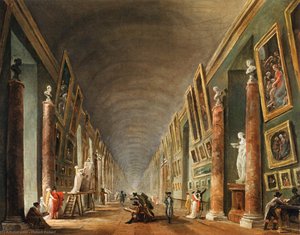
PROJET D'AMENAGEMENT DE LA GRANDE GALERIE DU LOUVRE ავტორის: ჰუბერტ რობერი

PROJET D'AMENAGEMENT DE LA GRANDE GALERIE DU LOUVRE

Acrylic On Canvas · ლუვრი, პარიზი

Hubert Robert’s “Projet d’aménagement de la Grande Galerie du Louvre,” a captivating oil on canvas, isn’t merely a depiction of a museum; it’s a meticulously crafted vision of an idealized Parisian space. Painted in 1796, during a period of profound transformation for France – the tumultuous years following the Revolution and the nascent ambition to establish a grand national museum – Robert offers us a glimpse into a future imagined…

5
VUE D'UN PARC.LE JET D'EAU ავტორის: ჰუბერტ რობერი

VUE D'UN PARC.LE JET D'EAU

Oil On Canvas · ლუვრი, პარიზი

Hubert Robert (1733-1808), a luminary of the French Romantic landscape movement, transcends mere depiction; he crafts immersive visions that capture the ethereal beauty of decay and the sublime grandeur of nature. His oeuvre stands apart for its meticulous attention to detail—particularly in his “capricci”—semi-fictitious scenes infused with imagination and imbued with an irresistible nostalgia for antiquity.

6
The Grande Galerie (detail) (1795) ავტორის: ჰუბერტ რობერი

The Grande Galerie (detail)

1795 · Acrylic On Canvas · ლუვრი, პარიზი

Hubert Robert's "The Grande Galerie (detail)" isn’t merely a painting; it’s a meticulously crafted illusion, a fleeting moment captured within the heart of the Louvre in 1795. This remarkable work transports us to a space brimming with artistic legacy and the burgeoning spirit of revolutionary France. The scene unfolds within the newly transformed Grande Galerie, a monumental hall designed to showcase the nation's vast collection of art – a project…

7
The Maison Carée, the Arenas and the Magne Tower in Nimes (1787) ავტორის: ჰუბერტ რობერი

The Maison Carée, the Arenas and the Magne Tower in Nimes

1787 · Oil On Canvas · ლუვრი, პარიზი

Hubert Robert's "The Maison Carée, the Arenas and the Magne Tower in Nimes," painted in 1787, isn’t merely a depiction of an ancient Roman monument; it’s a carefully constructed meditation on time, memory, and the enduring beauty of decay. This captivating oil painting transports us to the heart of southern France, specifically the dramatic landscape surrounding Nimes, where the imposing Maison Carée – a testament to Roman architectural prowess –…

8
The Grande Galerie (1795) ავტორის: ჰუბერტ რობერი

The Grande Galerie

1795 · Acrylic On Canvas · ლუვრი, პარიზი

Hubert Robert’s “The Grande Galerie,” completed in 1795, transcends mere depiction; it embodies a profound philosophical stance on art and memory. Painted during the turbulent years of the French Revolution, this monumental canvas isn't simply a record of the Louvre Museum—it’s an imaginative reimagining of classical grandeur filtered through the lens of Romantic sensibility.

9
The Ponte Solario (1775) ავტორის: ჰუბერტ რობერი

The Ponte Solario

1775 · Oil On Canvas · National Gallery of Art, ვაშინგტონი

Hubert Robert’s “The Ponte Solario,” completed in 1775, stands as a cornerstone of Romantic landscape painting—a genre that prioritized emotion and imagination over strict adherence to classical ideals. More than just a depiction of crumbling stone and weathered timbers, the canvas embodies Robert's fascination with ruins as symbols of time’s relentless passage and the sublime beauty inherent in decay.

10
Alexandre le Grand devant le tombeau d'Achille ავტორის: ჰუბერტ რობერი

Alexandre le Grand devant le tombeau d'Achille

Oil · ლუვრი, პარიზი

Hubert Robert’s “Alexandre le Grand devant le tombeau d’Achille” (c. 1754-1757) is not merely a depiction of a historical scene; it's a carefully constructed tableau brimming with symbolic weight, rendered in the evocative style characteristic of the late 18th century. The painting transports us to a ruined Roman landscape – a deliberate choice by Robert that immediately establishes a dialogue between grandeur and transience. Here, Alexander the Great stands before…

ჰუბერტ რობერი-ის ცნობილი ნამუშევრები, 11-დან 100-მდე ნომრებით

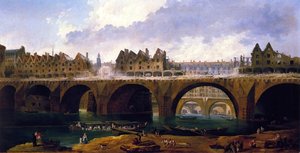
11Civil Guard (1780) ავტორის: ჰუბერტ რობერიCivil Guard1780 · თისენ-ბორნემიმზას მუზეუმი 12Imaginary View of the Grande Galerie in the Louvre in Ruins (1796) ავტორის: ჰუბერტ რობერიImaginary View of the Grande Galerie in the Louvre in Ruins1796 · ლუვრი 13Ruins of a Roman Bath with Washerwomen (1766) ავტორის: ჰუბერტ რობერიRuins of a Roman Bath with Washerwomen1766 · ფილადელფიის ხელოვნების მუზეუმი 14Studio of an Antiquities Restorer in Rome (1783) ავტორის: ჰუბერტ რობერიStudio of an Antiquities Restorer in Rome1783 · ტოლედოს ხელოვნების მუზეუმი 15A Hermit Praying in the Ruins of a Roman Temple (1760) ავტორის: ჰუბერტ რობერიA Hermit Praying in the Ruins of a Roman Temple1760 · ჟან პოლ გეტის მუზეუმი 16Landscape with the Ruins of the Round Temple, with a Statue of Venus and a Monument to Marcus Aurelius ავტორის: ჰუბერტ რობერიLandscape with the Ruins of the Round Temple, with a Statue of Venus and a Monument to Marcus Aureliusერმიტაჟის მუზეუმი 17VUE DE LA GRANDE GALERIE DU LOUVRE EN RUINES ავტორის: ჰუბერტ რობერიVUE DE LA GRANDE GALERIE DU LOUVRE EN RUINESლუვრი 18Italian kitchen (1760) ავტორის: ჰუბერტ რობერიItalian kitchen1760 · National Museum in Warsaw 19Hermit in the Colosseum (1790) ავტორის: ჰუბერტ რობერიHermit in the Colosseum1790 · Dallas Museum of Art 20Wandering Minstrels (1777) ავტორის: ჰუბერტ რობერიWandering Minstrels1777 · მეტროპოლიტენის ხელოვნების მუზეუმი 21Cypresses (1773) ავტორის: ჰუბერტ რობერიCypresses1773 · ერმიტაჟის მუზეუმი 22Vue de montagne avec glaciers, Composition décorative ავტორის: ჰუბერტ რობერიVue de montagne avec glaciers, Composition décorative 23Decorative Landscape with an Obelisk ავტორის: ჰუბერტ რობერიDecorative Landscape with an Obeliskერმიტაჟის მუზეუმი 24Hercules Farnese (1790) ავტორის: ჰუბერტ რობერიHercules Farnese1790 · პატარა პალატა 25Villa Madama near Rome (1760) ავტორის: ჰუბერტ რობერიVilla Madama near Rome1760 · ერმიტაჟის მუზეუმი 26The Ruined Temple. Landscape around a Cauldron (1750) ავტორის: ჰუბერტ რობერიThe Ruined Temple. Landscape around a Cauldron1750 27Antique Ruins with a Vase (1750) ავტორის: ჰუბერტ რობერიAntique Ruins with a Vase1750 · Szépművészeti Múzeum 28A Boy and a Dog among Ruins (1750) ავტორის: ჰუბერტ რობერიA Boy and a Dog among Ruins1750 29A Grand Staircase In a Park Setting (1750) ავტორის: ჰუბერტ რობერიA Grand Staircase In a Park Setting1750 30Scene at a Well (1750) ავტორის: ჰუბერტ რობერიScene at a Well1750 31The Farandole amidst Egyptian Monuments (1750) ავტორის: ჰუბერტ რობერიThe Farandole amidst Egyptian Monuments1750 · Mougins Museum of Classic Art 32The Clearing (1775) ავტორის: ჰუბერტ რობერიThe Clearing1775 · Cincinnati Art Museum 33Expulsion of the Merchants from the Temple (1758) ავტორის: ჰუბერტ რობერიExpulsion of the Merchants from the Temple1758 34Landscape with Bridge and Staffage (1758) ავტორის: ჰუბერტ რობერიLandscape with Bridge and Staffage1758 35Landscape with Ruin of a Triumphal Arch and Staffage (1758) ავტორის: ჰუბერტ რობერიLandscape with Ruin of a Triumphal Arch and Staffage1758 36The Laundry (1758) ავტორის: ჰუბერტ რობერიThe Laundry1758 · პატარა პალატა 37Sculptor working on the statue of a saint at Saint-Pierre de Rome (1758) ავტორის: ჰუბერტ რობერიSculptor working on the statue of a saint at Saint-Pierre de Rome1758 · პატარა პალატა 38The Artist in His Studio (1763) ავტორის: ჰუბერტ რობერიThe Artist in His Studio1763 · Museum Boijmans Van Beuningen 39Washerwomen in the Ruins of the Colosseum (1760) ავტორის: ჰუბერტ რობერიWasherwomen in the Ruins of the Colosseum1760 · Brooklyn Museum 40Peasant Dwelling (1760) ავტორის: ჰუბერტ რობერიPeasant Dwelling1760 41Christ Driving the Money Changers out of the Temple (1760) ავტორის: ჰუბერტ რობერიChrist Driving the Money Changers out of the Temple1760 · Gemäldegalerie 42arohitektur with five persones (1758) ავტორის: ჰუბერტ რობერიarohitektur with five persones1758 43washing women near a house (1758) ავტორის: ჰუბერტ რობერიwashing women near a house1758 44View of a Fire (1775) ავტორის: ჰუბერტ რობერიView of a Fire1775 · Carnavalet Museum 45Roman Landscape (1775) ავტორის: ჰუბერტ რობერიRoman Landscape1775 46Landscape with a Triumphal Column (1773) ავტორის: ჰუბერტ რობერიLandscape with a Triumphal Column1773 · ერმიტაჟის მუზეუმი 47The Glade (1775) ავტორის: ჰუბერტ რობერიThe Glade1775 · Cincinnati Art Museum 48The Cascades of Tivoli (1776) ავტორის: ჰუბერტ რობერიThe Cascades of Tivoli1776 · პატარა პალატა 49Interior of the Temple of Diana at Nîmes (1783) ავტორის: ჰუბერტ რობერიInterior of the Temple of Diana at Nîmes1783 · თისენ-ბორნემიმზას მუზეუმი 50The Park of Ermenonville (1780) ავტორის: ჰუბერტ რობერიThe Park of Ermenonville1780 51Landscape of Ruins with Fountain and the Motto "Tant va la cruche à l'eau" (1788) ავტორის: ჰუბერტ რობერიLandscape of Ruins with Fountain and the Motto "Tant va la cruche à l'eau"1788 · Musée Calvet 52The Resupply of Prisoners at the Prison of Saint-Lazare (1794) ავტორის: ჰუბერტ რობერიThe Resupply of Prisoners at the Prison of Saint-Lazare1794 · Carnavalet Museum 53A Banquet in the Ruins of a Temple (1795) ავტორის: ჰუბერტ რობერიA Banquet in the Ruins of a Temple1795 · იეილის უნივერსიტეტის სახელოვნებო გალერეა 54Draughtsmen in a Landscape with Antique Ruins (1789) ავტორის: ჰუბერტ რობერიDraughtsmen in a Landscape with Antique Ruins1789 55The Watering Hole (1804) ავტორის: ჰუბერტ რობერიThe Watering Hole1804 · Musée Cognacq-Jay 56The Salle des Saisons in the Louvre (1802) ავტორის: ჰუბერტ რობერიThe Salle des Saisons in the Louvre1802 57Architecture with Figures (1800) ავტორის: ჰუბერტ რობერიArchitecture with Figures1800 · Statens Museum For Kunst 58The Obelisk (1787) ავტორის: ჰუბერტ რობერიThe Obelisk1787 · ჩიკაგოს ხელოვნების ინსტიტუტი 59La Cascade : a Rocky Hillside with a Peasant Woman and Child near a Waterfall and Boys Resting by a Blasted Tree (1800) ავტორის: ჰუბერტ რობერიLa Cascade : a Rocky Hillside with a Peasant Woman and Child near a Waterfall and Boys Resting by a Blasted Tree1800 60Ruins of a Circular Temple with Apollo di Belvedere (1799) ავტორის: ჰუბერტ რობერიRuins of a Circular Temple with Apollo di Belvedere1799 · Nationalmuseum 61A Fishing Party (1805) ავტორის: ჰუბერტ რობერიA Fishing Party1805 62A Quarry with a Flock of Sheep (1800) ავტორის: ჰუბერტ რობერიA Quarry with a Flock of Sheep1800 · Statens Museum For Kunst 63Terrasse d'un palais à Rome ავტორის: ჰუბერტ რობერიTerrasse d'un palais à Rome 64The Draughtsman of the Borghese Vase (1775) ავტორის: ჰუბერტ რობერიThe Draughtsman of the Borghese Vase1775 · Musée des Beaux-Arts 65Orator in Prison (1764) ავტორის: ჰუბერტ რობერიOrator in Prison1764 · Nationalmuseum 66Fantastic View of Tivoli (1789) ავტორის: ჰუბერტ რობერიFantastic View of Tivoli1789 · Saint Louis Art Museum 67The Old Bridge (1775) ავტორის: ჰუბერტ რობერიThe Old Bridge1775 · National Gallery of Art 68The Old Bridge (1760) ავტორის: ჰუბერტ რობერიThe Old Bridge1760 · იეილის უნივერსიტეტის სახელოვნებო გალერეა 69Ruined Bridge with Figures Crossing (1767) ავტორის: ჰუბერტ რობერიRuined Bridge with Figures Crossing1767 · ფილადელფიის ხელოვნების მუზეუმი 70The Fire of Hôtel-Dieu in Paris, 1772 (1772) ავტორის: ჰუბერტ რობერიThe Fire of Hôtel-Dieu in Paris, 17721772 · Nationalmuseum 71RUINES ANTIQUES.JEUNES FILLES DEVANT UNE STATUE DE L'ABONDANCE ავტორის: ჰუბერტ რობერიRUINES ANTIQUES.JEUNES FILLES DEVANT UNE STATUE DE L'ABONDANCEლუვრი 72View through the Atrium of the Casino into the Garden Parterre of the Villa Albani (1764) ავტორის: ჰუბერტ რობერიView through the Atrium of the Casino into the Garden Parterre of the Villa Albani1764 · Staatliche Kunsthalle Karlsruhe 73The Fountain (1777) ავტორის: ჰუბერტ რობერიThe Fountain1777 · მეტროპოლიტენის ხელოვნების მუზეუმი 74LA FONTAINE ავტორის: ჰუბერტ რობერიLA FONTAINEლუვრი 75The Fountains (1787) ავტორის: ჰუბერტ რობერიThe Fountains1787 · ჩიკაგოს ხელოვნების ინსტიტუტი 76The Fountain ავტორის: ჰუბერტ რობერიThe FountainMusée Cognacq-Jay 77Landscape with a Statue of Isis ავტორის: ჰუბერტ რობერიLandscape with a Statue of Isis 78Landscape with a Temple (1782) ავტორის: ჰუბერტ რობერიLandscape with a Temple1782 · კრაისლერის ხელოვნების მუზეუმი 79Roman Ruins (1760) ავტორის: ჰუბერტ რობერიRoman Ruins1760 · Worcester Art Museum 80The Grotto of Pausilippe (1760) ავტორის: ჰუბერტ რობერიThe Grotto of Pausilippe1760 · პატარა პალატა 81PROJET D'AMENAGEMENT DE LA ROTONDE DE MARS AU LOUVRE ავტორის: ჰუბერტ რობერიPROJET D'AMENAGEMENT DE LA ROTONDE DE MARS AU LOUVREლუვრი 82The Pyramid in the Gardens of Mauperthuis (1780) ავტორის: ჰუბერტ რობერიThe Pyramid in the Gardens of Mauperthuis1780 · ბავარიის სახელმწიფო ფერწერის კოლექციები 83Architectural Capriccio with the Colonnades of St. Peter in Rome (1760) ავტორის: ჰუბერტ რობერიArchitectural Capriccio with the Colonnades of St. Peter in Rome1760 · კუნსტმუზეუ ბაზელი 84Ruined Temple (1775) ავტორის: ჰუბერტ რობერიRuined Temple1775 · ეროვნული ძველი ხელოვნების მუზეუმი 85The Landing Place (1787) ავტორის: ჰუბერტ რობერიThe Landing Place1787 · ჩიკაგოს ხელოვნების ინსტიტუტი 86Fountain and Collonades in a Park (1775) ავტორის: ჰუბერტ რობერიFountain and Collonades in a Park1775 · ბელგიის სახვით ხელოვნების სამეფო მუზეუმები 87Demilishing the Buildings on the Pont Notre-Dame in Paris, 1786 (1787) ავტორის: ჰუბერტ რობერიDemilishing the Buildings on the Pont Notre-Dame in Paris, 17861787 · შტატლიხე კუნსტჰალე 88Roman Capriccio (1798) ავტორის: ჰუბერტ რობერიRoman Capriccio1798 · Staatliche Kunsthalle Karlsruhe 89The Old Temple (1788) ავტორის: ჰუბერტ რობერიThe Old Temple1788 · ჩიკაგოს ხელოვნების ინსტიტუტი 90Demolition of the Houses on the Pont Notre-Dame in 1786 (1786) ავტორის: ჰუბერტ რობერიDemolition of the Houses on the Pont Notre-Dame in 17861786 · ლუვრი 91Interior of a Roman Park - The Staircase (1750) ავტორის: ჰუბერტ რობერიInterior of a Roman Park - The Staircase1750 92Landscape with a Ruined Tower (1750) ავტორის: ჰუბერტ რობერიLandscape with a Ruined Tower1750 · Musée des Beaux-Arts 93Landscape. The Cascade (1750) ავტორის: ჰუბერტ რობერიLandscape. The Cascade1750 94Landscape with the Obelisk (1750) ავტორის: ჰუბერტ რობერიLandscape with the Obelisk1750 95The Return of the Herd against a Background of an Italian Palace (1750) ავტორის: ჰუბერტ რობერიThe Return of the Herd against a Background of an Italian Palace1750 96Ruins (1750) ავტორის: ჰუბერტ რობერიRuins1750 · Musee National du Chateau de Compiegne 97Figures in a Crypt (1750) ავტორის: ჰუბერტ რობერიFigures in a Crypt1750 98Landscape with a Stairs and Obelisk (1770) ავტორის: ჰუბერტ რობერიLandscape with a Stairs and Obelisk1770 · ერმიტაჟის მუზეუმი 99The Landing (1750) ავტორის: ჰუბერტ რობერიThe Landing1750 · სან-ფრანცისკოს fine arts მუზეუმები 100Bridge over a Torrent (1750) ავტორის: ჰუბერტ რობერიBridge over a Torrent1750

ჰუბერტ რობერი-ის ცნობილი სურათები, პერიოდების მიხედვით

სუბიექტები, რომლებმაც ჰუბერტ რობერი-ის ყურადღება მიიპყრო

ამ ორიგინალებში ყველაზე ხშირად განმეორებადი არის 네 თემა, რომელთაგან თითოეულს თავისი საუკეთესო ნიმუში წარმოგვიდგება.

მუზეუმები, სადაც ჰუბერტ რობერი-ის ორიგინალები ინახება

ამ გვერდზე წარმოდგენილი მხატვრობის შედეგების უმეტესობას 8 მუზეუმი ინახავს.

მუზეუმი ქალაქი ჰუბერტ რობერი შემოქმედებაలు ამ სიიდან მოპოვებული ნახატები
ლუვრი, პარიზილუვრი პარიზი 43 The Pont du Gard, PROJET D'AMENAGEMENT DE LA GRANDE GALERIE DU LOUVRE, VUE D'UN PARC.LE JET D'EAU
ერმიტაჟის მუზეუმი, სან-პეტერბურგიერმიტაჟის მუზეუმი სან-პეტერბურგი 32 Landscape with the Ruins of the Round Temple, with a Statue of Venus and a Monument to Marcus Aurelius, Cypresses, Decorative Landscape with an Obelisk
პატარა პალატა, პარიზიპატარა პალატა პარიზი 9 Hercules Farnese, The Laundry, Sculptor working on the statue of a saint at Saint-Pierre de Rome
ჩიკაგოს ხელოვნების ინსტიტუტი, ჩიკაგოჩიკაგოს ხელოვნების ინსტიტუტი ჩიკაგო 4 The Obelisk, The Fountains, The Landing Place
Nationalmuseum, სტოქჰოლმიNationalmuseum სტოქჰოლმი 7 Ruins of a Circular Temple with Apollo di Belvedere, Orator in Prison, The Fire of Hôtel-Dieu in Paris, 1772
Carnavalet Museum, პარისიCarnavalet Museum პარისი 19 View of a Fire, The Resupply of Prisoners at the Prison of Saint-Lazare
მეტროპოლიტენის ხელოვნების მუზეუმი, ნიუ-იორკიმეტროპოლიტენის ხელოვნების მუზეუმი ნიუ-იორკი 12 Wandering Minstrels, The Fountain
Cincinnati Art Museum, SinkcincinnatiCincinnati Art Museum Sinkcincinnati 6 The Clearing, The Glade

ჰუბერტ რობერი ათწლეულების განმავლობაში: თითოეულ დეკადესთვის ერთი უნიკალური ორიგინალი

ნამუშევრები ათწლეულების მიხედვით

შეარჩიეთ ათწლეული, რათა ნახოთ ის ორიგინალი ნამუშევარი, რომელიც მას განსაზღვრავს.

ჰუბერტ რობერი-ის ნახატები: კითხვები გალერეისთვის

რა არის ჰუბერტ რობერი-ის ყველაზე ცნობილი ნამუშწარებიდან ერთერთი?გაამჟღავნეთ პასუხი

The Pont du Gard (1787), ლუვრი, პარიზი. შემდეგ მოდიან The Finding of the Laocoön (1773) და Le port de Ripetta.

რა ასაკში შექმნა ჰუბერტ რობერი-მა The Pont du Gard?გაამჟღავნეთ პასუხი

54 წლის: The Pont du Gard შექმნილია 1787 წელს, ხოლო ჰუბერტ რობერი დაიბადა 1733 წელს.

ჰუბერტ რობერი-ის რომელი 열ათმე ნახატია ყველაზე ცნობილი?გაამჟღავნეთ პასუხი

The Pont du Gard, The Finding of the Laocoön, Le port de Ripetta, PROJET D'AMENAGEMENT DE LA GRANDE GALERIE DU LOUVRE, VUE D'UN PARC.LE JET D'EAU, The Grande Galerie (detail), The Maison Carée, the Arenas and the Magne Tower in Nimes, The Grande Galerie, The Ponte Solario და Alexandre le Grand devant le tombeau d'Achille. ზემოთ მოცემული რეიტინგი ასახავს თითოეულის შემოქმედების წელსა და მუზეუმს.

რამდენი ნამუშწარებია ცნობილი ჰუბერტ რობერი-ის შემოქმედებიდან?გაამჟღავნეთ პასუხი

ჩვენს კატალოგში წარმოდგენილია 415 ნამუშწევრი ჰუბერტ რობერი-ისგან, დათარიღებული 1750-დან 1805-მდე.

სად შეიძლება ყველაზე ცნობილი ჰუბერტ რობერი-ის ორიგინალების ნახვა?გაამჟღავნეთ პასუხი

ძირითადად ლუვრი (პარიზი), ერმიტაჟის მუზეუმი (სან-პეტერბურგი) და პატარა პალატა (პარიზი)-ში. ზემოთ მოცემულ მუზეუმების ცხრილში ისინი ყველა listed.

რა პერიოდში შექმნა ჰუბერტ რობერი-მა ყველაზე ცნობილი სურათები?გაამჟღავნეთ პასუხი

1750s-ში: ამ გვერდზე წარმოდგენილი 100 ნამუშწარwerksიდან 22 შეიქმნა მაშინ, მათგან The Ruined Temple. Landscape around a Cauldron.

რომელი ცნობილი ჰუბერტ რობერი ტილოა ყველაზე ადრეული და რომელი — ყველაზე გვიანდელი?გაამჟღავნეთ პასუხი

ამ გვერდზე ყველაზე ადრეული არის The Ruined Temple. Landscape around a Cauldron (1750), ხოლო ყველაზე გვიანდელი — A Fishing Party (1805).

რა თემებს ანიჭებდა უპირატესობას ჰუბერტ რობერი?გაამჟღავნეთ პასუხი

Ruins (31), Sky (21) და People (17), ამ გვერდზე წარმოდგენილ 100 ნამუშწარეს შორის.

რა მასალებით ხატავდა ყველაზე ხშირად ჰუბერტ რობერი?გაამჟღავნეთ პასუხი

Oil On Canvas, ამ გვერდზე არსებული 100 ნამუშწაროსგან 45 ცალიდან.

ჰუბერტ რობერი-ის შემოქმედება რომელ მიმდინარეობას მიეკუთვნება?გაამჟღავნეთ პასუხი

Romanticism და Neoclassicism, ამ გვერდზე წარმოდგენილი ორიგინალების მიხედვით.

რა ჰუბერტ რობერი-ის ორიგინალების ნახვა შემიძლია ლუვრი-ში?გაამჟღავნეთ პასუხი

The Pont du Gard, PROJET D'AMENAGEMENT DE LA GRANDE GALERIE DU LOUVRE და VUE D'UN PARC.LE JET D'EAU: ლუვრი, პარიზი-ში წარმოდგენილია ამ გვერდზე მოცემული ნამუშევრების 13 ცალი.

სად შემიძლია შევუკვეთო ჰუბერტ რობერი-ის ხელით ნაKEREDINEB-ის რეპროდუქცია?გაამჟღავნეთ პასუხი

დიახ, როგორც რეპროდუქცია: ორიგინალი რჩება თავის მუზეუმში, თუმცა ამ გვერდზე წარმოდგენილი ნებისმიერი სურათი შეგიძლიათ შეუკვეთოთ ხელნაკეთად, ინდივიდუალურად, სურათის საკუთარი გვერდიდან.

ჰუბერტ რობერი: მხატვრის პორტრეტი

Early Life, Family and Artistic Training

Born in Paris in 1733, Hubert Robert entered a world where his family's social standing was tied to the service of others. His father, Nicolas Robert, held a position within the household of a prominent figure, a connection that would eventually facilitate the young man's movement through the upper echelons of French society. This early stability provided the foundation for a formal education, which he pursued through the structured environment of the Collège de Navarre. By 1751, he had completed his studies under the Jesuits, gaining a disciplined intellectual background before turning his attention to the visual arts.

His initial path was not intended for the canvas. He entered the atelier of the sculptor Michel-Ange Slodtz, where his training focused on the rigorous principles of design and perspective. While the tactile nature of sculpture was his starting point, Slodtz possessed a keen eye for the boy's specific inclinations. Recognizing a different potential, the mentor encouraged him to abandon the chisel in favor of the brush. This shift from the three-dimensional weight of sculpture to the atmospheric possibilities of painting would define the trajectory of his life.

The Formative Years in Rome

In 1754, Robert left France for Rome, traveling in the entourage of Étienne-François de Choiseul. This move was more than a simple change of scenery; it was a decade-long immersion into the heart of antiquity. During his eleven years in Italy, he resided at the Académie de France, a period that allowed him to absorb the architectural grandeur of the city. He did not merely observe these monuments from a distance; he lived among them, developing a profound connection to the physical remains of the past.

His development was further shaped by his time in the studio of Giovanni Paolo Panini. Through this association, Robert began to refine his ability to interpret the classical world. He moved beyond the simple documentation of existing structures, learning instead to manipulate light and shadow to suggest a sense of history. His presence in the city was so deeply felt that, in 1767, he reportedly carved his name into the walls of the Colosseum, a small, humanizing act of permanence against the very ruins he spent his life studying.

Success and Royal Patronage in Paris

Upon his return to Paris in 1765, Robert found a city eager for the perspectives he had gathered during his years in Italy. His ascent within the French artistic establishment was swift. In 1766, he was received by the Académie royale de peinture et de sculpture, presenting a Roman capriccio that signaled his arrival. This formal recognition opened doors to the highest circles of French society, where his ability to blend architectural precision with imaginative landscapes met a growing public appetite for the picturesque.

His professional life became increasingly intertwined with the French crown. He secured prestigious appointments that reflected the state's trust in his technical skill and aesthetic judgment. He served as the Designer of the King's Gardens and later held the position of Keeper of the King's Pictures. These roles allowed him to influence the visual landscape of the monarchy, moving between the creation of new designs and the stewardship of existing collections. His influence extended into the very institutions that would define French art for the next century.

As the political landscape shifted, his responsibilities grew in weight and complexity. He was appointed Keeper of the Museum and Councilor to the Academy, a position that placed him at the center of the nation's cultural administration. His life was no longer merely that of a painter, but of a guardian of history. Even as the structures of the old regime began to fracture, his presence within the halls of the Louvre remained a constant, marking him as a central figure in the transition of French institutional art.

Technique and Distinctive Artistic Style

Robert’s hand was as versatile as the landscapes he sought to capture. He moved with ease between the precision of a draftsman and the fluid touch of a painter, employing a wide array of media. His technical repertoire included etching, pen and ink, black chalk, red chalk, and watercolor, alongside the traditional application of oil on canvas. He often utilized the alla prima technique, applying paint in a direct, spontaneous manner that lent a sense of immediacy to his compositions. This technical breadth allowed him to navigate the complexities of architectural form and the softness of a changing sky with equal facility.

His method relied on a delicate balance between the seen and the imagined. While his works were grounded in meticulous detail and a rigorous understanding of perspective, they were never mere topographical records. Instead, he used atmospheric perspective to soften distant horizons, creating a palpable sense of depth and light. He possessed a particular mastery of illusion, using light and shadow to manipulate the viewer's perception of space. By blending careful observation with a heightened imagination, he constructed scenes where the physical reality of a stone arch or a crumbling column was heightened by a carefully orchestrated, almost theatrical, sense of atmosphere.

The Capriccio and Themes of Decay

The moniker "Robert des Ruines" was more than a mere nickname; it was a recognition of a man who found his most profound expression in the crumbling remains of the past. He moved through the artistic landscape of the late 18th century as a painter in the school of Romanticism, a position that allowed him to look beyond the literal documentation of architecture. Instead of simply recording the state of a building, he sought the poetry within its disintegration. His work often presented semi-fictitious, picturesque depictions of ruins, finding subjects in both the ancient landscapes of Italy and the changing urban fabric of France.

Central to this vision was his mastery of the capriccio. In these compositions, he deliberately juxtaposed disparate elements—ancient monuments, fantastical landscapes, and idealized figures—to create scenes that existed in the tension between reality and imagination. He did not merely paint what was there; he constructed atmospheres of melancholy and wonder. By blending factual architectural details with imagined settings, he created a sense of history that felt both tangible and dreamlike. This approach allowed him to explore the passage of time through the lens of stone and shadow.

Political Upheaval and Later Years

The shifting tides of the French Revolution brought sudden and personal peril to Robert. During the Reign of Terror, he faced a period of brief imprisonment, an experience that left its mark on his output through a series of drawings documenting his confinement. Despite the volatility of the era, his professional standing remained significant. He was appointed curator of the newly established Muséum Central des Arts, the institution that would eventually become the Musée du Louvre, where he worked to organize and catalog the nation's growing collection.

His connection to the Louvre was profound and enduring. From 1778 until 1802, he made his home within its walls, living amidst the very halls he had helped to decorate and preserve. This long residency placed him at the center of a changing France, witnessing the transition from the old monarchy to the Napoleonic era. He remained a prolific creator until his health finally failed him. Robert died in Paris from a stroke on 15 April 1808.

Notable Works and Artistic Achievements

The sheer scale of Robert's output reflects a life spent in constant dialogue with the past. His prolific hand produced approximately 1,000 paintings and 10,000 drawings, a volume that allowed him to explore the nuances of light and architectural decay through countless iterations. His early success was anchored by The Port of Rome, a Roman capriccio that established his reputation within the French artistic establishment. This work demonstrated his ability to move beyond mere topographical recording, instead constructing a vision of antiquity that resonated with the sensibilities of his era.

As his career progressed, his subjects shifted from the purely classical to the integration of historical structures within more varied landscapes. In about 1773, he produced The Portico of a Country Mansion, a work that showcased his command of perspective and atmosphere. Later, his interest in the grandeur of ancient engineering was captured in The Pont du Gard, painted about 1787. These works illustrate a technical mastery of both the monumental and the intimate, often utilizing thin glazes to build a sense of tonal depth and luminosity.

His later years saw him documenting the very institutions he helped manage. Around 1795, he produced The Grande Galerie, a work that captured a specific, transformative moment in Parisian history. This period of his life saw him navigating the tension between the preservation of cultural memory and the reality of a changing nation. His ability to render these spaces, whether through oil on canvas or through the precise lines of pen and ink, ensured his place in the history of French landscape painting.

Where to See His Works Today

The preservation of Robert’s prolific output is spread across several major international institutions, reflecting the reach of his influence during the late eighteenth century. The most significant concentration of his paintings remains in Paris, where The Louvre holds 43 of his works. Visitors to this collection can encounter his detailed architectural studies and his dramatic depictions of the Grande Galerie, including a view of the hall in ruins and another showing the gallery under restoration about 1798 or 1799.

Beyond France, his presence is felt in several other prominent collections. The Hermitage Museum in Saint Petersburg maintains four of his paintings, such as Inhabited Ruins and Painters. In the United States, the Metropolitan Museum of Art in New York houses three works, including The Portico of a Country Mansion and Wandering Minstrels. His reach extends to Germany and Switzerland as well, with the Staatliche Kunsthalle Karlsruhe in Germany holding three pieces, including a Roman Capriccio.

ყველა 415 ნამუშევარი, რომელიც შემოქმედებითად ეკუთვნის ჰუბერტ რობერი →