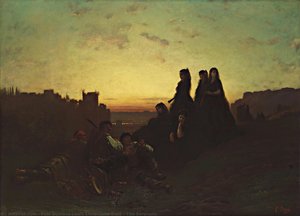
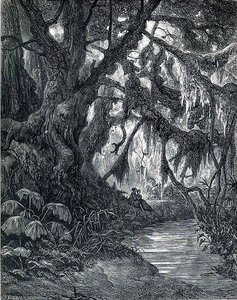
გუსტავ დორე პორტრეტი

100 ყველაზე ცნობილი გუსტავ დორე-ის ნახატი, თითოეული მათგანი უნიკალური

განახლდა ოქტომბერი 2026 · დალაგებულია ჩვენი პოპულარობის ქულების მიხედვით (ძიება, ნახვა და შეკვეთები თითოეული ნამუშწაროსთვის) · 1 501 ნამუშევარი გუსტავ დორე ჩვენს კატალოგში

მოკლედ რომ ვთქვათ

The Acrobats არის გუსტავ დორე-ის ის ნამუშწარო, რომელიც ყველაზე მეტ ყურადღებას იქცევს; ორიგინალი იმყოფება Musée d'Art Roger-Quilliot-ში, Clermont-Ferrand. ამის შემდეგ, მზერა გადადის The Christian Martyrs-სა და The Inferno, Canto 9, lines 87-89. To the gate He came, and with his wand touch’d it, whereat Open without impediment it flew.-ზე. ჩვენს კატალოგში არსებული გუსტავ დორე-ის 1,501 ნამუშწაროდან ეს 100 ყველაზე ცნობილია; თითოეული მათგანი წარმოადგენს უნიკალურ ორიგინალს, რომელიც წარმოდგენილია წელით, მუზეუმითა და იმ მიზეზით, რის გამოც ის დღემდე ცოცხლობს.

1832 – 1883, სტრასბური Romantic illustration ყველაზე მეტი ნამشევრი: Musée d'Art Moderne et Contemporain de Strasbourg

გუსტავ დორე-ის 10 საუკეთესო ნამუშgeryო, გალერეის თcraftით

1
The Acrobats ავტორის: გუსტავ დორე

The Acrobats

Acrylic On Canvas · Musée d'Art Roger-Quilliot, Clermont-Ferrand

Paul Gustave Doré's "The Acrobats" is not merely a depiction of a scene; it’s an immersion into a world brimming with theatricality, melancholy, and the quiet drama of everyday life. Painted in his signature style – a masterful blend of Romanticism and burgeoning Realism – this work captures a fleeting moment, likely intended for illustration within a larger narrative, yet possessing a profound emotional resonance that transcends its original purpose.…

2
The Christian Martyrs ავტორის: გუსტავ დორე

The Christian Martyrs

Paul Gustave Doré's "The Christian Martyrs" is a powerful and emotionally charged painting that vividly portrays the suffering of early Christians facing persecution. Rooted in the Romantic style, this artwork emphasizes dramatic intensity, emotional expression, and a sense of awe-inspiring grandeur. The scene depicts a group of fallen martyrs under a dark, star-studded night sky, with three angelic figures hovering above, observing or perhaps intervening in their plight.

3
The Inferno, Canto 9, lines 87-89. To the gate He came, and with his wand touch’d it, whereat Open without impediment it flew. ავტორის: გუსტავ დორე

The Inferno, Canto 9, lines 87-89. To the gate He came, and with his wand touch’d it, whereat Open without impediment it flew.

Engraving

Paul Gustave Doré’s “The Inferno, Canto 9, lines 87-89,” is more than just an illustration; it’s a visceral plunge into the heart of Dante Alighieri’s epic poem. Executed as a meticulously detailed black and white engraving, this artwork captures a pivotal moment – the arrival of an angel who opens the gate to Hell itself. Born in Strasbourg in 1832, Doré was a master of dramatic illustration, renowned for his…

4
Paradise Lost ავტორის: გუსტავ დორე

Paradise Lost

Acrylic On Canvas

Gustave Doré’s “Paradise Lost,” etched onto a copper plate with meticulous precision, stands as an unparalleled testament to Romantic artistic fervor. Created in 1867, this monumental engraving isn't merely a depiction of Milton’s epic poem; it’s a visceral embodiment of its core themes – rebellion against divine authority and the devastating consequences of pride – rendered with breathtaking dramatic realism.

5
Gd 0001 Red Riding Hood meets old Father Wolf GustaveDore sqs ავტორის: გუსტავ დორე

Gd 0001 Red Riding Hood meets old Father Wolf GustaveDore sqs

Engraving

In this monochrome scene, we find ourselves drawn into a dense, wooded thicket where the boundaries between innocence and danger feel remarkably thin. A young girl, draped in her characteristic attire, stands positioned slightly off-center, facing the imposing presence of a large wolf. The creature dominates the left side of the frame, its massive form emerging from the gloom of the forest. There is a quiet tension in their proximity,…

6
მდაინ ტყება და შემოხვედრაჲ სად სხეპჲ მიუყვებაჲ და გმებაჲ დგებაჲ. ავტორის: გუსტავ დორე

მდაინ ტყება და შემოხვედრაჲ სად სხეპჲ მიუყვებაჲ და გმებაჲ დგებაჲ.

გრავირება

A Descent into Darkness: Analyzing Gustave Doré’s “The Inferno, Canto XXII, Line 70” Paul Gustave Doré's engraving of Dante Alighieri’s *Inferno*, specifically Canto XXII, line seventy, stands as a monumental achievement in Romantic illustration—a testament to both artistic skill and the enduring power of literary narrative. Published in 1869, this print captures a pivotal moment within Dante’s epic poem, depicting Satan’s triumphant assertion over his captives amidst the tumultuous landscape…

7
Souvenir of Loch Lomond (1875) ავტორის: გუსტავ დორე

Souvenir of Loch Lomond

1875 · Acrylic On Canvas · კანადის ეროვნული გალერეა, ოტავა

Gustave Doré's "Souvenir of Loch Lomond," painted in 1875, isn’t merely a landscape; it’s a meticulously crafted distillation of Victorian romanticism and the burgeoning fascination with the sublime. More than just depicting a picturesque Scottish loch, this work invites us into a world steeped in atmosphere, emotion, and a profound sense of melancholy. The scene unfolds beneath a brooding sky, heavy with suggestion rather than explicit detail – a hallmark…

8
Satan's Flight Through Chaos (1868) ავტორის: გუსტავ დორე

Satan's Flight Through Chaos

1868 · Engraving

Satan's Flight Through Chaos: A Descent into Romantic Turmoil Paul Gustave Doré’s “Satan’s Flight Through Chaos,” created around 1868, is not merely an illustration; it’s a visceral plunge into the heart of despair and defiance. Born from the depths of Milton’s *Paradise Lost*, this black-and-white engraving captures a pivotal moment – Satan's tumultuous descent after his expulsion from Heaven. The artwork transcends its literary origins, becoming a powerful exploration of…

9
The Valley of Tears ავტორის: გუსტავ დორე

The Valley of Tears

Oil On Canvas

Gustave Doré’s “The Valley of Tears” is not merely a painting; it's an immersive experience, a plunge into the depths of human sorrow and redemption. Completed in 1883, this monumental canvas – measuring a staggering 413.5 cm x 627 cm – transcends its physical dimensions to become a profound meditation on faith, suffering, and the universality of pain. Doré, a master of dramatic composition and evocative light, achieves an unparalleled…

10
Დანტე და პოპე ადრიანე სმ მებაღვაფერი და დრამატული ნაჭერი რომელიც პაულ გუსტავ დორე შექმნა 1868 წელს. (1868) ავტორის: გუსტავ დორე

Დანტე და პოპე ადრიანე სმ მებაღვაფერი და დრამატული ნაჭერი რომელიც პაულ გუსტავ დორე შექმნა 1868 წელს.

1868 · გრავირება

A Descent Into Darkness: Examining Gustave Doré’s Dante and Pope Adrian V Paul Gustave Doré's “Dante and Pope Adrian V,” completed in 1868, transcends mere illustration; it embodies the very spirit of Romanticism—a movement obsessed with dramatic emotion, sublime landscapes, and profound moral contemplation. This engraving isn’t merely a depiction of Dante Alighieri’s Inferno as portrayed in Virgil’s guide; it's an immersive journey into the depths of human suffering and…

გუსტავ დორე-ის ცნობილი ნამუშევრები, 11-დან 100-მდე ნომრებით

11Paradise Lost (11) ავტორის: გუსტავ დორეParadise Lost (11) 12მღვრიე იერუსალიმის შეება (1877) ავტორის: გუსტავ დორემღვრიე იერუსალიმის შეება1877 13დორე გัสტავე ავტორის: გუსტავ დორედორე გัสტავე 14პარადის ბრწყინვალე და დაკარგული ავტორის: გუსტავ დორეპარადის ბრწყინვალე და დაკარგული 15Condemned Christ (1877) ავტორის: გუსტავ დორეCondemned Christ1877 · Musée d'Art Moderne et Contemporain de Strasbourg 16Დანტე ალիგᅨრი პორტრᅦტი (1860) ავტორის: გუსტავ დორეᲓანტე ალիგᅨრი პორტრᅦტი1860 17The Styx-The Irascible ავტორის: გუსტავ დორეThe Styx-The Irascible 18The Neophyte (First Experience of the Monastery) ავტორის: გუსტავ დორეThe Neophyte (First Experience of the Monastery)კრაისლერის ხელოვნების მუზეუმი 19მშობლის სხეულის სინათლე (1875) ავტორის: გუსტავ დორემშობლის სხეულის სინათლე1875 20ა დიდი ანტეასის გამოსახულება (1868) ავტორის: გუსტავ დორეა დიდი ანტეასის გამოსახულება1868 21დავითის სხედანების გაცენება (1866) ავტორის: გუსტავ დორედავითის სხედანების გაცენება1866 22The Vision of the Valley of Dry Bones (1866) ავტორის: გუსტავ დორეThe Vision of the Valley of Dry Bones1866 23პურგatório კანტო 30 ავტორის: გუსტავ დორეპურგatório კანტო 30 24ეკცე ჰომო (1877) ავტორის: გუსტავ დორეეკცე ჰომო1877 25Დონ კᅱქოტი ავტორის: გუსტავ დორეᲓონ კᅱქოტი 26გუსტავ დორე ავტორის: გუსტავ დორეგუსტავ დორე 27მკრებულთა შემოხ撲ვა კონსტანტინოპოლისში (1877) ავტორის: გუსტავ დორემკრებულთა შემოხ撲ვა კონსტანტინოპოლისში1877 28dsjslafls ავტორის: გუსტავ დორეdsjslafls 29The Suicides ავტორის: გუსტავ დორეThe Suicides 30Dore Gustave 73. This is the place where you need all your courage ავტორის: გუსტავ დორეDore Gustave 73. This is the place where you need all your courage 31The Inferno, Canto 14, line 37-39. Unceasing was the play of wretched hands, Now this, now that way glancing, to shake off The heat, still falling fresh. ავტორის: გუსტავ დორეThe Inferno, Canto 14, line 37-39. Unceasing was the play of wretched hands, Now this, now that way glancing, to shake off The heat, still falling fresh. 32Гиперкритики ავტორის: გუსტავ დორეГиперкритики 33მდაი მარიამ ხატვა იოანეს შესახებ ავტორის: გუსტავ დორემდაი მარიამ ხატვა იოანეს შესახებ 34სათან და ბელებუბ ავტორის: გუსტავ დორესათან და ბელებუბ 35პაოლო და ფრანცესკა ავტორის: გუსტავ დორეპაოლო და ფრანცესკა 36მონასვლის სიზმარი (The Dream of a Monk) (1880) ავტორის: გუსტავ დორემონასვლის სიზმარი (The Dream of a Monk)1880 · Art Gallery of Hamilton 37The Penny Gaff In Whitechapel ავტორის: გუსტავ დორეThe Penny Gaff In Whitechapel 38untitled (4172) ავტორის: გუსტავ დორეuntitled (4172) 39სათანის კარი ზღვაში ავტორის: გუსტავ დორესათანის კარი ზღვაში 40Forest at Twilight (1865) ავტორის: გუსტავ დორეForest at Twilight1865 41Марკ და შეა Faça თითოე ბრწყინვალე მტკიცება და შეა Faça თითოე ბრწყინვალე მტკიცება და შეა Faça თითოე ბრწყინვალე მტკიცება და შეა Faça თითოე ბრწყინვალე მტკიცება და შეა Faça თითოე ბრწყინვალე მტკიცება და შეა Faça თითოე ბრწყინვალე მტკიცება და შეა Faça თითოე ბრწყ ავტორის: გუსტავ დორეМарკ და შეა Faça თითოე ბრწყინვალე მტკიცება და შეა Faça თითოე ბრწყინვალე მტკიცება და შეა Faça თითოე ბრწყინვალე მტკიცება და შეა Faça თითოე ბრწყინვალე მტკიცება და შეა Faça თითოე ბრწყინვალე მტკიცება და შეა Faça თითოე ბრწყინვალე მტკიცება და შეა Faça თითოე ბრწყ 42The Serenade (1863) ავტორის: გუსტავ დორეThe Serenade1863 · პონსეს ხელოვნების მუზეუმი 43მშვიდობის ბრძოლა ნიქეაში ავტორის: გუსტავ დორემშვიდობის ბრძოლა ნიქეაში 44დონ კვიქოტი ავტორის: გუსტავ დორედონ კვიქოტი 45პრინცის შეება და დედოფლის ოდამის სურათი მფლობელის ბაღში ავტორის: გუსტავ დორეპრინცის შეება და დედოფლის ოდამის სურათი მფლობელის ბაღში 46Inferno კ canto 5 ავტორის: გუსტავ დორეInferno კ canto 5 47ᲓᲐᲜᲔҠᲘᲡᲔҠᲘᲡᲔᲢᲔᲑᲔᲡᲔᲑ (ᲓᲐᲜᲔҠᲘᲡᲔҠᲘᲡᲔᲢᲔᲑᲔᲡᲔᲑ) ავტორის: გუსტავ დორეᲓᲐᲜᲔҠᲘᲡᲔҠᲘᲡᲔᲢᲔᲑᲔᲡᲔᲑ (ᲓᲐᲜᲔҠᲘᲡᲔҠᲘᲡᲔᲢᲔᲑᲔᲡᲔᲑ) 48დონ კვიქოტი ავტორის: გუსტავ დორედონ კვიქოტი 49The Martyrdom of the Holy Innocents (1868) ავტორის: გუსტავ დორეThe Martyrdom of the Holy Innocents1868 50მ morts ალმอดამ (1877) ავტორის: გუსტავ დორემ morts ალმอดამ1877 51სა wandered jew and the last judgement ავტორის: გუსტავ დორესა wandered jew and the last judgement 52The Eagle ავტორის: გუსტავ დორეThe Eagle 53Ugolino and Gaddo ავტორის: გუსტავ დორეUgolino and Gaddo 54ძიდაება ავტორის: გუსტავ დორეძიდაება 55მირხა ავტორის: გუსტავ დორემირხა 56მშვილスの მადლიერება ავტორის: გუსტავ დორემშვილスの მადლიერება 57buonconte da montefeltro ავტორის: გუსტავ დორეbuonconte da montefeltro 58მშვიდობის ბრძანება კვანტე მეორე ხაზი დამოუკიდებელია. ავტორის: გუსტავ დორემშვიდობის ბრძანება კვანტე მეორე ხაზი დამოუკიდებელია. 59ქრისტე სინagogაში ავტორის: გუსტავ დორექრისტე სინagogაში 60პროვენსის მძახა მეხსიერებათა კარი დაგმშვიდების ავტორის: გუსტავ დორეპროვენსის მძახა მეხსიერებათა კარი დაგმშვიდების 61Lambeth Gas Works ავტორის: გუსტავ დორეLambeth Gas Works 62Don Quixote (81) ავტორის: გუსტავ დორეDon Quixote (81) 63მკრთალების სიხარული იერუსალიმის პირველად ნახვის დროს ავტორის: გუსტავ დორემკრთალების სიხარული იერუსალიმის პირველად ნახვის დროს 64十字สงคราม ავტორის: გუსტავ დორე十字สงคราม 65მరణიანი ხილვა ავტორის: გუსტავ დორემరణიანი ხილვა 66турбулоtség და გადმოხանում ავტორის: გუსტავ დორეтурбулоtség და გადმოხանում 67მდაინ ტაიფს დანტეს ინფერნო კვანტოს მ ო ს ბ დ მ ა ნ მ ა ს მ ა ს მ ა ს მ ა ს მ ა ს მ ა ს მ ა ს მ ა ს მ ა ს მ ა ს მ ა ს მ ა ს მ ა ს მ ა ს მ ა ს მ ა ს მ ა ს მ ა ს მ ა ს მ ა ს მ ა ს მ ა ს მ ა ს მ ა ს მ ა ს მ ა ს მ ა ს მ ა ს მ ა ს მ ა ს მ ა ს მ ა ს მ ა ს მ ა ს ავტორის: გუსტავ დორემდაინ ტაიფს დანტეს ინფერნო კვანტოს მ ო ს ბ დ მ ა ნ მ ა ს მ ა ს მ ა ს მ ა ს მ ა ს მ ა ს მ ა ს მ ა ს მ ა ს მ ა ს მ ა ს მ ა ს მ ა ს მ ა ს მ ა ს მ ა ს მ ა ს მ ა ს მ ა ს მ ა ს მ ა ს მ ა ს მ ა ს მ ა ს მ ა ს მ ა ს მ ა ს მ ა ს მ ა ს მ ა ს მ ა ს მ ა ს მ ა ს მ ა ს 68მშვილობილი ბავშვები მელა და შემოქმედება ავტორის: გუსტავ დორემშვილობილი ბავშვები მელა და შემოქმედება 69გმადლობთ ანგელოზი გაგზўнаται ისრაელს გადასცენ მწარმოებლად ავტორის: გუსტავ დორეგმადლობთ ანგელოზი გაგზўнаται ისრაელს გადასცენ მწარმოებლად 70ხარონი ავტორის: გუსტავ დორეხარონი 71ახალი ღამე სადგურზე დაიწყო ავტორის: გუსტავ დორეახალი ღამე სადგურზე დაიწყო 72Კროკეტის თამაში ავტორის: გუსტავ დორეᲙროკეტის თამაში 73untitled (2274) ავტორის: გუსტავ დორეuntitled (2274) 74მშვიდობის ბრძანება ავტორის: გუსტავ დორემშვიდობის ბრძანება 75მხედართმთავრობა სულების ავტორის: გუსტავ დორემხედართმთავრობა სულების 76სიმონისტების სასტიკი დაწმილება ავტორის: გუსტავ დორესიმონისტების სასტიკი დაწმილება 77დავით სავულს ა näyttებს როგორ დაორსულიყო თავისი სიცოცხლისთვის ავტორის: გუსტავ დორედავით სავულს ა näyttებს როგორ დაორსულიყო თავისი სიცოცხლისთვის 78আদম და შემა ავტორის: გუსტავ დორეআদম და შემა 79Руфь и Вооз ავტორის: გუსტავ დორეРуфь и Вооз 80სენნახერიბის არმიის განადგურება ავტორის: გუსტავ დორესენნახერიბის არმიის განადგურება 81ისრაელის გადასვლა იერუსალიმის ნავზე ავტორის: გუსტავ დორეისრაელის გადასვლა იერუსალიმის ნავზე 82untitled (7034) ავტორის: გუსტავ დორეuntitled (7034) 83untitled (5737) - უწმინდად დატოვებული საქმე ავტორის: გუსტავ დორეuntitled (5737) - უწმინდად დატოვებული საქმე 84ໂດნ კুইქოტი ავტორის: გუსტავ დორეໂດნ კুইქოტი 85მშიველი სევდის მფრთხოება და სიმაღლე დორეს სტილის ნათლია და შემოქმედების პერიოდი რომანტიკური დრამა და დონტე ხილვით არის გამოსახული. ავტორის: გუსტავ დორემშიველი სევდის მფრთხოება და სიმაღლე დორეს სტილის ნათლია და შემოქმედების პერიოდი რომანტიკური დრამა და დონტე ხილვით არის გამოსახული. 86beatrice ^ virgil ავტორის: გუსტავ დორეbeatrice ^ virgil 87Thieves ავტორის: გუსტავ დორეThieves 88თაისი ავტორის: გუსტავ დორეთაისი 89მშრომლობის კანიონი 25 სვლა და დეკლარაცია მარია შესახებ ავტორის: გუსტავ დორემშრომლობის კანიონი 25 სვლა და დეკლარაცია მარია შესახებ 90ma Dore Apparition du Spectre de Banquo(Macbeth) ავტორის: გუსტავ დორეma Dore Apparition du Spectre de Banquo(Macbeth) 91თამპლის მყიდველები და გამ卖ებლები იძულებით სხედამ წაყენეს ავტორის: გუსტავ დორეთამპლის მყიდველები და გამ卖ებლები იძულებით სხედამ წაყენეს 92ბრუნెტოს ლატინის სურათი ავტორის: გუსტავ დორებრუნెტოს ლატინის სურათი 93დევილები და ბარიკატორები გუსტავ დორემა შექმნა ავტორის: გუსტავ დორედევილები და ბარიკატორები გუსტავ დორემა შექმნა 94ออร์แลนโด ฟูริโอโซ ავტორის: გუსტავ დორეออร์แลนโด ฟูริโอโซ 95გმადლობთ მეგობრის მიღება გზაზე ავტორის: გუსტავ დორეგმადლობთ მეგობრის მიღება გზაზე 96დავითი გოლიათს სხედა ავტორის: გუსტავ დორედავითი გოლიათს სხედა 97კრᅲსადები და ივედ არტის მმართველობა ავტორის: გუსტავ დორეკრᅲსადები და ივედ არტის მმართველობა 98დონის და სანჩოს სიერა-მორე纳კზე მიმოსვლა ავტორის: გუსტავ დორედონის და სანჩოს სიერა-მორე纳კზე მიმოსვლა 99An Angel Appears to Balaam ავტორის: გუსტავ დორეAn Angel Appears to Balaam 100მშვიდება მე დაგვმოვიდა ერთი სიკვდილმა. კაინა ელოდება სული რომ გა đổ შე მ სიცოცხლე. ავტორის: გუსტავ დორემშვიდება მე დაგვმოვიდა ერთი სიკვდილმა. კაინა ელოდება სული რომ გა đổ შე მ სიცოცხლე.

გუსტავ დორე-ის ცნობილი სურათები, პერიოდების მიხედვით

სუბიექტები, რომლებმაც გუსტავ დორე-ის ყურადღება მიიპყრო

ამ ორიგინალებში ყველაზე ხშირად განმეორებადი არის 네 თემა, რომელთაგან თითოეულს თავისი საუკეთესო ნიმუში წარმოგვიდგება.

მუზეუმები, სადაც გუსტავ დორე-ის ორიგინალები ინახება

ამ გვერდზე წარმოდგენილი მხატვრობის შედეგების უმეტესობას 6 მუზეუმი ინახავს.

მუზეუმი ქალაქი გუსტავ დორე შემოქმედებაలు ამ სიიდან მოპოვებული ნახატები
Musée d'Art Moderne et Contemporain de Strasbourg, StrasbourgMusée d'Art Moderne et Contemporain de Strasbourg Strasbourg 10 The Christian Martyrs, Condemned Christ
კანადის ეროვნული გალერეა, ოტავაკანადის ეროვნული გალერეა ოტავა 2 Souvenir of Loch Lomond
Art Gallery of Hamilton, ჰამილტონიArt Gallery of Hamilton ჰამილტონი 2 მონასვლის სიზმარი (The Dream of a Monk)
Musée d'Art Roger-Quilliot, Clermont-FerrandMusée d'Art Roger-Quilliot Clermont-Ferrand 1 The Acrobats
კრაისლერის ხელოვნების მუზეუმი, ნორფოლკიკრაისლერის ხელოვნების მუზეუმი ნორფოლკი 1 The Neophyte (First Experience of the Monastery)
პონსეს ხელოვნების მუზეუმი, პონსეპონსეს ხელოვნების მუზეუმი პონსე 1 The Serenade

გუსტავ დორე ათწლეულების განმავლობაში: თითოეულ დეკადესთვის ერთი უნიკალური ორიგინალი

ნამუშევრები ათწლეულების მიხედვით

შეარჩიეთ ათწლეული, რათა ნახოთ ის ორიგინალი ნამუშევარი, რომელიც მას განსაზღვრავს.

გუსტავ დორე-ის ნახატები: კითხვები გალერეისთვის

რა არის გუსტავ დორე-ის ყველაზე ცნობილი ნამუშწარებიდან ერთერთი?გაამჟღავნეთ პასუხი

The Acrobats, Musée d'Art Roger-Quilliot, Clermont-Ferrand. შემდეგ მოდიან The Christian Martyrs და The Inferno, Canto 9, lines 87-89. To the gate He came, and with his wand touch’d it, whereat Open without impediment it flew..

გუსტავ დორე-ის რომელი 열ათმე ნახატია ყველაზე ცნობილი?გაამჟღავნეთ პასუხი

The Acrobats, The Christian Martyrs, The Inferno, Canto 9, lines 87-89. To the gate He came, and with his wand touch’d it, whereat Open without impediment it flew., Paradise Lost, Gd 0001 Red Riding Hood meets old Father Wolf GustaveDore sqs, მდაინ ტყება და შემოხვედრაჲ სად სხეპჲ მიუყვებაჲ და გმებაჲ დგებაჲ., Souvenir of Loch Lomond, Satan's Flight Through Chaos, The Valley of Tears და Დანტე და პოპე ადრიანე სმ მებაღვაფერი და დრამატული ნაჭერი რომელიც პაულ გუსტავ დორე შექმნა 1868 წელს.. ზემოთ მოცემული რეიტინგი ასახავს თითოეულის შემოქმედების წელსა და მუზეუმს.

რამდენი ნამუშწარებია ცნობილი გუსტავ დორე-ის შემოქმედებიდან?გაამჟღავნეთ პასუხი

ჩვენს კატალოგში წარმოდგენილია 1,501 ნამუშწევრი გუსტავ დორე-ისგან, დათარიღებული 1860-დან 1880-მდე.

სად შეიძლება ყველაზე ცნობილი გუსტავ დორე-ის ორიგინალების ნახვა?გაამჟღავნეთ პასუხი

ძირითადად Musée d'Art Moderne et Contemporain de Strasbourg (Strasbourg), კანადის ეროვნული გალერეა (ოტავა) და Art Gallery of Hamilton (ჰამილტონი)-ში. ზემოთ მოცემულ მუზეუმების ცხრილში ისინი ყველა listed.

რა პერიოდში შექმნა გუსტავ დორე-მა ყველაზე ცნობილი სურათები?გაამჟღავნეთ პასუხი

1860s-ში: ამ გვერდზე წარმოდგენილი 100 ნამუშწარwerksიდან 9 შეიქმნა მაშინ, მათგან Satan's Flight Through Chaos.

რომელი ცნობილი გუსტავ დორე ტილოა ყველაზე ადრეული და რომელი — ყველაზე გვიანდელი?გაამჟღავნეთ პასუხი

ამ გვერდზე ყველაზე ადრეული არის Დანტე ალիგᅨრი პორტრᅦტი (1860), ხოლო ყველაზე გვიანდელი — მონასვლის სიზმარი (The Dream of a Monk) (1880).

რა თემებს ანიჭებდა უპირატესობას გუსტავ დორე?გაამჟღავნეთ პასუხი

Dramatic lighting (21), Hellscape (14) და Inferno (14), ამ გვერდზე წარმოდგენილ 100 ნამუშწარეს შორის.

რა მასალებით ხატავდა ყველაზე ხშირად გუსტავ დორე?გაამჟღავნეთ პასუხი

Გრავირება, ამ გვერდზე არსებული 100 ნამუშწაროსგან 39 ცალიდან.

გუსტავ დორე-ის შემოქმედება რომელ მიმდინარეობას მიეკუთვნება?გაამჟღავნეთ პასუხი

Romantic illustration, ამ გვერდზე წარმოდგენილი ორიგინალების მიხედვით.

რა გუსტავ დორე-ის ორიგინალების ნახვა შემიძლია Musée d'Art Moderne et Contemporain de Strasbourg-ში?გაამჟღავნეთ პასუხი

The Christian Martyrs და Condemned Christ: Musée d'Art Moderne et Contemporain de Strasbourg, Strasbourg-ში წარმოდგენილია ამ გვერდზე მოცემული ნამუშევრების 2 ცალი.

სად შემიძლია შევუკვეთო გუსტავ დორე-ის ხელით ნაKEREDINEB-ის რეპროდუქცია?გაამჟღავნეთ პასუხი

დიახ, როგორც რეპროდუქცია: ორიგინალი რჩება თავის მუზეუმში, თუმცა ამ გვერდზე წარმოდგენილი ნებისმიერი სურათი შეგიძლიათ შეუკვეთოთ ხელნაკეთად, ინდივიდუალურად, სურათის საკუთარი გვერდიდან.

გუსტავ დორე: მხატვრის პორტრეტი

The Life of Paul Gustave Doré

Strasbourg, France, 6 January 1832. This is where the life of Paul Gustave Louis Christophe Doré begins. He enters a world of shifting artistic currents, moving from the Rhine to the bustling streets of Paris. By age fifteen, he is already navigating the satirical landscape of Le Journal pour rire, working as a caricaturist. The boy who draws with precocious talent quickly transitions into a professional force, his hands moving from simple sketches to the complex demands of large-scale wood engravings.

His career moves with a sudden, intense momentum. He moves between the roles of designer, painter, and sculptor, never settling into a single lane. He establishes a presence in London, opening the Doré Gallery in Bond Street, and his name becomes a staple of the Victorian era. He navigates the high-pressure world of mass production, employing teams of block-cutters to translate his visions into the wood-engravings that flood the international market. The scale of his output is immense, driven by a relentless pace that carries him through the mid-to-late 19th century.

The momentum breaks in Paris. On 23 January 1883, Paul Gustave Doré dies following a short illness and a heart attack. He leaves behind a massive body of work that spans the spectrum of human emotion, from the divine to the grotesque.

Early Life and Artistic Beginnings

Strasbourg, France, provides the setting for the beginning of a life defined by visual precision. By the age of ten, the boy is already a self-taught draftsman. He does not wait for formal instruction to master the line. Instead, he develops a technical facility that bypasses the traditional classroom. This early autonomy marks the start of a prolific output that will eventually span multiple mediums.

The transition from private practice to professional labor arrives with sudden speed. At fifteen, he enters the bustling, satirical atmosphere of the French journal Le Journal pour rire. He works as a caricaturist, using his pen to navigate the social and political tensions of the era. This period of work hones his ability to observe and distill complex human expressions into sharp, immediate imagery. It is a training ground in economy and impact.

While his pen finds success in the world of print, his formal training takes a different, more tactile direction. He focuses his studies on sculpture. This pursuit of three-dimensional form informs his understanding of volume and weight, even as his career moves toward the two-dimensional world of engraving and illustration. The discipline of the sculptor remains a foundational element of his technical approach.

Patrons, Workshop and Major Commissions

The scale of Doré’s output required a massive industrial operation. He did not work alone in a quiet studio; instead, he directed a specialized workshop to meet the demands of global publishing. At the height of his productivity, he employed a team of approximately 40 block-cutters. These craftsmen were responsible for the grueling task of translating his intricate designs into wood engravings, carving the lines that would eventually be run off by the millions on cylinder presses. This assembly line of talent allowed his visual narratives to reach audiences in Paris, London, and New York simultaneously.

Commercial success followed his ability to bridge the gap between fine art and mass media. In 1853, a commission to illustrate the works of Lord Byron marked a significant ascent in his professional standing. This momentum continued through his collaborations with major publishers, leading to high-stakes projects that commanded significant fees. By 1883, he was working on an oversized edition of Edgar Allan Poe’s “The Raven,” a project that secured him 30,000 francs from Harper & Brothers. This final, massive undertaking remains a marker of the immense commercial value his vision held for the international publishing industry.

  • The Legend of The Wandering Jew (1856)
  • Don Quixote (1860s)
  • The Divine Comedy (1860)

Technique and Artistic Style

The wood-engraving process defines his visual language. He functions primarily as a designer, creating intricate drawings that teams of block-cutters translate onto wooden printing blocks. This method allows for a massive scale of reproduction. To meet the demands of international publishing, the electrotype process is utilized for mass reproduction. The results are characterized by a heavy reliance on chiaroscuro, where deep blacks and piercing whites create a sense of dramatic tension. Every line serves a purpose in building texture and depth.

Meticulous detail anchors his compositions. He uses hatching and cross-hatching to render surfaces, such as the fur of a creature or the ruggedness of stone, with tactile precision. This technical rigor extends to his work in other media. During a trip to Scotland in 1873, he develops a specific expertise in watercolor. His approach often prioritizes expressive power and bold compositions over strict academic realism. He builds entire environments through the interplay of light and shadow, creating a cinematic atmosphere that feels heavy and physical.

Key Works and Literary Illustrations

The scale of his output often matched the epic nature of his subjects. In 1856, he produced twelve folio-size illustrations for The Legend of The Wandering Jew. This work helped establish his ability to handle large-scale narratives. By the 1860s, his vision moved toward the characters of Cervantes. His depictions of Don Quixote and Sancho Panza became the definitive visual standard for these figures, influencing how readers and artists alike imagined the knight and his squire.

The shadows deepen as his work moves into the realms of the divine and the damned. He translated the terrifying visions of Dante’s Divine Comedy into wood engravings, including the harrowing scenes of Dante's Inferno. These designs were not merely sketches; they were blueprints for a massive production of prints. In 1866, he turned his attention to Milton’s Paradise Lost, applying the same dramatic intensity to the fallen angels and celestial struggles of the epic poem.

Later Years and Death

The year 1861 marks a significant shift in his standing, as the French government named him a Knight of the Legion of Honour. This recognition arrived as his influence expanded beyond the borders of France. By 1868, the focus of his professional life shifted toward London. There, he established the Doré Gallery in Bond Street, a space that would become a central hub for his work and his presence in the British art scene.

His creative output remained relentless until the very end. At the time of his death, he was actively engaged in a new series of illustrations for the plays of Shakespeare. The work was still in progress when his health failed. He died in Paris following a short illness, the cause being a heart attack.

Legacy and Enduring Influence

The impact of his work reaches far beyond the printed page, occupying a space where fine art and storytelling intersect. His 1866 illustrations for the Bible achieved massive success, cementing a visual language for sacred texts that persists in the public imagination. This ability to translate complex narratives into visceral imagery left a mark on the giants of the next generation. Vincent van Gogh, for instance, found deep inspiration in Doré’s depictions of human suffering and hardship.

His influence often dictates how we visualize literary archetypes. The specific physical appearance of Don Quixote and Sancho Panza, as rendered in his 1860s illustrations, became the standard for subsequent readers and artists alike. He did not merely illustrate characters; he defined their visual identity for the modern era. This legacy continues through the survival of his original designs and the enduring presence of his dramatic compositions in global collections.

  • The Legend of The Wandering Jew (1856)
  • Don Quixote (1860s)
  • The Divine Comedy (1860)

Where to See the Works Today

The physical remnants of Doré’s prolific output are scattered across several continents, preserved in institutions that hold his diverse range of media. In France, the Musée de Grenoble maintains a collection of his watercolor paintings. These works offer a different perspective than the high-contrast wood engravings that defined his commercial success. The artist's presence in major public collections extends to the National Gallery of Canada in Ottawa, where his catalog is represented.

In the United Kingdom, the Walker Art Gallery in Liverpool preserves pieces from his extensive body of work. His reach continues into the Americas, with the Museo de Arte de Ponce holding works from his catalog. These collections provide a way to observe the scale and detail of his compositions in person.

ყველა 1501 ნამუშევარი, რომელიც შემოქმედებითად ეკუთვნის გუსტავ დორე →