გიუსტავ კურბე პორტრეტი

100 ყველაზე ცნობილი გიუსტავ კურბე-ის ნახატი, თითოეული მათგანი უნიკალური

განახლდა ნოემბერი 2026 · დალაგებულია ჩვენი პოპულარობის ქულების მიხედვით (ძიება, ნახვა და შეკვეთები თითოეული ნამუშწაროსთვის) · 788 ნამუშევარი გიუსტავ კურბე ჩვენს კატალოგში

მოკლედ რომ ვთქვათ

მშვიდობის წყარო (1866) არის გიუსტავ კურბე-ის ის ნამუშწარო, რომელიც ყველაზე მეტ ყურადღებას იქცევს; ორიგინალი იმყოფება Musée d'Orsay-ში, პარიზი. ამის შემდეგ, მზერა გადადის ორნანში დაკრძალვა (1850)-სა და მძინარები (ასევე ცნობილი როგორც ძილი) (1866)-ზე. ჩვენს კატალოგში არსებული გიუსტავ კურბე-ის 788 ნამუშწაროდან ეს 100 ყველაზე ცნობილია; თითოეული მათგანი წარმოადგენს უნიკალურ ორიგინალს, რომელიც წარმოდგენილია წელით, მუზეუმითა და იმ მიზეზით, რის გამოც ის დღემდე ცოცხლობს.

1819 – 1877, ორლიანი Რეალიზმი ყველაზე მეტი ნამشევრი: Musée d'Orsay

გიუსტავ კურბე-ის 10 საუკეთესო ნამუშgeryო, გალერეის თcraftით

1
მშვიდობის წყარო (1866) ავტორის: გიუსტავ კურბე

მშვიდობის წყარო

1866 · ზეთი ტილოზე · Musée d'Orsay, პარიზი

გუსტავ კორბეს 1866 წლის შედევრი, "სამყაროს ჩახვევა", ხელოვნების ისტორიაში ერთ-ერთი ყველაზე వివాდადებრივი და მნიშვნელოვანი ნაწილია. ეს შთამთქმელი, პირდაპირი απεικόνιση მწოლიარე ქალის ტორსოს გამოწვევს ტრადიციულ მხატვრულ წარმოდგენებს, უარყოფს ιδεαλοποιημένη زیباییანებას უფრო მკაცრი, შეუმაღლებული რეალიზმის სასარგებლოდ. ეს 단순 그림ი არ არის – ეს განცხადებაა, ბუნებამდგრძელების смелый утверждение, რომელიც დღემდე აამოქმედებს დისკუსიას.

2
ორნანში დაკრძალვა (1850) ავტორის: გიუსტავ კურბე

ორნანში დაკრძალვა

1850 · ზეთი ტილოზე · Musée d'Orsay, პარიზი

Gustave Courbet’s “A Burial at Ornans,” completed between 1849 and 1850, stands as a cornerstone of the Realism movement and an audacious challenge to artistic conventions of its time. More than just a depiction of death—a solemn event rendered with unflinching honesty—the painting embodies Courbet’s unwavering commitment to portraying life as he experienced it: unidealized, gritty, and profoundly truthful.

3
მძინარები (ასევე ცნობილი როგორც ძილი) (1866) ავტორის: გიუსტავ კურბე

მძინარები (ასევე ცნობილი როგორც ძილი)

1866 · ზეთი ტილოზე · პატარა პალატა, პარიზი

In the quietude of 1866, Gustave Courbet captured a moment that would forever challenge the boundaries of French Realism. The Sleepers is not merely a painting of repose; it is a profound encounter with the raw, unvarnended truth of human intimacy. As two female figures lie intertwined in a deep, peaceful slumber, the viewer is invited into a private sanctuary where the outside world ceases to exist. One figure leans…

4
მესმენის სტუდია (1855) ავტორის: გიუსტავ კურბე

მესმენის სტუდია

1855 · ზეთი ტილოზე · Musée d'Orsay, პარიზი

A Bold Declaration of Realism: Gustave Courbet’s “The Painter’s Studio” Dr. Steven Zucker begins his exploration of Gustave Courbet's monumental canvas, "The Painter’s Studio," at the Musée d’Orsay in Paris, highlighting its significance as a pivotal moment in artistic history and rejecting from the official exposition. This expansive oil painting—measuring 361 x 598 cm—immediately commands attention with its sheer scale and uncompromising depiction of everyday life, marking a decisive break…

5
გუსტავ კორბე

Gustave Courbet

1849

The Essence of Rural Life

165 x 257 cm

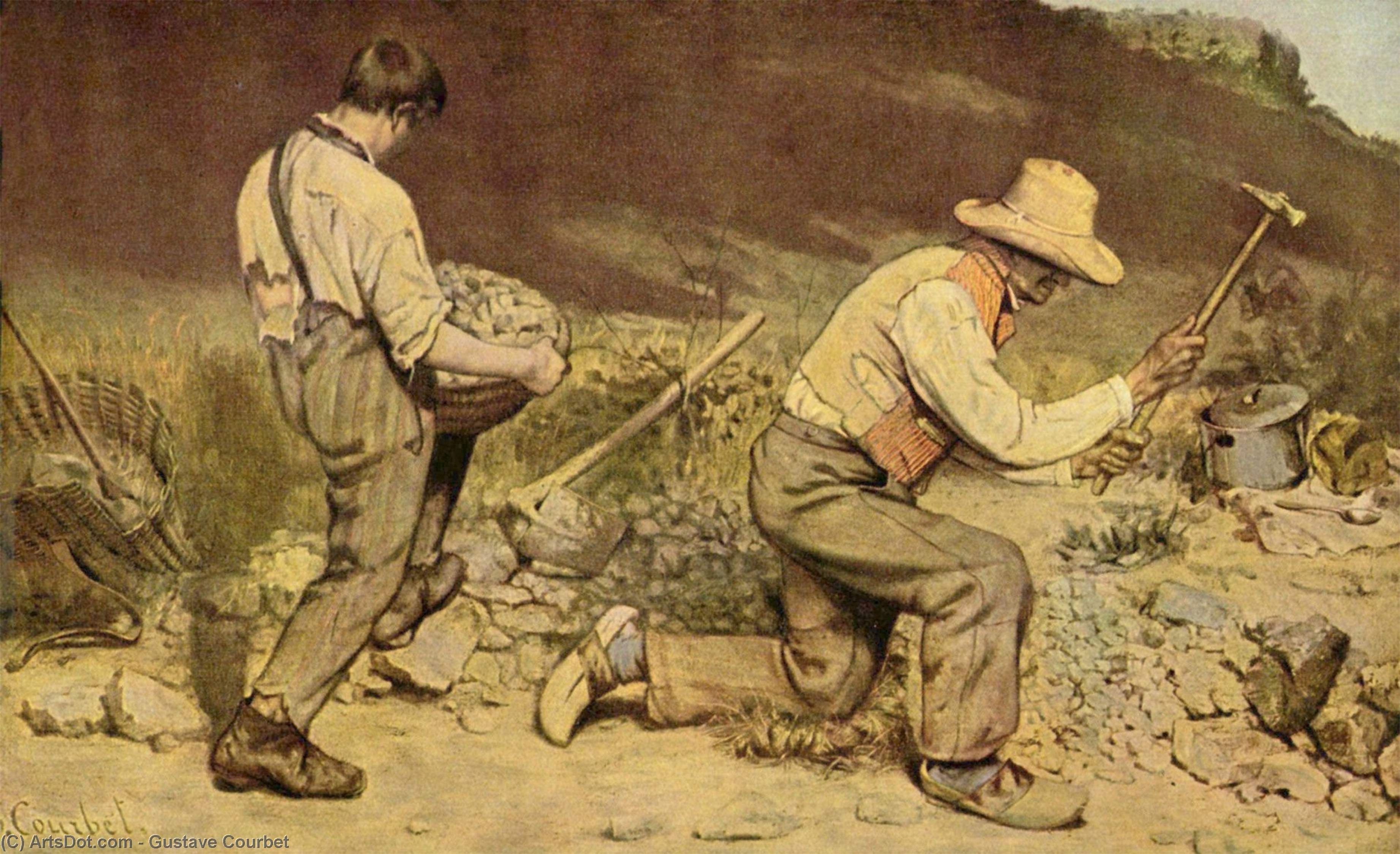
The Stone Breakers

სოფლის ცხოვრების არსი

ქვისმტეხავები (1849) ავტორის: გიუსტავ კურბე

გუსტავ კორბე Gustave Courbet 1849 The Essence of Rural Life 165 x 257 cm The Stone Breakers სოფლის ცხოვრების არსი ქვისმტეხავები

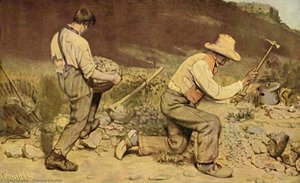
"ქვისმტეხავები": გუსტავე კორბეს რეალიზმის სიმფონია გუსტავე კორბეს "ქვისმტეხავები", რომელიც 1849 წელს შეიქმნა, არის არა მარტო ტილო, არცაა ისტორიული მოწობა – ეს არის ეპოქის ანარეკლი, სოფლის ცხოვრების მძიმე სიმართლის გამბედავად ასახულება. კორბემ უარყო ტრადიციული ხელოვნების იდეალიზაცია და გადაინაცვლა ყოველდღიურ ცხოვრებაში, განსაკუთრებით იმ ადამიანებში, რომლებიც ხშირად რჩებიან საზოგადოების განხილვის გარეშე – ქვისმტეხავები. ტილო წარმოადგენს ორ მამაკაცს, რომლებიც ქვებს ამტვრებენ გზის მშენებლობისთვის. ახალგაზრდა ბიჭი და ასული კაცი, მათი შრომისგან დამღლელი 모습ები, უშუალოდ გვეციან…

6
დაღუპული კაცი (თვითპორტრეტი) (1845) ავტორის: გიუსტავ კურბე

დაღუპული კაცი (თვითპორტრეტი)

1845 · აკრილი

A Portrait of Disquiet: Exploring Gustave Courbet’s “The Desperate Man” Courbet's "The Desperate Man," painted in 1845, stands as a cornerstone of Realism—a movement that irrevocably challenged the romanticized visions dominating European art during its era. More than just a depiction of an individual; it’s a profound statement about the human condition, capturing a moment of vulnerability and confronting viewers with unflinching honesty. The painting immediately grabs attention with its…

7
Женщина с попугаем (1866) ავტორის: გიუსტავ კურბე

Женщина с попугаем

1866 · ზეთი ტილოზე · მეტროპოლიტენის ხელოვნების მუზეუმი, ნიუ-იორკი

Gustave Courbet’s “Woman with a Parrot” stands as a cornerstone of Realism, marking a decisive break from the idealized conventions that dominated French art in the mid-1860s. Rejected initially by the Salon jury for its perceived lack of decorum – specifically, the model’s unidealized hair and clothing – the painting swiftly gained recognition as a bold assertion of artistic independence and a profound engagement with contemporary social realities.

8
შეხვედრა: ბონჟურ, მესიე კურბე ავტორის: გიუსტავ კურბე

შეხვედრა: ბონჟურ, მესიე კურბე

აკრილი · მუსეი ფაბრე, მონპელიე

A Snapshot of Rural Life: Examining Gustave Courbet’s “The Meeting Bonjour Monsieur Courbet” Gustave Courbet's "The Meeting Bonjour Monsieur Courbet," painted circa 1867, stands as a cornerstone of Realism in French art—a bold declaration against the romanticized visions dominating the artistic landscape of its era. More than just a depiction of three men and two horses, this unassuming canvas embodies a profound engagement with social realities and a masterful execution…

9
ახალგაზრდა ქალები სენის ნაპირებზე ავტორის: გიუსტავ კურბე

ახალგაზრდა ქალები სენის ნაპირებზე

ზეთი ტილოზე · პატარა პალატა, პარიზი

In the heart of mid-19th century France, amidst a landscape of shifting social tides and artistic rebellion, Gustave Courbet captured a moment of profound tranquility that would forever alter the trajectory of modern art. The Young Ladies on the Banks of the Seine is far more than a mere depiction of two women enjoying a sun-drenched afternoon; it is a masterful window into the soul of the Realist movement. As…

10
მძინარე შიშველი ქალი (1862) ავტორის: გიუსტავ კურბე

მძინარე შიშველი ქალი

1862 · აკრილი

A Portrait of Quiet Rebellion: Exploring Gustave Courbet’s “Sleeping Nude Woman” The painting "Sleeping Nude Woman," executed in 1862 by Gustave Courbet, stands as a cornerstone of Realism—a movement that irrevocably challenged the prevailing artistic sensibilities of its era. More than just a depiction of human anatomy, it's an audacious statement about artistic freedom and a profound reflection on the complexities of modern life, encapsulating the spirit of a generation…

გიუსტავ კურბე-ის ცნობილი ნამუშევრები, 11-დან 100-მდე ნომრებით

11მარინები (1854) ავტორის: გიუსტავ კურბემარინები1854 · Musée d'Arts de Nantes 12medžiდა და თხეპობა (1858) ავტორის: გიუსტავ კურბეmedžiდა და თხეპობა1858 · Wallraf-Richartz-Museum 13ორნანსში დაკრძალვა (1849) ავტორის: გიუსტავ კურბეორნანსში დაკრძალვა1849 · Musée d'Orsay 14ქალი თეთრი წინდოსნით (1861) ავტორის: გიუსტავ კურბექალი თეთრი წინდოსნით1861 · The Barnes Foundation 15მოსწრება ან გუსტავ კორბეს შეხვედრა (1854) ავტორის: გიუსტავ კურბემოსწრება ან გუსტავ კორბეს შეხვედრა1854 · მუსეი ფაბრე 16მესმენეს სტუდია (1855) ავტორის: გიუსტავ კურბემესმენეს სტუდია1855 · Musée d'Orsay 17ქალი ტალღებში (1868) ავტორის: გიუსტავ კურბექალი ტალღებში1868 · მეტროპოლიტენის ხელოვნების მუზეუმი 18შიშველი ყვავილებრიანი ტოტით (1863) ავტორის: გიუსტავ კურბეშიშველი ყვავილებრიანი ტოტით1863 · მეტროპოლიტენის ხელოვნების მუზეუმი 19შილონის ციხე (1875) ავტორის: გიუსტავ კურბეშილონის ციხე1875 20ავტოპორტრეტი (კაცი ტყავის ქამრით) (1845) ავტორის: გიუსტავ კურბეავტოპორტრეტი (კაცი ტყავის ქამრით)1845 · Musée d'Orsay 21ტალღა (1869) ავტორის: გიუსტავ კურბეტალღა1869 · შტადელის ხელოვნების ინსტიტუტი და ქალაქის გალერეა 22The Painter's Studio (1855) ავტორის: გიუსტავ კურბეThe Painter's Studio1855 · Musée d'Orsay 23ქალის თავი ყვავილებით (1871) ავტორის: გიუსტავ კურბექალის თავი ყვავილებით1871 · ფილადელფიის ხელოვნების მუზეუმი 24ლურქი მწკნელი (1849) ავტორის: გიუსტავ კურბელურქი მწკნელი1849 25Sleeping Nude (1858) ავტორის: გიუსტავ კურბეSleeping Nude1858 · დასავლეთው მხარეს ხელოვნების ეროვნული მუზეუმი 26ავტოპორტრეტი (ჩელოისტი) (1847) ავტორის: გიუსტავ კურბეავტოპორტრეტი (ჩელოისტი)1847 · Nationalmuseum 27The Desperate Man (also known as The Man Made Mad by Fear) (1843) ავტორის: გიუსტავ კურბეThe Desperate Man (also known as The Man Made Mad by Fear)1843 28სათევზაო ნავი (1865) ავტორის: გიუსტავ კურბესათევზაო ნავი1865 · მეტროპოლიტენის ხელოვნების მუზეუმი 29Alphonse Promayet (1822–1872) (1851) ავტორის: გიუსტავ კურბეAlphonse Promayet (1822–1872)1851 · მეტროპოლიტენის ხელოვნების მუზეუმი 30The Stormy Sea (The Wave) (1870) ავტორის: გიუსტავ კურბეThe Stormy Sea (The Wave)1870 · Musée d'Orsay 31The Peasants of Flagey Returning from the Fair (1855) ავტორის: გიუსტავ კურბეThe Peasants of Flagey Returning from the Fair1855 32The Happy Lovers (1844) ავტორის: გიუსტავ კურბეThe Happy Lovers1844 33ტალღა (1869) ავტორის: გიუსტავ კურბეტალღა1869 · შტედელის მუზეუმი 34A Burial at Ornans, Musée d' (1850) ავტორის: გიუსტავ კურბეA Burial at Ornans, Musée d'1850 35მდინარის პეიზაჟი ავტორის: გიუსტავ კურბემდინარის პეიზაჟი 36საფრთხეული ძაღლები მკვდარი ბოჭკით (1857) ავტორის: გიუსტავ კურბესაფრთხეული ძაღლები მკვდარი ბოჭკით1857 · მეტროპოლიტენის ხელოვნების მუზეუმი 37Landscape (1868) ავტორის: გიუსტავ კურბეLandscape1868 38ფონტენბლოის ტყეში ხედი, გიუსტავ კურბე, 1855 (1855) ავტორის: გიუსტავ კურბეფონტენბლოის ტყეში ხედი, გიუსტავ კურბე, 18551855 · Rijksmuseum 39ჩრდილად მოქცეული ნაკადული (ასევე ცნობილი როგორც პუი ნუარის ნაკადული) (1865) ავტორის: გიუსტავ კურბეჩრდილად მოქცეული ნაკადული (ასევე ცნობილი როგორც პუი ნუარის ნაკადული)1865 · Musée d'Orsay 40Woman with a Mirror (1860) ავტორის: გიუსტავ კურბეWoman with a Mirror1860 · მეტროპოლიტენის ხელოვნების მუზეუმი 41ქალი乗სად乗ის სამოსში (L'Amazone) (1855) ავტორის: გიუსტავ კურბექალი乗სად乗ის სამოსში (L'Amazone)1855 · მეტროპოლიტენის ხელოვნების მუზეუმი 42Portrait of Jo, the Beautiful Irish Woman (1865) ავტორის: გიუსტავ კურბეPortrait of Jo, the Beautiful Irish Woman1865 43The Waves (1869) ავტორის: გიუსტავ კურბეThe Waves1869 · ფილადელფიის ხელოვნების მუზეუმი 44The Painter's Studio (1855) ავტორის: გიუსტავ კურბეThe Painter's Studio1855 · Musée d'Orsay 45სოფლის ახალგაზრდა ქალები (1851) ავტორის: გიუსტავ კურბესოფლის ახალგაზრდა ქალები1851 · მეტროპოლიტენის ხელოვნების მუზეუმი 46ზამთარი ჟურაში (1875) ავტორის: გიუსტავ კურბეზამთარი ჟურაში1875 · The Phillips Collection 47Lot and His Daughters (1844) ავტორის: გიუსტავ კურბეLot and His Daughters1844 48ახალგაზრდა ქალები სენის პირას (1856) ავტორის: გიუსტავ კურბეახალგაზრდა ქალები სენის პირას1856 · Musée du Petit Palais 49სახლის დაბრუნება (1854) ავტორის: გიუსტავ კურბესახლის დაბრუნება1854 50ყვავილებული ვაშლის ტოტი (1872) ავტორის: გიუსტავ კურბეყვავილებული ვაშლის ტოტი1872 · Musée d'Orsay 51The Wounded Man (1866) ავტორის: გიუსტავ კურბეThe Wounded Man1866 52La Bretonnerie in the Department of Indre, D (1856) ავტორის: გიუსტავ კურბეLa Bretonnerie in the Department of Indre, D1856 53The Hunted Deer, Spring (1867) ავტორის: გიუსტავ კურბეThe Hunted Deer, Spring1867 54ნაკადული (Le ruisseau du Puits-Noir_ vallée de la ავტორის: გიუსტავ კურბენაკადული (Le ruisseau du Puits-Noir_ vallée de laNational Gallery of Art 55Still Life with Apples, Gustave Courbet, 1871 - 1872 (1872) ავტორის: გიუსტავ კურბეStill Life with Apples, Gustave Courbet, 1871 - 18721872 · Rijksmuseum 56კლდეები ეტრატში შტორმის შემდეგ (1869) ავტორის: გიუსტავ კურბეკლდეები ეტრატში შტორმის შემდეგ1869 · Musée d'Orsay 57The Ornans Paper Mill (1865) ავტორის: გიუსტავ კურბეThe Ornans Paper Mill1865 58როე დერების თავშესაფარი პლეზირ-ფონეინის ნაკრეზე, დუბს (1866) ავტორის: გიუსტავ კურბეროე დერების თავშესაფარი პლეზირ-ფონეინის ნაკრეზე, დუბს1866 · Musée d'Orsay 59კლდეები ეტრატში შტორმის შემდეგ (1869) ავტორის: გიუსტავ კურბეკლდეები ეტრატში შტორმის შემდეგ1869 · Musée d'Orsay 60Panoramic View of the Alps, Les Dents du Midi (1877) ავტორის: გიუსტავ კურბეPanoramic View of the Alps, Les Dents du Midi1877 · კლივল্যান্ডের ხელოვნების მუზეუმი 61Eternity (1869) ავტორის: გიუსტავ კურბეEternity1869 · ბრისტოლის მუზეუმი - ხელოვნების გალერეა 62მ végétauxის დედოფლის ტახტი (1871) ავტორის: გიუსტავ კურბემ végétauxის დედოფლის ტახტი1871 63Portrait of the Artist's Father, Regis Courbet (1840) ავტორის: გიუსტავ კურბეPortrait of the Artist's Father, Regis Courbet1840 64Fishing Boats on the Deauville Beach (1866) ავტორის: გიუსტავ კურბეFishing Boats on the Deauville Beach1866 65Woman with a Parrot (1866) ავტორის: გიუსტავ კურბეWoman with a Parrot1866 · მეტროპოლიტენის ხელოვნების მუზეუმი 66The Source (1862) ავტორის: გიუსტავ კურბეThe Source1862 · მეტროპოლიტენის ხელოვნების მუზეუმი 67705px-L°/°27Origine du monde ავტორის: გიუსტავ კურბე705px-L°/°27Origine du monde 68ผลไม้ სტილისტული (1872) ავტორის: გიუსტავ კურბეผลไม้ სტილისტული1872 69A Dog from Ornans (1856) ავტორის: გიუსტავ კურბეA Dog from Ornans1856 70თამლის გამფხივნელები (1855) ავტორის: გიუსტავ კურბეთამლის გამფხივნელები1855 71La Falesia di Etretat (1869) ავტორის: გიუსტავ კურბეLa Falesia di Etretat1869 72la mere gregoire (1859) ავტორის: გიუსტავ კურბეla mere gregoire1859 73The Wave (1869) ავტორის: გიუსტავ კურბეThe Wave1869 74Still Life with Pears and Apples (1873) ავტორის: გიუსტავ კურბეStill Life with Pears and Apples1873 75Crumbling Rocks (1864) ავტორის: გიუსტავ კურბეCrumbling Rocks1864 76კრაზანა სპილენძის თაშში (1872) ავტორის: გიუსტავ კურბეკრაზანა სპილენძის თაშში1872 · ბოსტონის fine arts-ის მუზეუმი 77The Bathers (1853) ავტორის: გიუსტავ კურბეThe Bathers1853 · მუსეი ფაბრე 78The Wave (1870) ავტორის: გიუსტავ კურბეThe Wave1870 · Museum collection Am Römerholz 79The Wave (1866) ავტორის: გიუსტავ კურბეThe Wave1866 80ჩრდილოვანი ნაკადული „ლე პუი ნუარში“ (1862) ავტორის: გიუსტავ კურბეჩრდილოვანი ნაკადული „ლე პუი ნუარში“1862 · ბალტიმორის სახელოვნებო მუზეუმი 81The Draughts Players (1844) ავტორის: გიუსტავ კურბეThe Draughts Players1844 82Les Demoiselles de village (1867) ავტორის: გიუსტავ კურბეLes Demoiselles de village1867 83The cliffs at Etreat - - (1866) ავტორის: გიუსტავ კურბეThe cliffs at Etreat - -1866 84The Diligence in the Snow (1860) ავტორის: გიუსტავ კურბეThe Diligence in the Snow1860 · ნაციონალური გალერეა 85La vague (The Wave) ავტორის: გიუსტავ კურბეLa vague (The Wave)Folkwang-ის მუზეუმი 86The Stream (Le ruisseau du Puits-Noir_ vallée de l(2 ავტორის: გიუსტავ კურბეThe Stream (Le ruisseau du Puits-Noir_ vallée de l(2 87Reclining Nude (1840) ავტორის: გიუსტავ კურბეReclining Nude1840 · ბოსტონის fine arts-ის მუზეუმი 88The Beach, Sunset (1867) ავტორის: გიუსტავ კურბეThe Beach, Sunset1867 89წყარო (მხოთა წყაროში) (1868) ავტორის: გიუსტავ კურბეწყარო (მხოთა წყაროში)1868 90The Houses of the Chateau D'Ornans (1853) ავტორის: გიუსტავ კურბეThe Houses of the Chateau D'Ornans1853 91კაცით ცხელით ავტორის: გიუსტავ კურბეკაცით ცხელითMuseu Nacional de Arte Antiga 92The Flood Gate at Optevoz (1854) ავტორის: გიუსტავ კურბეThe Flood Gate at Optevoz1854 · ბავარიის სახელმწიფო ფერწერის კოლექციები 93The Calm Sea (1869) ავტორის: გიუსტავ კურბეThe Calm Sea1869 94After the Hunt (1859) ავტორის: გიუსტავ კურბეAfter the Hunt1859 · მეტროპოლიტენის ხელოვნების მუზეუმი 95გორდვალი ჯურასში (1876) ავტორის: გიუსტავ კურბეგორდვალი ჯურასში1876 · Art Gallery of New South Wales 96View at Ornans (1864) ავტორის: გიუსტავ კურბეView at Ornans1864 · Bowes Museum 97TA The Loue Valley (1872) ავტორის: გიუსტავ კურბეTA The Loue Valley1872 98მხატვრის პორტრეტი ავტორის: გიუსტავ კურბემხატვრის პორტრეტიLegion of Honor 99After Dinner at Ornans (1849) ავტორის: გიუსტავ კურბეAfter Dinner at Ornans1849 · ლილის fine arts-ის მ્યુზეუმი 100ნადგური ბრემში ავტორის: გიუსტავ კურბენადგური ბრემში

გიუსტავ კურბე-ის ცნობილი სურათები, პერიოდების მიხედვით

სუბიექტები, რომლებმაც გიუსტავ კურბე-ის ყურადღება მიიპყრო

ამ ორიგინალებში ყველაზე ხშირად განმეორებადი არის 네 თემა, რომელთაგან თითოეულს თავისი საუკეთესო ნიმუში წარმოგვიდგება.

მუზეუმები, სადაც გიუსტავ კურბე-ის ორიგინალები ინახება

ამ გვერდზე წარმოდგენილი მხატვრობის შედეგების უმეტესობას 8 მუზეუმი ინახავს.

მუზეუმი ქალაქი გიუსტავ კურბე შემოქმედებაలు ამ სიიდან მოპოვებული ნახატები
Musée d'Orsay, პარიზიMusée d'Orsay პარიზი 39 მშვიდობის წყარო, ორნანში დაკრძალვა, მესმენის სტუდია
მეტროპოლიტენის ხელოვნების მუზეუმი, ნიუ-იორკიმეტროპოლიტენის ხელოვნების მუზეუმი ნიუ-იორკი 34 Женщина с попугаем, ქალი ტალღებში, შიშველი ყვავილებრიანი ტოტით
მუსეი ფაბრე, მონპელიემუსეი ფაბრე მონპელიე 18 შეხვედრა: ბონჟურ, მესიე კურბე, მოსწრება ან გუსტავ კორბეს შეხვედრა, The Bathers
პატარა პალატა, პარიზიპატარა პალატა პარიზი 14 მძინარები (ასევე ცნობილი როგორც ძილი), ახალგაზრდა ქალები სენის ნაპირებზე
ფილადელფიის ხელოვნების მუზეუმი, ფილადელფიაფილადელფიის ხელოვნების მუზეუმი ფილადელფია 13 ქალის თავი ყვავილებით, The Waves
ბოსტონის fine arts-ის მუზეუმი, ბოსტონიბოსტონის fine arts-ის მუზეუმი ბოსტონი 6 კრაზანა სპილენძის თაშში, Reclining Nude
Rijksmuseum, ამსტერდამიRijksmuseum ამსტერდამი 4 ფონტენბლოის ტყეში ხედი, გიუსტავ კურბე, 1855, Still Life with Apples, Gustave Courbet, 1871 - 1872
Nationalmuseum, სტოქჰოლმიNationalmuseum სტოქჰოლმი 10 ავტოპორტრეტი (ჩელოისტი)

გიუსტავ კურბე ათწლეულების განმავლობაში: თითოეულ დეკადესთვის ერთი უნიკალური ორიგინალი

ნამუშევრები ათწლეულების მიხედვით

შეარჩიეთ ათწლეული, რათა ნახოთ ის ორიგინალი ნამუშევარი, რომელიც მას განსაზღვრავს.

გიუსტავ კურბე-ის ნახატები: კითხვები გალერეისთვის

რა არის გიუსტავ კურბე-ის ყველაზე ცნობილი ნამუშწარებიდან ერთერთი?გაამჟღავნეთ პასუხი

მშვიდობის წყარო (1866), Musée d'Orsay, პარიზი. შემდეგ მოდიან ორნანში დაკრძალვა (1850) და მძინარები (ასევე ცნობილი როგორც ძილი) (1866).

რა ასაკში შექმნა გიუსტავ კურბე-მა მშვიდობის წყარო?გაამჟღავნეთ პასუხი

47 წლის: მშვიდობის წყარო შექმნილია 1866 წელს, ხოლო გიუსტავ კურბე დაიბადა 1819 წელს.

გიუსტავ კურბე-ის რომელი 열ათმე ნახატია ყველაზე ცნობილი?გაამჟღავნეთ პასუხი

მშვიდობის წყარო, ორნანში დაკრძალვა, მძინარები (ასევე ცნობილი როგორც ძილი), მესმენის სტუდია, გუსტავ კორბე Gustave Courbet 1849 The Essence of Rural Life 165 x 257 cm The Stone Breakers სოფლის ცხოვრების არსი ქვისმტეხავები, დაღუპული კაცი (თვითპორტრეტი), Женщина с попугаем, შეხვედრა: ბონჟურ, მესიე კურბე, ახალგაზრდა ქალები სენის ნაპირებზე და მძინარე შიშველი ქალი. ზემოთ მოცემული რეიტინგი ასახავს თითოეულის შემოქმედების წელსა და მუზეუმს.

რამდენი ნამუშწარებია ცნობილი გიუსტავ კურბე-ის შემოქმედებიდან?გაამჟღავნეთ პასუხი

ჩვენს კატალოგში წარმოდგენილია 788 ნამუშწევრი გიუსტავ კურბე-ისგან, დათარიღებული 1840-დან 1877-მდე.

სად შეიძლება ყველაზე ცნობილი გიუსტავ კურბე-ის ორიგინალების ნახვა?გაამჟღავნეთ პასუხი

ძირითადად Musée d'Orsay (პარიზი), მეტროპოლიტენის ხელოვნების მუზეუმი (ნიუ-იორკი) და მუსეი ფაბრე (მონპელიე)-ში. ზემოთ მოცემულ მუზეუმების ცხრილში ისინი ყველა listed.

რა პერიოდში შექმნა გიუსტავ კურბე-მა ყველაზე ცნობილი სურათები?გაამჟღავნეთ პასუხი

1860s-ში: ამ გვერდზე წარმოდგენილი 100 ნამუშწარwerksიდან 37 შეიქმნა მაშინ, მათგან მშვიდობის წყარო.

რომელი ცნობილი გიუსტავ კურბე ტილოა ყველაზე ადრეული და რომელი — ყველაზე გვიანდელი?გაამჟღავნეთ პასუხი

ამ გვერდზე ყველაზე ადრეული არის Portrait of the Artist's Father, Regis Courbet (1840), ხოლო ყველაზე გვიანდელი — Panoramic View of the Alps, Les Dents du Midi (1877).

რა თემებს ანიჭებდა უპირატესობას გიუსტავ კურბე?გაამჟღავნეთ პასუხი

Landscape (15), Ლანდშაფტი (13) და Courbet (8), ამ გვერდზე წარმოდგენილ 100 ნამუშწარეს შორის.

რა მასალებით ხატავდა ყველაზე ხშირად გიუსტავ კურბე?გაამჟღავნეთ პასუხი

Ზეთი ტილოზე, ამ გვერდზე არსებული 100 ნამუშწაროსგან 44 ცალიდან.

გიუსტავ კურბე-ის შემოქმედება რომელ მიმდინარეობას მიეკუთვნება?გაამჟღავნეთ პასუხი

Რეალიზმი, ამ გვერდზე წარმოდგენილი ორიგინალების მიხედვით.

რა გიუსტავ კურბე-ის ორიგინალების ნახვა შემიძლია Musée d'Orsay-ში?გაამჟღავნეთ პასუხი

მშვიდობის წყარო, ორნანში დაკრძალვა და მესმენის სტუდია: Musée d'Orsay, პარიზი-ში წარმოდგენილია ამ გვერდზე მოცემული ნამუშევრების 14 ცალი.

გიუსტავ კურბე: მხატვრის პორტრეტი

The Life and Identity of Gustave Courbet

Jean Désiré Gustave Courbet was born on June 10, 1819, in Ornans, France. He was the eldest child and only son of Régis and Sylvie Oudot Courbet. Growing up in the department of Doubs, his early years were shaped by the landscape of his home. He lived through a period of significant social change in France, eventually becoming the leader of the Realism movement. His approach to painting was defined by a refusal to look away from the unvarnished truth of the world around him.

His life was marked by a certain stubbornness toward the established order. He did not seek to paint the myths or the idealized figures favored by the academies. Instead, he focused on the tangible. He looked at the grit of the earth and the heavy fatigue of the people who worked it. This commitment to the real was not a mere choice of subject, but a way of seeing that challenged the very foundations of 19th-century painting. He remained a figure of defiance until his death on December 31, 1877.

Early Life, Family and Training

The quiet village of Ornans, France, provided the backdrop for his beginnings. He grew up in a household alongside his sisters, Zoé, Zélie, and Juliette. While his path was not predetermined, his mother saw his inclination toward drawing and offered the encouragement needed to follow that impulse. This early support helped steer him away from other pursuits and toward the canvas.

In 1839, he moved to Paris. The city offered a different kind of education than the one found in the countryside. He spent much of his time in the Louvre, studying the works of the old masters. This period of observation was not spent in isolation; he also gained practical experience through work in various studios. He spent time in the studios of Steuben and Hesse, and later worked in the studios of Nicolas-Auguste and Suisse. These years were spent learning the mechanics of his craft through direct contact with the tools and methods of established painters.

The Development of a Realist Style

Courbet turned away from the polished finish of academic conventions and the dramatic ideals of Romanticism. He chose to prioritize observation over imagination, seeking to depict the world without embellishment. This meant looking at what was actually present rather than what tradition suggested should be there. He focused on the truth of the subject, often choosing to present the mundane and the unidealized as his primary focus.

His approach to the canvas was physical and direct. He favored an impasto style, applying paint thickly to emphasize the materiality of the medium itself. Using both the brush and the palette knife, he built up layers that gave the surface a tangible, heavy quality. Rather than blending colors into smooth transitions, he used fine brushstrokes to create clear borders. This technique allowed him to capture the grit and texture of his subjects with a sense of immediacy.

Major Works and Artistic Achievements

The brushwork often feels heavy, as if the paint itself carries the weight of the subject. In 1849, he finished The Stone Breakers, a depiction of manual labor that was later destroyed during World War II. He brought the provincial life of his home to the public eye in 1850-51 with A Burial at Ornans. This large canvas presented a funeral without the usual polished grace, showing people with faces marked by boredom or resignation. By 1853, his work The Bathers was being shown at the Paris Salon, a piece that caused a stir because of its unidealized female form and the way it sat within a landscape.

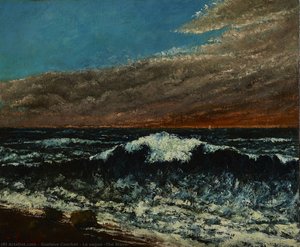
His later years saw a shift toward the raw power of the natural world. In 1866, he painted The Origin of the World, a work that focused on the human body with startling closeness. He also captured the movement of the sea in The Wave, completed in 1870. His landscapes often reflected the specific textures of the coast or the cliffs, such as in The Cliffs at Etretat after the Storm, painted in 1869. Even in social scenes like The Meeting, made in 1854, there is a focus on the immediate, unadorned reality of a meeting on a road.

Patrons and Artistic Independence

Financial freedom changed the way Courbet approached his canvas. A significant turning point came through his relationship with Alfred Bruyas, a collector who provided the means to work without catering to the tastes of the official salons. Bruyas purchased The Bathers, a decision that helped Courbet move away from the need for institutional approval. This support allowed the artist to maintain a sense of autonomy, choosing his own subjects rather than following the dictates of the academy. Later, Bruyas commissioned The Meeting, also known as Bonjour Monsieur Courbet, which reflected this established connection between patron and painter.

This independence was tested when the official jury rejected his large-scale works. In 1855, rather than retreating, Courbet took a more direct approach to his audience. He built the Pavilion of Realism, a temporary wooden structure located near the official exhibition site. By setting up his own space, he bypassed the gatekeepers of the art world and presented his vision on his own terms. This act of defiance ensured that his work could be seen by the public, regardless of the opinions held by the establishment.

Later Years and Death

The political shifts of 1871 brought a sudden end to his time in Paris. His involvement in the Paris Commune led to a period of exile. He moved across the border to Switzerland, seeking a life away from the immediate turmoil of the French capital. This was not a brief departure; he remained in Switzerland from 1873 until his death.

Life in exile was marked by the weight of his previous actions and the financial burdens imposed upon him. He lived in this quiet landscape, far from the salons and the debates of his youth. The focus of his existence shifted toward the mountains and the stillness of the Swiss terrain. He died in La Tour-de-Peilz, Switzerland.

Legacy and Influence on Modern Art

The shift from Romanticism toward the modern era found its momentum in the way he handled paint and subject. By choosing to depict the grit of stone and the heavy fatigue of a laborer's brow, he moved art away from the polished myths of the past. This focus on the tangible and the unvarnished provided a foundation for the Impressionists and Post-Impressionists. They looked to his method of observing the world directly, rather than through the lens of idealized beauty. Even the Cubists found a connection in his approach to form and the materiality of the medium.

His work carried a weight that went beyond the canvas. By bringing the lives of the working class and the provincial landscape into the center of high art, he changed what was considered worthy of a large-scale painting. This emphasis on social commentary created a path for later artists who used their brushes to engage with the political and social realities of their own times. He did not seek to flatter his viewers, but to show them the world as it actually existed, from the shadows of a forest to the dust of a roadside.

Where to See the Works Today

His canvases are scattered across several major collections, inviting a close look at the textures of his paint. In Paris, the Musée d'Orsay holds 21 of his works, including the large-scale A Burial at Ornans. The Louvre also contains 3 of his pieces, while the Musée du Petit Palais keeps 6. These works allow for a direct encounter with the heavy, impasto layers he applied to the surface.

Across the Atlantic, the Metropolitan Museum of Art in New York maintains a significant presence of his output with 21 works in its collection. You might find Woman with a Mirror or The Fishing Boat among them. In France, the Musée Fabre in Montpellier holds 12 of his paintings, offering a space to observe the way he handled light and shadow in his portraits and landscapes.