Gerard van Spaendonck პორტრეტი

Gerard van Spaendonck-ის ნახატები: 17 ყველაზე ცნობილი ნამუშევარი, গალერეის თcraftით

განახლდა ნოემბერი 2026 · დალაგებულია ჩვენი პოპულარობის ქულების მიხედვით (ძიება, ნახვა და შეკვეთები თითოეული ნამუშწაროსთვის) · 18 ნამუშევარი Gerard van Spaendonck ჩვენს კატალოგში

მოკლედ რომ ვთქვათ

გალერეის თვალს, Gerard van Spaendonck-ის ყველაზე ცნობილი ნამუშწაროა Miniature still life with flowers in a stone vase on a carved pedestal, with a basket of flowers and a nest. Grapes with Insects on a Marble Top (1791) და Flower Still-life with an Alabaster Vase (1783) ქმნიან იმ ტრიოს, რომელიც ყველამ იცნობს. ჩვენს კატალოგში არსებული Gerard van Spaendonck-ის 18 ნამუშწაროდან, გალერეა ქვემოთ წარმოგიდგენთ 17 ყველაზე ცნობილ მათგანს; თითოეული მათგანი არის ორიგინალი, რომლის აღწერა მოიცავს შემოქმედების წელს, მუზეუმს და იმ დეტალებს, რაც მას უნიკალურს ხდის.

1746 – 1822, Tilburg Rococo ყველაზე მეტი ნამشევრი: The Frick Collection

გალერეის Gerard van Spaendonck 10 საუკეთესო ნამი에도

1
Miniature still life with flowers in a stone vase on a carved pedestal, with a basket of flowers and a nest ავტორის: Gerard van Spaendonck

Miniature still life with flowers in a stone vase on a carved pedestal, with a basket of flowers and a nest

Oil

The painting is titled Miniature still life with flowers in a stone vase on a carved pedestal, with a basket of flowers and a nest. This work is attributed to the Dutch painter Gerard van Spaendonck. The artist was born in 1746 in Tilburg, Netherlands, and spent much of his career in France. He died in Paris in 1822.

2
Grapes with Insects on a Marble Top (1791) ავტორის: Gerard van Spaendonck

Grapes with Insects on a Marble Top

1791 · Oil · The Frick Collection, ნიუ-იორკი

To gaze upon Gerard van Spaendonck's "Grapes with Insects on a Marble Top" is to step into a moment suspended between lush abundance and the quiet drama of natural life. This exquisite still life, dating from 1791, transcends a mere depiction of fruit; it is a vibrant meditation on the cycle of growth, decay, and enduring beauty. The composition immediately draws the eye to the generous clusters of grapes, rendered…

3
Flower Still-life with an Alabaster Vase (1783) ავტორის: Gerard van Spaendonck

Flower Still-life with an Alabaster Vase

1783 · Oil On Canvas · Rijksmuseum, ამსტერდამი

Flower Still-life with an Alabaster Vase is a notable oil on canvas by Gerard van Spaendonck. Created in 1783, this work is also recognized by the title Still Life of Flowers and Alabaster Vase. The artist, Gerard van Spaendonck, was a figure of significant standing in the Parisian art world, having been appointed as a miniature painter at the court of Louis XVI. His ability to render botanical forms with…

Gerard van Spaendonck-ის ნახატები, რეიტინგით 11-დან 17-მდე

სუბიექტები, რომლებმაც Gerard van Spaendonck-ის ყურადღება მიიპყრო

ამ ორიგინალებში ყველაზე ხშირად განმეორებადი არის 네 თემა, რომელთაგან თითოეულს თავისი საუკეთესო ნიმუში წარმოგვიდგება.

მუზეუმები, სადაც Gerard van Spaendonck-ის ორიგინალები ინახება

ამ გვერდზე წარმოდგენილი მხატვრობის შედეგების უმეტესობას 7 მუზეუმი ინახავს.

მუზეუმი ქალაქი Gerard van Spaendonck შემოქმედებაలు ამ სიიდან მოპოვებული ნახატები
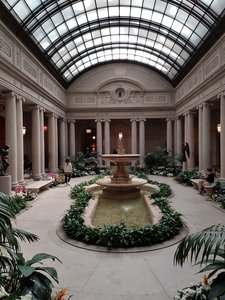
The Frick Collection, ნიუ-იორკიThe Frick Collection ნიუ-იორკი 1 Grapes with Insects on a Marble Top
Rijksmuseum, ამსტერდამიRijksmuseum ამსტერდამი 1 Flower Still-life with an Alabaster Vase
Noordbrabants Museum, 'ს-ჰერტოგენბოხიNoordbrabants Museum 'ს-ჰერტოგენბოხი 1 Des fleurs dans un vase en albâtre avec des fruits posés sur un plateau en marbre
Het Prinsenhof, DelftHet Prinsenhof Delft 1 Still Life with Fruit
Bowes Museum, ბარნარდ ქასლBowes Museum ბარნარდ ქასლ 1 Flowers And Fruit
Fitzwilliam MuseumFitzwilliam Museum 1 A Vase Of Flowers
Ashmolean Museum, ოქსფორდიAshmolean Museum ოქსფორდი 1 Vase of Flowers

Gerard van Spaendonck, ერთი ავთენტური ნამუშწარები ათწლეულში

ნამუშევრები ათწლეულების მიხედვით

შეარჩიეთ ათწლეული, რათა ნახოთ ის ორიგინალი ნამუშევარი, რომელიც მას განსაზღვრავს.

Gerard van Spaendonck-ის ნახატები: გალერეის პასუხები

რომელი Gerard van Spaendonck ტილოა ყველაზე ცნობილი?გაამჟღავნეთ პასუხი

Miniature still life with flowers in a stone vase on a carved pedestal, with a basket of flowers and a nest. შემდეგ მოდიან Grapes with Insects on a Marble Top (1791) და Flower Still-life with an Alabaster Vase (1783).

რომელია Gerard van Spaendonck-ის 10 საუკეთესო ნამუშწარო?გაამჟღავნეთ პასუხი

Miniature still life with flowers in a stone vase on a carved pedestal, with a basket of flowers and a nest, Grapes with Insects on a Marble Top, Flower Still-life with an Alabaster Vase, Still-life With Flowers And Insects On Marble Plinth, Des fleurs dans un vase en albâtre avec des fruits posés sur un plateau en marbre, Still Life with Fruit, Tulip gardens, Flowers And Fruit, Bouquet და A Vase Of Flowers. ზემოთ მოცემული რეიტინგი ასახავს თითოეულის შემოქმედების წელსა და მუზეუმს.

რამდენიმე ნამუშწარები შექმნა Gerard van Spaendonck-მა?გაამჟღავნეთ პასუხი

ჩვენს კატალოგში წარმოდგენილია 18 ნამუშწევრი Gerard van Spaendonck-ისგან, დათარიღებული 1781-დან 1820-მდე.

სად hanging Gerard van Spaendonck-ის ყველაზე ცნობილი ორიგინალები?გაამჟღავნეთ პასუხი

ძირითადად The Frick Collection (ნიუ-იორკი), Rijksmuseum (ამსტერდამი) და Noordbrabants Museum ('ს-ჰერტოგენბოხი)-ში. ზემოთ მოცემულ მუზეუმების ცხრილში ისინი ყველა listed.

როდის შექმნა Gerard van Spaendonck-მა ყველაზე ცნობილი სურათები?გაამჟღავნეთ პასუხი

1780s-ში: ამ გვერდზე წარმოდგენილი 17 ნამუშწარwerksიდან 2 შეიქმნა მაშინ, მათგან Flower Still-life with an Alabaster Vase.

რომლებიც Gerard van Spaendonck-ის ყველაზე ადრეული და ბოლო ცნობილი ნამუშევრებია?გაამჟღავნეთ პასუხი

ამ გვერდზე ყველაზე ადრეული არის Des fleurs dans un vase en albâtre avec des fruits posés sur un plateau en marbre (1781), ხოლო ყველაზე გვიანდელი — Still Life with Fruit (1820).

რომელ თემებს მიმართავდა Gerard van Spaendonck ყველაზე ხშირად?გაამჟღავნეთ პასუხი

Flowers (11), Vase (4) და Life (4), ამ გვერდზე წარმოდგენილ 17 ნამუშწარეს შორის.

რა ტექნიკით მუშაობდა Gerard van Spaendonck ყველაზე ხშირად?გაამჟღავნეთ პასუხი

Oil, ამ გვერდზე არსებული 17 ნამუშწაროსგან 2 ცალიდან.

რომელ მიძღვნასთან არის დაკავშირებული Gerard van Spaendonck?გაამჟღავნეთ პასუხი

Rococo, ამ გვერდზე წარმოდგენილი ორიგინალების მიხედვით.

Gerard van Spaendonck: მხატვარი

Gerard van Spaendonck: A Life in Bloom

Early Life and Education

  • Born: 1746 in Tilburg, Netherlands.
  • Van Spaendonck came from an artistic family; his younger brother, Cornelis van Spaendonck, also became a successful painter.
  • In the 1760s, he began his formal training with decorative painter Willem Jacob Herreyns (also known as Guillaume-Jacques Herreyns) in Antwerp. This early exposure shaped his meticulous attention to detail and refined technique.

Move to Paris and Royal Appointment

  • In 1769, Van Spaendonck relocated to Paris, a pivotal move that launched his international career.
  • 1774: He was appointed as a miniature painter at the court of Louis XVI, marking a significant step in his recognition and patronage.
  • This position allowed him access to aristocratic circles and further refined his skills in delicate floral depictions.

Professor at Jardin des Plantes & Académie Membership

  • 1780: Van Spaendonck succeeded Madeleine Françoise Basseporte as professor of floral painting at the prestigious Jardin des Plantes.
  • Shortly after, he was elected a member of the Académie des Beaux-Arts, solidifying his status within the French art establishment.
  • He became an influential teacher, mentoring notable artists like Pierre-Joseph Redouté and Henriette Vincent.

Artistic Style & Major Works

  • Van Spaendonck excelled in both oil painting and watercolor techniques.
  • He contributed over fifty works to Les Vélins du Roi, a renowned collection of botanical watercolors commissioned by the French royal family. These pieces demonstrate his exceptional skill in capturing the nuances of floral forms.
  • Fleurs Dessinees d'apres Nature (Flowers Drawn from Life): Published between 1799 and 1801, this series of twenty-four engraved plates served as a valuable resource for students of floral painting. It remains a highly treasured book on the subject today.
  • His paintings often feature intricate details of flowers alongside insects, adding another layer of naturalism to his compositions.

Recognition and Legacy

  • 1788: Appointed as an advisor to the Académie.
  • 1795: Became a founding member of the Institut de France.
  • 1804: Received the Légion d'honneur and was ennobled by Napoleon Bonaparte, acknowledging his contributions to French art and culture.
  • Van Spaendonck died in Paris in 1822 and is buried in Père Lachaise Cemetery.
  • Historical Significance: Gerard van Spaendonck’s meticulous botanical illustrations and refined floral paintings played a crucial role in the development of botanical art. His work bridged the gap between scientific accuracy and artistic beauty, influencing generations of artists and botanists alike.