ფრანს ფლოჩი პორტრეტი

67 ყველაზე ცნობილი ფრანს ფლოჩი-ის ნახატი, თითოეული მათგანი უნიკალური

განახლდა ოქტომბერი 2026 · დალაგებულია ჩვენი პოპულარობის ქულების მიხედვით (ძიება, ნახვა და შეკვეთები თითოეული ნამუშწაროსთვის) · 67 ნამუშევარი ფრანს ფლოჩი ჩვენს კატალოგში

მოკლედ რომ ვთქვათ

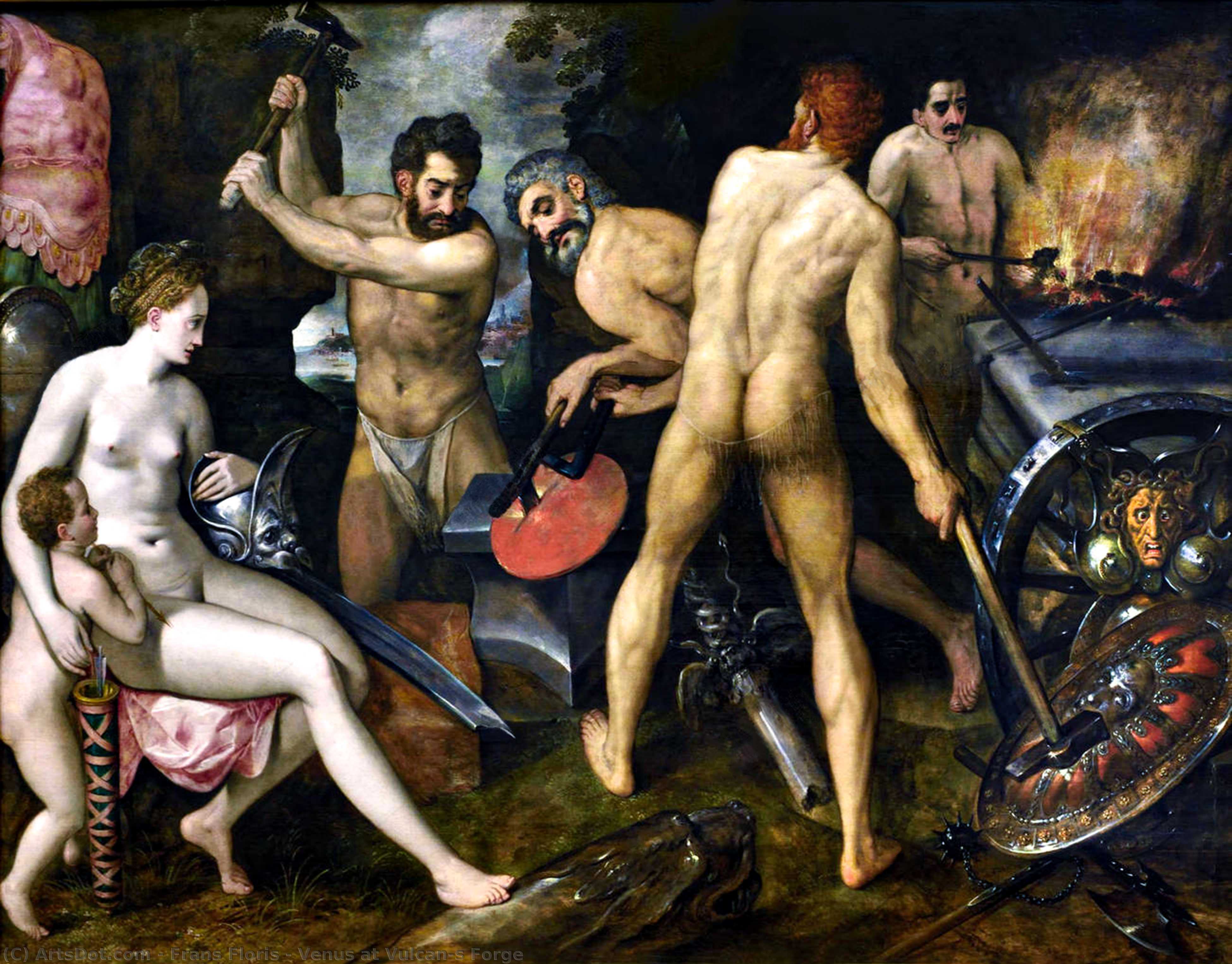
Venus at Vulcan's Forge (1560) არის ფრანს ფლოჩი-ის ის ნამუშწარო, რომელიც ყველაზე მეტ ყურადღებას იქცევს; ორიგინალი იმყოფება ბერლინის შტატული მუზეუმები-ში, ბერლინი. ამის შემდეგ, მზერა გადადის Pomona (1565)-სა და Head of a Boy (1553)-ზე. ჩვენს კატალოგში არსებული ფრანს ფლოჩი-ის 67 ნამუშწაროდან ეს 67 ყველაზე ცნობილია; თითოეული მათგანი წარმოადგენს უნიკალურ ორიგინალს, რომელიც წარმოდგენილია წელით, მუზეუმითა და იმ მიზეზით, რის გამოც ის დღემდე ცოცხლობს.

1517 – 1570, ანტვერპენი Northern renaissance ყველაზე მეტი ნამشევრი: ანტვერპენის ხელოვნების სამეფო მუზეუმი

ფრანს ფლოჩი-ის 10 საუკეთესო ნამუშgeryო, გალერეის თcraftით

1
Venus at Vulcan's Forge (1560) ავტორის: ფრანს ფლოჩი

Venus at Vulcan's Forge

A heavy hammer strikes metal. In this large panel from 1560, the goddess of love waits amidst the smoke and sweat of Vulcan's workshop. Men and women move through the scene in various positions, their bodies caught in the rhythm of labor. One man grips a hammer; another holds an axe. Two swords catch the light near the center of the composition. The air feels thick with the scent of…

2
Pomona (1565) ავტორის: ფრანს ფლოჩი

Pomona

1565 · Oil On Canvas · Hallwyl Museum, Stockholm

A peach rests in the palm of a goddess, its skin glowing under a sharp, singular light. In this 1565 oil work, Pomona sits amidst a heavy abundance of fruit and vegetables. She is the Roman goddess of fruit trees, a figure of luminous grace seated within a lush, fertile landscape. Beside her, a bearded, grotesque figure breaks the serenity. This creature is a study in rough textures and primal…

3
Head of a Boy (1553) ავტორის: ფრანს ფლოჩი

Head of a Boy

A young boy stares through the shadows of the sixteenth century. His face, pale and luminous, emerges from a dark, indistinct background that offers no distraction from his steady, neutral expression. He wears a white ruffled collar, its delicate pleats catching a light that seems to fall from the upper left. A heavy gold chain rests against his chest, its metallic sheen providing a sharp contrast to the velvety black…

4
Study Head of a Bearded Man (1565) ავტორის: ფრანს ფლოჩი

Study Head of a Bearded Man

A single man’s face emerges from a void of near-black shadow. He looks upward, his eyes fixed on a light source just out of reach in the upper left. The light catches the ridge of his brow and the wetness of his eyes, casting the rest of his features into deep, heavy darkness. This is a study of muscle and bone, a moment of intense spiritual or emotional tension frozen…

5
Portrait of a Guild functionary (1565) ავტორის: ფრანს ფლოჩი

Portrait of a Guild functionary

The gaze of the subject meets the viewer in Portrait of a Guild functionary, a work that captures a moment of quiet dignity. Painted by Frans Floris, this portrait genre piece presents a man of status, his presence felt through the heavy weight of his ceremonial attire. The oil on oak wood preserves the likeness of this individual, whose identity is tied to the formal structures of his era. While…

6
Portrait of a Woman aged 35 (1555) ავტორის: ფრანს ფლოჩი

Portrait of a Woman aged 35

1555 · Oil On Panel · პრადოს მუზეუმი, მადრიდი

The artwork titled Portrait of a Woman aged 35 is a work of portraiture executed by the Flemish artist Frans Floris. This oil on oak wood painting was created in 1555. The subject of the piece is a woman aged 35, depicted in a three-quarter view from the waist up. The composition focuses on the sitter against a dark, indistinct background, utilizing a muted color palette of deep blacks, rich…

7
Portrait of a Man aged 48 (1555) ავტორის: ფრანს ფლოჩი

Portrait of a Man aged 48

1555 · Oil On Panel · პრადოს მუზეუმი, მადრიდი

This oil painting, titled Portrait of a Man aged 48, offers an intimate encounter with a subject from the mid-sixteenth century. Created by the Flemish artist Frans Floris in 1555, the work presents a formal study of a man at a specific stage of his life. The portrait captures the sitter with a steady, direct gaze, focusing on the character and presence of a man of forty-eight years.

ფრანს ფლოჩი-ის ცნობილი ნამუშევრები, 11-დან 67-მდე ნომრებით

11Lot and His Daughters (1545) ავტორის: ფრანს ფლოჩიLot and His Daughters1545 · ბავარიის სახელმწიფო ფერწერის კოლექციები 12Study of a Head (1555) ავტორის: ფრანს ფლოჩიStudy of a Head1555 · კუნსტისტორიშეს მუზეუმი 13Venus and Amor (1542) ავტორის: ფრანს ფლოჩიVenus and Amor1542 14Venus and Amor in scenery (1542) ავტორის: ფრანს ფლოჩიVenus and Amor in scenery1542 15The Holy Family with Anne, Elizabeth and John (1553) ავტორის: ფრანს ფლოჩიThe Holy Family with Anne, Elizabeth and John1553 · ბავარიის სახელმწიფო ფერწერის კოლექციები 16Three Women with Their Children (1562) ავტორის: ფრანს ფლოჩიThree Women with Their Children1562 · ბავარიის სახელმწიფო ფერწერის კოლექციები 17Allegory of Rhetoric (1556) ავტორის: ფრანს ფლოჩიAllegory of Rhetoric1556 · ბავარიის სახელმწიფო ფერწერის კოლექციები 18Athene at the Muses (1560) ავტორის: ფრანს ფლოჩიAthene at the Muses1560 19The Queen of Sheba comes before Solomon with a large following bringing numerous gifts (1 Kings 10:1-2 ; 2 Chronicles  9:1-2) (1553) ავტორის: ფრანს ფლოჩიThe Queen of Sheba comes before Solomon with a large following bringing numerous gifts (1 Kings 10:1-2 ; 2 Chronicles 9:1-2)1553 · გრონინგერის მუზეუმი 20A Roman Emperor (1550) ავტორის: ფრანს ფლოჩიA Roman Emperor1550 · ანტვერპენის ხელოვნების სამეფო მუზეუმი 21Man with a Beard (1550) ავტორის: ფრანს ფლოჩიMan with a Beard1550 · ანტვერპენის ხელოვნების სამეფო მუზეუმი 22Adam and Eve grieve over the Dead Body of Abel (1550) ავტორის: ფრანს ფლოჩიAdam and Eve grieve over the Dead Body of Abel1550 · ანტვერპენის ხელოვნების სამეფო მუზეუმი 23An Old Man's Head (1550) ავტორის: ფრანს ფლოჩიAn Old Man's Head1550 · Statens Museum For Kunst 24Cain and Abel (1550) ავტორის: ფრანს ფლოჩიCain and Abel1550 · Statens Museum For Kunst 25Lucretia (1550) ავტორის: ფრანს ფლოჩიLucretia1550 · Museum Boijmans Van Beuningen 26Portrait of a Gentleman (1560) ავტორის: ფრანს ფლოჩიPortrait of a Gentleman1560 · Walters Art Museum 27Venus and Cupid (1560) ავტორის: ფრანს ფლოჩიVenus and Cupid1560 · Hallwyl Museum 28The Feast of the Seagods (1561) ავტორის: ფრანს ფლოჩიThe Feast of the Seagods1561 · Nationalmuseum 29Portrait of a man with a falcon (1558) ავტორის: ფრანს ფლოჩიPortrait of a man with a falcon1558 · ჰერცოგ ანტონ ულრიხის მუზეუმი 30Study of the Head of a Young Woman in White (1559) ავტორის: ფრანს ფლოჩიStudy of the Head of a Young Woman in White1559 · National Gallery Prague 31Panel painting "Allegorical Scene with the Three Fates" oil on oak by an unknown painter from the circle of Frans Floris de Vriendt, ca. 1570 or slightly later, Antwerpen (1570) ავტორის: ფრანს ფლოჩიPanel painting "Allegorical Scene with the Three Fates" oil on oak by an unknown painter from the circle of Frans Floris de Vriendt, ca. 1570 or slightly later, Antwerpen1570 32Allegory of Industriousness and Licentiousness (1565) ავტორის: ფრანს ფლოჩიAllegory of Industriousness and Licentiousness1565 · ბავარიის სახელმწიფო ფერწერის კოლექციები 33The Adoration of the Shepherds (1568) ავტორის: ფრანს ფლოჩიThe Adoration of the Shepherds1568 · ანტვერპენის ხელოვნების სამეფო მუზეუმი 34Feast of Fools ავტორის: ფრანს ფლოჩიFeast of Fools 35Allegory of Music (1570) ავტორის: ფრანს ფლოჩიAllegory of Music1570 · Skokloster Castle 36The Judgment of Paris (1548) ავტორის: ფრანს ფლოჩიThe Judgment of Paris1548 · Staatliche Museen 37The Fall of the Rebellious Angels (detail) (1554) ავტორის: ფრანს ფლოჩიThe Fall of the Rebellious Angels (detail)1554 · Koninklijk Museum voor Schone Kunsten 38The Sacrifice of Jesus Christ, Son of God, Gathering and Protecting Mankind (1562) ავტორის: ფრანს ფლოჩიThe Sacrifice of Jesus Christ, Son of God, Gathering and Protecting Mankind1562 · ლუვრი 39Couple embracing ავტორის: ფრანს ფლოჩიCouple embracingFitzwilliam Museum 40The Fall of Man ავტორის: ფრანს ფლოჩიThe Fall of Man 41Head of a Woman (1554) ავტორის: ფრანს ფლოჩიHead of a Woman1554 · ერმიტაჟის მუზეუმი 42Banquet of the Gods (1550) ავტორის: ფრანს ფლოჩიBanquet of the Gods1550 · Koninklijk Museum voor Schone Kunsten 43The Holy Family with Anna, Elizabeth, John and an Angel ავტორის: ფრანს ფლოჩიThe Holy Family with Anna, Elizabeth, John and an AngelGemäldegalerie 44Adam and Eve and their Children ავტორის: ფრანს ფლოჩიAdam and Eve and their Childrenანტვერპენის ხელოვნების სამეფო მუზეუმი 45Portrait of Elisabeth Heynderickx, wife of Gilbert van Schoonbeke ავტორის: ფრანს ფლოჩიPortrait of Elisabeth Heynderickx, wife of Gilbert van Schoonbekeანტვერპენის ხელოვნების სამეფო მუზეუმი 46Portrait of Gilbert van Schoonbeke (1519-1556) ავტორის: ფრანს ფლოჩიPortrait of Gilbert van Schoonbeke (1519-1556)ანტვერპენის ხელოვნების სამეფო მუზეუმი 47The Penitent Mary Magdalene ავტორის: ფრანს ფლოჩიThe Penitent Mary MagdaleneStatens Museum For Kunst 48Rebecca am Brunnen ავტორის: ფრანს ფლოჩიRebecca am Brunnen 49"Die 5 klugen u. die 5 törichten Jungfrauen" ავტორის: ფრანს ფლოჩი"Die 5 klugen u. die 5 törichten Jungfrauen" 50Head of a sea goddess ავტორის: ფრანს ფლოჩიHead of a sea goddessGemäldegalerie 51The Awakening of the Arts ავტორის: ფრანს ფლოჩიThe Awakening of the Artsპონსეს ხელოვნების მუზეუმი 52Sllegory of justice + grace ავტორის: ფრანს ფლოჩიSllegory of justice + grace 53Crucifixion ავტორის: ფრანს ფლოჩიCrucifixion 54Faith, Hope and Charity ავტორის: ფრანს ფლოჩიFaith, Hope and Charity 55Diana ავტორის: ფრანს ფლოჩიDiana 56Portrait old lady (or Woman falconer) ავტორის: ფრანს ფლოჩიPortrait old lady (or Woman falconer) 57The last judgement ავტორის: ფრანს ფლოჩიThe last judgementკუნსტისტორიშეს მუზეუმი 58Diana and Actaeon ავტორის: ფრანს ფლოჩიDiana and Actaeon 59Charity ავტორის: ფრანს ფლოჩიCharity 60Susannah and the Elders (An Allegory of the Transience of Life) ავტორის: ფრანს ფლოჩიSusannah and the Elders (An Allegory of the Transience of Life) 61St. Luke the Evangelist ავტორის: ფრანს ფლოჩიSt. Luke the Evangelistანტვერპენის ხელოვნების სამეფო მუზეუმი 62A Pietà, with the Crucifixion and the Entombment ავტორის: ფრანს ფლოჩიA Pietà, with the Crucifixion and the Entombment 63Marine deities ავტორის: ფრანს ფლოჩიMarine deities 64The Metamorphosis of Cyane ავტორის: ფრანს ფლოჩიThe Metamorphosis of CyaneNational Museums Liverpool 65The Judgment of Paris (1550) ავტორის: ფრანს ფლოჩიThe Judgment of Paris1550 · ერმიტაჟის მუზეუმი 66The Fall of the Rebellious Angels (1554) ავტორის: ფრანს ფლოჩიThe Fall of the Rebellious Angels1554 · Koninklijk Museum voor Schone Kunsten 67The Judgement of Solomon (1547) ავტორის: ფრანს ფლოჩიThe Judgement of Solomon1547 · ანტვერპენის ხელოვნების სამეფო მუზეუმი

სუბიექტები, რომლებმაც ფრანს ფლოჩი-ის ყურადღება მიიპყრო

ამ ორიგინალებში ყველაზე ხშირად განმეორებადი არის 네 თემა, რომელთაგან თითოეულს თავისი საუკეთესო ნიმუში წარმოგვიდგება.

მუზეუმები, სადაც ფრანს ფლოჩი-ის ორიგინალები ინახება

ამ გვერდზე წარმოდგენილი მხატვრობის შედეგების უმეტესობას 8 მუზეუმი ინახავს.

მუზეუმი ქალაქი ფრანს ფლოჩი შემოქმედებაలు ამ სიიდან მოპოვებული ნახატები
ანტვერპენის ხელოვნების სამეფო მუზეუმი, ანტვერპენიანტვერპენის ხელოვნების სამეფო მუზეუმი ანტვერპენი 9 A Roman Emperor, Man with a Beard, Adam and Eve grieve over the Dead Body of Abel
ბავარიის სახელმწიფო ფერწერის კოლექციები, მუნხენიბავარიის სახელმწიფო ფერწერის კოლექციები მუნხენი 8 Female Half-Length Portrait, Charity, Danae in the Golden Rain
კუნსტისტორიშეს მუზეუმი, ვენაკუნსტისტორიშეს მუზეუმი ვენა 4 Head of a Boy, Portrait of a Guild functionary, Study of a Head
Statens Museum For Kunst, კობენჰაგენიStatens Museum For Kunst კობენჰაგენი 3 An Old Man's Head, Cain and Abel, The Penitent Mary Magdalene
Koninklijk Museum voor Schone Kunsten, ანტვერპენიKoninklijk Museum voor Schone Kunsten ანტვერპენი 3 The Fall of the Rebellious Angels (detail), Banquet of the Gods, The Fall of the Rebellious Angels
Hallwyl Museum, StockholmHallwyl Museum Stockholm 2 Pomona, Venus and Cupid
პრადოს მუზეუმი, მადრიდიპრადოს მუზეუმი მადრიდი 2 Portrait of a Woman aged 35, Portrait of a Man aged 48
ერმიტაჟის მუზეუმი, სან-პეტერბურგიერმიტაჟის მუზეუმი სან-პეტერბურგი 2 Head of a Woman, The Judgment of Paris

ფრანს ფლოჩი ათწლეულების განმავლობაში: თითოეულ დეკადესთვის ერთი უნიკალური ორიგინალი

ნამუშევრები ათწლეულების მიხედვით

შეარჩიეთ ათწლეული, რათა ნახოთ ის ორიგინალი ნამუშევარი, რომელიც მას განსაზღვრავს.

ფრანს ფლოჩი-ის ნახატები: კითხვები გალერეისთვის

რა არის ფრანს ფლოჩი-ის ყველაზე ცნობილი ნამუშწარებიდან ერთერთი?გაამჟღავნეთ პასუხი

Venus at Vulcan's Forge (1560), ბერლინის შტატული მუზეუმები, ბერლინი. შემდეგ მოდიან Pomona (1565) და Head of a Boy (1553).

რა ასაკში შექმნა ფრანს ფლოჩი-მა Venus at Vulcan's Forge?გაამჟღავნეთ პასუხი

43 წლის: Venus at Vulcan's Forge შექმნილია 1560 წელს, ხოლო ფრანს ფლოჩი დაიბადა 1517 წელს.

ფრანს ფლოჩი-ის რომელი 열ათმე ნახატია ყველაზე ცნობილი?გაამჟღავნეთ პასუხი

Venus at Vulcan's Forge, Pomona, Head of a Boy, Study Head of a Bearded Man, Portrait of a Guild functionary, Portrait of a Woman aged 35, Portrait of a Man aged 48, Female Half-Length Portrait, Charity და Danae in the Golden Rain. ზემოთ მოცემული რეიტინგი ასახავს თითოეულის შემოქმედების წელსა და მუზეუმს.

რამდენი ნამუშწარებია ცნობილი ფრანს ფლოჩი-ის შემოქმედებიდან?გაამჟღავნეთ პასუხი

ჩვენს კატალოგში წარმოდგენილია 67 ნამუშწევრი ფრანს ფლოჩი-ისგან, დათარიღებული 1542-დან 1570-მდე.

სად შეიძლება ყველაზე ცნობილი ფრანს ფლოჩი-ის ორიგინალების ნახვა?გაამჟღავნეთ პასუხი

ძირითადად ანტვერპენის ხელოვნების სამეფო მუზეუმი (ანტვერპენი), ბავარიის სახელმწიფო ფერწერის კოლექციები (მუნხენი) და კუნსტისტორიშეს მუზეუმი (ვენა)-ში. ზემოთ მოცემულ მუზეუმების ცხრილში ისინი ყველა listed.

რა პერიოდში შექმნა ფრანს ფლოჩი-მა ყველაზე ცნობილი სურათები?გაამჟღავნეთ პასუხი

1550s-ში: ამ გვერდზე წარმოდგენილი 67 ნამუშწარwerksიდან 20 შეიქმნა მაშინ, მათგან Head of a Boy.

რომელი ცნობილი ფრანს ფლოჩი ტილოა ყველაზე ადრეული და რომელი — ყველაზე გვიანდელი?გაამჟღავნეთ პასუხი

ამ გვერდზე ყველაზე ადრეული არის Venus and Amor (1542), ხოლო ყველაზე გვიანდელი — Panel painting "Allegorical Scene with the Three Fates" oil on oak by an unknown painter from the circle of Frans Floris de Vriendt, ca. 1570 or slightly later, Antwerpen (1570).

რა თემებს ანიჭებდა უპირატესობას ფრანს ფლოჩი?გაამჟღავნეთ პასუხი

Dark background (4), Man (3) და Mythology (3), ამ გვერდზე წარმოდგენილ 67 ნამუშწარეს შორის.

რა მასალებით ხატავდა ყველაზე ხშირად ფრანს ფლოჩი?გაამჟღავნეთ პასუხი

Oil On Panel, ამ გვერდზე არსებული 67 ნამუშწაროსგან 8 ცალიდან.

ფრანს ფლოჩი-ის შემოქმედება რომელ მიმდინარეობას მიეკუთვნება?გაამჟღავნეთ პასუხი

Northern renaissance, ამ გვერდზე წარმოდგენილი ორიგინალების მიხედვით.

რა ფრანს ფლოჩი-ის ორიგინალების ნახვა შემიძლია ანტვერპენის ხელოვნების სამეფო მუზეუმი-ში?გაამჟღავნეთ პასუხი

A Roman Emperor, Man with a Beard და Adam and Eve grieve over the Dead Body of Abel: ანტვერპენის ხელოვნების სამეფო მუზეუმი, ანტვერპენი-ში წარმოდგენილია ამ გვერდზე მოცემული ნამუშევრების 9 ცალი.

სად შემიძლია შევუკვეთო ფრანს ფლოჩი-ის ხელით ნაKEREDINEB-ის რეპროდუქცია?გაამჟღავნეთ პასუხი

დიახ, როგორც რეპროდუქცია: ორიგინალი რჩება თავის მუზეუმში, თუმცა ამ გვერდზე წარმოდგენილი ნებისმიერი სურათი შეგიძლიათ შეუკვეთოთ ხელნაკეთად, ინდივიდუალურად, სურათის საკუთარი გვერდიდან.

ფრანს ფლოჩი: მხატვრის პორტრეტი

The Flemish Master of Romanism: The Life and Legacy of Frans Floris

In the vibrant, intellectual landscape of the 16th-century Low Countries, few figures loomed as large or as influential as Frans Floris. Known to history as Frans Floris the Elder, this Flemish Renaissance pioneer acted as a vital bridge between the Northern traditions of his homeland and the monumental grandeur of the Italian High Renaissance. Born in Antwerp around 1519 into a lineage of skilled craftsmen, Floris carried the weight of a family tradition rooted in stonemasonry and artistry. This heritage of precision and structural understanding would later manifest in his ability to compose massive, complex scenes that commanded the attention of both royalty and the burgeoning merchant class of Antwerp.

The trajectory of Floris’s career was irrevocably altered by his immersion in Romanism, a stylistic movement that saw Northern artists traveling to Italy to absorb the lessons of masters like Michelangelo and Raphael. Under the guidance of mentors such as Lambert Lombard, Floris developed an acute sensitivity to anatomical accuracy and the dramatic use of light and shadow. His work became a profound dialogue between Flemish meticulousness and Italian muscularity. This synthesis allowed him to move beyond mere representation, creating works that embodied the humanist ideals of his era—where classical mythology and biblical narratives were reimagable through a lens of epic scale and emotional depth.

A Tapestry of Myth and Allegory

The breadth of Floris’s oeuvre is nothing short of extraordinary, spanning monumental history paintings, intimate portraits, and intricate designs for tapestries. His mastery lay in his ability to breathe life into the ancient myths, transforming static legends into dynamic, breathing dramas. In works such as The Judgment of Paris, one can witness the opulent textures and complex compositions that defined his mature style, utilizing classical mythology to explore themes of beauty, desire, and fate. Similarly, his Pomona serves as a stunning testament to his ability to depict mythological abundance, blending the grotesque with the sublime in a way that foreshadowed the dramatic energy of the Baroque era.

Beyond the grand scale of his mythological epics, Floris possessed a remarkable gift for capturing the human essence in portraiture and allegorical studies. His paintings often functioned as intellectual puzzles, rich with symbolic detail intended for a sophisticated audience:

Historical Significance and Enduring Influence

Frans Floris was more than just a painter; he was an architect of a new Northern aesthetic. By integrating the anatomical rigor of the Italian Renaissance with the narrative richness of Flemish tradition, he helped establish Antwerp as a premier center for European art. His influence extended far beyond the canvas, as his designs for tapestries and prints disseminated his Romanist ideals across the continent, shaping the visual language of generations of Northern artists.

Though his life was cut short in 1570, the impact of his work remained a cornerstone of the Northern Renaissance. He successfully navigated the transition from the late Gothic sensibilities to the sophisticated humanism of the 16th century, leaving behind a legacy of monumental history paintings that continue to captivate viewers with their dramatic compositions and profound intellectual depth. To study the works of Frans Floris is to witness the very moment when the North truly embraced the light of the Renaissance.

ყველა 67 ნამუშევარი, რომელიც შემოქმედებითად ეკუთვნის ფრანს ფლოჩი →