ფრანსუა ბუშე პორტრეტი

100 ყველაზე ცნობილი ფრანსუა ბუშე-ის ნახატი, გალერეის შერჩეული კოლექცია

განახლდა ნოემბერი 2026 · დალაგებულია ჩვენი პოპულარობის ქულების მიხედვით (ძიება, ნახვა და შეკვეთები თითოეული ნამუშწაროსთვის) · 377 ნამუშევარი ფრანსუა ბუშე ჩვენს კატალოგში

მოკლედ რომ ვთქვათ

ფრანსუა ბუშე-ის ყველა დატოვებული ორიგინალიდან ყველაზე ცნობილი დიანა ბანის შემდეგ (1742) არის. მისდაក្រោយ ბუგეროს ანგელოზთა სიმღერა და Madame de Pompadour (Jeanne-Antoinette Poisson, 1721 - 1764) (1758) მოდიან. ჩვენს კატალოგში ფრანსუა ბუშე-ის 377 ნამუშწარებია; გალერეამ შეინافظა ის 100 ნამუშწარო, რომლებსაც მსოფლიო ყველაზე მეტად აღიარებს, რომელთაგან თითოეული წარმოდგენილია თვის, მუზეუმისა და ისტორიის თანხლებით.

1703 – 1770, პარიზი Როკოკო ყველაზე მეტი ნამشევრი: ერმიტაჟის მუზეუმი

ფრანსუა ბუშე-ის 10 საუკეთესო ნამუშgeryო: გალერეის არჩევანი

2
ბუგეროს ანგელოზთა სიმღერა ავტორის: ფრანსუა ბუშე

ბუგეროს ანგელოზთა სიმღერა

ზეთი ტილოზე

The air in this 18th-century French Rococo scene vibrates with an invisible melody. At the center, the quiet devotion of Mary and the infant Jesus anchors the composition. Around them, a choir of heavenly beings gathers to perform. One angel rests on the left, another occupies the middle, while two more flank the right side. They hold lyres, flutes, and strings, their movements precise and graceful. The music of the…

3
Madame de Pompadour (Jeanne-Antoinette Poisson, 1721 - 1764) (1758) ავტორის: ფრანსუა ბუშე

Madame de Pompadour (Jeanne-Antoinette Poisson, 1721 - 1764)

1758 · Oil On Canvas · შოტლანდიის ეროვნული გალერეა, ედინბურგი

To gaze upon this portrait of Madame de Pompadour is to step directly into the gilded salons of 18th-century France, a world steeped in exquisite taste and whispered intrigue. Painted around 1758 by the master hand of François Boucher, this work transcends mere likeness; it captures an ephemeral moment of cultivated grace. The subject, Jeanne-Antoinette Poisson, is presented not just as a woman of high standing, but as an embodiment…

4
Madame Bergeret (1766) ავტორის: ფრანსუა ბუშე

Madame Bergeret

1766 · Oil On Canvas · National Gallery of Art, ვაშინგტონი

François Boucher’s “Madame Bergeret,” completed in 1766, stands as a quintessential exemplar of Rococo artistry—a style synonymous with aristocratic refinement and sensual beauty. More than just a depiction of a woman, it's an immersive experience into the opulent aesthetic sensibilities of Louis XV’s court, capturing not merely likeness but also an idealized vision of feminine grace.

5
The Interrupted Sleep (1750) ავტორის: ფრანსუა ბუშე

The Interrupted Sleep

1750 · ზეთი ტილოზე · მეტროპოლიტენის ხელოვნების მუზეუმი, ნიუ-იორკი

In the heart of the French Rococo era, few works capture the ephemeral magic of a summer afternoon as tenderly as François Boucher’s The Interrupted Sleep. Created in 1750, this masterpiece serves as a window into an idealized world where the rigors of reality are replaced by a soft, melodic dreamscape. The painting invites the viewer to step into a lush, sun-drenched woodland, where the boundaries between music, nature, and…

6
The Setting of the Sun ავტორის: ფრანსუა ბუშე

The Setting of the Sun

Oil On Canvas

In the luminous realm of 18th-century French artistry, few works capture the ephemeral magic of twilight as profoundly as François Boucher’s The Setting of the Sun. This masterpiece serves as a breathtaking window into the Rococo era, an age defined by its pursuit of elegance, pleasure, and a certain dreamlike sensuality. As the sun descends, the canvas erupts into a dramatic and opulent spectacle, where the boundaries between the earthly…

7
Pastoral Scene (1745) ავტორის: ფრანსუა ბუშე

Pastoral Scene

François Boucher’s “Pastoral Scene,” painted in 1745, isn't merely a depiction of a rural landscape; it’s a carefully constructed invitation into an idealized world—a sanctuary of innocence and leisure nestled within the heart of France. The painting immediately draws the viewer in with its soft palette of browns, beiges, and muted greens, evoking a sense of gentle warmth and timeless serenity. Two young figures – a boy and girl –…

8
Venus at Vulcan (1769) ავტორის: ფრანსუა ბუშე

Venus at Vulcan

1769 · Oil On Canvas · კიმბელის ხელოვნების მუზეუმი, ფორტ-ვორთი

François Boucher’s “Venus at Vulcan’s Forge,” painted in 1769, isn't merely a depiction of mythological figures; it’s a vibrant embodiment of reconciliation and the potent dance between opposing forces. Rooted firmly within the opulent Rococo style that defined late 18th-century France, the painting transports us to a dramatic tableau inspired by Virgil’s *Aeneid*. Here, Venus, goddess of love and beauty, and Vulcan, god of fire and craftsmanship, find themselves caught…

9
The Toilette (1742) ავტორის: ფრანსუა ბუშე

The Toilette

1742 · Oil On Canvas · თისენ-ბორნემიმზას მუზეუმი, მადრიდი

In the soft, luminous atmosphere of François Boucher’s 1742 masterpiece, La Toilette, we are invited to step into a world of refined grace and quiet domesticity. This exquisite oil on canvas serves as a quintessential window into the Rococo era—a period defined by its celebration of pleasure, light, and the delicate nuances of everyday life. The scene unfolds within a richly appointed room, where the warmth of a fireplace anchors…

10
Boreas Abducting Oreithyia (1769) ავტორის: ფრანსუა ბუშე

Boreas Abducting Oreithyia

1769 · Oil On Canvas · კიმბელის ხელოვნების მუზეუმი, ფორტ-ვორთი

François Boucher’s “Boreas Abducting Oreithyia,” completed in 1769, is a captivating distillation of classical mythology rendered with the characteristic exuberance and sensual grace that defined the Rococo style. This painting, measuring an impressive 273 x 205 cm, transports us to a moment of violent disruption – a dramatic retelling of Ovid’s tale from the *Metamorphoses*, where the icy North Wind god, Boreas, forcibly claims the Athenian princess Oreithyia.

ფრანსუა ბუშე-ის შერჩევა გრძელდება, 11-დან 100-მდე

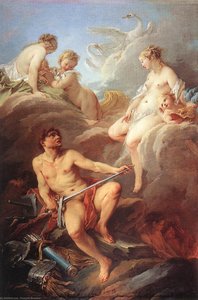
11Juno Asking Aeolus to Release the Winds (1769) ავტორის: ფრანსუა ბუშეJuno Asking Aeolus to Release the Winds1769 · კიმბელის ხელოვნების მუზეუმი 12Study for The Bath of Venus (1751) ავტორის: ფრანსუა ბუშეStudy for The Bath of Venus1751 · ერმიტაჟის მუზეუმი 13Painter in his Studio ავტორის: ფრანსუა ბუშეPainter in his Studioლუვრი 14The Setting of the Sun (1752) ავტორის: ფრანსუა ბუშეThe Setting of the Sun1752 · Wallace Collection 15Young Woman Sleeping (1760) ავტორის: ფრანსუა ბუშეYoung Woman Sleeping1760 · ერმიტაჟის მუზეუმი 16The Forest (1740) ავტორის: ფრანსუა ბუშეThe Forest1740 · ლუვრი 17Vertumnus and Pomona ავტორის: ფრანსუა ბუშეVertumnus and Pomonaბავარიის სახელმწიფო ფერწერის კოლექციები 18Madame de Pompadour (1754) ავტორის: ფრანსუა ბუშეMadame de Pompadour1754 · National Gallery of Victoria 19Mill at Charenton (1758) ავტორის: ფრანსუა ბუშეMill at Charenton1758 · ტოლედოს ხელოვნების მუზეუმი 20Madame de Pompadour (1758) ავტორის: ფრანსუა ბუშეMadame de Pompadour1758 · ვიქტორია და ალბერტის მუზეუმი 21Young Country Girl Dancing (1770) ავტორის: ფრანსუა ბუშეYoung Country Girl Dancing1770 · Art Gallery of Ontario 22Blond Odalisque (L'Odalisque Blonde) (1752) ავტორის: ფრანსუა ბუშეBlond Odalisque (L'Odalisque Blonde)1752 · ალტერ პინაკოთეკა 23The Mill (1751) ავტორის: ფრანსუა ბუშეThe Mill1751 · ლუვრი 24The Afternoon Meal (1739) ავტორის: ფრანსუა ბუშეThe Afternoon Meal1739 · ლუვრი 25Imaginary Landscape with the Palatine Hill from Campo Vaccino (1730) ავტორის: ფრანსუა ბუშეImaginary Landscape with the Palatine Hill from Campo Vaccino1730 · მეტროპოლიტენის ხელოვნების მუზეუმი 26Pastorale (1760) ავტორის: ფრანსუა ბუშეPastorale1760 · Staatliche Kunsthalle Karlsruhe 27Vertumnus and Pomona (1757) ავტორის: ფრანსუა ბუშეVertumnus and Pomona1757 · სან-ფრანცისკოს fine arts მუზეუმები 28Death of Meleager (1727) ავტორის: ფრანსუა ბუშეDeath of Meleager1727 · লস অ্যাნჯელესის ოლეული ოლქის ხელოვნების მუზეუმი 29Venus in the Workshop of Vulcan (1757) ავტორის: ფრანსუა ბუშეVenus in the Workshop of Vulcan1757 · იეილის უნივერსიტეტის სახელოვნებო გალერეა 30Standing Nude Girl ავტორის: ფრანსუა ბუშეStanding Nude Girlალბერტინა 31Arcadian Nymphs Making Music (1770) ავტორის: ფრანსუა ბუშეArcadian Nymphs Making Music1770 · ვიქტორია და ალბერტის მუზეუმი 32Triumph of Venus ავტორის: ფრანსუა ბუშეTriumph of Venusერმიტაჟის მუზეუმი 33Landscape with a Pond (1746) ავტორის: ფრანსუა ბუშეLandscape with a Pond1746 · ერმიტაჟის მუზეუმი 34Washerwomen (1768) ავტორის: ფრანსუა ბუშეWasherwomen1768 · მეტროპოლიტენის ხელოვნების მუზეუმი 35The Billet-Doux ავტორის: ფრანსუა ბუშეThe Billet-Doux 36Venus and Mercury Instructing Cupid (1738) ავტორის: ფრანსუა ბუშეVenus and Mercury Instructing Cupid1738 · লস অ্যাნჯელესის ოლეული ოლქის ხელოვნების მუზეუმი 37Monument to Mignard (1735) ავტორის: ფრანსუა ბუშეMonument to Mignard1735 · লস অ্যাნჯელესის ოლეული ოლქის ხელოვნების მუზეუმი 38Venus Demanding Arms from Vulcan for Aeneas (1732) ავტორის: ფრანსუა ბუშეVenus Demanding Arms from Vulcan for Aeneas1732 · ლუვრი 39Young Girl and Eros (1750) ავტორის: ფრანსუა ბუშეYoung Girl and Eros1750 · დეტროიტის ხელოვნების ინსტიტუტი 40The Rising of the Sun (1750) ავტორის: ფრანსუა ბუშეThe Rising of the Sun1750 · Plantin-Moretus Museum 41Hercules and Omphale (1735) ავტორის: ფრანსუა ბუშეHercules and Omphale1735 · პუშკინის სახელმწიფო ხელოვნების მუზეუმი 42Project for a Cartouche: An Allegory of Minerva, Fame, History and Faith Overcoming Ignorance and Time (1727) ავტორის: ფრანსუა ბუშეProject for a Cartouche: An Allegory of Minerva, Fame, History and Faith Overcoming Ignorance and Time1727 · লস অ্যাნჯელესის ოლეული ოლქის ხელოვნების მუზეუმი 43A young lady holding a pug dog (1745) ავტორის: ფრანსუა ბუშეA young lady holding a pug dog1745 · Art Gallery of New South Wales 44Saint John the Baptist (1755) ავტორის: ფრანსუა ბუშეSaint John the Baptist1755 · Minneapolis Institute of Art 45Bathing Nymph (1747) ავტორის: ფრანსუა ბუშეBathing Nymph1747 · ჩიკაგოს ხელოვნების ინსტიტუტი 46River Landscape with an Antique Temple (1762) ავტორის: ფრანსუა ბუშეRiver Landscape with an Antique Temple1762 · თისენ-ბორნემიმზას მუზეუმი 47The Modiste (1746) ავტორის: ფრანსუა ბუშეThe Modiste1746 · Wallace Collection 48Head of a Young Girl (1750) ავტორის: ფრანსუა ბუშეHead of a Young Girl1750 · ერმიტაჟის მუზეუმი 49The Beautiful Country Woman (1732) ავტორის: ფრანსუა ბუშეThe Beautiful Country Woman1732 · ნორტონ სიმონის მუზეუმი 50The Distorted Child (1742) ავტორის: ფრანსუა ბუშეThe Distorted Child1742 · Staatliche Kunsthalle Karlsruhe 51Breakfast ავტორის: ფრანსუა ბუშეBreakfast 52Diana and Callisto (1760) ავტორის: ფრანსუა ბუშეDiana and Callisto1760 · სლოვაკეთის ეროვნული გალერეა ბრატისლავაში 53Cupids. Allegory of Painting (1760) ავტორის: ფრანსუა ბუშეCupids. Allegory of Painting1760 · ერმიტაჟის მუზეუმი 54Pastoral (1730) ავტორის: ფრანსუა ბუშეPastoral1730 · Walters Art Museum 55A Pastoral Scene ('La Jardiniere Endormie') (1762) ავტორის: ფრანსუა ბუშეA Pastoral Scene ('La Jardiniere Endormie')1762 · შოტლანდიის ეროვნული გალერეა 56Virgin and Child with the Young Saint John the Baptist and Angels (1765) ავტორის: ფრანსუა ბუშეVirgin and Child with the Young Saint John the Baptist and Angels1765 · მეტროპოლიტენის ხელოვნების მუზეუმი 57The Cherry Gatherers (1768) ავტორის: ფრანსუა ბუშეThe Cherry Gatherers1768 · კენვუდ ჰაუსი 58A Pastoral Scene ('L'Offrande a la Villageoise') (1761) ავტორის: ფრანსუა ბუშეA Pastoral Scene ('L'Offrande a la Villageoise')1761 · შოტლანდიის ეროვნული გალერეა 59Allegory of Autumn (1753) ავტორის: ფრანსუა ბუშეAllegory of Autumn1753 · მეტროპოლიტენის ხელოვნების მუზეუმი 60The Education of Cupid (1742) ავტორის: ფრანსუა ბუშეThe Education of Cupid1742 · შარლოტენბურგის სასახლე 61The Birth of Venus (1740) ავტორის: ფრანსუა ბუშეThe Birth of Venus1740 · Nationalmuseum 62The Judgement of Susannah (1720) ავტორის: ფრანსუა ბუშეThe Judgement of Susannah1720 · კანადის ეროვნული გალერეა 63The Sleep of Loves (1725) ავტორის: ფრანსუა ბუშეThe Sleep of Loves1725 64Rebecca Receiving from the Hands of Eliezer the Gifts of Abraham (1728) ავტორის: ფრანსუა ბუშეRebecca Receiving from the Hands of Eliezer the Gifts of Abraham1728 65The Sacrifice of Gideon (1728) ავტორის: ფრანსუა ბუშეThe Sacrifice of Gideon1728 66Rest at the Fountain (1730) ავტორის: ფრანსუა ბუშეRest at the Fountain1730 · ბავარიის სახელმწიფო ფერწერის კოლექციები 67The Hunting Breakfast, Sketch. (1733) ავტორის: ფრანსუა ბუშეThe Hunting Breakfast, Sketch.1733 68"La Fontaine", Rococo Scene at the Fountain (1728) ავტორის: ფრანსუა ბუშე"La Fontaine", Rococo Scene at the Fountain1728 69Rebecca receives Abraham's gifts from Eliezer (1725) ავტორის: ფრანსუა ბუშეRebecca receives Abraham's gifts from Eliezer1725 · Musée Des Beaux 70Mercury Confiding the Infant Bacchus to the Nymphs (1733) ავტორის: ფრანსუა ბუშეMercury Confiding the Infant Bacchus to the Nymphs1733 · Wallace Collection 71Bacchus and Erigone (1745) ავტორის: ფრანსუა ბუშეBacchus and Erigone1745 · Wallace Collection 72Bird-Catching Cherubs (1732) ავტორის: ფრანსუა ბუშეBird-Catching Cherubs1732 · Rhode Island School of Design Museum of Art 73Head of a Young Woman (1732) ავტორის: ფრანსუა ბუშეHead of a Young Woman1732 · კლივল্যান্ডের ხელოვნების მუზეუმი 74'La vie champêtre' (1728) ავტორის: ფრანსუა ბუშე'La vie champêtre'1728 · Belton House 75La Femme au Chat: Les caresses dangereuses (1731) ავტორის: ფრანსუა ბუშეLa Femme au Chat: Les caresses dangereuses1731 · სან-ფრანცისკოს fine arts მუზეუმები 76The Bird Catchers (1748) ავტორის: ფრანსუა ბუშეThe Bird Catchers1748 · ჟან პოლ გეტის მუზეუმი 77Putti with Birds (1730) ავტორის: ფრანსუა ბუშეPutti with Birds1730 · Honolulu Museum of Art 78sleeping Amor (1728) ავტორის: ფრანსუა ბუშეsleeping Amor1728 79boy playing with a dog (1728) ავტორის: ფრანსუა ბუშეboy playing with a dog1728 · Musée d'Art et d'Histoire de Cholet Native Name 80Allegory of Autumn: Putti Playing with a Goat (1730) ავტორის: ფრანსუა ბუშეAllegory of Autumn: Putti Playing with a Goat1730 81Five Naked Children Playing by a Rocky Pool (1732) ავტორის: ფრანსუა ბუშეFive Naked Children Playing by a Rocky Pool1732 · National Trust Waddesdon Manor 82The Forges of Vulcan (1737) ავტორის: ფრანსუა ბუშეThe Forges of Vulcan1737 83Pastoral Subject. The Sleeping Shepherdess (1743) ავტორის: ფრანსუა ბუშეPastoral Subject. The Sleeping Shepherdess1743 · Palais Bourbon 84The Marriage of Cupid and Psyche (1744) ავტორის: ფრანსუა ბუშეThe Marriage of Cupid and Psyche1744 · რუანის fine arts museum 85Stable interior with amorous scene (1735) ავტორის: ფრანსუა ბუშეStable interior with amorous scene1735 · Musée Cognacq-Jay 86Air: Three Putti with Birds (1741) ავტორის: ფრანსუა ბუშეAir: Three Putti with Birds1741 · ვიქტორია და ალბერტის მუზეუმი 87The Egg Seller (1734) ავტორის: ფრანსუა ბუშეThe Egg Seller1734 · Wadsworth Atheneum 88Cupid and the Three Graces (1738) ავტორის: ფრანსუა ბუშეCupid and the Three Graces1738 · Calouste Gulbenkian Museum 89Cupids in Conspiracy (1740) ავტორის: ფრანსუა ბუშეCupids in Conspiracy1740 · კლივল্যান্ডের ხელოვნების მუზეუმი 90Music and Dance (1740) ავტორის: ფრანსუა ბუშეMusic and Dance1740 · კლივল্যান্ডের ხელოვნების მუზეუმი 91Mercury Entrusting the Infant Bacchus to the Nymphs of Nysa (1734) ავტორის: ფრანსუა ბუშეMercury Entrusting the Infant Bacchus to the Nymphs of Nysa1734 · Cincinnati Art Museum 92Rural idyll (1735) ავტორის: ფრანსუა ბუშეRural idyll1735 · ბავარიის სახელმწიფო ფერწერის კოლექციები 93The Nest, also known as the Berger Present (1737) ავტორის: ფრანსუა ბუშეThe Nest, also known as the Berger Present1737 94Young Lady with a Muff (1737) ავტორის: ფრანსუა ბუშეYoung Lady with a Muff1737 95Putti as Fisherman (1744) ავტორის: ფრანსუა ბუშეPutti as Fisherman1744 · ჰიუსტონის fine arts მუზეუმი 96Cupid Wounding Psyche (1741) ავტორის: ფრანსუა ბუშეCupid Wounding Psyche1741 · লস অ্যাნჯელესის ოლეული ოლქის ხელოვნების მუზეუმი 97Young Woman with Flowers in Her Hair (1734) ავტორის: ფრანსუა ბუშეYoung Woman with Flowers in Her Hair1734 · ბოსტონის fine arts-ის მუზეუმი 98The Rest of the Holy Family during the Flight into Egypt (1744) ავტორის: ფრანსუა ბუშეThe Rest of the Holy Family during the Flight into Egypt1744 · Statens Museum For Kunst 99Leopard hunt (1736) ავტორის: ფრანსუა ბუშეLeopard hunt1736 · Musée de Picardie 100Crocodile hunt (1739) ავტორის: ფრანსუა ბუშეCrocodile hunt1739 · Musée de Picardie

ფრანსუა ბუშე-ის ცნობილი სურათები, პერიოდების მიხედვით

სუბიექტები, რომლებმაც ფრანსუა ბუშე-ის ყურადღება მიიპყრო

ამ ორიგინალებში ყველაზე ხშირად განმეორებადი არის 네 თემა, რომელთაგან თითოეულს თავისი საუკეთესო ნიმუში წარმოგვიდგება.

მუზეუმები, სადაც ფრანსუა ბუშე-ის ორიგინალები ინახება

ამ გვერდზე წარმოდგენილი მხატვრობის შედეგების უმეტესობას 8 მუზეუმი ინახავს.

მუზეუმი ქალაქი ფრანსუა ბუშე შემოქმედებაలు ამ სიიდან მოპოვებული ნახატები
ერმიტაჟის მუზეუმი, სან-პეტერბურგიერმიტაჟის მუზეუმი სან-პეტერბურგი 11 Study for The Bath of Venus, Young Woman Sleeping, Triumph of Venus
მეტროპოლიტენის ხელოვნების მუზეუმი, ნიუ-იორკიმეტროპოლიტენის ხელოვნების მუზეუმი ნიუ-იორკი 13 The Interrupted Sleep, Imaginary Landscape with the Palatine Hill from Campo Vaccino, Washerwomen
ლუვრი, პარიზილუვრი პარიზი 8 Painter in his Studio, The Forest, The Mill
লস অ্যাნჯელესის ოლეული ოლქის ხელოვნების მუზეუმი, ლოს-ანჯელესიলস অ্যাნჯელესის ოლეული ოლქის ხელოვნების მუზეუმი ლოს-ანჯელესი 6 Death of Meleager, Venus and Mercury Instructing Cupid, Monument to Mignard
Wallace Collection, ლონდონიWallace Collection ლონდონი 21 The Setting of the Sun, The Modiste, Mercury Confiding the Infant Bacchus to the Nymphs
შოტლანდიის ეროვნული გალერეა, ედინბურგიშოტლანდიის ეროვნული გალერეა ედინბურგი 5 Madame de Pompadour (Jeanne-Antoinette Poisson, 1721 - 1764), A Pastoral Scene ('La Jardiniere Endormie'), A Pastoral Scene ('L'Offrande a la Villageoise')
კლივল্যান্ডের ხელოვნების მუზეუმი, კლივლენდიკლივল্যান্ডের ხელოვნების მუზეუმი კლივლენდი 5 Head of a Young Woman, Cupids in Conspiracy, Music and Dance
კიმბელის ხელოვნების მუზეუმი, ფორტ-ვორთიკიმბელის ხელოვნების მუზეუმი ფორტ-ვორთი 4 Venus at Vulcan, Boreas Abducting Oreithyia, Juno Asking Aeolus to Release the Winds

ფრანსუა ბუშე ათწლეულების მიხედვით: ორიგინალი, რომელიც განსაზღვრავს თითოეულ მათგანს

ნამუშევრები ათწლეულების მიხედვით

შეარჩიეთ ათწლეული, რათა ნახოთ ის ორიგინალი ნამუშევარი, რომელიც მას განსაზღვრავს.

კოლექციონერთა კითხვები ფრანსუა ბუშე-ის ნახატებზე

რა ნამუშწარესით არის ყველაზე ცნობილი ფრანსუა ბუშე?გაამჟღავნეთ პასუხი

დიანა ბანის შემდეგ (1742). შემდეგ მოდიან ბუგეროს ანგელოზთა სიმღერა და Madame de Pompadour (Jeanne-Antoinette Poisson, 1721 - 1764) (1758).

რამდენage იყო ფრანსუა ბუშე, როდესაც შეიქმნა დიანა ბანის შემდეგ?გაამჟღავნეთ პასუხი

39 წლის: დიანა ბანის შემდეგ შექმნილია 1742 წელს, ხოლო ფრანსუა ბუშე დაიბადა 1703 წელს.

რა არის ფრანსუა ბუშე-ის 열 иң ცნობილი 열ი ტილო?გაამჟღავნეთ პასუხი

დიანა ბანის შემდეგ, ბუგეროს ანგელოზთა სიმღერა, Madame de Pompadour (Jeanne-Antoinette Poisson, 1721 - 1764), Madame Bergeret, The Interrupted Sleep, The Setting of the Sun, Pastoral Scene, Venus at Vulcan, The Toilette და Boreas Abducting Oreithyia. ზემოთ მოცემული რეიტინგი ასახავს თითოეულის შემოქმედების წელსა და მუზეუმს.

რამდენი სურათი დატოვა ფრანსუა ბუშე-მა?გაამჟღავნეთ პასუხი

ჩვენს კატალოგში წარმოდგენილია 377 ნამუშწევრი ფრანსუა ბუშე-ისგან, დათარიღებული 1720-დან 1770-მდე.

რომელ მუზეუმებშია და hangs ფრანსუა ბუშე-ის შედევრული ნამუშევრები?გაამჟღავნეთ პასუხი

ძირითადად ერმიტაჟის მუზეუმი (სან-პეტერბურგი), მეტროპოლიტენის ხელოვნების მუზეუმი (ნიუ-იორკი) და ლუვრი (პარიზი)-ში. ზემოთ მოცემულ მუზეუმების ცხრილში ისინი ყველა listed.

მათ რომელ წლებში შექმნა ფრანსუა ბუშე-მა ყველაზე ცნობილი ნამუშევრები?გაამჟღავნეთ პასუხი

1730s-ში: ამ გვერდზე წარმოდგენილი 100 ნამუშწარwerksიდან 28 შეიქმნა მაშინ, მათგან The Afternoon Meal.

რა არის ფრანსუა ბუშე-ის პირველი და ბოლო ცნობილი ორიგინალი?გაამჟღავნეთ პასუხი

ამ გვერდზე ყველაზე ადრეული არის The Judgement of Susannah (1720), ხოლო ყველაზე გვიანდელი — Young Country Girl Dancing (1770).

რომელ თემებს ირჩევდა ფრანსუა ბუშე ყველაზე ხშირად?გაამჟღავნეთ პასუხი

Woman (33), Clouds (23) და Trees (21), ამ გვერდზე წარმოდგენილ 100 ნამუშწარეს შორის.

რომელ ტექნიკას იყენებდა ფრანსუა ბუშე ყველაზე ხშირად?გაამჟღავნეთ პასუხი

Oil On Canvas, ამ გვერდზე არსებული 100 ნამუშწაროსგან 73 ცალიდან.

რა ხელოვნების მიმართულებას მიეკუთვნება ფრანსუა ბუშე?გაამჟღავნეთ პასუხი

Როკოკო, ამ გვერდზე წარმოდგენილი ორიგინალების მიხედვით.

ფრანსუა ბუშე-ის რომელ ნამუშევრებს ჰქ나 ერმიტაჟის მუზეუმი-ში?გაამჟღავნეთ პასუხი

Study for The Bath of Venus, Young Woman Sleeping და Triumph of Venus: ერმიტაჟის მუზეუმი, სან-პეტერბურგი-ში წარმოდგენილია ამ გვერდზე მოცემული ნამუშევრების 6 ცალი.

ფრანსუა ბუშე: ცხოვრება და შემოქმედება

Early Life, Family and Training

In the bustling streets of Paris, France, the story of François Boucher began on September 29, 1703. He was born into a household where the visual arts were already a way of life, being the son of Nicolas Boucher, a man who earned his living as a lace designer. This early exposure to the intricacies of pattern and design likely shaped the young boy's eye for detail long before he ever held a brush to canvas. His father provided the first lessons, instilling in him the foundational skills required to navigate the competitive artistic circles of the city.

As the boy grew, his talent caught the attention of those already established in the craft. At the age of seventeen, François Boucher was apprenticed to François Lemoyne, a man of significant standing. This period of instruction was brief, however, as the young artist's path took a sudden turn after only three months. He moved from the guidance of Lemoyne to work under the engraver Jean-François Cars, a transition that allowed him to master the precision of line and the mechanics of printmaking.

Ambition and talent soon converged in a moment of great triumph. In 1720, François Boucher achieved a distinction that would alter the course of his life: he won the prestigious Grand Prix de Rome. This victory was no small feat, marking him as a rising force among his peers and providing the momentum necessary to move beyond the workshops of Paris and toward the grander stages of European art.

Artistic Development and Italian Influence

After securing the prestigious Grand Prix de Rome, the young artist set his sights on Italy. He arrived in Rome in 1728 to study at the French Academy, a period that would fundamentally shape his artistic sensibilities. The classical ideals he encountered in the Italian light and the works of the masters did not merely teach him technique; they instilled in him a new way of seeing. He found himself drawn to the expressive brushwork and the rustic, painterly approach of the Baroque masters, a preference that would eventually set him apart from the more rigid academic traditions of his peers.

Upon his return to France, his ascent through the ranks of the art establishment was swift. He was admitted to the Académie Royale de Peinture et de Sculpture in 1731, and by 1734, he had achieved the status of a historical painter within the Academy. This formal recognition provided the foundation for a career that would soon move from the quiet study of classical forms to the bustling, opulent life of the French court. His early successes were built upon this marriage of rigorous training and the spirited, expressive lessons learned during his years abroad.

Patrons, Workshop and Commissions

Success in the French court often required more than mere talent; it demanded the favor of those who held the keys to royal taste. Boucher found such a powerful ally in Madame de Pompadour, the influential mistress of King Louis XV. Their connection was profound, as she became his most prominent client, commissioning a variety of works that helped define the visual language of her era. Through her support, his reputation grew from that of a skilled painter to a figure central to the very identity of the French court.

His influence eventually permeated the very institutions that governed French art. In 1755, he was appointed Director of the Royal Gobelins Manufactory, a position that allowed his vision to extend into the realm of decorative arts. He also lent his hand to the Beauvais workshops, where his designs were transformed into woven works. His creativity was not confined to the canvas; he moved through the world of the theater, designing both the costumes and the sets that brought dramatic spectacles to life. This versatility ensured that his aesthetic was felt in every corner of aristocratic life, from the walls of a palace to the stage of a play.

The height of his official recognition arrived in 1765, when he was named Premier Peintre du Roi. This title of First Painter to the King marked his ascent to the pinnacle of his profession. He had become a man whose name was synonymous with the era, a creator whose work was sought by the highest powers in the land. His career was a steady climb through the ranks of the Academy, moving from professor to rector, and finally to the service of the crown itself.

Technique and Rococo Style

Boucher moved through the world of art with a preference for the light and the lovely, often turning his back on the heavy shadows of the past. His hand was guided by a delicate brushwork that favored luminous colors and a soft, pastel palette. He sought to capture a sense of pleasure and grace, often utilizing asymmetrical compositions to create a feeling of movement and ease. This approach allowed him to transform even the most serious mythological narratives into scenes of passion and intimate eroticism, where the gods appeared more like playful lovers than distant deities.

There was a certain defiance in the way he viewed the natural world. He famously remarked that nature was "trop verte et mal éclairée"—too green and badly lit—suggesting that the raw, unadorned world lacked the refinement he sought to provide. Instead of the stark reality of the outdoors, he preferred to construct an idealized, idyllic realm. In his hands, the landscape became a stage for leisure and beauty, a place where the light always seemed to fall just right to flatter the skin of his subjects.

His skill extended beyond the canvas to the very textures of his subjects. He possessed a meticulous attention to detail, particularly when rendering the sheen of fine fabrics or the softness of human flesh. This technical precision helped him define the visual language of the French Rococo, creating a world of luxury and refinement that mirrored the tastes of the court. His work was not merely about the depiction of a scene, but about the creation of an atmosphere of elegance and sophisticated delight.

Key Works and Masterpieces

As his talent blossomed within the halls of the Academy, Boucher sought to prove his worth through the grand narratives of antiquity. In 1734, he presented Rinaldo and Armida as his morceau de réception, a work that signaled his arrival among the masters of the age. This piece allowed him to demonstrate a command over mythological drama, setting the stage for a career defined by the pursuit of grace and the depiction of idealized beauty.

His brush found its most frequent subjects in the divine and the sensual. Around 1740, he completed The Birth of Venus, a canvas that captured the goddess emerging from the sea foam. This fascination with the feminine and the mythological continued into the 1750s. In 1751, he produced The Toilet of Venus and Venus, consoling Love, works that emphasized the soft textures of skin and the playful, intimate nature of his compositions. These paintings reflected a world where even the gods lived in a state of refined leisure.

Beyond the myths, Boucher’s hand was frequently called upon to capture the likenesses of those who held the reins of French influence. His 1756 Portrait of Marquise de Pompadour remains a significant record of his most important patron. Through such portraits, he translated the elegance of the court into a visual language of pastel hues and sophisticated poise.

Where to See the Works Today

To witness the legacy of this painter, one must travel across many lands, for his hand reached far beyond the borders of France. In Paris, the Louvre holds several of his canvases, preserving the spirit of the courtly life he so carefully rendered. Those who seek his touch in the Americas will find much of his output in the Metropolitan Museum of Art in New York, where his scenes of leisure and mythology remain on public view. His presence is felt in many halls, as his art was sought by many who valued the elegance of his brush.

The reach of his talent extends into the great collections of the East and the West. In Saint Petersburg, the Hermitage Museum houses his art, keeping his vision alive for those who wander through its vast galleries. Meanwhile, in Fort Worth, the Kimbell Art Museum holds his works, allowing modern viewers to encounter the soft palettes and mythological themes that defined his career. His paintings reside in these diverse sanctuaries, waiting for the curious eye to find them.