Portrait of ედგარ დეგა

ედგარ დეგა Paintings: The 100 Most Famous, Through a Gallery's Eye

Updated ოქტომბერი 2026 · ranked by our popularity score (searches, visits and orders for each work) · 1 074 works by ედგარ დეგა in our catalogue

In short

To the gallery's eye, ედგარ დეგა's most famous painting is აბსინთის მწველი (1876), whose original hangs in the Musée d'Orsay, პარიზი. ქალი, რომელიც თავს წმენდს and رقصের ক্লাস (1873) complete the trio every eye recognises. Of the 1,074 works by ედგარ დეგა in our catalog, the gallery presents the 100 most famous below, each original with its year, its museum and what makes it unique.

1834 – 1917, პარიზი Იმპრესიონიზმი Most works: მეტროპოლიტენის ხელოვნების მუზეუმი

The gallery's top 10 ედგარ დეგა paintings

1
აბსინთის მწველი (1876) by ედგარ დეგა

აბსინთის მწველი

1876 · ზეთი ტილოზე · Musée d'Orsay, პარიზი

Edgar Degas' "The Absinthe Drinker" (1876) is a poignant portrayal of Parisian café culture, capturing the solitude and introspection of urban life in the 19th century. This masterpiece invites viewers into a moment of quiet contemplation, where two figures sit side by side yet remain worlds apart, each absorbed in their own thoughts.

2
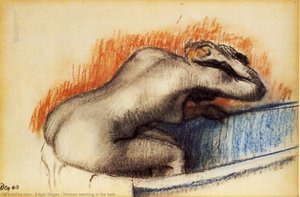
ქალი, რომელიც თავს წმენდს by ედგარ დეგა

ქალი, რომელიც თავს წმენდს

აკრილი ტილოზე · ნაციონალური გალერეა, ლონდონი

A Moment of Intimate Repose: Exploring Degas’ “Woman Drying Herself” Edgar Degas's "Woman Drying Herself" is a captivating pastel drawing that embodies the spirit of Impressionism and, more specifically, the *Intimist* movement. This work isn’t merely a depiction of a nude; it’s an exploration of private moments, vulnerability, and the quiet beauty of everyday life – themes central to Degas' artistic vision. The artwork invites us into a fleeting, personal…

3
رقصের ক্লাস (1873) by ედგარ დეგა

رقصের ক্লাস

1873 · ზეთი ტილოზე · Musée d'Orsay, პარიზი

To step into Edgar Degas’s “The Dance Class” is to transcend the boundaries of time and enter a sanctuary of disciplined grace. Painted around 1873, this masterpiece does not merely present a scene of balletic rehearsal; it offers an intimate, almost voyeuristic window into the quiet intensity of the dance studio. Unlike the grand, staged spectacles often associated with the opera, Degas directs our gaze toward the unvarnished reality of…

4
The Bellelli Family by ედგარ დეგა

The Bellelli Family

Oil On Canvas · Musée d'Orsay, პარიზი

In the quiet, shadowed corners of a Parisian room, Edgar Degas captures something far more profound than a mere family gathering. The Bellelli Family, painted between 1858 and 1867, stands as an exquisite masterwork that transcends the boundaries of traditional portraiture. It is not simply a record of faces, but a psychological landscape where every gaze and posture whispers of unspoken tensions and deep-seated emotions. As one gazes upon this…

5
ინტერიერი (ასევე ცნობილი როგორც ძალადობა) (1868) by ედგარ დეგა

ინტერიერი (ასევე ცნობილი როგორც ძალადობა)

1868 · ზეთი ტილოზე · ფილადელფიის ხელოვნების მუზეუმი, ფილადელფია

ედგარ დეგასის „ინტერიერი“, ხშირად მოიხსენიებული როგორც „გესტაცია“, არ არის მხოლოდ картина; ეს არის გამოცდილება — ფსიქოლოგიური დაძაბულობისა და უთქმელი დრამის ყურადღებით შექმნილი ტაბლუ. 1868 წელს დასრულებული ეს გრიზაილის შედევრი ფილადელფიის ხელოვნების მუზეუმშია განთავსებული, თუმცა მისი ძალა აღემატება მის ფიზიკურ ადგილს; ის რეზონანსდება მაყურებლებთან ბევრად უფრო დიდხანს, ვიდრე ისინი გვერდით გადადიან. ეს არის ნამუშევარი, რომელიც სპეკულაციას უწვევს და აიძულებს ჩვენ, შევექცეთ ადამიანური ურთიერთობების დскомფორტულ სიმართლეს და იმ მცირე ძალადობას, რომელიც ოჯახური…

6
Portraits in a New Orleans Cotton Office by ედგარ დეგა

Portraits in a New Orleans Cotton Office

Portraits in a New Orleans Cotton Office Edgar Degas, one of the most celebrated artists of the Impressionist movement, gifted us Portraits in a New Orleans Cotton Office, an oil painting that encapsulates the very essence of his uncle’s cotton brokerage business during its calamitous bankruptcy. Completed in 1873, this masterpiece transcends mere visual representation; it stands as a testament to Degas' unparalleled skill and occupies a significant place within…

7
ბალერინების პოკი და ვარება (1885) by ედგარ დეგა

ბალერინების პოკი და ვარება

1885 · ზეთი ტილოზე · ჰილ-სტიდის მუზეუმი, ფარმინგტონი

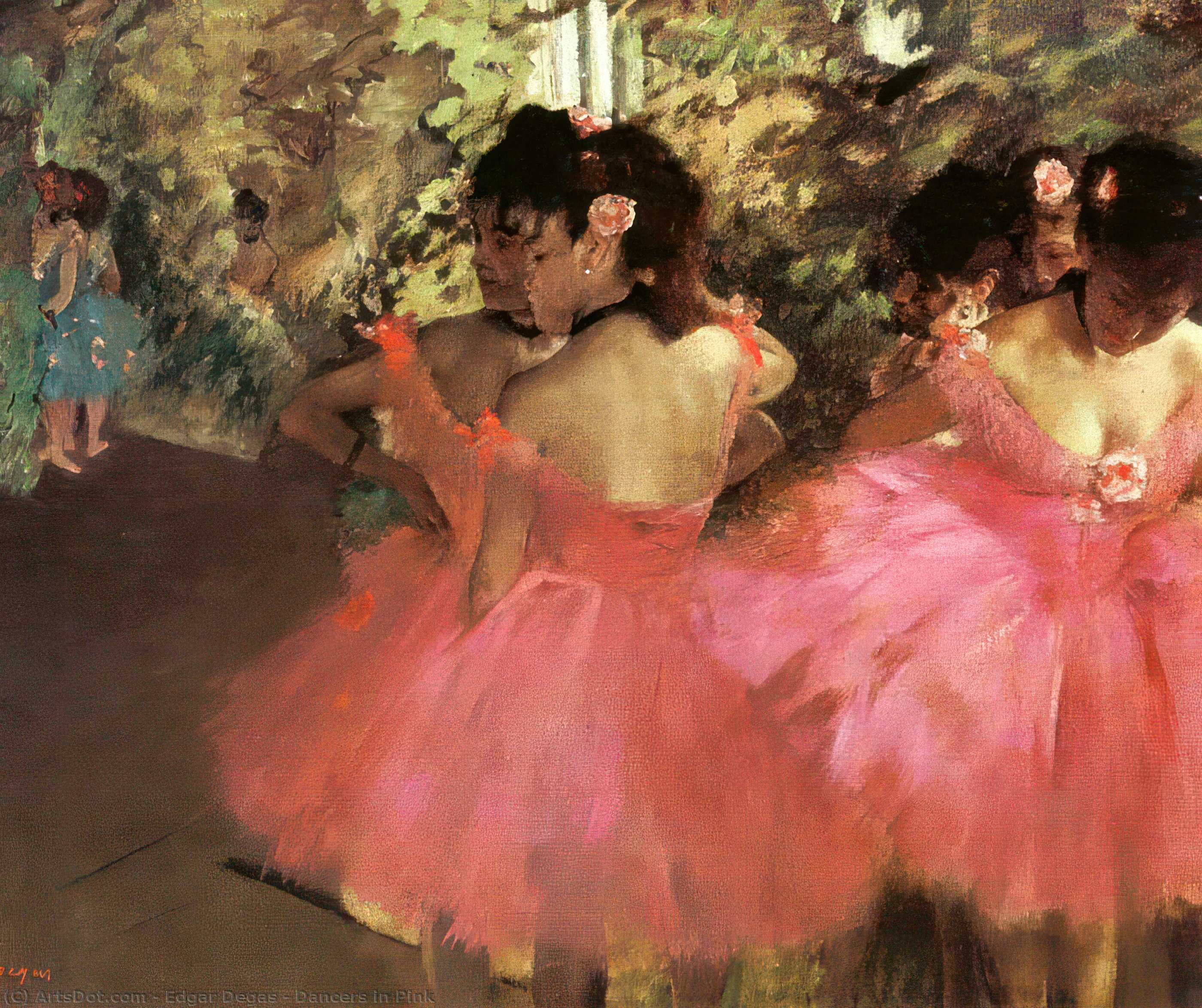
ბალეტის ელეგანტურობა და მოძრაობა იმპრესიონისტულ ბრწყინვალებაში ედგარ დეგასის „ვარდისფერი ბალერინები“ ბალეტის სამყაროს შედევრული წარმოდგენაა, რომელიც მხატვრის საფირმო იმპრესიონისტული სტილით არის შესრულებული. ეს მომხიბვლელი ნამუშევარი მაყურებელს ცეკვის დინამიკურ სამყაროში ითრევს, სადაც სიმშვიდე, მოძრაობა და ელეგანტურობა ერთმანეთს ერწყმის. ცოცხალი სცენა წარმოდგენილი ტილო ბალერინების დინამიკურ სცენას ასახავს, სადაც მათი ვარდისფერი ტუტი თბილ ფონზე ნაზად ირევა. დეგასის უნარი, დააფიქსიროს წარმოდგენის წამიერი მომენტები, ფიგურების სისწრაფეში და ენერგიაში იგრძნობა. კომპოზიცია სავსეა აქტივობით, რაც ბალეტის სტუდიის ან…

8
ბალერინა ყვებასთან ერთად მცენარე ყვება და ვარება (1878) by ედგარ დეგა

ბალერინა ყვებასთან ერთად მცენარე ყვება და ვარება

1878 · აკრილი ტილოზე

დროში გაყინული მომენტი: დეგასის „ბალერინა ყვებასთან ერთად (ბალეტის ვარსკვლავი)“ მომხიბვლელობა ედგარ დეგასის 1878 წლის შედევრი, „ბალერინა ყვებასთან ერთად (ბალეტის ვარსკვლავი)“, მხოლოდ ბალერინას გამოსახულება არ არის; ეს არის წარმავალი წამის შეკვრა — ძალისხმევასა და ელეგანტურობას შორის შეკავებული სუნთქვა. ნახატი პარიზული ბალეტის ცოცხალ სამყაროში გვაყვანს არა გრანდიოზული სანახაობის, არამედ ინტიმური დაკვირვების მეშვეობით. ახალგაზრდა მოცეკვავე, წარმოდგენის შუაგულში გაყინული, ხელში ყვავილებს აჭერს; მისი ფიგურა ერთდროულად ასხივებს ძალას და მოწყვლადობას. დეგასი არ გვთავაზობს დახვეწილ იდეალს;…

9
მისი ლოლა, სერკო ფერნანდოსთან, NG L (1879) by ედგარ დეგა

მისი ლოლა, სერკო ფერნანდოსთან, NG L

1879 · ზეთი ტილოზე

ედგარ დეგას "მის ლოლა, ცირკ ფერნანდოში" – ეს არის იმპრესიონისტული ხელოვნების შედევრი, რომელიც გვეძლევა შესაძლებლობა მოგვხვდეს ცირკის მომხიბლავი სამყაროს. 1879 წელს შესრულებულ ამ ტილოში დეგამ განსაკუთრებული ნიჭით აღიან საპოეტო და გამორჩეული მომღერალი, მის ლოლა, რომელიც თავდაჯერებულად გვევლინება ცირკის სცენაზე. ეს არ არის მხოლოდ ერთი მომენტი წარმოდგენიდან; ეს არის მოძრაობის, ემოციების და იმპრესიების სიმფონია.

10
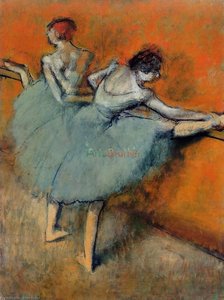
ბალერინები რიგში 1 (1888) by ედგარ დეგა

ბალერინები რიგში 1

1888 · ზეთი ტილოზე · The Phillips Collection, ვაშინგტონი, დი-სი

ედგარ დეგას "Dancers at the Barre 1" (ბალერინები სტანდარტისთან) არის იმპრესიონისტული ხელოვნების ნაწევრი, რომელიც გვეცლის ბალეტის სამყაროში და გვთავაზობს მოძრაობისა და სილამაზის მომხიბლავი ხედვას. ეს ტილო, შექმნილი 1888 წელს, წარმოადგენს დეგასის უმაღლეს ნატიზმს და მისი უნიკალური ტექნიკის შედევრს. ნახატზე გამოსახულებია ორი ბალერინა, რომლებიც სტანდარტისთან ვარჯიშობენ – ეს სცენა ასახავს ბალეტის რეპეტიციების ინტიმურ და კონცენტრირებულ გარემოს.

ედგარ დეგა paintings, ranked 11 to 100

11კაფე-კონცერტი ( ძაღლის სიმღერა) (1877) by ედგარ დეგაკაფე-კონცერტი ( ძაღლის სიმღერა)1877 12სახლის ამოცნობა აბანოში (1892) by ედგარ დეგასახლის ამოცნობა აბანოში1892 13მ간ანი (1873) by ედგარ დეგამ간ანი1873 14კაფეში, ასევე წოდებული by ედგარ დეგაკაფეში, ასევე წოდებულიგრანდ პალასი 15პარი ს და ტან ცერტი ს კ დგ ს მ ა ს კ დ გ ს მ ა ს კ დ გ ს მ ა ს კ დ გ ს მ ა ს კ დ გ ს მ ა ს კ დ გ ს მ ა ს კ დ გ ს მ ა ს კ დ გ ს მ ა ს კ დ გ ს მ ა ს კ დ გ ს მ ა ს კ დ გ ს მ ა ს კ დ გ ს მ ა ს კ დ გ ს მ ა ს კ დ გ ს მ ა ს კ დ გ ს მ ა ს კ დ გ ს მ ა ს კ დ გ ს მ (1898) by ედგარ დეგაპარი ს და ტან ცერტი ს კ დგ ს მ ა ს კ დ გ ს მ ა ს კ დ გ ს მ ა ს კ დ გ ს მ ა ს კ დ გ ს მ ა ს კ დ გ ს მ ა ს კ დ გ ს მ ა ს კ დ გ ს მ ა ს კ დ გ ს მ ა ს კ დ გ ს მ ა ს კ დ გ ს მ ა ს კ დ გ ს მ ა ს კ დ გ ს მ ა ს კ დ გ ს მ ა ს კ დ გ ს მ ა ს კ დ გ ს მ ა ს კ დ გ ს მ1898 16ბალეტის გაკვეთილი (1874) by ედგარ დეგაბალეტის გაკვეთილი1874 · მეტროპოლიტენის ხელოვნების მუზეუმი 17რაცის ცხენები ლონშამპზე (1874) by ედგარ დეგარაცის ცხენები ლონშამპზე1874 · ბოსტონის fine arts-ის მუზეუმი 18Dancer on Stage (1880) by ედგარ დეგაDancer on Stage1880 · Hamburger Kunsthalle 19Two Dancers in Their Dressing Room (1880) by ედგარ დეგაTwo Dancers in Their Dressing Room1880 · ნაციონალური გალერეა 20The Star by ედგარ დეგაThe Star 21ორი მცენჯე სცენაზე შედიან (1878) by ედგარ დეგაორი მცენჯე სცენაზე შედიან1878 22ბალერინა და ქალები ფანით (1885) by ედგარ დეგაბალერინა და ქალები ფანით1885 23The Ballet Rehearsal on Stage (1874) by ედგარ დეგაThe Ballet Rehearsal on Stage1874 24Head of a Woman (1874) by ედგარ დეგაHead of a Woman1874 · ნაციონალური გალერეა 25Two harlequins (1886) by ედგარ დეგაTwo harlequins1886 26Fan Mount: Ballet Girls (1879) by ედგარ დეგაFan Mount: Ballet Girls1879 · მეტროპოლიტენის ხელოვნების მუზეუმი 27დაჯდარი ქალი, რომელიც თმას ეწევა (1890) by ედგარ დეგადაჯდარი ქალი, რომელიც თმას ეწევა1890 · Musée d'Orsay 28Yellow Dancers (In the Wings) (1875) by ედგარ დეგაYellow Dancers (In the Wings)1875 · ჩიკაგოს ხელოვნების ინსტიტუტი 29Café Singer (1879) by ედგარ დეგაCafé Singer1879 · ჩიკაგოს ხელოვნების ინსტიტუტი 30The Milliners (1882) by ედგარ დეგაThe Milliners1882 · ჟან პოლ გეტის მუზეუმი 31Women Combing Their Hair (1876) by ედგარ დეგაWomen Combing Their Hair1876 · The Phillips Collection 32Three Dancers Preparing for Class (1878) by ედგარ დეგაThree Dancers Preparing for Class1878 · მეტროპოლიტენის ხელოვნების მუზეუმი 33ა დან სხედამ მებაღარი ქალი (1857) by ედგარ დეგაა დან სხედამ მებაღარი ქალი1857 · ბირმინგემის მუზეუმი და სახელოვნებო გალერეა 34At the Ballet (1881) by ედგარ დეგაAt the Ballet1881 35Dancer in Her Dressing Room (1879) by ედგარ დეგაDancer in Her Dressing Room1879 36The Blue Dancers by ედგარ დეგაThe Blue Dancers 37Seated Nude Combing Her Hair (1890) by ედგარ დეგაSeated Nude Combing Her Hair1890 38ცეკვავერი მის საცურავი ოთახში (1879) by ედგარ დეგაცეკვავერი მის საცურავი ოთახში1879 · ნორტონ სიმონის მუზეუმი 39Tuileries, the woman with a parasol (1877) by ედგარ დეგაTuileries, the woman with a parasol1877 · ბერელის კოლექცია 40Orchestra of the Opera (1869) by ედგარ დეგაOrchestra of the Opera1869 41The Bather (La Baigneuse) (1895) by ედგარ დეგაThe Bather (La Baigneuse)1895 · Reading Public Museum 42Russian Dancers (1899) by ედგარ დეგაRussian Dancers1899 43A Cotton Office in New Orleans (1873) by ედგარ დეგაA Cotton Office in New Orleans1873 44Woman in Blue (Portrait of Mlle. Helene Rouart) (1886) by ედგარ დეგაWoman in Blue (Portrait of Mlle. Helene Rouart)1886 45Manet at the Races (1870) by ედგარ დეგაManet at the Races1870 46Singer in Green (1884) by ედგარ დეგაSinger in Green1884 · მეტროპოლიტენის ხელოვნების მუზეუმი 47మూడు მცენდი, ლურჯกระโปรงები, წითელი ბლౌზები (1903) by ედგარ დეგაమూడు მცენდი, ლურჯกระโปรงები, წითელი ბლౌზები1903 48Женщина расчесывает волосы (1894) by ედგარ დეგაЖенщина расчесывает волосы1894 · მეტროპოლიტენის ხელოვნების მუზეუმი 49Danseuse rajustant son chausson (1880) by ედგარ დეგაDanseuse rajustant son chausson1880 50Three Dancers in Purple Skirts (1898) by ედგარ დეგაThree Dancers in Purple Skirts1898 51Woman at a Window (1872) by ედგარ დეგაWoman at a Window1872 · Courtauld Gallery 52Ballet Scene (1880) by ედგარ დეგაBallet Scene1880 · Dixon Gallery and Gardens 53Four Dancers (1902) by ედგარ დეგაFour Dancers1902 54A Carriage at the Races (1872) by ედგარ დეგაA Carriage at the Races1872 · ბოსტონის fine arts-ის მუზეუმი 55Lady with a Parasol (1871) by ედგარ დეგაLady with a Parasol1871 · Courtauld Gallery 56Ballet Rehearsal on Stage, oil on canvas, Musée (1874) by ედგარ დეგაBallet Rehearsal on Stage, oil on canvas, Musée1874 57Singer with a glove (1878) by ედგარ დეგაSinger with a glove1878 58Mme Jacques Fourchy (1883) by ედგარ დეგაMme Jacques Fourchy1883 59Field of Flax (1892) by ედგარ დეგაField of Flax1892 60The Return of the Herd (1896) by ედგარ დეგაThe Return of the Herd1896 · New Walk Museum - Art Gallery 61Женщина на диване (1872) by ედგარ დეგაЖенщина на диване1872 62ᲓᲐᲜᲐᲢᲔᲠᲔᲡᲔᴳᲐᲠᲔᲡᲔᲑᲘᲡᲔᲑᲐᲡᲔᲑᲐᲑᲔᲑᲐᲑᲔᲑᲐᲑᲔᲑᲐᲑᲔᲑᲐᲑᲔᲑᲐᲑᲔᲑᲐᲑᲔᲑᲐᲑᲔᲑᲐᲑᲔᲑᲐᲑᲔᲑᲐᲑᲔᲑᲐᲑᲔᲑᲐᲑᲔᲑᲐᲑᲔᲑᲐᲑᲔᲑᲐᲑᲔᲑᲐᲑᲔᲑᲐᲑᲔᲑᲐᲑᲔᲑᲐᲑᲔᲑᲐᲑᲔᲑᲐᲑᲔᲑᲐᲑᲔᲑᲐᲑᲔᲑᲐᲑᲔᲑᲐᲑᲔᲑᲐᲑᲔᲑᲐᲑᲔᲑᲐᲑᲔᲑᲐᲑᲔᲑᲐᲑᲔᲑᲐᲑᲔᲑᲐᲑᲔᲑᲐᲑᲔᲑᲐᲑᲔᲑᲐᲑᲔᲑᲐᲑᲔᲑᲐᲑᲔᲑᲐᲑᲔᲑᲐᲑᲔᲑᲐᲑᲔᲑᲐᲑᲔᲑᲐᲑᲔᲑᲐᲑᲔᲑᲐᲑᲔᲑᲐᲑᲔᲑᲐᲑᲔᲑᲐᲑᲔᲑᲐᲑᲔᲑᲐᲑᲔᲑᲐᲑᲔᲑᲐᲑᲔᲑᲐᲑᲔᲑᲐᲑᲔᲑᲐᲑᲔᲑᲐᲑᲔᲑᲐᲑᲔᲑᲐᲑ (1895) by ედგარ დეგაᲓᲐᲜᲐᲢᲔᲠᲔᲡᲔᴳᲐᲠᲔᲡᲔᲑᲘᲡᲔᲑᲐᲡᲔᲑᲐᲑᲔᲑᲐᲑᲔᲑᲐᲑᲔᲑᲐᲑᲔᲑᲐᲑᲔᲑᲐᲑᲔᲑᲐᲑᲔᲑᲐᲑᲔᲑᲐᲑᲔᲑᲐᲑᲔᲑᲐᲑᲔᲑᲐᲑᲔᲑᲐᲑᲔᲑᲐᲑᲔᲑᲐᲑᲔᲑᲐᲑᲔᲑᲐᲑᲔᲑᲐᲑᲔᲑᲐᲑᲔᲑᲐᲑᲔᲑᲐᲑᲔᲑᲐᲑᲔᲑᲐᲑᲔᲑᲐᲑᲔᲑᲐᲑᲔᲑᲐᲑᲔᲑᲐᲑᲔᲑᲐᲑᲔᲑᲐᲑᲔᲑᲐᲑᲔᲑᲐᲑᲔᲑᲐᲑᲔᲑᲐᲑᲔᲑᲐᲑᲔᲑᲐᲑᲔᲑᲐᲑᲔᲑᲐᲑᲔᲑᲐᲑᲔᲑᲐᲑᲔᲑᲐᲑᲔᲑᲐᲑᲔᲑᲐᲑᲔᲑᲐᲑᲔᲑᲐᲑᲔᲑᲐᲑᲔᲑᲐᲑᲔᲑᲐᲑᲔᲑᲐᲑᲔᲑᲐᲑᲔᲑᲐᲑᲔᲑᲐᲑᲔᲑᲐᲑᲔᲑᲐᲑᲔᲑᲐᲑᲔᲑᲐᲑᲔᲑᲐᲑᲔᲑᲐᲑᲔᲑᲐᲑ1895 · ნორტონ სიმონის მუზეუმი 63Woman Tying the Ribbons of Her Hat (1882) by ედგარ დეგაWoman Tying the Ribbons of Her Hat1882 64Group of Dancers (1905) by ედგარ დეგაGroup of Dancers1905 65Standing Female Figure with Bared Torso (1868) by ედგარ დეგაStanding Female Figure with Bared Torso1868 · კუნსტმუზეუ ბაზელი 66Dancer with Bouquet (1877) by ედგარ დეგაDancer with Bouquet1877 67Conversation (1895) by ედგარ დეგაConversation1895 · იალეის უნივერსიტეტის ხელოვნების გალერეა 68The Rehearsal of the Ballet on Stage (1874) by ედგარ დეგაThe Rehearsal of the Ballet on Stage1874 · მეტროპოლიტენის ხელოვნების მუზეუმი 69Two Dancers (1898) by ედგარ დეგაTwo Dancers1898 · Staatliche Kunstsammlungen Dresden 70Spanish dance (2018) by ედგარ დეგაSpanish dance2018 · Asociación Española de Pintores y Escultores 71On the Stage (1880) by ედგარ დეგაOn the Stage1880 72Horses and Jockeys (1886) by ედგარ დეგაHorses and Jockeys1886 73The Dancers (1885) by ედგარ დეგაThe Dancers1885 · მეტროპოლიტენის ხელოვნების მუზეუმი 74Four dancers, ca National Galler (1899) by ედგარ დეგაFour dancers, ca National Galler1899 · National Gallery of Art 75Dancer Tilting (1883) by ედგარ დეგაDancer Tilting1883 76Ballet Scene by ედგარ დეგაBallet SceneDixon Gallery and Gardens 77მელანქოლია (1874) by ედგარ დეგამელანქოლია1874 78Dancer's Dressing Room (1878) by ედგარ დეგაDancer's Dressing Room1878 79Три балеринки, одна с темно-бордовым поясом (1899) by ედგარ დეგაТри балеринки, одна с темно-бордовым поясом1899 80M. and Mme Edouard Manet (1869) by ედგარ დეგაM. and Mme Edouard Manet1869 81Dancers Practicing at the Barre (1877) by ედგარ დეგაDancers Practicing at the Barre1877 · მეტროპოლიტენის ხელოვნების მუზეუმი 82Woman in a Café (1877) by ედგარ დეგაWoman in a Café1877 83Dancers (1895) by ედგარ დეგაDancers1895 84Dancer Looking at the Sole of Her Right Foot (1921) by ედგარ დეგაDancer Looking at the Sole of Her Right Foot1921 · თელ-ავივის ხელოვნების მუზეუმი 85Женщина расчесывает волосы перед зеркалом (1877) by ედგარ დეგაЖенщина расчесывает волосы перед зеркалом1877 · ნორტონ სიმონის მუზეუმი 86Dancers in the Wings (1885) by ედგარ დეგაDancers in the Wings1885 87ოთხი მოცეკვავე (1900) by ედგარ დეგაოთხი მოცეკვავე1900 · National Gallery of Art 88The Tub (1889) by ედგარ დეგაThe Tub1889 89Before the Curtain Call (1892) by ედგარ დეგაBefore the Curtain Call1892 90Dancer on Stage with a Bouquet (1876) by ედგარ დეგაDancer on Stage with a Bouquet1876 91Woman with a Bandage (1873) by ედგარ დეგაWoman with a Bandage1873 · დეტროიტის ხელოვნების ინსტიტუტი 92Dancers (8) (1900) by ედგარ დეგაDancers (8)1900 93Cafe-Concert Singer (1878) by ედგარ დეგაCafe-Concert Singer1878 94The Rehearsal (1878) by ედგარ დეგაThe Rehearsal1878 · Dumbarton Oaks 95Dancers Practicing at the Barre (1877) by ედგარ დეგაDancers Practicing at the Barre1877 96Russian Dancer (1895) by ედგარ დეგაRussian Dancer1895 97Olive Trees against a Mountainous Background (1893) by ედგარ დეგაOlive Trees against a Mountainous Background1893 98View of Saint-Valery-sur-Somme (1898) by ედგარ დეგაView of Saint-Valery-sur-Somme1898 · მეტროპოლიტენის ხელოვნების მუზეუმი 99Leon Bonnat (1863) by ედგარ დეგაLeon Bonnat1863 100Two Dancers in the Studio (Dance School) (1875) by ედგარ დეგაTwo Dancers in the Studio (Dance School)1875

ედგარ დეგა's famous paintings, period by period

The subjects that held ედგარ დეგა's eye

The four subjects that come back most often in these originals, each with its finest example.

The museums that keep ედგარ დეგა's originals

The 8 museums that hold the most of the paintings on this page.

Museum City Works by ედგარ დეგა Paintings from this list
მეტროპოლიტენის ხელოვნების მუზეუმი, ნიუ-იორკიმეტროპოლიტენის ხელოვნების მუზეუმი ნიუ-იორკი 52 ბალეტის გაკვეთილი, Fan Mount: Ballet Girls, Three Dancers Preparing for Class
Musée d'Orsay, პარიზიMusée d'Orsay პარიზი 55 აბსინთის მწველი, رقصের ক্লাস, The Bellelli Family
ნაციონალური გალერეა, ლონდონინაციონალური გალერეა ლონდონი 18 ქალი, რომელიც თავს წმენდს, Two Dancers in Their Dressing Room, Head of a Woman
ნორტონ სიმონის მუზეუმი, Pasadenaნორტონ სიმონის მუზეუმი Pasadena 5 ცეკვავერი მის საცურავი ოთახში, ᲓᲐᲜᲐᲢᲔᲠᲔᲡᲔᴳᲐᲠᲔᲡᲔᲑᲘᲡᲔᲑᲐᲡᲔᲑᲐᲑᲔᲑᲐᲑᲔᲑᲐᲑᲔᲑᲐᲑᲔᲑᲐᲑᲔᲑᲐᲑᲔᲑᲐᲑᲔᲑᲐᲑᲔᲑᲐᲑᲔᲑᲐᲑᲔᲑᲐᲑᲔᲑᲐᲑᲔᲑᲐᲑᲔᲑᲐᲑᲔᲑᲐᲑᲔᲑᲐᲑᲔᲑᲐᲑᲔᲑᲐᲑᲔᲑᲐᲑᲔᲑᲐᲑᲔᲑᲐᲑᲔᲑᲐᲑᲔᲑᲐᲑᲔᲑᲐᲑᲔᲑᲐᲑᲔᲑᲐᲑᲔᲑᲐᲑᲔᲑᲐᲑᲔᲑᲐᲑᲔᲑᲐᲑᲔᲑᲐᲑᲔᲑᲐᲑᲔᲑᲐᲑᲔᲑᲐᲑᲔᲑᲐᲑᲔᲑᲐᲑᲔᲑᲐᲑᲔᲑᲐᲑᲔᲑᲐᲑᲔᲑᲐᲑᲔᲑᲐᲑᲔᲑᲐᲑᲔᲑᲐᲑᲔᲑᲐᲑᲔᲑᲐᲑᲔᲑᲐᲑᲔᲑᲐᲑᲔᲑᲐᲑᲔᲑᲐᲑᲔᲑᲐᲑᲔᲑᲐᲑᲔᲑᲐᲑᲔᲑᲐᲑᲔᲑᲐᲑᲔᲑᲐᲑᲔᲑᲐᲑᲔᲑᲐᲑᲔᲑᲐᲑ, Женщина расчесывает волосы перед зеркалом
National Gallery of Art, ვაშინგტონიNational Gallery of Art ვაშინგტონი 28 Four dancers, ca National Galler, ოთხი მოცეკვავე
ბოსტონის fine arts-ის მუზეუმი, ბოსტონიბოსტონის fine arts-ის მუზეუმი ბოსტონი 10 რაცის ცხენები ლონშამპზე, A Carriage at the Races
ჩიკაგოს ხელოვნების ინსტიტუტი, ჩიკაგოჩიკაგოს ხელოვნების ინსტიტუტი ჩიკაგო 8 Yellow Dancers (In the Wings), Café Singer
Courtauld Gallery, ლონდონიCourtauld Gallery ლონდონი 7 Woman at a Window, Lady with a Parasol

ედგარ დეგა, one signature painting per decade

Works per decade

Pick a decade to see the original that defines it.

ედგარ დეგა's paintings: the gallery answers

Which ედგარ დეგა painting is the most famous of all?Reveal the answer

აბსინთის მწველი (1876), Musée d'Orsay, პარიზი. ქალი, რომელიც თავს წმენდს and رقصের ক্লাস (1873) come next.

How old was ედგარ დეგა on completing აბსინთის მწველი?Reveal the answer

42 years old: აბსინთის მწველი dates from 1876, and ედგარ დეგა was born in 1834.

Which are ედგარ დეგა's top 10 paintings?Reveal the answer

აბსინთის მწველი, ქალი, რომელიც თავს წმენდს, رقصের ক্লাস, The Bellelli Family, ინტერიერი (ასევე ცნობილი როგორც ძალადობა), Portraits in a New Orleans Cotton Office, ბალერინების პოკი და ვარება, ბალერინა ყვებასთან ერთად მცენარე ყვება და ვარება, მისი ლოლა, სერკო ფერნანდოსთან, NG L and ბალერინები რიგში 1. The ranking above gives each one's year and museum.

How many works did ედგარ დეგა create?Reveal the answer

Our catalog holds 1,074 works by ედგარ დეგა, dated from 1857 to 1905.

Where do ედგარ დეგა's most famous originals hang?Reveal the answer

Mostly in მეტროპოლიტენის ხელოვნების მუზეუმი (ნიუ-იორკი), Musée d'Orsay (პარიზი) and ნაციონალური გალერეა (ლონდონი). The museum table above lists them all.

When did ედგარ დეგა create the most famous paintings?Reveal the answer

In 1870s: 40 of the 100 works on this page were made then, აბსინთის მწველი among them.

Which are ედგარ დეგა's earliest and latest famous works?Reveal the answer

On this page, the earliest is ა დან სხედამ მებაღარი ქალი (1857) and the latest Group of Dancers (1905).

Which subjects did ედგარ დეგა return to most?Reveal the answer

Ballet (18), Dance (14) and Dancers (12), across the 100 works on this page.

Which medium did ედგარ დეგა work in most?Reveal the answer

Oil On Canvas, for 26 of the 100 works on this page.

Which movement is ედგარ დეგა associated with?Reveal the answer

Იმპრესიონიზმი, judging by the originals on this page.

Which ედგარ დეგა originals does the მეტროპოლიტენის ხელოვნების მუზეუმი hold?Reveal the answer

ბალეტის გაკვეთილი, Fan Mount: Ballet Girls and Three Dancers Preparing for Class: the მეტროპოლიტენის ხელოვნების მუზეუმი, ნიუ-იორკი holds 9 of the works on this page.

Can I have a ედგარ დეგა painting reproduced by hand?Reveal the answer

Yes, as a reproduction: the original stays in its museum, but any painting on this page can be painted by hand for you, made to order one at a time, from the painting's own page.

ედგარ დეგა: the artist

The Life of Edgar Degas

Paris, 1834. A child is born into a moderately wealthy family to Hilaire-Germain-Edgar De Gas. The name he would eventually simplify to Edgar Degas marks the beginning of a life defined by the tension between social expectation and artistic obsession. He grows up within the sophisticated atmosphere of the French capital, a setting that will later serve as the backdrop for his observations of modern life.

The years pass in a blur of study and shifting interests. He moves from the structured environment of his upbringing toward the grit of the city's working spaces. He does not seek the sunlight of the outdoors, preferring the controlled, artificial light of the studio and the theater. His gaze settles on the dancers, the laundresses, and the racehorses of Paris, capturing the physical toll of labor and the fleeting movements of the stage. He remains a man of contradictions, often resisting the labels his contemporaries apply to him, insisting instead on his identity as a realist.

The end comes in Paris on 27 September 1917. He leaves behind a vast body of work that spans many decades, including:

Early Life, Family and Training

Paris, 1834. The son of a banker and Célestine Musson De Gas, a Creole from New Orleans, Louisiana, Hilaire-Germain-Edgar De Gas enters a world of bourgeois stability. At eleven, he is enrolled at the Lycée Louis-le-Grand. The academic path is set, yet the boy’s focus drifts toward the halls of the Louvre. By 1853, having graduated from the Lycée with a baccalauréat in literature, he bypasses his father's expectations of a legal career. Instead, he registers as a copyist in the Louvre Museum, spending his hours tracing the lines of the masters.

The training intensifies at the École des Beaux-Arts in Paris. He moves through the rigors of classical instruction, honing a precision that would define his later work. In 1855, a meeting occurs that leaves a permanent mark on his development: he meets Jean-Auguste-Dominique Ingres. The encounter cements a respect for draftsmanship and the importance of the line, even as he begins to move toward the modern subjects that would eventually define his career.

Technique and Artistic Style

Degas rejects the label of Impressionist. He prefers the term "Realist," a choice that dictates his entire approach to the canvas. He avoids the outdoor landscape and the loose, flickering brushstrokes favored by his contemporaries. Instead, he retreats into the controlled environment of the studio. Here, he masters the human form through rigorous draftsmanship. He is a superb draftsman, possessing a specific, technical command over the depiction of movement. He does not wait for the sun to hit a subject; he constructs his scenes through careful study in pencil or pastel. This preparation allows him to freeze a fleeting moment of motion with anatomical precision.

Light in a Degas composition is rarely natural. He utilizes artificial light to emphasize the figures, creating a sense of theatricality and depth. One notable method is contre-jour, where he places his subject in shadow while the background remains brightly lit. This technique isolates the figure, pulling it forward from the environment. The result is a tension between the subject and the space they inhabit, often revealing the physical strain or the quiet, unposed reality of modern life.

Key Works and Subjects

The stage and the stable dominate his visual world. More than half of his output focuses on dancers, capturing them in moments of rehearsal and performance. He moves between the grace of a pirouette and the physical strain of the dance class. Beyond the theater, he turns his gaze toward the speed of the racetrack, documenting racehorses and the jockeys who ride them. These subjects are not merely decorative; they are studies in tension and movement.

His reach extends into the private and the psychological. He produces portraits that reveal a complex inner life, often using unconventional angles to isolate his subjects. This focus on the human form is not limited to oil on canvas. He works through a variety of media, including prints, drawings, and wax sculptures. His ability to render the human figure is evident in his many studies of women, often focusing on the body in private, unobserved moments.

Legacy and Lasting Impact

The shift in late 19th-century art finds a central figure in Degas. Though he resisted the label, his presence helped establish the foundations of Impressionism. He moved away from the rigid, historical subjects of the academy, choosing instead to document the grit and grace of modern Parisian life. This departure from tradition paved the way for future generations of artists to explore the unvarnished reality of the human condition.

His influence reaches far beyond the initial Impressionist circle. The structural innovations and unconventional compositions he developed left a mark on the trajectory of modern art. Specifically, his approach to form and movement can be seen in the later works of Pablo Picasso and Henri Matisse. He taught the art world to look at the world through asymmetrical angles and unexpected crops, turning the private, fleeting moments of a dancer or a laundress into permanent studies of motion.

Where to See the Works Today

The traces of Degas's observation remain scattered across major institutions, preserved in the quiet halls of Paris and beyond. In France, the Musée d'Orsay holds significant collections of his work, capturing the movement he spent a lifetime studying. The Louvre Museum also houses his art, while the Bibliothèque Nationale de France in Paris maintains his works within its archives. These collections offer a direct look at the technical precision and the study of form that defined his career.

Across the Atlantic, the reach of his vision extends into the United States. The Metropolitan Museum of Art in New York holds his paintings, providing a window into the modern life he depicted with such scrutiny. In Philadelphia, the Philadelphia Museum of Art contains his works, ensuring his influence remains accessible to international audiences. These sites act as physical anchors for his legacy, where the lines and light he mastered are still visible to the modern eye.

All 1074 works by ედგარ დეგა →