კონსტანტინ მენიე პორტრეტი

კონსტანტინ მენიე-ის ნახატები: 51 ყველაზე ცნობილი ნამუშევარი, গალერეის თcraftით

განახლდა ნოემბერი 2026 · დალაგებულია ჩვენი პოპულარობის ქულების მიხედვით (ძიება, ნახვა და შეკვეთები თითოეული ნამუშწაროსთვის) · 51 ნამუშევარი კონსტანტინ მენიე ჩვენს კატალოგში

მოკლედ რომ ვთქვათ

გალერეის შეხედულებით, კონსტანტინ მენიე-ის ყველაზე ცნობილი ნამუშწაროა Holy-Water Font (1854), რომლის ორიგინალი ანტვერპენის ხელოვნების სამეფო მუზეუმი-ში, ანტვერპენი-ში hangs. Women Working in a Glass Factory (1878) და Return of the Miners (1850) ქმნიან იმ ტრიოს, რომელიც ყველამ იცნობს. ჩვენს კატალოგში არსებული კონსტანტინ მენიე-ის 51 ნამუშწაროდან, გალერეა ქვემოთ წარმოგიდგენთ 51 ყველაზე ცნობილ მათგანს; თითოეული მათგანი არის ორიგინალი, რომლის აღწერა მოიცავს შემოქმედების წელს, მუზეუმს და იმ დეტალებს, რაც მას უნიკალურს ხდის.

1831 – 1905, ეტერბეკი Social realism ყველაზე მეტი ნამشევრი: ანტვერპენის ხელოვნების სამეფო მუზეუმი

გალერეის კონსტანტინ მენიე 10 საუკეთესო ნამი에도

1
Holy-Water Font (1854) ავტორის: კონსტანტინ მენიე

Holy-Water Font

A solitary woman stands within a dim, quiet interior, her presence defined by the soft light catching the edge of a blue shawl. She is positioned beside a weathered stone holy water font, her hand resting upon its cold surface. The room is a study in shadow, where deep blues and earthy browns recede into a heavy, somber darkness. A checkered floor provides a geometric anchor to the scene, its…

2
Women Working in a Glass Factory (1878) ავტორის: კონსტანტინ მენიე

Women Working in a Glass Factory

Women Working in a Glass Factory is an oil painting by the Belgian artist Constantin Meunier. Executed in 1878, the work captures a specific moment of industrial labor within a glassworks. The composition focuses on the physical presence of a woman and a worker engaged in their duties.

3
Return of the Miners (1850) ავტორის: კონსტანტინ მენიე

Return of the Miners

Return of the Miners by Constantin Meunier presents a group of laborers moving through an industrial landscape. The figures are positioned in the foreground, walking toward the right side of the frame. These workers, specifically miners, are depicted amidst a setting characterized by the presence of distant smokestacks and rooftops. The scene captures the physical reality of the working class during the Industrial Revolution, focusing on the specific lives of…

4
The Pithead (1850) ავტორის: კონსტანტინ მენიე

The Pithead

The Pithead is an oil painting by Constantin Meunier, created about 1850. The work depicts a scene of heavy industrial labor, focusing on the physical toil of the working class. A single male figure occupies the foreground, positioned slightly off-center and moving toward the viewer. His expression is strained, and his heavy clothing reflects the grit of his environment. The composition centers on this individual amidst a setting of industrial…

5
Saint Stephen as a Martyr (1866) ავტორის: კონსტანტინ მენიე

Saint Stephen as a Martyr

Constantin Meunier painted Saint Stephen as a Martyr about 1866. The work depicts the martyrdom of Saint Stephen, focusing on the immediate aftermath of the event. The central figure lies horizontally across the lower third of the canvas, a lifeless body dressed in white robes that are stained with crimson blood. His eyes remain open, directed toward the upper edge of the frame. A second figure, draped in dark, heavy…

6
Saint Stephen (1867) ავტორის: კონსტანტინ მენიე

Saint Stephen

The oil painting titled Saint Stephen emerges from the shadows of history, a somber creation by the Belgian artist Constantin Meunier. This work, rendered on canvas, captures a moment of profound stillness. It exists as a quiet meditation on sacrifice, appearing to have been produced about 1867. The figure lies caught in a perpetual state of repose, a subject that demands a slow, steady gaze to truly witness.

7
Episode from the Peasants' Revolt. The Fire of Turnhout (1798-1799) (1878) ავტორის: კონსტანტინ მენიე

Episode from the Peasants' Revolt. The Fire of Turnhout (1798-1799)

The canvas holds a heavy, dark air. In the lower left, a group of figures huddles together, their bodies pressed into a tight, desperate knot. They are shadows among shadows. A man’s white shirt catches a stray, pale light, cutting through the gloom like a sharp intake of breath. Above them, the world is breaking. A turbulent landscape stretches toward the upper right, where the sky is bruised and thick…

8
Organ Grinder (1873) ავტორის: კონსტანტინ მენიე

Organ Grinder

In this oil painting, Constantin Meunier presents a solitary young man caught in a moment of quiet stillness. The figure sits alone, his posture suggesting a heavy sense of exhaustion or perhaps a deep, inward contemplation. He appears to be an organ grinder, a man whose life is defined by the labor of his trade and the solitude that often accompanies it. The scene feels intimate, pulling the viewer into…

9
Two women at the Tobacco Factory in Seville (1883) ავტორის: კონსტანტინ მენიე

Two women at the Tobacco Factory in Seville

1883 · Oil

Two women occupy the foreground of this 1883 oil painting, their presence commanding the vertical space of the composition. One figure is draped in a soft pink dress, while the other wears white, creating a visual tension against the warm, earthy tones of the workshop. They stand amidst a bustling environment, their refined silhouettes contrasting with the industrial backdrop of the factory. The lighting, descending from the upper left, catches…

10
Tobacco Factory, Seville (1883) ავტორის: კონსტანტინ მენიე

Tobacco Factory, Seville

The oil painting titled Tobacco Factory, Seville, was created by the Belgian artist Constantin Meunier in 1883. This work captures a specific moment of industry within a vast, stone-arched space. The canvas holds the heavy atmosphere of a working hall, where light falls upon the figures of women engaged in their daily labor.

კონსტანტინ მენიე-ის ნახატები, რეიტინგით 11-დან 51-მდე

11The Flood of Leuven in 1891 (1896) ავტორის: კონსტანტინ მენიეThe Flood of Leuven in 18911896 12Whaler (1902) ავტორის: კონსტანტინ მენიეWhaler1902 · Finnish National Gallery 13Portrait of the Artist Gustave Poirier (1900) ავტორის: კონსტანტინ მენიეPortrait of the Artist Gustave Poirier1900 · გენტის fine arts-ის მ્યુზეუმი (MSK) 14De buildrager, (1898) ავტორის: კონსტანტინ მენიეDe buildrager, (1898) 15Steel Foundry (1850) ავტორის: კონსტანტინ მენიეSteel Foundry1850 · ანტვერპენის ხელოვნების სამეფო მუზეუმი 16Unloading a Sailing Ship (1878) ავტორის: კონსტანტინ მენიეUnloading a Sailing Ship1878 · ანტვერპენის ხელოვნების სამეფო მუზეუმი 17The removal of the cracked melting pot (1885) ავტორის: კონსტანტინ მენიეThe removal of the cracked melting pot1885 · ბელგიის სახვით ხელოვნების სამეფო მუზეუმები 18Cigar Makers in Sevilla (1882) ავტორის: კონსტანტინ მენიეCigar Makers in Sevilla1882 · ანტვერპენის ხელოვნების სამეფო მუზეუმი 19Mining Area (1882) ავტორის: კონსტანტინ მენიეMining Area1882 · ანტვერპენის ხელოვნების სამეფო მუზეუმი 20In the Black Country (1893) ავტორის: კონსტანტინ მენიეIn the Black Country1893 · Musée d'Orsay 21Calvary (1900) ავტორის: კონსტანტინ მენიეCalvary1900 · გენტის fine arts-ის მ્યુზეუმი (MSK) 22Collier with Safety Lamp ავტორის: კონსტანტინ მენიეCollier with Safety Lampანტვერპენის ხელოვნების სამეფო მუზეუმი 23Man at the Press ავტორის: კონსტანტინ მენიეMan at the Pressბელგიის სახვით ხელოვნების სამეფო მუზეუმები 24The bust of a docker ავტორის: კონსტანტინ მენიეThe bust of a dockerOldenburg State Museum for Art and Cultural History 25Buste d'emmanuel chabrier ავტორის: კონსტანტინ მენიეBuste d'emmanuel chabrier 26The Porter (1887) ავტორის: კონსტანტინ მენიეThe Porter1887 · Staatliche Kunsthalle Karlsruhe 27In a Salt Refinery at Rupelmonde ავტორის: კონსტანტინ მენიეIn a Salt Refinery at Rupelmondeბელგიის სახვით ხელოვნების სამეფო მუზეუმები 28Rupelmonde ავტორის: კონსტანტინ მენიეRupelmondeანტვერპენის ხელოვნების სამეფო მუზეუმი 29Pupil in the Snow ავტორის: კონსტანტინ მენიეPupil in the Snowანტვერპენის ხელოვნების სამეფო მუზეუმი 30An Old Bridge ავტორის: კონსტანტინ მენიეAn Old Bridgeანტვერპენის ხელოვნების სამეფო მუზეუმი 31The Blue Tavern ავტორის: კონსტანტინ მენიეThe Blue Tavernანტვერპენის ხელოვნების სამეფო მუზეუმი 32Abandoned shaft ავტორის: კონსტანტინ მენიეAbandoned shaftბელგიის სახვით ხელოვნების სამეფო მუზეუმები 33Black Country – Borinage ავტორის: კონსტანტინ მენიეBlack Country – Borinageბელგიის სახვით ხელოვნების სამეფო მუზეუმები 34Le faucheur ავტორის: კონსტანტინ მენიეLe faucheur 35The sower, (1890) ავტორის: კონსტანტინ მენიეThe sower, (1890) 36Monument Au Travail (Bruxelles) ავტორის: კონსტანტინ მენიეMonument Au Travail (Bruxelles) 37Monument Au Travail (Detail) (2) ავტორის: კონსტანტინ მენიეMonument Au Travail (Detail) (2) 38Monument Au Travail (Detail) (7) ავტორის: კონსტანტინ მენიეMonument Au Travail (Detail) (7) 39Monument Au Travail (Detail) ავტორის: კონსტანტინ მენიეMonument Au Travail (Detail) 40Monument Au Travail (Detail) (5) ავტორის: კონსტანტინ მენიეMonument Au Travail (Detail) (5) 41Monument Au Travail (Detail) (3) ავტორის: კონსტანტინ მენიეMonument Au Travail (Detail) (3) 42Monument Au Travail (Detail) (4) ავტორის: კონსტანტინ მენიეMonument Au Travail (Detail) (4) 43Der huttenarbeiter, (1890) ავტორის: კონსტანტინ მენიეDer huttenarbeiter, (1890) 44Der hafenarbeiter (2) ავტორის: კონსტანტინ მენიეDer hafenarbeiter (2) 45Der hafenarbeiter ავტორის: კონსტანტინ მენიეDer hafenarbeiter 46Cheval a L'abreuvoir, (1899) ავტორის: კონსტანტინ მენიეCheval a L'abreuvoir, (1899) 47The sower, (2) (1890) ავტორის: კონსტანტინ მენიეThe sower, (2) (1890) 48Monument Au Travail (Detail) (6) ავტორის: კონსტანტინ მენიეMonument Au Travail (Detail) (6) 49Triptych of the Mine (1902) ავტორის: კონსტანტინ მენიეTriptych of the Mine1902 · ბელგიის სახვით ხელოვნების სამეფო მუზეუმები 50The hiercheuse (1887) ავტორის: კონსტანტინ მენიეThe hiercheuse1887 · ბელგიის სახვით ხელოვნების სამეფო მუზეუმები 51Removal of a Broken Crucible (1884) ავტორის: კონსტანტინ მენიეRemoval of a Broken Crucible1884 · ბელგიის სახვით ხელოვნების სამეფო მუზეუმები

კონსტანტინ მენიე-ის ცნობილი სურათები, პერიოდების მიხედვით

სუბიექტები, რომლებმაც კონსტანტინ მენიე-ის ყურადღება მიიპყრო

ამ ორიგინალებში ყველაზე ხშირად განმეორებადი არის 네 თემა, რომელთაგან თითოეულს თავისი საუკეთესო ნიმუში წარმოგვიდგება.

მუზეუმები, სადაც კონსტანტინ მენიე-ის ორიგინალები ინახება

ამ გვერდზე წარმოდგენილი მხატვრობის შედეგების უმეტესობას 7 მუზეუმი ინახავს.

მუზეუმი ქალაქი კონსტანტინ მენიე შემოქმედებაలు ამ სიიდან მოპოვებული ნახატები
ანტვერპენის ხელოვნების სამეფო მუზეუმი, ანტვერპენიანტვერპენის ხელოვნების სამეფო მუზეუმი ანტვერპენი 14 Holy-Water Font, Return of the Miners, The Pithead
ბელგიის სახვით ხელოვნების სამეფო მუზეუმები, ბრიუსელიბელგიის სახვით ხელოვნების სამეფო მუზეუმები ბრიუსელი 10 Women Working in a Glass Factory, Tobacco Factory, Seville, The removal of the cracked melting pot
გენტის fine arts-ის მ્યુზეუმი (MSK), გენტგენტის fine arts-ის მ્યુზეუმი (MSK) გენტ 4 Saint Stephen as a Martyr, Episode from the Peasants' Revolt. The Fire of Turnhout (1798-1799), Portrait of the Artist Gustave Poirier
Finnish National Gallery, ჰელსინკიFinnish National Gallery ჰელსინკი 1 Whaler
Musée d'Orsay, პარიზიMusée d'Orsay პარიზი 1 In the Black Country
Oldenburg State Museum for Art and Cultural History, OldenburgOldenburg State Museum for Art and Cultural History Oldenburg 1 The bust of a docker
Staatliche Kunsthalle Karlsruhe, კარლსრუეStaatliche Kunsthalle Karlsruhe კარლსრუე 1 The Porter

კონსტანტინ მენიე, ერთი ავთენტური ნამუშწარები ათწლეულში

ნამუშევრები ათწლეულების მიხედვით

შეარჩიეთ ათწლეული, რათა ნახოთ ის ორიგინალი ნამუშევარი, რომელიც მას განსაზღვრავს.

კონსტანტინ მენიე-ის ნახატები: გალერეის პასუხები

რომელი კონსტანტინ მენიე ტილოა ყველაზე ცნობილი?გაამჟღავნეთ პასუხი

Holy-Water Font (1854), ანტვერპენის ხელოვნების სამეფო მუზეუმი, ანტვერპენი. შემდეგ მოდიან Women Working in a Glass Factory (1878) და Return of the Miners (1850).

რამდენage იყო კონსტანტინ მენიე Holy-Water Font-ის დასრულებისას?გაამჟღავნეთ პასუხი

23 წლის: Holy-Water Font შექმნილია 1854 წელს, ხოლო კონსტანტინ მენიე დაიბადა 1831 წელს.

რომელია კონსტანტინ მენიე-ის 10 საუკეთესო ნამუშწარო?გაამჟღავნეთ პასუხი

Holy-Water Font, Women Working in a Glass Factory, Return of the Miners, The Pithead, Saint Stephen as a Martyr, Saint Stephen, Episode from the Peasants' Revolt. The Fire of Turnhout (1798-1799), Organ Grinder, Two women at the Tobacco Factory in Seville და Tobacco Factory, Seville. ზემოთ მოცემული რეიტინგი ასახავს თითოეულის შემოქმედების წელსა და მუზეუმს.

რამდენიმე ნამუშწარები შექმნა კონსტანტინ მენიე-მა?გაამჟღავნეთ პასუხი

ჩვენს კატალოგში წარმოდგენილია 51 ნამუშწევრი კონსტანტინ მენიე-ისგან, დათარიღებული 1850-დან 1902-მდე.

სად hanging კონსტანტინ მენიე-ის ყველაზე ცნობილი ორიგინალები?გაამჟღავნეთ პასუხი

ძირითადად ანტვერპენის ხელოვნების სამეფო მუზეუმი (ანტვერპენი), ბელგიის სახვით ხელოვნების სამეფო მუზეუმები (ბრიუსელი) და გენტის fine arts-ის მ્યુზეუმი (MSK) (გენტ)-ში. ზემოთ მოცემულ მუზეუმების ცხრილში ისინი ყველა listed.

როდის შექმნა კონსტანტინ მენიე-მა ყველაზე ცნობილი სურათები?გაამჟღავნეთ პასუხი

1880s-ში: ამ გვერდზე წარმოდგენილი 51 ნამუშწარwerksიდან 8 შეიქმნა მაშინ, მათგან Two women at the Tobacco Factory in Seville.

რომლებიც კონსტანტინ მენიე-ის ყველაზე ადრეული და ბოლო ცნობილი ნამუშევრებია?გაამჟღავნეთ პასუხი

ამ გვერდზე ყველაზე ადრეული არის Return of the Miners (1850), ხოლო ყველაზე გვიანდელი — Whaler (1902).

რომელ თემებს მიმართავდა კონსტანტინ მენიე ყველაზე ხშირად?გაამჟღავნეთ პასუხი

Man (7), Shadows (6) და People (5), ამ გვერდზე წარმოდგენილ 51 ნამუშწარეს შორის.

რა ტექნიკით მუშაობდა კონსტანტინ მენიე ყველაზე ხშირად?გაამჟღავნეთ პასუხი

Oil On Canvas, ამ გვერდზე არსებული 51 ნამუშწაროსგან 9 ცალიდან.

რომელ მიძღვნასთან არის დაკავშირებული კონსტანტინ მენიე?გაამჟღავნეთ პასუხი

Social realism, ამ გვერდზე წარმოდგენილი ორიგინალების მიხედვით.

რომელი კონსტანტინ მენიე-ის ორიგინალები ინახავს ანტვერპენის ხელოვნების სამეფო მუზეუმი?გაამჟღავნეთ პასუხი

Holy-Water Font, Return of the Miners და The Pithead: ანტვერპენის ხელოვნების სამეფო მუზეუმი, ანტვერპენი-ში წარმოდგენილია ამ გვერდზე მოცემული ნამუშევრების 14 ცალი.

კონსტანტინ მენიე: მხატვარი

A Life Forged in Industry: The World of Constantin Meunier

Constantin Meunier, born in the Brussels suburb of Etterbeek in 1831, was an artist profoundly shaped by the burgeoning industrial revolution and its impact on the human spirit. His life story is one interwoven with hardship and a deep-seated empathy for the working class—a narrative that would become the defining characteristic of his artistic output. The shadow of personal tragedy fell early; his father’s suicide cast a long pall over his childhood, instilling in him perhaps a heightened sensitivity to suffering and vulnerability. This formative experience, coupled with growing up amidst the factories and laborers of Brussels, fueled a lifelong commitment to portraying the dignity and struggle inherent in manual labor. Initially drawn to sculpture, studying at the Academy of Fine Arts in Brussels under Louis Jehotte and Charles-Auguste Fraikin, Meunier’s artistic path took an unexpected turn after encountering Gustave Courbet's groundbreaking realism. The raw honesty of “The Stone Breakers” resonated deeply, leading him to believe that painting offered a more potent medium for addressing the pressing social issues of his time. For nearly three decades, from 1857 to 1884, he dedicated himself primarily to this art form, meticulously documenting the lives unfolding around him.

From Social Realism to Monumental Visions

Meunier’s early paintings reveal a keen observational eye and an emerging concern for everyday life. Works like “The Salle St Roch” (1857) and “A Trappist Funeral” (1860) demonstrate his ability to capture the atmosphere of ordinary moments, but it was his immersion into the world of industry that truly ignited his artistic vision. He became a chronicler of the working class—the miners descending into the earth’s depths, the dockworkers straining under heavy loads, the steelworkers battling the fiery furnace. Paintings such as “Melting Steel at the Factory at Seraing” (1882) and “Returning from the Pit” (1884) are not merely depictions of labor; they are powerful statements about human endurance, resilience, and the often-brutal realities of industrial life. A period in Spain, commissioned by the Belgian government in 1882, offered a temporary shift towards religious themes—paintings like “The Café Concert,” “Procession on Good Friday,” and “The Tobacco Factory at Seville” showcasing his versatility. However, this detour proved fleeting. Around 1885, Meunier felt an irresistible pull back to sculpture, recognizing its unique capacity to convey the physicality and monumental presence of labor. This return marked a new phase in his career, one characterized by powerfully emotive works like “The Puddler” (1886), “Firedamp” (1889), and “Le Débardeur,” each capturing the raw energy and inherent dignity of working men.

The Monument to Labour: A Lasting Legacy

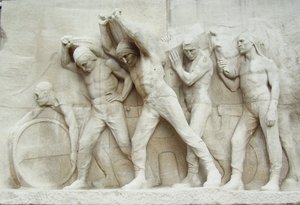
Perhaps Meunier’s most ambitious undertaking was the "Monument to Labour," a sprawling, multi-faceted work acquired by the Belgian state. This monumental project wasn't simply a sculpture; it was an entire artistic ecosystem designed to celebrate the contributions of the working class. It comprised four stone bas-reliefs representing industry, mining, harvest, and the harbor—each panel teeming with figures engaged in their respective trades. Complementing these were four bronze statues: the sower, the smith, the miner, and the ancestor—archetypal representations of labor through the ages. At the heart of it all stood a poignant bronze group titled “Maternity,” acknowledging the vital role of women and family within this world. The "Monument to Labour" wasn’t just about depicting work; it was about elevating it, imbuing it with a sense of nobility and recognizing its fundamental importance to society.

Influences and Artistic Significance

Constantin Meunier's artistic journey was shaped by several key influences. Gustave Courbet’s social realism served as an initial catalyst, encouraging him to confront the realities of his time with unflinching honesty. The changing industrial landscape of Belgium itself provided a constant source of inspiration, offering a wealth of subject matter and a compelling narrative for his art. However, Meunier wasn't merely a documentarian; he possessed a unique ability to imbue his subjects with a sense of dignity and pathos. He didn’t shy away from depicting the harshness of labor, but he always emphasized the inherent worth and resilience of those who performed it. This commitment to social realism paved the way for later artists who explored themes of social justice and worker's rights. His work stands as a testament to the power of art to bear witness, to challenge conventions, and to champion the cause of the marginalized. He was also a co-founder of the Société Libre des Beaux-Arts in Brussels, an influential society that championed artistic freedom and innovation.

A Continuing Resonance

Today, Constantin Meunier’s legacy endures through his powerful paintings and sculptures, which continue to resonate with audiences worldwide. The Museum Constantin Meunier, established in 1939 within the walls of his last home and studio in Ixelles, Brussels, serves as a fitting tribute to his life and work, housing approximately 150 of his creations. His art remains relevant not only for its historical significance but also for its timeless message about the dignity of labor and the importance of social consciousness. Meunier’s ability to capture the human spirit amidst the relentless march of industrial progress ensures his place as a pivotal figure in Belgian and European art history—an artist who dared to look beyond the surface and reveal the profound beauty and inherent worth within the lives of ordinary people.